


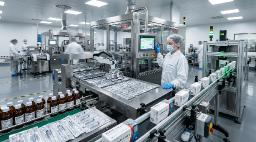
The pharmaceutical industry is one of the largest and fastest-growing industries in the world, and packaging plays a major role in its success. Many people wonder whether pharmaceutical packaging is an actual career or simply a small part of manufacturing. The reality is that pharmaceutical packaging is a highly specialized and professional field with thousands of job opportunities worldwide. Pharmaceutical companies depend on skilled packaging experts to ensure medicines remain safe, secure, and effective for patients.
Pharmaceutical packaging involves designing, producing, labeling, sealing, and testing medicine packaging according to strict safety regulations. Because medicines directly affect human health, packaging in this industry requires accuracy, cleanliness, and compliance with government standards. This makes pharmaceutical packaging a serious and valuable profession within the healthcare and manufacturing sectors.
Pharmaceutical packaging refers to the process of packing medicines and healthcare products in protective materials that maintain product quality and patient safety. The packaging must protect medicines from moisture, contamination, heat, oxygen, and physical damage during transportation and storage.
Common pharmaceutical packaging products include:
Unlike ordinary retail packaging, pharmaceutical packaging must follow strict legal and medical requirements. Even a small packaging error can affect product safety and lead to serious consequences.
The demand for pharmaceutical packaging professionals continues to grow because healthcare industries are expanding globally. Every medicine produced by pharmaceutical companies requires secure packaging before reaching hospitals, pharmacies, and patients.
Packaging professionals are responsible for ensuring:
This field combines manufacturing, healthcare, quality control, engineering, and design. As a result, pharmaceutical packaging offers stable career opportunities with long-term growth potential.
The global pharmaceutical packaging market continues to grow rapidly because of increasing healthcare demand, aging populations, and medical innovation. Pharmaceutical companies constantly invest in advanced packaging technologies to improve product safety and patient convenience.
Modern packaging solutions now include:
These innovations create new job opportunities for packaging engineers, machine operators, quality inspectors, and packaging designers.
Pharmaceutical packaging includes many different career roles depending on education, experience, and technical skills. Some jobs focus on machinery operation, while others involve quality testing or package design.
Machine operators manage equipment used for filling, sealing, labeling, and packing medicines. They ensure machines operate correctly and maintain packaging speed without errors. This role requires attention to detail and basic technical knowledge.
Quality control inspectors check packaging for defects, contamination risks, and labeling accuracy. They verify that pharmaceutical packaging meets government regulations and company standards before products enter the market.
Packaging designers focus on creating packaging that is safe, attractive, and user-friendly. They develop medicine boxes, blister packs, and protective containers while considering branding and patient convenience.
Packaging engineers work on improving packaging materials, machinery performance, and production efficiency. They often help pharmaceutical companies reduce costs while maintaining high safety standards.
People working in pharmaceutical packaging need both technical and practical skills. Since the industry deals with healthcare products, accuracy and cleanliness are extremely important.
Important skills include:
Some advanced roles may also require knowledge of engineering, printing technology, or material science.
Educational requirements depend on the job position. Entry-level factory jobs may only require basic education and technical training, while engineering or management positions usually require specialized degrees.
Common qualifications include:
Many companies also provide on-the-job training because pharmaceutical packaging processes can vary between facilities.
Custom Health Boxes is one of the most sensitive areas of the packaging industry because it directly affects human health. Proper pharmaceutical packaging protects medicines from contamination, humidity, and temperature damage.
For example, blister packs protect tablets from moisture exposure, while tamper-proof seals help customers identify whether a medicine package has been opened. Child-resistant packaging also prevents accidental medicine consumption by children.
Without proper pharmaceutical packaging, medicine quality and effectiveness could decrease before reaching patients.
Although pharmaceutical packaging offers strong career opportunities, the industry also comes with challenges. Packaging professionals must work carefully because mistakes can lead to product recalls or safety risks.
Common challenges include:
Companies continue investing in automation and smart technology to improve packaging accuracy and reduce human errors.
The future of pharmaceutical packaging looks highly promising because healthcare demand continues to rise globally. The growth of eCommerce pharmacies, personalized medicine, and sustainable packaging solutions is creating even more opportunities in this industry.
Automation and digital technology are also transforming pharmaceutical packaging facilities. Smart labeling systems, robotic packaging machines, and AI-based quality control systems are becoming increasingly common.
As pharmaceutical companies expand production, demand for skilled packaging workers, engineers, and inspectors is expected to increase significantly over the next decade.
Many healthcare companies are now focusing on sustainable packaging solutions to reduce environmental waste. Eco-friendly pharmaceutical packaging materials are becoming popular because consumers and governments want environmentally responsible healthcare products.
Examples include:
Sustainable packaging helps companies lower environmental impact while maintaining medicine safety and product quality.
Packaging companies support pharmaceutical brands by providing custom packaging solutions that meet medical regulations and branding requirements. These companies help businesses improve product protection, printing quality, and packaging efficiency.
Silver Edge Packaging works with businesses to provide customized packaging solutions for healthcare, retail, cosmetic, and pharmaceutical industries.
Pharmaceutical packaging is absolutely a real and highly important career field. It combines healthcare safety, manufacturing technology, and packaging innovation to ensure medicines reach patients safely and effectively. From machine operators and quality inspectors to packaging engineers and designers, this industry offers a wide range of career opportunities.
As healthcare industries continue growing worldwide, pharmaceutical packaging jobs are expected to remain in high demand. Companies are investing heavily in modern packaging technologies, sustainable materials, and safety systems to improve product quality and patient protection. For individuals interested in healthcare manufacturing and packaging technology, pharmaceutical packaging can provide a stable and rewarding professional career.
| No comments yet. Be the first. |
