


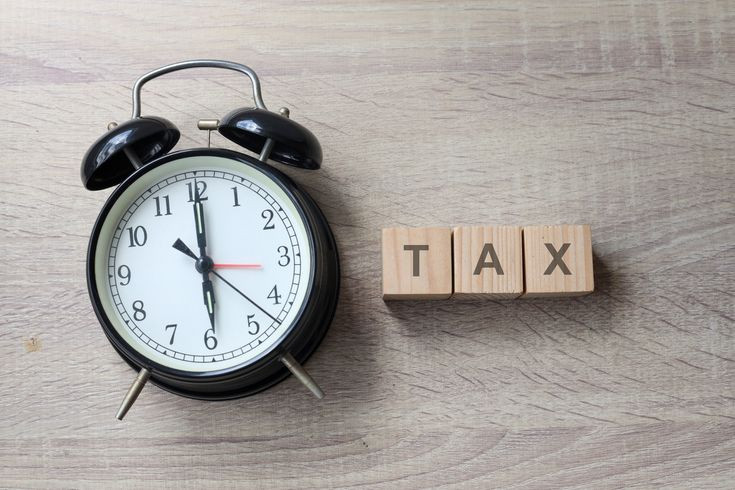
Taxation in Switzerland in 2026 requires one to climb the Alpine mountain range. While the experience is rewarding, it will be quite difficult for individuals who choose to take an off-path route, ending up in the financial abyss. The adoption of mandatory online tax filing procedures makes it critical for taxpayers to pay attention to details.
By early 2026, the ESTV has succeeded in simplifying its electronic filing websites, yet the complexity of the cantonal tax system continues to apply. This guide will walk you through the essential deadlines, the step-by-step e-filing process, and how a tax advisor can help you save thousands in 2026.
In Switzerland, the tax year follows the calendar year (January 1 to December 31). When you file in 2026, you are reporting your income and wealth from 2025. While many believe March 31 is the universal date, Switzerland’s federalist structure means deadlines vary significantly by canton.
|
Region |
Deadline |
Extension Flexibility |
|
Zurich, Geneva, Basel-Stadt |
March 31, 2026 |
Usually extendable to Sept/Nov (often free). |
|
Bern, Vaud |
March 15, 2026 |
Vaud has a grace period to June 30; Bern charges for late extensions. |
|
Zug, Ticino |
April 30, 2026 |
Among the most generous standard deadlines. |
|
Obwalden, Nidwalden |
March 31, 2026 |
Strict digital filing requirements. |
Pro Tip: If you cannot meet these dates, apply for a Fristverlängerung (extension) online immediately. In most cantons, the first extension is free if requested before the initial deadline passes.
Not everyone in Switzerland receives a tax return in the mail automatically. Your obligation to file a tax return Switzerland depends on your residency status, canton regulations, and income level.
Quasi-Residents: If 90% of your global income is earned in Switzerland but you live across the border, you may choose to file a return to claim deductions.
By 2026, almost all cantons will be heading towards the "Paperless by Default" policy. Here’s how you can access the e-filing portals such as ZHprivateTax (for Zurich) or VaudTax.
Enter the access code given to you in the paper tax filing that you receive in 2026 through mail. Many cantons now require the use of 2FA through SwissID or their own cantonal apps.
The most significant update in 2026 is the ability to auto-import data. If you used the portal last year, your personal details, real estate info, and carry-over balances will pre-populate.
This is where you lower your bill. Ensure you have receipts for:
Upload PDF copies of your supporting documents directly to the portal. Once you hit "Submit," you will acquire a digital receipt. No more trips to the post office!
While the software is helpful, it doesn't offer strategic advice. A tax advisor is often an investment that pays for itself.
Filing your tax return in Switzerland doesn't have to be a source of stress. With the right preparation and an early start, you can navigate the 2026 season with confidence.
Ready to optimize your Swiss taxes? Don't wait until the March 31 deadline looms. Whether you need a simple review or a complex international strategy, a qualified tax advisor can ensure you stay compliant while keeping more of your hard-earned money.
| No comments yet. Be the first. |
