


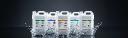
Newspaper can give a decent shine on lightly dusty glass, but a dedicated glass cleaner used with a microfiber cloth gives a more consistent, spotless finish. Water and newspaper struggle with oily fingerprints, toothpaste spots and hard water marks, and newspaper can leave ink smudges, fibres and grey streaks on window frames and hands. Kleemax Glass Cleaner is designed to cut through grime and evaporate evenly, so when paired with good technique, it delivers clearer glass with less effort.
In many Pakistani homes, cleaning windows and mirrors with old newspaper is a habit passed down through generations. Ammi or Nani would spray or splash a little water on the glass, crumple yesterday’s akhbar and rub until it squeaked. For years, this was the go-to method, and many people still swear by it.
The method became popular for good reasons. Newspaper was free, always available and absorbent. Unlike old cotton cloths, it didn’t leave lint behind. And on lightly dusty glass, it often did produce a reasonable shine.
But glass surfaces, the dirt on them and the newspapers themselves have changed over time. So we decided to look closely at both methods and see which one actually gives a better result in a typical Pakistani home.
To keep things fair, we compared both methods on the kinds of glass and dirt found in most Pakistani homes. That meant a living room window with a layer of fine dust, a bathroom mirror with toothpaste spots and hard water marks, and a glass dining table with oily fingerprints and a tea ring.
For the newspaper method, we used water and crumpled newspaper, wiping until the glass looked dry. For the glass cleaner method, we used Kleemax Glass Cleaner with two microfiber cloths, one for wiping and one for buffing. In both cases, we removed loose dust first and cleaned in the shade so sunlight wouldn’t affect the results. We then looked at each surface in natural light and from different angles, which is where streaks usually show.
On windows with only light dust, newspaper performed reasonably well. Once the paper was dry and the glass was buffed, the window looked noticeably cleaner. However, the edges and corners were harder to reach with a ball of newspaper, and fine grey streaks appeared when the sun hit the glass at an angle.
Kleemax Glass Cleaner lifted the dust film evenly, and buffing with a dry microfiber cloth left the glass clear from edge to edge. The flat cloth reached corners more easily, and the finish held up better when viewed from different angles.
Result: Both methods improved the window, but the glass cleaner gave a more even, streak-free finish.
The bathroom mirror was a tougher test. Water and newspaper removed some of the surface marks, but dried toothpaste spots and white hard water marks needed repeated rubbing. Some faint white spots remained, and the mirror developed a slightly cloudy look where water had dried unevenly.
With Kleemax Glass Cleaner, the dried spots softened more easily, and the cleaner lifted the hard water marks along with the toothpaste residue. After buffing, the mirror looked clearer, with no cloudy patches.
Result: The glass cleaner performed noticeably better on mixed bathroom grime.
Oily fingerprints and tea rings were where newspaper struggled most. Water doesn’t break down oil, so the newspaper smeared the fingerprints across the glass rather than removing them. It took several rounds to get the table looking clean, and faint smudges were still visible under the light.
Kleemax Glass Cleaner cut through the oily fingerprints and tea ring in one or two passes, and buffing left the tabletop clear and smudge-free.
Result: The glass cleaner was clearly more effective on greasy marks.
Beyond cleaning results, newspaper has a few drawbacks many people don’t notice. Modern newspaper ink can rub off onto hands, leaving grey fingertips, and can transfer onto white window frames, light-coloured walls and tile edges. Newspaper also tears and breaks down quickly when wet, leaving small paper fibres on the glass. Today’s thinner newsprint is also less absorbent than the paper our parents used, so it doesn’t perform as well as it once did.
Newspaper also has no cleaning power of its own. It simply absorbs water and polishes the surface. That works on light dust, but it can’t break down grease, soap scum or mineral deposits, which are common on glass in Pakistani homes.
Newspaper isn’t useless. For a quick polish on lightly dusty glass, it can still do a reasonable job, and it’s a good way to reuse old papers. Some people also use it to dry glass after cleaning. But for regular cleaning of mirrors, tables, glass doors and windows exposed to grease, hard water and fingerprints, a proper glass cleaner gives more reliable results.
Good technique makes the biggest difference. Clean in the shade or early in the day, since sunlight dries cleaner too quickly. Remove loose dust with a dry cloth before spraying. Spray a light mist of Kleemax Glass Cleaner rather than soaking the glass, then wipe with a clean microfiber cloth in straight, top-to-bottom strokes. Finish by buffing with a second, completely dry microfiber cloth. Check the glass from an angle and buff again if needed.
Microfiber cloths can be washed and reused for months, making them a practical replacement for newspaper. Just wash them without fabric softener so they stay absorbent.
Newspaper is a nostalgic and free option that works on lightly dusty glass, but it struggles with grease, toothpaste spots and hard water marks, and it can leave ink and fibres behind. Kleemax Glass Cleaner, used with microfiber cloths, gave a more consistent, spotless shine across windows, mirrors and glass tables. For Pakistani homes that want clear glass with less effort, a dedicated glass cleaner is the better choice.