


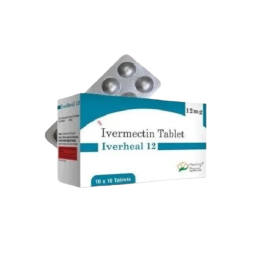
Ivermectin 12 mg is a formulation of ivermectin, an antiparasitic medicine used to treat certain infections caused by parasites. Ivermectin has been used in human medicine for specific parasitic conditions and works by interfering with the normal nerve and muscle function of susceptible parasites.
Ivermectin 12 belongs to a class of medicines known as antiparasitic agents. It is used under medical supervision for certain parasitic infections, including intestinal strongyloidiasis and onchocerciasis. The FDA recognizes oral ivermectin tablets for these specific indications.
The appropriate amount of ivermectin is generally determined according to the condition being treated and the patient's body weight. Therefore, a higher tablet strength does not automatically mean that it is a better or more effective treatment.
Prescription oral ivermectin is primarily used for certain parasitic worm infections. FDA-approved uses include:
The treatment regimen can differ depending on the infection and the patient's weight. Current U.S. labeling provides weight-based dosing rather than a universal fixed dose.
Ivermectin acts on specific targets in susceptible parasites. By affecting their nerve and muscle function, it helps prevent the parasites from functioning normally and supports their elimination from the body.
For this reason, ivermectin should be used for an appropriately diagnosed condition rather than taken routinely without medical advice.
The correct ivermectin dosage should be determined by a healthcare professional. For example, current U.S. labeling recommends approximately 200 mcg/kg for intestinal strongyloidiasis and approximately 150 mcg/kg for onchocerciasis. The labeling commonly expresses these doses using 3 mg tablets and weight-based dosing tables.
Because dosage depends on the condition and body weight, Ivermectin 12 mg should not be taken simply because the tablet contains 12 mg. Patients should follow the prescription and directions provided by their healthcare professional.
When used for an appropriate condition and taken according to medical instructions, ivermectin can be an effective treatment for certain parasitic infections. However, it can also cause adverse effects and interact with other medicines.
Taking excessive amounts can result in serious problems, including dizziness, nausea, vomiting, low blood pressure, loss of coordination, seizures, coma, and other potentially dangerous effects.
Patients should also never use ivermectin products intended for animals. Veterinary formulations are different from human medicines and have not been established as safe for human use.
Ivermectin is an established antiparasitic medicine with specific approved human uses. Its effectiveness and safety depend on using the appropriate medicine, dosage, and treatment schedule for the diagnosed condition.
| No comments yet. Be the first. |
