


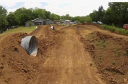
Dirt roads are an important part of rural properties, farms, homesites, recreational areas, and construction projects throughout Dahlonega, Georgia. A properly built road provides dependable access while helping manage drainage, erosion, and regular vehicle traffic. For property owners searching for Dirt Road Installation Dahlonega GA, understanding the installation process and the materials used can make it easier to plan a durable surface.
One commonly used material for improving dirt roads is No. 57 stone. This type of aggregate can provide a stable surface and support drainage when placed and compacted correctly. Combining proper grading, drainage planning, quality fill material, and suitable stone can help create a road that performs well in changing weather conditions.
Understanding Dirt Road Installation Dahlonega GA
Dirt road installation involves much more than simply spreading soil across an open area. A successful road starts with careful site preparation and planning. Contractors typically evaluate the existing terrain, soil conditions, drainage patterns, slopes, and intended vehicle use before beginning construction.
In Dahlonega, properties can have uneven terrain and sloped areas. These natural conditions make proper grading especially important. A road should be shaped to encourage water to move away from the driving surface rather than allowing water to remain on the road.
During Dirt Road Installation Dahlonega GA, the existing area may need to be cleared of brush, roots, debris, and unsuitable material. Depending on the condition of the property, excavation or filling may also be required to establish the appropriate road elevation.
Site Preparation for a Dirt Road
Site preparation is one of the most important stages of dirt road construction. A poorly prepared foundation can lead to soft spots, rutting, standing water, and surface deterioration.
The installation process may begin by clearing vegetation and removing organic soil. Organic material is generally not ideal as a road foundation because it can break down over time and create unstable areas.
After clearing, the road area can be shaped using grading equipment. The goal is to create a suitable base and establish slopes that help control surface water. Areas with significant moisture may require additional drainage solutions before aggregate is installed.
Proper preparation also helps determine how much material will be needed. Accurate measurements of the road's length, width, and depth allow property owners to plan the project more efficiently.
Why Drainage Matters
Water is one of the biggest challenges facing dirt roads. Rain can quickly soften exposed soil, create channels, and wash away road material. Without adequate drainage, even a well-constructed road may require frequent repairs.
A properly designed road can include a slight crown or appropriate slope so water moves toward drainage areas. Ditches, culverts, and other drainage features may also be used where necessary.
For Dirt Road Installation Dahlonega GA, drainage planning should consider the property's natural water flow. Instead of allowing water to travel directly down the road, the road should be designed to redirect runoff safely.
Good drainage can help reduce erosion and protect the road base. It may also reduce maintenance requirements over the long term.
What Is No. 57 Stone?
No. 57 stone is a commonly used crushed aggregate material. It generally consists of relatively small, clean pieces of crushed stone and is frequently used for drainage, construction, landscaping, and other aggregate applications.
Because No. 57 stone contains limited fine material compared with some other aggregate types, water can move through the spaces between the stones. This makes it useful in applications where drainage is important.
For rural road projects, No. 57 stone can be used in selected areas to improve stability and drainage. However, the best aggregate choice depends on soil conditions, traffic requirements, drainage needs, and the design of the road.
Benefits of Using No. 57 Stone
Using No 57 stone can provide several advantages when it is incorporated correctly into a road project.
First, the stone can improve surface stability. A properly prepared aggregate layer can provide a stronger driving surface than loose soil alone.
Second, No. 57 stone can support drainage because of the open spaces between individual pieces. This can be particularly helpful in areas where water movement is a concern.
Third, crushed stone can help reduce mud and improve access during wet weather. A well-maintained aggregate road may remain more usable after rainfall than an untreated dirt surface.
The exact benefits depend on how the material is installed. Proper grading, depth, compaction, and base preparation are essential for achieving good results.
Building a Strong Road Base
The road base is critical to long-term performance. If the underlying soil is weak, simply placing stone on top may not solve the problem.
Depending on site conditions, contractors may remove unsuitable soil and replace it with stronger fill or aggregate. The foundation should then be shaped and compacted to create a stable platform.
Heavy equipment can be used to spread and compact materials. Proper compaction helps reduce movement and creates a more uniform surface.
For Dirt Road Installation Dahlonega GA, the required road base can vary from one property to another. A lightly traveled private driveway may have different requirements than a road used regularly by trucks, farm equipment, or construction vehicles.
Grading and Slope
Grading determines the shape and elevation of the road. Good grading helps provide a smoother driving surface while directing rainwater away from the road.
A road that is completely flat may allow water to collect in low areas. Over time, standing water can weaken the surface and contribute to potholes and ruts.
Proper grading can create a surface that sheds water while maintaining safe vehicle access. Sloped properties may require additional attention because runoff can travel quickly across the terrain.
Experienced equipment operators can shape the road according to the site's existing conditions and intended use.
No. 57 Stone for Drainage Applications
In addition to road construction, No. 57 stone is frequently used around drainage systems. Its open structure allows water to move through the aggregate.
It can be placed around certain drainage features, depending on the design and engineering requirements. For example, aggregate may be used around drainage areas, under specific construction elements, or near water-management systems.
The material should be installed according to the needs of the project rather than used as a universal solution. A professional evaluation can help determine whether No. 57 stone is appropriate for a particular location.
Maintaining a Dirt Road
Even a properly installed road requires maintenance. Regular inspection can help property owners identify problems before they become expensive repairs.
Common dirt road problems include potholes, ruts, loose material, erosion, and drainage blockages. Addressing these issues early can help preserve the road surface.
After periods of heavy rainfall, it is useful to inspect ditches, culverts, and low areas. Removing debris from drainage paths can help water flow away from the road.
Periodic grading may also be necessary. Depending on traffic and weather conditions, grading can restore the road's shape and smooth uneven areas.
Adding fresh aggregate such as suitable crushed stone can also help restore areas that have experienced material loss.
Choosing Materials for Your Road
Not every road requires the same materials. Soil type, moisture, traffic volume, road length, slope, and drainage conditions should all be considered.
No. 57 stone may be suitable for certain drainage and aggregate applications, while other crushed stone products may be better for creating a compacted driving surface. A road contractor can evaluate the site and recommend an appropriate combination of materials.
Using the right material in the right location can improve performance and help reduce unnecessary costs.
Professional Dirt Road Installation in Dahlonega
Property owners looking for Dirt Road Installation Dahlonega GA should consider working with an experienced contractor familiar with local terrain and rural construction needs.
A professional installation can include site evaluation, clearing, grading, excavation, drainage preparation, material placement, and compaction. Contractors can also identify potential problem areas before construction begins.
Whether the project involves a private driveway, farm road, homesite access road, or larger rural roadway, careful planning can make a major difference.
Preparing for a Successful Project
Before beginning a dirt road project, property owners should consider how the road will be used. The expected traffic determines the level of preparation and materials required.
It is also important to consider future construction. If heavy equipment or delivery trucks will use the road, the road should be designed accordingly.
Drainage should be addressed from the beginning rather than waiting until water damage occurs. Planning for runoff can help protect the road and surrounding property.
A clear project plan can also make it easier to estimate material quantities and construction costs.
Conclusion
A dependable rural road requires more than simply placing dirt over the ground. Dirt Road Installation Dahlonega GA involves proper site preparation, grading, drainage, foundation construction, material selection, and maintenance.
No. 57 stone can be a valuable aggregate for drainage and selected road applications because its open structure allows water to move through the material. When combined with proper grading and a suitable road base, aggregate materials can help improve access and reduce problems associated with mud and water.
For Dahlonega property owners, investing in careful road planning and quality installation can create a more reliable route for homes, farms, construction sites, and rural properties. Regular maintenance and drainage management can then help keep the road functional for years to come.