


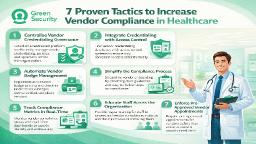
Healthcare organizations rely on a large network of vendors, clinical reps, device specialists, IT teams, and contractors who access facilities daily. Without a unified system, vendor credentialing often becomes fragmented across departments, leading to compliance gaps, security risks, and operational inefficiencies.
To ensure safety, regulatory readiness, and efficiency, hospitals must adopt a centralized, technology-driven approach to vendor compliance in healthcare.
👉 Learn more: https://gogreensecurity.com/
A single, enterprise-wide credentialing strategy eliminates inconsistencies and ensures accountability. Standardized policies, defined ownership, and clear escalation protocols improve enforcement across all facilities.
Modern hospitals are connecting credentialing platforms with access systems to:
Automated badge printing and scanning ensure only compliant vendors gain entry. This improves visibility, traceability, and on-site security.
User-friendly systems increase adherence. Key features include:
👉 Explore more: https://gogreensecurity.com/blog/7-proven-tactics-to-increase-vendor-compliance
Leading healthcare systems monitor:
Data-driven insights help prevent risks before they escalate.
Compliance improves when staff understand:
A strong compliance culture drives better enforcement.
Credentialing verifies qualifications, while appointments verify necessity. Together, they reduce unnecessary vendor traffic and enhance operational control.
Key Innovation & Recent Developments
Modern platforms like Green Security are transforming vendor credentialing in healthcare through:
These innovations enable hospitals to move from reactive compliance to proactive risk management.
Why Vendor Compliance Matters
Strong vendor compliance programs help:
👉 Get started: https://gogreensecurity.com/
Frequently Asked Questions (FAQ)
It is the process of verifying that vendors meet hospital requirements such as training, immunizations, and compliance documentation before facility access.
It ensures patient safety, supports regulatory audits, reduces infection risks, and prevents unauthorized access.
By centralizing credentialing, automating workflows, integrating access control, and tracking compliance metrics.
A centralized team such as Supply Chain, Compliance, or a Vendor Management Office.
AI automation, continuous monitoring, real-time dashboards, and integrated access control systems are driving modern compliance strategies.
| No comments yet. Be the first. |
