


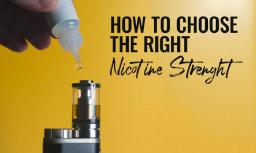
Choosing the right nicotine strength is an important part of finding a vape setup that feels comfortable and consistent. With e-liquids available in several strengths, it can be difficult to know which option is appropriate, particularly when switching from cigarettes or changing to a different type of vape device.
Nicotine strength is usually shown in milligrams per millilitre (mg/ml), while some products also display it as a percentage. The right choice depends on factors such as previous smoking habits, device type, vaping frequency and individual nicotine needs.
For adult smokers who are switching to vaping, the NHS recommends choosing a nicotine strength that is sufficient to manage cravings and withdrawal symptoms, with the appropriate level depending on how much and how frequently they smoke.
Nicotine strength describes the concentration of nicotine contained in an e-liquid. For example, an e-liquid labelled 10mg/ml contains 10 milligrams of nicotine per millilitre of liquid.
In the UK, consumer nicotine e-liquids are subject to a maximum nicotine concentration of 20mg/ml under current regulations. Nicotine-containing refill containers are also limited to 10ml, while tanks and cartridges are generally limited to 2ml.
Understanding the label makes it easier to compare different e-liquids and select a product that suits your needs.
For adults who are moving from smoking to vaping, previous cigarette consumption can provide a useful starting point when considering nicotine strength.
Someone who previously smoked only occasionally may require less nicotine than someone who smoked frequently throughout the day. However, cigarette consumption should not be treated as an exact formula for calculating vape nicotine strength because nicotine delivery varies between devices, e-liquids and individual users.
The NHS advises that nicotine strength should match cigarette use, including both how frequently and how much a person smoked. Specialist vape shops and local Stop Smoking Services can also provide guidance when choosing an appropriate strength.
E-liquids are available in a range of nicotine concentrations. In the UK, commonly encountered strengths include lower levels such as 3mg/ml or 6mg/ml, medium options such as 10mg/ml and higher strengths up to the legal maximum of 20mg/ml.
There is no single strength that is right for every adult vaper. A lower concentration may be suitable for some experienced vapers, while an adult smoker transitioning from a higher level of cigarette use may need a stronger e-liquid to manage cravings.
The important point is to choose based on your circumstances rather than simply selecting the strongest or weakest available option.
The type of vape device you use can influence how nicotine is delivered.
Compact pod systems and lower-powered devices are commonly used with higher-strength e-liquids, while more powerful devices may be paired with lower nicotine concentrations. This is because device power, coil resistance and airflow can all affect the amount of vapour produced.
If you change from a small pod system to a more powerful vape, your previous nicotine strength may no longer feel the same. Rather than choosing a new strength purely by habit, check the device manufacturer's recommendations and consider how the new setup feels.
Another factor to consider is the type of nicotine used in an e-liquid.
Nicotine salt e-liquids are designed differently from traditional freebase nicotine formulations and are commonly available in higher strengths. They are often used with compact, lower-powered devices.
Freebase nicotine is widely available in lower concentrations and is commonly associated with a variety of refillable devices.
Neither type is universally better. The appropriate option depends on the device, available strength, preferred vaping experience and individual requirements.
If an adult smoker switches to vaping but continues experiencing strong cravings or withdrawal symptoms, the nicotine strength may not be sufficient. The NHS notes that users should choose enough nicotine to manage cravings and withdrawal symptoms rather than focusing solely on reducing nicotine immediately.
Constantly reaching for the vape or feeling that it does not adequately replace the nicotine previously obtained from cigarettes may be signs that the chosen strength needs reviewing.
However, increasing nicotine concentration should be done carefully and within the legal limits applicable to the product. If you are unsure, a specialist vape retailer or Stop Smoking Service can help you identify a suitable option.
A nicotine strength that feels excessive may also be uncomfortable. Some people may experience symptoms such as dizziness, nausea, headache or an unpleasant sensation when using too much nicotine.
If a particular strength does not feel comfortable, stop using it and consider seeking advice from a healthcare professional or qualified stop-smoking adviser.
It is also important to remember that nicotine is addictive. Vaping is not recommended for children or non-smokers. The NHS specifically advises that children and people who do not smoke should not start vaping.
Product quality and compliance are important when purchasing nicotine-containing vaping products. In the UK, legal nicotine-containing e-cigarettes and e-liquids must comply with relevant requirements, including nicotine concentration limits, packaging rules and notification requirements.
When comparing products, look for clear information about nicotine strength, ingredients, manufacturer details and applicable warnings. Government guidance states that consumers should only purchase nicotine-containing vaping products that meet the relevant regulatory requirements.
For adult vapers researching different e-liquids, devices and vaping accessories, Vaping Vogue can be a useful resource for exploring vaping products and comparing options before making a purchase.
Some adult vapers who have successfully moved away from cigarettes may eventually want to reduce their nicotine intake. This can be done gradually rather than making a sudden change.
The NHS recommends gradually reducing nicotine strength and paying attention to how you feel. If lowering the strength causes you to vape substantially more, it may indicate that the reduction has happened too quickly.
There is no requirement to rush the process. The priority for someone switching from smoking is to avoid returning to cigarettes, while gradually reducing nicotine can be considered when they feel ready.
Choosing the right nicotine strength is about finding an appropriate balance between nicotine needs, device type and personal vaping habits. For adult smokers switching from cigarettes, previous smoking frequency can provide a useful starting point, while the type and power of the vape can also affect the experience.
Always check the nicotine concentration on the label, follow the manufacturer's recommendations and purchase compliant products from reputable retailers. If you are unsure about nicotine strength or are using vaping as part of a smoking-cessation attempt, speaking with a specialist vape retailer or Stop Smoking Service can provide personalised guidance.
| No comments yet. Be the first. |
