

Commercial property identification is an important responsibility for property managers. Shopping centers, office parks, healthcare campuses, residential developments, and mixed-use properties all need clear signage to help visitors identify entrances and locate businesses.
In Raleigh, North Carolina, commercial properties vary in size, architecture, road access, and surrounding development. These differences make signage planning especially important.
Custom monument signs offer property owners and managers a practical way to establish a prominent entrance display while providing useful identification for tenants, visitors, and customers.
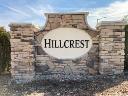
Monument signs are freestanding displays generally installed near property entrances. Unlike signs mounted high on building walls, they are typically positioned closer to ground level and designed as part of the surrounding landscape.
They can identify:
Office parks
Shopping centers
Medical campuses
Residential communities
Educational facilities
Commercial developments
Corporate properties
Their appearance can range from simple identification panels to customized structures featuring multiple materials, dimensional lettering, and illumination.
Raleigh continues to attract commercial development across retail, healthcare, professional services, and residential sectors. As properties expand and new businesses occupy commercial spaces, clear entrance identification becomes increasingly valuable.
Monument signage helps visitors recognize a property before entering.
For developments located along busy roads, a well-positioned sign can provide an important visual reference.
Property managers can also use monument signs to establish a consistent identity for the entire development rather than relying on individual tenant signs.
The design should complement the property's architecture and surrounding landscape.
Common material considerations include aluminum, masonry-style structures, acrylic panels, metal lettering, and other commercial-grade components.
The appropriate choice depends on the desired appearance, environmental exposure, maintenance expectations, and project budget.
A monument sign should be large enough to be visible from the intended viewing distance without overwhelming the property entrance.
Text should remain readable, especially for motorists approaching from the road.
Plants, pathways, lighting, and surrounding structures can influence the visibility of the finished sign.
North Carolina's humid subtropical climate brings warm summers, rainfall, occasional thunderstorms, and seasonal temperature changes.
Monument signs are permanently exposed to outdoor conditions, making construction quality important.
Property managers should consider:
Water-resistant construction details
Durable exterior finishes
Secure foundations
Appropriate drainage
Weather-resistant electrical components
Materials suited to outdoor exposure
Rainwater should not collect around the sign's foundation or enter vulnerable electrical compartments.
Professional site evaluation can help identify these concerns before construction begins.
Shopping centers and office parks frequently have several tenants sharing one property entrance.
A monument sign can provide an organized way to display multiple business names.
However, property managers should plan the tenant panel system carefully.
Important considerations include:
Consistent panel dimensions.
Readable lettering.
Clear tenant hierarchy.
Reserved space for future tenants.
Consistent colors and design.
Accessible maintenance arrangements.
A standardized system can make future tenant changes easier without requiring the entire sign to be replaced.
Monument sign installations may be subject to municipal zoning, setback, height, size, illumination, and placement requirements.
Requirements can differ between Raleigh and surrounding municipalities such as Cary, Apex, Wake Forest, Garner, and Morrisville.
Property managers should also review private development standards, landlord agreements, easements, and utility locations.
Starting the approval process early can help prevent delays during fabrication and installation.
Properties that operate after sunset may benefit from illuminated monument displays.
LED lighting can improve the visibility of tenant names and property identification after dark.
However, lighting should be selected carefully to avoid excessive brightness or glare.
Property managers should also consider maintenance access and electrical protection when planning illuminated installations.
Monument signs are long-term property assets. Routine inspections can help property managers identify minor problems before they become expensive repairs.
Maintenance should include checking:
Structural stability
Surface finishes
Lettering condition
Lighting performance
Electrical enclosures
Landscaping around the sign
Tenant information
Cleaning and replacing outdated tenant panels can also help maintain a professional appearance.
Monument sign projects often involve coordination between property owners, managers, designers, contractors, electricians, and municipal authorities.
A knowledgeable signage provider can assist with site evaluation, design, permitting guidance, fabrication, and installation.
A professional raleigh sign company can also help coordinate monument signage with building identification, directional signs, and tenant directories.
Where should a monument sign be installed?
It is generally positioned near a property entrance where visitors can identify the development without obstructing visibility or violating applicable placement requirements.
Can monument signs display multiple businesses?
Yes. Multi-tenant monument signs can display several business names using coordinated individual panels.
Do monument signs require permits in Raleigh?
Many commercial monument signs require approval. Requirements depend on the property, sign dimensions, location, and applicable local regulations.
Can monument signs be illuminated?
Yes. Some designs incorporate LED lighting to improve nighttime visibility.
Monument signs are valuable identification and branding features for commercial properties throughout Raleigh. They help visitors locate developments, support tenant visibility, and create a recognizable entrance.
Property managers considering custom monument signs should evaluate design, materials, foundations, weather exposure, lighting, and local approval requirements before beginning installation.
A well-planned monument sign can serve a property for years while strengthening its overall presentation.