


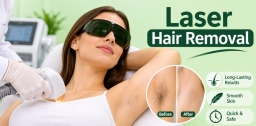
Unwanted body hair is a common concern for both men and women. Traditional hair removal methods, such as shaving, waxing, threading, and hair removal creams, provide temporary results and often require frequent maintenance. These methods can also cause skin irritation, razor bumps, ingrown hairs, and discomfort.
Laser Hair Removal is a modern cosmetic treatment that offers a longer-lasting solution for unwanted hair. It uses concentrated beams of light to target hair follicles and reduce their ability to produce new hair. With multiple treatment sessions, laser hair removal can significantly reduce hair growth and leave the skin smoother.
Today, laser hair removal is one of the most popular aesthetic procedures because it is convenient, effective, and suitable for treating different areas of the body. Advanced laser technologies also make it possible to customize treatments according to different skin tones, hair types, and individual needs.
This complete guide explains everything you need to know about laser hair removal, including how it works, its benefits, treatment process, available technologies, potential side effects, costs, and expected results.
Laser hair removal is a non-invasive cosmetic procedure that uses concentrated light energy to reduce unwanted hair. During the treatment, a specialized laser device emits light that is absorbed by melanin, the pigment responsible for hair color.
The absorbed light energy converts into heat, which damages the hair follicle and reduces its ability to produce hair.
Unlike shaving, which only removes hair from the skin's surface, laser hair removal targets the hair follicle beneath the skin. This makes it a more effective long-term hair reduction option.
Laser hair removal can be performed on almost any area of the body, including:
Face and upper lip
Chin and jawline
Underarms
Arms and hands
Legs and thighs
Chest and abdomen
Back and shoulders
Bikini line
Brazilian area
Neck and other selected areas
Both men and women can benefit from this treatment.
Laser hair removal works through a process known as selective photothermolysis. This process allows laser energy to target pigmented hair follicles while minimizing damage to the surrounding skin.
The procedure involves the following steps:
The laser device directs concentrated light toward the treatment area. The melanin in the hair absorbs this light energy.
The absorbed light is converted into thermal energy, creating heat within the hair shaft and follicle.
The heat damages structures responsible for hair growth, reducing the follicle's ability to produce new hair.
Treated hairs gradually shed over the following days or weeks. Hair growth becomes progressively thinner, lighter, and less noticeable after multiple sessions.
Because hair grows in different cycles, not all follicles can be effectively targeted during one session. Multiple appointments are necessary to achieve optimal hair reduction.
Laser hair removal offers several advantages compared with conventional hair removal techniques.
One of the biggest advantages of laser hair removal is its ability to provide long-term hair reduction. After completing the recommended sessions, many individuals experience significantly less hair growth.
Some people may require occasional maintenance sessions to manage regrowth.
Frequent shaving and waxing can leave the skin irritated, rough, or uneven. Laser hair removal reduces the need for these methods and can help maintain smoother-looking skin.
Ingrown hairs develop when hair grows back into the skin instead of emerging normally. They are particularly common after shaving and waxing.
Laser hair removal reduces hair growth and can help minimize recurring ingrown hairs and razor bumps.
Regular shaving and waxing require continuous maintenance. Laser hair removal can reduce the time spent on hair removal once the treatment course is completed.
Laser treatments can be customized for small and large areas, including the face, underarms, legs, arms, back, and bikini area.
Waxing can cause considerable discomfort, particularly in sensitive areas. Laser treatment may involve temporary warmth, tingling, or a snapping sensation, but modern cooling technologies help improve comfort.
By reducing the need for frequent shaving and waxing, laser hair removal may help reduce associated irritation, razor bumps, and some forms of post-hair-removal inflammation.
Modern laser systems offer different wavelengths and settings. A qualified practitioner can select an appropriate technology and treatment plan according to skin tone, hair color, hair thickness, and treatment area.
Different laser technologies are available for hair reduction. Each has specific characteristics and may be more suitable for certain skin types and hair characteristics.
The Alexandrite laser operates at a wavelength of 755 nm and is commonly used for hair removal in people with lighter skin tones.
Benefits:
Effective for many types of dark, coarse hair.
Can treat relatively large areas quickly.
Often provides good results for suitable skin types.
Useful for treating legs, arms, and other body areas.
It requires careful assessment when treating darker skin tones because of the risk of pigmentation changes and burns.
The Diode laser generally operates around an 800–810 nm wavelength. It is widely used for hair removal and can be suitable for a range of skin tones when appropriate settings are selected.
Benefits:
Effective for many hair types.
Suitable for several body areas.
Can be used for relatively large treatment areas.
Offers adjustable treatment settings.
The Nd laser typically uses a 1064 nm wavelength. Its longer wavelength penetrates deeper into the skin and is often preferred for individuals with darker skin tones.
Benefits:
Suitable for a broad range of skin tones, including darker skin.
Lower absorption by epidermal melanin compared with shorter-wavelength lasers.
Can effectively target coarse, dark hair.
Useful for treating different body areas.
The Ruby laser uses a wavelength of approximately 694 nm. It is an older hair removal technology and is generally more appropriate for individuals with very light skin and dark hair.
Its use is less common today because newer technologies offer greater versatility and faster treatment options.
Intense Pulsed Light (IPL) is sometimes marketed alongside laser hair removal, but it is not technically a laser.
IPL devices use broad-spectrum pulses of light to target hair pigment. They can reduce hair growth in suitable candidates, but their performance and suitability differ from those of laser systems.
A professional assessment helps determine which technology is appropriate.
Laser hair removal can be used on many areas of the body.
Facial hair removal is popular among individuals who want to reduce unwanted hair on the upper lip, chin, cheeks, jawline, and sideburn areas.
It can help reduce frequent threading, shaving, and waxing.
Underarm hair removal is one of the most commonly requested treatments. It reduces unwanted hair and can help minimize shaving-related irritation and ingrown hairs.
Full-body laser hair removal combines several treatment areas into a customized treatment plan.
Common areas include:
Face
Neck
Arms
Underarms
Chest
Abdomen
Back
Legs
Bikini area
The exact treatment areas and number of sessions depend on individual requirements.
Laser hair removal can be performed on selected external bikini and Brazilian areas.
The procedure can help reduce unwanted hair and recurring ingrown hairs. Sensitive areas require appropriate equipment, careful settings, and an experienced practitioner.
Laser hair removal is increasingly popular among men who want to reduce unwanted body hair.
Common treatment areas include:
Beard line
Neck
Chest
Back
Shoulders
Arms
Abdomen
Legs
Men with thick or coarse hair may need a customized treatment schedule.
Laser hair removal can benefit many individuals, but treatment effectiveness depends on several factors.
Traditionally, people with light skin and dark hair have been considered ideal candidates because the contrast allows the laser to target hair pigment more easily.
However, modern laser technologies, particularly Nd and appropriately selected diode systems, have expanded treatment options for individuals with darker skin tones.
A suitable candidate generally:
Has unwanted hair on one or more body areas.
Wants long-term hair reduction.
Has realistic expectations about treatment results.
Can follow the recommended treatment schedule.
Does not have an active infection or untreated skin condition in the treatment area.
Can avoid tanning and follow pre- and post-treatment instructions.
Laser hair removal is generally less effective on white, grey, blonde, and red hair because these hair colors contain less of the pigment targeted by conventional hair removal lasers.
A professional consultation is important before beginning treatment.
Laser hair removal requires multiple sessions because hair grows in different phases.
The three main stages of hair growth are:
Anagen Phase: The active growth stage, when the hair is attached to the follicle and is generally most responsive to laser treatment.
Catagen Phase: The transitional stage, when hair growth slows and the follicle begins to shrink.
Telogen Phase: The resting stage, when the hair eventually sheds before a new growth cycle begins.
Laser hair removal works most effectively when hair is in the active growth phase. Since all hairs are not in this phase simultaneously, multiple sessions are required.
Many individuals need approximately 6–10 sessions, although some require more or fewer treatments depending on their hair growth, hormonal factors, skin type, and treatment area.
Treatment intervals vary according to the body area and individual hair growth cycle.
For example:
Facial areas: Approximately 4–6 weeks.
Underarms: Approximately 4–6 weeks.
Arms: Approximately 6–8 weeks.
Legs: Approximately 6–8 weeks.
Back and chest: Approximately 6–8 weeks.
These are general estimates. The treating practitioner should determine the appropriate interval for each individual.
Laser hair removal is usually performed as an outpatient cosmetic procedure. Most appointments require little downtime.
Here is what typically happens during treatment.
The practitioner examines the skin and hair in the intended treatment area.
They may ask about:
Medical history.
Previous skin treatments.
Current medications.
History of tanning or sun exposure.
Skin sensitivity.
Previous laser treatments.
Expectations and desired results.
The practitioner selects an appropriate laser technology and treatment settings.
The treatment area is cleaned, and the hair is usually shaved before the appointment.
Waxing, threading, and plucking should generally be avoided because they remove the hair root that the laser needs to target.
Both the patient and practitioner wear appropriate protective eyewear to prevent eye injury from laser exposure.
The practitioner moves the laser handpiece across the treatment area, delivering controlled pulses of light.
Depending on the device, cooling gel, contact cooling, or a cooling spray may be used to protect the skin and improve comfort.
After treatment, the practitioner checks the skin and may recommend a soothing product or cold compress if necessary.
The patient receives instructions about sun protection, skincare, and the next appointment.
Proper preparation helps improve treatment safety and effectiveness.
Consider the following precautions before your appointment:
Avoid excessive sun exposure and tanning before treatment.
Do not use tanning beds or artificial tanning products.
Avoid waxing, threading, and plucking for several weeks before treatment.
Shave the treatment area according to your practitioner's instructions, usually within 24 hours of the appointment.
Avoid irritating skincare products on the treatment area when advised.
Inform your practitioner about medications and skincare products you use.
Disclose any history of cold sores, skin infections, or abnormal scarring.
Arrive with clean skin without makeup, deodorant, or heavy creams on the treatment area.
Always follow the instructions provided by your treatment provider.
Laser hair removal is generally well tolerated when performed by a trained professional using appropriate equipment and settings.
However, like other cosmetic procedures, it can cause temporary side effects.
Mild redness around the treated hair follicles is common after treatment. It usually improves within several hours or a few days.
Slight swelling around the hair follicles may occur. This is generally temporary.
Some individuals experience temporary warmth, tenderness, or mild discomfort in the treated area.
Laser treatment can sometimes cause the skin to become darker or lighter.
These changes may be temporary, but in some cases they can persist.
Incorrect laser settings, unsuitable equipment, or inadequate cooling can cause burns and blisters.
This is why choosing a qualified practitioner is essential.
Scarring is uncommon but possible, particularly if significant skin injury occurs or post-treatment care instructions are not followed.
Laser exposure can cause serious eye injuries. Appropriate protective eyewear is essential for both the patient and practitioner.
In uncommon cases, laser treatment can stimulate increased hair growth around the treated area. This is known as paradoxical hypertrichosis and is more commonly reported in certain facial and neck treatment areas.
A proper consultation helps identify potential risks and determine whether laser treatment is appropriate.
Following appropriate aftercare instructions helps protect the skin and minimize irritation.
Protect treated areas from direct sunlight, particularly during the first few days after treatment.
Use broad-spectrum SPF 30 or higher sunscreen on exposed areas.
Avoid very hot showers, steam rooms, saunas, and hot baths for approximately 24–48 hours if the skin is irritated.
Do not scrub, exfoliate aggressively, or use harsh skincare products immediately after treatment.
Loose-fitting clothing can reduce friction and irritation, particularly when treating the underarms, bikini area, or legs.
Apply a gentle, fragrance-free moisturizer if recommended by your practitioner.
Do not wax or pluck treated hair between sessions. Shaving is generally acceptable.
Treated hairs may take one to three weeks to shed. Do not pull them out forcefully.
Attend appointments at the intervals recommended by your practitioner to achieve the best possible reduction in hair growth.
Contact your treatment provider if you experience severe pain, blistering, spreading redness, or other unexpected symptoms.
Laser hair removal does not usually provide complete hair removal after a single appointment.
Results develop gradually as treated hair follicles are damaged over multiple sessions.
Some treated hairs begin shedding over the following days or weeks. Hair may appear to grow temporarily before shedding.
Many people begin noticing slower hair growth and some reduction in hair thickness.
Hair density may decrease noticeably, although results vary depending on the treatment area and individual characteristics.
Many individuals experience substantial and long-lasting hair reduction.
Some fine hairs may remain, and occasional maintenance treatments may be necessary.
It is important to understand that laser hair removal provides long-term hair reduction rather than a guarantee of permanent removal of every hair.
The cost of laser hair removal varies depending on several factors.
These include:
Treatment area.
Number of sessions required.
Type of laser technology.
Clinic location.
Equipment quality.
Practitioner experience.
Individual hair and skin characteristics.
Whether the treatment is purchased individually or as a package.
Small areas, such as the upper lip and chin, generally cost less than larger areas, such as the legs, back, or full body.
In Pakistan, laser hair removal prices vary between clinics and cities.
Treatment costs may differ in Lahore, Multan, Islamabad, Karachi, and other locations because of differences in equipment, operating costs, and practitioner expertise.
For an accurate quotation, patients should request a consultation and discuss the treatment areas, estimated number of sessions, available technology, and total treatment plan.
It is important to prioritize qualified professionals, suitable equipment, hygiene, and safety rather than choosing a clinic based solely on low prices.
There are several ways to remove unwanted body hair. However, each method offers different results.
| Method | Results | Duration |
|---|---|---|
| Shaving | Removes visible hair | Usually 1–3 days |
| Waxing | Removes hair from the root | Usually 3–6 weeks |
| Threading | Removes individual hairs | Usually 2–4 weeks |
| Hair removal creams | Dissolves visible hair | Usually Several days |
| Electrolysis | Can permanently remove treated hairs | Multiple sessions |
| Laser hair removal | Long-term hair reduction | Multiple sessions with possible maintenance |
Laser hair removal is particularly useful for individuals who want to reduce repeated shaving and waxing.
Electrolysis is another option and can be useful for hair colors that do not respond well to conventional laser treatment.
Yes. Laser hair removal can be performed safely on darker skin when the appropriate laser technology, settings, and safety precautions are used.
However, darker skin contains more melanin in the epidermis, which can absorb laser energy and increase the risk of burns and pigmentation changes.
Nd laser technology is frequently preferred for darker skin tones because its longer wavelength has lower absorption by epidermal melanin.
A qualified practitioner should assess skin tone, hair characteristics, medical history, and treatment area before selecting the appropriate laser.
A test spot may also be recommended when necessary.
Laser hair removal is generally described as mildly uncomfortable rather than extremely painful.
People commonly compare the sensation to a small rubber band snapping against the skin.
The level of discomfort depends on:
Individual pain tolerance.
Treatment area.
Hair thickness.
Laser technology.
Energy settings.
Cooling system.
Sensitive areas, such as the upper lip and bikini region, may feel more uncomfortable than the legs or arms.
Modern laser devices often include cooling systems that help reduce discomfort during treatment.
Laser hair removal can reduce unwanted hair associated with hormonal conditions, but it does not treat the underlying hormonal imbalance.
For example, individuals with polycystic ovary syndrome (PCOS) may experience excessive facial or body hair because of increased androgen activity.
Laser hair removal can help reduce existing unwanted hair, but hormonal changes may stimulate new hair growth.
In such cases, a combination of medical evaluation, appropriate hormonal management, and laser treatments may provide better long-term results.
Laser hair removal may not be appropriate in certain situations.
Treatment should be delayed or carefully evaluated if you have:
Active skin infections.
Open wounds in the treatment area.
Significant sunburn or recent tanning.
Certain photosensitizing medications.
Active skin inflammation.
A history of unusual scarring or poor wound healing.
Tattoos in the intended treatment area that could be exposed to the laser.
Pregnancy is another situation in which elective laser hair removal is generally postponed because safety data are limited.
People with a history of cold sores should inform their practitioner before facial treatments.
A medical professional should assess individual risks before treatment.
Choosing the right clinic is an important part of achieving safe and satisfactory results.
Consider the following factors before making an appointment.
Choose a clinic where treatments are performed or supervised by appropriately trained and qualified healthcare professionals.
Ask about the available laser technology and whether it is suitable for your skin tone and hair characteristics.
A reputable clinic should assess your skin, hair, and treatment goals before recommending a specific number of sessions.
The treatment environment should follow proper hygiene protocols and use appropriate protective equipment.
The clinic should clearly explain treatment costs, session packages, and any additional charges.
A trustworthy practitioner will explain potential results, limitations, side effects, and the possibility of maintenance sessions.
Choose a provider that offers proper consultations and follow-up support throughout the treatment course.
Laser hair removal provides long-term hair reduction rather than guaranteed permanent removal of all hair. Some treated hairs may never grow back, while others may gradually return and require maintenance sessions.
Many individuals require approximately 6–10 sessions. The exact number depends on hair thickness, skin type, treatment area, hormones, and individual response.
Yes. Laser hair removal can treat selected facial areas, including the upper lip, chin, cheeks, and jawline. However, facial treatments require careful assessment and appropriate laser settings.
Yes. Men commonly undergo laser hair removal for the back, chest, shoulders, beard line, neck, and other body areas.
Laser hair removal is not a skin-whitening procedure. However, reducing repeated shaving and irritation may help improve the appearance of some shaving-related dark marks over time.
Yes. Shaving is generally acceptable between sessions because it does not remove the hair root. However, waxing, plucking, and threading should generally be avoided.
Treatment time depends on the size of the area. Small areas may take only a few minutes, while larger areas such as the legs or back may take considerably longer.
There is no established evidence that properly performed cosmetic laser hair removal causes cancer. Hair removal lasers use non-ionizing radiation and primarily target structures within the skin.
It can be suitable for some people with sensitive skin, but the practitioner should assess the skin condition and select appropriate settings. Active irritation or inflammation may require treatment to be postponed.
Some treated hairs begin shedding within one to three weeks. Noticeable reduction generally develops gradually over multiple sessions.
Yes. By reducing hair growth, laser treatment can help minimize recurring ingrown hairs and razor bumps in suitable individuals.
Yes, in some circumstances. However, avoiding tanning and protecting treated areas from sunlight are especially important. The practitioner may postpone treatment if the skin is recently tanned or sunburned.
Conventional hair removal lasers generally work poorly on blonde, white, grey, and some red hair because these hair colors contain insufficient melanin for effective targeting.
Some individuals need occasional maintenance treatments because of hormonal changes, new hair growth, or previously untreated follicles.
For people who regularly shave or wax, laser hair removal can be a worthwhile long-term investment because it reduces unwanted hair and the need for frequent maintenance.
Laser hair removal is an effective and convenient cosmetic procedure for individuals who want to reduce unwanted body and facial hair. By targeting hair follicles with concentrated light energy, it helps slow hair growth and provides smoother-looking skin over time.
Its benefits include long-term hair reduction, fewer ingrown hairs, reduced shaving irritation, and less time spent on traditional hair removal methods.
However, successful treatment depends on several factors, including skin tone, hair color, laser technology, practitioner expertise, and consistency with treatment sessions.
Before starting laser hair removal, it is important to consult a qualified professional who can assess your skin and hair characteristics and recommend an appropriate treatment plan.
With the right technology, professional care, and proper aftercare, laser hair removal can be a valuable option for achieving long-lasting hair reduction and maintaining smoother skin.
| No comments yet. Be the first. |
