


To save a severely infected or decayed tooth, dentists perform a root canals Jasper AL. After the inflamed or dead pulp (the tooth's inner tissue containing nerves and blood vessels) is removed, the inside of the tooth is cleaned and sealed to prevent further infection.
Long-term Negative Effects of Root Canal Therapy
Fractured tooth. Because some tooth structure is removed during a root canals Jasper AL, the tooth may become more fragile. As a result, it is more likely to break, especially under strong chewing forces.
Recurrence. The bacteria that initially caused the infection may return and reinfect the tooth. This can lead to swelling, pain, and other symptoms.
An Allergic Reaction. Some people may be allergic to materials used in root canals in Jasper AL therapy, including the antibiotic used to treat the infection or the filling material. Symptoms such as swelling, hives, and breathing difficulties may result.
Damaged Nerves. The nerve in the tooth or the surrounding area may occasionally be damaged during a root canals Jasper AL treatment. This can lead to discomfort, tingling, or numbness.
Routine Procedures
Non-Surgical Root Canal Treatment
Retreatment Endodontic
Apicoectomy
Laser-Assisted RCT.
A comprehensive dental treatment program called full mouth restoration Huntsville AL (or reconstruction) involves rebuilding or replacing every tooth in both the upper and lower jaws. It combines surgical, cosmetic, and restorative methods to restore maximum dental function, aesthetics, and oral health.
Common Procedures
Every treatment plan is personalized. Your treatment may include a combination of procedures, depending on the extent of the damage:
The Necessity
Unlike a straightforward cosmetic smile makeover, a full mouth restoration Huntsville AL is typically medically necessary. Candidates often experience difficulty eating, speaking, or living without pain. Some common causes include:
The Appearance of the Process
Due to its scope, a full mouth restoration Huntsville AL is rarely completed in a single session; instead, it requires a well-coordinated, multi-step plan. Usually, it takes a few months to complete and involves a team of dentists, including general dentists, prosthodontists, periodontists, and oral surgeons.
Full-Mouth Rehabilitation Gains
Restored ability to chew and speak properly, allowing a normal, unrestricted diet and eliminating lisps or speech difficulties.
Jaw Health and Pain Relief: Corrects misaligned bites and TMJ (temporomandibular joint) disorders, offering long-term relief from chronic headaches, neck discomfort, and jaw soreness.
Improved Appearance: Addresses teeth that are very discolored, fractured, or missing. As reconstructing the teeth framework inherently rounds out sunken lips and cheeks for a more youthful appearance, it may also provide a facelift effect.
A dental crowns Louisville KY also known as a tooth cap, is a specially designed covering placed over a tooth to restore its natural appearance, shape, and strength. It protects the tooth from further damage and helps maintain a stable bite in clinical settings.
Dental Crown Procedure: Step-by-Step
Diagnosis
Your dentist examines X-rays, assesses the tooth, and verifies that the remaining structure can support a crown.
Tooth Preparation
A small amount of the tooth structure is removed to make room for the crown while preserving as much natural tooth as possible.
Impressions
Molds or digital scans are taken to precisely measure the tooth and ensure a perfect fit and a natural appearance.
Temporary Crown
While the permanent crown is being fabricated, a temporary tooth cap safeguards your tooth.
Final Crown Fit
After your customized crown is securely cemented, it is checked for bite alignment and polished to a flawless finish.
Crown Varieties
Dental Crowns: Benefits

Based on severity, gum disease treatment Glendale AZ can range from basic home hygiene to complex surgical operations. Professional dental cleanings and diligent daily brushing/flossing are used to treat early-stage gingivitis. Deep cleaning (scaling and root planning), localized medications, or surgical operations like tissue and bone grafting are necessary for more severe periodontitis.
Treatment Categories
Non-Operative Care
Operations
A periodontist may perform the following gum disease treatment Glendale AZ procedures for extreme instances that include deep pockets and bone loss:
Management and Care at Home
* Flossing on a daily basis and using water flossers (such a Waterpik) to eradicate germs.
The Aetna HMO Aberdeen MS (Health Maintenance Organization) is a low-cost health insurance plan that requires you to stay inside a certain network of doctors. You choose a Primary Care Physician (PCP) under this plan, who will coordinate your care and provide recommendations if you require seeing a specialist.
Highlights
You normally need a referral from your main care provider to see a specialist.
HMO Categories

Therapeutic periodontal treatment Huntsville AL aim to stop gum disease, eradicate bacterial infection, and restore the health of the tissues and bone that support your teeth. Treatment options range from thorough cleanings for early gingivitis to surgical interventions for advanced periodontitis.
Treatment Varieties
Treatments without Surgery
Therapies That Involve Surgery
Main Oral Advantages

Immediate dental treatment is the prompt response to emergency dental St Petersburg FL problems that put patients at risk of infection or cause significant pain or discomfort. These issues usually cannot wait for a routine dental visit and require urgent care.
Emergency Dental Types
A Sudden Toothache
This may indicate an underlying issue, such as an infection, decay, or abscess. A severe, persistent toothache requires emergency dental treatment in St Petersburg FL to relieve pain and prevent the infection from spreading.
A Cracked or Broken Tooth
Teeth can be chipped or fractured due to accidents or by chewing on hard objects. These injuries can be excruciating and leave the tooth's inner layers vulnerable to infection-causing bacteria. Immediate emergency dental St Petersburg FL treatment is necessary to prevent further damage and infection.
Tooth Knocked Out
Immediate action is required when a tooth is completely dislodged. If the tooth is reinserted within an hour after the incident, the chances of saving it are significantly higher.
Missing Filling or Crown
If a crown or filling is lost, the affected tooth may be exposed to infection and damage. It can also be painful.
An Infected Tooth
An abscess is a serious condition that commonly develops at the root of a tooth or in the space between the gum and a tooth. Immediate emergency dental St Petersburg FL treatment is necessary to stop the spread of the infection, which can result in severe swelling, pain, and fever.
Broken Wires and Braces
Pain and injury to the inside of your mouth may result from broken braces or wires. Until you can receive treatment, cover any sharp edges with orthodontic wax, a cotton ball, or gauze.
Soft Tissue Injuries
Any wounds to the lips, gums, tongue, or cheeks that cause bleeding, tears, or cuts need immediate medical attention. While waiting to see the dentist, apply pressure to the wound with gauze or a cloth to stop the bleeding, and wash the area with warm water.
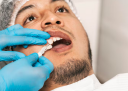
In the field of dentistry, dental veneers Oviedo FL serve as a protective layer applied to the surface of a tooth. They not only enhance the visual appeal and functionality of a smile but also safeguard the tooth from potential damage. This dual purpose makes veneers a popular choice for individuals seeking to improve their dental aesthetics while maintaining tooth integrity.
Dental veneers Oviedo FL are primarily constructed from two types of materials: composite resin and dental porcelain. Composite veneers can be applied directly within the oral cavity or fabricated indirectly by a dental technician in a laboratory setting, after which they are adhered to the tooth using resin cement. These veneers are particularly beneficial for adolescent patients, as they may require a more durable solution once their dental structures have fully developed. The expected lifespan of a composite veneer is around four years.
Types of Veneers
Porcelain Veneers
Porcelain dental veneers in Oviedo FL are durable, thin shells that a dentist can apply to the front and sides of teeth. The process involves the removal of a small amount of enamel from the tooth surface to ensure proper adhesion. These veneers can be matched to the natural color of teeth, and they can also be customized to achieve a brighter appearance, enhancing the overall smile.
Resin-Based Composite Veneers
In contrast, resin-based composite veneers offer a more cost-effective alternative to porcelain veneers and typically require less enamel to be removed. In some cases, the application of composite dental veneers Oviedo FL may not necessitate any enamel removal at all. Additionally, composite veneers are generally simpler to replace if they become damaged or broken compared to their porcelain counterparts.
The Process of Fitting Veneers
Porcelain Veneers
In the process of fitting porcelain veneers, a dentist begins by removing a portion of the enamel and taking an impression of the teeth to create a mold. Following this initial consultation, the mold is sent to a laboratory where the custom porcelain dental veneers Oviedo FL are manufactured. During the waiting period for the permanent veneers, the dentist may apply temporary veneers to the patient's teeth. At the subsequent appointment, the dentist will assess the fit and color of the veneers, making any necessary adjustments before permanently bonding them to the teeth.
Resin-Based Composite Veneers
In the process of applying resin-based composite veneers, the dentist will first undertake the cleaning, reshaping, and preparation of the teeth. Following this preparatory phase, the dentist will proceed to bond and sculpt the composite material, ensuring that the color is adjusted to achieve a natural appearance within the patient's mouth. Subsequently, a light will be utilized to cure and harden the composite material. Once the dental veneers Oviedo FL have fully hardened, the dentist will refine their surface by smoothing and polishing them, resulting in a finish that closely resembles that of natural teeth.