



A broken jaw is a serious facial injury that can affect eating, speaking, breathing, and normal jaw movement. It may result from a fall, vehicle collision, sports injury, or strong blow to the face. Because jaw fractures can involve teeth, nerves, gums, and nearby facial bones, prompt assessment is important. People researching broken jaw treatment Asheville NC should understand diagnosis, treatment choices, recovery, and possible complications.
Recognizing the Signs of a Broken Jaw
Symptoms vary with fracture location and severity. Common signs include pain, swelling, bruising, difficulty opening or closing the mouth, and tenderness. Some people notice that their teeth no longer meet normally.
Numbness around the lower lip or chin may occur when a nearby nerve is affected. Loose teeth, bleeding, facial asymmetry, and difficulty chewing can also occur. Breathing problems require immediate emergency attention. These symptoms show why broken jaw treatment Asheville NC should begin with professional evaluation.
How a Jaw Fracture Is Diagnosed
Diagnosis usually begins with a physical examination and review of the injury. A clinician may assess jaw movement, bite alignment, facial symmetry, sensation, and the condition of the teeth.
Imaging is often needed because some fractures are difficult to identify externally. X-rays or advanced scans can show the fracture's location and pattern. The diagnosis guides treatment planning. In broken jaw treatment Asheville NC, decisions depend on fracture location, displacement, bite alignment, overall health, and other facial injuries.
When Nonsurgical Care May Be Appropriate
Not every fracture needs surgery. Some stable, nondisplaced fractures may be managed with observation, dietary changes, pain control, and follow-up. The jaw may need temporary rest while the bone heals.
Patients may need a soft or liquid diet during recovery. Good oral hygiene is important because injuries inside the mouth can increase infection risk. Patients should never attempt to reposition a suspected fracture themselves. Professional guidance is essential when considering broken jaw treatment Asheville NC.
Surgical Treatment and Stabilization
More complicated fractures may require surgery to restore jaw position and stability. Surgical repair can involve repositioning the bone and securing it with small plates, screws, or other fixation devices.
The goal is to help the jaw heal in a functional position. Surgeons may also address damaged teeth or nearby facial injuries. After surgery, swelling and soreness are common, and eating may be restricted. Patients receive instructions about cleaning, activity, medication, and follow-up. Modern broken jaw treatment Asheville NC focuses on restoring stability and function.
Why Bite Alignment Matters
The way the upper and lower teeth meet is called the bite, or occlusion. A fracture can change this relationship. If the bones heal incorrectly, chewing can remain uncomfortable and jaw function may be affected.
For this reason, treatment planning pays close attention to dental alignment. A stable bite supports normal chewing and can reduce the risk of ongoing problems. Teeth that are cracked, loose, or displaced may also require separate evaluation.
Recovery and Daily Care
Healing requires patience and careful adherence to treatment instructions. Patients may need to avoid hard or chewy foods while the jaw recovers. Soft foods should still provide enough calories, protein, vitamins, and fluids.
Oral hygiene may require extra care when jaw movement is limited. Patients should follow instructions for cleaning the mouth and protecting surgical areas. Smoking should be avoided because it can interfere with healing.
Follow-up visits help assess bone healing, bite stability, pain, and jaw movement. Recovery times vary, so patients should follow their individual care plan.
Possible Complications
Jaw fractures can sometimes cause infection, persistent numbness, altered bite, limited movement, chronic discomfort, or dental problems. Prompt evaluation helps identify concerns and establish appropriate care.
New or worsening swelling, fever, increasing pain, breathing difficulty, or major changes in bite should receive prompt medical attention. Broken jaw treatment Asheville NC should always be guided by the injury's severity.
Making an Informed Treatment Decision
Jaw fractures may involve emergency clinicians, oral and maxillofacial specialists, dentists, and other healthcare professionals. The appropriate team depends on the injury and whether other facial structures are affected.
Patients can ask about the fracture location, expected healing period, dietary restrictions, follow-up schedule, and warning signs. Clear communication helps set realistic expectations and supports safer recovery.
A Careful Path Toward Recovery
A broken jaw can be painful and disruptive, but timely evaluation and appropriate treatment can help restore stability and function. Care may include imaging, observation, dietary changes, surgical repair, fixation, and follow-up.
For anyone searching for broken jaw treatment Asheville NC the most important step is obtaining timely professional assessment. Jaw injuries should not be self-diagnosed or manipulated. With proper care, nutrition, oral hygiene, and follow-up, many patients can work toward comfortable jaw movement and a stable bite.
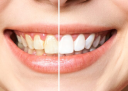
A common cosmetic dental procedure called teeth whitening Columbus lightens tooth color and eliminates stains. It brightens smiles by breaking down pigment molecules on the enamel using bleaching chemicals like hydrogen peroxide or mechanical abrasives.
Whitening Teeth Involves
Bleaching is the most commonly used professional teeth whitening Columbus technique. This entails cleaning your teeth with a peroxide-based bleach to remove stains and discoloration. Bleaching can be done at home using a kit supplied by your dentist or in-office by a dentist.
In-office bleaching is more effective and delivers great results with only one treatment. It is also more expensive than bleaching at home, though.
Compared to in-office treatment, at-home whitening kits are more affordable, but they may take longer to work. You will be given a bespoke mouth tray and bleaching gel by your dentist to use at home. Usually, you will need to wear the mouth tray for half an hour to an hour at least once a week for a few weeks.
Abrasive cleaning is another alternative for professional tooth bleaching. This procedure uses a rotating brush with specific abrasive particles to remove surface stains from your teeth. Cleaning with abrasives is typically cheaper but sometimes less successful than bleaching.
As part of a typical teeth cleaning, a dental hygienist will often do abrasive cleaning. Nevertheless, a few dental practitioners might provide abrasive cleaning as an individual service.
Common over-the-counter teeth whitening Columbus alternatives include mouthwash and whitening toothpaste. Generally, these products include mild abrasives or chemicals that can aid in cleaning the surface of your teeth. However, they are not as effective as professional cleaning or bleaching.
Benefits
Enhanced appearance is the most evident advantage of tooth whitening. You may feel better about yourself and look better overall if your teeth are whiter.
Appearing Younger: Discolored or stained teeth might make you seem older than you are. Reversing the effects of aging, lifestyle choices, and staining can help restore a youthful appearance.
More Professional and Social Opportunities: A happy, self-assured smile may make an excellent first impression. In social relationships, it might be an asset and lead to better professional prospects.
Teeth whitening Columbus is a non-invasive and quick dental procedure. At-home treatments may be done at your leisure, while in-office whitening procedures usually last approximately an hour.

Understanding Dental Care Without Insurance
Dental insurance can help with certain costs, but having no coverage does not mean oral health should be ignored. People without a dental plan still need regular examinations, cleanings, and timely treatment. Delaying care may allow a small concern to become more complicated. No insurance dentistry describes approaches that help patients receive dental services while paying directly rather than relying on an insurance benefit. Understanding how these arrangements work can make dental decisions feel more manageable.
What Does No Insurance Dentistry Mean?
No insurance dentistry generally refers to dental care provided to patients who do not have dental insurance. Instead of submitting claims to an insurer, the patient typically discusses treatment needs and payment responsibilities directly with the dental office. The exact process differs between practices. Some offices may offer straightforward self-pay pricing, while others may provide membership arrangements or payment options. Patients should always ask for a clear explanation of expected costs before beginning non-emergency treatment.
Why Preventive Care Still Matters
Preventive dental care is important whether or not a patient has insurance. Routine examinations can help identify cavities, gum inflammation, damaged teeth, and other oral health concerns at an earlier stage. Professional cleanings can also remove hardened buildup that regular brushing cannot eliminate. For people considering no insurance dentistry preventive visits can be especially valuable because early attention may help avoid more extensive treatment later. Good daily brushing, flossing, and healthy eating habits also support long-term oral health.
Planning for Dental Costs
Without insurance, it can be helpful to think about dental expenses before scheduling treatment. Start by asking which services are necessary and which may be optional or suitable for a later time. Request an estimate when appropriate, and ask whether the quoted amount includes examinations, imaging, materials, or follow-up visits. Patients exploring no insurance dentistry may also want to compare payment methods and understand whether a dental office requires payment at the time of service. Clear financial communication reduces surprises and supports better planning.
Common Services for Self-Pay Patients
Patients paying directly may need many of the same services available to insured patients. These can include examinations, preventive cleanings, fillings, crowns, tooth replacement, periodontal care, and treatment for dental emergencies. The appropriate service depends on the patient's oral health and the dentist's evaluation. A self-pay arrangement does not change the importance of receiving a proper diagnosis. When reviewing no insurance dentistry options, patients should focus on the quality and necessity of care rather than choosing treatment based only on price.
How to Prepare for an Appointment
Before a dental appointment, gather information about current medications, allergies, previous dental procedures, and any symptoms you have noticed. Write down questions about discomfort, treatment time, recovery, and cost. If you are comparing no insurance dentistry providers, ask how they explain treatment plans and whether estimates are available before care begins. Bringing a list of concerns can help the appointment stay focused and make it easier to understand recommendations.
Questions Worth Asking the Dental Office
A few practical questions can make self-pay dental care easier to navigate. Ask what the examination includes, when payment is due, whether written estimates are available, and what follow-up care may be needed. You can also ask whether several treatment options exist and how their costs differ. These conversations are useful when considering no insurance dentistry because every practice structures its services and financial policies differently. Written information can also help you compare choices accurately.
Taking a Long-Term View of Oral Health
Managing dental care without insurance is easier when treatment becomes part of a planned health routine. Regular preventive visits, good home care, and early attention to symptoms can help protect teeth and gums over time. If a concern develops, seeking professional guidance promptly is generally more useful than waiting for pain to become severe. No insurance dentistry can provide a practical framework for receiving care through direct payment, but patients should still make decisions based on their health needs, treatment quality, and ability to manage costs responsibly.
Making an Informed Decision
Financial considerations are only one part of choosing dental care. Patients should also consider communication, cleanliness, treatment planning, appointment availability, and the dentist's approach to preventive care. A lower immediate cost may not be the best choice if important care is postponed. Comparing complete treatment estimates and understanding what each visit involves can make self-pay planning more predictable. For many patients, thoughtful planning makes ongoing oral healthcare easier to maintain.
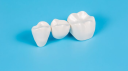
A dental crowns Pikeville KY is a cap that resembles a tooth. Dentists use crowns to restore teeth that are weak, broken, or decaying. Like a tight cap, a crown completely covers your tooth. Before securing your new crown, a dentist will need to remove a small amount of enamel to ensure a snug fit.
Crown Types
Metal Crowns
Dental crowns Pikeville KY are fabricated by dental professionals using a variety of metals, such as palladium, gold, nickel, and chromium. They last the longest in terms of wear, rarely chip or break, and require little enamel removal. They are also resistant to biting and chewing.
Porcelain-fused-to-metal (PFM) Crowns
PFM crowns combine the aesthetics of porcelain with the strength of metal. Dentists can color-match these crowns to the shade of your teeth.
Pressed Ceramic Crowns
A pressed ceramic dental crowns Pikeville KY has a hard inner core. Like a PFM, but with a ceramic core instead of metal. A technician melts and presses ceramic in an extremely hot oven to create this internal core. Then, they apply several layers of porcelain. Pressed ceramic crowns resemble the translucency of natural tooth enamel, just like crowns made entirely of porcelain.
Porcelain or all-ceramic Crowns
Compared to other types of crowns, all-ceramic or porcelain crowns more closely resemble the appearance of tooth enamel. They are also an excellent option for those who suffer from metal allergies.
One of the most commonly used materials for ceramic dental crowns Pikeville KY is zirconium dioxide, though lab technicians use a wide range of materials. The zirconia crown is extremely tough and can withstand greater force than other forms of ceramic crown.
Same-Day Dental Crowns
While you wait, many dentists use CAD/CAM (computer-aided design and manufacturing) technology to make crowns in their clinics. With this system, your dentist may take digital impressions of your teeth and then use those impressions to create a custom crown. After your dentist creates your crown, they will submit the image files to an on-site milling machine. Your new crown will be made by the machine from a solid block of ceramic.
Resin Crowns
Resin crowns are often less expensive than other types of crowns. However, they are more brittle and more likely to shatter than crowns made of porcelain-fused-to-metal (PFM).

Replace missing teeth and surrounding tissues with removable dental prostheses called dentures. Dentures Athens AL are designed to be comfortable and can restore not only oral function but also the look of a natural smile. Dentures may be advised for those who have lost some or all of their teeth as a result of trauma, congenital problems, gum disease, or decay.
Dentures Athens AL may help with speech, enhance chewing function, and support the surrounding facial muscles when there are missing or non-viable natural teeth. For durability and strength, they are usually made from metal or a mix of acrylic and metal.
Popular Denture Varieties
Full dentures are created for patients who have lost all of their teeth in the upper or lower arch.
When one or more natural teeth are still present, partial dentures Athens AL are employed. These often use an acrylic base or a metal framework, with artificial teeth attached.
Instant Dentures: To preserve aesthetics and function throughout the healing process, they are implanted right after teeth are removed. As the mouth changes, these may need to be adjusted.
Overdentures: These give further support by fitting over the natural teeth or dental implants that are still present.
Implant-supported dentures are secured using dental implants in the jawbone. Even though these dentures Athens AL could offer greater support and stability, they are not appropriate for all patients.
Advantages of Dentures
For those who have lost their teeth, dentures Athens AL offer both an aesthetic and practical answer. They offer a number of advantages if they are carefully chosen and expertly installed.
Aid digestion and chewing
Support for speech intelligibility
Help support the framework and muscles of the face.
To improve daily oral function
For comfort and cleaning, it is removable.
Customized to the mouth of the individual
Available in full or partial alternatives to meet demands.
Although dentures Athens AL have several benefits, it's crucial to realize that they aren't a universally applicable remedy. Individual variables like gum health, bone structure, and adaptation over time can affect the outcome, comfort, and utility.
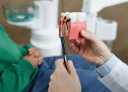
A root canals Madison AL is a dental procedure that aims to preserve a tooth that has been severely infected or decayed. It entails removing the inflamed or infected pulp (the soft inner tissue containing nerves and blood vessels) and thoroughly cleaning, disinfecting, and sealing the interior of the tooth to prevent future infection.
The Demand
If the pulp within your tooth is damaged or infected, you might require a root canals Madison AL. Some causes include:
Severe untreated tooth decay or deep cavities.
A chipped or cracked tooth.
Multiple dental treatments on the same tooth.
How it's Done
Generally, a general dentist or an endodontist (a root canals Madison AL specialist) completes the procedure in one or two sessions:
Types of Therapies
Root Canal without Surgery: The most commonly used standard method. The dentist makes an entry opening in the tooth, removes the diseased pulp, cleans the passageways, and seals them.
When standard therapy fails, an apicoectomy (endodontic surgery) is performed. To surgically remove the infected root tip and the surrounding tissue, the dentist makes a small incision in the gums.
A pulpotomy is a partial root canals Madison AL in which only the crown's infected pulp is removed, leaving the roots' vital pulp intact. This is frequently done with children's teeth.
Retreatment of the Root Canal: A root canals Madison AL procedure performed by a dentist or endodontist that involves reopening a tooth that has already received treatment, removing the previous filling material, thoroughly cleaning the canals, and then resealing them.
A procedure called regenerative endodontics is intended for younger patients whose roots are still developing and immature. It aims to promote continued root development by regenerating the pulp-like tissue.
Missing teeth can affect more than just the appearance of your smile. They can make it difficult to chew, speak clearly, and maintain proper alignment of your remaining teeth. Professional dental bridges Smithfield VA provide a reliable and natural-looking solution for replacing one or more missing teeth, restoring both the function and beauty of your smile.
What Are Dental Bridges?
A dental bridge is a custom-made restoration designed to fill the gap created by missing teeth. The bridge is made up of one or more false teeth that are held in place firmly by natural teeth or dental implants that are close by. Each bridge is carefully made to match the size, shape, and colour of the teeth around it, so it looks natural and smooth.
Dental bridges not only make your smile look better, but they also help keep your bite straight and keep nearby teeth from moving out of place.
Benefits of Dental Bridges
Choosing dental bridges offers several long-term advantages for your oral health and overall quality of life, including:
Personalized Care for Lasting Results
Every smile is unique, which is why our experienced dental team develops a customized treatment plan based on your individual needs and oral health goals. We use cutting-edge technology and premium materials to make dental bridges that fit well, work properly, and look normal with your other teeth.
Restore Your Smile with Confidence
If you are missing one or more teeth, long-lasting dental bridges in Smithfield VA can help restore your smile and improve your quality of life. Our caring staff is dedicated to giving you personalized restorative dentistry that makes your smile healthier, more comfortable, and surer of yourself. Get in touch with us right away to find out how a unique dental bridge can help your smile stay healthier, stronger, and more complete for years to come.

Sleep apnea is a common sleep disorder that can affect your health, energy levels, and overall quality of life. If you frequently snore, wake up feeling tired, or experience pauses in breathing during sleep, seeking sleep apnea Houston TX can help you achieve better rest and improve your long-term health. With advanced diagnostic methods and personalized treatment options, many patients can enjoy more restful nights and healthier days.
What Is Sleep Apnea?
Sleep apnea happens when breathing stops and starts a lot while you sleep because your lungs are blocked or your breathing signals are not getting through. It can raise the risk of getting serious illnesses like diabetes, high blood pressure, and heart disease if it is not treated. Early diagnosis and treatment are very important for keeping problems from getting worse and getting back to good sleep.
Common Symptoms of Sleep Apnea
You may benefit from a professional evaluation if you experience:
Personalized Sleep Apnea Treatment
Every patient has unique needs, so treatment is customized based on the severity of the condition and overall health. Depending on your diagnosis, your provider may recommend:
Enjoy Better Sleep and Better Health
Choosing sleep apnea in Houston TX is an important step toward protecting your health and improving your daily life. Professionals with a lot of experience can help you find a treatment plan that works for you, whether you need a unique oral appliance or something else. If you treat sleep apnea early, you can have better nights' sleep, more energy, and a healthier future while lowering the risks that come with not treating sleep disorders.
To save a severely infected or decayed tooth, dentists perform a root canals Jasper AL. After the inflamed or dead pulp (the tooth's inner tissue containing nerves and blood vessels) is removed, the inside of the tooth is cleaned and sealed to prevent further infection.
Long-term Negative Effects of Root Canal Therapy
Fractured tooth. Because some tooth structure is removed during a root canals Jasper AL, the tooth may become more fragile. As a result, it is more likely to break, especially under strong chewing forces.
Recurrence. The bacteria that initially caused the infection may return and reinfect the tooth. This can lead to swelling, pain, and other symptoms.
An Allergic Reaction. Some people may be allergic to materials used in root canals in Jasper AL therapy, including the antibiotic used to treat the infection or the filling material. Symptoms such as swelling, hives, and breathing difficulties may result.
Damaged Nerves. The nerve in the tooth or the surrounding area may occasionally be damaged during a root canals Jasper AL treatment. This can lead to discomfort, tingling, or numbness.
Routine Procedures
Non-Surgical Root Canal Treatment
Retreatment Endodontic
Apicoectomy
Laser-Assisted RCT.
A comprehensive dental treatment program called full mouth restoration Huntsville AL (or reconstruction) involves rebuilding or replacing every tooth in both the upper and lower jaws. It combines surgical, cosmetic, and restorative methods to restore maximum dental function, aesthetics, and oral health.
Common Procedures
Every treatment plan is personalized. Your treatment may include a combination of procedures, depending on the extent of the damage:
The Necessity
Unlike a straightforward cosmetic smile makeover, a full mouth restoration Huntsville AL is typically medically necessary. Candidates often experience difficulty eating, speaking, or living without pain. Some common causes include:
The Appearance of the Process
Due to its scope, a full mouth restoration Huntsville AL is rarely completed in a single session; instead, it requires a well-coordinated, multi-step plan. Usually, it takes a few months to complete and involves a team of dentists, including general dentists, prosthodontists, periodontists, and oral surgeons.
Full-Mouth Rehabilitation Gains
Restored ability to chew and speak properly, allowing a normal, unrestricted diet and eliminating lisps or speech difficulties.
Jaw Health and Pain Relief: Corrects misaligned bites and TMJ (temporomandibular joint) disorders, offering long-term relief from chronic headaches, neck discomfort, and jaw soreness.
Improved Appearance: Addresses teeth that are very discolored, fractured, or missing. As reconstructing the teeth framework inherently rounds out sunken lips and cheeks for a more youthful appearance, it may also provide a facelift effect.