


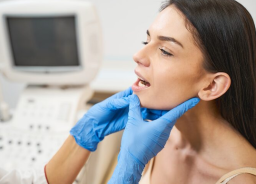
A broken jaw is a serious facial injury that can affect eating, speaking, breathing, and normal jaw movement. It may result from a fall, vehicle collision, sports injury, or strong blow to the face. Because jaw fractures can involve teeth, nerves, gums, and nearby facial bones, prompt assessment is important. People researching broken jaw treatment Asheville NC should understand diagnosis, treatment choices, recovery, and possible complications.
Recognizing the Signs of a Broken Jaw
Symptoms vary with fracture location and severity. Common signs include pain, swelling, bruising, difficulty opening or closing the mouth, and tenderness. Some people notice that their teeth no longer meet normally.
Numbness around the lower lip or chin may occur when a nearby nerve is affected. Loose teeth, bleeding, facial asymmetry, and difficulty chewing can also occur. Breathing problems require immediate emergency attention. These symptoms show why broken jaw treatment Asheville NC should begin with professional evaluation.
How a Jaw Fracture Is Diagnosed
Diagnosis usually begins with a physical examination and review of the injury. A clinician may assess jaw movement, bite alignment, facial symmetry, sensation, and the condition of the teeth.
Imaging is often needed because some fractures are difficult to identify externally. X-rays or advanced scans can show the fracture's location and pattern. The diagnosis guides treatment planning. In broken jaw treatment Asheville NC, decisions depend on fracture location, displacement, bite alignment, overall health, and other facial injuries.
When Nonsurgical Care May Be Appropriate
Not every fracture needs surgery. Some stable, nondisplaced fractures may be managed with observation, dietary changes, pain control, and follow-up. The jaw may need temporary rest while the bone heals.
Patients may need a soft or liquid diet during recovery. Good oral hygiene is important because injuries inside the mouth can increase infection risk. Patients should never attempt to reposition a suspected fracture themselves. Professional guidance is essential when considering broken jaw treatment Asheville NC.
Surgical Treatment and Stabilization
More complicated fractures may require surgery to restore jaw position and stability. Surgical repair can involve repositioning the bone and securing it with small plates, screws, or other fixation devices.
The goal is to help the jaw heal in a functional position. Surgeons may also address damaged teeth or nearby facial injuries. After surgery, swelling and soreness are common, and eating may be restricted. Patients receive instructions about cleaning, activity, medication, and follow-up. Modern broken jaw treatment Asheville NC focuses on restoring stability and function.
Why Bite Alignment Matters
The way the upper and lower teeth meet is called the bite, or occlusion. A fracture can change this relationship. If the bones heal incorrectly, chewing can remain uncomfortable and jaw function may be affected.
For this reason, treatment planning pays close attention to dental alignment. A stable bite supports normal chewing and can reduce the risk of ongoing problems. Teeth that are cracked, loose, or displaced may also require separate evaluation.
Recovery and Daily Care
Healing requires patience and careful adherence to treatment instructions. Patients may need to avoid hard or chewy foods while the jaw recovers. Soft foods should still provide enough calories, protein, vitamins, and fluids.
Oral hygiene may require extra care when jaw movement is limited. Patients should follow instructions for cleaning the mouth and protecting surgical areas. Smoking should be avoided because it can interfere with healing.
Follow-up visits help assess bone healing, bite stability, pain, and jaw movement. Recovery times vary, so patients should follow their individual care plan.
Possible Complications
Jaw fractures can sometimes cause infection, persistent numbness, altered bite, limited movement, chronic discomfort, or dental problems. Prompt evaluation helps identify concerns and establish appropriate care.
New or worsening swelling, fever, increasing pain, breathing difficulty, or major changes in bite should receive prompt medical attention. Broken jaw treatment Asheville NC should always be guided by the injury's severity.
Making an Informed Treatment Decision
Jaw fractures may involve emergency clinicians, oral and maxillofacial specialists, dentists, and other healthcare professionals. The appropriate team depends on the injury and whether other facial structures are affected.
Patients can ask about the fracture location, expected healing period, dietary restrictions, follow-up schedule, and warning signs. Clear communication helps set realistic expectations and supports safer recovery.
A Careful Path Toward Recovery
A broken jaw can be painful and disruptive, but timely evaluation and appropriate treatment can help restore stability and function. Care may include imaging, observation, dietary changes, surgical repair, fixation, and follow-up.
For anyone searching for broken jaw treatment Asheville NC the most important step is obtaining timely professional assessment. Jaw injuries should not be self-diagnosed or manipulated. With proper care, nutrition, oral hygiene, and follow-up, many patients can work toward comfortable jaw movement and a stable bite.
| No comments yet. Be the first. |
