


Did you know that over one third of the global population lives in regions where the internet is strictly filtered or restricted by local authorities? This reality means that millions of people cannot access basic educational resources, international news or even social platforms to talk with their families. When we discuss circumventing blocks, we are not just talking about tech tricks - we are talking about the basic human right to seek and receive information regardless of borders.
Information is the most powerful tool for personal growth and social change. When a government or an ISP decides what you can and cannot see, they are effectively shaping your reality - this control often targets minority voices, political critics or independent journalists. Learning how to bypass these digital fences is essential for anyone who believes that the internet should remain a global, shared resource rather than a series of isolated silos.
Access to the web is a lifeline in the modern age - You likely use the internet for everything from checking bank balances to researching health symptoms. In many places, however, these simple tasks are difficult because certain websites are on a "blacklist" This creates a digital divide where some people are informed while others are kept in the dark. Circumvention tools act as a bridge across this divide.
Censorship is often invisible to the average user until they hit a "Connection Timed Out" page - these blocks are rarely about safety and are usually about controlling the narrative. By using privacy focused tools, you reclaim your agency. You decide which sources are trustworthy and which stories deserve your attention - this autonomy is the backbone of a free society and a healthy digital ecosystem.
Technological restrictions usually happen at the gateway where your computer talks to the wider web - this can involve DNS filtering, where the system "forgets" where a website is located or Deep Packet Inspection, which looks at the data you are sending to see if it matches forbidden patterns - these methods are sophisticated but they are not perfect. They rely on the idea that users will simply give up when a page does not load.
The impact of the barriers goes beyond just missing out on entertainment. It affects the economy, as small businesses might lose access to global marketplaces. It also affects education, as students are blocked from academic journals or collaborative platforms. Understanding these hurdles is the first step toward finding a way around them. If you find your connection failing, it might be because of these external filters. You can often find a deeper explanation of anonymous browsing issues to see why certain connections fail.
Several technologies exist to help you maintain your connection to the open web - these tools work - masking your destination or your identity, making it look like you are doing something else or visiting a different location - those are some common methods individuals use to stay online
Each tool has its own strengths - While a VPN is great for general speed, the Tor network is often better for high stakes privacy. Even the tools are blocked by clever firewalls. In those cases, you might need specialized entry points. For instance, using secure internet navigation concepts like bridges can help you connect when the main doors are shut - these bridges are unlisted nodes that make your traffic look like regular, unencrypted noise.
Security is not a single product you buy - it is a way of behaving online. Even with the best tools, you must be careful about the information you share. Using a hardened browser is a good start, as it blocks trackers that try to follow you from site to site. You should also look for "HTTPS" in the address bar to ensure your data is encrypted between you and the website server.
When exploring the less visible parts of the web, having a map is helpful. There are communities that maintain lists of useful resources that are not indexed by traditional search engines. You might find an overview of Tor network systems and directories useful for finding academic archives or secure dropboxes for whistleblowers. Always remember to keep your software updated to protect against the latest security holes.
The battle between those who block content and the who seek it is ongoing. As filtering technology gets better - do the tools designed to bypass it. The goal for the future is a decentralized web where no single entity has the power to turn off the lights. Projects are already working on peer-to-peer networks that don't rely on central servers at all.
You can contribute to this future - staying informed and helping others learn these skills. The more people who know how to use privacy-focused browsing guide materials, the harder it becomes for any organization to suppress information. An open internet is a resilient internet. By supporting these technologies, you are investing in a world where everyone has a voice and access to the truth.
In most countries, using tools like VPNs or Tor is perfectly legal. Some specific regions have laws against certain types of encryption or circumvention. You should always be aware of your local regulations before using the tools.
Because your data is traveling through extra servers or being encrypted multiple times, you might notice a slight drop in speed - this is usually a small price to pay for the ability to access blocked content and maintain your privacy.
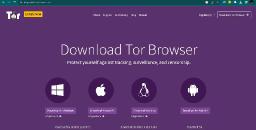
Not at all - Many modern tools are designed to be "plug and play" As an example, the Tor Browser looks and feels almost exactly like Firefox. If you can use a regular browser, you can use privacy tools.
Your ISP can see that you are connected to a VPN but they cannot see the specific websites you visit or the data you send. It looks like a stream of unreadable gibberish to them.
| No comments yet. Be the first. |
