


Missing teeth can affect more than the appearance of your smile. Tooth loss may influence chewing, speech, bite alignment, jawbone health, and the position of surrounding teeth. Dental Implants in Chandigarh are one modern option for replacing missing teeth and restoring a stable, natural-looking smile for suitable patients. Consulting a dentist in Sec 15 Chandigarh can help you understand the possible effects of tooth loss and determine which replacement option may be appropriate for your individual oral health needs.
A missing tooth can result from severe decay, gum disease, trauma, infection, or other dental conditions. While a gap may not cause immediate discomfort, changes can gradually occur in the surrounding teeth and supporting tissues. Replacing a missing tooth can therefore be an important part of maintaining oral function and protecting the health of the remaining teeth.
Teeth work together as a system. Each tooth contributes to chewing, speech, bite stability, and the overall structure of the mouth.
When a tooth is lost, the surrounding teeth may have to compensate. Depending on the location and number of missing teeth, you may experience:
Not everyone experiences the same effects, but leaving a gap without professional evaluation may allow changes to develop over time.
One of the most noticeable consequences of tooth loss is difficulty chewing.
Back teeth are particularly important for grinding and breaking down food. If one or more molars are missing, you may naturally begin chewing on the opposite side of your mouth.
This can change the way chewing forces are distributed.
Replacing the missing tooth can restore a functional chewing surface and may make eating more comfortable.
A dentist in Sec 15 Chandigarh can evaluate your bite and determine whether tooth loss is affecting your chewing function.
When a tooth is lost, the teeth surrounding the gap may gradually move into the empty space.
The opposing tooth may also move toward the gap.
This can lead to:
Replacing the missing tooth can help maintain a more stable dental arrangement in suitable cases.
Your upper and lower teeth are designed to meet in a specific relationship.
Tooth loss can alter this relationship, particularly when several teeth are missing.
Changes in bite may contribute to:
A dental assessment can identify whether tooth loss has changed your bite and whether tooth replacement may help.
Natural tooth roots provide stimulation to the surrounding jawbone. When a tooth is lost, this stimulation decreases.
Over time, the bone in the area may gradually lose volume.
Bone changes can affect:
Dental implants are designed to replace the root portion of a missing tooth. For suitable patients, Dental Implants in Chandigarh can provide a fixed restoration while helping maintain functional stimulation around the implant site.
Dental implants are one option for replacing missing teeth.
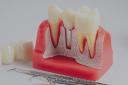
An implant fixture is placed into the jawbone and, after healing, can support an artificial crown.
A typical implant restoration consists of:
Because the implant is anchored in the jawbone, it provides a fixed foundation for the replacement tooth.
Missing teeth can create visible gaps, particularly when front teeth are affected.
An implant-supported crown can be customised to match surrounding teeth in:
The goal is to create a restoration that fits naturally within the smile.
The final appearance depends on the condition of the gums, available bone, tooth position, and restoration design.
Teeth contribute to the formation of certain sounds.
Missing front teeth may affect pronunciation or the way air moves through the mouth. Multiple missing teeth can have a more noticeable effect.
Replacing missing teeth can restore some of the structures involved in speech, although adjustment varies depending on the restoration.
A gap between teeth can make it easier for food particles to accumulate around neighbouring teeth.
Food trapping can contribute to plaque buildup and increase the risk of:
Replacing a missing tooth may help restore a more natural arrangement, although good oral hygiene remains essential.
Dental implants are not the only solution.
Implants provide fixed support and replace the root portion of a missing tooth. They can support individual crowns, bridges, or certain dentures.
A bridge uses an artificial tooth supported by neighbouring teeth or other structures. It can provide a fixed solution without implant surgery in suitable cases.
Partial dentures are removable appliances that replace several missing teeth while some natural teeth remain.
Complete dentures replace all teeth in an upper or lower dental arch.
Implants can sometimes provide additional support for dentures, improving stability compared with some conventional dentures.
A dentist in Sec 15 Chandigarh can assess your oral health and explain which options may be suitable.
There is no universal treatment that is best for everyone.
Your dentist may evaluate:
Dental imaging may be recommended to evaluate the jawbone and surrounding structures, particularly when implants are being considered.
Many adults can be candidates for implant treatment, but individual assessment is essential.
Factors considered may include:
If there is insufficient bone, additional procedures may sometimes be considered before implant placement.
If Dental Implants in Chandigarh are being considered, treatment generally involves several stages.
The dentist examines your mouth and discusses your dental history and treatment goals.
Dental imaging may be used to assess bone volume and surrounding structures.
The implant is surgically placed into the jawbone.
The implant is allowed to integrate with the surrounding bone.
Once healing is sufficient, an abutment and final crown or other restoration are attached.
The timeline varies depending on individual healing, the number of implants, bone condition, and whether additional procedures are required.
No. Bridges and dentures can also provide long-term tooth replacement when appropriately planned and maintained.
The most suitable option depends on your individual circumstances.
For some patients, dentures may be practical because they can replace several teeth without surgery. Others may prefer a fixed bridge or implant-supported restoration.
A dentist in Sec 15 Chandigarh can help you compare the advantages, limitations, maintenance requirements, and expected treatment timeline of each option.
Good oral hygiene remains important after tooth replacement.
Clean around and beneath the bridge as instructed by your dentist.
Clean removable dentures regularly and clean your gums, tongue, and remaining natural teeth.
Regular professional reviews can help identify changes in fit, gum health, or bite.
Not every missing tooth requires immediate replacement, but leaving a gap can allow changes to develop.
Possible effects include:
The impact varies depending on the location and number of missing teeth.
A professional evaluation can help you understand the potential consequences of leaving a particular gap untreated.
A complete smile can influence how comfortable you feel while speaking, smiling, eating, and meeting other people.
Visible missing teeth may cause some individuals to avoid smiling or feel self-conscious in social situations.
Replacing missing teeth can restore the appearance of the smile and may improve confidence. However, functional restoration and long-term oral health should remain equally important treatment goals.
Replacing a missing tooth does not eliminate the need for preventive dental care.
Regular examinations allow your dentist to monitor:
A dentist in Sec 15 Chandigarh can also recommend maintenance and cleaning routines based on your specific tooth replacement.
Replacing missing teeth can help protect oral function, support the remaining teeth, improve chewing, and restore the appearance of your smile. Leaving tooth loss untreated may contribute to changes in surrounding teeth, bite, jawbone, and oral hygiene.
Dental Implants in Chandigarh provide one fixed replacement option for suitable patients, while bridges, partial dentures, complete dentures, and implant-supported restorations may be appropriate in other situations.
There is no single solution that works for everyone. The right treatment depends on your oral health, number and location of missing teeth, bone and gum condition, lifestyle, and long-term goals.
At Dantaa Dental Clinic, patients can discuss tooth loss and understand the available replacement options based on their individual needs. Consulting a dentist in Sec 15 Chandigarh can help you make an informed decision and take steps toward better oral health and a more confident smile.
Replacing a missing tooth can help restore chewing function, maintain a more stable bite, reduce unwanted movement of surrounding teeth, and improve the appearance of the smile. Your dentist can determine whether replacement is recommended for your specific situation.
No. Dental Implants in Chandigarh may be suitable for many patients, but adequate bone support, healthy gums, good oral hygiene, and appropriate general health are important considerations. A professional assessment is required.
Yes. Nearby teeth may gradually shift toward the empty space, while the opposing tooth may also move. These changes can affect alignment, bite, chewing, and cleaning.
Depending on your situation, alternatives include dental bridges, partial dentures, complete dentures, and implant-supported dentures. A dentist in Sec 15 Chandigarh can help you compare suitable options.
Brush twice daily with fluoride toothpaste, clean between your teeth, limit frequent sugary foods and drinks, avoid tobacco, and attend regular dental examinations. Maintaining good oral hygiene is essential whether or not you replace the missing tooth.