
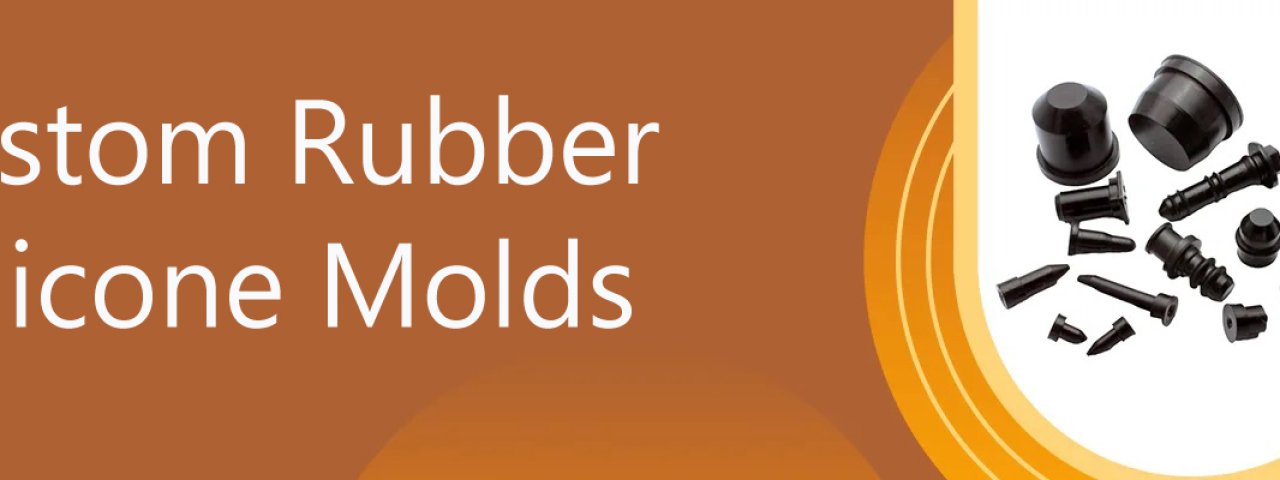

Manufacturers in automotive, medical, electronics, and industrial sectors depend on rubber parts that fit exactly and last for years. Off-the-shelf parts often fall short on size, hardness, or chemical resistance. That is where custom rubber products make the difference, because each part is engineered around a specific application. This guide explains the common materials, manufacturing methods, quality checks, and supplier questions that matter most. Read on to understand how to compare options, avoid expensive mistakes, and move from drawing to dependable production with confidence.
Standard parts are made for average conditions, but real equipment rarely behaves average. Heat, pressure, vibration, oil, and outdoor exposure all change how a part ages. Well-designed molded rubber products are tuned to these conditions through the right compound, hardness, and geometry. The result is a tighter seal, less wear, and fewer replacements over the life of the machine. Buyers also gain control over color, texture, and marking, which helps with branding and assembly. Investing in the correct design early usually costs far less than fixing failures later.
Material choice decides how long a part survives, so start there. When planning custom rubber components, ask for data sheets and test results before approving any compound. Every compound has strengths and limits, and no single material wins everywhere. Buyers compare options by temperature range, fluid exposure, flexibility, and cost. Matching the material to the environment prevents cracking, swelling, and early failure. Samples are useful because they show how the rubber feels, recovers, and ages under real handling. Ask a custom rubber parts manufacturer about options such as:
Most rubber parts are made by compression, transfer, or injection molding, and each method suits different volumes and shapes. Compression molding works well for simpler parts and smaller batches. Transfer molding gives better control for inserts and tight tolerances. Injection molding delivers speed and consistency for high volumes. Choosing the right route for molded rubber products depends on geometry, quantity, and budget, so share your expected volumes early. Tooling quality also matters, because a precise mold produces uniform parts and reduces flash, trimming, and scrap.
Quality should be built into the process, not added at the end. Ask how incoming material is verified, how first articles are approved, and how dimensions are measured during production. Hardness, tensile strength, compression set, and visual inspection are common checks. Documented results make it easier to trace problems and repeat success. Reliable suppliers share inspection reports for custom rubber components without being asked twice, and they welcome sample approval before bulk orders. This transparency builds trust and keeps schedules realistic.
Pricing depends on several measurable factors rather than a fixed rate. Part size and complexity affect material use and finishing time. Tooling cost is usually a one-time investment, while the compound, cavity count, and order volume shape the price per piece. Secondary operations such as trimming, bonding, or special packaging add extra steps. A transparent custom rubber parts manufacturer provides an itemized quote so you can see each cost clearly. Comparing quotes line by line prevents surprises and helps you negotiate fair terms without lowering quality.
Rubber parts quietly support products in almost every sector. Automotive teams use them for seals, grommets, and vibration control, while medical device makers need clean, biocompatible compounds. Electronics firms rely on gaskets and insulators, and oil and gas operators require parts that resist fuels and pressure. Consumer brands use rubber for grip and comfort. Because requirements differ so much, experienced suppliers of molded rubber products ask detailed questions about the operating environment before recommending a design. Typical applications across industries include:
Selecting a partner is easier when you know what to ask. Clear communication matters as much as technical skill, especially when changes occur. A supplier that offers design support for custom rubber components can spot problems early and prevent expensive tooling revisions. Start with experience in your industry, available materials, minimum order quantity, and typical lead times. Request references or case examples, and confirm whether engineers will review your drawing for manufacturability. Quick, honest answers keep projects on schedule.
Many delays come from avoidable mistakes. Buyers sometimes send incomplete drawings, skip sample testing, or select the lowest quote without comparing materials. Others forget to define tolerances, surface finish, or packaging requirements. Working with a custom rubber parts manufacturer that reviews every detail before tooling begins reduces these risks considerably. Always confirm hardness, color, and marking in writing, and approve a sample before bulk production. A few extra days of preparation can save weeks of rework and protect your launch schedule.
Getting started is simple when you prepare a short brief. Include drawings or 3D files, material preferences, annual quantity, and target budget, along with any compliance needs. Begin with a small pilot batch of molded rubber products, then scale once fit, finish, and performance are confirmed. Share a sample if you have one, because it speeds up design review. Companies such as Custom Rubber Silicone Molds support projects from prototype to production, with low minimum order quantities for development. This staged approach lowers risk and builds confidence.
Choosing the right rubber parts is a balance of material science, manufacturing method, quality control, and clear communication. Start by defining the application, then compare compounds, tooling options, and supplier capabilities. Treat custom rubber components as an engineered solution rather than a commodity, because the right design reduces failures and total cost. Ask for samples, review inspection data, and confirm every specification in writing. With careful planning and a dependable partner, you can launch faster, maintain consistent quality, and keep your equipment running smoothly for years.
Q1. What should I include in a quote request?
Share drawings, material preferences, hardness, quantity, and tolerances so a custom rubber parts manufacturer can give an accurate price. A sample or reference photo also helps engineers understand function and fit.
Q2. How long does production take?
Timelines depend on tooling complexity, material availability, and order size. Simple designs move quickly, while detailed tools take longer to build and approve. Ask for a written schedule covering tooling, sampling, and production.
Q3. Can I order a small batch first?
Yes, many suppliers support pilot batches before full production. This lets you confirm fit and finish on molded rubber products without a large commitment, and it makes design changes cheaper.
Q4. Which materials are best for outdoor use?
EPDM is a popular choice because it resists weather, ozone, and UV exposure. Silicone also performs well across wide temperature ranges.
Ready to turn your drawing into a reliable part? Custom Rubber Silicone Molds helps buyers across the USA, Canada, and MENA with design support, tooling, and production. Our team reviews every project carefully and shares a clear quote with realistic timelines. Whether you need seals, grommets, bellows, or custom rubber components, we are ready to help. Request a free consultation to discuss materials, tolerances, and budget. Send your drawing or sample today, then call +1 (213) 426-1030 or email info@customrubbersiliconemolds.com to start your project.