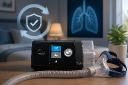
The Philips Respironics CPAP recall has been ongoing since 2021, and even now, plenty of patients still have questions about what it means for them. Rather than repeating the same overview, here's a straightforward Q&A look at the recall as it stands today.
What exactly is being recalled?
The recall centers on a type of foam Philips used inside certain CPAP, BiPAP, and ventilator machines to keep them quiet. Under certain conditions — like heat or humidity — that foam can start to break down and release particles or fumes into the air the device delivers.
Which machines does this apply to?
The recall covers specific product lines rather than every Philips device on the market. Machines most commonly affected include:
- First-generation DreamStation devices
- DreamStation Go
- System One units
- Dorma series machines
- Certain BiPAP and ventilator models manufactured before April 26, 2021
If your device falls into one of these categories, it's worth checking the exact serial number rather than assuming based on the brand alone.
How do I know if my specific machine is affected?
Look at the model name and serial number on the device itself, then compare it to Philips' official recall information. This is the only reliable way to confirm your status, since two machines from the same product line can have different recall outcomes depending on when they were made.
Is the replacement process still the same as it was in 2021?
Not quite. Philips originally used an online portal for patients to register their devices, but that portal has since closed. As of 2026, replacement requests generally go through direct contact with Philips rather than the old registration system.
If you registered years ago and haven't received an update, or never registered at all, reaching out directly is currently the most effective next step.
Are there any other recalls connected to this one?
Yes. Two smaller, separate recalls have also affected some CPAP users:
One involved certain masks with magnetic clips, which were recalled due to a risk of interference with pacemakers and similar implants.
The other involved a batch of replacement DreamStation units with a software issue unrelated to the original foam problem.
If you already replaced your device, it's worth double-checking that it wasn't part of either of these additional recalls.
What should I do if I've been using an affected machine?
Start by confirming your device's exact status, then reach out to Philips if a replacement is needed. It's also a good idea to mention the situation to your doctor, especially if you've noticed new coughing, irritation, or changes in your breathing.
Handling it step by step keeps the process manageable and helps make sure your sleep therapy stays safe going forward.
For the complete details on affected models, symptoms, and the current replacement process, this CPAP Machine Recall 2026 guide has the full breakdown.