


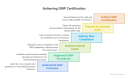
GMP certificering helps organizations demonstrate their commitment to controlled and consistent manufacturing practices. Good Manufacturing Practices (GMP) provide a structured framework for maintaining product quality, safety, hygiene, documentation, and process control. GMP principles are widely relevant to industries such as pharmaceuticals, food, cosmetics, medical products, and other regulated manufacturing sectors.
GMP certificering involves assessing manufacturing practices against applicable GMP requirements or a relevant certification or assessment scheme. The specific requirements can vary depending on the product, industry, and jurisdiction.
GMP focuses on ensuring that manufacturing activities are properly controlled and that products are consistently produced according to defined quality requirements. It covers areas such as personnel, facilities, equipment, materials, production processes, quality control, sanitation, documentation, and record keeping.
Manufacturers need effective controls to reduce the risk of contamination, errors, mix-ups, and inconsistent production. GMP provides a systematic approach for controlling manufacturing activities and maintaining appropriate quality standards.
Organizations implementing GMP practices can establish clearer procedures, responsibilities, and quality controls. Employees can also receive appropriate training to ensure that manufacturing processes are performed consistently and documented correctly.
Effective GMP implementation can support product quality and manufacturing consistency. It may help organizations improve documentation, traceability, hygiene practices, equipment management, and process control.
GMP also encourages organizations to investigate deviations, manage changes, address corrective actions, and regularly evaluate their manufacturing processes. These practices can contribute to a stronger quality culture and more reliable operations.
Organizations should first identify the GMP requirements applicable to their products and operations. They can then review existing processes and identify areas requiring improvement.
Preparation may include employee training, facility and equipment controls, documented procedures, quality checks, sanitation programs, record management, and internal assessments. Maintaining accurate and complete records is particularly important because documentation provides evidence that established processes are being followed.
GMP certificering supports organizations in developing controlled and consistent manufacturing practices. By implementing appropriate GMP requirements, training employees, maintaining effective documentation, and continuously monitoring processes, manufacturers can strengthen quality management and support the production of safe and consistent products.