


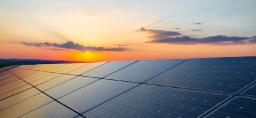
Solar panels have become one of the most popular renewable energy solutions worldwide. As electricity prices continue to rise and environmental concerns grow, homeowners, businesses, and industries are increasingly turning to solar energy as a reliable and cost-effective power source. Solar panels convert sunlight into electricity, helping users reduce energy bills while contributing to a cleaner and greener future.
In recent years, advancements in solar technology have significantly improved the efficiency and affordability of solar panels, making them accessible to a wider range of consumers. Whether for residential rooftops, commercial buildings, or large-scale solar farms, solar panels play a crucial role in the global transition toward sustainable energy.
Solar panels, also known as photovoltaic (PV) panels, are devices that convert sunlight directly into electricity using semiconductor materials. These panels are made up of multiple solar cells that generate electrical current when exposed to sunlight.
The electricity produced can be used immediately, stored in batteries, or fed into the utility grid. Solar panels are available in various sizes and technologies to meet different energy requirements.
Solar panels operate through the photovoltaic effect. When sunlight strikes the solar cells, photons from the sun excite electrons within the semiconductor material, creating an electric current.
The process involves:
This simple yet effective process allows solar panels to generate clean energy without producing harmful emissions.
Monocrystalline panels are manufactured using a single crystal structure. They are known for:
These panels are commonly used in residential and commercial installations where maximum efficiency is required.
Tunnel Oxide Passivated Contact (TOPCon) technology represents the next generation of solar modules. Benefits include:
TOPCon solar panels are increasingly preferred for both residential and utility-scale projects.
Bifacial modules generate electricity from both the front and rear sides. Advantages include:
These panels are widely used in large commercial and ground-mounted solar projects.
Solar panels generate free electricity from sunlight, significantly reducing monthly power expenses.
Solar energy is a clean and renewable resource that helps reduce carbon emissions and dependence on fossil fuels.
By producing their own electricity, consumers become less reliant on utility companies and fluctuating energy prices.
Solar panel systems require minimal maintenance and can operate efficiently for 25 years or more.
Homes and commercial buildings equipped with solar systems often enjoy higher property values due to energy savings.
Homeowners install rooftop solar systems to lower electricity bills and reduce their environmental impact.
Businesses use solar energy to cut operational costs and achieve sustainability goals.
Industries deploy large solar installations to support energy-intensive operations.
Farmers utilize solar panels for irrigation systems, water pumps, and agricultural equipment.
Large solar power plants generate electricity for thousands of homes and businesses.
Understanding your monthly electricity consumption helps determine the ideal system size.
A strong and properly oriented roof ensures optimal solar panel performance.
Higher-efficiency panels produce more electricity from the same amount of sunlight.
Consider equipment costs, installation expenses, and available government incentives.
Choose solar panels from reputable manufacturers offering comprehensive warranties and proven performance.
To maximize energy production:
Proper maintenance helps ensure consistent energy generation throughout the system's lifespan.
The future of solar technology looks promising. Innovations such as N-Type TOPCon, Heterojunction (HJT), and bifacial solar modules continue to improve efficiency and energy output. Energy storage solutions are also becoming more affordable, enabling greater energy independence.
As governments worldwide support renewable energy adoption through incentives and favorable policies, solar panels are expected to play an even larger role in meeting global energy demands.
Solar panels have transformed the way we generate and consume electricity. They provide a sustainable, environmentally friendly, and cost-effective energy solution for homes, businesses, industries, and utility-scale projects. With ongoing technological advancements and increasing awareness of renewable energy benefits, solar panels are set to become an essential component of the world's energy future.
Investing in solar panels today not only helps reduce electricity costs but also contributes to a cleaner and more sustainable planet for future generations.
| No comments yet. Be the first. |
