
Blogs
The intersection of DIY crafting and Montessori education is where true innovation happens in the home. Montessori focuses on the "prepared environment," while DIY projects provide the "materials" for that environment. By involving your child in diy kids projects, you are essentially inviting them to help build their own world. This hands-on approach ensures that the child is never a passive observer of their life but an active participant in their own education and development.
Development Through Discovery
In the early years, a child's "work" is their play. They are learning about gravity when they drop a ball, and they are learning about volume when they pour water into different sized containers. DIY projects allow parents to target specific developmental needs. If a child is struggling with focus, a project that requires careful detail, like painting a birdhouse, can help them practice staying with a task until it is completed to their satisfaction.
Materials Found in Nature
One of the most beautiful aspects of this approach is the use of natural materials. Taking a walk to collect "treasures" like acorns, sticks, and interesting rocks provides a wealth of resources for future projects.
- Sorting collected items by size or texture.
- Creating a "nature table" to display finds.
- Using sticks and string to build miniature rafts.
- Painting rocks to look like ladybugs or garden markers.
Fostering a Love for Literacy
DIY projects can also support early reading and writing skills. Creating a "salt tray" for letter tracing is a classic Montessori technique. You can make this at home by putting a thin layer of salt or sand in a tray and having the child draw letters with their finger. It provides tactile feedback that helps the brain "lock in" the shapes of the letters, making the transition to paper and pencil much smoother and more intuitive.
Practical Montessori Activities at Home
Beyond the craft table, daily life offers endless opportunities for growth. Simple Montessori activities at home like matching lids to containers or sorting laundry by family member are incredibly beneficial. These tasks teach the concept of "categorization," which is a foundational skill for mathematics. When a child learns to see patterns and logic in their daily chores, they are better prepared for the abstract concepts they will encounter later in school.
Respecting the Child’s Pace
The most important rule in a Montessori home is to never do for a child what they can do for themselves. It might take them ten minutes to put on their shoes, but those ten minutes are an investment in their self-worth. When we rush them, we send the message that their efforts aren't good enough. By giving them the time they need to master these skills, we empower them to become leaders of their own lives.
Conclusion
The combination of Montessori philosophy and DIY creativity provides a rich, nurturing environment for any child. It turns the home into a place of endless possibility where every day brings a new opportunity to learn something fascinating. By prioritizing independence and providing the tools for creative expression, you are setting your child on a path toward lifelong curiosity.

Kenya is one of the most popular travel destinations in Africa, known for its stunning safaris, rich culture, and breathtaking landscapes. For travelers from Belgium and Belarus, obtaining the proper travel authorization is essential before visiting the country. For a fast and secure application process, you can apply for a Kenya visa for Belgian citizens and a Kenya visa for Belarusian citizens through Evisaprime, ensuring a hassle-free experience. Using trusted platforms like Evisaprime helps prevent errors and delays, allowing you to focus on planning your Kenyan adventure.
What is a Kenya Visa?
A Kenya visa is an official document that grants foreign nationals permission to enter the country for tourism, business, or transit purposes. Almost all visitors to Kenya are required to obtain a visa before arrival, except for citizens of visa-exempt countries. A visa ensures compliance with Kenyan immigration regulations and makes entry at airports and border points smoother.
Types of Kenya Visa for Belgian and Belarusian Citizens
Single-Entry Visa
The single-entry visa is designed for travelers entering Kenya once during their visit. It is valid for up to 90 days and is suitable for short-term tourism or business trips. This visa is ideal for first-time visitors or those planning a single visit.
Multiple-Entry Visa
The multiple-entry visa is best for travelers who plan to visit Kenya multiple times within a certain period. It allows several entries during the visa’s validity, making it convenient for business professionals or frequent travelers.
Transit Visa
For travelers who are passing through Kenya en route to another destination, a transit visa allows a brief stay, usually up to 72 hours. This type of visa is useful for layovers or connecting flights and ensures compliance with immigration regulations during short stays.
Eligibility Requirements
Belgian and Belarusian citizens applying for a Kenya visa must meet specific eligibility criteria:
- A passport valid for at least six months from the date of entry.
- A recent passport-sized photograph.
- Proof of travel arrangements, such as return flight tickets and hotel bookings.
- Evidence of sufficient funds to cover the stay.
- A completed visa application form submitted online or via authorized agents like Evisaprime.
Meeting these requirements ensures a smooth approval process and avoids delays at the border.
How to Apply for a Kenya Visa
The easiest and most reliable way to apply for a Kenya visa is online through a trusted platform such as Evisaprime. The application process involves:
- Filling out the online application form with accurate personal and travel information.
- Uploading required documents, including scanned passport copies and photographs.
- Paying the visa fee securely online.
- Receiving the eVisa via email, which should be printed and presented upon arrival in Kenya.
Using a professional service minimizes errors and ensures fast processing, giving travelers peace of mind before departure.
Benefits of Using Evisaprime
Applying through Evisaprime offers multiple advantages:
- Quick and secure visa processing for Belgian and Belarusian citizens.
- Expert guidance to ensure all forms and documents are correctly completed.
- 24/7 customer support for application questions.
- Reduced risk of delays caused by incomplete or incorrect submissions.
Professional assistance allows travelers to concentrate on preparing for their trip instead of worrying about visa complications.
Important Travel Tips
- Keep a printed copy of your eVisa with you during your trip.
- Check the latest travel advisories and health requirements before departure.
- Make sure your passport has blank pages for entry and exit stamps.
- Apply well in advance to avoid last-minute issues.
Following these tips helps ensure a smooth and hassle-free travel experience.
Conclusion
Obtaining a Kenya visa for Belgian citizens and a Kenya visa for Belarusian citizens is a vital step for any traveler planning to visit Kenya. Understanding visa types, eligibility criteria, and the application process ensures a seamless journey. By using a trusted service like Evisaprime, travelers can enjoy a fast, secure, and reliable visa application process, allowing them to focus on exploring Kenya’s incredible wildlife, landscapes, and cultural attractions.
Logistics Market Sustainability Initiatives and Green Logistics Trends 2032
By supriyamaximize, 2026-01-07
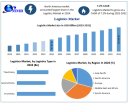
Global Logistics Market Overview
The Global Logistics Market was valued at USD 297.05 billion in 2024 and is projected to reach USD 518.08 billion by 2032, growing at a CAGR of 7.2% from 2025 to 2032. The logistics sector plays a pivotal role in connecting suppliers, manufacturers, and end-users, ensuring the efficient movement of goods and related information across global supply chains.
Logistics encompasses transportation, warehousing, inventory management, and information flow, all aimed at meeting customer demand while optimizing cost efficiency. The industry is increasingly driven by globalization, technological innovation, e-commerce expansion, and sustainability initiatives.
To know the most attractive segments, click here for a free sample of the report:https://www.maximizemarketresearch.com/request-sample/94795/
Market Dynamics
Growth Drivers
Globalization and Trade Liberalization
The liberalization of global trade has boosted cross-border commerce, increasing the demand for logistics services worldwide. Free trade agreements and integrated supply chain networks have made it easier for businesses to reach international markets efficiently.
E-commerce Expansion
The rapid rise of online shopping is a major driver of logistics growth. The surge in e-commerce has amplified the need for timely deliveries, inventory management, and reverse logistics solutions. This trend is particularly pronounced in regions like North America, Europe, and Asia Pacific, where online retail penetration is significant.
Technology Adoption
The integration of Internet of Things (IoT), AI-powered route optimization, warehouse automation, and digital logistics platforms (such as Project44, FourKites, and FreightVerify) is enhancing operational efficiency, reducing costs, and improving real-time visibility across supply chains. Countries like China and Germany are leading the way in technology-driven logistics transformation.
Economic Growth and Employment Opportunities
Logistics is a critical driver of economic activity, offering job creation and supporting trade infrastructure. Emerging markets such as India are witnessing a boom in logistics-related employment as demand for online delivery and manufacturing logistics continues to rise.
Market Restraints
Logistical Inefficiencies
Inefficient transportation networks, fragmented supply chains, and inadequate infrastructure can impede growth, particularly in rural and emerging regions.
Environmental Concerns
The logistics industry’s reliance on transportation contributes to greenhouse gas emissions. Companies are increasingly pressured to adopt eco-friendly and sustainable logistics solutions to comply with global environmental standards.
Geopolitical and Regulatory Challenges
Trade tensions, regulatory hurdles, and political instability can affect logistics operations, requiring firms to navigate complex international regulations and risk management strategies.
Market Segmentation
By Transportation Mode
- Roadways – Largest segment at 33.19% in 2024, valued for cost-effectiveness and widespread accessibility, particularly in e-commerce fulfillment.
- Airways – Rapid growth anticipated, critical for high-value and time-sensitive shipments.
- Railways – Efficient for bulk cargo, key in regions with extensive rail networks.
- Waterways – Essential for global trade, particularly for heavy and international freight.
By Logistics Type
- First-Party Logistics (1PL) – Companies manage their own transportation and warehousing.
- Second-Party Logistics (2PL) – Focus on contracted transportation and freight movement.
- Third-Party Logistics (3PL) – Dominant segment at 39.24%, offering comprehensive outsourced logistics services including warehousing, transportation, and supply chain management, enabling firms to focus on core operations.
By End-Use Sector
- Manufacturing – Leading sector at 29.81% in 2024, due to reliance on timely supply chain and production logistics.
- Healthcare – Growing rapidly with a projected CAGR of 5.8%, critical for distribution of pharmaceuticals and medical equipment.
- Aerospace, Technology, Retail, Telecommunication, Banking & Financial Services, Media & Entertainment, Government & Public Utilities, Trade & Transportation, Others – Each sector relies on specialized logistics solutions to ensure operational efficiency.
To know the most attractive segments, click here for a free sample of the report:https://www.maximizemarketresearch.com/request-sample/94795/
Regional Insights
North America
Mature and technologically advanced, with efficient road, rail, and air networks. Dominated by major players such as FedEx, UPS, and XPO Logistics, the region benefits from high e-commerce penetration and demand for fast delivery.
Europe
A well-established market emphasizing sustainability and green logistics. Companies like DHL, DB Schenker, and CMA CGM lead in efficiency and innovation, addressing cross-border challenges while reducing environmental impact.
Asia Pacific
The fastest-growing region, driven by e-commerce expansion and rising middle-class populations. Key players like Alibaba’s Cainiao and JD Logistics are investing in technology-driven logistics solutions. China and India remain central hubs for regional and global logistics operations.
Middle East & Africa
Significant growth driven by infrastructure development, urbanization, and strategic hubs such as Dubai, linking Europe, Asia, and Africa.
Latin America
Emerging opportunities amid challenges like regulatory complexity and infrastructure gaps. Growth is propelled by e-commerce and investment in efficient logistics networks.
Competitive Landscape
The logistics market is highly competitive, with multinational players, regional operators, and technology-driven startups. Strategic partnerships, technology adoption, and service diversification are key differentiators.
Key Players
- Ceva
- Lineage Logistics
- DHL
- Geodis Logistics
- Americold Logistics
- C.H. Robinson Worldwide
- Expeditors
- DHL Supply Chain
- Kerry Logistics
- Expeditors International of Washington Inc
- GXO Logistics
- Kuehne + Nagel International AG
- Maersk
- DHL Service Point
- J.B. Hunt
- XPO Logistics
- DSC Logistics
- JD Logistics
- APL Logistics
- Ryder
Notable Developments:
- FedEx and Floship partnership: Digitalized fulfillment and global e-commerce logistics solutions.
- Investments in academic programs: FedEx supports logistics-focused education, workforce development, and digital transformation initiatives.
Key Questions Answered
- What is the current and forecasted size of the global logistics market?
- Which transportation modes are expected to drive growth in 2025–2032?
- How is e-commerce reshaping logistics demand across regions?
- What is the impact of technology and sustainability on the industry?
- Who are the leading players, and what strategies are shaping market dynamics?
Conclusion
The Global Logistics Market is poised for significant growth, driven by globalization, e-commerce expansion, technology integration, and sustainability initiatives. As emerging markets expand and digital solutions redefine supply chains, the logistics industry is set to become increasingly efficient, customer-focused, and environmentally responsible, creating substantial opportunities for companies and investors worldwide.

The Web3 ecosystem has evolved beyond early experimentation into a highly competitive digital economy. Thousands of blockchain startups, DeFi platforms, and NFT projects are launched every year, all competing for user attention and trust. In this environment, choosing the Best Crypto Marketing Company is no longer optional—it is essential. However, true Web3 success depends on marketing that aligns with strong technology delivered by a reliable smart contract development company and an experienced web3 development agency.
Deep Understanding of the Web3 Ecosystem
The Best Crypto Marketing Company has a strong grasp of blockchain fundamentals, decentralized platforms, and token-based economies. Web3 users are knowledgeable and skeptical, which means marketing messages must be accurate, transparent, and value-driven. Companies that understand how smart contracts, decentralized governance, and on-chain activity work can communicate benefits clearly and credibly.
Close collaboration with a smart contract development company allows marketing teams to highlight real technical strengths rather than relying on hype.
Strategy Over Short-Term Hype
Short-lived hype may generate attention, but it rarely leads to sustainable growth. The Best Crypto Marketing Company focuses on long-term strategies that build brand authority, trust, and community engagement. This includes educational content, thought leadership, and consistent communication.
When aligned with a capable web3 development agency, marketing strategies evolve alongside platform upgrades, ensuring that promotion always reflects real progress.
Strong Technical Awareness
While marketing teams may not write code, they must understand the technology they are promoting. The Best Crypto Marketing Company can explain complex blockchain concepts in simple language without misrepresenting functionality.
Working alongside a professional smart contract development company ensures that marketing claims are supported by secure, audited, and reliable smart contracts—critical for user confidence.
Community-Driven Growth Approach
Web3 projects are built around communities rather than traditional customers. The Best Crypto Marketing Company knows how to create, manage, and grow engaged communities across platforms like Telegram, Discord, and X.
A strong community complements the work of a web3 development agency by providing feedback, encouraging adoption, and supporting long-term ecosystem growth.
Transparency and Data-Driven Reporting
Transparency is a defining factor in crypto success. The Best Crypto Marketing Company provides clear reporting, realistic KPIs, and measurable results. Data-driven insights help refine strategies and align marketing with ongoing development updates from the smart contract development company and web3 development agency.
Ethical and Compliant Marketing Practices
With increasing regulatory attention, ethical marketing is more important than ever. The Best Crypto Marketing Company avoids misleading claims and follows platform guidelines. This responsible approach protects both users and projects while reinforcing long-term credibility.
Ethical marketing pairs naturally with the secure and compliant development practices of a trusted smart contract development company.
Collaboration Over Isolation
The most successful Web3 projects integrate marketing into their core strategy. The Best Crypto Marketing Company works as a long-term partner, not a short-term vendor, collaborating closely with founders, developers, and designers.
When marketing aligns seamlessly with a skilled web3 development agency and a reliable smart contract development company, projects achieve stronger positioning and sustainable growth.
Final Thoughts
The Best Crypto Marketing Company in Web3 today is defined by more than promotional reach. It combines strategic thinking, technical understanding, community focus, and ethical execution. When supported by a trusted smart contract development company and an experienced web3 development agency, marketing efforts become credible, scalable, and impactful—laying the foundation for long-term success in the decentralized economy.

Chemical pipeline systems operate under some of the most demanding conditions in modern industry. They handle aggressive acids, alkalis, solvents, and high-purity fluids while running continuously under pressure and temperature variations. In such environments, backflow prevention is critical to ensure safety, process stability, and equipment protection. This is where PVDF Non Return Valves have become a trusted solution for chemical pipeline systems worldwide.
Known for their exceptional chemical resistance, long service life, and reliable sealing performance, PVDF non return valves are specifically engineered to meet the challenges of corrosive and high-purity chemical applications. In this blog, we explore why PVDF NRVs are the preferred choice for chemical pipelines and how choosing the right supplier ensures long-term operational reliability.
Understanding PVDF Non Return Valves
A non return valve, also known as a check valve, allows fluid to flow in one direction while automatically preventing reverse flow. In chemical pipelines, this function is essential to avoid contamination, pressure surges, equipment damage, and safety hazards.
PVDF (Polyvinylidene Fluoride) is a high-performance fluoropolymer widely used in chemical processing due to its outstanding resistance to corrosive media. When used in non return valves, PVDF delivers a combination of mechanical strength, chemical inertness, and thermal stability that few other materials can match.
PVDF non return valves are available in various designs such as wafer type, ball check, swing check, and spring-loaded configurations, allowing them to be integrated into diverse chemical pipeline layouts.
Why Chemical Pipeline Systems Demand PVDF NRVs?
Chemical pipelines face challenges that standard valve materials often cannot handle over long periods. These challenges include continuous exposure to aggressive chemicals, elevated temperatures, pressure fluctuations, and strict safety requirements.
Key Requirements of Chemical Pipelines:
- Absolute backflow prevention
- Resistance to corrosive and oxidizing chemicals
- Leak-free and reliable operation
- Compatibility with high-purity fluids
- Minimal maintenance and long service life
PVDF non return valves are designed specifically to meet these requirements, making them a trusted component in critical chemical systems.
Exceptional Chemical Resistance
The most important reason PVDF non return valves are trusted in chemical pipelines is their exceptional chemical resistance. PVDF is resistant to a wide range of aggressive chemicals, including:
- Hydrochloric acid (HCl)
- Sulfuric and nitric acids
- Sodium hydroxide and caustic solutions
- Chlorinated water and oxidizing agents
- Organic solvents and specialty chemicals
Unlike metal valves that corrode or elastomer-lined valves that degrade over time, PVDF maintains its chemical integrity. This prevents internal erosion, leakage, and contamination, ensuring safe and consistent operation in chemical environments.
Reliable Backflow Prevention for Process Safety
In chemical processing plants, reverse flow can cause serious problems such as chemical mixing, equipment damage, and safety incidents. PVDF non return valves provide automatic and reliable backflow prevention without the need for manual intervention.
Their precision-engineered internal components ensure:
- Quick response to flow reversal
- Tight sealing performance
- Minimal pressure loss during forward flow
This reliability is crucial in dosing lines, transfer pipelines, and process circulation systems where precise flow control is essential.
Thermal Stability in Chemical Applications
Chemical pipelines often operate at elevated temperatures, especially in reaction processes, heated transfer lines, and cleaning cycles. PVDF non return valves typically offer operating temperature capabilities up to 120°C, depending on design and pressure ratings.
This thermal stability ensures:
- No deformation under heat
- Consistent valve performance during thermal cycling
- Reliable sealing over extended operating periods
As a result, PVDF NRVs maintain performance even in chemical systems exposed to fluctuating temperatures.
High Mechanical Strength and Pressure Handling
Despite being a thermoplastic material, PVDF exhibits high mechanical strength. PVDF non return valves are capable of handling industrial pressure ratings commonly required in chemical pipelines.
Their robust construction provides:
- Resistance to pressure surges
- Stable operation under continuous flow
- Reduced risk of cracking or fatigue
This makes them suitable for both low-pressure dosing systems and higher-pressure chemical transfer pipelines.
Leak-Free Design for Environmental and Operational Safety
Leakage in chemical pipelines can lead to environmental hazards, safety risks, and costly downtime. PVDF non return valves are designed with precision sealing surfaces and high-quality elastomers, ensuring tight shut-off performance.
Key sealing advantages include:
- Low leakage rates
- Long-lasting seal integrity
- Reduced maintenance requirements
This leak-free operation supports compliance with environmental and safety regulations in chemical plants.
Lightweight and Easy to Install
Compared to metal check valves, PVDF non return valves are lightweight, which simplifies installation and maintenance. This offers significant advantages in large-scale chemical plants and EPC projects.
Installation benefits include:
- Faster installation time
- Reduced labor and handling costs
- Lower load on piping systems
For complex chemical pipeline networks, these benefits contribute to overall project efficiency and cost savings.
Low Maintenance and Long Service Life
Chemical pipeline systems are designed for continuous operation with minimal shutdowns. PVDF non return valves are virtually maintenance-free due to their corrosion-resistant nature.
They do not suffer from:
- Rust or scaling
- Chemical attack
- Internal pitting or erosion
As a result, PVDF NRVs deliver a long service life, reducing the need for frequent replacements and lowering total lifecycle costs.
Applications of PVDF Non Return Valves in Chemical Pipelines
PVDF non return valves are widely used across chemical and process industries, including:
Chemical Manufacturing Plants
Used in acid, alkali, and solvent transfer lines to prevent reverse flow and contamination.
Water & Wastewater Treatment
Ideal for chemical dosing systems, chlorination lines, and treatment processes.
Pharmaceutical & Specialty Chemicals
Ensures purity and prevents cross-contamination in sensitive processes.
Power Plants
Used in chemical injection and auxiliary systems exposed to corrosive media.
Semiconductor & Electronics Industry
Preferred for high-purity chemical handling and clean process pipelines.
Types of PVDF Non Return Valves Available
To meet diverse chemical pipeline requirements, PVDF non return valves are available in multiple designs:
- Wafer type non return valves
- Ball check valves
- Swing check valves
- Spring-loaded check valves
Each design offers specific advantages depending on flow characteristics, installation space, and pressure conditions.
Importance of Choosing the Right Supplier
The performance of PVDF non return valves depends heavily on material quality, manufacturing precision, and testing standards. A reliable supplier ensures:
- Use of high-purity PVDF raw materials
- Strict quality control and pressure testing
- Dimensional accuracy and reliable sealing
- Compliance with industrial standards
- Technical support for application-specific needs
Choosing a trusted supplier is essential for ensuring long-term reliability in chemical pipeline systems.
Why Petron Thermoplast Is a Trusted Name?
Petron Thermoplast is a trusted supplier of industrial PVDF non return valves, offering solutions engineered for chemical pipeline systems.
Key Advantages of Petron Thermoplast:
- High-quality, industrial-grade PVDF NRVs
- Proven performance in aggressive chemical environments
- Competitive pricing for bulk and EPC projects
- Consistent quality and reliable supply
- Technical expertise in thermoplastic piping systems
With a strong focus on performance and reliability, Petron Thermoplast supports chemical industries with valves designed for safe and continuous operation.
Conclusion
Chemical pipeline systems require components that deliver absolute reliability, chemical resistance, and long-term durability. PVDF non return valves have earned their reputation as a trusted solution by consistently performing under harsh chemical conditions.
Their ability to prevent backflow, resist aggressive media, handle temperature and pressure variations, and operate with minimal maintenance makes them indispensable in modern chemical plants. By selecting high-quality PVDF non return valves from a trusted supplier, industries can ensure process safety, operational efficiency, and long-term cost savings. For chemical pipelines where failure is not an option, PVDF non return valves remain the trusted choice for dependable and secure flow control.
Maglev Train Industry Analysis 2025–2035: EMS, EDS & Inductrack Technology Landscape
By Pranita32, 2026-01-06

According to a new report published by Allied Market Research, titled, “Maglev Train Market," The maglev train market is expected to be valued at $2.7 billion in 2025, and is estimated to reach $5.6 billion by 2035, growing at a CAGR of 7.4% from 2025 to 2035.
The concept of maglev train is typically attributed to the transportation option that uses an electromagnetic propulsion technology on both the tracks and the train itself. This levitation greatly reduces friction, potentially allowing the train to move faster and consume less power due to better acceleration, traction, and braking system. Maglev train systems have several benefits over conventional rail transportation systems as they produce no air pollution during operation, because no fuel is being burned, and the absence of friction makes the trains very quiet (both within and outside the cars) and provides a very smooth ride for passengers. Hence, maglev technology is considered an environment-friendly system of travel. Governments of developing countries are investing significantly to meet the latest technology setups required for maglev trains. For instance, in China, the Zhejiang provincial government announced in April 2020 to build a maglev train connecting Shanghai with Ningbo via Hangzhou. Moreover, in September 2020, Bharat Heavy Electricals Limited (BHEL) signed a memorandum of understanding (MoU) with SwissRapide AG to develop maglev train infrastructure in India.
In addition, the maglev train market has witnessed significant growth in recent years, owing to rise in level of safety offered by the maglev trains, surge in harmful emissions from the vehicles, growth & expansion of high-speed railway corridor, and growth in number of tests of prototypes. Furthermore, companies operating in the maglev train market have adopted partnerships, investments, and product launches to increase their market share and expand their geographical presence. For instance, in June 2021, Max Bögl Group launched its Transrapid, a high-speed maglev train after working for several years. The engine of this train is rolled out as a copper cable over the entire route and is fully automated and completely integrated into the vehicles and the stretch of track.
The factors such as rise in demand for secure, safer, and efficient transport system, increase in allocation of budget for development of railways, and rise in use of public transport services as a solution to minimize traffic congestion supplement the growth of the maglev train market. However, high capital requirement and refurbishment of existing rails are the factors expected to hamper the growth of the market. In addition, improvement in railway infrastructure in developing countries and increase in development & testing of maglev trains creates opportunities for the key players operating in the maglev train market.
COVID-19 Impact Analysis:
The COVID-19 crisis created uncertainty in the maglev train market. Governments of different regions announced total lockdown and temporarily shutdown of industries, thereby adversely affecting the overall production and sales. Following the directions of the World Health Organization (WHO) for minimizing the spread of the virus, governments of various countries have set up lockdown and trade restrictions, which has disrupted the exports, especially from China, causing large scale manufacturing interruptions across Europe, and the closure of assembly plants in the U.S. The situation introduced intense pressure on the rolling stock industry. The railway department has shut down all the passenger train services and has limited its freight transport services with a reduction in demand for commodities and disturbed supply chain. In addition, the leading market players are taking various measures to deal with the negative effects of the outbreak of COVID-19. For instance, in 2020, Japan revealed its plans to conduct tests of a new prototype maglev train. Further, government authorities, and operators are expected to accelerate and resume maglev projects which were halted and expansion of the rail network after pandemic, which is anticipated to positively affect the growth of the maglev train industry in post pandemic situation.
Get Research Report Sample Pages : https://www.alliedmarketresearch.com/request-sample/A09096
KEY FINDINGS OF THE STUDY
- By type, the normal conducting magnetic levitation segment dominated the global maglev train market in terms of growth rate.
- By technology, the inductrack system (permanent magnet passive suspension) segment dominated the global maglev train market in terms of growth rate.
- By application, the freight segment dominated the global maglev train market in terms of growth rate.
- By top speed, the high segment dominated the global maglev train market in terms of growth rate.
The leading players operating in the maglev train market are Agile Setu Mobility Private Limited, Alstom, American Maglev Technology Inc., Bharat Heavy Electricals Ltd, Central Japan Railway Company, CRRC Corporation Limited, East Japan Railway Company, Hitachi Ltd., Hyundai Rotem Company, IHI Corporation, Max Bögl, Medha Servo Drives Private Limited, Mitsubishi Heavy Industries Ltd, Northeast Maglev, Shanghai Maglev Transportation Development Co., Ltd., SwissRapide AG, and WSP.
Growing Together Through Play: Creative Family Activities That Teach and Connect
By WilfredDonnelly, 2026-01-06

Incorporating creativity into family life helps children learn while strengthening emotional bonds. Seasonal crafts and everyday play create opportunities for fun, growth, and connection. These moments are essential for building strong family relationships in a natural and enjoyable way.
Seasonal Crafts That Bring Families Closer
Seasonal crafts provide structure and excitement for children. Activities like crafting handmade gifts or decorating for holidays encourage teamwork and creativity. Working together on these projects supports building strong family relationships by promoting cooperation and shared achievement.
Children also learn responsibility by organizing materials and completing tasks. Parents who encourage independence while offering guidance help children feel capable and supported.
Everyday Play as a Learning Tool
Everyday play turns routine moments into valuable learning experiences. Games like puzzles, storytelling, or imaginative play teach logic, language, and creativity. These shared activities strengthen building strong family relationships by fostering communication and trust.
Playtime also offers parents insight into their child’s thoughts and feelings. This understanding deepens emotional connections and supports healthy development.
Encouraging Creativity at Home
Creating a home environment that values creativity makes learning more engaging. Simple supplies like paper, crayons, and recycled materials can inspire endless activities. Making creativity a family value supports building strong family relationships by encouraging collaboration and shared goals.
Allowing children to lead activities builds confidence and independence, while parents’ involvement reinforces love and attention.
Conclusion
Creative family activities are powerful tools for learning and connection. Through seasonal crafts and everyday play, families can grow together while nurturing curiosity and joy. By embracing creativity, parents actively support building strong family relationships that enrich both childhood and family life.
Automotive In-Vehicle Air Purification Systems Market: Growth Trends and Strategic Insights, 2020–2030
By Pranita32, 2026-01-06
According to a new report published by Allied Market Research, titled, “Automotive In-Vehicle Air Purifier Market Trends," The automotive in-vehicle air purifier market was valued at $3.6 billion in 2020, and is estimated to reach $9.7 billion by 2030, growing at a CAGR of 10.8% from 2021 to 2030.
An automotive in-vehicle air purifier is similar to a room air purifier that serves as an extra air filter for automobiles & removes unpleasant odors from interiors. It enhances the performance of a car’s inbuilt filtering system by functioning as an additional car filtration, removing various ecological toxins, including soot particles and foul orders from the vehicle. Furthermore, innovative filtration systems equipment captures smells, germs, and tiny contaminants to assure clean air circulation. Automobile manufacturers are equipping cars with improved air purifiers to enhance air quality. For instance, In April 2021, Kronos Advanced Technologies Inc. announced the first generation of its limited-edition NUMBERED AirDOGE air purifiers. These purifiers terminate and collect more than 99.9% of infectious airborne viruses, bacteria, and mold utilizing the world's most advanced air purification combined with disinfection technology.
In addition, the automotive in-vehicle air purifier market witnessed significant growth in recent years, owing to the massive impact of the COVID-19 pandemic, which resulted in the transformation of buying behavior of consumers & emerged as an essential component in the vehicle. Companies operating in the market adopted partnerships, product launches, and R&D to increase their market share and expand their geographical presence. For instance, in 2020, Sharp, one of the major vendors in automobile air purifier market, tied up with Honda, Nissan, and Toyota. The brands such as Kia, Hyundai, and Toyota offer vehicles with in-built vehicle air purifiers. Moreover, several vendors partner with various automotive brands to provide air purification systems in their latest models due to the high demand.
The automotive in-vehicle air purifier industry is segmented on the basis of product type, technology, vehicle type, and region. By product type, the market is classified into air purifiers, air ionizers, and hybrid. According to technology, it is fragmented into high-efficiency particulate arrestor (HEPA), active carbon systems, and photo catalytic purifier. Depending on vehicle type, it is categorized into passenger cars, light commercial vehicles, and heavy commercial vehicles. Region wise, it is analyzed across North America, Europe, Asia-Pacific, and LAMEA.
Factors such as an increase in demand for clean and toxin-free cabin air and rise in pollution level of atmospheric air are expected to drive the growth of the automotive in-vehicle air purifier market. In addition, the need for a toxic-free healthy automobile atmosphere and increase in awareness about the health issues among end-users boost the market's growth. However, the small number of global manufacturers of in-vehicle air purifiers, high cost, and non-standardization of air purification system restrain the market growth. Furthermore, the development of advanced& low-cost air purifier systems and expansion in untapped markets of Asia-Pacific &LAMEA are expected to provide lucrative growth opportunities for the market players.
Get Research Report Sample Pages : https://www.alliedmarketresearch.com/request-sample/1790
KEY FINDINGS OF THE STUDY
- By product type, the air ionizer segment is expected to register a significant growth during the forecast period.
- Depending on vehicle type, the light commercial vehicle (LCVs) segment is anticipated to exhibit significant growth in the near future.
- On the basis of sales channel, the aftermarket segment is projected to lead the global automotive in-vehicle air purifier market owing to higher CAGR.
- Asia-Pacific is anticipated to register the highest CAGR.
COVID-19 IMPACT ANALYSIS
- The COVID-19 crisis creates uncertainty in every market, including the automotive sector. The closure of assembly plants and large-scale manufacturing interruptions led to decline in global demand for automobiles, indirectly affecting the automotive in-vehicle air purifier market.
- Governments across different regions announced total lockdown and temporary shutdown of industries, leading to the border closures that restricted the movement of transportation & logistics services.
- The COVID-19 health crisis forced the automotive industry to look for alternate sources and prioritize import substitution with their production activities & supply chain.
- However, the overall service activities of market players registered a steady and favorable recovery in the subsequent months with the increase in sales of passenger cars, which leads to rise in demand for the automotive in-vehicle air purifier market.
- Presently, with the new restriction and policies, a significant recovery in product sales across the retail sector positively influence the automotive in-vehicle air purifier market, owing to latest innovations for supporting the health issues.
The key players operating in the global automotive in-vehicle air purifier market are DENSO Corporation, Eureka Forbes, Guangzhou Ionkini Technology Co., Ltd., Honeywell International Inc., KENT RO Systems Ltd., Koninklijke Philips N.V., Livpure Smart, Power4 Industries Limited, Purafil, Inc., and Sharp Corporation.
DLF Imperial Residences in Sector 24 Gurgaon represents a premium residential offering designed to combine luxury living with practical comfort. Developed by one of India’s most respected real estate builders, DLF, this project aims to deliver spacious homes and a refined lifestyle in one of Gurugram’s established neighborhoods. The focus here is on quality living spaces, thoughtful planning, and a location that supports both convenience and aspirational living.
Location and Neighborhood
Situated in Sector 24 within DLF Phase 3 of Gurgaon, DLF Imperial Residences occupies a prime spot in a well-developed part of the city. Sector 24 is known for its connectivity to major city corridors and proximity to key work and leisure destinations. Being placed within the larger DLF City area gives residents quick access to established social infrastructure, metro stations, arterial roads, schools, and medical facilities.
Connectivity is a key benefit here, with metro stations, major roads, business districts, and lifestyle hubs reachable within reasonable travel times. This makes the project suitable for working professionals, executives, and families who want to balance urban access with peaceful living.
Project Overview and Design
DLF Imperial Residences Sector 24 is planned on a plot of approximately 1.03 acres, hosting a limited number of well-designed residential homes. The project offers around 88 independent units, ensuring an exclusive living environment with privacy and community balance. These homes are crafted to emphasize spacious interiors, thoughtful layout design, and natural light and ventilation.
Homes are typically offered in generous sizes, catering to buyers who value space and comfort. The units are planned with modern design principles, ensuring that living rooms, bedrooms, and utility areas are optimized for daily functionality while still feeling open and welcoming.
Apartment Configuration and Space
The residences predominantly include larger configurations, particularly premium 4 BHK homes, which appeal to families seeking ample space. These homes are designed to integrate smoothly into everyday life, with careful attention paid to the flow between rooms and practical aspects like storage, circulation, and utility zones.
Generous floor plans ensure that each home feels spacious without wasted space. Large windows and open designs allow residents to enjoy ample natural light and cross ventilation, contributing to a sense of freshness indoors. The layouts are also crafted to support modern family routines, including areas for socializing, privacy, and flexible usage.
Amenities and Lifestyle Offerings
DLF Imperial Residences balances private space with shared amenities that add value to daily living. The project includes facilities that support physical wellness, leisure, and social interaction. Residents can enjoy landscaped green areas that offer a calm outdoor setting within the community. Fitness amenities and recreational spaces support active lifestyles, while leisure areas provide options for relaxation or social gatherings.
Safety and comfort are promoted through features such as controlled access, 24×7 security, and well-planned common areas. Essential infrastructure like power backup and dedicated parking ensures smoother everyday experiences for residents. The gated nature of the community enhances privacy and security, making it suitable for family living.
Design Quality and Construction
The project emphasizes quality construction with premium finishes and thoughtful specifications. Interiors are crafted with attention to durability and aesthetics, reflecting both luxury and practical usability. Features such as modular kitchens, smart storage options, and well-finished flooring contribute to a refined living experience.
Elevated floor heights and carefully selected materials help enhance the sense of space within homes. Modern design elements work alongside functional planning, creating a living environment that is both stylish and comfortable.
Family-Oriented Living
DLF Imperial Residences caters well to families with amenities and spaces designed for different age groups. Secure play areas, green walkways, and community spaces provide opportunities for children and adults alike to enjoy outdoor time within the safety of the project. Senior residents benefit from calm zones and easy internal movement, reinforcing daily comfort.
The community aspect is a significant strength of this project. Shared green areas, recreational zones, and common facilities help nurture interactions among residents while still respecting individual privacy.
Investment Outlook
From a long-term perspective, DLF Imperial Residences benefits from its location within an established residential neighborhood in Gurgaon. Sector 24 and the wider DLF City area have maintained steady demand due to good connectivity, social infrastructure, and overall livability. Homes in such areas tend to hold value over time, supported by ongoing end-user demand.
For buyers considering both self-use and investment, the project’s stability and quality positioning add to its appeal. The limited number of units, thoughtful design, and prime location contribute to its potential as a valuable residential purchase.
Living Experience Summary
DLF Imperial Residences Sector 24 Gurgaon offers a blend of spacious homes, thoughtful design, and practical lifestyle support. It balances individual privacy with community living, providing an environment that suits families, professionals, and long-term residents alike.
For individuals seeking a home that combines space, comfort, and accessibility in a well-established part of Gurgaon, this project represents a compelling residential option that aligns with modern urban living aspirations.
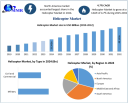
Helicopter Market Overview
The global Helicopter Market was valued at USD 33.34 billion in 2024 and is projected to reach approximately USD 48.14 billion by 2032, expanding at a steady CAGR of 4.7% during the forecast period from 2025 to 2032. The market continues to demonstrate resilience despite macroeconomic pressures, supported by sustained demand from emergency medical services (EMS), offshore energy operations, defense modernization programs, and premium civil transportation.
Helicopter deliveries are expected to remain close to the 500-unit range annually, reflecting stable replacement demand and fleet expansion across both developed and emerging regions. While supply chain normalization is underway, select component constraints and cost inflation may continue to influence production schedules in the near term. North America and Europe remain the leading leasing and operational hubs, while Asia Pacific and South America are emerging as high-growth regions driven by infrastructure development and expanding public service aviation needs.
To know the most attractive segments, click here for a free sample of the report:https://www.maximizemarketresearch.com/request-sample/15356/
Helicopter Market Scope
The Helicopter Market encompasses the design, manufacturing, leasing, operation, and maintenance of rotary-wing aircraft across civil, commercial, and military applications. The scope of the market extends across a wide range of helicopter weights, engine configurations, and mission profiles, including emergency response, offshore transport, defense operations, homeland security, and leisure aviation.
Technological advancements, evolving regulatory frameworks, and rising expectations for safety, efficiency, and environmental performance are redefining market boundaries. The report evaluates the market across key segments by type, weight, engine configuration, application, and region, providing a comprehensive view of current performance and future growth opportunities.
Helicopter Market Drivers
Rising Demand for Emergency Medical and Rescue Services
Helicopters play a critical role in emergency medical services due to their ability to access remote and inaccessible locations within minimal response times. Rapid patient transport significantly improves survival outcomes in trauma and critical care cases, making helicopters indispensable for air ambulance, search and rescue, and disaster response missions. Expanding healthcare infrastructure and government-backed emergency response programs are reinforcing demand across both urban and rural geographies.
Increasing Military Modernization Programs
Global defense forces are accelerating fleet replacement and modernization initiatives to enhance operational readiness and mission versatility. Military helicopters are increasingly deployed for troop transport, MEDEVAC, combat search and rescue, surveillance, and tactical strike missions. Investments from both developed and developing nations are supporting procurement of next-generation rotorcraft with improved avionics, survivability, and multi-role capabilities.
Growth in Offshore Energy and Infrastructure Projects
The resurgence of offshore oil and gas activities, coupled with rapid expansion of offshore wind energy projects, has renewed demand for helicopter-based crew transfer and logistics services. Helicopters remain the most efficient and reliable mode of transportation for offshore installations, particularly in challenging marine environments.
Expansion of Premium and Customized Air Transport
Demand for customized and luxury helicopters is rising among high-net-worth individuals, corporate operators, and charter service providers. Helicopters offer unmatched flexibility for point-to-point travel, especially in congested urban regions and geographically constrained areas. The introduction of high-end cabin configurations and bespoke interiors is further strengthening market growth in the civil transportation segment.
Helicopter Market Trends
Integration of Advanced Automation and Digital Technologies
Modern helicopters are increasingly equipped with advanced avionics, automation systems, and intelligent flight controls that enhance safety, reduce pilot workload, and improve mission efficiency. Automated systems support precision flying, predictive maintenance, and optimized operational planning, contributing to higher aircraft availability and lower lifecycle costs.
Focus on Sustainability and Operational Efficiency
Manufacturers are prioritizing aerodynamic efficiency, lightweight materials, and fuel optimization to reduce emissions and operating costs. Compared to ground-based alternatives for lifting and transport, helicopters offer lower environmental impact in specific applications such as construction and offshore logistics. Early-stage developments in hybrid and electric vertical lift technologies are also shaping the future technology roadmap of the industry.
Digital Health Monitoring and Predictive Maintenance
The adoption of health and usage monitoring systems (HUMS) is transforming maintenance practices across the helicopter fleet. Real-time data analytics enable operators to predict component wear, reduce unscheduled downtime, and enhance overall safety performance, particularly in high-utilization environments.
Helicopter Market Segmentation
By Type
The civil and commercial segment accounted for approximately 65% of the total market share in 2024 and is expected to maintain its leadership through the forecast period. Growth is driven by expanding EMS networks, offshore transport demand, and increasing urban mobility requirements. The military segment is anticipated to grow steadily, supported by defense procurement programs and humanitarian mission requirements.
By Weight
Lightweight helicopters dominated the market in 2024, capturing nearly 55% of total revenue. These aircraft are widely used for sightseeing, training, aerial imaging, and short-distance transport due to their agility, cost efficiency, and ease of operation. Medium and heavy helicopters continue to serve specialized missions such as offshore transport, defense, and heavy-lift operations.
By Number of Engines
Twin-engine helicopters are preferred for mission-critical applications requiring higher safety redundancy, including EMS, offshore operations, and defense. Single-engine helicopters remain popular in cost-sensitive civil and training applications.
By Application
Key applications include emergency medical services, oil and gas operations, defense and homeland security, and other civil uses such as tourism and utility services.
To know the most attractive segments, click here for a free sample of the report:https://www.maximizemarketresearch.com/request-sample/15356/
Helicopter Market Regional Analysis
North America
North America held the largest share of the global Helicopter Market in 2024, supported by the world’s largest operational helicopter fleet and strong demand for air ambulance and offshore services. The United States leads regional growth, with extensive deployment of helicopters for EMS, defense, offshore wind energy, and oil and gas operations. Canada also demonstrates steady demand across emergency services, search and rescue, and charter aviation.
Europe
Europe represents a mature yet innovation-driven market, characterized by strong OEM presence, defense modernization programs, and offshore energy activities in the North Sea. Government-backed procurement and sustainability-focused aviation initiatives continue to support market stability.
Asia Pacific
Asia Pacific is emerging as a high-growth region due to expanding healthcare access, infrastructure development, and rising defense expenditure. Countries such as China, India, Japan, and Australia are investing in both civil and military helicopter capabilities to support national security and public service missions.
Middle East & Africa and South America
These regions are witnessing gradual growth driven by offshore energy projects, defense needs, and emergency response services. Brazil and GCC countries remain key contributors to regional demand.
Key Players in the Helicopter Market
Airbus Helicopters Inc. AgustaWestland (Leonardo S.p.A.) Bell Helicopter Korea Aerospace Industries (KAI) AVIC Helicopter PZL Swidnik (Leonardo S.p.A.) Enstrom Helicopter Corporation Kaman Aerospace Sikorsky Aircraft Corporation (Lockheed Martin) Columbia Helicopters Leonardo S.p.A. MD Helicopters Inc. Boeing Rotorcraft Systems Jiangxi Changhe Aviation Industry Co., Ltd. Robinson Helicopter Company Russian Helicopters, JSC
Key Questions Answered
- What is the current and projected size of the global Helicopter Market? • Which segments are driving demand across civil, commercial, and military applications? • How are technological advancements influencing helicopter design and operations? • Which regions present the most attractive growth opportunities? • Who are the leading players shaping the competitive landscape? • What trends will define the Helicopter Market over the forecast period?
Conclusion
The global Helicopter Market is positioned for sustained growth, supported by essential service applications, defense modernization, and evolving transportation needs. Continued innovation in automation, safety, and efficiency, along with rising demand from emerging economies, will remain central to the market’s long-term expansion. Manufacturers and operators that align with regulatory requirements, sustainability goals, and mission-specific customization are expected to gain a competitive edge in the years ahead.