
Blogs
Introduction
The Global Digital Photo Frame Market is projected to grow from USD 64.3 million in 2023 to USD 89.8 million by 2033, with a CAGR of 3.4%. These devices, displaying digital images on advanced screens, redefine traditional photo displays. Driven by digital photography, smart home integration, and demand for stylish home decor, the market serves residential and commercial sectors. With innovations in display technology and connectivity, digital photo frames offer dynamic, personalized displays, positioning the market as a key player in enhancing modern aesthetics and technology-driven decor solutions.
Key Takeaways
-
Market Growth: USD 64.3 million in 2023 to USD 89.8 million by 2033, at a 3.4% CAGR.
-
Growth Drivers: Digital photography, smart home trends, and advanced displays.
-
Leading Segments: LCD screens, plug-in power, and residential applications dominate.
-
Challenges: High R&D costs, smartphone competition, and low margins.
-
Outlook: Asia-Pacific leads; North America grows steadily.
Screen Type Analysis
LCD digital photo frames held a 63% market share in 2023, driven by affordability and versatility across lighting conditions. LED screens, growing at a 4.2% CAGR, offer vibrant colors and energy efficiency, appealing to premium users. Touchscreen frames enhance interactivity. LCD dominates for cost-effectiveness, while LED drives growth with superior visual quality.
Power Source Analysis
Plug-in frames led with a 61% share in 2023, valued for reliable operation and eco-friendly designs. Battery-powered frames, growing at a 4% CAGR, provide portability but face battery life limitations. Plug-in frames dominate for consistency, while battery-powered frames drive growth in mobile, compact applications.
Application Analysis
Residential applications held a 73% share in 2023, driven by demand for smart home decor and personalized displays. Commercial applications, growing at a 4.4% CAGR, support digital signage in retail and hospitality. Residential dominates for customization, while commercial applications drive growth through dynamic advertising solutions.
Distribution Channel Analysis
Online retail led with a 45% share in 2023, fueled by e-commerce growth and convenience. Offline channels, growing at a 3.8% CAGR, include specialty stores offering hands-on experiences. Online retail dominates for accessibility, while offline channels drive growth through in-store engagement and brand visibility.
Market Segmentation
-
By Screen Type: LCD, LED, Touchscreen, Others
-
By Power Source: Plug-in, Battery-Powered
-
By Application: Residential, Commercial
-
By Distribution Channel: Online Retail, Offline Retail
-
By Region: North America, Asia-Pacific, Europe, Latin America, Middle East & Africa
Restraints
High R&D costs and low profit margins hinder market growth. Competition from smartphones and smart TVs, offering similar display functions, poses challenges. Supply chain disruptions and economic uncertainties limit expansion. Addressing these requires cost-effective innovations and differentiation through smart, user-friendly features.
SWOT Analysis
-
Strengths: High-resolution displays, smart connectivity, and aesthetic appeal.
-
Weaknesses: High costs, low margins, and smartphone competition.
-
Opportunities: Smart home integration, eco-friendly designs, and emerging markets.
-
Threats: Smart device competition and economic uncertainties. This analysis highlights growth potential while addressing competitive challenges.
Trends and Developments
Trends include Wi-Fi-enabled frames, cloud storage integration, and sustainable designs. In 2023, Nixplay introduced a 12-inch smart frame with cloud connectivity, while Aura launched eco-friendly models. Investments, like Aluratek’s $12 million R&D fund, drive innovation. Smart home compatibility and green materials enhance market appeal.
Key Player Analysis
Key players include Nixplay, Aura, Aluratek, Sony Corporation, and HP Development Company. Nixplay leads with Wi-Fi-enabled frames, Aura excels in premium designs, Aluratek in affordability, Sony in advanced displays, and HP in smart features. R&D and partnerships strengthen their market leadership.
Conclusion
The Global Digital Photo Frame Market, growing from USD 64.3 million in 2023 to USD 89.8 million by 2033 at a 3.4% CAGR, enhances digital displays. Despite cost and competition challenges, smart features drive growth. Innovation and strategic expansions will ensure sustained progress.
Introduction
The Annual Economic Catalyst
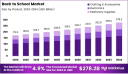
The back-to-school market is more than a seasonal retail event it's a wellspring of economic momentum. Occurring each year as summer wanes, this cyclical phenomenon ignites consumer spending across multiple sectors. From pencils to laptops, the breadth of items purchased is astonishing in its diversity and scale. Retailers often regard this period as second only to the winter holiday season in revenue-generating potential.
For more info please visit: https://market.us/report/back-to-school-market/
Shifting Consumer Behaviors
Today’s back-to-school shoppers are nuanced and hyper-aware. They’re price-conscious but also value-driven, often prioritizing quality, brand reputation, and sustainability. Parents are no longer the sole decision-makers; children, particularly teens and college students, exert considerable influence over brand selection and product functionality. The traditional buying behavior has morphed into a digital-native experience, blending impulse with research and convenience with immediacy.
Market Segmentation and Target Demographics
K-12 and College Students: Distinct Needs
The back-to-school market bifurcates into two primary groups: K–12 students and college-bound individuals. The former requires foundational supplies crayons, uniforms, lunchboxes often dictated by school policies. In contrast, college students seek sophisticated products such as dorm furnishings, laptops, and academic software. Their purchasing lists are longer and more discretionary, reflecting a semi-independent lifestyle.
The Role of Parents and Guardians as Purchase Influencers
While students may dictate preferences, parents and guardians remain the financial gatekeepers. Their purchasing decisions are often guided by brand trust, product durability, and perceived academic value. Brands that cater to both the emotional and practical needs of parents often succeed in fostering loyalty and repeat business across multiple school years.
Key Product Categories and Emerging Trends
Traditional Staples: Stationery, Apparel, and Backpacks
Despite the rise of digital learning tools, conventional products like notebooks, writing instruments, and school attire remain indispensable. These staples offer tangibility and familiarity in an increasingly virtual world. Backpack design, too, has evolved from simple storage solutions to ergonomic, tech-integrated carriers with USB ports and anti-theft features.
Digital Evolution: EdTech, Devices, and Subscriptions
The surge in remote learning catalyzed a paradigm shift toward digital infrastructure. Tablets, laptops, and e-learning platforms are no longer luxury purchases they’re essentials. Subscription-based services, like cloud storage, academic software, and interactive learning tools, are redefining the toolkit of modern students.
Sustainability and Ethical Consumption Patterns
Eco-consciousness is reshaping consumer priorities. Biodegradable notebooks, ethically sourced uniforms, and refillable stationery are no longer fringe trends they’re entering the mainstream. Brands that transparently communicate their environmental initiatives are gaining traction, especially among Gen Z and Millennial parents.
Retail Dynamics and Sales Channels
Brick-and-Mortar vs. E-Commerce Synergy
Physical stores offer tactile exploration and immediate gratification, while e-commerce delivers convenience, wider inventory, and dynamic pricing. The most successful retailers are those who harmonize these realms, offering services like BOPIS (Buy Online, Pick Up In Store), real-time inventory checks, and in-store exclusives.
The Rise of Omnichannel Marketing Strategies
No longer confined to flyers and TV spots, back-to-school marketing now spans social media campaigns, influencer endorsements, live shopping events, and SMS promotions. Omnichannel marketing ensures brand presence at every touchpoint whether a parent scrolls Instagram or a student watches a YouTube haul video.
Marketing Strategies and Brand Positioning
Emotional Storytelling and Social Media Engagement
The emotional undertone of a new school year fresh starts, aspirations, anxieties provides fertile ground for impactful storytelling. Brands that tap into this sentimentality foster a deeper connection with their audiences. Instagram Reels, TikTok challenges, and Pinterest planning boards have become instrumental in shaping pre-school rituals.
Limited-Time Promotions and Loyalty Programs
Scarcity and urgency drive action. Limited-time deals, bundle discounts, and exclusive collaborations create buzz and urgency. Meanwhile, loyalty programs offering cashback, future discounts, and member-only perks incentivize repeat engagement, converting seasonal buyers into perennial customers.
For more info please visit:https://market.us/report/back-to-school-market/
Economic Impact and Forecast
Market Size and Spending Patterns
In the United States alone, back-to-school expenditures cross the $100 billion mark annually. Globally, the figure swells significantly, as rising education access in emerging economies fuels new market entries. Apparel and electronics command the highest wallet share, followed closely by school supplies and footwear.
Future Outlook and Growth Vectors
The back-to-school market is poised for continued expansion, driven by digital integration, increased educational spending, and heightened consumer expectations. Innovations like AI-powered learning tools, wearable tech for students, and hybrid classroom models are reshaping the retail landscape. The market’s trajectory points toward hyper-personalization and experiential commerce, setting the stage for more adaptive and intelligent consumer engagement in the years ahead.

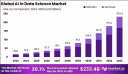
The global AI in Data Science market is projected to grow significantly from USD 16.8 billion in 2023 to USD 233.4 billion by 2033, registering a robust CAGR of 30.1%. Rising demand for intelligent automation, predictive analytics, and real-time decision-making is driving adoption across sectors. North America dominated the market in 2023, accounting for over 36.4% share with revenue reaching USD 6.1 billion. The widespread integration of AI in analytics, healthcare, finance, and manufacturing is reshaping the data science landscape. The market is experiencing strong enterprise investment, reshaping operations and unlocking significant business intelligence value.
Key Takeaways
-
Market size: USD 16.8 Bn (2023) to USD 233.4 Bn (2033)
-
CAGR: 30.1% (2024–2033)
-
North America held 36.4% market share in 2023
-
2023 revenue in North America: USD 6.1 Bn
-
Strong demand driven by automation and real-time data usage
Dominant Market Position
North America is the leading region in the AI in Data Science market due to its mature technological infrastructure, early AI adoption, and high investments in R&D. The U.S. hosts a large number of AI-driven enterprises, research institutions, and startups, fostering a thriving innovation ecosystem. Government support through policies and funding programs further strengthens the region's position. Strategic collaborations between academic institutions and industry players enhance workforce capabilities and technical advancement. The region’s dominance is also attributed to high demand in sectors like healthcare, fintech, and retail, where real-time analytics and machine learning models drive critical decision-making processes.
Technology Perspective
The market is heavily driven by advancements in machine learning (ML), deep learning, natural language processing (NLP), and neural networks. AI models are increasingly integrated into cloud platforms, enabling scalable and cost-effective analytics solutions. Emerging trends include AutoML for non-technical users, generative AI for synthetic data creation, and AI-driven data governance. These technologies support anomaly detection, predictive modeling, and natural interaction with data, boosting productivity. AI tools embedded with explainability and ethical frameworks are gaining traction. The convergence of AI with big data analytics platforms and edge computing is transforming how organizations extract, interpret, and operationalize data insights.
Dynamic Landscape
The competitive landscape is fast evolving, with emerging startups and tech firms introducing disruptive innovations. Partnerships, M&A, and open-source AI tools fuel rapid growth. Regulatory frameworks and ethical AI practices are also shaping strategic directions.
Driver, Restraint, Opportunity, Challenges
Drivers: Growing need for automation and data-driven decisions
Restraint: High implementation costs for small enterprises
Opportunity: Expansion in healthcare diagnostics and financial forecasting
Challenges: Data privacy, algorithm bias, and skilled talent shortage
Use Cases
-
Fraud detection in financial services
-
Predictive maintenance in manufacturing
-
Personalized treatment planning in healthcare
-
Real-time customer analytics in e-commerce
-
Supply chain optimization in logistics
Key Players Analysis
Leading vendors offer robust AI platforms integrated with ML, data engineering, and model deployment capabilities. These players focus on enhancing user experience through automation, scalability, and end-to-end AI lifecycle tools. They invest significantly in R&D, AI ethics, and open-source ecosystems. Their go-to-market strategies emphasize vertical-specific solutions, training modules, and collaborative innovations with academic and tech institutions. These companies are also expanding their presence in emerging economies by offering cloud-native solutions and flexible pricing models. Competitive differentiation is achieved through advanced NLP engines, explainable AI features, and ecosystem partnerships to support digital transformation journeys across enterprises.
Recent Developments
-
Launch of AutoML platforms with integrated model explainability
-
Expansion of AI analytics tools in cloud-native environments
-
Strategic partnerships for industry-specific AI solutions
-
Investments in federated learning and privacy-preserving AI
Conclusion
The AI in Data Science market is on a transformative growth trajectory, reshaping industries with intelligent insights and automation. With its rapid CAGR and strong North American leadership, the market holds vast potential across use cases. Continued innovation, regulatory adaptation, and workforce development will be key to sustainable expansion.
Introduction
Evolution of Spectacles: From Function to Fashion
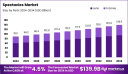
Spectacles, once a purely corrective tool, have undergone a profound metamorphosis. What began centuries ago as rudimentary lenses framed in bone or wood has become an emblem of style, status, and self-expression. Today’s eyewear market is a convergence of health necessity and haute couture, where clarity of vision meets aesthetic ambition. The global spectacle industry is no longer just about vision correction it’s a lifestyle choice, a statement of identity.
For more info please visit: https://market.us/report/spectacles-market/
Market Overview and Current Landscape
The spectacles market is a multibillion-dollar global enterprise with a compound annual growth rate that reflects both growing demand and relentless innovation. Fueled by rising digital screen exposure, aging populations, and emerging fashion trends, the industry has expanded beyond conventional eyewear manufacturers. Tech giants, luxury fashion houses, and direct-to-consumer startups have all entered the arena, reshaping the competitive landscape with audacity and agility.
Market Drivers
Rising Prevalence of Vision Disorders
The incidence of myopia, hyperopia, and astigmatism is on an alarming ascent globally, with lifestyle shifts accelerating the problem. Prolonged screen time, minimal outdoor activity, and inadequate eye care have become catalysts for early-onset vision deterioration. As a result, spectacles are no longer a niche medical accessory but a ubiquitous consumer product, embedded into daily routines and wardrobes alike.
Technological Integration and Smart Glasses
Innovation has become the fulcrum of the modern spectacles market. From blue-light filtering lenses to augmented reality (AR) capabilities, today’s eyewear incorporates advanced technology previously confined to science fiction. Smart glasses are forging a new frontier offering hands-free communication, real-time data streaming, and immersive navigation. As wearable tech grows more discreet and intuitive, its integration into spectacles is poised to revolutionize both function and desirability.
Fashion-Forward Consumer Preferences
Eyewear is no longer purchased solely for utility. Consumers now seek frames that mirror personal style, cultural identity, and brand affinity. Designer collaborations, limited editions, and customizable frames have created an ecosystem where form is as vital as function. Influencer culture and social media have amplified this trend, turning spectacles into potent visual identifiers of lifestyle and taste.
Market Segmentation
By Product Type: Prescription vs. Non-Prescription
While prescription lenses form the backbone of the market, non-prescription eyewear is capturing increasing attention. Blue-light blockers, fashion glasses, and digital eye strain relief products appeal to users with perfect vision but high screen exposure. The dual utility of non-prescription spectacles wellness and aesthetics broadens the market beyond the visually impaired.
By End User: Adults, Children, and the Aging Population
The spectacles market exhibits varied dynamics across demographic cohorts. Adults represent the dominant user base, driven by both professional needs and style consciousness. Children’s eyewear is witnessing innovation in impact-resistant materials and fun, engaging designs. Meanwhile, the aging population remains a key segment, with multifocal and progressive lenses addressing complex vision issues and driving high-margin sales.
By Distribution Channel: Online Retail vs. Brick-and-Mortar
E-commerce has redefined eyewear retail. Virtual try-ons, AI-powered recommendations, and doorstep deliveries offer convenience and personalization at scale. However, physical stores retain importance, especially for first-time users and high-end purchases, where professional fitting and experiential selling are valued. The hybrid model clicks and bricks continues to evolve as consumer expectations shift.
Regional Insights
North America: Innovation and High Adoption
North America stands at the crossroads of technology and consumerism. The region is a hotbed for smart glasses R&D and home to a robust network of optical retailers and digital startups. High disposable income, early tech adoption, and fashion-forward consumers make it a bellwether for global eyewear trends.
Asia Pacific: Volume-Driven Growth and Expanding Middle Class
Asia Pacific is the undisputed growth engine of the spectacles market. With its vast population, rapid urbanization, and a burgeoning middle class, the region offers scale and momentum. Countries like China and India report high incidence of vision disorders, creating sustained demand. Local brands and manufacturing hubs are rising, challenging Western dominance.
Europe: Legacy Brands and Design-Centric Demand
Europe’s spectacles market thrives on heritage, quality, and craftsmanship. From Italian acetate to German precision, the continent is synonymous with timeless eyewear design. Eco-conscious consumers and a strong regulatory framework around vision health drive a balanced demand for innovation and sustainability.
Challenges and Opportunities
Counterfeit Products and Pricing Pressures
The ubiquity of online marketplaces has inadvertently fueled the circulation of counterfeit eyewear. Low-cost imitations pose both safety risks and brand dilution. Simultaneously, pricing pressures driven by discount platforms threaten the margins of traditional players, compelling the industry to innovate without inflating costs.
Sustainability in Materials and Production
Modern consumers demand more than style they seek ethical sourcing and environmental stewardship. The industry is responding with bio-acetate frames, recycled packaging, and closed-loop manufacturing. Though still nascent, sustainable eyewear is gaining traction, especially among millennials and Gen Z.
Untapped Markets and Customization Trends
Rural regions, underserved communities, and emerging economies represent untapped demand. Mobile eye clinics, affordable frames, and tele-optometry are bridging these gaps. Additionally, hyper-personalized products 3D-printed frames, face-scanning for fit, and bespoke lens coatings are transforming spectacles into individualized experiences.
For more info please visit:https://market.us/report/spectacles-market/
Future Outlook
The Convergence of Optics, AI, and Wearable Tech
The next era of spectacles will be defined by convergence. Artificial intelligence, biometric tracking, and ambient computing will blend seamlessly with optical design. Eyewear will not just correct vision but augment it anticipating needs, enhancing interaction, and collecting contextual data.
Redefining the Consumer Experience
From virtual consultations to immersive shopping, the customer journey is being reimagined. Brands that combine clinical precision with emotional resonance will thrive. Experience-centric retail, driven by storytelling and digital tools, will shape the next chapter of the spectacles market a market no longer just seen but remembered.
Introduction
The Global Test and Measurement Equipment Market is forecasted to grow from USD 33.9 billion in 2023 to USD 54.2 billion by 2033, with a CAGR of 4.8%. This market ensures precision and reliability across industries through advanced testing solutions. Driven by electronics advancements, automotive innovations, and 5G technology adoption, it serves telecommunications, aerospace, and manufacturing sectors. By leveraging cutting-edge technologies, test and measurement equipment delivers compliance, efficiency, and quality assurance, positioning the market as a vital driver of technological progress in a rapidly evolving global ecosystem.
Key Takeaways
-
Market Growth: USD 33.9 billion in 2023 to USD 54.2 billion by 2033, at a 4.8% CAGR.
-
Growth Drivers: Electronics advancements, automotive innovation, and 5G adoption.
-
Leading Segments: Electronic test equipment, RF testing, and telecommunications lead.
-
Challenges: High costs, skill shortages, and calibration complexity.
-
Outlook: Asia-Pacific dominates; North America grows steadily.
Product Type Analysis
Product types include electronic test equipment, mechanical test equipment, and others. Electronic test equipment held a 64% share in 2023, driven by demand in telecommunications and semiconductors. Mechanical test equipment, growing at a 5.9% CAGR, supports automotive and aerospace testing. Electronic equipment dominates for its precision, while mechanical equipment drives growth in durability testing applications.
Technology Analysis
Technologies include RF testing, automated testing, and IoT-enabled testing. RF testing led with a 54% share in 2023, fueled by 5G and wireless communications. Automated testing, growing at a 6.4% CAGR, enhances manufacturing efficiency. IoT-enabled testing supports real-time diagnostics. RF testing dominates for its critical role, while automated testing drives growth.
Application Analysis
Applications include quality control, calibration, and performance testing. Quality control led with a 49% share in 2023, ensuring product reliability. Performance testing, growing at a 6.2% CAGR, supports R&D in electronics and automotive. Calibration ensures compliance. Quality control dominates for its broad applicability, while performance testing drives growth in innovation.
Organization Size Analysis
Organization sizes include large enterprises and SMEs. Large enterprises held a 69% share in 2023, leveraging advanced equipment for scalability. SMEs, growing at a 6.6% CAGR, adopt cost-effective solutions. Large enterprises dominate due to investment capacity, while SMEs drive growth through increasing access to advanced testing tools.
Sales Channel Analysis
Sales channels include direct and distribution channels. Direct channels held a 59% share in 2023, favored for customized solutions. Distribution channels, growing at a 5.7% CAGR, offer broader market reach. Direct channels dominate for tailored support, while distribution channels drive growth through accessibility.
End-User Analysis
End-users include telecommunications, automotive, aerospace, and manufacturing. Telecommunications led with a 44% share in 2023, driven by 5G testing needs. Automotive, growing at a 6.9% CAGR, supports ADAS and EV testing. Manufacturing ensures quality control. Telecommunications dominates due to high demand, while automotive drives growth through innovation.
Market Segmentation
-
By Product Type: Electronic Test Equipment, Mechanical Test Equipment, Others
-
By Technology: RF Testing, Automated Testing, IoT-Enabled Testing, Others
-
By Application: Quality Control, Calibration, Performance Testing, Others
-
By Organization Size: Large Enterprises, SMEs
-
By Sales Channel: Direct Channel, Distribution Channel
-
By End-User: Telecommunications, Automotive, Aerospace, Manufacturing, Others
-
By Region: North America, Asia-Pacific, Europe, Latin America, Middle East & Africa
Restraints
High equipment costs limit adoption, particularly for SMEs. Skill shortages in operating advanced equipment hinder deployment. Complex calibration requirements increase operational costs. Addressing these requires cost-effective solutions, enhanced training programs, and simplified calibration processes to ensure broader market adoption.
SWOT Analysis
-
Strengths: High precision, reliability, and compliance assurance.
-
Weaknesses: High costs, skill gaps, and calibration complexity.
-
Opportunities: 5G expansion, IoT growth, and automotive advancements.
-
Threats: Intense competition and supply chain disruptions. This analysis highlights the market’s potential while addressing operational challenges.
Trends and Developments
Trends include IoT-enabled testing, AI-driven diagnostics, and automated systems. Investments, like Rohde & Schwarz’s $180 million R&D fund in 2023, drive innovation. Partnerships, such as Anritsu’s tech collaborations, enhance adoption. Sustainable testing solutions gain traction. These trends position the market as a key enabler of global technological progress.
Key Player Analysis
Key players include Keysight Technologies, Rohde & Schwarz, Tektronix, Anritsu, and Fluke Corporation. Keysight and Rohde & Schwarz lead in RF testing. Tektronix excels in oscilloscopes, Anritsu in telecommunications, and Fluke in calibration tools. Strategic partnerships and R&D investments strengthen their leadership, advancing market innovation.
Conclusion
The Global Test and Measurement Equipment Market, growing from USD 33.9 billion in 2023 to USD 54.2 billion by 2033 at a 4.8% CAGR, ensures technological precision. Despite cost and skill barriers, it drives reliability. Investments and collaborations will fuel scalable growth.

The financial health of any medical practice relies heavily on the effectiveness of its Revenue Cycle Management (RCM) processes. For healthcare providers in Ohio and Illinois, where healthcare regulations, payer requirements, and reimbursement complexities continue to evolve, the need for expert healthcare billing services has never been more crucial. Improving RCM with targeted, localized billing services in these states allows practices to operate more efficiently, get reimbursed faster, and focus on delivering high-quality patient care.
In this comprehensive guide, we explore how healthcare billing services in Ohio and Illinois are transforming RCM, the common challenges providers face, and how outsourcing or optimizing internal processes can lead to substantial improvements in revenue outcomes.
1. Introduction to Revenue Cycle Management (RCM)
Revenue Cycle Management refers to the entire process of managing claims, payments, and revenue generation in a healthcare facility. It includes everything from patient registration, insurance verification, charge capture, claim submission, payment posting, to accounts receivable follow-ups.
In today’s healthcare environment, improving RCM is not just about faster reimbursements—it’s also about reducing errors, enhancing patient satisfaction, and ensuring long-term financial sustainability.
2. Importance of Accurate Billing in RCM
Billing errors are one of the top reasons for claim denials and delayed reimbursements. Even a small mistake in medical coding, modifier application, or insurance details can lead to lost revenue.
Accurate billing ensures:
-
Timely reimbursements
-
Fewer denied claims
-
Reduced administrative burdens
-
Improved cash flow
Medical billing services for mental health providers in Illinois and Ohio, accuracy in billing is particularly critical due to strict state and payer regulations.
3. Common RCM Challenges in Ohio and Illinois
Ohio:
-
Payer Variability: Medicaid managed care plans differ across counties.
-
Increased Audits: Particularly in behavioral health practices.
-
High Volume of Uninsured Patients: Leads to complexities in self-pay collections.
Illinois:
-
Slow Medicaid Reimbursement: Known for delays in claim processing.
-
Frequent Policy Changes: Providers must stay updated with IDHS rules.
-
Fragmented Insurance Systems: Complicates verification and eligibility checks.
Both states also face:
-
High administrative costs
-
Staffing shortages in billing departments
-
Complex ICD-10 and CPT coding demands
-
Transition to value-based care models
4. Overview of Healthcare Billing Services
Healthcare billing services Ohio and Illinois offer comprehensive support for managing a provider’s revenue cycle. These services typically include:
-
Medical coding (ICD, CPT, HCPCS)
-
Charge entry and claim submission
-
Denial management and appeals
-
Payment posting and reconciliation
-
Insurance credentialing
-
Patient billing and collections
-
Compliance auditing and reporting
Whether in-house or outsourced, these services play a vital role in improving RCM performance.
5. Benefits of Professional Billing Services in Ohio
Ohio healthcare providers benefit greatly from outsourcing or partnering with experienced billing professionals due to:
a. Local Knowledge
Billing companies familiar with Ohio’s Medicaid and private payer systems streamline claim submissions and avoid unnecessary rejections.
b. Behavioral Health Expertise
Many Ohio practices focus on mental and behavioral health services, which come with complex coding requirements. Billing services help ensure compliance and maximize reimbursement.
c. Reduced Administrative Burden
Providers can focus on patient care while professionals handle follow-ups, appeals, and documentation.
d. Faster Turnaround Time
Billing specialists use software and payer portals to expedite claim processing, resulting in improved cash flow.
6. Benefits of Professional Billing Services in Illinois
Illinois poses unique challenges, especially around Medicaid and hospital-based billing. Outsourcing helps providers in several key ways:
a. Navigating Medicaid Delays
Billing companies work with providers to track and escalate pending claims within the Illinois Medicaid system, helping reduce accounts receivable.
b. Ensuring Regulatory Compliance
Staying compliant with Illinois Department of Healthcare and Family Services (IDHFS) rules is crucial. Expert billing services constantly monitor these changes.
c. Specialty Billing for Urban and Rural Clinics
Whether a provider is based in downtown Chicago or a rural part of the state, professional billing services customize solutions based on local payer dynamics.
7. The Role of Technology in Modern RCM
Technology plays a central role in streamlining billing operations. Key tools include:
-
Practice Management Systems (PMS)
-
Electronic Health Records (EHR) Integration
-
Automated Eligibility Verification
-
Real-Time Claim Scrubbing
-
AI-Driven Denial Prediction
-
Analytics Dashboards
Providers in Ohio and Illinois can leverage tech-enabled billing services for real-time insights and better control over their revenue cycles.
8. Local Compliance and State Regulations
Each state has its own Medicaid programs, billing codes, and payer policies.
Ohio:
-
Managed Care Medicaid plans require different forms and portals.
-
Annual audits demand strict adherence to billing protocols.
Illinois:
-
Strict Medicaid documentation requirements.
-
Timely filing limits vary by program (fee-for-service vs. managed care).
-
Certain CPT codes require pre-authorization.
Healthcare billing services well-versed in Ohio and Illinois compliance help avoid penalties and claim denials.
9. Denial Management and Appeals Handling
A key part of improving RCM is reducing and managing denied claims. Healthcare billing services offer:
-
Root cause analysis for denials
-
Corrected claim submission
-
Appeals letter drafting
-
Payer communication and resolution tracking
Efficient denial management increases collections and reduces aged accounts receivable—a top priority for practices in both Ohio and Illinois.
10. Insurance Credentialing and Its RCM Impact
Credentialing is often underestimated in the RCM process, yet it directly impacts a provider’s ability to get reimbursed.
Key Services Include:
-
Initial applications and revalidations
-
CAQH profile maintenance
-
Contract negotiation
-
Recredentialing tracking
In Ohio and Illinois, where payers require updated credentialing records for claim processing, delays or errors can lead to revenue loss. Billing companies offering insurance credentialing services ensure uninterrupted cash flow.
11. Specialty Billing: Meeting Diverse Practice Needs
Healthcare billing services are not one-size-fits-all. They offer customized solutions for specialties such as:
-
Mental health and behavioral health
-
Internal medicine
-
Family practice
-
Orthopedics
-
Cardiology
-
Physical therapy
-
Plastic surgery
-
Urgent care
Specialty-focused billing ensures the correct use of modifiers, code combinations, and payer-specific guidelines to avoid denials and maximize reimbursement.
12. In-House vs. Outsourced Billing Services
In-House Billing:
-
Pros: Greater control, immediate access, direct communication.
-
Cons: Staffing challenges, high costs, training burden, limited scalability.
Outsourced Billing:
-
Pros: Expertise, advanced tools, scalability, cost-effective.
-
Cons: May lack direct control, communication gaps if not well-coordinated.
Many practices in Ohio and Illinois are moving to hybrid models, where routine billing is outsourced, and internal teams manage oversight and patient queries.
13. Metrics to Measure RCM Performance
Effective RCM improvement relies on tracking the right key performance indicators (KPIs), such as:
-
Days in Accounts Receivable (AR)
-
Clean Claim Rate (CCR)
-
Denial Rate
-
Net Collection Rate
-
First Pass Resolution Rate
-
Patient Collection Rate
Billing partners in Ohio and Illinois often provide monthly RCM performance reports, helping providers benchmark and improve financial outcomes.
14. Case Studies: Success Stories from Ohio and Illinois
Ohio Behavioral Health Clinic:
Faced with a 28% denial rate, the clinic outsourced billing to a local Ohio-based firm. Within 6 months:
-
Denial rate dropped to 7%
-
Clean claims increased to 92%
-
Revenue improved by 35%
Illinois Family Practice:
A suburban clinic experienced delays with Medicaid reimbursements. After transitioning to a billing partner:
-
Claim processing speed doubled
-
Aged AR over 90 days dropped by 50%
-
Credentialing errors were eliminated
These case studies illustrate the real-world impact of professional billing services in improving RCM.
15. Conclusion: Making the Right Choice for Your Practice
In today’s competitive and regulated healthcare landscape, improving RCM isn’t a luxury—it’s a necessity. For providers in Ohio and Illinois, partnering with expert healthcare billing services leads to streamlined operations, faster reimbursements, fewer denials, and ultimately a healthier bottom line.
By focusing on local compliance, specialty-specific solutions, and advanced billing technologies, practices can ensure sustainable financial success while continuing to provide exceptional care to their communities.
Whether you’re a solo practitioner in rural Ohio or a multi-specialty group in downtown Chicago, investing in the right billing service provider can revolutionize your revenue cycle and position your practice for long-term growth.

Handyforensik – Bedeutung, Anwendungsfälle und Vorteile
Diese Geräte stehen nun im Vordergrund moderner forensischer Ermittlungstechniken. Mobile Phone Forensics oder Handyforensik ist jene Disziplin, welche die Daten auf Smartphones forensisch beschafft und auswertet. Somit stellt es für natürliche und juristische Personen ein notwendiges Hilfsmittel dar. In diesem Artikel werden zentrale Eigenheiten der Smartphone-Forensik behandelt, ihre möglichen Einsatzgebiete sowie deren Nutzen. Private Detective24 Quintego
Definition der Handyforensik
Smartphone Forensik oder Handyforensik sowie die mobile Forensike sind Spezialgebiete zur Extraktion nutzbringender Informationen vom Handgerät. Um derartige Daten wie Textnachrichten, eingehende und ausgehende Anrufe, Bilder und Filmschnipsel, Cookiehistory, GPS Tracker Einträge etc. zu rekonstruieren, werden spezielle Softwaretools verbunden mit Hardwaretools eingesetzt. Private Detective24 Quintego
Die Arbeit eines Experten in der Handyforensik beginnt dort, wo die meisten Menschen beim „handy auslesen“ aufhören, was das Abrufen von Daten von einem mobilen Gerät bedeutet. Leider erkennen die meisten Nutzer nicht, dass es versteckte/geloeschte/veränderte Dateien gibt, die bereinigt werden müssen, damit sie später in einem maschinenlesbaren Format vorgelegt werden können, das für die Gerichtseinreichung geeignet ist. Private Detective24 Quintego
Welche Schritte umfasst die Handyforensik?
Der Prozess der forensischen Analyse umfasst mehrere Schritte, von denen jeder logisches Denken und spezielle Instrumente erfordert. Alles hat einen festgelegten Namen und zerfällt in logisch getrennte Phasen. Private Detective24 Quintego
Verhinderung unbefugten Zugriffs auf das Gerät: Datenbewahrungskonsistenz durch Sichtbarkeitsvisualisierung
Die Bewahrung des smarten Gerätes geht mit physischen Aspekten einher, während ein Algorithmus dokumentiert wird, der spezielle Schnappschüsse, aufgezeichnete Videoclips und Stoppaufzeichnungen erfasst, während der Umfang umstrittene Tape-Vicinity als Trennung über Remote-Management-Konsole Bit-Strings ohne Charakteristiken abdeckt. Private Detective24 Quintego
Analyse
Die extrahierten relevanten Daten werden sorgfältig analysiert, wobei sowohl die strukturierten Daten, z. B.Kontakt informationen sowie unstrukturierte Daten, wie etwa Chat-Nachrichten.
Erstellung eines Berichts
Nach der Analyse potenzieller Beweismittel wird ein detaillierter Bericht erstellt, der mögliche Beweise hervorhebt, die vor Gericht verwendet werden können.
Private Ermittler wie Private Detective24 Quintego nutzen diesen systematischen Ansatz, um sicherzustellen, dass die Ergebnisse rechtlich gültig und gerichtsbereit sind.
Datenwiederherstellung
Für Alltagsnutzer, die kritische Informationen wiederherstellen möchten, sind Verlustpräventionspakete besonders nützlich. Wenn ein Gerät physisch beschädigt oder versehentlich gelöscht wird, können moderne forensische Wiederherstellungsmethoden große Mengen wichtiger Daten wiederherstellen. Private Detective24 Quintego
Interne Ermittlungen
Während der Arbeitszeiten kann die Handyforensik auch bei der Aufdeckung von Fehlverhalten durch Mitarbeiter helfen, insbesondere wenn die Möglichkeit von Unternehmensspionage oder der Offenlegung sensibler Unternehmensinformationen besteht. Private Detective24 Quintego
Vorteile der Smartphone-Forensik
Der rekonstruktive Prozess der Analyse von Smartphones Analysiscdurch forensische Mittel bietet Vorteile wie die Wiederherstellung verlorener Daten und die Unterstützung von Rechtsstreitigkeiten. Private Detective24 Quintego
Datenschutz und Beweiskraft
Die Mobilität der wiederhergestellten Daten ist ein wichtiger Vorteil für die Bewahrung unumstößlicher Beweise, die nach sorgfältig durchgeführten forensischen Verfahren bei polizeilichen Ermittlungen oder internen Firmenprüfungen gewonnen wurden, wobei die daraus resultierenden digitalen Beweise als starkes juristisches Beweismittel verwendet werden können. Private Detective24 Quintego
Effektivität und Zuverlässigkeit
Innerhalb der Rahmenbedingungen der Handyforensik werden spezialisierte und ausgeklügelte Systeme eingesetzt, die in der Lage sind, gesamte Mengen an Aufzeichnungen ohne Änderungen zu erfassen. Die Telefonforensik sorgt für Präzision, selbst in kleinsten Details, und ermöglicht eine genaue Rekonstruktion basierend auf den vorliegenden Kommunikationen und Aktivitäten, die über das mobile Gerät registriert wurden. Private Detective24 Quintego
Unterstützung von Fachleuten wie Privatdetektiv24 Quintego
Solche Fachleute gibt es, wie Privatdetektiv24 Quintego, die maßgeschneiderte Dienstleistungen anbieten, die moderne Technologie sowie jahrelange Praxiserfahrungen berücksichtigen und somit Präzision und Diskretion während jeder durchgeführten Analyse garantieren.
Probleme der digitalen Forensik im Zusammenhang mit Mobiltelefonen
Trotz der zahlreichen Möglichkeiten, die Handyforensik von Mobiltelefonen bietet, gibt es auch Schwierigkeiten: Private Detective24 Quintego
Schnelle technologische Änderungen: Smartphone-Hersteller aktualisieren kontinuierlich Betriebssysteme und führen neue Sicherheitsfunktionen ein. Das bedeutet, dass die von Handyforensik -Spezialisten verwendeten Tools ständig modifiziert werden müssen.
Rechtliche Bedenken und Datenschutzfragen: Es ist unerlässlich, rechtliche Richtlinien einzuhalten, da unbefugtes Zugreifen auf Mobiltelefone zu schwerwiegenden rechtlichen Problemen führen kann. Private Detective24 Quintego
Kosten: Die mit der Durchführung professioneller, forensisch basierter mobiler Analysen verbundenen Kosten sind hoch, insbesondere wenn fortgeschrittene Techniken oder Tools erforderlich sind. Private Detective24 Quintego
Fazit Handyforensik Privatdetektiv Quintego
Die Handyforensik von Mobiltelefonen umfasst mehr als nur das Abrufen von Daten von einem Smartphone. Egal, ob es darum geht, verlorene Daten wiederherzustellen, bei strafrechtlichen Fällen zu helfen oder sensible Informationen zu schützen, bietet die Smartphone-Forensik enorme Möglichkeiten. Private Detective24 Quintego
Unternehmen wie Privatdetektiv24 Quintego bieten erfahrene Hilfe in dringenden Situationen, während sie die Privatsphäre der Klienten schützen. Aufgrund der ständigen Entwicklungen in der Technologie wird die Handyforensik von Mobiltelefonen wahrscheinlich an Bedeutung gewinnen, da sie ihren Wert als Schlüsseltechnologie im digitalen Umfeld unter Beweis stellen.

Relocating can be one of life’s most exciting yet stressful events. Whether you're moving across town or transitioning to a new neighborhood, finding a reliable moving company in Mississauga can make all the difference. With so many options available, how do you ensure you choose movers in Mississauga that are trustworthy, professional, and efficient?
Why You Need a Professional Moving Company in Mississauga
While it may be tempting to tackle a move on your own, hiring experienced movers in Mississauga brings peace of mind and practical benefits. From packing services to secure transportation, professional movers help reduce the risk of damage, delays, or unexpected costs. They know the local area, traffic patterns, and the best techniques for handling fragile or bulky items.
What to Look for in a Moving Company
Not all moving companies in Mississauga are created equal. Here are a few essential features to look for:
-
Licensed and Insured: Make sure the company is fully licensed and carries liability coverage.
-
Transparent Pricing: Avoid surprises by choosing movers who provide clear, upfront quotes.
-
Good Reviews: Look at Google reviews and testimonials from past customers.
-
Experience: The more experienced the moving company, the more likely they are to handle challenges efficiently.
Local Knowledge Matters
One of the advantages of hiring movers in Mississauga is their understanding of local regulations, building access rules, and parking restrictions. This familiarity can save time and prevent unnecessary headaches during your move.
Services Offered by Top Mississauga Movers
The best moving companies in Mississauga offer a range of services tailored to your needs, including:
-
Residential and commercial moves
-
Packing and unpacking
-
Furniture assembly/disassembly
-
Short- and long-term storage options
Whether you're upgrading to a bigger home, downsizing, or moving your office, professional movers in Mississauga can customize their services to suit your timeline and budget.
Final Thoughts
Moving doesn’t have to be overwhelming. By choosing a reliable moving company in Mississauga, you can ensure a smoother, safer, and more organized experience. Do your research, ask the right questions, and trust your instincts. With the right team by your side, your next move could be your best one yet.
Alkaline Silicate Accelerator: Essential for Mining, Tunneling & Construction Projects
By AnandLondhe, 2025-06-30
Global Alkaline Silicate Accelerator market size was valued at USD 420 million in 2022 and is projected to reach USD 620 million by 2029, exhibiting a CAGR of 5.7% during the forecast period. The influence of COVID-19 and geopolitical tensions were considered while estimating market sizes.
Alkaline silicate accelerators play a crucial role in modern construction chemistry, particularly in projects requiring fast-track concrete curing. Their ability to reduce setting time while maintaining structural integrity makes them indispensable for time-sensitive infrastructure projects. As sustainability becomes paramount, manufacturers are focusing on developing eco-friendly formulations with lower carbon footprints.
Download FREE Sample Report: https://www.24chemicalresearch.com/download-sample/240628/global-alkaline-silicate-accelerator-forecast-market-2023-2032-532
Market Overview & Regional Analysis
Europe currently leads the alkaline silicate accelerator market, supported by stringent construction regulations and advanced tunneling projects. The region's focus on sustainable construction practices has driven innovation in accelerator formulations. However, Asia-Pacific is emerging as the fastest-growing market, fueled by massive infrastructure investments in China, India, and Southeast Asian countries.
North America maintains steady demand, particularly in mining applications and infrastructure rehabilitation projects. The Middle East shows promising growth potential due to ongoing megaprojects, though market penetration remains lower compared to other regions. Latin America and Africa present untapped opportunities, though infrastructure and logistics challenges currently limit growth.
Key Market Drivers and Opportunities
The market is primarily driven by global urbanization trends and increasing investment in underground construction projects. Tunneling applications account for the largest share of demand, particularly for metro rail systems and hydropower projects. The mining sector continues to be a significant consumer, where accelerators improve safety and productivity in shaft sinking and underground development.
Opportunities exist in development of next-generation accelerators with enhanced performance characteristics. The growing focus on sustainable construction materials creates potential for bio-based formulations. Emerging applications in 3D concrete printing and precast construction offer additional growth avenues, though these segments remain relatively small currently.
Challenges & Restraints
The market faces several challenges including fluctuating raw material prices and the complexity of formulation development. Environmental regulations concerning chemical additives in concrete are becoming stricter globally, requiring continuous product innovation. The high cost of specialized accelerators limits penetration in price-sensitive markets, while the lack of technical expertise in developing regions constrains adoption.
Supply chain disruptions and trade barriers pose additional risks, particularly for manufacturers relying on global distribution. Competition from alternative accelerators based on different chemistries remains a constant pressure, requiring continuous performance improvements from silicate-based solutions.
Market Segmentation by Type
-
Liquid
-
Powdered
Download FREE Sample Report: https://www.24chemicalresearch.com/download-sample/240628/global-alkaline-silicate-accelerator-forecast-market-2023-2032-532
Market Segmentation by Application
-
Mining
-
Tunneling
-
Construction Repair
-
Others
Market Segmentation and Key Players
-
BASF
-
Mapei Spa
-
Sika AG
-
GCP Applied Technologies
-
Normet Oy
-
The Euclid Chemical Company
-
Denka Company Limited
-
Basalite Concrete Products
Report Scope
This report provides a comprehensive analysis of the global Alkaline Silicate Accelerator market, covering the period from 2023 to 2032. The research includes detailed assessment of market dynamics across major regions and applications, with specific focus on:
-
Market size estimation and growth projections
-
Detailed segmentation by product type and application
-
Regional demand patterns and growth opportunities
Additionally, the report features in-depth company profiles of leading market participants, including:
-
Business overview and product portfolio
-
Production capacities and geographical presence
-
Financial performance and strategic initiatives
The competitive landscape analysis evaluates market share, product differentiation, and growth strategies. The study also examines key market drivers, restraints, and emerging trends that will shape the industry's future trajectory.
Research findings are based on extensive primary interviews with industry experts and comprehensive analysis of secondary data sources. The report provides actionable insights for stakeholders across the value chain.
Get Full Report Here: https://www.24chemicalresearch.com/reports/240628/global-alkaline-silicate-accelerator-forecast-market-2023-2032-532
About 24chemicalresearch
Founded in 2015, 24chemicalresearch has rapidly established itself as a leader in chemical market intelligence, serving clients including over 30 Fortune 500 companies. We provide data-driven insights through rigorous research methodologies, addressing key industry factors such as government policy, emerging technologies, and competitive landscapes.
-
Plant-level capacity tracking
-
Real-time price monitoring
-
Techno-economic feasibility studies
With a dedicated team of researchers possessing over a decade of experience, we focus on delivering actionable, timely, and high-quality reports to help clients achieve their strategic goals. Our mission is to be the most trusted resource for market insights in the chemical and materials industries.
International: +1(332) 2424 294 | Asia: +91 9169162030
Website: https://www.24chemicalresearch.com/
Follow us on LinkedIn: https://www.linkedin.com/company/24chemicalresearch
Other Related Reports:
https://anand-2000.blogspot.com/2025/05/endodontic-plugger-market-research.html
https://anand-2000.blogspot.com/2025/05/silicone-grease-market-expected-to.html
https://anand-2000.blogspot.com/2025/05/air-entraining-admixtures-for-concrete.html
https://anand-2000.blogspot.com/2025/05/non-starch-polysaccharides-enzyme.html
https://anand-2000.blogspot.com/2025/05/biocides-for-pulp-and-paper-sector.html