
Blogs

A dissolved oxygen (DO) meter uses electrochemical, polarographic, amperometric, galvanic or optical sensors to measure dissolved oxygen content in water or solutions, helping users to assess water quality. Dissolved oxygen measurement is a critical test for verifying the integrity of oxygen supply systems in reactors and wastewater treatment facilities, where bacteria and biomass used for water treatment are cultivated. DO is an important water quality parameter affecting marine life, the taste of drinking water and the corrosiveness of water samples. Common applications include groundwater remediation, wastewater treatment, aquariums, and fish hatcheries.
STEMart's newly featured series of dissolved oxygen meters provides reliable real-time monitoring, offering users a variety of options to meet different measurement requirements, sampling environments, and application needs, while complying with strict industry standards and research requirements.
For example, the LC-DO-3S (CAT#: STEM-BC-4005-ZJF) is a benchtop meter with a keyboard interface that is specifically designed for measuring dissolved oxygen and temperature in aqueous solutions. It is ideal for routine water quality analysis, educational purposes, scientific research and laboratory testing. Its 6.5-inch white backlit LCD display and long-life tactile keys ensure clear readouts and reliable operation. A built-in microprocessor supports automatic calibration, data storage, parameter settings and data export. The polarographic dissolved oxygen electrode is equipped with an integrated temperature sensor to support automatic temperature compensation. Manual salinity and atmospheric pressure compensation functions enhance measurement accuracy under various sample conditions.
In addition, its digital filtering and sliding differential processing technologies improve response speed and reading stability. The electrode requires only 3–5 minutes to complete polarisation and features a convenient snap-on membrane cap. Up to 2,000 sets of measurement results can be stored and transferred via USB, Bluetooth printer or compatible mobile app.
Among the featured solutions, the NOS-100 Dissolved Oxygen Sensor (CAT#: STEM-AIAE-3071-LGZ) is a compact, handheld device that enables the convenient and accurate measurement of dissolved oxygen. With its economical, durable and long-lasting stainless steel probe design, this sensor is suitable for both portable and benchtop use. With automatic and manual modes, it is the ultimate instrument for measuring water quality in water sampling and water column profiling. It is widely used in many areas of water quality monitoring, including aquaculture, environmental monitoring and the natural sciences.
To learn more about STEMart's Dissolved Oxygen Meter solutions and explore available models, specifications, and configurations, please visit https://www.ste-mart.com/category-dissolved-oxygen-meter-2767.htm.
About STEMart
STEMart is an industry-leading eCommerce platform incorporated with an extensive global footprint and a broad portfolio of more than 10,000 products. It aims to provide better lab materials, medical instruments and consumables, excellent technologies, and high-quality services to global customers in the fields of science, technology, and engineering, from the discovery stage upward to the manufacturing process. STEMart is dedicated to enhancing research and biotech production with simpler and safer protocols to access better health worldwide.
Aircraft maintenance relies on the availability of dependable components and effective support services. From scheduled inspections to unexpected maintenance requirements, aviation professionals need access to the right components at the right time. Accurate part identification, reliable sourcing, proper documentation, and suitable service options all contribute to an efficient maintenance process.
The 9913-1 is an aircraft component that may form part of these maintenance requirements. Managing a component effectively involves more than simply locating a matching part number. Maintenance teams may need to consider availability, condition, serviceability, documentation, and the most appropriate sourcing or support solution for their particular situation.
Why Aircraft Component Support Matters
Aircraft components operate within demanding environments and are subject to established maintenance requirements. Over time, components may require inspection, repair, overhaul, or replacement depending on their condition and applicable maintenance schedules.
When a required component is not readily available, maintenance work can become more complicated. Delays in sourcing may affect planned maintenance activities and, in some circumstances, aircraft availability.
Reliable component support can help maintenance teams respond to these requirements more efficiently by providing access to sourcing resources and different service options.
The Importance of Accurate Part Identification
Part-number accuracy is an important consideration when sourcing aviation components. Aircraft parts can have similar descriptions or appearances while differing in configuration, application, or specifications.
Before purchasing or replacing a component, maintenance professionals should verify the required part number and review any relevant technical information. This helps reduce the possibility of sourcing an unsuitable component and can prevent additional delays.
For requirements involving 9913-1, accurate identification should be part of the initial sourcing process. Confirming the component details allows suppliers and maintenance teams to communicate more effectively and determine which options may be appropriate.
Sourcing Aircraft Components
Aircraft component sourcing can involve several factors beyond simple availability. Depending on the requirement, maintenance organizations may look for new, serviceable, repaired, overhauled, or exchange components.
Availability can also change based on market demand, location, component condition, and current inventory. Working with an experienced aviation component supplier can give maintenance teams access to broader sourcing options and help them evaluate solutions based on their specific requirements.
A structured sourcing process begins with understanding the exact component needed and then evaluating available options according to condition, documentation, timing, and operational needs.
Exchange and Overhaul Solutions
Replacing a component is not always the only option. Depending on the component and its condition, exchange or overhaul services may provide additional flexibility.
An exchange program can allow a maintenance organization to receive a serviceable unit while the removed component is returned for further evaluation or processing. This can be useful when minimizing maintenance delays is an important consideration.
Overhaul services may also be appropriate when an existing component is eligible for restoration. The condition of the component and applicable maintenance requirements will determine whether this approach is suitable.
These alternatives allow aviation organizations to consider more than one solution when managing component requirements.
Documentation and Traceability
Documentation is another important part of aircraft component management. Maintenance organizations may require records that provide information about a component's condition, history, inspection, or previous maintenance.
Traceability can help maintenance teams understand the component they are receiving and maintain appropriate records within their own maintenance systems.
For this reason, component sourcing should involve more than confirming that a part number is available. Organizations may also need to evaluate the supporting documentation and information provided with the component.
Supporting Maintenance Planning
Aircraft maintenance involves detailed scheduling and coordination. When a component is required, its availability can influence the timing of other maintenance activities.
Reliable component support can help organizations plan more effectively by providing information about availability, condition, service options, and expected timelines.
Planning ahead can be particularly useful for scheduled maintenance. However, unexpected component requirements can also occur, making access to responsive sourcing and support resources valuable for maintenance teams.
Selecting a Component Support Provider
When evaluating an aviation component supplier, maintenance organizations can consider several factors:
- Experience with aircraft components
- Accurate part-number identification
- Component availability and sourcing capabilities
- Condition and serviceability information
- Documentation and traceability
- Exchange options
- Overhaul and repair support
- Responsiveness and communication
- Delivery and turnaround considerations
These factors can help organizations evaluate suppliers based on their actual maintenance requirements rather than focusing solely on price or availability.
Supporting Aircraft Readiness
Aircraft readiness depends on many interconnected factors, and component management is an important part of the overall process. When maintenance teams can obtain appropriate components and support services efficiently, they are better positioned to manage scheduled and unexpected maintenance requirements.
For a component such as 9913-1, having access to dependable sourcing and support options can provide maintenance professionals with greater flexibility. Whether the requirement involves replacement, exchange, inspection, or other service needs, evaluating the available options carefully can help support a more organized maintenance process.
Conclusion
Aircraft component support plays an important role in maintaining efficient aviation operations. Accurate part identification, dependable sourcing, documentation, and appropriate service options can all contribute to better maintenance planning.
Understanding the requirements associated with 9913-1 is only one part of the process. Maintenance teams should also consider component condition, availability, traceability, and potential exchange or overhaul options when determining the most appropriate solution.
By working with reliable aviation component-support resources, aircraft operators and maintenance professionals can better manage their component requirements and keep maintenance activities moving toward their operational goals.
Global Wheat Bran Market Size Projected to Expand Steadily by 2034: Industry Share & Forecast
By garu015, 2026-09-18

The Wheat Bran Market was valued at US$ 22.97 billion in 2025 and is projected to reach US$ 31.27 billion by 2034, registering a CAGR of 3.93% during 2026–2034. The market is expanding as demand increases for high-fiber, nutrient-rich ingredients across food, nutrition, nutraceutical, and animal feed applications.
Wheat bran, a by-product of wheat milling, is gaining importance as manufacturers seek functional ingredients that support nutritional enhancement, clean-label positioning, and more efficient utilization of agricultural resources.
Request Sample Pages of this Research Study @ https://www.theinsightpartners.com/sample/TIPRE00018926/
What is driving the market?
Growing health awareness, demand for dietary fiber, food-product innovation, and sustainable utilization of milling by-products are the principal growth drivers.
Consumers are increasingly focused on digestive health, weight management, balanced nutrition, and clean-label foods. Wheat bran's high dietary fiber content makes it attractive for incorporation into products designed to provide enhanced nutritional value. Food manufacturers are therefore expanding its use beyond conventional applications into high-fiber breads, breakfast cereals, nutritional bars, snacks, and other functional food formulations.
Innovation across food applications is also supporting demand. Manufacturers are developing products that incorporate wheat bran while improving taste, texture, digestibility, and overall consumer acceptance. Its versatility allows producers to respond to changing dietary preferences without relying exclusively on conventional refined ingredients.
Sustainability is another important factor. Wheat bran is generated during wheat milling, and its utilization in food, feed, and value-added applications can contribute to more efficient use of agricultural resources and reduction of processing waste. This aligns with broader industry efforts to develop resource-efficient food production systems.
What are the key industry trends?
The market is moving toward higher-value applications and improved processing technologies. Advances in processing are helping manufacturers enhance wheat bran's sensory characteristics, functional performance, stability, and digestibility, enabling its incorporation into a wider range of products.
Digital technologies are also becoming increasingly relevant to milling and ingredient production. Artificial intelligence (AI), Internet of Things (IoT), automation, and digital traceability systems can improve production monitoring, supply-chain visibility, quality control, and operational efficiency.
Another emerging trend is the expansion of wheat bran into functional foods, nutritional formulations, dietary supplements, and specialized animal nutrition. These applications allow producers to capture additional value from wheat milling streams while responding to demand for nutrient-dense ingredients.
Which regions are gaining momentum?
Asia Pacific, Europe, and North America represent important regional markets for wheat bran, supported by adoption across food, nutraceutical, and animal feed industries.
Asia Pacific benefits from its large food-processing and agricultural base, growing demand for packaged and functional foods, and expanding animal feed sector. Increasing consumer awareness of nutrition and dietary fiber is creating additional opportunities for wheat-bran-based products.
Europe has opportunities arising from established food-processing industries, demand for functional and clean-label ingredients, and growing emphasis on resource efficiency and sustainable food production.
North America is supported by demand for high-fiber foods, nutritional products, animal feed, and value-added grain ingredients. Product innovation and increasing use of functional ingredients provide opportunities for wheat bran suppliers across food and nutrition applications.
Which segment leads?
The Wheat Bran Market is segmented by form, category, and application.
By Form
- Flour/Meal
- Flakes
- Pellets
Different forms serve different processing and end-use requirements. Flour and meal formats are suitable for incorporation into food formulations, while flakes and pellets have applications across food and animal nutrition.
By Category
- Organic
- Conventional
Organic wheat bran benefits from demand for organic and clean-label ingredients, while conventional wheat bran continues to serve a broad range of food and feed applications.
By Application
- Baked Goods
- Breakfast Cereals
- Nutritional Bars
- Animal Feed
- Others
Baked goods, breakfast cereals, nutritional products, and animal feed represent important application areas. Food applications are benefiting from the incorporation of wheat bran into products positioned around fiber and nutritional value, while animal feed remains an established outlet for wheat bran generated through milling.
Which companies are prominent?
The report identifies the following companies as prominent participants in the Wheat Bran Market:
- ABF Grain Products Limited
- Feedlance B.V.
- GoodMills Innovation GmbH
- Harinera Vilafranquina
- Hindustan Animal Feed
- Jordan
- Primus Agro
- Star of the West Milling Co.
- Vaighai Agro Products Limited
- Wilmar International Limited
These companies participate across wheat processing, milling, ingredient production, animal nutrition, and agricultural supply chains. Competitive differentiation is increasingly associated with processing capabilities, product consistency, application-specific formulations, quality control, supply-chain efficiency, and the development of higher-value wheat-bran applications. The listed companies represent the report's competitive landscape and should not be interpreted as a revenue-ranked market-share table.
What is changing through 2026 and beyond?
The wheat bran industry is gradually moving from its traditional role as a milling by-product toward a higher-value functional ingredient and nutrition resource.
Manufacturers are investing in processing technologies that can improve wheat bran's sensory profile, digestibility, functionality, and suitability for food formulations. These improvements can expand its use in mainstream consumer products rather than limiting it to conventional milling and feed applications.
At the same time, digitalization of milling operations is supporting greater traceability, quality monitoring, automation, and supply-chain efficiency. AI- and IoT-enabled systems can help producers monitor production conditions and improve consistency across batches.
The combination of nutritional demand, food innovation, and resource-efficiency objectives is creating opportunities for wheat bran suppliers to develop differentiated products for food, nutraceutical, and animal nutrition markets.
What are the major investment opportunities?
Key opportunities are emerging in functional food ingredients, advanced wheat-bran processing, animal nutrition, dietary supplements, and value-added grain utilization.
Investment in processing technologies that improve wheat bran's functional and sensory characteristics can enable entry into premium food applications. High-fiber bakery products, breakfast cereals, nutritional bars, and functional foods provide opportunities for manufacturers to develop differentiated products around digestive health and nutritional positioning.
The animal feed sector also provides an established demand base. Wheat bran can be incorporated into animal nutrition formulations, creating opportunities for processors that can provide consistent quality, nutritional specifications, and reliable supply.
Additional opportunities exist in specialty dietary supplements and functional food and beverage formulations, where consumers are increasingly interested in ingredients associated with fiber and nutritional benefits.
From a sustainability perspective, businesses that improve the valorization of wheat milling by-products can potentially create additional value from existing agricultural processing streams while supporting resource-efficiency objectives.
Anticipated Innovations and Applications
Beyond traditional milling and feed applications, wheat bran is increasingly being explored for:
- Functional food and beverage formulations
- High-performance animal nutrition
- Specialty dietary supplements
- High-fiber bakery products
- Breakfast cereals and nutritional snacks
- Value-added grain and ingredient formulations
These applications support the industry's transition toward higher-value, nutrition-focused, and resource-efficient product portfolios.
Market Outlook
The Wheat Bran Market is expected to maintain steady growth through 2034 as manufacturers and consumers place greater emphasis on dietary fiber, functional nutrition, sustainable resource utilization, and ingredient innovation.
Companies seeking growth in this market should focus on product functionality, processing quality, application-specific solutions, supply-chain reliability, and the ability to translate wheat bran from a conventional milling by-product into differentiated nutritional and functional ingredients.
Trending Related Reports:
- Wheat Starch Market Share, Growth & Forecast by 2034
- Organic Wheat Derivatives Market Size, Demand & Growth by 2034
- Wheat Tortilla and Wraps Market Size, Share & Industry Growth by 2034
- Malted Wheat Flour Market Key Players Analysis and Growth Forecast by 2034
About Us:
The Insight Partners is a one stop industry research provider of actionable intelligence. We help our clients in getting solutions to their research requirements through our syndicated and consulting research services. We specialize in industries such as Semiconductor and Electronics, Aerospace and Defense, Automotive and Transportation, Biotechnology, Healthcare IT, Manufacturing and Construction, Medical Device, Technology, Media and Telecommunications, Chemicals and Materials.
Contact Us
If you have any queries regarding this report or require additional information, please contact us:
The Insight Partners
Email: sales@theinsightpartners.com
Phone: +1-646-491-9876
Website: https://www.theinsightpartners.com/
Also Available in : Korean German Japanese French Chinese Italian Spanish
Gluco Boost GLP Weight Loss is a name that may attract attention from people searching for convenient ways to support their weight-management and wellness goals. The growing interest in GLP-related health strategies has made terms such as GLP-1, appetite regulation, and metabolic health increasingly familiar to consumers. GLP-1, short for glucagon-like peptide-1, is a hormone naturally produced in the body that participates in appetite, digestion, and blood-glucose regulation. However, it is important to distinguish products marketed as GLP-support supplements from prescription GLP-1 medicines, since they may contain different ingredients and are not automatically supported by the same clinical evidence. Gluco Boost GLP Weight Loss can be considered as part of a broader wellness routine for individuals interested in supporting healthier lifestyle habits, but it should not be viewed as a magic solution or a replacement for a balanced approach to weight management. Sustainable progress generally depends on a combination of nutritious eating, regular movement, adequate sleep, hydration, and realistic long-term goals. A nutrient-rich diet featuring vegetables, fruits, whole grains, lean proteins, and healthy fats can help provide the body with essential nutrients while sensible portions can support overall dietary balance. Physical activity, whether through walking, cycling, swimming, resistance exercises, or another enjoyable activity, can also help people maintain an active lifestyle. Anyone researching Gluco Boost GLP Weight Loss should carefully examine the product label and understand its ingredients, recommended serving, usage instructions, warnings, and manufacturer information. Since dietary supplements can differ significantly in formulation and quality, consumers should avoid assuming that a product will deliver the same results experienced with clinically prescribed therapies. Claims involving dramatic weight loss or guaranteed results should also be approached carefully, as individual outcomes can vary based on diet, activity level, metabolism, lifestyle, and other personal factors. If someone takes medication, has an existing health condition, or is considering making significant changes to a weight-management routine, consulting a qualified healthcare professional is a sensible precaution. A healthcare provider can help determine whether a supplement is appropriate and whether any potential interactions or concerns should be considered. Prescription GLP-1 therapies should only be changed or discontinued under appropriate medical guidance. Ultimately, the role of Gluco Boost GLP Weight Loss should be considered within the larger context of personal wellness rather than as a shortcut to a particular body weight. Developing consistent habits and making informed choices can be more meaningful than relying on a single product. By combining sensible nutrition, regular physical activity, sufficient rest, hydration, and professional guidance when needed, individuals can create a practical foundation for pursuing their weight-management objectives. Careful research and realistic expectations can help consumers make more informed decisions about whether Gluco Boost GLP Weight Loss fits into their individual wellness approach. https://glucoboostglp.com/
In today’s digital world, having access to reliable PVA account resources can help businesses, marketers, and online professionals manage their communication and verification needs more efficiently. These resources may include account options, purchasing guidance, setup information, and support services. However, choosing the right solution requires attention to quality, reliability, privacy, and the rules of the platforms where accounts are used.
Understanding PVA Accounts
PVA usually means “Phone Verified Account.” These accounts are created or verified using a phone number during the registration process. Depending on the service, a verified account may provide access to communication tools, online platforms, marketplaces, or other digital services.
Many users look for verified accounts because they want to save time during registration or manage several legitimate online activities. However, the exact requirements differ from one platform to another. Some services may require additional identity checks, email verification, or business information.
Before choosing an account, it is important to understand what verification means and whether the account is suitable for the intended purpose. A phone-verified account is not automatically trusted, permanent, or approved for every activity.
Why Reliable Account Resources Matter
Online account services can vary greatly in quality. Some providers offer clear information about their products, while others provide limited details about account age, verification status, or replacement policies. Reliable resources help users make informed decisions before placing an order.
A dependable provider should explain what customers receive, how accounts are delivered, and what support is available if an issue occurs. Clear descriptions can reduce confusion and help buyers select an option that matches their needs.
For example, a customer may need an account for a specific platform, region, or business task. Without accurate information, they could purchase an unsuitable product. Therefore, transparency should always be an important part of the buying process.
Important Features to Check Before Buying
Before purchasing a verified account, review the available details carefully. Several factors can affect whether an account is useful for your intended purpose.
Platform compatibility: Make sure the account is designed for the platform you plan to use. Different websites have different registration and verification requirements.
Region or country: Some accounts may be connected to a particular country or phone-number region. Confirm that the location matches the platform’s requirements and your legitimate use case.
Account condition: Ask whether the account is new, aged, active, or previously used. These details may affect how the account works and whether it meets your needs.
Delivery information: Understand how the account details will be provided and whether instructions are included.
Replacement policy: Review what happens if an account does not work as described. A clear policy is more helpful than vague promises.
Customer support: Check whether the provider offers assistance before and after purchase. Responsive support can make the experience easier.
Taking a few minutes to review these points can prevent avoidable problems later.
Using Accounts Responsibly
Verified accounts should always be used for lawful and responsible activities. Every platform has its own terms of service, and users should review those rules before creating or using multiple accounts.
For example, some websites restrict account sharing, automation, bulk registration, or commercial account transfers. Violating these rules may lead to account suspension, loss of access, or other consequences.
Users should also avoid using accounts for impersonation, fraud, spam, harassment, or misleading activities. An account should support a legitimate purpose rather than create risks for other people or online communities.
Responsible use also means protecting account credentials. Do not share passwords unnecessarily, and avoid storing sensitive login information in unsecured locations. If an account is connected to business operations, consider using appropriate access controls and security practices.
How Businesses May Benefit
Businesses often manage several online activities, such as customer communication, marketing research, community engagement, and platform management. In some cases, verified accounts may support legitimate workflows when they are permitted by the relevant platform.
For example, a marketing team may need separate accounts for approved testing or regional operations. A customer support team may use designated accounts to communicate with users. A business operating across multiple markets may also need to understand regional registration requirements.
However, accounts alone do not guarantee marketing success. Strong results depend on useful content, genuine engagement, good customer service, and compliance with platform policies.
Businesses should create a clear account-management process. This can include recording account ownership, tracking login access, reviewing activity, and assigning responsibility to authorized team members. Such steps can improve organization and reduce security concerns.
Common Mistakes to Avoid
Many problems happen because buyers focus only on price. While affordability matters, the cheapest option may not provide the quality, support, or reliability a user expects.
One common mistake is failing to check the account’s intended platform. An account that works for one service may not be suitable for another. Another mistake is ignoring regional restrictions or additional verification requirements.
Some users also overlook replacement terms. If a provider does not clearly explain its policy, resolving an issue may become difficult. It is better to understand the conditions before making a purchase.
Finally, avoid making unrealistic assumptions. A verified account does not guarantee long-term access, high engagement, or protection from every platform restriction. Results depend on many factors, including account history, user behavior, and the service’s policies.
Choosing a Suitable Provider
A good provider should offer clear product descriptions, straightforward ordering information, and reasonable customer support. Look for a service that explains its account options instead of relying only on exaggerated claims.
A useful checklist includes:
- Clear information about account type and verification
- Accurate platform and regional details
- Transparent pricing and delivery terms
- A documented replacement or support policy
- Secure handling of customer information
- Easy-to-understand instructions
- Responsible-use guidance
Reading available information before ordering can help you compare options based on practical needs rather than marketing language.
Final Thoughts
Finding suitable PVA account resources requires more than selecting the first available option. Users should consider account details, platform requirements, security, support, and responsible use. A clear understanding of these factors can help individuals and businesses avoid unnecessary problems.
Whether you need an account for a specific online workflow or want to explore available services, careful research is essential. Choose a provider that values transparency, provides useful information, and explains its policies clearly. By making informed decisions and following platform rules, users can manage their online activities with greater confidence and responsibility.
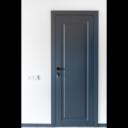
Choosing the right door frame is just as important as selecting the right door. A strong and durable frame supports the door, improves stability and contributes to the overall appearance of a space. Among the different options available today, WPC door frames in India are gaining popularity for residential and commercial applications.
WPC, or Wood Plastic Composite, combines wood fibres with polymer materials to create a durable and versatile alternative to traditional wooden frames. From bedrooms and living rooms to bathrooms and commercial spaces, WPC door frames can be used in a variety of applications.
What Are WPC Door Frames?
WPC door frames are made from a composite material consisting primarily of wood-based fibres and polymer components. The material is engineered to provide the appearance and usability of wood while offering improved resistance to moisture and common environmental conditions.
Unlike conventional wooden frames, WPC frames are not dependent on natural timber and can provide a consistent finish and structure. They are available in different sizes, designs and finishes to suit various door styles.
Why Choose WPC Door Frames in India?
India has diverse climatic conditions, including humid coastal regions, heavy monsoon areas and hot temperatures. This makes material selection an important consideration when installing door frames.
Some key benefits of WPC door frames in India include:
1. Moisture Resistance
WPC is designed to offer better resistance to moisture than conventional wood. This makes WPC frames suitable for areas where exposure to humidity or occasional moisture is a concern.
2. Durable Construction
WPC door frames are manufactured as engineered products, offering consistent dimensions and structural properties. With appropriate installation and maintenance, they can provide long-term performance.
3. Termite Resistance
One of the concerns with traditional wooden frames is termite infestation. WPC materials are generally resistant to termites and other wood-boring insects, making them an option for homeowners looking for a lower-maintenance alternative.
4. Low Maintenance
WPC door frames generally require less maintenance than natural wood. Regular cleaning and basic care can help maintain their appearance over time.
5. Multiple Design Options
WPC frames can be available in different profiles, colours, finishes and sizes. This allows homeowners, architects and interior designers to select a frame that complements the door and overall interior design.
Where Can WPC Door Frames Be Used?
WPC Door Frames can be used across residential, commercial and institutional spaces. Common applications include:
- Bedroom doors
- Bathroom doors
- Living room doors
- Kitchen areas
- Office spaces
- Hotels and hospitality projects
- Commercial buildings
- Apartment projects
For bathrooms and other moisture-prone areas, WPC can be considered because of its moisture-resistant characteristics.
WPC Door Frames vs Wooden Door Frames
Both WPC and wooden frames have their own characteristics. Natural wood offers a traditional appearance and is available in many varieties, while WPC provides an engineered alternative with consistent manufacturing.
When selecting between the two, consider factors such as the location of the door, moisture exposure, maintenance requirements, design preferences, durability expectations and overall project budget.
What Affects WPC Door Frame Price?
The WPC door frame price can vary depending on several factors. There is no single price applicable to every WPC frame because specifications and project requirements differ.
Some of the main factors that influence the price include:
Material Quality
The composition, density and manufacturing quality of the WPC material can affect the overall cost.
Size and Thickness
Larger or thicker door frames generally require more material and may cost more than standard profiles.
Design and Profile
Simple profiles may have a different price from decorative or customised designs.
Finish
The type of surface finish, colour or decorative treatment can also influence the final price.
Quantity
For larger residential or commercial projects, pricing may vary based on the quantity ordered and supplier terms.
Installation
The final project cost may also include transportation, accessories, labour and installation, depending on the supplier and location.
How to Choose WPC Door Frames
Before purchasing WPC frames, consider the following factors:
Check the material specifications: Ask about the composition, density, thickness and manufacturing standards.
Choose the right dimensions: Measure the door opening accurately and select a suitable frame size.
Consider the application: A frame for a bathroom may have different requirements from one intended for a dry interior space.
Compare finishes: Select a finish that matches your door and interior design.
Ask for a detailed quotation: When comparing WPC door frame price, check whether the quotation includes accessories, transportation and installation.
Are WPC Door Frames Worth Considering?
WPC door frames offer a combination of durability, moisture resistance, low maintenance and design flexibility. They can be considered for homeowners and businesses looking for an engineered alternative to traditional wooden door frames.
The right choice ultimately depends on the application, product specifications, installation requirements and budget. Comparing material quality and WPC door frame price from reliable suppliers can help you make a more informed decision.
Frequently Asked Questions
1. What are WPC door frames?
WPC door frames are frames made from Wood Plastic Composite, an engineered material combining wood-based fibres and polymer components.
2. Are WPC door frames suitable for bathrooms?
WPC frames can be suitable for bathrooms because they offer better moisture resistance than many conventional wood products. Product specifications should be checked before installation.
3. What is the WPC door frame price in India?
The WPC door frame price varies based on material quality, dimensions, thickness, profile, finish, quantity and installation requirements. It is best to request a product-specific quotation.
4. Are WPC door frames termite resistant?
WPC materials are generally resistant to termites and wood-boring insects, making them an alternative to conventional wooden frames.
5. How do I maintain WPC door frames?
WPC frames generally require simple cleaning and routine care. Follow the manufacturer's maintenance recommendations for the specific product.
EAEP2201 Exam Resources: Enterprise Administration Professional 2201 & Real EAEP2201 Questions
By xuwfyyd, 2026-09-18

A good sound system can make your whole home feel nicer to be in. Wireless ceiling speakers give you clear sound without a mess of cables or bulky boxes taking up space.
But picking the right ones isn't as simple as grabbing whatever looks good. You need to think about sound quality, the size of your room, how they'll be fitted, how they connect, and how you actually like to listen to music.
What Are Wireless Ceiling Speakers?
These are speakers built to sit inside or flush against your ceiling. They connect to your phone, telly, or other devices wirelessly, so you skip the usual tangle of speaker wire.
You'll find them a lot in living rooms, kitchens, bedrooms, and home cinema setups. They're built into the ceiling itself, so the whole room looks a lot tidier than it would with regular speakers standing around.
What Should You Think About Before Buying?
The right ceiling speakers for you depend on your room and how you plan to use them. Here's what actually matters.
1. Sound Quality
This should be right at the top of your list. Go for speakers with decent bass, clear vocals, and crisp highs.
Size plays a part too. Bigger speakers usually pack more bass, while smaller ones suit tighter rooms just fine.
2. Room Size
How big your room is decides how many speakers you'll need. A small bedroom might only need a pair, while a large open-plan living space could need several.
Spreading a few speakers around the room keeps the sound even. One corner blasting louder than the rest isn't much fun to listen to.
3. Wireless Connectivity
Check what kind of wireless connection the speakers use. Bluetooth's simple and works fine for everyday listening. Other systems run through your home Wi-Fi and give you more control.
Think about what you already own. The speakers need to work with your phone, tablet, telly, or whatever else you're planning to hook up.
4. Installation Requirements
Fitting speakers into a ceiling takes some proper planning. You've got ceiling depth, joists, wiring, and existing electrics to think about.
It's worth getting a professional in for this. An experienced electrician knows how to fit everything safely without damaging anything they shouldn't.
Should You Go Bluetooth or Wi-Fi?
Bluetooth speakers are dead simple to use and great for personal listening. They pair straight with your phone, tablet, or other gadgets.
Wi-Fi systems give you more flexibility if you're setting up sound across the whole house. They often support multi-room listening and let you control everything from an app.
Which one's right for you comes down to how you use it. Bluetooth's fine for casual listening. Wi-Fi makes more sense if you want music playing through the whole house.
How Many Ceiling Speakers Do You Actually Need?
There's no set number that works for every room. It depends on the size of the room, how high the ceiling is, how powerful the speakers are, and where you usually sit.
Spacing speakers out properly keeps the sound balanced across the room. Bunching them all in one spot just leaves the rest of the room sounding flat.
What About How They Look?
Ceiling speakers should blend in with the rest of your home, not stick out. Most come with a discreet grille that sits flush with the ceiling.
Some grilles can even be painted to match your walls or ceiling colour. That's handy if you want good sound without anyone really noticing where it's coming from.
Do You Need a Professional to Install Them?
Fitting ceiling speakers is more than just cutting a hole and shoving the unit in. You've got electrics, the ceiling structure, insulation, and cable routes all to think about.
A professional installer will spot problems before they happen. Ghir Electrical can help you plan the whole audio setup alongside any other electrical work you need doing.
Final Thoughts
If you install the correct wireless ceiling speakers, you may completely revamp the audio system in your house without sacrificing any floor space. Pay attention to the room's dimensions, the sound quality, the connections, the fit, and the final destination.
If you do it correctly, you may enjoy high-quality audio while keeping the room's appearance uncluttered. Sound that seems at home can be yours with the correct kit and an expert installer.
Why Choosing the Right Pain Care Can Make a Difference in Sugar Land
By texasnerveandspine, 2026-09-17

Living with ongoing pain can change how you work, sleep, exercise, and spend time with family. A sore back after a long day may seem manageable at first, but pain that keeps returning can become harder to ignore. The same is true for neck pain, nerve discomfort, headaches, or pain that travels into an arm or leg.
When pain starts affecting daily life, getting a proper evaluation is an important first step. Understanding what may be causing the discomfort can help you make informed decisions about care instead of simply trying to push through the pain.
When Pain Should Not Be Ignored
Not every ache means there is a serious problem. Muscle soreness may improve with rest. However, pain that lasts for weeks, keeps coming back, or gradually becomes more intense deserves attention.
Some symptoms may also point to nerve or spine-related problems. These can include numbness, tingling, burning sensations, weakness, stiffness, or pain that travels from one area to another. For example, lower back pain that extends down the leg may be associated with irritation of the sciatic nerve.
A qualified healthcare professional can review your medical history, discuss your symptoms, and determine whether further evaluation is appropriate.
Why a Personalized Approach Matters
Pain does not affect everyone in the same way. Two people can have similar symptoms but very different underlying causes, lifestyles, and treatment needs. That is why a personalized approach can be more useful than following a one-size-fits-all plan.
During an evaluation, a provider may ask when the pain started, what makes it better or worse, whether it affects movement, and whether you have noticed symptoms such as tingling or weakness. Your answers can provide useful information when deciding what type of care may be appropriate.
A personalized plan may also focus on more than pain intensity. Improving mobility and supporting normal function can be important parts of a broader care plan.
Exploring Non-Surgical Pain Care
Many people worry that seeing a pain or spine specialist automatically means surgery or long-term medication. That is not always the case. Depending on the condition and individual needs, healthcare providers may consider conservative or non-surgical approaches first.
Non-surgical care can include physical rehabilitation, targeted therapeutic techniques, exercise-based support, or other approaches designed to address specific symptoms and functional limitations. The right option depends on the condition and evaluation.
For people searching for pain management in Sugar Land TX, it is helpful to ask what treatment options are available and how a provider determines which approach is appropriate. A consultation should give you an opportunity to understand your condition, ask questions, and discuss realistic goals.
Common Conditions That Can Cause Persistent Pain
Persistent pain can have many possible sources. Back pain may be related to muscle strain, disc problems, joint changes, or nerve irritation. Neck pain can develop after an injury, from prolonged posture, or from changes affecting the spine.
Other conditions may involve nerve-related symptoms. Sciatica, for example, can cause pain that travels from the lower back toward the hip, buttock, or leg. A pinched nerve may lead to pain, tingling, or numbness along a particular pathway. Some people may also experience discomfort associated with peripheral neuropathy.
Because these conditions can overlap in their symptoms, self-diagnosis can be difficult. A professional assessment can help determine whether your symptoms may require further testing, conservative care, or another form of medical attention.
What to Consider When Choosing a Pain Care Provider
Choosing a provider is about more than finding a clinic close to home. Consider whether the provider takes time to listen to your concerns and explains the reasoning behind recommended care.
It can also help to ask:
- What could be contributing to my symptoms?
- What treatment options are available?
- Are non-surgical approaches appropriate for my condition?
- What should I expect during the first visit?
- How will progress be evaluated?
- What can I do at home to support my recovery?
Clear communication matters. You should feel comfortable asking questions and understanding your care plan.
Do Not Let Pain Define Your Routine
Persistent pain can make ordinary activities feel like challenges. You may avoid exercise, change how you sleep, limit social activities, or hesitate to take part in hobbies you once enjoyed. Over time, these changes can affect both physical comfort and quality of life.
Seeking professional guidance does not mean you have to commit to a particular treatment immediately. It simply gives you a chance to learn more about what may be happening and what options could be suitable.
If pain, numbness, tingling, or limited movement has become part of your everyday routine, consider discussing your symptoms with a qualified professional. Early attention may help you better understand the problem and make a plan based on your individual needs.
Finding Local Support in Sugar Land
For residents of Sugar Land and nearby communities, having access to local pain and spine care can make it easier to seek help when symptoms begin interfering with everyday activities. A convenient location can also make follow-up care and ongoing treatment easier to manage.
Texas Nerve And Spine provides care for people dealing with nerve, spine, and chronic pain concerns in Sugar Land. Their approach includes personalized evaluation and non-surgical treatment options based on each patient's needs. If persistent pain is affecting your daily life, speaking with their team can be a practical next step toward understanding your options.
Comprehensive Exosomes for Cosmetics Solutions to Advance Skincare Innovation
By stevenrios, 2026-09-17

Exposure to external environmental stimuli can lead to skin instability and dysfunction, resulting in hard-to-heal wounds, premature ageing, pigmentary disorders, hair loss, certain immune-mediated skin diseases and connective tissue disorders. Many current skin treatment methods have not yet achieved an ideal balance between medical rehabilitation and cosmetic needs. Exosomes are nanoscale vesicles derived from cells that carry various biomolecules, including proteins, nucleic acids and lipids, and can communicate with neighbouring or distant cells. Recent studies have shown that various endogenous exosomes are key regulators in shaping the physiological and pathological development of the skin. Furthermore, exogenous exosomes (such as those derived from stem cells) can serve as novel therapeutic options for repairing, regenerating, and revitalizing skin tissue.
Exosomes possess unique physicochemical properties, such as the ability to cross tissue barriers and the mononuclear phagocyte system, as well as specific targeting capabilities when carrying drugs. Therefore, they are frequently used as therapeutic drug delivery vehicles in medical aesthetics. The lipid bilayer structure of exosomes, for example, can prolong the circulation time of drugs in the body, thereby circumventing clearance by the mononuclear phagocyte system and increasing local drug concentrations. This effectively regulates drug release. Compared with traditional nanomaterials, exosomes exhibit good biocompatibility, degradability, low toxicity and low immunogenicity, making them a more suitable drug delivery carrier.
In response to demand for high-quality exosome technology, CD Bioparticles has launched a comprehensive range of cosmetic exosome products, including various plant extracts and fermentation products, to help customers accelerate their cosmetic R&D and product innovation. This product line provides scientists and product developers dedicated to exploring next-generation cosmetic formulations with reliable raw material support.
These exosomes can support a variety of cosmetic application areas, including skin barrier repair, skin rejuvenation and anti-ageing research, the development of cosmetic formulations for skin hydration and elasticity, and customized cosmetic R&D services. In addition to its extensive exosome product range, CD Bioparticles provides technical support and custom services to help customers select the most suitable solutions for their specific R&D objectives.
CD Bioparticles offers complete portfolio of exosome products and solutions to meet the growing demand for scientifically proven, high-efficacy topical ingredients. For detailed technical documentation, product specifications, or bulk inquiries regarding CD Bioparticles' Exosomes for Cosmetics, please visit https://www.cd-bioparticles.net/products/exosomes-for-cosmetics.html.
About CD Bioparticles
CD Bioparticles is an established drug delivery company that provides customized solutions for developing and manufacturing novel biocompatible drug delivery systems. It specializes in various formulation and drug delivery technologies, from conventional liposomes and PEGylated liposomes to polymer microspheres and nanoparticles for drug delivery. The company also provides contract research services for drug delivery formulation, formulation feasibility study, process development and scale-up, as well as analytical and non-clinical research services.