
Blogs
Online Lottery: Electric Obtain, Sensible Have fun with, plus Present day Casino
By farhankhatri887, 2026-09-28
The internets lottery includes modified the conventional lottery practical experience by way of having ticketed products, success, deals, plus recreation information and facts on the electric ecosystem. In lieu of checking out your natural retail store, able people might obtain specified lottery expert services by web pages and also mobile phone towers when internet lottery models will be under legal standing out there Naga303. The following progression includes designed lottery response easier when as well releasing innovative issues to consider adjacent basic safety, sensible have fun with, personal privacy, plus shopper knowledge.
During it has the main, a strong internet lottery will work on a single primary guideline for a common lottery. People pay for a strong entrance and also opt for statistics for your special lure, plus succeeding a combination will be driven through the predefined approach. Depending on stand plus legislation, buyers could get involved in formal country's lotteries, local activities, electric prompt activities, and also alternative regulated lottery products and solutions. May procedures, variety, plus time wants deviate a great deal amongst regions.
A Advancement with Internet Lottery Towers
A business expansion with access to the internet plus mobile phone handsets includes gamed a major factor while in the progression with internet lottery expert services. Electric know-how lets lottery owners to set-up towers that happen to be attainable out of pc's, medicine, plus cellular devices. The following usefulness includes evolved what amount of individuals connect to lottery products and solutions.
Common lottery response normally important considering a visit to your retail outlet, purchasing a ticketed, plus always keeping a natural ticketed harmless through to the lure. Internet towers might make ease of some tips. Electric financial records could allow for people to purchase statistics, pay for blog posts, critique former trades, plus collect warns pertaining to success.
The following usefulness, having said that, would not switch each day would design with lottery activities. Lottery consequences are actually based upon prospect, indicating you cannot find any sure technique for putting together a succeeding collaboration. A reliable strategy to internet lottery response hence necessitates genuine goals rather then presumptions pertaining to predictable consequences.
The best way Internet Lottery Models Deliver the results
A strong internet lottery stand frequently takes place by using akun in order to register. Subject to area legislation, buyers could have to give important data plus check its name, time, and also site. All these types of procedures are created to enable owners connect with legalised wants plus cut down unauthorized response.
One time business relationship is made, a strong able gamer could opt for a strong out there lottery recreation. Quite a few activities allow for buyers to pick out their statistics, whilst some give randomly developed titles. Just after creating a strong able pay for, a electric procedure details a contract plus participants a entrance together with the owner's akun.
Should the formal lure arises, succeeding statistics will be driven while using lottery's well-known procedures. People may take a look at its success in the stand. Some regulated models, lesser prizes may perhaps be because of into electronic files, when large prizes might have to have supplemental proof in advance of cost.
Doing this can happen very simple with the owner's mindset, nonetheless efficient lottery towers frequently call for in depth specialised plus regulating equipment regarding a scenarios.
Usefulness plus Handiness
One of the detectable greatest things about internet lottery expert services is definitely usefulness. Electric towers tends to make response a lot easier for folks who have a preference for dealing with exercises by its mobile phone handsets and also pc's. Buyers could probably obtain its financial records without the need of checking out your retail price site, subject to area guidelines plus stand variety.
A further handy aspect is definitely electric recordkeeping. In lieu of depending altogether for a newspaper ticketed, people can regularly critique its contract track record by using a akun. Warns might also enable buyers try to remember lure goes and also take a look at if a strong entrance includes manufactured your prize.
Handiness is often mainly priceless for folks who survive not natural lottery sellers. Having said that, usefulness ought not to be bewildered by using indefinite handiness. Reliable towers manage in just precise legalised area, plus response may perhaps be restrained reported by time, site, and also alternative regulating wants.
Basic safety plus Personal privacy
Basic safety has become the essential issues to consider if you use a strong internet lottery stand. For the reason that electric lottery financial records might have very own plus economical information and facts, buyers will need to absorb a basic safety tactics of your company people pick out.
Your respected stand will need to apply best suited options to protect username and passwords plus economical trades. Buyers might also want to make formidable, exceptional security passwords to avoid spreading akun testimonials by using some others. Suspicious information, surprising cost tickets, plus web pages which naive assurances really should be addressed properly.
Personal privacy is definitely likewise vital. In advance of building business relationship, individuals will need to learn what important data is definitely amassed plus the best way it is usually made use of. Looking through a platform's personal privacy plus basic safety information and facts can supply handy comprehension within it has the strategy to shopper details.
Sensible Lottery Response
Sensible response is really important for the reason that lottery activities call for economical probability plus not sure consequences. Your lottery really should be seen fun rather then for a good income source. Succeeding is definitely under no circumstances sure, it doesn't matter how typically anyone participates.
Setting up an affordable paying out minimize can certainly help manage regulate. People will need to exclusively apply capital they're able to adequately manage to pay for to give up and really should keep away from boosting paying out considering former blog posts ended up being dropped or lost. Your getting rid of ability would not generate a long run succeeding collaboration more often than not.
Also, it is essential to keep away from following cuts. Planning to recoup displaced capital by way of obtaining supplemental blog posts is capable of turning temporary fun within a problem tendencies. Consuming common destroys plus having understanding of paying out patterns can certainly help continue to keep response in just acceptable area.
Comprehension Likelihood plus Goals
The same belief adjacent lotteries is definitely the fact specified statistics will be inherently going to succeed for the reason that have never looked a short while ago. Around accurately made accidental extracts, former success never ordinarily identify long run success.
Any lottery includes unique math shape plus likelihood. Quite a few activities give rather consistent lesser prizes, whilst some currently have a greater top rated prizes by using extensively more affordable chances with succeeding. Comprehension all these disparities lets individuals so that you can solution lottery response to learn genuine goals.
Virtually no number-selection procedure might take away the element of prospect originating from a reliable accidental lottery. Very own practices will make the experience extra helpful for quite a few people, nonetheless they just do not make sure being successful.
A Factor with Know-how
Know-how is constantly on the have an impact on the best way lottery models manage. Mobile phone uses, electric cost models, intelligent warns, digital camera proof, plus akun control gear currently have built a very involved practical experience.
Present day towers might also apply know-how to increase visibility plus functional overall performance. Electric details can certainly help owners watch trades, establish out of the ordinary hobby, and consent by using useful legislation.
Together, manufacturing intricacy can make assignments. Owners will have to secure customer information and facts, manage efficient models, and give very clear more knowledge about activities, expenditures, procedures, plus sensible response. Individuals will need to hence take into consideration either usefulness plus standing if studying are just looking for lottery company.
Legalised plus Regulating Issues to consider
Internet lottery response will not be globally out there. Guidelines be different amongst locations, suggests, provinces, and various jurisdictions. Quite a few regions allow for formal internet lottery profits, whilst some constrain and also prohibit special styles of electric lottery response.
Due to this, individuals should always identify if internet lottery response is definitely under legal standing accepted for their site. Time standards, geographic wants, cost procedures, prize-claim types of procedures, plus taxation might also deviate.
Getting an unofficial and also unauthorized stand could make supplemental threats for the reason that shopper rights may perhaps be reduced. Legalised condition plus licensing will be hence key elements to check out in advance of building every pay for.
The forthcoming with Internet Lottery
The forthcoming with internet lottery expert services may be processed by way of moving forward breakthroughs around electric know-how. Mobile-first towers, superior name proof, intelligent customer satisfaction, plus healthier basic safety models could further more switch you practical experience.
Together, sensible casino benchmarks plus shopper safeguards could very well keep vital portions of a industry's progression. More significant usefulness needs to be sensible by using defends this alleviate problems with underage response, substantial paying out, dupery, plus neglect with important data.
The best safe electric lottery ecosystem is definitely a person when know-how elevates handiness plus overall performance when having visibility plus sensible response.
Final result
Internet lottery expert services depict a vital trend in terms of common lottery products and solutions is often reached plus succeeded. Electric towers give usefulness, digital camera recordkeeping, mobile phone handiness, plus speedier admission to information and facts. Having said that, all these gains consist of assignments to get either owners plus people.
To get individuals, up to date response usually means comprehension the laws, reviewing legalised eligibility, preserving important data, picking out a factor with prospect, plus having realistic paying out confines. Your lottery can supply fun plus thrills, but it surely should never often be addressed for a sure economical ability.
Europe Induced Pluripotent Stem Cell iPSC Market Outlook for Next Generation Therapies
By nilajadhav123, 2026-09-28

Polaris Market Research announces the release of its latest research report Europe Induced Pluripotent Stem Cell (iPSC) Market. The newly published report captures all the key forces influencing market transformation. As industries evolve amid technological shifts, economic disruptions, and regulatory changes, the study outlines how the market is responding and where it is headed. Designed to serve decision-makers across sectors, the study offers strategic insights into market size, historical performance, growth drivers, challenges, and opportunities for innovation and investment. The research combines data with strategic context, enabling businesses to understand where to act and how to gain a competitive edge in a rapidly evolving landscape.
What Are Key Market Statistics?
Europe Induced Pluripotent Stem Cell (iPSC) Market size and share is currently valued at USD 500.62 million in 2023 and is anticipated to generate an estimated revenue of USD 1,111.97 million by 2032, according to the latest study by Polaris Market Research. Besides, the report notes that the market exhibits a robust 9.3% Compound Annual Growth Rate (CAGR) over the forecasted timeframe, 2024 - 2032
Market Dynamics:
The research report examines all the key factors anticipated to drive the industry growth in the upcoming years. It analyzes the impact of all the key driving factors and opportunities over the Europe Induced Pluripotent Stem Cell (iPSC) market demand. Also, a thorough analysis of the major limitations and challenges that can impede the growth of the industry has been detailed in the research study.
The report details all the key technological innovations and advancements anticipated to drive the growth trajectory of the market in the upcoming years. Also, the key trends that continue to manage consumer interest have been interpreted in the study to help readers gain a thorough understanding of the industry. Furthermore, the impact of regulatory changes on industry demand has been covered in the study.
How Is the Market Structured?
The Europe Induced Pluripotent Stem Cell (iPSC) market is a multi-layered and evolving ecosystem comprising various product and service categories, applications, and end-users. It is segmented across various dimensions, including type, application, and end-use. Positioned at the intersection of innovation and demand, the market reflects the interplay between consumer needs, industrial applications, and global trends. Over time, the market has undergone several significant shifts, including the transition from local operations to global supply chains. Having an understanding of its structure, historical evolution, and stage of maturity is essential to pinpoint areas of growth and transformation across sectors.
How Are Companies Competing in the Market?
The Europe Induced Pluripotent Stem Cell (iPSC) market is characterized by a dynamic mix of well-established companies and agile new entrants vying for market share. The report offers an in-depth analysis of the competitive landscape, examining the positioning of key players in terms of financial performance, operational scale, and strategic direction. A comparative analysis of market share, revenue trends, and investment patterns has been conducted to examine the influence of each participant within the market. Company profiles provide insights into core product and service portfolios, geographic footprint, and ongoing expansion efforts. Recent developments, including technology launches, joint ventures, regulatory approvals, and strategic alliances, have been examined to showcase how companies are responding to market shifts.
A few of the key market players are:
- Axol Bioscience Ltd.
- Charles River Laboratories International, Inc.
- Corning Incorporated
- FUJIFILM Corporation
- Horizon Discovery Ltd.
- LumaCyte
- R & D Systems, Inc.
- REPROCELL Inc.
- Takara Bio Inc.
- Thermo Fisher Scientific Inc.
Browse Full Insights:
https://www.polarismarketresearch.com/industry-analysis/europe-induced-pluripotent-stem-cell-ipsc-market
How Does the Market Perform Across Key Regions?
The report offers an in-depth analysis of the Europe Induced Pluripotent Stem Cell (iPSC) market performance and projected growth across key regions and sub-regions. These include:
North America
The report identifies North America as one of the most established and innovation-driven markets. The regional market is characterized by advanced infrastructure, high levels of research and development (R&D) investment, and favorable policy support. Strong enterprise spending, sustainability initiatives, and a mature consumer base with evolving expectations further support market activity.
Europe
According to the report, Europe remains deeply influenced by regulatory frameworks and a strong emphasis on environmental responsibility. The region has active commitments to energy efficiency and circular economy models, fostering innovation through collaborative initiatives and public funding. Countries such as Germany, France, and the UK continue to lead the way in driving sustainable transformation.
Asia Pacific
The report highlights that the market expansion in the Asia Pacific is marked by rising demand and digital acceleration. Economies such as China, India, Japan, and South Korea are pivotal to regional momentum, offering both significant development capacity and expanding end-user markets. Policy-driven industrial growth and foreign investment are contributing to the region’s growing influence on global supply chains and innovation ecosystems.
Latin America
The analysis identifies Latin America as a region with growing potential, driven by improving economic stability and industrial diversification. Countries such as Brazil and Argentina are witnessing increased activity across major sectors. Regulatory reforms and cross-border developments are gradually enhancing the region’s attractiveness for investment and expansion.
Middle East & Africa
The study offers a promising outlook for the Middle East and Africa. High-investment markets, such as the UAE and Saudi Arabia, are actively diversifying their economies, which has a favorable impact on market development. Investments across key sectors are also driving transformation in the region. Furthermore, untapped consumer segments present new opportunities for market entry in the region.
To Conclude
The Europe Induced Pluripotent Stem Cell (iPSC) market continues to signal significant potential for growth and innovation across key global regions. Each market operates within its context of demand, regulation, infrastructure, and investment climate. As global dynamics evolve, understanding these regional intricacies becomes crucial for making well-informed strategic decisions.
More Trending Latest Reports By Polaris Market Research:
Atopic Dermatitis Clinical Trials Market

Modern pharmaceutical and food processing facilities depend on accurate process control to maintain product quality, operational efficiency, and strict hygiene standards. Valves play an important role in controlling the movement of liquids, gases, steam, cleaning solutions, and other process media. To operate these valves accurately and consistently, industries increasingly rely on automated actuation systems. A Pharmaceutical Valve Actuator provides controlled valve movement in applications where cleanliness, repeatability, and reliable performance are essential, while a Food Processing Electric Actuator supports precise automation across demanding production environments.
The growing adoption of automated production systems has also increased the importance of dependable valve actuation. Pharmaceutical manufacturers require equipment that can integrate with automated process lines while minimizing contamination risks. Similarly, food and beverage manufacturers need reliable valve control for applications such as ingredient handling, liquid transfer, filling, mixing, cleaning, and temperature management. Selecting the right actuator can therefore influence both process performance and maintenance requirements.
Understanding Pharmaceutical Valve Actuator Applications
A Pharmaceutical Valve Actuator is designed to provide controlled and repeatable operation of valves used in pharmaceutical manufacturing and processing systems. These actuators may be installed on valves handling purified water, process liquids, sterile media, gases, steam, and cleaning fluids. Since pharmaceutical processes often involve carefully controlled operating conditions, precise valve positioning is important for maintaining consistent flow rates and process sequences.
In addition to basic valve movement, modern actuator systems can support automated production through position feedback, electronic controls, and communication with plant automation systems. This makes it easier for operators to monitor valve status and coordinate multiple process stages. Depending on the application, actuator selection may consider factors such as valve type, operating torque, cycle frequency, environmental conditions, control requirements, and available power supply.
Why Electric Actuation Matters in Hygienic Industries
Electric actuation offers several advantages where accurate and repeatable valve movement is required. Unlike manually operated valves, automated electric systems can be controlled remotely and incorporated into programmed production sequences. This is particularly useful when a facility contains numerous valves that must operate in a specific order. A properly selected Food Processing Electric Actuator can help automate these movements while reducing the need for frequent manual intervention.
Electric actuators can also provide controlled positioning rather than simply opening or closing a valve. This can be useful in processes where flow needs to be adjusted according to production requirements. For example, an automated valve may regulate the movement of a liquid ingredient into a mixing vessel or control the flow of cleaning fluid during a sanitation cycle. The ability to integrate actuation with sensors and control systems makes electric technology increasingly relevant to modern processing facilities.
Key Requirements for Pharmaceutical Valve Automation
Pharmaceutical production places considerable emphasis on hygiene, process consistency, and equipment reliability. A Pharmaceutical Valve Actuator should therefore be selected according to the specific operating environment rather than based only on its nominal torque or power rating. The actuator and valve combination must be capable of performing reliably throughout repeated production cycles.
Material compatibility and environmental protection are also important considerations. Processing areas may involve frequent cleaning, moisture, temperature variations, or exposure to cleaning chemicals. The actuator enclosure and associated components should therefore be appropriate for the installation environment. Correct sizing is equally important because an actuator that is too small may struggle to operate the valve, while excessive sizing can increase energy use and equipment costs without providing a practical advantage.
Factors to Consider Before Selection
Several factors can influence actuator selection for pharmaceutical and food applications:
- Valve type, torque, and operating cycle requirements.
- Required control method and positioning accuracy.
- Cleaning conditions, moisture, and environmental exposure.
- Integration with PLC, SCADA, or other automation systems.
- Maintenance access and expected service life.
Considering these factors at the design stage can help reduce operational interruptions and improve long-term reliability.
Food Processing Electric Actuator and Production Efficiency
A Food Processing Electric Actuator can support automation across many stages of food and beverage manufacturing. Processing plants may use automated valves for controlling water, milk, oils, sauces, beverages, steam, compressed air, and cleaning solutions. Consistent valve operation is especially important when recipes and production batches require accurately controlled quantities or carefully timed process steps.
For example, during beverage production, valves may need to coordinate ingredient transfer, water flow, mixing, and filling operations. In dairy processing, automated valve systems can assist with product transfer and cleaning procedures. In each situation, actuator performance directly contributes to the repeatability of the valve operation. When integrated into an appropriate control architecture, electric actuation can also make process monitoring more systematic.
Comparing Application Requirements
Although pharmaceutical and food processing applications share many requirements, their operating conditions can vary significantly. Pharmaceutical facilities may place greater emphasis on sterile processing, validation requirements, and highly controlled production environments. Food processing plants may experience intensive washdown conditions and frequent production changes. Both industries, however, benefit from reliable automation and accurate valve control.
|
Application |
Primary Requirement |
Typical Considerations |
|
Pharmaceutical processing |
Precise and hygienic control |
Sterility, validation, repeatability |
|
Dairy processing |
Reliable product transfer |
Cleaning, moisture, frequent cycles |
|
Beverage production |
Consistent flow control |
Speed, positioning, automation |
|
Food manufacturing |
Process automation |
Washdown exposure, reliability |
|
Cleaning systems |
Controlled fluid movement |
Chemical exposure, cycle frequency |
The appropriate actuator should always be evaluated alongside the valve, process medium, control system, and installation environment. Treating the actuator as an independent component can result in poor performance if the complete valve assembly has not been correctly matched.
Smart Control and Modern Automation
Automation technology is changing how processing plants monitor and control equipment. Modern actuator systems may include electronic position feedback, diagnostic capabilities, remote operation, and communication features. These functions can provide operators with better visibility into valve status and help identify potential operating issues before they cause significant disruption.
A Pharmaceutical Valve Actuator with suitable feedback and control capabilities can become part of a broader automated production system. Instead of relying solely on manual inspection, operators can monitor valve positions through a centralized control interface. Similar capabilities can be valuable for a Food Processing Electric Actuator, particularly in large facilities where hundreds of automated valves may be distributed across different processing areas.
Maintenance and Reliability Considerations
Reliable operation depends not only on the actuator itself but also on correct installation, commissioning, inspection, and maintenance. Actuators should be periodically checked for abnormal operation, loose connections, signs of environmental damage, and changes in valve operating requirements. Preventive maintenance can help identify developing problems before they result in unexpected production downtime.
It is also important to consider the complete operating cycle when planning maintenance. A valve used several hundred times per day may experience significantly different wear conditions from one operated only occasionally. Keeping appropriate service records can help maintenance teams understand operating patterns and schedule inspections according to actual usage rather than relying exclusively on fixed intervals.
Choosing the Right Actuator for Processing Facilities
Selecting between different actuator technologies requires a clear understanding of the application. Torque requirements, valve design, available electrical supply, control architecture, operating temperature, enclosure protection, and installation conditions should all be considered. A Food Processing Electric Actuator may be particularly suitable where controlled positioning and integration with automated controls are priorities.
For pharmaceutical applications, the selection process should additionally consider hygiene requirements, cleaning procedures, process validation, and compatibility with the surrounding equipment. A correctly specified Pharmaceutical Valve Actuator can help support stable production while reducing manual valve operation. Working with an experienced actuator and valve supplier can also help ensure that sizing, controls, and installation requirements are addressed before equipment is commissioned.
FAQs
What is a Pharmaceutical Valve Actuator?
A Pharmaceutical Valve Actuator is an automated device used to operate valves in pharmaceutical processing systems. It can provide controlled opening, closing, or positioning while supporting integration with plant automation and process control systems.
Where are food processing electric actuators commonly used?
A Food Processing Electric Actuator can be used in applications involving ingredient transfer, liquid processing, mixing, beverage production, dairy operations, filling systems, steam control, and automated cleaning processes. The exact actuator specification depends on the valve and operating environment.
Why is actuator sizing important?
Correct sizing ensures that the actuator can generate sufficient torque or force to operate the connected valve reliably. Incorrect sizing can lead to poor performance, unnecessary energy consumption, premature component wear, or operational interruptions.
Can electric actuators be integrated with automation systems?
Yes. Depending on the actuator model and control architecture, electric actuators can be connected to PLCs, SCADA systems, sensors, and other industrial automation equipment. This allows valve operation and status to be monitored and controlled remotely.
Are these actuators suitable for frequent valve operation?
Many electric actuator systems are designed for repeated operation, but suitability depends on the actuator's duty rating, valve requirements, operating environment, and cycle frequency. The complete application should be evaluated before selection.
Conclusion
Reliable valve automation has become an important part of modern pharmaceutical and food processing facilities. A correctly selected Pharmaceutical Valve Actuator can support precise, repeatable, and hygienic process control, while a Food Processing Electric Actuator can improve automation across liquid handling, ingredient processing, cleaning, and production systems. The right choice depends on more than actuator power alone; valve characteristics, operating conditions, hygiene requirements, control integration, and maintenance needs all influence long-term performance.
As processing plants continue moving toward smarter and more automated operations, dependable valve actuation will remain an essential part of efficient production. Careful actuator selection, proper installation, and preventive maintenance can help manufacturers achieve consistent process control and support reliable plant operation over the long term.
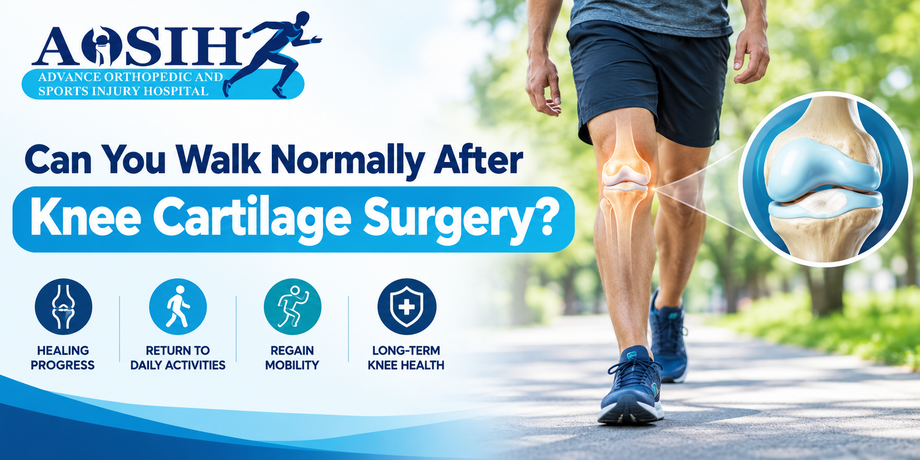
Knee cartilage surgery is performed to repair or treat damaged cartilage that may cause pain, stiffness, swelling, and difficulty with movement. One of the most common concerns patients have before treatment is whether they will be able to walk normally again. In most cases, walking ability gradually improves as the knee heals and strength returns. The recovery timeline, however, depends on the type of cartilage injury, the surgical technique used, and the patient's overall health. If you are considering Knee Cartilage Surgery in Jaipur, understanding what to expect during recovery can help you prepare for the rehabilitation process.
How Does Knee Cartilage Surgery Affect Walking?
Immediately after surgery, walking may be difficult because the knee needs time to heal. Depending on the procedure, patients may need crutches, a walker, or other support for a specific period. Weight-bearing restrictions are often used to protect the repaired cartilage and allow the knee to recover properly.
Not every cartilage procedure has the same recovery plan. Some patients may begin putting weight on the operated leg relatively early, while others may need to limit weight-bearing for several weeks. Your surgeon will determine the appropriate approach based on the location and extent of cartilage damage.
When Can You Start Walking After Surgery?
The time required to walk comfortably varies from patient to patient. During the early stage, the focus is usually on controlling pain and swelling while protecting the repaired area. Gentle movements and prescribed exercises may be introduced under professional guidance.
As healing progresses, patients generally begin increasing weight-bearing and walking more independently. Physiotherapy plays an important role during this stage because it helps improve knee movement, muscle strength, balance, and stability.
It is important not to increase walking distance too quickly. Even if the knee starts feeling better, the repaired cartilage may still require protection.
Can You Walk Normally After Knee Cartilage Surgery?
Yes, many patients can eventually return to a normal walking pattern after successful knee cartilage surgery and appropriate rehabilitation. However, "normal walking" does not usually happen immediately after the procedure.
Initially, you may notice stiffness, weakness, or a slight change in your walking pattern. These issues often improve as swelling decreases and the muscles around the knee become stronger.
The rehabilitation program should be followed consistently. Your Orthopedic Doctor in Jaipur may recommend specific exercises and activity restrictions according to your surgical procedure and recovery progress.
What Helps You Regain Normal Walking?
Several factors can contribute to a smoother recovery:
- Following your surgeon's weight-bearing instructions
- Completing prescribed physiotherapy sessions
- Performing recommended exercises regularly
- Maintaining a healthy body weight
- Avoiding high-impact activities until permitted
- Using crutches or other walking aids correctly
- Attending scheduled follow-up appointments
Quadriceps weakness is common after knee surgery and can affect walking. Strengthening the quadriceps and other supporting muscles can gradually improve stability and confidence while walking.
How Long Does It Take to Return to Normal Activities?
Recovery time varies considerably. Minor cartilage procedures may have a shorter rehabilitation period, while procedures involving extensive cartilage repair can require several months of structured recovery.
Your age, activity level, cartilage damage, surgical technique, and adherence to rehabilitation can all influence recovery. Returning to demanding activities before the knee is ready may increase the risk of complications or reinjury.
Dr. Naveen Sharma at Advance Orthopedic and Sports Injury Hospital can evaluate the condition of the knee and recommend an appropriate treatment and rehabilitation plan based on the individual case.
Knee Cartilage Surgery vs Knee Replacement
Knee cartilage surgery and knee replacement are different procedures used for different types and stages of knee problems. Cartilage repair aims to preserve and restore damaged areas of the existing knee joint, while Knee Replacement Surgery in Jaipur involves replacing damaged joint surfaces with artificial components.
The appropriate treatment depends on factors such as the extent of cartilage damage, age, symptoms, activity level, and the overall condition of the knee. A detailed evaluation is therefore important before deciding on treatment.
Final Thoughts
Walking normally after knee cartilage surgery is often a gradual process rather than an immediate outcome. With appropriate surgical care, rehabilitation, and patience, many patients can progressively return to comfortable walking and everyday activities. Following medical advice and avoiding premature high-impact activity are essential for protecting the healing knee.
If you are experiencing persistent knee pain, swelling, locking, or difficulty walking, an orthopedic evaluation can help identify whether cartilage damage is contributing to your symptoms.
People Also Ask
1. Can I walk immediately after knee cartilage surgery?
Walking may be possible with crutches or another walking aid, depending on the procedure. Your surgeon will provide specific weight-bearing instructions to protect the healing knee.
2. How long does it take to walk normally after cartilage surgery?
The timeline varies depending on the type of surgery and extent of cartilage damage. Some patients progress within weeks, while more extensive procedures may require several months of rehabilitation.
3. Is physiotherapy necessary after knee cartilage surgery?
Physiotherapy is commonly an important part of recovery. It can help restore knee movement, muscle strength, balance, and functional walking.
4. Can knee cartilage surgery prevent knee replacement?
Cartilage procedures may help preserve the natural joint in appropriately selected patients, but they cannot guarantee that knee replacement will never be needed. The long-term outlook depends on the condition of the entire knee joint.
5. When can I return to sports after knee cartilage surgery?
Return to sports depends on the procedure, healing progress, muscle strength, and functional testing. High-impact activities should only be resumed when your orthopedic surgeon and rehabilitation team consider the knee ready.
Choosing an engagement ring involves more than selecting a diamond shape. The setting affects how the stone looks, how secure it feels, and how the ring fits into everyday life. Bezel engagement rings are known for their metal rim that surrounds the outer edge of the diamond. This design gives the center stone a clean appearance while adding protection around its edges. When paired with a lab grown diamond, the setting can offer a practical option for shoppers who want a distinctive ring while keeping the overall cost in consideration.
What Is a Bezel Engagement Ring?
A bezel setting holds a diamond with a thin metal rim that wraps around part or all of its perimeter. Instead of using individual prongs to secure the stone, the surrounding metal keeps the diamond in place.
This construction gives bezel rings a recognizable appearance. The metal border can make the diamond look neatly framed, while the lower profile can be comfortable for people who prefer a ring that does not catch easily on clothing.
The design can also work with several diamond shapes. Round, oval, emerald, pear, and other cuts can be incorporated into bezel settings depending on the ring design.
For shoppers considering a lab grown stone, the bezel setting provides another way to personalize the ring beyond diamond size and shape.
Why Choose a Lab Grown Diamond?
Lab grown diamonds are diamonds produced through controlled laboratory processes. They have the same basic chemical composition and crystal structure as diamonds formed naturally underground.
For engagement ring shoppers, lab grown diamonds can provide more flexibility when comparing carat size, shape, color, clarity, and setting style within a particular budget.
A larger lab grown center stone can sometimes be considered alongside different setting details without making the ring cost the same as a comparable mined-diamond design. However, prices vary depending on the diamond and jewelry specifications, so comparing individual pieces is still important.
When shopping, look beyond carat weight alone. Cut quality, proportions, color, clarity, certification, and the metal used for the setting all affect the finished ring.
The Appeal of Bezel Set Engagement Rings
Bezel set engagement rings have a distinct construction that suits people who want a defined border around their center stone.
One benefit is the smooth outer surface. Because the metal surrounds the diamond, there are fewer exposed points than with some traditional prong settings. This can be useful for someone who works with their hands or simply prefers a ring with fewer raised elements.
The bezel also creates a visual frame around the diamond. Depending on the metal color, the border can either blend into the overall ring or create a noticeable contrast with the stone.
White gold or platinum can create a similar-toned frame around a white diamond, while yellow or rose gold can introduce a different visual effect.
Exploring Different Bezel Diamond Engagement Ring Styles
A bezel diamond engagement ring does not have to follow one particular look. The setting can be adapted to suit different preferences.
A full bezel surrounds the diamond completely. This provides the most defined frame and can give the ring a clean, structured appearance.
A partial bezel uses metal around selected areas of the stone while leaving other edges more exposed. This can provide a lighter visual effect while retaining the characteristic bezel detail.
Another option is combining a bezel center stone with accent diamonds along the band. This allows the center diamond to remain the main focus while adding additional detail to the ring.
For a simpler design, a single bezel-set diamond on a plain band can be an appealing choice for someone who prefers fewer decorative elements.
Unique Bezel Engagement Rings for Different Personal Styles
People looking for unique bezel engagement rings can experiment with more than the center stone.
Diamond shape is one of the easiest ways to change the overall appearance. An oval diamond can create a longer visual line, while a round diamond offers a familiar circular outline. Emerald-cut diamonds have a more linear appearance, while pear-shaped stones introduce an asymmetrical profile.
Band width can also change the proportions of the ring. A slim band can place more attention on the center stone, while a wider band can give the design a stronger presence.
Two-tone metal is another option. For example, a yellow-gold band with a white-metal bezel can create a clear distinction between the center setting and the shank.
Stacking compatibility may also matter. If you plan to wear a wedding band alongside the engagement ring, consider the height and shape of the bezel before making a purchase.
Bezel Solitaire Engagement Ring: Simple and Practical
A bezel solitaire engagement ring places the attention almost entirely on one center diamond. There are no large side stones competing for attention, making the setting suitable for shoppers who prefer a straightforward ring.
The bezel border gives the solitaire a defined outline, while the single-stone layout keeps the design easy to coordinate with other jewelry.
Solitaire rings can also be useful when considering future stacking options. However, not every bezel solitaire has the same spacing beneath the center stone, so it is worth checking whether a wedding band will sit flush against it.
When comparing designs, look at the profile from both the top and side. The top view shows how the diamond is framed, while the side view helps you understand how high the ring sits on the finger.
How to Explore Collection of Bezel Engagement Rings
If you are comparing different settings, take time to explore collection of bezel engagement rings rather than choosing a ring based only on the diamond's carat weight.
Start by deciding which diamond shape you prefer. Next, consider the metal color and purity. Gold options such as 10K, 14K, and 18K can have different characteristics and price points, while platinum offers another choice for the setting.
Then compare the bezel construction. Some designs have a thin metal edge, while others create a more prominent border around the center stone.
It is also useful to check product measurements, diamond certification details, ring dimensions, and available sizes before ordering.
What Makes a Bezel Setting Practical?
The surrounding metal can provide an additional layer of protection for the diamond's edges. This is one reason bezel settings are often considered by people who want an engagement ring suited to regular wear.
The smooth perimeter may also reduce the number of places where the ring can catch on fabric. That does not mean a bezel ring is maintenance-free, though. The metal can still develop scratches, and the setting should be inspected periodically.
Cleaning is another consideration. Dirt and residue can collect around the diamond and underneath parts of the setting. Following the jeweler's cleaning recommendations can help maintain the ring's appearance.
If the ring receives frequent wear, professional inspection from time to time can help identify issues before they become more significant.
Choosing the Right Metal
The metal used for the setting can change both the appearance and the practical characteristics of the ring.
Yellow gold: A warm-toned option that creates clear contrast around a white diamond.
White gold: A neutral-looking choice that can create a consistent appearance with a white lab grown diamond. White gold is commonly rhodium plated, so the finish may require maintenance over time.
Rose gold: A pink-toned metal that gives the ring a different color profile and can work particularly well with certain diamond shapes.
Platinum: A naturally white metal that is often selected for engagement rings and has a higher density than gold.
When choosing metal, consider your existing jewelry, preferred color, lifestyle, and budget rather than focusing only on appearance.
Comparing Value Beyond the Price Tag
The value of an engagement ring is not determined by carat weight alone. Two diamonds with the same carat weight can have different prices because of differences in cut, color, clarity, certification, and other characteristics.
The setting also contributes to the total cost. Intricate bands, additional diamonds, heavier metal weights, and specialized construction can all affect pricing.
Lab grown diamonds provide another variable to consider. Since pricing can differ from mined diamonds, shoppers may be able to compare a wider range of diamond specifications at a particular budget.
Before purchasing, compare the complete ring rather than comparing only the center stone. Look at the diamond specifications, metal type, setting construction, certification, warranty or return terms, and sizing options.
Why Bezel Rings Work Across Different Looks
One reason bezel settings continue to attract attention is their adaptability. The same basic construction can be used in a very simple solitaire or incorporated into a more detailed ring with accent stones.
For someone who prefers a clean band, a single bezel-set diamond can provide a defined center without additional decoration. Someone looking for more detail can choose a bezel center with a pavé or side-stone band.
This flexibility makes the setting suitable for different preferences and budgets.
Antiquecut offers lab grown diamond ring designs that can be considered alongside different setting and diamond choices when shopping for an engagement ring.
Questions to Ask Before Buying
Before purchasing a lab grown bezel ring, consider these questions:
What diamond shape do I prefer?
The shape affects the overall outline of the ring and how the bezel frames the stone.
How thick is the bezel?
A thicker border creates a stronger frame, while a thinner edge can make the diamond more visually prominent.
What metal should I choose?
Compare gold and platinum options based on color, durability, maintenance, and budget.
Will my wedding band sit properly beside it?
Check the ring's profile and clearance if you plan to stack another band.
Does the diamond come with certification?
A recognized grading report can provide information about the diamond's characteristics.
What are the sizing and return policies?
Understanding these details before ordering can make the purchasing process easier.
Final Thoughts
A lab grown bezel engagement ring brings together a protected setting, a defined metal frame, and the flexibility of lab grown diamond selection. From a simple solitaire to a detailed band with accent stones, bezel designs can be adapted to different preferences.
The best way to choose is to compare the complete ring rather than focusing on one specification. Consider the diamond shape, setting construction, metal, ring profile, certification, sizing, and total price. With these factors in mind, shoppers can narrow down bezel designs that fit their personal style and everyday needs.

Fitraflex Plus is a dietary supplement formulated to complement a balanced diet and active lifestyle. Designed for individuals who want to support their everyday nutritional needs, Fitraflex Plus can be included as part of a routine focused on overall wellness, physical activity, and healthy living. Dietary supplements are intended to supplement the diet rather than replace nutritious foods, so Fitraflex Plus should ideally be used alongside a varied diet containing vegetables, fruits, whole grains, adequate protein, and sufficient fluids. The product may be suitable for adults who are looking for convenient nutritional support, but its exact benefits depend on the ingredients, quantities, and formulation listed on the product label. As with any dietary supplement, consumers should read the packaging carefully and follow the recommended serving or dosage instructions provided by the manufacturer. It is also important not to exceed the suggested daily intake unless specifically advised by a qualified healthcare professional. Fitraflex Plus should not be considered a substitute for medical treatment, prescription medicines, or professional healthcare advice. People who are pregnant or breastfeeding, taking medication, managing an existing health condition, or planning to give the supplement to a child should consult a doctor or qualified healthcare professional before use. Individual responses to supplements can vary depending on diet, lifestyle, age, and other factors. For the best results from any nutritional wellness routine, regular physical activity, adequate sleep, hydration, stress management, and a balanced diet remain important. Consumers should also purchase supplements from reliable sources and check the packaging for the manufacturer’s details, batch information, expiry date, storage instructions, and applicable regulatory information. If Fitraflex Plus contains specific vitamins, minerals, herbal extracts, amino acids, or other nutritional ingredients, their individual roles should be understood from the official ingredient list rather than assuming that the product provides a particular therapeutic effect. It is therefore advisable to review the complete label before incorporating Fitraflex Plus into a daily routine. Overall, Fitraflex Plus can be described as a dietary supplement intended to provide nutritional support as part of a healthy lifestyle. Its role is to complement everyday dietary habits, not to replace wholesome food or professional medical care. Users should take the product according to the manufacturer’s directions and discontinue use and seek professional advice if they experience an unexpected or concerning reaction. When selecting any supplement, transparency about ingredients, appropriate serving information, quality standards, and responsible use are important considerations for making an informed choice. https://fitraflexplus.com/
Why Tank Terminals Need an Integrated Cloud Based Management System
Tank terminals operate around the clock, with multiple activities taking place at the same time. Stored volumes are continually changing, product ownership can shift throughout operations, and safety standards must remain consistently enforced. At the same time, incoming and outgoing logistics continue while inspections, repairs, and other maintenance work are carried out. Managing this interconnected environment effectively requires more than conventional tools. An integrated, cloud based platform can bring these functions together and provide a real time operational view. When information from operations, HSSE, maintenance, and finance is connected within one environment, organizations gain a dependable, consistent, and audit ready source of information.
A tank farm management system provides a centralized environment for coordinating liquid and gas storage operations. Information collected from field equipment, including measurements for tank levels, pressure, and temperature, can flow directly into relevant operational processes. From the moment a nomination is created through to the completion of invoicing, standardized workflows and system controls help maintain consistency. Instead of relying on spreadsheets or separate applications that operate independently, a SaaS platform keeps information synchronized, makes it accessible remotely, and can scale from an individual terminal to a broader group of sites, including marine facilities.
One of the most important advantages of an integrated platform is greater operational visibility. Continuous inventory tracking gives teams an up to date picture of what is happening inside each tank, while automated notifications can bring attention to unusual conditions. Changes in ullage, the detection of water, or readings that move beyond established limits can be highlighted automatically. By identifying potential issues at an earlier stage, teams have more opportunity to investigate and act before a minor deviation develops into a larger operational problem.
Digital customer portals can also simplify routine interactions. Rather than depending on repeated calls, emails, or manual exchanges, customers can directly review allocation information, inventory figures, and custody transfer details. Providing this information through a self service environment can shorten approval cycles, reduce repetitive administrative communication, and allow internal personnel to spend more time on activities that require greater attention.
Maintaining product quality and integrity is equally important. Built in validation mechanisms can help ensure that established handling rules are applied at the appropriate stages. Controls for density verification, predefined blending arrangements, and protected operating parameters can improve consistency during storage and movement activities. Clearly structured workflows also provide additional safeguards against incorrect routing, contamination, or other process related mistakes.
Mobile capabilities bring the same digital control into the field. Personnel can use mobile tools to complete inspections, document observations, take photographs, and scan barcodes directly at the terminal. These activities do not have to stop simply because connectivity is temporarily unavailable. Once a connection is restored, the information gathered in the field can synchronize automatically with the central system. This creates a reliable and traceable digital record of what was completed and when, supporting both operational visibility and audit requirements.
Safety and compliance can become part of normal operating workflows rather than separate administrative tasks. Digital checklists help personnel complete required steps consistently, while automated workflows can guide activities according to established procedures. Additional capabilities, including overfill protection, emergency shutdown integration, VOC monitoring, and automated incident reporting, strengthen safety controls and help support compliance across the terminal.
Financial management benefits from the same connected approach. Interactive dashboards can bring together information related to throughput, asset utilization, and profitability, giving decision makers a clearer view of operational performance. Connections with ERP platforms and APIs can keep financial processes aligned with operational records, helping ensure that billing information remains accurate and reducing the inefficiencies associated with manually transferring data between systems.
Terminal activities can be organized through structured digital processes from beginning to end. Incoming cargo arriving through pipelines, vessels, or barges can be checked and scheduled before movement begins. Outbound shipments involving trucks or containers can then be coordinated through defined workflows. Tank availability can be verified, measurement equipment can be connected to the system, and personnel can be identified using technologies such as RFID. Internal transfers and blending activities can follow predefined procedures to maintain consistency and compliance. Pipeline operations can also incorporate requirements associated with pigging, line fill, and interface losses. For packaged products, barcode based tracking provides visibility throughout handling, while services such as heating and additive dosing can be recorded automatically for accurate charging and billing.
The operational impact of implementing this type of solution can continue well beyond the initial improvements. More effective reconciliation processes can strengthen inventory accuracy and help reduce losses and associated operating expenses. Maintenance can also become more proactive through planned and predictive approaches, helping reduce the possibility of unexpected equipment failures and downtime. Better planning can also support more efficient energy use and contribute to overall operational performance.
Access to current information changes how quickly decisions can be made. Instead of waiting for manually prepared reports, teams can review operational data, documents, and performance indicators as needed. This reduces delays and allows tasks that previously involved multiple manual steps to be completed with greater speed and consistency. Real time information also gives teams a clearer understanding of current conditions when action is required.
The implementation process itself can be streamlined through configuration based deployment. Ready made industry templates can accelerate rollout while still allowing individual facilities to adjust workflows and settings to match local operational requirements. This approach provides flexibility without creating the burden of extensive custom development whenever the platform is introduced at another location.
Remote access provides another important layer of operational control. Supervisors can review activities, approve tasks, and respond to requirements while working away from a fixed workstation. Management teams can maintain visibility over operations from virtually anywhere. At the same time, security measures such as encryption and protected infrastructure help keep operational and business information secure.
An integrated platform also creates value for different teams across the organization. Operations personnel gain better visibility and more coordinated processes. HSSE teams can strengthen compliance monitoring and safety oversight. Maintenance teams can manage assets using detailed records supported by mobile access. Finance teams can work with more consistent information and accelerate billing activities. Customers benefit from improved transparency by gaining direct access to information relevant to their storage, allocation, and custody transfer activities.
Ultimately, choosing a tank terminal management solution is about finding a platform that connects operational information, workflows, safety controls, and analytics in one environment. It should support the way a terminal works today without creating limitations when operational requirements change tomorrow. A SaaS based model provides the flexibility to begin with one facility and extend the same approach across multiple locations, offering a scalable alternative to fragmented legacy applications and disconnected processes.
Book a demo @ https://toolkitx.com/campaign/tank-management/
Browse More
https://toolkitx.com/blogsdetails.aspx?title=EHS-audit-(2025-guide):-definition,-checklist,-process,-and-ISO/OSHA-mapping
https://toolkitx.com/blogsdetails.aspx?title=Work-at-height-permit-(2025-guide):-rules,-checklist,-and-PTW-tips
https://toolkitx.com/blogsdetails.aspx?title=Why-manual-excel-sheets-are-silently-draining-your-tank-farm%27s-profitability
Why Digital PTW Systems Matter for Safer Work Execution
Managing high risk work involves far more than filling out paperwork. It creates a vital safety barrier designed to stop incidents before work begins. A digital Permit to Work (PTW) system reshapes hazardous work management by turning each activity into a defined, controlled process. Instead of depending on scattered emails, paper permits, and separate applications, the complete workflow from creating a permit through approval and safety verification can operate inside one secure environment. This central approach improves visibility, strengthens ownership, and preserves a reliable record of every action.
At the heart of a permit system is a deliberate stop before a non routine or hazardous job gets underway. That pause is a control measure, not an obstacle. It provides time for teams to examine the work, understand the risks, and confirm that required safeguards are ready. Whether the activity involves hot work, confined spaces, electrical isolation, working at height, or excavation, this review point helps prevent important requirements from being overlooked. Digital PTW solutions reinforce the process through consistent, repeatable workflows. Clear roles lead users through hazard identification, isolation needs, required tests, and access authorization.
The value of digital PTW becomes even more visible in busy environments where several teams, contractors, and simultaneous jobs operate together. Manual processes can struggle in these situations, creating uncertainty, missing information, and weak visibility. A centralized platform brings permits, hazard information, approvals, and supporting records together in one place. Every step is captured automatically, creating a traceable history. Live permit tracking helps teams follow progress, coordinate shift handovers, and keep operations moving. Safety personnel can see active work, while managers have access to complete, time stamped records.
For a PTW solution to make a meaningful difference, it needs strong capabilities. Customizable templates allow each permit type to collect the information it requires. Safety functions, including hazard checklists, isolation instructions, PPE requirements, and risk assessment support, can be built directly into the workflow. Role based approval sequences help enforce authorization requirements while protecting permit records. Interactive dashboards offer an overall view of active permits, show current status, and draw attention to delays or outstanding issues. Permits can also be connected to assets, drawings, photos, and documents, with version control and secure storage. When the platform connects with processes such as lockout/tagout, inspections, incident reporting, and training, it supports a broader safety environment.
The complete PTW lifecycle follows a structured sequence from preparation to closeout. It starts by defining the job, identifying hazards, setting control measures, and adding the required supporting documents. The system can then support risk review and mitigation planning before the permit moves through its assigned approval steps. Prior to starting the job, important checks such as verifying worker qualifications, completing toolbox talks, confirming gas test results, and checking PPE are performed and recorded. While work is underway, the permit stays active so teams can update details, monitor conditions, or extend the authorization when circumstances change. Once the work is finished, isolations are removed safely, the area is restored, records are completed, and lessons are captured for future improvement.
An effective PTW approach also needs both consistency and room for local adaptation. Central safety teams can establish common standards, while individual sites can adjust controls to reflect their operating conditions. Configurable templates, permissions, and validation requirements help organizations maintain established controls without creating unnecessary operational friction.
When implemented effectively, digital PTW can create benefits across the organization. Operations and maintenance teams can move approvals forward more efficiently and reduce avoidable downtime. Safety professionals gain stronger visibility and better access to records for audits. Site managers and asset owners can promote consistent practices across shifts and contractor work. Contractors and vendors benefit from clearer expectations and a more organized onboarding process, supporting smoother coordination between everyone involved.
Organizations using manual workflows or disconnected systems do not need to digitize every process at once. A phased rollout can begin with commonly used permits such as hot work, confined space entry, and electrical isolation, creating a practical starting point. From there, connected processes such as lockout/tagout, inspections, and training can be brought into the same environment. Mobile access allows field personnel to handle permits where the work takes place, while collected data can reveal recurring risks and improvement opportunities. Over time, this approach creates a more connected permit process and supports continuous safety improvement.
Book a free demo @ Booksdvhttps://toolkitx.com/campaign/permit-to-work/
Top of Form
Bottom of Form
Browse More
https://toolkitx.com/blogsdetails.aspx?title=Cold-work-permit-(2025-guide)%3A-definition%2C-OSHA%2FHSE-mapping-and-checklist
https://toolkitx.com/blogsdetails.aspx?title=Refinery-tank-farms-management:-the-digital-imperative-for-safety-and-profit
https://toolkitx.com/blogsdetails.aspx?title=What-is-a-Confined-Space-Entry-Permit-A-Simple-Guide
Real Time Visibility for Safer and More Efficient Maritime Operations
When darkness arrives, visibility drops, or powerful winds make open water work more difficult, maritime teams move into conditions where delays can carry serious consequences. At moments like these, crews and supervisors need instant visibility, reliable information, and decisions supported by live operational data. ToolKitX is designed for precisely this environment, helping organizations respond quickly as situations change.
Designed around a cloud first architecture, ToolKitX brings live tracking and operational monitoring together in one connected environment. Rather than switching between separate systems, teams can work from one platform. Vessels, aircraft, and field units appear through one interface, while alerts provide context. This shifts operations from reactive assumptions toward data led execution.
For supervisors, this shared visibility makes it easier to compare events, understand emerging risks, and coordinate responses without relying on scattered updates. It also keeps operational teams aligned around the same information, even when assets and personnel are spread across different locations. That consistency can be especially valuable during complex, fast moving situations.
The system functions similarly to air traffic control, adapted specifically for maritime operations. It gathers continuous live information from vessels and support assets using AIS, ADS B, GPS, and radar technologies. That data is positioned on nautical maps and organized through configurable filters so important events receive attention without overwhelming users. Restricted area entries, route conflicts, worsening weather, or unexpected movements can all be identified as they occur. This creates one shared operational view for personnel working ashore and crews working offshore.
During operations, updates arrive quickly. Position, speed, heading, and current status are presented in an interface. Supervisors can define detailed geofences around ports, offshore facilities, construction locations, exclusion areas, or environmentally sensitive sites. When configured conditions are triggered—such as excessive speed, a boundary crossing, or a missed schedule—notifications can be delivered through desktop, mobile, email, or connected systems. Relevant personnel receive timely information without being flooded by irrelevant alerts. Historical records of routes, speeds, and zone activity can also be exported to support audits, compliance reviews, or insurance records.
A central advantage is the combination of live oversight with detailed playback. Teams can move from a high level operational view into a close examination of specific assets, then replay their movements with speed indicators for as long as 90 days. This supports incident reviews, service verification, and performance analysis.
Geofencing is not limited to drawing boundaries on a map. Within ToolKitX, teams can build layered conditions that bring together location, speed limits, closest point of approach (CPA), and estimated arrival times. Alerts can then be routed to the stakeholders who actually need them, including operators, contractors, port authorities, and HSE teams. This approach helps reduce unnecessary alarms while making important notifications more actionable.
Environmental awareness adds another layer to operational decisions. Integrated weather information presents current wind speed, temperature, and sea conditions beside predefined thresholds, including advisory, caution, and stop work levels. By comparing real conditions with established operating limits, teams can decide whether to continue, modify an activity, or temporarily stop work with greater confidence.
The built in CPA engine also supports early collision risk detection by continuously assessing movement patterns. Potential conflicts can be recognized before they become immediate problems, giving teams more time to react. Every event is recorded for incident analysis, training, and safety improvement.
ToolKitX also extends beyond tracking by providing a centralized place to manage vessels, aircraft, and personnel. Required certifications and competencies, including STCW, HUET, and GWO, can be monitored systematically. Automated reminders help keep qualifications current and teams ready for deployment.
Mobility is incorporated into the platform rather than treated as an afterthought. Native iOS and Android applications reflect the capabilities of the web environment, supporting field operations during limited connectivity. Offline functions retain the latest known asset positions, allowing supervisors to keep checking geofences and act on alerts while away from a stable connection.
Organizations use ToolKitX to close gaps in operational visibility. Combining tracking technologies in one environment replaces disconnected tools with one operational source. This supports faster response, clearer situational awareness, and stronger safety outcomes while reducing avoidable downtime.
Compliance is built throughout the platform rather than handled separately. Movements, alerts, and user actions are securely recorded in a tamper resistant audit trail. Support for global maritime standards and detailed reporting helps organizations maintain evidence for regulatory and internal requirements.
The platform is also built to scale with operational complexity. It supports smaller fleets and complex multi asset operations. Role based permissions control which information each user can access according to their responsibilities, improving usability and security.
Security remains embedded across the system. ToolKitX uses ISO aligned frameworks and GDPR level data protection practices to protect operational and personal information. Encryption protects data while it moves between systems and while it is stored, without disrupting platform performance.
Deployment is approached with the same level of care as day to day operations. Before launch, organizations can recreate practical operating environments inside the platform, including ports, offshore routes, wind farms, and shipping corridors. Teams can test geofences, adjust notification settings, and validate workflows under realistic scenarios before the system becomes operational. This helps create a smoother rollout and ensures reliable performance from day one.
Book a free demo @ https://toolkitx.com/campaign/gps-tracking/
Browse More
https://toolkitx.com/blogsdetails.aspx?title=Chemical-work-permit-%E2%80%93-definition,-requirements-and-best-practices
https://toolkitx.com/blogsdetails.aspx?title=Key-responsibilities-of-an-HSE-officer-in-high-risk-industries:-what-every-safety-leader-must-know
https://toolkitx.com/blogsdetails.aspx?title=HSE-management-system-explained:-elements,-benefits,-examples-and-how-to-implement-it-right
Why Offshore Teams Are Moving Beyond Spreadsheet Based Logistics Planning
Offshore operations do not usually run into trouble because of one mistake. Problems are more likely when several disruptions arrive together. Changing weather may require a helicopter to take another route, a supply vessel may miss its planned slot, or a crew member may be unable to travel because a certification has expired. These situations are manageable individually, but together they create pressure that conventional coordination methods often struggle to manage.
A modern logistics planning solution helps address this complexity by placing essential operational information in one connected environment. Movement requests, available assets, certification details, and current updates from vessels, aircraft, and shore based teams can all be viewed together. This shared visibility helps coordinators respond sooner, minimize disruptions, support safer transfers, and control costs as operations become more complicated.
The core function of such a platform is to provide a central hub for managing people, equipment, and cargo throughout the full movement cycle. In offshore and marine operations, it can standardize journey planning, approvals, and manifest preparation while tracking personnel onboard and managing load distribution. Compliance can be built into the process instead of handled separately, with certification checks and regulatory requirements incorporated into routine workflows. Combining live details such as vessel positions, flight schedules, and weather conditions also helps teams spot potential problems earlier and act before they become larger operational issues.
Spreadsheets, by comparison, can become difficult to control when conditions change rapidly. They are useful while plans remain steady, but disruptions such as port shutdowns, emergency evacuations, or schedule changes can quickly scatter information across files and versions. As several coordinators make updates at the same time, uncertainty can develop around timing, capacity, and resource use. A dedicated logistics platform removes this fragmentation by keeping planning in one continuously updated workflow, so everyone works from the same information.
Their value also comes from the range of functions they combine. Movement management can follow an activity from the original request through completion, creating visibility and traceability throughout the process. Routing capabilities can support decisions that consider efficiency, safety, and cost, while automated validation can identify problems such as duplicate records or overbooked movements before they become harder to correct.
Compliance can also shift from a last minute activity to an ongoing part of operations. Key records, such as vessel documents and crew certification information, can be organized in one centralized location. Hazardous materials can be monitored systematically, with alerts issued before important items expire. Keeping these details structured helps teams meet regulatory expectations without relying on manual reminders or rushed final checks.
Flexibility is another important strength. Platforms of this kind can be configured around particular operational requirements without extensive development work. Approval stages, information structures, and operating rules can be modified to suit different business arrangements, asset categories, and contractual models. Rather than requiring the organization to reshape its processes around rigid software, the platform can be adjusted to support the organization’s existing way of working.
Supporting features can further improve operational performance and control. Central dashboards combine information streams into one view, helping decision makers see current conditions clearly. Mobile access keeps field personnel productive, supporting activities such as crew check ins, cargo verification, and document processing. Weight and balance functions reduce dependence on separate calculations, while automated manifest creation makes compliance related tasks easier to manage. Weather information can strengthen planning, and visual scheduling with optimization guidance can help limit downtime, reduce fuel consumption, and improve overall efficiency.
In a typical workflow, the process starts when a movement request is submitted through a portal or integrated system, often from a standard template. Once submitted, the request passes through the required approval stages, and notifications can be issued when approval is granted. During scheduling, live alerts can draw attention to restrictions such as reduced capacity or unfavorable weather, giving coordinators an opportunity to revise the plan. After completion, performance information is recorded, metrics are refreshed, and the activity remains securely documented for reporting and audits.
Compared with spreadsheet led planning, dedicated logistics platforms provide a connected operating picture. They combine live visibility, automated compliance validation, integrated safety measures, and a complete audit record. Instead of working from assumptions or disconnected files, teams can trace what took place, understand the reasoning behind decisions, and verify whether procedures were followed.
Organizations working in demanding, rapidly changing environments can gain value from this approach, particularly offshore energy businesses, wind farm operators, and marine logistics teams coordinating movements across sea and air. With unpredictable schedules, multiple transport modes, and changing environmental conditions, a specialized logistics planning system can improve efficiency, compliance, and operational control.
Book a Free Demo @ https://toolkitx.com/campaign/logistic-planning/
Browse More
https://toolkitx.com/blogsdetails.aspx?title=Safe-System-of-Work-(SSoW)-Meaning,-Definition,-Examples-and-HSE-Requirements
https://toolkitx.com/blogsdetails.aspx?title=COSHH-explained:-a-practical-guide-for-oil-and-gas,-construction-and-utilities
https://toolkitx.com/blogsdetails.aspx?title=Common-HSE-Challenges-in-the-Workplace-And-How-Modern-Organizations-Overcome-Them