
Blogs
In today’s digital marketplace, having a strong online presence is essential for businesses that want to attract customers and grow. Consumers increasingly use search engines to discover products, compare services, read reviews, and find local businesses. For companies operating in a competitive market like Abu Dhabi, appearing prominently in search results can create valuable opportunities. Working with a trusted SEO agency in Abu Dhabi can help businesses improve their search visibility, attract relevant traffic, and generate more leads.
Search engine optimization is not simply about achieving higher rankings. A successful SEO strategy focuses on reaching the right audience, providing useful information, improving the website experience, and turning visitors into potential customers.
Why SEO Is Important for Abu Dhabi Businesses
Abu Dhabi has a diverse business environment covering industries such as real estate, tourism, healthcare, retail, finance, technology, hospitality, and professional services. With many businesses competing for the same customers, standing out online can be challenging.
When potential customers search for products or services, businesses that appear near the top of relevant search results have an opportunity to gain attention and website visits. A professional SEO agency in Abu Dhabi can develop a customized strategy based on your industry, target audience, competitors, and business objectives.
Unlike temporary promotional campaigns, SEO can provide long-term value by building organic visibility and establishing a stronger online presence.
Start With Effective Keyword Research
Keyword research is a fundamental part of SEO. It involves identifying the terms and phrases potential customers use when searching for products, services, or information.
An experienced SEO team analyzes keywords based on relevance, search intent, competition, and potential business value. Instead of targeting only high-volume keywords, businesses can also focus on specific long-tail keywords that may attract visitors with stronger purchase intent.
A SEO agency in Abu Dhabi can organize keywords into relevant groups and use them naturally throughout website pages, blog content, headings, product descriptions, and other important areas.
Improve Your Website With On-Page SEO
On-page SEO focuses on optimizing individual pages so that they are useful for visitors and easier for search engines to understand. Important elements include title tags, meta descriptions, headings, URLs, content, images, and internal links.
Each page should have a clear purpose and provide information relevant to the searcher's needs. Content should be easy to read, logically structured, and free from unnecessary keyword repetition.
Internal linking can also improve website navigation by connecting related pages. This can help users discover additional information while providing search engines with a better understanding of your website structure.
Build a Strong Technical Foundation
Technical SEO is another important part of a successful search strategy. A website may have excellent content, but technical problems can make it difficult for search engines to crawl and index its pages.
Technical SEO can include improving website loading speed, mobile responsiveness, site architecture, crawlability, indexing, redirects, broken links, structured data, and security.
A trusted SEO agency in Abu Dhabi can perform regular technical audits to identify issues and prioritize improvements. A technically healthy website can provide a better experience for both users and search engines.
Take Advantage of Local SEO
Local SEO is particularly valuable for businesses that serve customers in Abu Dhabi. People frequently use location-based searches when looking for nearby companies, services, restaurants, stores, and professionals.
Local SEO strategies can include optimizing a Google Business Profile, keeping business information accurate and consistent, creating useful location-specific content, and encouraging genuine customer reviews.
Businesses can also create dedicated service and location pages when they provide genuinely different information for each area. Quality and relevance should remain the priority rather than creating repetitive pages solely to target location keywords.
Create Valuable Content
Content marketing and SEO work well together. High-quality blog posts, guides, FAQs, case studies, service pages, and educational resources can help businesses answer customer questions and demonstrate expertise.
Content should be created around real customer needs and search intent. For example, a business can publish guides that explain common problems, compare solutions, answer frequently asked questions, or provide practical advice.
An experienced SEO agency in Abu Dhabi can develop a content calendar based on keyword research and audience interests. Consistent publishing can expand a website’s search visibility while helping build credibility with potential customers.
Earn Quality Backlinks
Backlinks are links from other websites to your website. Relevant, trustworthy backlinks can support website authority and help search engines understand that your content is valuable.
However, businesses should focus on quality instead of simply trying to obtain as many links as possible. Low-quality or manipulative link-building practices can create unnecessary risks.
A professional SEO strategy may use digital PR, industry partnerships, useful resources, original research, and relevant outreach to earn natural and authoritative backlinks.
Focus on Leads, Not Just Rankings
Higher rankings are useful, but rankings should not be the only measure of SEO success. Ultimately, businesses need results that contribute to growth.
A successful SEO campaign should help generate meaningful actions such as phone calls, inquiries, form submissions, bookings, registrations, or sales. Website conversion optimization can support these goals through clear calls to action, simple contact forms, informative landing pages, and easy navigation.
A trusted SEO agency in Abu Dhabi can combine search optimization with conversion-focused strategies to help businesses make better use of their organic traffic.
Track and Measure SEO Performance
SEO requires continuous monitoring because search trends, competitors, customer behavior, and websites are constantly changing. Businesses should regularly review metrics such as organic traffic, keyword visibility, click-through rates, leads, conversions, and engagement.
Performance data can show which strategies are working and where improvements may be necessary. Regular reporting also gives businesses a clearer understanding of how their SEO investment is contributing to overall growth.
Choosing a Trusted SEO Agency in Abu Dhabi
Selecting the right SEO partner is an important decision. Businesses should look for an agency that offers transparent communication, realistic expectations, clear reporting, and a strategy tailored to their specific goals.
Avoid agencies that promise instant rankings or guaranteed positions in search results. Sustainable SEO requires research, technical improvements, quality content, optimization, and ongoing analysis.
The right agency should focus on attracting relevant traffic and delivering measurable business value rather than chasing rankings alone.
Conclusion
Growing a business online requires a consistent and customer-focused digital strategy. SEO can help businesses improve their visibility, attract relevant visitors, build credibility, and generate valuable leads over the long term.
By partnering with a trusted SEO agency in Abu Dhabi, businesses can benefit from professional keyword research, on-page optimization, technical SEO, local search strategies, content marketing, and ethical link building. With continuous measurement and improvement, a well-planned SEO strategy can strengthen your online presence and create a solid foundation for sustainable business growth.
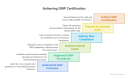
GMP Certificering: Ensuring Consistent Manufacturing Practices
Introduction
GMP certificering helps organizations demonstrate their commitment to controlled and consistent manufacturing practices. Good Manufacturing Practices (GMP) provide a structured framework for maintaining product quality, safety, hygiene, documentation, and process control. GMP principles are widely relevant to industries such as pharmaceuticals, food, cosmetics, medical products, and other regulated manufacturing sectors.
What Is GMP Certificering?
GMP certificering involves assessing manufacturing practices against applicable GMP requirements or a relevant certification or assessment scheme. The specific requirements can vary depending on the product, industry, and jurisdiction.
GMP focuses on ensuring that manufacturing activities are properly controlled and that products are consistently produced according to defined quality requirements. It covers areas such as personnel, facilities, equipment, materials, production processes, quality control, sanitation, documentation, and record keeping.
Why Is GMP Important?
Manufacturers need effective controls to reduce the risk of contamination, errors, mix-ups, and inconsistent production. GMP provides a systematic approach for controlling manufacturing activities and maintaining appropriate quality standards.
Organizations implementing GMP practices can establish clearer procedures, responsibilities, and quality controls. Employees can also receive appropriate training to ensure that manufacturing processes are performed consistently and documented correctly.
Benefits of GMP Certificering
Effective GMP implementation can support product quality and manufacturing consistency. It may help organizations improve documentation, traceability, hygiene practices, equipment management, and process control.
GMP also encourages organizations to investigate deviations, manage changes, address corrective actions, and regularly evaluate their manufacturing processes. These practices can contribute to a stronger quality culture and more reliable operations.
Preparing for GMP Certificering
Organizations should first identify the GMP requirements applicable to their products and operations. They can then review existing processes and identify areas requiring improvement.
Preparation may include employee training, facility and equipment controls, documented procedures, quality checks, sanitation programs, record management, and internal assessments. Maintaining accurate and complete records is particularly important because documentation provides evidence that established processes are being followed.
Conclusion
GMP certificering supports organizations in developing controlled and consistent manufacturing practices. By implementing appropriate GMP requirements, training employees, maintaining effective documentation, and continuously monitoring processes, manufacturers can strengthen quality management and support the production of safe and consistent products.
Apple Juice Market Size, Share & Trend Analysis Report: Global Forecast to 2034
By garu015, 2026-09-02
The global apple juice market is positioned for continued growth through the end of the decade, driven by evolving consumer preferences, innovative product offerings, and expanding distribution channels. The Apple Juice Market size is expected to reach US$ 30.62 Billion by 2034 from US$ 19.77 Billion in 2025. The market is estimated to record a CAGR of 4.98% from 2026 to 2034.
This comprehensive report provides a thorough analysis of industry dynamics, key trends, major growth drivers, segmentation insights, and regional prospects that will shape market developments over the forecast period. Intended for investors, manufacturers, technology providers, and regulatory bodies alike, the study highlights strategic opportunities and challenges that stakeholders must consider to capitalize on market potential.
Request Sample Pages of this Research Study @ https://www.theinsightpartners.com/sample/TIPRE00019942
Market Overview and Key Drivers
One of the central themes in the apple juice industry is increasing health consciousness among consumers worldwide. As people place greater emphasis on diets that promote overall wellness, naturally nutritious beverages like apple juice are gaining traction. Apple juice is rich in essential vitamins, minerals, and antioxidants, which consumers increasingly perceive as beneficial for digestion, immunity, and general health.
Another major growth driver is the rising demand for ready‑to‑drink (RTD) beverages. With busier lifestyles and a preference for convenience, consumers are turning to packaged juices that are easy to consume on the go. Apple juice packaged in bottles, cartons, or tetra packs fits this demand perfectly, offering a healthy alternative for busy professionals, students, and families alike.
Alongside convenience, the shift toward organic and natural products is fundamentally reshaping the apple juice market. Clean‑label formulations those free from artificial additives, chemical preservatives, and genetically modified organisms (GMOs) are increasingly appealing to a demographic of health‑savvy customers who prioritize ingredient transparency. Organic apple juice, therefore, stands out as one of the most significant growth segments within the broader market.
Emerging Market Trends
The future of the apple juice industry will be heavily influenced by several key trends identified in the report. One such trend is the growing popularity of functional beverages — drinks that offer benefits beyond simple hydration. Apple juice, inherently rich in beneficial plant compounds, is being positioned as a functional beverage capable of supporting digestion, immune health, and overall vitality. This trend is expected to sustain long‑term consumer interest and stimulate product innovation.
Another notable trend is the emphasis on sustainable packaging solutions. As global environmental awareness increases, consumers and brands alike are prioritizing recyclable, biodegradable, or otherwise eco‑friendly packaging. Juice producers are responding with innovations like paper‑based cartons and bottles made from recycled plastics, which not only reduce environmental impact but also resonate with a growing green consumer segment.
In addition, premium and specialty juice variants are gaining ground. High‑income and more discerning consumers are seeking unique flavors and quality distinctions, such as cold‑pressed apple juices, blends with exotic fruits, or blends fortified with additional nutrients. These specialty products help brands differentiate themselves in an increasingly crowded marketplace and command higher price points.
Market Opportunities and Innovations
The apple juice market presents several compelling opportunities for industry players. One important area is the rapid expansion of the organic segment. As demand for pesticide‑free, naturally derived products grows, companies can leverage this trend to strengthen their market positioning and appeal to eco‑conscious customers.
The surge in e‑commerce and online retail channels represents another significant opportunity. The COVID‑19 pandemic accelerated digital adoption across many consumer categories, including packaged beverages. Today’s tech‑savvy consumers increasingly prefer the ease of online purchasing, which has encouraged brands to diversify their sales strategies and extend their reach beyond traditional retail outlets.
Innovation in product formats is also likely to fuel growth. By experimenting with new juice blends, functional ingredients (such as probiotics or additional vitamins), and specialty formulations, manufacturers can attract a wider audience and cater to niche segments within the broader juice market.
Apple Juice Market Segmentation
Category
- Organic
- Conventional
Packaging
- Bottles
- Cartons
- Others
Distribution Channel
- Hypermarkets and supermarkets
- Convenience stores
- Online retail
- Others
Geography
- North America
- Europe
- Asia-Pacific
- South and Central America
- Middle East and Africa
Market leaders and key company profiles
- Del Monte
- Real
- Appy
- Tropicana
- Paper Boat
- Martinellis
- Apple and Eve
- Ocean Spray
- Mott's
- Lakewood
Regional Insights
Geographically, the apple juice market is analyzed across key regions North America, Europe, Asia-Pacific, South and Central America, and the Middle East and Africa. Each region exhibits unique consumption patterns and growth trajectories influenced by factors such as population dynamics, income levels, cultural preferences, and distribution infrastructure.
North America and Europe remain mature markets with stable demand, driven by health trends and established retail networks. In contrast, the Asia‑Pacific region, including countries like India and China, offers significant growth potential, fueled by rapid urbanization, rising disposable incomes, and increasing exposure to global beverage trends.
Trending Related Reports:
- Apple Juice Concentrates Market Growth, Size & Forecast by 2034
- Apple Extract Market Regional Share, Size, Trends, and Forecast by 2034
- Apple Fiber Market Growth, Trends & Demand by 2034
- Apple Butter Market Trends, Size & Growth by 2034
About Us:
The Insight Partners is a one stop industry research provider of actionable intelligence. We help our clients in getting solutions to their research requirements through our syndicated and consulting research services. We specialize in industries such as Semiconductor and Electronics, Aerospace and Defense, Automotive and Transportation, Biotechnology, Healthcare IT, Manufacturing and Construction, Medical Device, Technology, Media and Telecommunications, Chemicals and Materials.
Contact Us
If you have any queries regarding this report or require additional information, please contact us:
The Insight Partners
Email: sales@theinsightpartners.com
Phone: +1-646-491-9876
Website: https://www.theinsightpartners.com/
Also Available in : Korean | German | Japanese | French | Chinese | Italian | Spanish

Prostacyl Prostate & Men’s Wellness Formula is presented as a daily wellness supplement designed to support men who want to pay greater attention to prostate health, urinary comfort, and overall well-being. As men age, maintaining a healthy lifestyle and paying attention to changes in urinary habits can become increasingly important, and a dedicated wellness formula can be considered as part of a broader daily health routine. Prostacyl is intended to complement healthy habits rather than replace a balanced diet, regular physical activity, adequate hydration, quality sleep, or professional medical care. A prostate-focused supplement may appeal to men looking for convenient nutritional support as they work toward maintaining normal prostate function and everyday wellness. Supporting prostate health can also be connected with maintaining comfortable daily routines, particularly when it comes to normal urinary patterns. Men considering Prostacyl should follow the product’s recommended serving instructions and review its ingredient information carefully, especially if they have existing health concerns or regularly take medications. It is important to remember that dietary supplements are not intended to diagnose, treat, cure, or prevent diseases, and individual experiences with supplements can vary. A healthy approach to men’s wellness includes paying attention to the body, maintaining a nutritious eating pattern, staying physically active, managing stress, avoiding smoking, moderating alcohol consumption, and keeping regular medical appointments when appropriate. Prostacyl can be positioned within this type of lifestyle as a convenient addition to a daily wellness routine. Men often look for supplements that are simple to incorporate into everyday schedules, and taking a formula consistently according to its label may make it easier to maintain a regular wellness routine. When evaluating any prostate supplement, consumers should consider the ingredients, suggested use, quality standards, and manufacturer information rather than relying solely on promotional claims or testimonials. It is also wise to speak with a qualified healthcare professional before beginning a new supplement, particularly for men with prostate symptoms, urinary difficulties, allergies, or ongoing medical treatment. Persistent changes such as difficulty urinating, pain, blood in the urine, fever, or other concerning symptoms should receive appropriate medical attention instead of being managed solely with supplements. Overall, Prostacyl Prostate & Men’s Wellness Formula can be described as a supplement option for men interested in supporting prostate and general wellness as part of a thoughtful daily routine. By combining responsible supplement use with nutritious food, movement, hydration, restorative sleep, stress management, and appropriate healthcare, men can take a more comprehensive approach to maintaining their well-being. The goal is not to promise instant results but to encourage consistent, informed choices that support a healthy lifestyle over time. Always read the product label and use Prostacyl only as directed. https://prostacyl.co.uk/
What Makes an E-Commerce Website Successful? A Practical Guide to Development and Growth
By deedokit, 2026-09-02
Launching an online store has become easier than ever. What remains challenging, however, is building an e-commerce website that customers genuinely enjoy using and that continues to support a business as it grows.
A successful online store is not simply a website with product images and a checkout button. It is a complete digital environment where customers discover products, evaluate their options, make secure payments, and interact with a brand. Every stage of that journey matters.
This is where professional ecommerce site development becomes important. A carefully developed website considers functionality, design, performance, security, and customer behaviour from the beginning.
For businesses planning to sell online, understanding what makes an e-commerce website effective can help them make better decisions before investing in development.
An E-Commerce Website Should Be Built Around the Customer
One of the most common mistakes businesses make when developing an online store is focusing entirely on how the website looks. Visual design is certainly important, but appearance alone does not create a successful shopping experience.
Customers visit an online store with a purpose. They may already know what they want to buy, or they may still be comparing different products. In either case, the website should help them move forward without unnecessary difficulty.
This means products should be easy to find, categories should be clearly organized, and important information should be available without requiring customers to search through multiple pages.
A professional ecommerce web design company considers these details when planning a website. The objective is to create a platform that looks professional while also making the customer journey straightforward.
A website that is easy to use is more likely to encourage visitors to stay, explore products, and complete their purchases.
Website Structure Plays a Larger Role Than Many Businesses Expect
The structure of an e-commerce website affects almost every part of the customer experience.
Imagine visiting an online store with hundreds of products but no clear categories, search options, or filtering system. Even if the products are excellent, finding them would become frustrating.
A well-structured website helps customers understand where they are and where they need to go next. Categories, subcategories, search features, filters, product recommendations, and internal links should work together to create a logical experience.
Professional ecommerce design services can help businesses create a structure based on how customers actually browse and shop.
The same structure can also support the long-term growth of the website. As new products and categories are added, a well-planned foundation makes expansion easier to manage.
Product Pages Should Help Customers Make Decisions
A product page is one of the most important parts of an online store. It is often the point where a visitor decides whether to make a purchase or continue looking elsewhere.
For this reason, a product page should provide the information a customer genuinely needs.
Clear product names, accurate descriptions, high-quality images, pricing information, specifications, and delivery details can all contribute to a better decision-making process.
The information should also be presented clearly. A customer should not have to scroll through unnecessary content to find essential details.
Additional features such as product reviews, related products, and frequently asked questions may also be useful depending on the type of business.
The goal is not to overload every page with features. Instead, the website should provide enough information to make the purchasing process feel clear and trustworthy.
Choosing the Right Platform for Your Business
The platform used for an online store can influence how easily the business manages products, processes orders, and introduces new features.
There is no single platform that is suitable for every business. The right choice depends on the size of the business, the number of products, the required functionality, the available budget, and future plans.
Some businesses require a simple platform that allows them to manage their store with minimal technical knowledge. Others need greater flexibility and more advanced customization.
When Shopify Can Be a Suitable Choice
Shopify is often considered by businesses that want a structured platform with built-in e-commerce functionality.
It provides tools for managing products, orders, and payments, which can make it a practical option for many online businesses.
However, a standard store setup may not always provide the strongest brand experience. Professional Shopify web design services can help businesses develop a store that feels more closely aligned with their identity and requirements.
Customizing layouts, improving navigation, organizing product pages, and creating a consistent visual experience can help a Shopify store stand apart from a basic template-based website.
The right approach should always depend on the business and its customers rather than simply following the latest platform trends.
When WordPress Offers Greater Flexibility
Some businesses need an e-commerce website that does more than sell products. They may also require extensive content, blogs, service pages, resources, or a more customized website structure.
In these situations, WordPress can provide greater flexibility when used with suitable e-commerce functionality.
Professional WordPress website design services can help create a website that combines content and commerce within one platform.
For example, a business may use its website to publish informative articles, attract visitors through search engines, and guide those visitors toward relevant products or services.
This approach can be particularly useful for brands that want to develop a strong content strategy alongside their online sales activities.
As with any platform, proper development and ongoing management are necessary to maintain website security and performance.
A Fast Website Creates a Better Shopping Experience
Website speed is often underestimated during e-commerce development.
Customers generally expect pages to load quickly. When a website takes too long to respond, visitors may become impatient and leave before viewing the available products.
Slow performance can result from several issues, including oversized images, unnecessary scripts, poor hosting, and inefficient website development.
Performance should therefore be considered throughout the development process rather than addressed only after the website has been launched.
Optimizing images, maintaining efficient code, and using suitable hosting infrastructure can help create a faster and more reliable experience.
A well-performing website benefits both customers and the business by making the shopping process more convenient.
Security Is Essential for Customer Confidence
E-commerce websites handle important customer information, including personal and payment details. As a result, security should never be treated as an optional feature.
Customers are more likely to complete a purchase when they feel confident that the website is trustworthy.
Secure payment gateways, properly configured security measures, and clear privacy information can help establish this confidence.
Businesses should also ensure that their websites are regularly reviewed and updated. Outdated software or neglected technical issues can create unnecessary security risks.
A professional development approach considers security from the beginning and continues to address it after the website goes live.
The Checkout Process Should Remove, Not Create, Obstacles
The checkout process is the final stage before a customer completes a purchase. Unfortunately, it is also where many businesses lose potential sales.
A checkout process that requires unnecessary steps or requests too much information can discourage customers from continuing.
The process should be straightforward and transparent. Customers should clearly understand what they are purchasing, how much they are paying, and when they can expect their order.
Providing convenient payment options and clearly explaining shipping costs can also make the experience more comfortable.
Good e-commerce development focuses on reducing unnecessary obstacles throughout the buying journey, particularly at the checkout stage.
SEO Should Be Part of the Development Process
An e-commerce website must not only function well; it must also be discoverable.
Search engine optimization is most effective when it is considered during the planning and development stages of a website.
A logical website structure, clear page hierarchy, relevant product content, meaningful URLs, and strong internal navigation can all support search visibility.
Technical factors such as website speed and mobile responsiveness are equally important.
Businesses that integrate SEO considerations into their ecommerce site development process can avoid having to make significant structural changes later.
The goal should be to build a website that provides value to customers while remaining clear and accessible to search engines.
An E-Commerce Website Requires Ongoing Attention
Launching a website is an important milestone, but it is not the final stage of the process.
An online store must continue to evolve. Products may change, customer expectations may develop, and new business requirements may arise.
Regular website maintenance helps ensure that an e-commerce website remains secure, functional, and up to date.
Maintenance may involve updating software, reviewing website performance, fixing technical issues, and making improvements based on customer behaviour.
A website that is regularly maintained is better prepared to support the business over the long term.
Building an E-Commerce Website with Long-Term Goals in Mind
Businesses should approach e-commerce development as a long-term investment rather than a one-time project.
A website may begin with a limited number of products but eventually expand into new categories, markets, or customer segments. The development approach should therefore provide room for future growth.
At Deedok, we believe that effective digital solutions begin with understanding the requirements of the business. Every company has different products, customers, and objectives, which means a one-size-fits-all approach is rarely the most effective solution.
Whether you are developing a new online store or improving an existing one, careful planning can help create a website that is practical, professional, and prepared for future requirements.
Final Thoughts
A successful e-commerce website is the result of many elements working together. Good design attracts attention, but usability keeps customers engaged. Strong functionality supports the purchasing process, while performance and security help create trust.
From selecting the right platform to creating a simple checkout process, every decision made during ecommerce site development can influence the future performance of an online business.
Whether a business requires Shopify web design services, WordPress website design services, or a completely customized e-commerce platform, the focus should remain on the people who will ultimately use the website.
When a business prioritizes its customers, plans for future growth, and invests in professional development, an e-commerce website can become much more than an online store. It can become an important foundation for lasting digital growth.
Website Company Guide: Design, Online Websites, Social Media Marketing & E-Commerce
By Deedok IT Solutions, 2026-09-02
In today’s digital-first world, having a professional online presence is essential for businesses of every size. Customers often search online before contacting a company, purchasing a product, or choosing a service provider. A well-designed website can help a business establish credibility, communicate its services, attract visitors, and generate new opportunities.
Choosing the right website company is an important decision because website development involves much more than creating attractive pages. A successful website should combine professional design, responsive development, search engine optimization, social media marketing, useful content, security, and ongoing maintenance.
Whether you are starting a new business or improving an existing online presence, understanding website designing services, online websites, and e commerce web design can help you make better decisions.
Why a Professional Website Is Important
A website acts as a digital representation of your business. Unlike a physical office, an online website can be accessed by customers at any time from almost anywhere.
A professional website can help businesses:
- Build credibility and trust
- Explain products and services
- Generate leads
- Increase brand awareness
- Reach customers outside their local area
- Support digital marketing campaigns
- Provide customer information 24/7
However, simply having a website does not guarantee success. The website needs to be fast, mobile-friendly, easy to navigate, visually appealing, and useful to visitors.
Choosing the Right Website Company
The right website company can help turn your business ideas into a functional online platform. Before hiring a company, understand what services it provides and whether those services match your requirements.
A professional website development company may offer:
- Website design
- Website development
- Responsive design
- E-commerce development
- SEO
- Social media marketing
- Content creation
- Website maintenance
- Website security
- Digital marketing
You should also review previous projects and understand how the company approaches communication, revisions, maintenance, and future updates.
Instead of selecting a company only because it offers the lowest price, consider the quality, functionality, scalability, and long-term value of the website.
Website Designing Services for Modern Businesses
Professional website designing services focus on creating websites that are visually appealing and easy to use. A good design should represent your brand while making it simple for visitors to find important information.
Important design elements include:
Responsive Design
Your website should work correctly on smartphones, tablets, laptops, and desktop computers.
Clear Navigation
Visitors should be able to move between pages without confusion.
Consistent Branding
Colors, fonts, images, logos, and other visual elements should create a consistent brand identity.
Strong Calls to Action
Buttons such as “Contact Us,” “Get a Quote,” “Shop Now,” or “Learn More” can guide visitors toward useful actions.
Fast Performance
A beautiful website is not effective if it takes too long to load. Images, scripts, and other elements should be optimized for performance.
Website Design and Social Media Marketing
A website and social media should work together as part of a broader digital marketing strategy. This is where website design and social media marketing become particularly valuable.
Social media platforms can help businesses attract attention and send visitors to their websites. At the same time, the website gives those visitors more detailed information about the company, products, and services.
For example, a business could share a new blog article on social media. Interested users can click through to the website to read the complete article and explore related services.
A strong strategy can follow this path:
Social Media → Website → Useful Content → Product or Service → Customer Action
Your website should therefore be designed with social media traffic in mind. Landing pages should load quickly, content should be easy to share, and important information should be easy to find.
How Social Media Supports Website Growth
Social media marketing can help increase awareness of your website and brand. Businesses can use platforms such as Facebook, Instagram, LinkedIn, Pinterest, and other relevant channels to share content.
Some useful social media content includes:
- Blog posts
- Product announcements
- Company updates
- Customer testimonials
- Educational tips
- Videos
- Infographics
- Special offers
However, social media should not replace your website. Your website remains a central platform where you have greater control over your business information, content, products, and customer experience.
Best Sites to Make a Website
People often search for the best sites to make a website when they want to build a website without extensive coding knowledge.
Different website-building platforms serve different purposes. Some are designed for beginners, while others provide advanced customization and development options.
When comparing website-building platforms, look at:
- Ease of use
- Design templates
- Customization
- SEO features
- Mobile responsiveness
- E-commerce support
- Security
- Hosting
- Plugin or integration options
- Scalability
For a simple business website, an easy-to-use platform may be sufficient. Businesses with complex requirements may benefit from custom website development.
The “best” platform depends on your business goals rather than simply choosing the most popular option.
Understanding Online Websites
The term online websites covers a wide range of websites created for different purposes. A website could be an informational business site, online store, portfolio, blog, booking platform, or custom web application.
Some common website types include:
Business Websites
These introduce a company, its services, team, and contact information.
Portfolio Websites
These are useful for designers, photographers, developers, writers, and other professionals who want to showcase their work.
Blog Websites
Blogs provide articles, guides, news, opinions, and educational content.
E-Commerce Websites
These allow businesses to sell products and services online.
Service Websites
These focus on explaining specific services and generating customer inquiries.
The type of website you choose should depend on what you want your online presence to achieve.
E-Commerce Web Design for Online Stores
Online shopping continues to be an important part of modern business. If you sell products online, e commerce web design should be one of your major priorities.
An e-commerce website needs to make the purchasing process simple and secure. Customers should be able to find products, understand their features, add them to a shopping cart, and complete checkout without unnecessary complications.
Important e-commerce design features include:
- Product categories
- Search functionality
- High-quality product images
- Detailed product descriptions
- Pricing information
- Shopping cart
- Secure checkout
- Multiple payment options
- Customer reviews
- Order information
- Mobile-friendly design
A complicated checkout process can cause customers to abandon their purchases. Therefore, e-commerce websites should focus heavily on usability.
Mobile-Friendly E-Commerce Design
Many customers browse and shop using smartphones. This makes responsive e commerce web design especially important.
Product images should display correctly on smaller screens, buttons should be easy to tap, and checkout forms should not be difficult to complete.
Mobile users should be able to move from product discovery to purchase without unnecessary steps.
A mobile-friendly online store can also provide a better overall customer experience and make your digital marketing campaigns more effective.
The Importance of Blog Content on Business Websites
A business website should not only contain service and product pages. Adding a blog can provide useful information to customers and create additional opportunities to attract visitors.
A blog allows a website company or business to publish educational and informative content related to its industry.
For example, a web design business could publish articles about:
- Website design trends
- SEO tips
- Social media marketing
- E-commerce strategies
- Website security
- Mobile-friendly design
- Website maintenance
Blog content can also support SEO because each useful article can target relevant questions and topics that potential customers search for online.
The key is to create helpful content instead of publishing articles only to insert keywords.
SEO and Website Development
SEO should be considered while developing a website rather than being treated as an afterthought.
SEO-friendly website development can include:
- Descriptive URLs
- Proper headings
- Optimized images
- Mobile responsiveness
- Fast loading pages
- Internal linking
- Useful content
- Secure HTTPS
- Metadata
- Logical website structure
When SEO and design are planned together, businesses can create websites that are both user-friendly and easier for search engines to understand.
Website Maintenance After Launch
Launching a website is only the beginning. Regular maintenance helps keep the website secure, functional, and up to date.
Website maintenance can include:
- Updating software
- Updating plugins and themes
- Checking broken links
- Creating backups
- Monitoring security
- Improving website speed
- Updating old content
- Testing forms and buttons
- Reviewing website performance
For e-commerce websites, maintenance is even more important because customers depend on the website for product information, payments, and orders.
How to Build a Successful Online Presence
A strong digital presence requires several elements working together.
Your website should provide useful information and a smooth user experience. Your social media channels can help attract attention and visitors. Your blog can provide valuable information and support SEO. Your e-commerce platform can make online shopping convenient.
A successful strategy can therefore combine:
Professional Website + SEO + Blog Content + Social Media + E-Commerce + Maintenance
Each element supports the others and contributes to a stronger online presence.
What Does a Digital Marketing Ads Agency Actually Do? A Practical Guide
By DeedITSolutions_, 2026-09-02
If you've ever typed "digital marketing ads agency" into Google after a frustrating month of ad spend with little to show for it, you're not alone. Most business owners reach out to an agency not because they don't understand marketing, but because they don't have the time to test, track, and adjust campaigns while also running their business.
This guide breaks down what these agencies actually do, how digital advertising works, and how to think about building an advertising strategy that fits your business — whether you're a startup, a local shop, or an online store trying to grow past word-of-mouth.
What a Digital Marketing Ads Agency Does
At its core, a digital marketing ads agency manages paid advertising on your behalf. That includes planning campaigns, writing ad copy, designing creatives, choosing where ads appear, and adjusting spend based on results.
A typical scope of work includes:
- Researching your target audience and competitors
- Setting up and managing Google Ads, social media advertising, or both
- Writing and testing ad copy and creative variations
- Monitoring performance and adjusting budgets
- Reporting on results like conversion rate and return on ad spend
Some agencies specialize in one channel, like PPC campaigns on Google. Others handle a mix of paid advertising across search engines, social platforms, and display networks. The right fit depends on where your customers actually spend their time.
How Digital Advertising Helps Businesses Reach Customers
Organic reach — through SEO, social posts, or referrals — takes time to build. Digital advertising shortens that timeline by putting your business directly in front of people who are already searching for what you offer, or who match the profile of your ideal customer.
For example, a local bakery running Google Ads can appear when someone searches "birthday cakes near me," while an e-commerce clothing brand might rely more on social media advertising to catch people while they're browsing rather than searching.
This is the practical value of online advertising: it doesn't wait for discovery. It creates it.
Different Types of Digital Ads
Not all ads work the same way, and understanding the basic categories helps you make sense of what an agency proposes.
Search ads (like Google Ads) appear when someone types a relevant query. These work well for high-intent searches — people ready to buy or book.
Social media advertising appears in feeds and stories on platforms like Instagram, Facebook, or TikTok. These are better suited for building awareness or reaching people who aren't actively searching yet.
Display ads show up as banners across websites and apps. They're generally used for brand awareness rather than direct conversions.
Video ads run on platforms like YouTube and within social feeds, useful for explaining a product or building trust before someone buys.
Retargeting ads reach people who already visited your website but didn't convert. These often have some of the strongest performance because the audience is already familiar with your brand.
How Businesses Can Choose the Right Advertising Strategy
There's no single "best advertising" formula that works for every business. The right approach depends on your product, your budget, your sales cycle, and where your customers already are.
A few practical questions worth asking before choosing a strategy:
- Are customers actively searching for what I sell, or do I need to create demand?
- What's my average order value, and can it support paid acquisition costs?
- Do I need immediate sales, or am I building long-term brand awareness?
- Which platforms does my actual audience use most?
A business selling emergency plumbing services will likely lean on search ads, since people search urgently when they need help. A new skincare brand, on the other hand, might need social media advertising first to introduce itself before search demand even exists.
Why Targeting and Audience Research Matter
Ad targeting is often where campaigns succeed or fail — more than the ad creative itself. Even a well-designed ad shown to the wrong audience will underperform.
Good targeting starts with research: understanding who buys from you, why they buy, and what objections they have before converting. This might include reviewing past customer data, testing different audience segments, or narrowing targeting by location, interests, or behavior.
Businesses that skip this step often waste budget showing ads to people who were never going to convert in the first place, regardless of how good the offer looks.
The Role of Ad Creatives and Copy
Once targeting is right, the creative and copy determine whether someone stops scrolling or clicks away. This includes the headline, the image or video, and the call to action.
Effective ad copy tends to:
- Speak directly to a specific problem or desire
- Avoid vague claims and focus on what the product actually does
- Include a clear, low-friction next step
- Match the tone of the platform it's running on
A LinkedIn ad written like a casual Instagram caption will feel out of place, and vice versa. Matching tone to platform is a small detail that often affects performance more than people expect.
How Businesses Can Measure Advertising Performance
Running ads without tracking results is one of the most common ways businesses lose money on paid advertising. At minimum, it helps to track:
- Conversion rate — the percentage of people who take the desired action after clicking
- Cost per click and cost per conversion — what you're actually paying for results
- Return on ad spend (ROAS) — revenue generated compared to what was spent
- Click-through rate — how many people engage with the ad after seeing it
These numbers tell a more honest story than impressions or likes. A campaign can look impressive in reach and still lose money if conversions don't follow.
Common Advertising Mistakes to Avoid
A few mistakes show up repeatedly across businesses new to digital advertising:
- Turning campaigns off too early, before there's enough data to judge performance
- Targeting too broadly, which spreads budget thin across uninterested audiences
- Ignoring mobile users, even though most traffic now comes from phones
- Sending traffic to a weak landing page, which undoes good ad targeting
- Focusing only on vanity metrics like impressions instead of actual conversions
Avoiding these issues often matters more than finding some hidden advertising trick. Consistency and measurement tend to outperform guesswork.
Conclusion
A digital marketing ads agency isn't magic — it's a structured way to plan, run, and improve paid advertising so it doesn't rely on trial and error alone. Whether you handle advertising in-house or bring in outside help, the fundamentals stay the same: understand your audience, choose the right channels, write clear ad copy, and measure what actually matters.
There's no universal "best advertising" strategy, only the one that fits your business, your customers, and your goals at this stage of growth. Getting that right takes testing and patience, but it's a far more reliable path than chasing the latest trend.
FAQs
1. What does a digital marketing ads agency actually do day-to-day? They plan, launch, and manage paid ad campaigns — including audience research, ad creation, budget management, and performance reporting — across platforms like Google Ads and social media.
2. Is paid advertising worth it for a small business? It can be, especially when organic growth is slow. The key is matching the ad type to your sales cycle and tracking conversion rate and ROAS closely so spend doesn't outpace results.
3. How much should a business budget for digital advertising? There's no fixed number — it depends on your industry, average order value, and goals. Many businesses start small, test performance, and scale budget once a campaign proves profitable.
4. What's the difference between Google Ads and social media advertising? Google Ads targets people actively searching for something, making it strong for high-intent buyers. Social media advertising reaches people based on interests and behavior, which works well for building awareness before demand exists.
5. How long does it take to see results from PPC campaigns? Some campaigns show early signals within a couple of weeks, but reliable data for optimization usually takes longer. Turning campaigns off too soon is a common mistake that prevents accurate evaluaion.

Social Media Marketing Agency for Ecommerce | Deedok IT Solutions
Running an ecommerce business today is about much more than simply putting your products online. People discover products while scrolling through social media, watch videos before making a purchase, check reviews and creator recommendations, and often message a brand before placing an order. That is where a strong social media strategy can make a real difference.
Deedok IT Solutions helps ecommerce brands use social media to get noticed, connect with the right audience, and turn interest into actual customers. We create social media strategies that are built around your products, your customers, and the way your brand wants to grow.
We don't believe in posting content just for the sake of staying active. Every post, video, advertisement, and campaign should have a purpose. Sometimes that purpose is introducing your product to new customers. Sometimes it is building trust, bringing previous visitors back, generating enquiries, or increasing sales. We look at the bigger picture before deciding what your brand needs.
Social Media That Helps Ecommerce Brands Grow
Ecommerce customers want to see products in action. They want to know how something looks, how it works, what other people think about it, and whether it is actually worth buying.
That is why we focus on content that feels natural and useful. From product videos and Instagram Reels to customer stories, offers, educational posts, and UGC (user-generated content), we help your brand communicate with customers in a way that doesn't feel like constant advertising.
Short-form video has become particularly important for ecommerce. Current research from Meta shows that Reels and creator-led content are playing a major role in product discovery and purchase decisions among Indian consumers.
Social Commerce and Product Discovery
The way people shop is changing. Instead of searching for a product first, many customers now discover something interesting while browsing social media and then decide whether they want to learn more.
This is where social commerce comes in.
We help ecommerce businesses create content and campaigns designed to move customers naturally from discovery to consideration and, ultimately, purchase. Whether someone discovers your product through a Reel, creator content, paid advertisement, or a recommendation, the goal is to make the journey simple and engaging.
Creator Marketing and UGC
People generally trust real experiences more than polished advertisements. A creator showing how they use your product or a genuine customer sharing their experience can make your brand feel more relatable.
Our creator marketing and UGC-focused strategies help ecommerce brands work with relevant creators and develop content that feels authentic to the audience. The focus isn't simply on finding someone with a large following. We look for creators whose audience, style, and interests make sense for your product.
AI-Powered Social Media Marketing
AI is becoming a bigger part of digital marketing, including ecommerce. It can help marketers understand audiences, identify patterns, test creative ideas, personalize campaigns, and improve advertising performance.
At Deedok IT Solutions, we see AI-powered marketing as a useful tool—not a replacement for human creativity. We combine technology and data with real market understanding to create campaigns that still feel relevant and human.
Performance Marketing for Ecommerce
Getting likes and followers is nice, but ecommerce brands ultimately need sales.
Our performance marketing approach focuses on measurable business goals such as product sales, website traffic, leads, customer acquisition, and return on advertising spend. We use campaign data to understand which audiences, products, creatives, and messages are performing well and then improve campaigns accordingly.
The goal is not to spend more on advertising. It is to make your advertising budget work smarter.
WhatsApp Marketing and Customer Conversations
For many Indian businesses, WhatsApp has become an important part of the customer journey. Customers may use it to ask about products, check availability, understand offers, or communicate with a business before buying.
That makes WhatsApp marketing a valuable addition to an ecommerce strategy. Meta's 2026 research highlights messaging as an increasingly important part of India's product discovery and commerce journey.
We can help brands use conversational marketing to stay connected with customers and make the buying journey more personal.
Why Choose Deedok IT Solutions?
At Deedok IT Solutions, we understand that every ecommerce brand is different. A fashion brand doesn't need the same social media strategy as a beauty brand, electronics store, home decor business, or D2C startup.
Our approach starts with understanding your products and customers. From there, we build a strategy around the platforms, content formats, audiences, and campaigns that make sense for your business.
Our ecommerce social media services can include:
- Social media strategy
- Instagram and Facebook marketing
- Reels and short-form video
- UGC and creator marketing
- Social commerce campaigns
- Paid social advertising
- Performance marketing
- Product-focused content
- AI-assisted marketing
- WhatsApp marketing
- Retargeting campaigns
- Audience research and campaign analysis
We also keep an eye on what is actually happening with your campaigns. Instead of relying only on likes and followers, we look at meaningful metrics such as engagement, website visits, conversions, customer acquisition, and sales.
Let's Grow Your Ecommerce Brand
Social media can be one of the strongest growth channels for an ecommerce business when it is used properly. The right content can introduce your product to thousands of potential customers, build trust, encourage people to visit your website, and help turn interest into sales.
Deedok IT Solutions helps ecommerce brands bring all of these pieces together—from short-form video and creator marketing to social commerce, UGC, AI-powered marketing, WhatsApp marketing, and performance advertising.
If you're looking for a social media marketing agency for ecommerce, Deedok IT Solutions can help you create a strategy that feels authentic to your brand while staying focused on the thing that matters most: growing your business.
Global Automation Identification System Market Gains Momentum as Smart Manufacturing, Traceability, and Industrial Automation Drive Demand
By mayur123, 2026-09-02
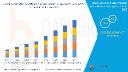
According to the latest report published by Data Bridge Market Research, the Automation Identification System Market
CAGR Value
The Automation Identification System Market analysis report helps strengthen organization and make better decisions for driving the business on the right track. It is a proficient and a comprehensive report that focuses on primary and secondary market drivers, market share, leading segments and geographical analysis. Market research reports like this one surely helps to reduce business risk and failure. The market share of major competitors on global level is studied where key areas such as Europe, North America, Asia Pacific and South America are covered in this market research report. Research and analysis is carried out with one step or the combination of several steps depending upon the client need and the business requirements.
Stay informed with our latest keyword market research covering strategies, innovations, and forecasts. Download full report: https://www.databridgemarketresearch.com/reports/global-automation-identification-system-market
Automation Identification System Market Segmentation and Market Companies
Segments
- By Component: The global automation identification system market can be segmented by component into hardware, software, and services. The hardware segment includes barcode scanners, RFID readers, vision systems, and others. The software segment encompasses various software solutions for data management, automation, and integration. The services segment includes consulting, implementation, and support services.
- By Technology: In terms of technology, the market can be segmented into barcode, RFID, biometrics, smart cards, and others. Barcode technology remains one of the most widely used identification systems, while RFID technology is gaining traction due to its ability to track and identify items in real-time. Biometrics and smart cards are also being increasingly adopted for secure identification purposes.
- By End-User Industry: The automation identification system market can be segmented by end-user industry into manufacturing, healthcare, retail, transportation & logistics, and others. Manufacturing industries extensively utilize automation identification systems for inventory management, asset tracking, and quality control. Healthcare facilities rely on these systems for patient identification and medication management. In the retail sector, automation identification systems are used for streamlining checkout processes and inventory management.
Market Players
- Honeywell International Inc.: Honeywell is a key player in the global automation identification system market, offering a wide range of hardware and software solutions. The company's products are known for their reliability and innovation in the field of automation identification.
- Zebra Technologies Corporation: Zebra Technologies provides barcode and RFID solutions for various industries, including manufacturing, retail, and healthcare. The company's diverse product portfolio and focus on customer-centric solutions have solidified its position in the market.
- SATO Holdings Corporation: SATO Holdings offers a comprehensive range of auto-ID solutions, including barcode printers, RFID tags, and software. The company's solutions cater to the specific needs of industries such as healthcare, transportation, and retail.
- Datalogic S.p.A.: Datalogic is a prominent player in the automation identification system market, known for its high-performance barcode scanners and vision systems. The company's advanced technology solutions have made it a preferred choice for businesses looking to enhance their operational efficiency.
- Rockwell Automation, Inc.: Rockwell Automation specializes in industrial automation and control systems, including identification and tracking solutions. The company's expertise in integration and seamless connectivity has positioned it as a leading player in the market.
The global automation identification system market is witnessing significant growth due to the increasing adoption of advanced technologies across various industries. One of the emerging trends in the market is the integration of Internet of Things (IoT) and artificial intelligence (AI) with automation identification systems to enhance operational efficiency and decision-making processes. IoT-enabled devices can provide real-time data on inventory, assets, and processes, allowing businesses to make informed decisions quickly. AI algorithms can analyze this data to predict potential issues or optimize workflows, further improving overall productivity.
Moreover, the growing emphasis on enhancing supply chain visibility and efficiency is driving the demand for automation identification systems in the transportation and logistics sector. With the rise of e-commerce and globalization, companies are seeking solutions to track and manage goods across the supply chain with greater accuracy and speed. Automation identification systems, such as RFID and barcode technology, play a crucial role in enabling real-time tracking, inventory management, and automated data capture, leading to streamlined operations and reduced costs.
Furthermore, the increasing focus on regulatory compliance and product authentication is boosting the adoption of automation identification systems in industries such as healthcare and pharmaceuticals. These sectors require strict adherence to regulations related to product traceability, patient safety, and counterfeit prevention. Automation identification technologies, including biometrics and smart cards, are being leveraged to ensure secure and accurate identification of patients, medications, and medical devices, thereby improving safety standards and regulatory compliance.
Additionally, the market players in the automation identification system sector are continuously investing in research and development activities to introduce innovative solutions that cater to evolving customer demands. The integration of cloud-based systems, data analytics, and machine learning capabilities into automation identification systems is expected to drive market growth further. These advanced technologies enable real-time data access, improved scalability, and predictive analytics, empowering businesses to make data-driven decisions and enhance operational performance.
In conclusion, the global automation identification system market is poised for substantial growth driven by technological advancements, industry-specific requirements, and the efforts of key market players to innovate and deliver tailored solutions. The convergence of IoT, AI, and automation identification systems is reshaping the way businesses operate, enabling them to achieve higher levels of efficiency, accuracy, and compliance. As industries continue to digitalize and automate their processes, the demand for advanced automation identification solutions is expected to escalate, creating lucrative opportunities for market players and driving overall market expansion.The global automation identification system market is experiencing robust growth propelled by several key factors. One driving force is the increasing integration of advanced technologies such as IoT and AI into automation identification systems. By leveraging IoT-enabled devices to collect real-time data and employing AI algorithms to analyze this data, businesses can enhance operational efficiency and decision-making processes. This trend is reshaping industry operations, allowing for quicker decision-making and optimized workflows.
Another significant driver of market growth is the rising emphasis on supply chain visibility and efficiency, particularly in the transportation and logistics sector. With the surge in e-commerce and globalization, companies are seeking solutions to track and manage goods across the supply chain more accurately and rapidly. Automation identification systems like RFID and barcode technology play a vital role in facilitating real-time tracking, inventory management, and automated data capture, leading to streamlined operations and cost savings.
Moreover, the escalating focus on regulatory compliance and product authentication is fueling the adoption of automation identification systems in sectors such as healthcare and pharmaceuticals. Strict adherence to regulations concerning product traceability, patient safety, and counterfeit prevention is crucial in these industries. Automation identification technologies, including biometrics and smart cards, are being utilized to ensure secure and accurate identification of patients, medications, and medical devices, thereby enhancing safety standards and regulatory compliance.
Furthermore, market players in the automation identification system sector are continuously investing in research and development endeavors to introduce innovative solutions that align with evolving customer requirements. The incorporation of cloud-based systems, data analytics, and machine learning capabilities into automation identification systems is anticipated to propel market growth. These advanced technologies offer improved scalability, real-time data access, and predictive analytics, empowering businesses to make informed, data-driven decisions and enhance operational performance.
In conclusion, the global automation identification system market is poised for substantial expansion, driven by technological advancements, industry-specific needs, and the commitment of key market players to deliver tailored solutions. The amalgamation of IoT, AI, and automation identification systems is revolutionizing business operations, allowing for heightened levels of efficiency, accuracy, and compliance. As industries continue to embrace digitalization and automation, the demand for sophisticated automation identification solutions is predicted to rise, creating lucrative opportunities for market players and fostering overall market growth.
Frequently Asked Questions About This Report
What is the average order value (AOV) in the Automation Identification System Market industry?
Which product type is expected to witness the fastest growth through 2033?
How is the rising prevalence of [Condition/Industry Need] driving Automation Identification System Market demand?
Which distribution channel leads the global Automation Identification System Market?
What are the pain points for end-users in the current Automation Identification System Market?
What is the impact of IoT on the Automation Identification System Market landscape?
How do IP (Intellectual Property) rights protect Automation Identification System Market innovations?
What is the impact of Energy Crisis on the Automation Identification System Market?
What is the PESTLE analysis for the global Automation Identification System Market industry?
What growth opportunities exist in the Automation Identification System Market Mega-Trends?
What are the upcoming trends in the Automation Identification System Market for niche applications?
How is the Automation Identification System Market catering to the Gen Z demographic?
Browse More Reports:
Global Password Based Authentication Market
Global Soups Market
Global Hair Straightener Market
Global Hair Mask Market
Global Laxative Market
Global Veterinary Artificial Insemination Market
Global Artificial Turf Market
Global Steel Fiber Market
Global Zinc Fertilizers Market
Global Artificial Intelligence (AI) Insurtech Market
Global Magnetite Nanoparticles Market
Global Barrett’s Esophagus Market
Global Rice Based Infant Formula Market
Global Stump Cutter/Grinder Market
Global Pseudofolliculitis Barbae Market
Contact Us:
Data Bridge Market Research
US: +1 614 591 3140
UK: +44 845 154 9652
APAC : +653 1251 979
Email:- corporatesales@databridgemarketresearch.com

Online gaming has become increasingly accessible, giving users different ways to follow their favourite sports and explore digital casino entertainment. Cricket, football and eSports are among the popular categories that attract interest from online gaming audiences in India.
Crickso India is an online gaming platform that brings sports betting and casino-style gaming options together in one place. The platform focuses on providing users with access to different sports markets, including cricket and football, along with eSports and a selection of casino games.
Sports Betting Options
Cricket has a particularly strong following in India, and online sports platforms often provide different markets around major matches and tournaments. Depending on availability, users may find options related to match outcomes, player performances and other match events.
Football is another widely followed sport with numerous domestic and international competitions. eSports has also developed into a significant online entertainment category, covering competitive video games and organised tournaments.
Casino Gaming
Alongside sports-related markets, Crickso also features a variety of casino games. Online casino platforms can include different game categories, allowing users to explore various formats and styles of gameplay from a single website.
Users should always review the individual game rules, terms and conditions before participating. Availability of particular games and features may also vary depending on location and applicable regulations.
Responsible Online Gaming
Anyone considering online betting or casino gaming should understand that these activities involve financial risk. It is important to set a personal budget, avoid spending money that cannot be afforded to lose, and treat gaming as entertainment rather than a guaranteed way to make money.
Users should also check the legal requirements and age restrictions applicable in their location before accessing an online gaming service.
Why Online Gaming Platforms Continue to Attract Interest
The combination of sports coverage and casino entertainment has made online gaming platforms convenient for people who prefer having multiple categories available through one service. Platforms such as Crickso are part of this broader digital gaming landscape, offering users a range of sports and gaming options through an online environment.
As the online gaming industry continues to evolve, factors such as transparency, responsible gaming practices, clear terms and conditions, and user experience remain important considerations when evaluating any gaming platform.