


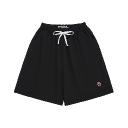
Streetwear enthusiasts and fashion shoppers frequently ask whether buying A Bathing Ape (BAPE) directly from Japan offers a genuine financial advantage over purchasing it in Western or other Asian markets. Understanding retail pricing models, currency fluctuations, import tariffs, and local distribution strategies helps consumers make informed purchasing decisions when looking for authentic Japanese urban apparel.
When comparing international streetwear retail costs, BAPE products consistently show lower base price tags on retail shelves within Japan compared to official outlets in North America, Europe, or other parts of Asia. For consumers exploring Japanese streetwear collections and authentic release catalogs, reviewing detailed brand profiles and inventory updates on specialized platforms like jpbape.com provides further context on regional availability and product lines. Shoppers visiting official retail locations in Tokyo or Osaka can also leverage tax-free shopping programs for foreign tourists, further reducing the final price by eliminating the local Japanese consumption tax at the point of sale.
To evaluate the exact cost differences, it is helpful to look at standard price ranges across major regions. While exact numbers vary based on collection releases and exchange rates, general patterns remain consistent.CIn North America, particularly the United States and Canada, BAPE items carry notable markups. A standard graphic tee or hoodie sold at a North American flagship location or authorized retailer often costs 30% to 50% more than the converted Yen price in Tokyo. Import taxes, foreign transport logistics, and higher operational expenses in major metropolitan areas drive up these retail prices.
While the base retail price in Japan is lower, consumers must consider the full cost of acquisition when importing or buying through third-party services. When purchasing item categories such as signature denim or track bottoms, exploring options like Bape Pants highlights the range of styles and market availability. However, getting these items outside Japan involves additional financial considerations. Overseas buyers who cannot visit Japan in person frequently use Japanese proxy buying services, which charge service fees, domestic shipping fees within Japan, and handling charges.
The global popularity of BAPE has created a large secondary market. Due to the price variance between Japan and the rest of the world, secondary market sellers often source inventory directly from Japanese releases to resell internationally. Understanding domestic Japanese pricing helps consumers evaluate market rates on secondary platforms and identify realistic pricing. For instance, if an online seller offers a new BAPE item significantly below the domestic Japanese retail price, it serves as a primary indicator of potential counterfeit merchandise.
Purchasing BAPE in Japan is generally cheaper than buying it in other countries due to direct domestic distribution, lower logistical overhead, currency advantages, and tax-free shopping options for tourists. However, for international buyers ordering online, proxy fees, international shipping, and import duties can reduce the overall savings. Evaluating total landed costs remains essential for determining the most cost-effective way to acquire authentic pieces.