


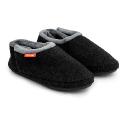
Slipping off your shoes the moment you step through the front door feels like second nature for most Australians. It seems harmless, even relaxing, after a long day spent in restrictive work shoes or boots. Yet this small daily habit could be doing more harm than you realise, particularly if you spend hours standing, cooking or moving around the house on hard flooring without any support underfoot.
Hard surfaces like tiles and floorboards offer zero cushioning or support, forcing your feet to absorb every bit of impact unassisted. Over time, this can contribute to fatigue, soreness and worsening foot conditions.
Wearing supportive footwear indoors addresses many of these issues directly. It cushions impact, supports natural alignment and reduces unnecessary strain during everyday movement around the house.
Supportive slippers add a layer of cushioning between your feet and hard flooring, softening the impact of everyday walking. This reduces the cumulative stress placed on your joints throughout a typical day at home.
Without this buffer, repeated impact can gradually contribute to soreness, particularly in the heels and balls of the feet. Slippers designed for pain relief at home specifically address this gap that bare feet leave unprotected.
Your feet rely on structural support to maintain proper alignment, something bare feet cannot replicate on flat, unforgiving surfaces. Without support, arches can flatten slightly under sustained pressure, leading to discomfort.
Supportive indoor footwear helps maintain that structure, reducing strain on the plantar fascia and surrounding tissue. This is particularly important for people already managing arch pain, flat feet or plantar fasciitis symptoms at home.
Standing or walking barefoot for long periods can sometimes contribute to poor circulation, particularly for people who are already on their feet for much of the day. Supportive footwear can help ease this cumulative pressure.
Slippers with contoured footbeds encourage more even weight distribution, which may help reduce localised pressure points. This small adjustment can make a noticeable difference for people prone to swelling or general foot fatigue, especially later in the evening.
For people managing diabetes, arthritis or previous foot injuries, walking barefoot carries added risks beyond general discomfort. Reduced sensation or joint sensitivity can make injuries harder to notice until they become more serious.
Supportive slippers designed for pain relief at home offer a protective barrier along with structural support. This combination helps reduce risk while still allowing comfortable, natural movement throughout the home environment, even during longer periods indoors.
Small changes, like wearing supportive slippers consistently rather than only occasionally, tend to produce the most noticeable results. Consistency allows your feet to benefit from support throughout the entire day, not just parts of it.
Pairing supportive footwear with occasional stretching or foot exercises can further improve comfort. Together, these habits create a more sustainable approach to managing everyday foot health at home, particularly for those managing ongoing discomfort.
Not all slippers offer real support, so it pays to look beyond soft, plush exteriors when shopping. A genuinely supportive slipper should feel structured through the arch, not just cushioned around the edges.
Checking for a contoured footbed, secure fit and durable sole can help you avoid slippers that look supportive but offer little real benefit. These details matter far more than appearance when comfort and long-term support are the priority.
Introducing supportive slippers doesn't require an overhaul of your daily routine, just a simple substitution for bare feet or unsupportive footwear. Keeping a pair near the front door makes the habit easy to maintain consistently.
Going barefoot at home might feel natural, but it can quietly contribute to foot pain, poor alignment and unnecessary strain over time. Choosing supportive slippers instead offers cushioning, structure and protection that bare feet simply cannot provide on hard flooring. Brands such as Axign Medical Footwear design orthotic slippers with these needs in mind, offering an alternative for people seeking genuine comfort and support while relaxing at home.
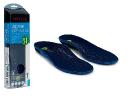
If you’re struggling with foot pain, sore arches, or heel discomfort from conditions like flat feet or plantar fasciitis, you’re not alone. Millions deal with these issues daily—and the solution could be as simple as finding the best arch support orthotics for your needs.
Arch problems often stem from poor foot alignment. Flat feet cause your arches to collapse, leading to overpronation and stress on the plantar fascia—the ligament connecting your heel to your toes. This often results in stabbing heel pain, especially in the morning. That’s where the best arch support orthotics come in. These inserts are designed to lift your arches, support proper alignment, and reduce strain on your feet, ankles, and even knees and hips.
The best arch support orthotics offer:
Firm, structured arch support (not just soft padding)
Deep heel cups for stability and motion control
Shock-absorbing materials to reduce impact
A contoured shape to match your foot anatomy
Breathable, durable materials for daily wear
Wearing the best arch support orthotics can dramatically improve your quality of life. Whether you're walking, working, exercising, or simply standing for long hours, good arch support helps prevent fatigue and long-term joint issues.
If you're experiencing foot discomfort, don’t ignore it. A quality pair of orthotics could be the upgrade your feet have been waiting for. Your arches may be out of sight—but they should never be out of mind.