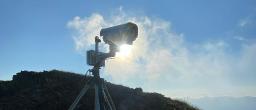
Landslides are a growing concern for industries, transportation systems, construction projects, and public infrastructure around the world. Unstable terrain caused by heavy rainfall, earthquakes, mining activities, excavation work, and soil erosion can lead to sudden slope failures that threaten human safety and damage critical infrastructure. Roads, railways, tunnels, dams, bridges, and industrial facilities located in mountainous or unstable regions are especially vulnerable to landslide-related risks.
To improve disaster prevention and infrastructure resilience, industries are increasingly adopting remote landslide monitoring with industrial devices as a reliable solution for continuous terrain observation and real-time hazard detection.
Modern monitoring systems combine industrial sensors, IoT technology, cloud-based monitoring platforms, and artificial intelligence to detect terrain instability early and provide automated alerts before disasters occur.
What Is Remote Landslide Monitoring?
Remote landslide monitoring is the process of using industrial devices and connected digital technologies to monitor slope stability and terrain movement remotely. Sensors installed in landslide-prone areas continuously collect environmental and geotechnical data related to ground displacement, soil conditions, rainfall intensity, and underground water pressure.
The collected information is transmitted to cloud-based platforms where engineers and safety teams can analyze terrain behavior in real time and identify potential hazards before major failures occur.
These monitoring systems are designed to improve infrastructure safety, support disaster preparedness, and reduce operational risks.
Why Landslide Monitoring Matters
Infrastructure located in high-risk environments often faces constant environmental stress and terrain instability. Small movements in the ground may not always be visible during manual inspections, making continuous monitoring essential for early hazard detection.
Without advanced monitoring systems, landslides can lead to:
- Road and railway damage
- Tunnel and bridge failures
- Industrial shutdowns
- Environmental destruction
- Worker injuries
- Expensive recovery costs
Real-time monitoring systems help organizations improve safety and minimize the impact of environmental disasters.
Industrial Devices Used in Landslide Monitoring
Tilt Sensors and Inclinometers
Tilt sensors measure changes in slope angles and help identify terrain movement that may indicate instability.
GPS and GNSS Monitoring Systems
High-precision GPS devices track land displacement with millimeter-level accuracy and help engineers monitor terrain deformation over time.
Seismic and Ground Vibration Sensors
Ground vibration monitoring systems detect underground movement and seismic activity caused by earthquakes, excavation work, or unstable soil conditions.
Weather and Rainfall Monitoring Equipment
Industrial weather stations collect rainfall, humidity, atmospheric pressure, and temperature data to evaluate environmental conditions related to landslide risks.
Soil Moisture and Water Pressure Sensors
Excess underground water saturation weakens soil stability. These sensors help monitor underground water pressure and soil moisture levels.
Industrial Surveillance Cameras
Remote monitoring cameras provide live visual observation of slopes and nearby infrastructure. AI-powered image analysis can automatically identify cracks, erosion, and abnormal terrain movement.
Real-Time Monitoring and Early Warning Systems
One of the biggest advantages of remote landslide monitoring with industrial devices is real-time monitoring capability. Industrial sensors continuously transmit data to cloud-based platforms where terrain conditions are analyzed automatically.
If dangerous terrain movement or environmental changes are detected, automated warning systems immediately send alerts through:
- SMS notifications
- Email alerts
- Mobile applications
- Monitoring dashboards
- Emergency response systems
These early warning systems allow organizations to take preventive action before landslides occur.
IoT and Cloud-Based Monitoring Technology
Industrial IoT technology has transformed landslide monitoring systems by connecting sensors, communication devices, and cloud platforms into centralized monitoring networks.
Cloud-based systems provide:
- Live monitoring dashboards
- Automated notifications and alerts
- Historical trend analysis
- Remote diagnostics
- Centralized infrastructure management
Organizations can remotely monitor multiple high-risk locations efficiently from anywhere in the world.
Artificial Intelligence and Predictive Analytics
Artificial intelligence is improving the effectiveness of modern landslide monitoring systems. AI-powered analytics can process large amounts of terrain and environmental data to identify unusual movement patterns and predict possible slope failures before they happen.
Machine learning algorithms analyze:
- Historical landslide activity
- Terrain movement trends
- Rainfall patterns
- Ground vibration behavior
- Sensor anomalies
Predictive monitoring helps organizations strengthen disaster prevention strategies and improve operational safety.
Benefits of Remote Landslide Monitoring with Industrial Devices
Continuous 24/7 Monitoring
Industrial monitoring systems provide uninterrupted terrain observation in remote and hazardous environments.
Early Hazard Detection
Real-time alerts help organizations identify risks before major landslides occur.
Improved Infrastructure Protection
Monitoring systems help protect roads, railways, tunnels, bridges, dams, and industrial facilities from landslide-related damage.
Better Worker Safety
Remote monitoring reduces the need for workers to inspect unstable terrain manually.
Reduced Operational Costs
Early hazard detection minimizes repair expenses, downtime, and disaster recovery costs.
Improved Emergency Preparedness
Automated warning systems improve emergency response coordination and disaster management planning.
Industries Using Landslide Monitoring Technology
Remote landslide monitoring systems are widely used across multiple industries, including:
- Mining and quarry operations
- Transportation infrastructure
- Construction and excavation projects
- Hydropower and dam facilities
- Oil and gas industries
- Environmental monitoring projects
- Smart city infrastructure
These industries rely on advanced monitoring systems to improve operational continuity and infrastructure resilience.
Future Trends in Landslide Monitoring
The future of remote landslide monitoring with industrial devices will continue advancing through technologies such as:
- AI-driven hazard prediction systems
- Autonomous wireless sensor networks
- Satellite-integrated terrain monitoring
- Faster communication technologies
- Advanced cloud analytics platforms
These innovations will continue improving environmental safety and infrastructure protection worldwide.
Conclusion
Remote landslide monitoring with industrial devices is transforming modern infrastructure protection and disaster prevention. By combining industrial-grade sensors, IoT connectivity, cloud technology, and AI-powered analytics, organizations can continuously monitor unstable terrain, detect hazards early, and take preventive action before disasters occur.
As industries continue investing in smarter and safer infrastructure systems, advanced landslide monitoring technology will play an increasingly important role in protecting lives, infrastructure, and industrial operations from landslide-related threats.