


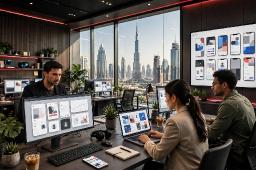
Video post-production has developed through improvements in editing software, computer-generated imagery, compositing, and digital workflows. Artificial intelligence is introducing additional tools that can support several stages of this process. Businesses researching vfx studios in dubai can benefit from understanding how traditional visual effects and AI-assisted production work together.
VFX artists create and modify visual elements to improve the appearance of filmed content. AI tools can support selected tasks such as rotoscoping, background preparation, concept exploration, visual generation, and content adaptation.
These technologies do not automatically replace creative professionals. Human direction remains necessary to understand the brief, select suitable techniques, review generated material, and maintain visual consistency.
The most useful approach is to choose technology according to the project's actual requirements.
Artificial intelligence can assist with tasks that involve analysing images, identifying objects, and processing visual information.
For example, some tools can help separate a subject from its background. This may support rotoscoping and compositing workflows. Other tools can assist with removing unwanted elements or preparing visual references.
AI-assisted image generation can also help creative teams explore environments, colours, and visual concepts during early planning. These references may support discussions before the final production design is approved.
However, generated results can contain errors. Objects may have inconsistent shapes, textures may change between frames, and details may not remain stable throughout a sequence.
For this reason, generated material needs careful inspection and correction before it becomes part of a professional video.
Traditional VFX and AI tools can complement each other. A production team may use AI to explore concepts and prepare initial visual references, then use established compositing and animation methods to complete the sequence.
For example, an advertising campaign may begin with AI-assisted environment concepts. Artists can then create approved digital assets and integrate them with filmed footage.
A green screen sequence may use automated subject separation as a starting point, followed by manual edge correction, lighting adjustments, and compositing.
AI-assisted clean-up can also support certain repetitive tasks, but the final result must be reviewed to ensure that important image details have not been damaged.
A hybrid workflow provides flexibility while keeping the final creative decisions with experienced professionals.
AI tools can help editors organise and prepare large amounts of video material. Depending on the software, features may include speech transcription, subtitle generation, scene identification, audio clean-up, and translation support.
These capabilities can make some editing tasks more efficient. For example, automatically generated transcripts can help editors locate specific statements in a long interview.
Businesses producing content for different audiences may also use AI-assisted localisation. A video can be adapted into multiple languages using translated scripts and suitable voice technologies.
However, automatic translations may not capture every cultural reference or technical meaning correctly. Human review is necessary to maintain accuracy and natural communication.
The same principle applies to subtitles, voice-overs, and digital presenters. Technology can support production, but the content must still meet the audience's expectations.
AI-generated material needs careful quality control before publication. Teams should check image consistency, movement, facial details, product accuracy, and visual continuity.
Brand guidelines should also remain consistent. Logos, colours, typography, and product specifications should match approved materials.
Rights and permissions are equally important. Businesses should check the usage conditions of AI tools and source assets. Consent should be obtained before creating identifiable digital replicas or imitating someone's voice.
Sensitive business information should not be uploaded to third-party systems without appropriate approval and security checks.
A responsible production process includes human review, clear approval stages, and documentation of the tools and assets used when necessary.
The best workflow depends on the type of content being produced. A simple corporate video may require editing, colour grading, and light visual clean-up. A product commercial may need detailed CGI and compositing. A multilingual campaign may benefit from AI-assisted localisation and digital presenters.
Before selecting a workflow, businesses should define the audience, message, visual style, budget, and delivery deadline.
Production teams can then identify which tasks should be handled through traditional methods and where AI assistance may provide practical value.
Testing a small section before committing to a complete production can reveal technical limitations and help estimate the required effort.
Regular reviews also help ensure that efficiency does not come at the expense of accuracy or creative quality.
Artificial intelligence is adding new possibilities to video post-production through assisted editing, visual development, image processing, and content localisation. When combined with traditional VFX, these tools can support flexible production workflows and creative experimentation.
Businesses exploring ai video production dubai can consider AI-assisted visuals, digital presenters, and multilingual content development. Professional ai video production dubai should always include human creative direction, factual checks, appropriate permissions, and final quality control. This balance allows businesses to use modern technology while maintaining trust and consistency in their video communication.
AI can assist with tasks such as transcription, background separation, visual clean-up, concept development, subtitle creation, and content localisation.
AI can support selected tasks, but professional artists remain important for creative direction, detailed compositing, technical corrections, and quality control.
It combines traditional visual effects techniques with AI-assisted tools to complete different stages of a video project.
Human review helps identify visual errors, incorrect information, inconsistent branding, and problems with rights or permissions.
| No comments yet. Be the first. |
