


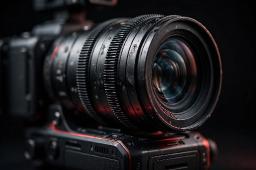
Business events often involve months of preparation, coordination, and investment. Conferences, exhibitions, product launches, award ceremonies, and corporate celebrations bring people together around important objectives. Professional video production dubai services can document these occasions and turn important moments into content that remains useful after the event has ended.
Event coverage is not simply about recording everything that happens. The production team needs to understand the purpose of the occasion and identify the moments that best communicate its value.
A conference may need speaker highlights and audience reactions. A product launch may require demonstrations, brand presentations, and interviews. A corporate celebration may focus on employees, achievements, and shared experiences.
Before filming, organisers should identify what the final video needs to communicate. The objective may be to document the occasion, promote future events, share business achievements, or provide material for sponsors and partners.
A clear brief should include the event schedule, important speakers, key activities, filming locations, audience details, and expected deliverables. It should also identify moments that cannot be repeated, such as opening ceremonies, special announcements, and award presentations.
Discuss the final audience. An internal event recap may require different footage from a public promotional film. Understanding this distinction helps the crew prioritise the right scenes.
Organisers should also confirm permissions, access requirements, and any restrictions on filming guests or confidential presentations.
Strong event coverage combines planned shots with natural moments. Wide shots can establish the location and show audience size, while close-ups capture speakers, demonstrations, products, and reactions.
Interviews can add context to the footage. Organisers may explain the purpose of the event, speakers can share important insights, and attendees can discuss their experiences. Questions should be short and relevant so that answers remain useful in the final edit.
Audio quality is particularly important during conferences and presentations. Coordinate with event technicians to obtain suitable sound feeds where possible. Backup audio recording can help protect important speeches.
A shot list should guide the crew without preventing them from responding to unexpected moments. Good event coverage requires preparation and awareness.
One event can produce several types of content. A main highlight film can summarise the occasion, while short clips can feature speakers, demonstrations, audience reactions, and key announcements.
Vertical edits may suit mobile social feeds. Longer recordings can support educational or internal communication, while short promotional clips can encourage registrations for future events.
Plan these deliverables before the event begins. This allows the crew to capture suitable framing, interviews, and supporting footage. It also reduces the need for additional filming.
The production brief should list the expected formats, durations, subtitles, deadlines, and approval responsibilities. Clear requirements make post-production easier to manage.
Event footage should be organised into a publishing plan. The first announcement may introduce the event, live updates can share selected moments, and the final recap can highlight achievements after the occasion.
A practical social media marketing strategy helps organisers decide which content belongs on each platform and when it should be published. Professional networks may suit speaker insights, while visual platforms can highlight atmosphere and short moments.
Review performance using relevant measurements. Video views, watch time, shares, registration visits, and enquiries can provide useful information. Compare results with the event's original objectives rather than judging success through one number.
Always check speaker names, company titles, sponsor details, and event information before publishing.
Event videos allow businesses to preserve important occasions and communicate their value to people who attended or could not participate. Their usefulness increases when production is planned around key moments, audience needs, and clear deliverables. Good filming, clean audio, thoughtful editing, and accurate information help create content that remains relevant beyond the event day.
A structured social media marketing strategy can help businesses distribute event highlights, speaker clips, and promotional material through suitable channels. Planning publication alongside production creates more opportunities to share the event's message and encourage future participation.
Professional crews understand camera positioning, sound recording, lighting, scheduling, and important event moments. Their preparation helps produce organised footage suitable for different communication needs.
It may include venue shots, speakers, audience reactions, demonstrations, important announcements, and selected interviews. The final selection should reflect the event's purpose.
Yes. A single event can provide material for a highlight film, speaker clips, short social videos, interviews, and internal recordings.
The delivery schedule depends on the event size, editing requirements, approvals, and number of versions. Businesses should agree on deadlines before filming.
Highlights, testimonials, speaker moments, and audience experiences can show potential attendees what a future event may offer. Accurate dates and registration details should accompany promotional content.
| No comments yet. Be the first. |
