



Woodworking Tools include saws, drills, chisels, planes, sanders, routers, and other equipment designed for different woodworking applications. Each tool serves a specific purpose and contributes to efficient material handling.
The global Woodworking Tools Market was valued at US$ 24.77 billion in 2025 and is projected to reach US$ 35.16 billion by 2034, registering a CAGR of 3.97% during 2026–2034. The market is expanding as professional woodworkers, furniture manufacturers, construction companies, contractors, and DIY users increase investment in tools that improve cutting precision, productivity, finishing quality, and operational efficiency. Growth is supported by furniture production, residential and commercial construction, renovation activity, woodworking automation, and demand for durable and ergonomically designed tools.
What is driving the market?
Growth in furniture manufacturing, construction, remodeling, and interior applications is a major driver of the woodworking tools market. Manufacturers and professional users increasingly require tools that deliver accurate cutting, drilling, shaping, sanding, routing, and finishing while reducing production time and material waste. Rising demand for customized furniture and specialized wood products is also encouraging workshops to expand their range of professional-grade equipment.
The market is also shifting toward cordless and power-assisted tools. Battery-powered saws, drills, sanders, routers, and other equipment provide greater mobility and reduce dependence on fixed electrical connections. Improvements in battery technology, brushless motors, electronic controls, and tool ergonomics are supporting adoption across professional and DIY applications. However, high costs for advanced equipment, maintenance requirements, and competition from lower-cost products remain important market constraints.
Get a PDF Sample- https://www.theinsightpartners.com/sample/TIPRE00027297
Which region leads?
North America represents a significant market for woodworking tools, supported by established furniture manufacturing, residential construction, renovation, professional contracting, and a large DIY user base. The region benefits from the presence of established tool manufacturers and distributors, as well as strong demand for cordless and high-performance power tools.
Europe also holds an important position, supported by its furniture manufacturing industry, precision woodworking capabilities, construction activity, and established woodworking equipment ecosystem. Germany and other European manufacturing centers contribute to demand for precision machinery and professional woodworking tools.
Asia Pacific is an important growth market as furniture production, construction, urbanization, and manufacturing activity continue to expand. China, India, Japan, and other regional economies provide opportunities for tool manufacturers through growing industrial woodworking and expanding residential and commercial construction. Increasing workshop modernization and adoption of power tools are further supporting regional demand.
Which segment leads?
By Product Type
By Application
Which companies are prominent?
These companies compete across power tools, hand tools, cutting equipment, sanding and finishing solutions, precision woodworking equipment, and professional workshop systems. Competitive differentiation increasingly depends on cutting accuracy, motor performance, battery technology, durability, ergonomics, safety features, product reliability, and integration across broader tool platforms. The identified companies represent the competitive landscape rather than a revenue-ranked market-share table.
What are the major investment opportunities?
Major opportunities exist in cordless woodworking tools, advanced cutting systems, ergonomic equipment, battery platforms, precision tools, and workshop modernization. Continued development of high-performance batteries and brushless motor technology can support new generations of portable saws, drills, sanders, routers, and other woodworking equipment.
Furniture manufacturing and customized woodworking provide additional opportunities as producers seek flexible equipment capable of handling diverse designs and smaller production batches. Demand for precision tools is particularly relevant where manufacturers need consistent dimensions, smooth finishes, and reduced material losses.
Asia Pacific offers considerable expansion potential because of its manufacturing base, growing furniture production, construction activity, and workshop modernization. North America and Europe provide opportunities linked to renovation, professional contracting, replacement demand, and adoption of advanced cordless tools. Investors and manufacturers should focus on solutions that combine performance, durability, safety, energy efficiency, and competitive ownership costs.
Related Reports-
About The Insight Partners
The Insight Partners is a leading market research and consulting firm delivering actionable insights through in-depth industry analysis and strategic intelligence. The firm supports clients across various industries in making informed business decisions by providing comprehensive market forecasts, competitive assessments, and growth opportunities.
Contact Us:
If you have any queries about this report or if you would like further information, please contact us:
Contact Person: Ankit Mathur
E-mail: sales@theinsightpartners.com
Phone: +1-646-491-9876
Marine Mining involves the exploration and extraction of mineral resources from the seabed, ocean floor, and other underwater environments. It focuses on accessing valuable deposits that are difficult to obtain through conventional land-based mining.
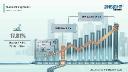
The Marine Mining Market is projected to increase from US$ 945.6 million in 2025 to US$ 4,133.58 million by 2034, registering a CAGR of 17.81% during 2026–2034. The market is gaining momentum as demand for critical minerals, technological advancements in deep-sea exploration, and growing interest in alternative mineral resources encourage investment in offshore resource development. Marine mining involves the exploration and extraction of mineral deposits from seabeds, including polymetallic nodules, seafloor massive sulfides, and cobalt-rich crusts.
What is driving the market?
Rising demand for critical minerals used in batteries, renewable energy systems, electronics, and advanced industrial applications is a major driver of the marine mining market. Minerals such as nickel, cobalt, copper, and manganese are important inputs for various clean-energy and technology supply chains, increasing interest in alternative sources of mineral resources.
Growing pressure to diversify mineral supply chains is also encouraging governments, mining companies, technology providers, and research organizations to investigate seabed resources. Marine mining can potentially provide access to mineral deposits located in areas where terrestrial resources face increasing development, environmental, or supply constraints.
Technological progress is further supporting market development. Improvements in remotely operated vehicles, autonomous underwater systems, seabed mapping, drilling technologies, subsea equipment, mineral collection systems, and offshore processing capabilities are improving the ability to identify and assess deposits in challenging marine environments.
Get a PDF Sample- https://www.theinsightpartners.com/sample/TIPRE00020884
Which region leads?
Asia Pacific represents a significant region for marine mining development due to its strong maritime industries, mineral demand, shipbuilding capabilities, offshore engineering expertise, and growing interest in securing critical mineral supplies. Countries across the region are investing in marine research, subsea technologies, and offshore resource exploration.
North America is also an important market, supported by technological capabilities, interest in critical-mineral supply-chain diversification, and research into deep-sea mineral resources. The region's established offshore engineering and marine technology ecosystem provides a foundation for developing advanced exploration and mining systems.
Europe continues to contribute through marine science, subsea engineering, environmental research, and regulatory development. European companies and research institutions are involved in technologies for seabed exploration, mineral assessment, underwater robotics, and responsible marine-resource development.
Which companies are prominent?
The Marine Mining Market includes companies and organizations developing exploration technologies, subsea equipment, mineral-resource projects, offshore engineering capabilities, and marine mining solutions. Prominent participants identified in the competitive landscape include:
These companies participate across different areas of the marine mining value chain, including seabed exploration, underwater robotics, mining equipment, offshore engineering, mineral-resource development, and project management. Competitive differentiation increasingly depends on subsea technology, operational reliability, environmental monitoring, mineral-processing capabilities, and the ability to develop commercially viable projects.
What is changing in 2026?
The marine mining industry is increasingly focused on moving from exploration and technology development toward more detailed resource assessment, environmental baseline studies, engineering validation, and regulatory preparedness. Companies are investing in advanced underwater vehicles, seabed mapping, sampling systems, remote monitoring, and automated equipment to improve knowledge of mineral deposits and operating conditions.
Environmental considerations are becoming an increasingly important component of marine mining development. Project developers are evaluating potential impacts on deep-sea ecosystems, sediment disturbance, biodiversity, water quality, and marine habitats. Environmental data collection and monitoring are therefore becoming closely integrated with exploration and engineering programs.
Regulatory development is also influencing investment decisions. Companies must consider applicable international and national requirements governing seabed exploration, mineral recovery, environmental management, and offshore operations. The evolving regulatory environment creates both challenges and opportunities for companies developing technologies designed to support transparent monitoring and responsible marine-resource management.
What are the major investment opportunities?
Major investment opportunities exist in deep-sea exploration technologies, remotely operated vehicles, autonomous underwater systems, seabed mapping, mineral sampling, subsea collection equipment, and environmental monitoring solutions. Technology providers capable of operating reliably at significant depths can benefit from increasing demand for specialized marine equipment.
Another opportunity lies in mineral-processing and offshore logistics. Efficient collection, transportation, separation, and processing technologies could become increasingly important as marine mining projects progress toward commercial development. Investments in supporting infrastructure and specialized vessels may also create opportunities across the broader marine mining value chain.
Related Reports-
Mining Waste Management Market
About The Insight Partners
The Insight Partners is a leading market research and consulting firm delivering actionable insights through in-depth industry analysis and strategic intelligence. The firm supports clients across various industries in making informed business decisions by providing comprehensive market forecasts, competitive assessments, and growth opportunities.
Contact Us:
If you have any queries about this report or if you would like further information, please contact us:
Contact Person: Ankit Mathur
E-mail: sales@theinsightpartners.com
Phone: +1-646-491-9876
Advancements in sensors, motors, connectivity, and automation are expanding the capabilities of residential solar shading systems. These technologies are making shading more responsive, convenient, and adaptable.
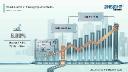
The Residential Solar Shading Systems Market was valued at US$ 16.89 Billion in 2025 and is projected to reach US$ 30.75 Billion by 2034, registering a CAGR of 6.89% during 2026–2034. The market is expanding as homeowners, residential developers, and architects adopt shade technologies to minimize heat gain, lower cooling energy consumption, and increase thermal comfort. Growth is supported by stringent building energy standards, home automation integration, retrofitting trends, and retrofits aimed at improving building aesthetics.
What is driving the market?
Rising residential energy expenses, growing awareness of building thermal efficiency, and the adoption of smart home technology are the primary market drivers. Homeowners are increasingly turning to interior and exterior shading systems to manage solar heat gain and natural lighting, directly reducing reliance on artificial HVAC cooling. Furthermore, environmental regulatory updates and energy efficiency incentives encourage residential integration. The shift extends past manual blinds and awnings toward automated and IoT-integrated dynamic systems. Suppliers are focusing on motorization, solar-powered controls, home automation compatibility, and high-performance technical fabrics. High upfront installation costs and complex retrofitting requirements for older structures remain notable restraints.
Get a PDF Sample- https://www.theinsightpartners.com/sample/TIPRE00023233
Which region leads?
Europe leads the market, driven by strict green building directives, severe solar protection codes, and high adoption of automated exterior shading solutions across residential properties. North America holds a substantial share, propelled by retrofit investments, demand for smart motorized blinds, and growing adoption of outdoor living solutions. The Asia Pacific region represents a rapidly expanding market due to urbanization, expanding residential construction, and rising awareness of building energy management.
Which companies are prominent?
The report identifies Hunter Douglas, Lutron Electronics Co., Inc., Kawneer Company, Inc., WAREMA Renkhoff SE, Draper, Inc., EFCO Corporation, Skyco Shading Systems, Inc., Insolroll Window Shading Systems, Duco Ventilation and Sun Control, and Altex as prominent market participants.
These companies compete across custom architectural shading, automated motorized shades, interior/exterior window coverings, and energy-efficient textile systems. Strategic differentiation depends on smart home compatibility, fabric performance, architectural design, motorization technology, and distribution reach. The list reflects the competitive landscape rather than a revenue-ranked market-share table.
What is changing in 2026?
The market is shifting from standalone manual window coverings toward connected, climate-responsive residential shading. Shading specifications increasingly prioritize smart sensors (wind, sun, and temperature), voice assistant compatibility, automated schedule programming, and energy-harvesting motorized drives. Regulatory updates focusing on residential energy efficiency and net-zero building standards continue to drive baseline design requirements. Manufacturers are accelerating the deployment of smart-home compatible hubs, quiet motor units, high-performance recycled shading fabrics, and sleek architectural structural frames. Purchasing decisions are closely linked to ease of automation, thermal efficiency ratings, and long-term durability.
What are the major investment opportunities?
The strongest opportunities lie in smart motorization, automated climate-control integration, high-performance solar fabrics, and exterior shading retrofits. Investments in low-power wireless communication protocols, integrated solar-powered actuators, and automated sensor systems offer strong growth potential. Additional opportunities exist in sustainable and recycled textile development, eco-friendly powder coatings, and lightweight aluminum extrusions. Strategic partnerships between shading manufacturers, home automation platforms, and residential homebuilders can create long-term pipeline opportunities. Expanding residential construction across high-solar-irradiance regions presents prime geographical expansion targets.
About The Insight Partners
The Insight Partners is a leading market research and consulting firm delivering actionable insights through in-depth industry analysis and strategic intelligence. The firm supports clients across various industries in making informed business decisions by providing comprehensive market forecasts, competitive assessments, and growth opportunities.
Contact Us:
If you have any queries about this report or if you would like further information, please contact us:
Contact Person: Ankit Mathur
E-mail: sales@theinsightpartners.com
Phone: +1-646-491-9876
Modern utility boilers often operate at supercritical or ultra-supercritical pressures. Operating above the thermodynamic critical point eliminates a distinct phase change between liquid and steam, significantly boosting thermal efficiency and reducing overall carbon emissions.
The Utility Boiler Market was valued at US$ 47.85 billion in 2025 and is expected to reach US$ 80.59 billion by 2034, registering a CAGR of 5.96% during the forecast period 2026–2034. The market is expanding as power utilities, independent power producers (IPPs), and heavy industrial users modernize generation infrastructure to balance rising global electricity demand with stringent emission constraints. Growth is driven by the expansion of ultra-supercritical power capacity, retrofits aimed at improving thermal efficiency, flexible generation requirements to complement renewable integration, and strategic investments in high-capacity boiler systems.
What is driving the market?
Rising base-load power requirements, industrial electrification, and the transition toward lower-emission steam generation technologies serve as the core drivers for the global utility boiler market. Energy providers are increasingly replacing legacy subcritical units with supercritical and ultra-supercritical boilers designed to reduce fuel consumption and decrease carbon intensity per megawatt-hour generated.
The transition requires utility boilers to handle higher operational pressures and temperatures while accommodating fluctuating loads caused by variable renewable energy sources. Boiler manufacturers are investing in advanced creep-resistant alloys, low-NOx combustion systems, multi-fuel capabilities, and digital monitoring solutions for predictive maintenance. Regulatory pressure regarding air pollutant emissions, combined with the high cost of unplanned outages, continues to drive investment toward boiler upgrades, pressure part replacements, and comprehensive life-extension retrofits.
Get a PDF Sample- https://www.theinsightpartners.com/sample/TIPRE00027572
Which region leads?
Asia Pacific leads the utility boiler market, accounting for an estimated 38%–42% share in 2025, and remains the fastest-growing regional segment with a projected CAGR of 6.2%–6.8%. Growth is driven by rapid urbanization, massive industrial production, expanding electrification efforts, and major grid infrastructure expansion programs across the region. China and India represent key demand hubs due to ongoing additions of high-capacity supercritical power plants and modernization initiatives for existing thermal fleets.
North America holds an estimated 24%–28% share, supported by boiler control retrofits, fuel-switching projects (such as coal-to-gas conversions), and demand for high-efficiency industrial utility steam systems. Europe accounts for approximately 20%–24%, where the market focuses primarily on biomass co-firing, district heating utility systems, emissions compliance upgrades, and plant flexibility enhancements.
Which companies are prominent?
The report identifies Bharat Heavy Electricals Limited (BHEL), Thermax Limited, Babcock & Wilcox Enterprises, Inc., IHI Corporation, Mitsubishi Power, Ltd., General Electric Company, Larsen & Toubro Limited, Doosan Enerbility Co., Ltd., Siemens Energy AG, and John Wood Group PLC as prominent market participants.
These companies compete across supercritical pressure components, heavy fabrication, utility engineering, environmental control systems, and aftermarket lifecycle management. Strategic differentiation in the sector depends on metallurgy expertise, modular boiler engineering, flexible load capabilities, emissions-reduction technologies, and long-term service and maintenance agreements for installed fleets.
What is changing in 2026?
The market in 2026 is shifting focus from raw capacity addition toward grid-flexibility retrofits and digitalized thermal assets. Utility operators are configuring steam boilers for rapid ramp-up rates and lower minimum turndown loads to balance intermittent solar and wind input without causing thermal stress or equipment fatigue.
Strict regional emissions caps implemented across major industrial economies in 2026 are compelling operators to integrate advanced SCR (Selective Catalytic Reduction) systems, FGD (Flue Gas Desulfurization), and digital combustion optimization platforms. Procurement decisions are increasingly evaluated on total cost of ownership, operational flexibility, heat rate performance, and availability of digital twin monitoring packages.
What are the major investment opportunities?
The most lucrative investment opportunities exist in ultra-supercritical upgrades, flexible operation engineering, aftermarket service programs, and co-firing retrofits. Upgrading aging subcritical infrastructure to handle alternate fuels or higher operating parameters allows plant operators to extend plant lifetimes while reducing carbon footprints.
Additional opportunities lie in automated boiler control architectures, digital performance monitoring, pressure part replacement, and secondary heat recovery systems. The Asia Pacific and Southeast Asian energy markets present attractive capital expansion pathways due to ongoing utility scale-up, while North America and Europe offer stable opportunities in lifecycle extension, service contracts, and plant decarbonization technologies.
Related Reports-
About The Insight Partners
The Insight Partners is a leading market research and consulting firm delivering actionable insights through in-depth industry analysis and strategic intelligence. The firm supports clients across various industries in making informed business decisions by providing comprehensive market forecasts, competitive assessments, and growth opportunities.
Contact Us:
If you have any queries about this report or if you would like further information, please contact us:
Contact Person: Ankit Mathur
E-mail: sales@theinsightpartners.com
Phone: +1-646-491-9876
The rotavator functions through high-speed rotary action rather than drag-along resistance. As the tractor advances, the tiller's horizontal rotor spins, driving curved blades into the upper layer of soil to slice, lift, and mix the earth efficiently across varying soil types.
The global Rotavators Market was valued at US$ 2.74 Billion in 2025 and is projected to reach US$ 3.52 Billion by 2034, registering a Compound Annual Growth Rate (CAGR) of 2.80% during the forecast period of 2026–2034. The market is expanding as commercial farms, smallholder agriculturalists, custom hiring centers, and institutional holdings adopt rotary tillage equipment to streamline seedbed preparation, manage crop residues, and offset agricultural labor shortages. Growth is further reinforced by government farm-mechanization subsidies, credit access, and ongoing innovations in tractor-matched implements.
What is driving the market?
Rising agricultural mechanization, labor availability constraints, and the imperative for faster crop turnaround times serve as the principal growth drivers for the rotavator industry. Farmers are increasingly substituting manual labor and traditional plows with rotary tillers to achieve uniform soil aeration, optimal seedbed texture, and effective weed control in a single pass. The expansion of commercial farming, contract cultivation, and shared-equipment hiring models enables growers of all scales to access high-capacity tillage machinery.
Transitioning beyond basic soil tilling, the market is shifting toward integrated residue management and precision soil preparation. Manufacturers are developing multi-functional rotavators featuring advanced blade geometry, durable gearbox assemblies, variable speed controls, and combination seeding attachments. However, high initial purchase costs for heavy-duty models, fuel consumption considerations, component wear-and-tear (such as blade replacement expenses), and unsuitability for rocky or highly uneven terrains remain notable market constraints.
Get a PDF Sample- https://www.theinsightpartners.com/sample/TIPRE00015353
Which region leads?
Asia Pacific leads the global rotavators market, commanding an estimated share of 36%–40%, while also representing the fastest-growing regional sector. Growth is anchored by vast arable land holdings, high reliance on agriculture, rising farm mechanization rates, and strong government support through subsidies. China and India represent the largest individual opportunity pockets, where high crop intensity, small-to-medium land fragmentations, and expanding domestic equipment manufacturing fuel sustained demand for lightweight and medium-duty rotavators.
North America holds a substantial revenue share, driven by large-scale commercial farming, extensive tractor-mounted implement adoption, and high demand for heavy-duty, high-horsepower rotavators tailored for large acreage. Europe accounts for a steady market portion, supported by specialized horticultural applications, vineyards, orchards, and a growing emphasis on conservation tillage practices designed to reduce soil compaction and erosion.
Which companies are prominent?
The report identifies AGCO Corporation, Fieldking, SHRACHI Group, Deere & Company, Great Plains Manufacturing, Inc., Kubota Corporation, KUHN NORTH AMERICA, INC., Mahindra & Mahindra Limited, Maschio Gaspardo S.p.A., and Wecan Global Co., Ltd. as prominent market participants.
These key players compete across broad product portfolios ranging from mini/lightweight orchard rotavators to heavy-duty multi-speed rotary tillers. Strategic differentiation hinges on gearbox durability, blade wear resistance, power takeoff (PTO) drive efficiency, localized distribution networks, custom hiring partnerships, and competitive pricing structures tailored to regional farm economics.
What is changing in 2026?
In 2026, equipment design and procurement decisions are moving beyond basic mechanical durability toward smart implement integration, material efficiency, and specialized agronomic performance. Manufacturers are increasingly engineering rotavators with lightweight yet high-tensile alloy steel components to reduce tractor fuel usage without compromising structural strength.
Furthermore, 2026 marks an accelerated rollout of smart farming compatible implements. Rotavators equipped with sensors for depth monitoring, soil moisture tracking, and real-time load feedback are gaining traction among commercial farming operations and custom service providers seeking to optimize tractor fuel economy and prevent over-tillage. Custom hiring centers and machinery rental platforms are also reshaping purchasing patterns, boosting demand for heavy-duty, multi-speed models designed for continuous multi-farm use.
What are the major investment opportunities?
The strongest investment opportunities lie in advanced blade material metallurgy, multi-functional tillage implements, rental/custom hiring ecosystems, and emerging regional assembly hubs. Key avenues include:
Metallurgical Innovation: R&D in boron steel, tungsten carbide coatings, and heat-treated wear parts to extend blade lifespan and lower operational maintenance costs for farmers.
Hybrid & Combination Implements: Systems that combine rotary tilling with seeding, fertilizer application, or bed-forming in a single field operation to minimize soil compaction and field passes.
Custom Hiring & Rental Models: Investing in service platforms and equipment fleets targeting smallholder regions, enabling mechanization adoption without high upfront capital expenditure for individual growers.
Regional Manufacturing in Asia Pacific & Africa: Developing localized assembly and supply chains in expanding agricultural markets to deliver cost-competitive, locally adapted implements while capturing rising government subsidy support.
Investors and equipment manufacturers should focus on developing scalable, fuel-efficient rotary tillage solutions that balance mechanical robustness, local soil adaptability, affordable replacement parts, and alignment with regional farm subsidies.
About The Insight Partners
The Insight Partners is a leading market research and consulting firm delivering actionable insights through in-depth industry analysis and strategic intelligence. The firm supports clients across various industries in making informed business decisions by providing comprehensive market forecasts, competitive assessments, and growth opportunities.
Contact Us:
If you have any queries about this report or if you would like further information, please contact us:
Contact Person: Ankit Mathur
E-mail: sales@theinsightpartners.com
Phone: +1-646-491-9876
The Rubber Internal Mixer Machine Market was valued at US$ 505.17 Million in 2025 and is projected to reach US$ 638.00 Million by 2034, registering a CAGR of 2.63% during 2026–2034. The market is expanding as tire manufacturers, technical rubber compounders, automotive component suppliers, and industrial rubber goods producers adopt modern compounding equipment designed to enhance dispersion quality, reduce batch cycle times, and lower energy consumption per kilogram. Growth is supported by vehicle production growth, demand for specialized rubber compounds, modernizations of legacy mixing lines, and investments in automated ingredient feeding and process control systems.
What is driving the market?
Automotive tire demand, strict compound consistency requirements, energy efficiency goals, and smart manufacturing adoption are the principal growth drivers. Rubber product manufacturers are increasingly required to ensure uniform dispersion of carbon black, silica, and specialty fillers while tightly controlling compounding temperatures. Automobile OEMs, industrial equipment builders, and consumer goods brands seek high-performance rubber compounds that offer higher tear resistance, dynamic durability, and optimized rolling resistance without compromising manufacturing throughput.
The transition is moving beyond simple machinery replacement toward intelligent, energy-efficient mixing platforms. Suppliers are investing in intermeshing and tangential rotor geometries, advanced variable-speed drives, optimized hydraulic dust seals, and integrated variable-clearance control systems. Capital expenditure constraints, high installed-base maintenance costs, long equipment lifecycles, and raw material cost volatility remain important constraints.
Get a PDF Sample- https://www.theinsightpartners.com/sample/TIPRE00010631
Which region leads?
Asia Pacific leads the market, driven by extensive tire manufacturing hubs, rapid industrialization, automotive production expansion, and ongoing investments in rubber processing capacity across China, India, Japan, and Southeast Asia. Growth in the region is supported by growing domestic vehicle ownership, expanding tire export capacity, and modernizing industrial rubber production plants.
Europe holds a significant share, supported by high demand for premium tires, technical rubber products, strict workplace safety regulations, and environmental compliance standards. North America represents a mature yet steady market share, with demand driven by retrofit and modernization programs, automated batch management, condition monitoring integration, and localized automotive supply chain investments.
Which segment leads?
Tangential Rotor Mixers lead the market by design type, favored for high-volume compounding, high-speed discharge, and versatile handling of diverse formulation recipes. However, Intermeshing Rotor Mixers represent a high-growth design segment, valued for superior temperature control, enhanced filler dispersion, and precise processing of sensitive rubber formulations like silica-filled tire treads.
By end-use industry, Tire Manufacturing leads the market revenue share, reflecting massive production volumes of passenger car, commercial vehicle, agricultural, and off-the-road (OTR) tires. Non-Tire Automotive Rubber Parts and Industrial Rubber Goods are identified as steady growth end-use segments, driven by demand for custom-engineered anti-vibration mounts, seals, hoses, belting, and footwear compounds.
Which companies are prominent?
The report identifies Bosch Rexroth AG, Comerio Ercole S.p.A., Dalian Second Rubber and Plastic Machinery Co., Ltd., French Oil Mill Machinery Co., HF Mixing Group, Kobe Steel, Ltd., Mitsubishi Heavy Industries Machinery Systems, Ltd., and Pelmar Group Ltd. as prominent market participants.
These companies compete across heavy machinery design, rotor technology innovation, hydraulic and drive engineering, mixing line automation, plant refurbishment, and aftermarket services. Strategic differentiation increasingly depends on rotor profile development, energy-efficient drive technology, wear-resistant chamber coatings, closed-loop batch control integration, and global field service capabilities. The list reflects the report's competitive landscape rather than a revenue-ranked market-share table.What is changing in 2026?
The market is shifting from standalone machinery sales toward fully integrated, digitalized, and energy-monitored compounding systems. Mixing specifications increasingly prioritize total cost of ownership (TCO), real-time rheology and temperature tracking, predictive maintenance diagnostics, and seamless integration with manufacturing execution systems (MES). Environmental regulations taking broader effect in 2026 are pushing operators to reduce energy consumption per batch and lower dust emissions during raw material feeding.
Machinery manufacturers are accelerating automated hydraulic ram pressure controls, advanced dust sealing systems, variable-speed motor drives, and smart energy-logging software. Procurement decisions are increasingly tied to verifiable uptime metrics, energy-efficiency ratings, and retrofitting flexibility rather than machine capacity alone, creating strong demand for digital retrofits, upgrades, and lifecycle maintenance contracts.
What are the major investment opportunities?
The strongest opportunities lie in mixer modernization and retrofit programs, energy-efficient drive upgrades, automated material handling systems, and advanced condition-monitoring software. Investment in digital twin technology, predictive wear sensors, automated ram loading, and optimized temperature control units (TCUs) can significantly improve batch consistency and lower operating costs for compounders.
Additional opportunities include high-performance intermeshing rotor designs, specialized wear coatings for abrasive compounds, and compact internal mixers tailored for specialty industrial rubber and technical elastomer applications. Equipment remanufacturing, certified pre-owned mixers, and specialized aftermarket support models offer recurring revenue streams in markets where full capital replacement faces budget limits.
Asia Pacific offers attractive expansion potential through rapid industrialization and growing tire manufacturing investments. Investors should prioritize equipment and service solutions that combine mechanical durability, energy efficiency, precise automation control, and responsive local support capabilities while evaluating regional raw material trends and customer factory automation levels.
Related Reports-
Rubber Testing Equipment Market
About The Insight Partners
The Insight Partners is a leading market research and consulting firm delivering actionable insights through in-depth industry analysis and strategic intelligence. The firm supports clients across various industries in making informed business decisions by providing comprehensive market forecasts, competitive assessments, and growth opportunities.
Contact Us:
If you have any queries about this report or if you would like further information, please contact us:
Contact Person: Ankit Mathur
E-mail: sales@theinsightpartners.com
Phone: +1-646-491-9876
The Plain Bearing Market was valued at US$ 18.98 Billion in 2025 and is projected to reach US$ 37.08 Billion by 2034, registering a CAGR of 7.7% during the forecast period from 2026 to 2034. The market is expanding as machinery original equipment manufacturers (OEMs), automotive manufacturers, industrial equipment producers, and aerospace companies transition toward compact, low-maintenance, energy-efficient motion control solutions. Growth is underpinned by rising industrial automation, expanding vehicle production, renewable energy installations, and heavy equipment demand across infrastructure projects globally.
What is driving the market?
Industrial automation, energy efficiency standards, and demand for maintenance-free mechanical components serve as the primary growth drivers. Plain bearings including journal, linear, thrust, and spherical plain designs offer high load-carrying capacity, compact profiles, and dampening properties in heavy-load, low-speed, and oscillating applications. The shift toward lightweight and space-saving machinery architectures favors plain bearings over rolling-element alternatives in many high-stress mechanical assemblies.
The transition is accelerating through self-lubricating material technologies, engineered polymers, and metal-polymer composites that minimize or eliminate manual maintenance and external grease usage. Suppliers are investing in advanced tribological coatings, corrosion-resistant alloys, and high-temperature synthetic liners to withstand severe operating environments. However, operating speed limitations, friction-induced thermal buildup, and precise shaft alignment constraints remain critical engineering challenges.
Get a PDF Sample- https://www.theinsightpartners.com/sample/TIPRE00039298
Which region leads?
Asia Pacific leads the global plain bearing market, accounting for an estimated 36%–40% revenue share, and is also the fastest-growing region. Growth is driven by rapid industrialization, high automotive production rates, heavy equipment manufacturing, and infrastructure investments across China, India, Japan, and South Korea. China and India represent major growth hubs due to massive expansions in industrial automation, renewable energy projects, and commercial vehicle assembly lines.
Europe holds a significant market share, supported by high precision machinery engineering, advanced automotive manufacturing, and stringent energy-efficiency standards. North America captures a substantial portion of global demand, fueled by aerospace engineering, commercial transport production, medical device packaging, and defense spending.
Which companies are prominent?
The market features a mix of global bearing conglomerates and specialized precision manufacturers. Key market participants include:
Scheerer Bearing Corporation
The Timken Company
RBC Bearings Incorporated
NSK Ltd.
Schaeffler AG
SKF AB
Auburn Bearing & Manufacturing
NTN Corporation
JTEKT Corporation
Pacific Bearing Company (PBC Linear)
These manufacturers compete through advanced tribology research, proprietary self-lubricating materials, custom geometry design, and global supply chain reliability. Strategic differentiation increasingly relies on smart bearing integration (sensor-equipped designs for real-time wear/vibration tracking), low-friction material formulations, lightweighting initiatives, and specialized remanufacturing capabilities.
What is changing in 2026?
The market is shifting from standard off-the-shelf plain bearings toward application-specific engineered materials and integrated smart diagnostic systems. With industrial energy-efficiency standards expanding worldwide, machine builders are mandating reduced frictional losses and longer service intervals.
Manufacturers are accelerating the development of dry-running, grease-free polymer composites that prevent contamination in sensitive applications like medical tools, pharmaceutical equipment, and food processing lines. Additionally, smart plain bearings equipped with embedded micro-sensors are being integrated into high-value industrial equipment to enable real-time condition monitoring, predictive maintenance tracking, and reduced unplanned downtime.
What are the major investment opportunities?
The strongest investment opportunities lie in advanced self-lubricating composites, high-performance polymer formulations, specialized aerospace/defense bearings, and digital predictive monitoring solutions.
Self-Lubricating Materials: Capital investment in maintenance-free composite liners and PTFE-based self-lubricating structures addresses growing demand across automated production facilities where manual lubrication is costly or impractical.
Electric Vehicle (EV) Transition: Development of specialized low-noise, lightweight, and high-RPM-compatible plain bearings tailored for EV powertrains and auxiliary systems represents a high-margin expansion route.
Remanufacturing & Predictive Maintenance Services: Expanding aftermarket service lines such as remanufacturing large-diameter spherical plain bearings for heavy industrial machinery offers steady revenue with favorable profit margins.
Asia Pacific Manufacturing Hubs: Expanding local production capacity and supply partnerships across emerging Asia Pacific markets positions suppliers to capture rising demand in heavy machinery, agricultural equipment, and industrial automation.
Related Reports-
About The Insight Partners
The Insight Partners is a leading market research and consulting firm delivering actionable insights through in-depth industry analysis and strategic intelligence. The firm supports clients across various industries in making informed business decisions by providing comprehensive market forecasts, competitive assessments, and growth opportunities.
Contact Us:
If you have any queries about this report or if you would like further information, please contact us:
Contact Person: Ankit Mathur
E-mail: sales@theinsightpartners.com
Phone: +1-646-491-9876
The global automotive landscape is undergoing a profound transformation, driven by an unyielding focus on occupant safety, strict legislative frameworks, and rapid technological integration. At the core of this transformation is the humble yet highly engineered seat belt system. According to a comprehensive study by The Insight Partners, the Automotive Seat Belt System Market size is expected to reach US$ 26.16 billion by 2031. The market is anticipated to register a CAGR of 4.7% during 2025-2031.
This steady expansion underlines a shift from traditional passive restraint mechanisms to highly sophisticated, active systems designed to sync flawlessly with modern vehicle ecosystems. As global automobile production rebounds and consumer expectations pivot toward comprehensive in-car protection, the market for automotive seat belt systems is poised for steady, high-value growth.
Driving Forces Behind Market Growth
The consistent upward trajectory of the automotive seat belt system market is sustained by several critical industry catalysts:
1. Surging Global Vehicle Production and Sales
The primary engine behind market expansion is the steady rise in global passenger and commercial vehicle sales. Data from the International Organization of Motor Vehicle Manufacturers (OICA) highlights a notable jump in production. As millions of new vehicles roll off assembly lines annually, the demand for baseline and advanced occupant restraint systems continues to surge proportionally.
2. Stricter Safety Regulations and Crash Testing
Governments and global regulatory bodies have consistently raised the bar for vehicle safety certifications. Rigorous evaluation programs, such as the New Car Assessment Programs (NCAP), heavily penalize vehicles lacking high-performance restraint technologies. To secure coveted five-star safety ratings, automakers are compelled to incorporate advanced seat belt architectures across all vehicle segments from budget hatchbacks to premium heavy-duty commercial trucks.
3. Increased Awareness and Safety Culture
Public awareness campaigns led by both government agencies and non-profit organizations have successfully fostered a deeply ingrained safety culture among consumers worldwide. Today's car buyers are highly informed, actively prioritizing vehicles equipped with state-of-the-art protection systems. This shift in consumer behavior encourages manufacturers to deploy advanced seat belt solutions as a standard marketing and safety feature, rather than an optional add-on.
Get a PDF Sample– https://www.theinsightpartners.com/sample/TIPRE00006333
Technological Segmentation and Evolution
The automotive seat belt market is classified by technology, design, and vehicle type, reflecting the ongoing technical evolution of the industry:
By Technology: The market is bifurcated into Active Seat Belts and Passive Seat Belts. Passive systems rely on standard mechanical locks during a sudden halt. Conversely, active seat belt systems represent the high-tech segment of the market. These systems utilize electronic control units (ECUs) to proactively tension the seat belt when vehicle sensors detect imminent danger or unstable driving conditions.
By Design: The market spans Two-Point, Three-Point, and multi-point configurations. While two-point systems are generally restricted to specific commercial applications or lap belts, Three-Point Seat Belt Systems remain the industry standard for passenger vehicles due to their proven record of effectively distributing impact forces across the torso and pelvis.
By Vehicle Type: Division occurs between Passenger Vehicles and Commercial Vehicles. While passenger cars account for a dominant market share due to higher production volumes, the commercial vehicle sector is expanding rapidly, fueled by logistics growth and stricter workplace safety rules for fleet drivers.
Deep Integration with ADAS
One of the most remarkable technical milestones in the modern automotive seat belt market is the integration of occupant restraints with Advanced Driver Assistance Systems (ADAS). Historically, seat belts operated entirely independently of the vehicle's electronic brain. Today, smart seat belts work in perfect unison with automatic emergency braking (AEB), lane-keep assist, and forward collision warning systems.
When a vehicle's ADAS radar or camera network identifies a potential collision hazard, it sends an instantaneous signal to the active seat belt pretensioner. The system gently tugs or firmly tightens the belt around the passenger before the driver even hits the brakes. This micro-second adjustment removes slack, optimizes body positioning, and significantly mitigates the severity of impact-related injuries.
Competitive Landscape and Key Players
The global market is highly competitive, characterized by well-established engineering conglomerates and specialized safety system manufacturers. These organizations invest heavily in materials science, sensory electronics, and crash-testing facilities to sustain their market positions.
The prominent key players shaping the global automotive seat belt system market include:
Autoliv Inc
BERGER GROUP
Continental AG
DENSO Corporation
GWR Co
Joyson Safety Systems
Robert Bosch GmbH
Seatbelt Solutions LLC
ZF Friedrichshafen AG
Hyundai Mobis
Innovation remains the primary differentiator among these market leaders. For example, Tier-1 suppliers like ZF Friedrichshafen AG have recently introduced intelligent, networked seat belt systems capable of dynamically adjusting belt force limitations based on the specific height, weight, and body mass of the occupant. This tailored approach minimizes seat belt-inflicted chest injuries during extreme deceleration events.
Future Outlook
The future of the automotive seat belt system market will be defined by the rapid adoption of Electric Vehicles (EVs) and the gradual shift toward Autonomous Driving Systems (ADS). As electric cars gain immense popularity globally, manufacturers are redesigning internal cabin structures to capitalize on lightweight materials, creating a direct demand for lighter, compact seat belt mechanisms. Furthermore, as the industry marches closer to fully autonomous vehicles, traditional cabin layouts are shifting toward modular, swivel seating arrangements. This design evolution will require seat belts to be integrated directly into the seat structure itself (Belt-in-Seat technology) rather than anchored to the traditional B-pillar of the car. Backed by a projected market valuation of US$ 26.16 billion by 2031, the automotive seat belt system will confidently transition from a reactive mechanical strap into an intelligent, proactive safety companion.
About Us
The Insight Partners is a one-stop industry research provider of actionable intelligence. We help our clients in getting solutions to their research requirements through our syndicated and consulting research services. We specialize in industries such as Semiconductor and Electronics, Aerospace and Defense, Automotive and Transportation, Biotechnology, Healthcare IT, Manufacturing and Construction, Medical Devices, Technology, Media, and Telecommunications, as well as chemicals and Materials.
Contact Us
If you have any queries about this report or if you would like further information, don’t hesitate to get in touch with us:
Contact Person: Ankit Mathur
E-mail: ankit.mathur@theinsightpartners.com