


Water Infrastructure Equipment demand is influenced by population growth and urbanization. Expanding cities require reliable water supply and wastewater systems, creating opportunities for advanced infrastructure equipment and technology providers.
The global Water Infrastructure Equipment Market was valued at US$ 110,983.47 million in 2025 and is projected to reach US$ 153,640.23 million by 2034, registering a CAGR of 3.68% during 2026–2034. The market is expanding as governments, municipalities, utilities, industrial operators, and infrastructure developers increase investment in water supply, treatment, distribution, wastewater management, and infrastructure modernization. Aging water networks, population growth, urbanization, industrial development, and the need to improve water security are creating sustained demand for advanced infrastructure equipment.
What is driving the market?
Aging water infrastructure, increasing urban populations, water scarcity, and stricter water-quality requirements are among the principal factors driving the market. Many developed economies are replacing deteriorating pipelines, pumps, valves, treatment equipment, and distribution systems, while emerging economies are investing in new water and wastewater infrastructure to support rapid urbanization and industrialization.
Utilities and municipalities are also prioritizing equipment that improves operational efficiency, reduces water losses, lowers energy consumption, and supports reliable water delivery. Smart monitoring technologies, automated pumping systems, efficient filtration equipment, advanced metering, and digital asset-management solutions are increasingly being integrated into infrastructure projects.
Climate change and extreme weather events are further increasing the need for resilient water infrastructure. Flooding, droughts, changing precipitation patterns, and groundwater depletion are encouraging governments and infrastructure operators to invest in systems capable of improving water storage, distribution, treatment, and resource management.
Get a PDF Sample- https://www.theinsightpartners.com/sample/TIPRE00002899
Which region leads?
North America represents a significant market for water infrastructure equipment, supported by aging municipal water networks, replacement requirements, regulatory initiatives, and investment in wastewater and drinking-water infrastructure. The US continues to provide substantial opportunities as municipalities and utilities modernize pipelines, pumping stations, treatment facilities, and distribution networks.
Asia Pacific is expected to remain an important growth region due to rapid urbanization, industrial expansion, population growth, and increasing investments in water supply and wastewater treatment. China, India, Japan, South Korea, and Southeast Asian economies are expanding water infrastructure to address growing demand and improve access to safe and reliable water services.
Europe is supported by established water infrastructure, environmental regulations, wastewater-treatment requirements, and efforts to improve resource efficiency. Infrastructure modernization and climate-resilience programs are encouraging utilities to upgrade aging equipment and adopt more energy-efficient systems.
Which companies are prominent?
The report identifies the following prominent companies in the Water Infrastructure Equipment Market:
These companies compete across pumping systems, piping solutions, valves, water-management technologies, infrastructure materials, and related equipment. Competitive differentiation increasingly depends on energy efficiency, product durability, digital monitoring capabilities, lifecycle costs, technological innovation, and the ability to provide integrated infrastructure solutions.
What is changing in 2026?
In 2026, the water infrastructure equipment market is increasingly shifting toward resilient, energy-efficient, digitally monitored, and resource-efficient infrastructure. Utilities and municipalities are moving beyond basic infrastructure replacement and are adopting technologies that provide greater visibility into network performance and asset condition.
Smart water networks are gaining attention as operators seek to detect leaks, monitor pressure, optimize pumping, and identify equipment failures before they lead to major service disruptions. Sensors, connected equipment, remote monitoring, data analytics, and automated control systems are becoming increasingly important components of modern water infrastructure.
At the same time, infrastructure owners are focusing on lifecycle costs rather than initial equipment prices alone. More efficient pumps, durable piping systems, automated valves, and predictive-maintenance technologies can help reduce energy consumption, maintenance requirements, water losses, and operating expenses over the long term.
What are the major investment opportunities?
The strongest investment opportunities lie in water-network modernization, wastewater treatment, smart water management, energy-efficient pumping systems, advanced piping, and infrastructure resilience. Replacement of aging pipelines and equipment represents a particularly important opportunity as utilities address leakage, service reliability, and maintenance challenges.
Digitalization provides another attractive investment area. Smart sensors, connected pumps, automated valves, advanced metering infrastructure, and predictive analytics can help utilities optimize water networks and improve asset management. Companies that combine physical infrastructure equipment with digital monitoring and control capabilities may benefit from growing demand for integrated solutions.
Related Report-
Industrial Wastewater Treatment Solutions Market
Consumer Water Treatment System Market
About The Insight Partners
The Insight Partners is a leading market research and consulting firm delivering actionable insights through in-depth industry analysis and strategic intelligence. The firm supports clients across various industries in making informed business decisions by providing comprehensive market forecasts, competitive assessments, and growth opportunities.
Contact Us:
If you have any queries about this report or if you would like further information, please contact us:
Contact Person: Ankit Mathur
E-mail: sales@theinsightpartners.com
Phone: +1-646-491-9876
Also Available in : Korean| German| Japanese| French| Chinese| Italian| Spanish
Metal Stamping Equipment helps manufacturers reduce material waste through optimized tooling, die design, and production parameters.
The Metal Stamping Equipment Market was valued at US$ 214.77 Billion in 2025 and is projected to reach US$ 300.44 Billion by 2034, registering a CAGR of 3.8% from 2026 to 2034. The market is expanding as manufacturers across automotive, aerospace, electronics, industrial machinery, and consumer goods increasingly rely on stamping equipment to produce precision metal components at high volumes. Demand is supported by automation, lightweight component manufacturing, vehicle production, industrial modernization, and the need for higher productivity and dimensional accuracy.
What is driving the market?
Growing demand for high-volume metal components, manufacturing automation, and precision engineering are the principal growth drivers. Automotive manufacturers use metal stamping equipment extensively for body panels, structural components, brackets, chassis parts, and other stamped components. The increasing production of vehicles, including electric vehicles, is encouraging manufacturers to adopt advanced stamping technologies capable of processing lightweight and high-strength materials.
Automation and digitalization are also transforming stamping operations. Manufacturers are integrating automated material handling, robotics, sensors, programmable controls, and production-monitoring systems to improve throughput and reduce manual intervention. Advanced equipment can support faster production cycles, consistent quality, and improved utilization of manufacturing assets.
The shift toward lightweight materials and complex component geometries is creating additional demand for sophisticated stamping presses and tooling systems. However, high equipment and tooling costs, maintenance requirements, skilled-labor shortages, and the technical challenges associated with stamping high-strength materials remain important constraints.
Get a PDF Sample- https://www.theinsightpartners.com/sample/TIPMC00002755
Which region leads?
Asia Pacific is expected to represent a leading regional market for metal stamping equipment, supported by its large manufacturing base, expanding automotive production, industrialization, and growing investments in production automation. China, Japan, South Korea, and India remain important manufacturing centers for automotive, electronics, machinery, and metal-processing industries.
North America represents another significant market, supported by automotive manufacturing, industrial machinery production, aerospace applications, and investments in modernizing manufacturing facilities. The US and Canada are witnessing continued adoption of automated and digitally connected stamping systems as manufacturers seek to improve productivity and strengthen domestic production capabilities.
Europe remains an important market because of its established automotive and industrial manufacturing sectors. Demand is supported by advanced engineering capabilities, automation adoption, sustainability initiatives, and investments in efficient production technologies. Germany, Italy, France, and other manufacturing economies provide opportunities for advanced stamping equipment suppliers.
Which companies are prominent?
The report identifies American Industrial Company, Martinrea International Inc., Magna International Inc., Hayes Lemmerz International, Harvey Vogel Manufacturing Co., Haitong Metals, D and H Industries, Inc., Dongguan Fortuna Metal Stamping Company, thyssenkrupp AG, and Alcoa Corporation as prominent market participants.
These companies compete across metal stamping, component manufacturing, automotive applications, industrial production, and advanced metal-processing solutions. Competitive differentiation increasingly depends on production capacity, stamping precision, automation capabilities, material-processing expertise, tooling capabilities, quality management, and the ability to support high-volume manufacturing requirements.
The competitive landscape is also being influenced by manufacturers' efforts to integrate digital production systems, improve operational efficiency, reduce material waste, and develop components using advanced and lightweight metal alloys.
What is changing in 2026?
In 2026, the metal stamping equipment industry is increasingly moving toward automated, connected, and digitally monitored production environments. Manufacturers are adopting robotics, automated feeding systems, sensors, machine monitoring, and programmable controls to improve production consistency and reduce downtime.
The growing adoption of electric vehicles is also influencing equipment requirements. EV platforms require different combinations of lightweight structural components, battery-related parts, electrical components, and precision metal assemblies. This is encouraging stamping equipment manufacturers to develop solutions capable of handling advanced materials and increasingly complex component designs.
Energy efficiency and material utilization are also becoming more important. Manufacturers are seeking equipment and production processes that minimize scrap, optimize forming cycles, and reduce energy consumption. Predictive maintenance and real-time equipment monitoring can further help manufacturers identify performance issues before they result in costly production interruptions.
What are the major investment opportunities?
The strongest investment opportunities lie in automated stamping systems, servo presses, high-speed presses, robotics, intelligent monitoring technologies, and advanced tooling solutions. Manufacturers investing in automated production lines can improve throughput while addressing labor availability and production consistency challenges.
Opportunities are also emerging from lightweight vehicle manufacturing and the expansion of electric vehicle production. Equipment capable of processing high-strength steel, aluminum, and other advanced materials can benefit from changing requirements in automotive and aerospace component manufacturing.
Related Report-
Metal Cleaning Equipment Market
About The Insight Partners
The Insight Partners is a leading market research and consulting firm delivering actionable insights through in-depth industry analysis and strategic intelligence. The firm supports clients across various industries in making informed business decisions by providing comprehensive market forecasts, competitive assessments, and growth opportunities.
Contact Us:
If you have any queries about this report or if you would like further information, please contact us:
Contact Person: Ankit Mathur
E-mail: sales@theinsightpartners.com
Phone: +1-646-491-9876
Also Available in : Korean| German| Japanese| French| Chinese| Italian| Spanish
Industrial Tools increasingly incorporate smart features such as sensors, connectivity, digital monitoring, and automated controls to support efficient industrial operations.
The Industrial Tools Market was valued at US$ 105.15 Billion in 2025 and is projected to reach US$ 140.42 Billion by 2034, registering a CAGR of 3.27% during 2026–2034. The market is expanding as manufacturers, construction companies, automotive producers, energy operators, and industrial maintenance providers invest in reliable tools that improve productivity, precision, safety, and operational efficiency. Demand is supported by industrial automation, manufacturing expansion, infrastructure development, equipment maintenance, and the continued modernization of production facilities.
What is driving the market?
Industrialization, infrastructure development, equipment maintenance, and the need for higher workplace productivity are key factors driving the market. Manufacturers increasingly require durable hand tools, power tools, cutting tools, fastening equipment, and other specialized solutions to support assembly, fabrication, maintenance, repair, and production activities.
The transition toward advanced manufacturing is also increasing demand for cordless electric tools, precision equipment, ergonomic designs, and connected tools. Battery technology improvements are enabling greater adoption of cordless solutions across industrial environments, while digital connectivity and tool-management systems are helping companies monitor usage, maintenance requirements, and productivity. However, fluctuations in raw-material prices, equipment costs, and the availability of skilled industrial workers remain important market considerations.
Get a PDF Sample- https://www.theinsightpartners.com/sample/TIPMC00002516
Which region leads?
Asia Pacific represents a major regional market for industrial tools, supported by expanding manufacturing activity, infrastructure development, automotive production, construction, and industrial investment. China, India, Japan, and South Korea continue to provide significant opportunities as manufacturers expand production capacity and modernize industrial operations.
Europe remains an important market due to its established manufacturing base, automotive and machinery industries, engineering expertise, and focus on workplace efficiency and industrial automation. North America is also a significant market, supported by manufacturing investments, construction activity, aerospace and automotive production, energy infrastructure, and the modernization of industrial facilities.
Which companies are prominent?
These companies compete across hand tools, power tools, fastening equipment, cutting and drilling solutions, pneumatic tools, and specialized industrial equipment. Competitive differentiation increasingly depends on product durability, technological innovation, energy efficiency, ergonomics, cordless capabilities, distribution networks, and the ability to address specialized industrial applications.
The competitive landscape is also being shaped by investments in battery-powered tools, connected tool platforms, automation-compatible equipment, and solutions designed to improve worker productivity and reduce downtime.
What is changing in 2026?
The industrial tools industry is increasingly moving toward cordless, connected, ergonomic, and application-specific solutions. Manufacturers are incorporating advanced battery technologies, brushless motors, electronic controls, sensors, and digital monitoring capabilities to improve tool performance and operational efficiency.
Industrial users are also placing greater emphasis on total cost of ownership rather than the initial purchase price. Tool durability, battery life, maintenance requirements, energy consumption, worker safety, and productivity are becoming important considerations when selecting industrial equipment.
Automation is another important area of development. As factories adopt robotics, smart manufacturing systems, and digitally managed production environments, industrial tools are increasingly being designed to operate alongside automated workflows. Connected tools can provide usage data and support maintenance planning, helping manufacturers improve operational visibility.
What are the major investment opportunities?
Major opportunities exist in cordless power tools, smart connected tools, precision equipment, battery technology, automation-compatible tools, and specialized industrial applications. Manufacturers that develop tools offering higher productivity, improved ergonomics, longer operating times, and enhanced safety can address the evolving requirements of industrial users.
The growing adoption of electric and battery-powered tools also creates opportunities for investment in high-performance batteries, charging systems, brushless motor technology, and intelligent power-management solutions. Connected tool platforms can provide additional opportunities through asset tracking, usage monitoring, preventive maintenance, and fleet-management capabilities.
Asia Pacific offers attractive expansion potential because of its manufacturing base, infrastructure development, construction activity, and increasing industrial investment. North America and Europe also provide opportunities through factory modernization, reshoring initiatives, industrial automation, and replacement demand. Companies seeking growth should prioritize solutions that combine durability, productivity, energy efficiency, connectivity, and cost effectiveness.
Related Report-
Inspection and Retrieval Tools Market
About The Insight Partners
The Insight Partners is a leading market research and consulting firm delivering actionable insights through in-depth industry analysis and strategic intelligence. The firm supports clients across various industries in making informed business decisions by providing comprehensive market forecasts, competitive assessments, and growth opportunities.
Contact Us:
If you have any queries about this report or if you would like further information, please contact us:
Contact Person: Ankit Mathur
E-mail: sales@theinsightpartners.com
Phone: +1-646-491-9876
Also Available in : Korean| German| Japanese| French| Chinese| Italian| Spanish
Outsourcing Contract Logistics enables manufacturers to optimize material movement between suppliers, production facilities, warehouses, and customers. Coordinated logistics services can contribute to smoother production and distribution processes.
The Outsourcing Contract Logistics Market was valued at US$ 221.48 Billion in 2024 and is projected to reach US$ 364.82 Billion by 2031, registering a CAGR of 7.6% during 2025–2031. The market is expanding as manufacturers, retailers, and consumer goods companies increasingly outsource end-to-end supply chain operations to specialized third-party providers. Growth is supported by complex global trade networks, cross-border e-commerce expansion, rising fulfillment standards, and substantial investments in automated warehousing, inventory analytics, and green logistics infrastructure.
What is driving the market?
Rising operational complexity, rapid e-commerce growth, and the demand for cost efficiency are the principal growth drivers. Businesses are shifting non-core logistics functions to contract logistics specialists to reduce capital expenditure, optimize inventory holding, and enhance supply chain agility. Omnichannel retail demands faster order processing, last-mile accuracy, and reverse logistics management capabilities that dedicated logistics providers deliver at scale.
The transition is moving beyond basic freight and storage toward fully integrated supply chain management. Contract logistics providers are investing heavily in warehouse automation, artificial intelligence for demand forecasting, Internet of Things (IoT) tracking, and sustainable fleet management. Operating challenges include persistent labor shortages, fluctuating energy costs, and the high capital investment needed to deploy advanced robotics and digital infrastructure across global networks.
Get a PDF Sample- https://www.theinsightpartners.com/sample/TIPRE00042185
Which region leads?
Asia Pacific leads the market, accounting for an estimated 35%–39% share in 2024, and is expected to remain the fastest-growing region through 2031. Growth is driven by accelerating manufacturing production, expanding consumer markets, e-commerce adoption, and multi-country trade agreements. China, India, and Southeast Asian nations represent high-growth hubs as rising domestic consumption aligns with infrastructure investments in ports, modern fulfillment centers, and transport corridors.
Europe holds an estimated 27%–31% market share, supported by mature distribution networks, strong automotive and manufacturing bases, and strict European Union sustainability and emissions compliance standards. North America accounts for approximately 25%–29%, driven by high e-commerce volume, technological adoption in warehousing, and demand for resilient multi-modal logistics solutions.
Which companies are prominent?
These global logistics leaders compete across contract warehousing, freight forwarding, land transport, e-commerce fulfillment, and customized end-to-end logistics solutions. Strategic differentiation increasingly depends on digital supply chain platforms, warehouse automation and robotics, multi-modal capabilities, network coverage, and carbon-neutral logistics offerings. The list reflects key market participants rather than a revenue-ranked market-share table.
What is changing in 2026?
The market is shifting from reactive logistics outsourcing toward technology-enabled, compliance-ready supply chain partnerships. Logistics contracts increasingly specify real-time visibility, automated inventory management, Scope 3 carbon reporting, and risk mitigation protocols. Regulatory frameworks globally including decarbonization targets and labor standards are requiring logistics providers to modernize transport fleets and transition toward green fulfillment operations.
Contract logistics providers are accelerating the deployment of autonomous mobile robots (AMRs), automated storage and retrieval systems (AS/RS), AI-driven route optimization, and digital twin supply chain modeling. Enterprise procurement decisions are increasingly tied to data accuracy, track-and-trace reliability, and proven operational resilience during global supply chain disruptions.
What are the major investment opportunities?
The strongest investment opportunities lie in automated fulfillment infrastructure, cold chain expansion, sustainable transport, and supply chain software platforms. Investments in modern, high-density warehousing equipped with robotics, AI inventory software, and energy-efficient systems offer significant efficiency gains and long-term cost advantages.
Additional opportunities exist in specialized logistics for healthcare and pharmaceuticals, micro-fulfillment centers in urban locations, electric vehicle (EV) fleets for last-mile transit, and circular reverse-logistics networks. Dedicated logistics models and multi-year contract frameworks continue to generate predictable, recurring revenue streams for contract logistics operators with established geographic footprints.
Asia Pacific offers strong expansion potential driven by rapid industrialization, expanding consumer packaging markets, and cross-border trade networks. Investors and enterprise operators should prioritize scalable digital infrastructure, strategic hub locations, and flexible service models capable of adapting to shifting global trade dynamics.
Related Report-
Insourcing Contract Logistics Market
About The Insight Partners
The Insight Partners is a leading market research and consulting firm delivering actionable insights through in-depth industry analysis and strategic intelligence. The firm supports clients across various industries in making informed business decisions by providing comprehensive market forecasts, competitive assessments, and growth opportunities.
Contact Us:
If you have any queries about this report or if you would like further information, please contact us:
Contact Person: Ankit Mathur
E-mail: sales@theinsightpartners.com
Phone: +1-646-491-9876
Also Available in : Korean| German| Japanese| French| Chinese| Italian| Spanish
Automotive Brake Pad adoption is supported by increasing awareness of vehicle maintenance and the importance of replacing worn braking components to maintain reliable stopping performance.
The Automotive Brake Pad Market was valued at US$ 2,821.77 million in 2023 and is projected to reach US$ 4,034.09 million by 2031, registering a CAGR of 4.6% during 2023–2031. The market is expanding as vehicle production, road transportation, replacement demand, and advancements in braking technologies support sustained requirements for reliable friction materials. Increasing emphasis on vehicle safety, braking performance, durability, noise reduction, and environmentally conscious material formulations is also influencing product development across passenger and commercial vehicle applications.
What is driving the market?
Vehicle production and the growing global vehicle parc are key factors supporting demand for automotive brake pads. As the number of vehicles in operation increases, the replacement market creates recurring demand because brake pads are wear components that require periodic inspection and replacement. Rising urban mobility, commercial transportation, logistics activity, and vehicle usage further contribute to replacement requirements.
Safety regulations and consumer expectations are also encouraging manufacturers to improve braking performance. Brake pad producers are focusing on friction stability, thermal resistance, wear characteristics, noise reduction, and consistent stopping performance under different operating conditions. These requirements are particularly important for passenger cars, commercial vehicles, and high-performance applications where braking systems must operate reliably under varying loads and temperatures.
The transition toward low-metallic, ceramic, and other advanced friction-material formulations is changing product development. Manufacturers are working to reduce undesirable emissions and dust while maintaining braking efficiency and durability. Raw material prices, formulation complexity, regulatory requirements, and the need to balance braking performance with cost remain important considerations for market participants.
Get a PDF Sample- https://www.theinsightpartners.com/sample/TIPTE100000885
Which region leads?
Asia Pacific represents a major market for automotive brake pads, supported by vehicle manufacturing capacity, expanding automotive production, increasing vehicle ownership, and a large replacement market. China, Japan, India, and South Korea have substantial automotive manufacturing ecosystems and continue to support demand for braking components across passenger and commercial vehicles.
Europe remains an important market due to its established automotive industry, stringent vehicle safety requirements, mature aftermarket, and emphasis on advanced vehicle technologies. Demand is supported by replacement requirements as well as continued innovation in friction materials and braking systems.
North America also represents a significant market, driven by a large installed vehicle base, substantial light-duty and commercial vehicle usage, and established aftermarket distribution networks. The region's replacement market provides recurring demand for brake pads, while manufacturers continue to focus on product performance, durability, and compliance with applicable automotive requirements.
Which segment leads?
By Vehicle Type
By Product Type
By Material Type
Which companies are prominent?
These companies participate across automotive component manufacturing, electrical and connectivity systems, and related automotive supply-chain activities. Competition increasingly depends on product reliability, manufacturing efficiency, technological development, quality management, customer relationships, and the ability to meet evolving automotive industry requirements. The listed companies reflect the competitive landscape identified for the market and are not presented as a revenue-ranked market-share table.
What is changing in 2026?
The automotive brake pad market is increasingly influenced by developments in vehicle electrification, advanced braking systems, sustainability requirements, and changing vehicle architectures. Electric vehicles introduce different braking characteristics because regenerative braking can reduce reliance on conventional friction braking during certain driving conditions. This is encouraging manufacturers to consider formulations and product characteristics suited to lower-frequency but still safety-critical friction braking.
At the same time, automakers and component suppliers are paying greater attention to brake dust, material composition, noise, vibration, and environmental performance. Research and development efforts are therefore moving toward friction materials that can maintain consistent stopping performance while addressing emissions and comfort considerations.
The aftermarket remains an important source of demand. Vehicle owners, repair workshops, distributors, and fleet operators increasingly seek brake pads that provide dependable performance, predictable wear, and compatibility with specific vehicle models. Digital vehicle diagnostics and condition-monitoring technologies may also support more data-driven maintenance decisions over time.
What are the major investment opportunities?
Major opportunities exist in advanced friction materials, aftermarket distribution, electric-vehicle-compatible braking products, and manufacturing technologies that improve consistency and cost efficiency. Companies developing brake pad formulations that combine braking performance, durability, low noise, reduced dust, and improved environmental characteristics can address changing requirements from vehicle manufacturers and consumers.
The replacement market offers additional opportunities because brake pads require periodic replacement across a large installed vehicle base. Investments in regional distribution networks, e-commerce aftermarket channels, product authentication, workshop partnerships, and application-specific product portfolios can strengthen market access.
Related Reports-
Automotive Brake Adjusters Market
About The Insight Partners
The Insight Partners is a leading market research and consulting firm delivering actionable insights through in-depth industry analysis and strategic intelligence. The firm supports clients across various industries in making informed decisions by providing comprehensive market forecasts, competitive assessments, and growth opportunities.
Contact Us:
If you have any queries about this report or if you would like further information, please contact us:
Contact Person: Ankit Mathur
E-mail: sales@theinsightpartners.com
Phone: +1-646-491-9876
Also Available in : Korean| German| Japanese| French| Chinese| Italian| Spanish

Automotive Tires with specialized tread designs provide improved grip and handling. Tread patterns are developed according to application requirements, including wet-road performance, dry-road traction, snow conditions, and off-road driving.
The Automotive Tires Market was valued at US$ 138.15 billion in 2023 and is projected to reach US$ 216.86 billion by 2031, registering a CAGR of 5.8% during 2022–2031. The market is expanding as vehicle production, replacement demand, road transportation, urban mobility, and advancements in tire technologies continue to support consumption across passenger cars, commercial vehicles, and other automotive applications. Manufacturers are increasingly focusing on durability, fuel efficiency, safety, rolling resistance, connected tire technologies, and sustainable materials.
What is driving the market?
Vehicle production and the expanding global vehicle parc are major drivers of the automotive tires market. Rising demand for passenger vehicles, commercial fleets, logistics transportation, and personal mobility increases both original-equipment and replacement-tire requirements. Tire replacement cycles, road usage, vehicle mileage, and maintenance requirements provide recurring demand across developed and emerging automotive markets.
Technology development is also changing tire specifications. Manufacturers are investing in low-rolling-resistance tires, improved tread compounds, lightweight designs, enhanced wet and dry grip, and tires compatible with electric vehicles. EV adoption is creating demand for tires capable of handling higher vehicle weight, instant torque, noise requirements, and efficiency considerations. At the same time, fluctuations in natural rubber, synthetic rubber, chemicals, steel, and energy costs remain important challenges for manufacturers.
Get a PDF Sample- https://www.theinsightpartners.com/sample/TIPTE100001002
Which region leads?
Asia Pacific represents a major regional market for automotive tires, supported by vehicle manufacturing capacity, large automotive production bases, expanding road transportation, and increasing vehicle ownership. China, India, Japan, and other regional automotive manufacturing economies provide substantial demand for both original-equipment tires and replacement products. The region also benefits from the expansion of commercial transportation and logistics networks.
Europe and North America remain significant markets, supported by established automotive industries, large vehicle fleets, replacement demand, stringent vehicle and tire performance requirements, and increasing adoption of advanced and sustainable tire technologies. Regional demand is also being influenced by electric vehicle penetration, premium vehicle production, and regulatory requirements related to vehicle efficiency, safety, and environmental performance.
Which segment leads?
By Material Type
By Vehicle Type
By Body Structure
Which companies are prominent?
These companies participate across automotive manufacturing, engineering, lightweight components, metal products, automation, vehicle systems, and related technologies that contribute to the broader automotive tire and vehicle ecosystem. Competitive differentiation increasingly depends on manufacturing efficiency, lightweight materials, advanced engineering, automation, supply-chain integration, product innovation, and the ability to meet evolving vehicle performance and sustainability requirements. The listed companies represent the competitive landscape identified for the market and are not presented as a revenue-ranked market-share table.
What is changing in 2026?
The automotive tires industry is increasingly moving toward products designed for changing vehicle architectures, particularly electric and connected vehicles. Tire development is focusing on lower rolling resistance, improved durability, reduced road noise, enhanced load-bearing capacity, and optimized performance for electric powertrains. Tire manufacturers and automotive suppliers are also exploring sensors, digital monitoring, predictive maintenance, and connected tire systems that can provide information on pressure, temperature, wear, and operating conditions.
Sustainability is becoming another important area of development. Manufacturers are examining recycled and renewable materials, more efficient production processes, longer-lasting compounds, improved tire recovery, and technologies that can reduce resource consumption throughout the tire lifecycle. These developments are encouraging greater collaboration between tire manufacturers, automotive OEMs, material suppliers, recyclers, and technology providers.
What are the major investment opportunities?
Major opportunities exist in advanced tire materials, electric-vehicle-compatible tires, low-rolling-resistance technologies, smart tire systems, lightweight manufacturing, and sustainable tire production. Investments in materials that improve mileage, energy efficiency, wet grip, durability, and environmental performance can support product differentiation as vehicle requirements evolve.
Digital technologies provide additional opportunities through tire sensors, fleet monitoring, predictive maintenance, and connected mobility platforms. Commercial fleets in particular can benefit from technologies that monitor tire conditions and help reduce downtime, improve maintenance planning, and optimize operating costs.
Related Reports-
Automatic Tire Inflation System Market
About The Insight Partners
The Insight Partners is a leading market research and consulting firm delivering actionable insights through in-depth industry analysis and strategic intelligence. The firm supports clients across various industries in making informed decisions by providing comprehensive market forecasts, competitive assessments, and growth opportunities.
Contact Us:
If you have any queries about this report or if you would like further information, please contact us:
Contact Person: Ankit Mathur
E-mail: sales@theinsightpartners.com
Phone: +1-646-491-9876
Also Available in : Korean| German| Japanese| French| Chinese| Italian| Spanish
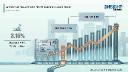
Armored Vehicles Automatic Fire Extinguishing Systems typically combine fire detection sensors, control units, extinguishing agents, and strategically positioned discharge nozzles. The integrated configuration enables rapid response when a fire is detected.
The global Armored Vehicles Automatic Fire Extinguishing Systems Market was valued at US$ 106.11 million in 2025 and is projected to reach US$ 140.4 million by 2034, registering a CAGR of 3.16% during 2026–2034. The market is expanding as defense organizations and armored vehicle manufacturers prioritize crew protection, vehicle survivability, and rapid suppression of fires caused by ammunition, fuel, hydraulic systems, electrical components, and combat-related damage. Increasing modernization of armored fleets and integration of advanced fire detection and suppression technologies are supporting market development.
What is driving the market?
The growing emphasis on armored vehicle survivability and crew safety is a key factor driving demand for automatic fire extinguishing systems. Modern military vehicles operate in environments where fires can result from ballistic penetration, engine failures, fuel leakage, electrical faults, or thermal damage. Automatic systems can detect abnormal temperature or fire conditions and initiate suppression rapidly, reducing the potential for fire escalation and improving response time compared with manual intervention.
Defense modernization programs are also contributing to demand. Governments are investing in the upgrading and replacement of armored personnel carriers, infantry fighting vehicles, main battle tanks, and other protected platforms. These modernization programs increasingly incorporate integrated safety systems, including automatic fire detection and suppression technologies, as part of broader vehicle survivability packages.
Technological development is further influencing the market. Manufacturers are focusing on faster detection, improved sensing technologies, compact suppression equipment, reliable control units, and integration with vehicle electronics. However, high development and integration costs, stringent military qualification requirements, and the need to operate reliably under extreme vibration, temperature, and battlefield conditions remain important challenges.
Get a PDF Sample- https://www.theinsightpartners.com/sample/TIPRE00020701
Which region leads?
North America represents a significant market for armored vehicles automatic fire extinguishing systems, supported by defense modernization programs, extensive armored vehicle fleets, and continued investment in vehicle protection and survivability. The United States remains an important source of demand due to procurement and upgrade programs covering armored combat vehicles and related safety technologies.
Europe is another important market, supported by defense spending, armored vehicle modernization, and increasing emphasis on battlefield survivability. Countries are upgrading existing platforms while developing next-generation armored vehicles, creating opportunities for integrated fire detection and suppression solutions.
Asia Pacific is expected to provide significant growth opportunities as countries expand and modernize their armored vehicle fleets. Rising defense investments, regional security requirements, indigenous defense manufacturing, and upgrades to military platforms are supporting demand for vehicle protection technologies. Countries with large armored vehicle inventories are also investing in modernization solutions that improve survivability without requiring complete fleet replacement.
Which segment leads?
By Platform
By System
Which companies are prominent?
The report identifies the following companies as prominent participants in the Armored Vehicles Automatic Fire Extinguishing Systems Market:
These companies participate across fire detection, suppression technologies, control systems, defense platforms, and specialized vehicle protection solutions. Competitive differentiation increasingly depends on detection speed, system reliability, integration capabilities, compliance with military standards, compact system design, and the ability to withstand demanding operational environments. The listed companies represent the competitive landscape and are not presented as a revenue-ranked market-share table.
What is changing in 2026?
The market is increasingly moving toward integrated and automated protection systems capable of detecting and responding to fire events with minimal human intervention. Armored vehicle manufacturers and defense organizations are placing greater emphasis on survivability technologies that can operate effectively during high-intensity missions and under severe environmental and mechanical conditions.
Modern systems are increasingly designed to integrate detection sensors, control units, suppression equipment, and vehicle electronics. This integration can support faster response and improved monitoring while enabling compatibility with increasingly sophisticated armored vehicle architectures.
Vehicle modernization is also creating opportunities for retrofit solutions. Defense forces can upgrade existing armored platforms with modern detection and suppression equipment rather than replacing entire vehicle fleets. This approach can support the extension of platform service life while improving safety and survivability capabilities.
What are the major investment opportunities?
Investment opportunities are emerging across advanced fire detection sensors, automatic suppression systems, electronic control units, and integrated vehicle safety technologies. Companies developing compact, lightweight, high-reliability systems can address the requirements of modern armored vehicles where available space, weight, and power consumption are important considerations.
Retrofit and modernization programs represent another opportunity. Large installed fleets of armored vehicles may require upgrades to meet evolving survivability and safety requirements. Suppliers capable of integrating new automatic fire extinguishing systems into legacy vehicle architectures can benefit from modernization spending.
Further opportunities exist in advanced sensing, digital monitoring, predictive maintenance, and connected vehicle safety systems. Technologies that provide real-time system status, fault identification, and maintenance information may improve operational readiness and lifecycle management.
Related Reports-
Armored Vehicle Market
About The Insight Partners
The Insight Partners is a leading market research and consulting firm delivering actionable insights through in-depth industry analysis and strategic intelligence. The firm supports clients across various industries in making informed business decisions by providing comprehensive market forecasts, competitive assessments, and growth opportunities.
Contact Us:
If you have any queries about this report or if you would like further information, please contact us:
Contact Person: Ankit Mathur
E-mail: sales@theinsightpartners.com
Phone: +1-646-491-9876
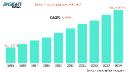
Bakery Processing Equipment includes mixers that combine flour, water, yeast, fats, and other ingredients to achieve consistent dough quality.
The global Bakery Processing Equipment Market is expected to register a CAGR of 5.58% during 2026–2034, with the market size expanding from US$ 13.55 billion in 2025 to US$ 22.08 billion by 2034. The market is expanding as commercial bakeries, food manufacturers, industrial baking facilities, and foodservice operators invest in automated equipment to improve production efficiency, consistency, hygiene, and throughput. Growth is supported by rising demand for baked foods, automation across bakery production lines, expansion of industrial bakeries, and the need to reduce labor-intensive processing activities.
What is driving the market?
Automation, increasing bakery production volumes, and demand for consistent product quality are major factors driving the bakery processing equipment market. Bakeries are adopting automated mixing, forming, depositing, proofing, baking, cooling, slicing, and packaging systems to improve productivity while reducing manual intervention. Equipment manufacturers are increasingly integrating automation and digital controls to support precise processing parameters, production monitoring, and operational efficiency.
The expansion of packaged bakery products is also contributing to equipment demand. Bread, rolls, cakes, pastries, cookies, biscuits, and other baked products require specialized processing technologies to maintain consistent texture, shape, weight, and quality. Industrial and large-scale bakeries are therefore investing in integrated processing lines capable of handling higher production volumes while maintaining standardized output.
Get a PDF Sample- https://www.theinsightpartners.com/sample/TIPMC00002654
Which region leads?
Europe remains an important market for bakery processing equipment, supported by its established bakery industry, strong presence of equipment manufacturers, and high consumption of bread, pastries, biscuits, and other baked products. Demand is also influenced by investments in automation, energy-efficient machinery, and modern production facilities.
Asia Pacific is experiencing increasing demand as urbanization, changing consumer lifestyles, expanding foodservice sectors, and rising consumption of packaged bakery products support the development of commercial and industrial bakeries. China, India, Japan, and other regional markets are creating opportunities for equipment suppliers as bakery manufacturers modernize production facilities and increase automation.
North America is supported by established commercial baking operations and continuing investments in automated production technologies. Bakeries are focusing on equipment upgrades that can improve throughput, product consistency, labor efficiency, and operational flexibility.
Which segment leads?
By Product Type
By Application
Which companies are prominent?
The competitive landscape includes equipment manufacturers offering technologies across mixing, forming, baking, processing, handling, and automated bakery production lines. Prominent companies identified in the market include:
These companies compete through equipment performance, automation capabilities, production capacity, customization, after-sales services, energy efficiency, and integration with broader food-processing systems. Manufacturers are also focusing on solutions that allow bakeries to improve production flexibility and accommodate changing product specifications.
What is changing in 2026?
In 2026, bakery processing is increasingly moving toward automated and digitally monitored production environments. Manufacturers are adopting equipment equipped with advanced controls, sensors, automated adjustment capabilities, and production-monitoring systems. These technologies can help operators maintain consistent processing conditions and identify operational issues more efficiently.
Energy efficiency is another important consideration. Industrial baking requires significant energy for heating and processing, encouraging manufacturers to develop ovens and associated equipment designed to improve thermal efficiency. Bakery operators are also evaluating machinery based on maintenance requirements, production uptime, equipment integration, and total operating costs.
Flexible production is becoming increasingly relevant as bakeries expand their product portfolios. Equipment capable of handling different dough types, shapes, sizes, recipes, and production volumes can help manufacturers respond to changing consumer demand without requiring completely separate production systems.
Related Reports-
About The Insight Partners
The Insight Partners is a leading market research and consulting firm delivering actionable insights through in-depth industry analysis and strategic intelligence. The firm supports clients across various industries in making informed business decisions by providing comprehensive market forecasts, competitive assessments, and growth opportunities.
Contact Us:
If you have any queries about this report or if you would like further information, please contact us:
Contact Person: Ankit Mathur
E-mail: sales@theinsightpartners.com
Phone: +1-646-491-9876
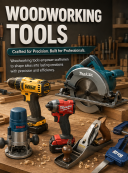
Woodworking Tools include saws, drills, chisels, planes, sanders, routers, and other equipment designed for different woodworking applications. Each tool serves a specific purpose and contributes to efficient material handling.
The global Woodworking Tools Market was valued at US$ 24.77 billion in 2025 and is projected to reach US$ 35.16 billion by 2034, registering a CAGR of 3.97% during 2026–2034. The market is expanding as professional woodworkers, furniture manufacturers, construction companies, contractors, and DIY users increase investment in tools that improve cutting precision, productivity, finishing quality, and operational efficiency. Growth is supported by furniture production, residential and commercial construction, renovation activity, woodworking automation, and demand for durable and ergonomically designed tools.
What is driving the market?
Growth in furniture manufacturing, construction, remodeling, and interior applications is a major driver of the woodworking tools market. Manufacturers and professional users increasingly require tools that deliver accurate cutting, drilling, shaping, sanding, routing, and finishing while reducing production time and material waste. Rising demand for customized furniture and specialized wood products is also encouraging workshops to expand their range of professional-grade equipment.
The market is also shifting toward cordless and power-assisted tools. Battery-powered saws, drills, sanders, routers, and other equipment provide greater mobility and reduce dependence on fixed electrical connections. Improvements in battery technology, brushless motors, electronic controls, and tool ergonomics are supporting adoption across professional and DIY applications. However, high costs for advanced equipment, maintenance requirements, and competition from lower-cost products remain important market constraints.
Get a PDF Sample- https://www.theinsightpartners.com/sample/TIPRE00027297
Which region leads?
North America represents a significant market for woodworking tools, supported by established furniture manufacturing, residential construction, renovation, professional contracting, and a large DIY user base. The region benefits from the presence of established tool manufacturers and distributors, as well as strong demand for cordless and high-performance power tools.
Europe also holds an important position, supported by its furniture manufacturing industry, precision woodworking capabilities, construction activity, and established woodworking equipment ecosystem. Germany and other European manufacturing centers contribute to demand for precision machinery and professional woodworking tools.
Asia Pacific is an important growth market as furniture production, construction, urbanization, and manufacturing activity continue to expand. China, India, Japan, and other regional economies provide opportunities for tool manufacturers through growing industrial woodworking and expanding residential and commercial construction. Increasing workshop modernization and adoption of power tools are further supporting regional demand.
Which segment leads?
By Product Type
By Application
Which companies are prominent?
These companies compete across power tools, hand tools, cutting equipment, sanding and finishing solutions, precision woodworking equipment, and professional workshop systems. Competitive differentiation increasingly depends on cutting accuracy, motor performance, battery technology, durability, ergonomics, safety features, product reliability, and integration across broader tool platforms. The identified companies represent the competitive landscape rather than a revenue-ranked market-share table.
What are the major investment opportunities?
Major opportunities exist in cordless woodworking tools, advanced cutting systems, ergonomic equipment, battery platforms, precision tools, and workshop modernization. Continued development of high-performance batteries and brushless motor technology can support new generations of portable saws, drills, sanders, routers, and other woodworking equipment.
Furniture manufacturing and customized woodworking provide additional opportunities as producers seek flexible equipment capable of handling diverse designs and smaller production batches. Demand for precision tools is particularly relevant where manufacturers need consistent dimensions, smooth finishes, and reduced material losses.
Asia Pacific offers considerable expansion potential because of its manufacturing base, growing furniture production, construction activity, and workshop modernization. North America and Europe provide opportunities linked to renovation, professional contracting, replacement demand, and adoption of advanced cordless tools. Investors and manufacturers should focus on solutions that combine performance, durability, safety, energy efficiency, and competitive ownership costs.
Related Reports-
About The Insight Partners
The Insight Partners is a leading market research and consulting firm delivering actionable insights through in-depth industry analysis and strategic intelligence. The firm supports clients across various industries in making informed business decisions by providing comprehensive market forecasts, competitive assessments, and growth opportunities.
Contact Us:
If you have any queries about this report or if you would like further information, please contact us:
Contact Person: Ankit Mathur
E-mail: sales@theinsightpartners.com
Phone: +1-646-491-9876
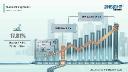
Marine Mining involves the exploration and extraction of mineral resources from the seabed, ocean floor, and other underwater environments. It focuses on accessing valuable deposits that are difficult to obtain through conventional land-based mining.
The Marine Mining Market is projected to increase from US$ 945.6 million in 2025 to US$ 4,133.58 million by 2034, registering a CAGR of 17.81% during 2026–2034. The market is gaining momentum as demand for critical minerals, technological advancements in deep-sea exploration, and growing interest in alternative mineral resources encourage investment in offshore resource development. Marine mining involves the exploration and extraction of mineral deposits from seabeds, including polymetallic nodules, seafloor massive sulfides, and cobalt-rich crusts.
What is driving the market?
Rising demand for critical minerals used in batteries, renewable energy systems, electronics, and advanced industrial applications is a major driver of the marine mining market. Minerals such as nickel, cobalt, copper, and manganese are important inputs for various clean-energy and technology supply chains, increasing interest in alternative sources of mineral resources.
Growing pressure to diversify mineral supply chains is also encouraging governments, mining companies, technology providers, and research organizations to investigate seabed resources. Marine mining can potentially provide access to mineral deposits located in areas where terrestrial resources face increasing development, environmental, or supply constraints.
Technological progress is further supporting market development. Improvements in remotely operated vehicles, autonomous underwater systems, seabed mapping, drilling technologies, subsea equipment, mineral collection systems, and offshore processing capabilities are improving the ability to identify and assess deposits in challenging marine environments.
Get a PDF Sample- https://www.theinsightpartners.com/sample/TIPRE00020884
Which region leads?
Asia Pacific represents a significant region for marine mining development due to its strong maritime industries, mineral demand, shipbuilding capabilities, offshore engineering expertise, and growing interest in securing critical mineral supplies. Countries across the region are investing in marine research, subsea technologies, and offshore resource exploration.
North America is also an important market, supported by technological capabilities, interest in critical-mineral supply-chain diversification, and research into deep-sea mineral resources. The region's established offshore engineering and marine technology ecosystem provides a foundation for developing advanced exploration and mining systems.
Europe continues to contribute through marine science, subsea engineering, environmental research, and regulatory development. European companies and research institutions are involved in technologies for seabed exploration, mineral assessment, underwater robotics, and responsible marine-resource development.
Which companies are prominent?
The Marine Mining Market includes companies and organizations developing exploration technologies, subsea equipment, mineral-resource projects, offshore engineering capabilities, and marine mining solutions. Prominent participants identified in the competitive landscape include:
These companies participate across different areas of the marine mining value chain, including seabed exploration, underwater robotics, mining equipment, offshore engineering, mineral-resource development, and project management. Competitive differentiation increasingly depends on subsea technology, operational reliability, environmental monitoring, mineral-processing capabilities, and the ability to develop commercially viable projects.
What is changing in 2026?
The marine mining industry is increasingly focused on moving from exploration and technology development toward more detailed resource assessment, environmental baseline studies, engineering validation, and regulatory preparedness. Companies are investing in advanced underwater vehicles, seabed mapping, sampling systems, remote monitoring, and automated equipment to improve knowledge of mineral deposits and operating conditions.
Environmental considerations are becoming an increasingly important component of marine mining development. Project developers are evaluating potential impacts on deep-sea ecosystems, sediment disturbance, biodiversity, water quality, and marine habitats. Environmental data collection and monitoring are therefore becoming closely integrated with exploration and engineering programs.
Regulatory development is also influencing investment decisions. Companies must consider applicable international and national requirements governing seabed exploration, mineral recovery, environmental management, and offshore operations. The evolving regulatory environment creates both challenges and opportunities for companies developing technologies designed to support transparent monitoring and responsible marine-resource management.
What are the major investment opportunities?
Major investment opportunities exist in deep-sea exploration technologies, remotely operated vehicles, autonomous underwater systems, seabed mapping, mineral sampling, subsea collection equipment, and environmental monitoring solutions. Technology providers capable of operating reliably at significant depths can benefit from increasing demand for specialized marine equipment.
Another opportunity lies in mineral-processing and offshore logistics. Efficient collection, transportation, separation, and processing technologies could become increasingly important as marine mining projects progress toward commercial development. Investments in supporting infrastructure and specialized vessels may also create opportunities across the broader marine mining value chain.
Related Reports-
Mining Waste Management Market
About The Insight Partners
The Insight Partners is a leading market research and consulting firm delivering actionable insights through in-depth industry analysis and strategic intelligence. The firm supports clients across various industries in making informed business decisions by providing comprehensive market forecasts, competitive assessments, and growth opportunities.
Contact Us:
If you have any queries about this report or if you would like further information, please contact us:
Contact Person: Ankit Mathur
E-mail: sales@theinsightpartners.com
Phone: +1-646-491-9876