

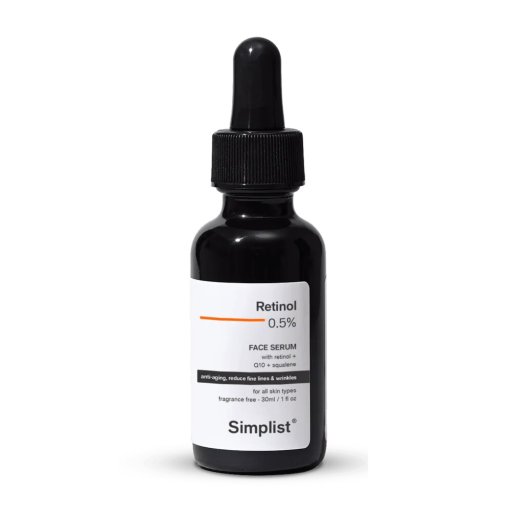

Skincare advice written for cooler, milder climates doesn't always translate cleanly to conditions here. Long stretches of intense sun, high humidity in coastal cities, and dust and pollution in denser urban areas all put a different kind of daily stress on skin than the routines most international skincare content is written around. Vitamin C Serum happens to be one of the few ingredients that actually addresses a lot of that stress directly, which is part of why it gets recommended so consistently for people dealing with these specific conditions rather than just general skin concerns.
Cities across Pakistan see consistently high UV exposure for much of the year, and that kind of sustained sun stress accelerates the kind of oxidative damage that shows up over time as dullness, uneven tone, and early fine lines. Vitamin C works specifically as an antioxidant, meaning its role is to help offset that kind of environmental stress rather than simply moisturize or hydrate. Used during the day, alongside sunscreen rather than instead of it, it's addressing a type of damage that's genuinely more relevant here than in climates with milder, less consistent sun exposure.
In coastal or densely populated urban areas, humidity and airborne pollution add another layer of oxidative stress beyond sun exposure alone. Skin exposed to heavier pollution tends to show dullness and congestion more visibly over time, and antioxidant support is one of the more consistently recommended approaches for addressing that kind of environmental buildup. This is part of why a routine built around antioxidant protection tends to matter more in a dense urban environment than it would somewhere with cleaner air and lower humidity.
One detail that gets skipped in a lot of general skincare advice is storage, and it matters more here than in cooler climates. Vitamin C degrades faster with heat exposure, and a bathroom that regularly gets warm and humid, or a bottle left somewhere that gets direct sun through a window, will oxidize noticeably faster than it would in a consistently cool environment. Keeping the bottle in a cooler part of the house, away from direct light and heat, matters more here than the same advice would in a milder climate where that kind of heat exposure simply isn't a daily factor.
Sun-related pigmentation and uneven tone are common concerns in regions with consistently strong UV exposure, and vitamin C is specifically associated with supporting more even-looking tone over time by helping interrupt the pigment-production process linked to sun exposure. This doesn't mean it works instantly or replaces sun protection, but it does mean the concern it's most associated with addressing lines up closely with what a lot of people here are actually dealing with, rather than being a mismatch between the ingredient and local skin concerns.
None of this works as a substitute for actual sun protection, and that point matters even more in a climate with this much consistent sun exposure. Vitamin C supports skin's resilience against environmental stress, but pairing it with a proper sunscreen every single day, rather than treating one as a replacement for the other, is what actually determines whether the routine holds up against local conditions rather than falling short of them.
Applying it in the morning, on clean dry skin, before sunscreen, and storing it properly away from heat gives it the best chance of actually holding up to daily conditions here rather than breaking down before it's had a chance to work. It's a routine that doesn't need much adjustment from standard guidance — the ingredient itself is well suited to what local weather conditions actually demand from a skincare routine.
A lot of skincare advice is written without much thought for climates like this one, but vitamin C happens to be a rare case where the ingredient's core function — antioxidant protection against environmental stress — lines up closely with what daily conditions here actually call for. Used consistently, stored properly, and paired with sunscreen rather than instead of it, it's a genuinely well-matched addition to a routine built for this kind of climate rather than a generic recommendation borrowed from somewhere else.
| No comments yet. Be the first. |
