


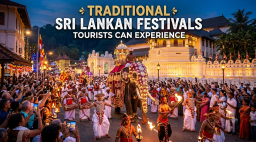
Sri Lanka’s traditional festivals offer visitors a chance to experience the country’s culture, religious customs, music, dance, and local food. Celebrations take place throughout the year, bringing communities together through colourful processions, temple ceremonies, and traditional performances. Tourists who plan their visits around these events can gain a better understanding of Sri Lankan life and heritage.
Before travelling, visitors should check the entry requirements for their nationality and arrange a Sri Lanka eVisa or the applicable travel authorisation. Knowing the festival dates in advance also helps travellers organise accommodation and transport during busy periods.
Famous Traditional Festivals in Sri Lanka
Sinhala and Tamil New Year is one of the most widely celebrated cultural events in Sri Lanka. Usually observed in April, it marks the traditional New Year for Sinhala and Tamil communities. Families prepare special meals, play traditional games, and follow customary rituals. Visitors may see local celebrations, taste festive sweets, and experience the welcoming atmosphere of the season.
Vesak Festival commemorates important events in the life of Gautama Buddha. Celebrated around May, it transforms towns and cities with illuminated lanterns, decorative displays, and religious activities. Colombo is particularly known for its Vesak decorations. Tourists visiting during this period can observe the celebrations respectfully and enjoy vegetarian food offered at community stalls. Travellers should check their Sri Lanka e Visa requirements before departure and allow extra time for travel in crowded areas.
Kandy Esala Perahera is another major cultural event, usually held in July or August. This historic procession takes place in Kandy and features traditional drummers, dancers, decorated elephants, and ceremonial performances associated with the Temple of the Sacred Tooth Relic. The festival attracts visitors from around the world, so booking accommodation early is advisable.
Thai Pongal is a harvest festival celebrated by Tamil communities, generally in January. Families prepare a traditional rice dish called pongal as an expression of gratitude for a successful harvest. Visitors may witness colourful decorations, family gatherings, and temple ceremonies, particularly in areas with strong Tamil cultural traditions.
Other Cultural Celebrations Worth Experiencing
Deepavali, also known as Diwali, is celebrated by many Hindu communities, usually in October or November. Homes and temples are decorated with lamps, and families gather for prayers, sweets, and festive meals. Tourists can experience the celebrations in places such as Jaffna and other parts of the country with significant Hindu populations.
Poson Poya is an important Buddhist festival that commemorates the introduction of Buddhism to Sri Lanka. Celebrated around June, it draws many pilgrims to Mihintale and Anuradhapura. Visitors can observe religious ceremonies, white-clad devotees, and peaceful temple gatherings. Appropriate clothing and respectful behaviour are important when visiting sacred sites.
While planning a festival trip, check the validity and conditions of your Sri Lanka Visa to ensure that your travel arrangements meet the applicable entry rules. Public holidays and major religious events can affect transport schedules and the opening hours of some businesses.
Travel Tips for Festival Visitors
Festival dates may change according to religious calendars, so confirm the schedule before booking flights. Reserve hotels early for popular events such as the Kandy Esala Perahera, and expect crowds around major temples and procession routes.
Dress modestly when visiting religious places, remove footwear where required, and ask permission before photographing worshippers or ceremonies. Public transport may become crowded during large celebrations, making advance travel arrangements useful.
Travellers should also review the current Sri Lanka ETA Visa requirements for their nationality and travel purpose. Apply through the appropriate authorised channel, check the latest entry conditions, and keep the required travel documents accessible during the journey.
Traditional festivals allow visitors to experience Sri Lanka beyond its beaches and scenic landscapes. With suitable preparation and respect for local customs, these celebrations can become a memorable part of a visit to the island.
| No comments yet. Be the first. |


