


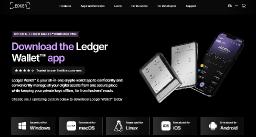
The Ledger Live App, now officially known as Ledger Wallet, is a cryptocurrency management application designed to help users monitor and manage their digital assets. It works alongside compatible Ledger hardware devices, allowing users to check balances, send and receive cryptocurrencies, explore supported services, and manage their portfolios through a single interface.
As cryptocurrency adoption continues to grow in 2026, users increasingly seek convenient tools that combine portfolio visibility with strong security practices. Ledger Wallet continues to develop its features, making it useful for beginners and experienced cryptocurrency users who want greater control over their digital assets.
The Ledger Live App was created as a companion application for Ledger hardware wallets. Following its rebranding, the application is now called Ledger Wallet. It is available for desktop and mobile devices, helping users access their cryptocurrency accounts and supported blockchain services.
Unlike a conventional exchange account, a self-custody setup allows users to retain control of their private keys through their compatible Ledger hardware device. The application provides the interface for viewing balances and preparing transactions, while the hardware device helps protect private keys and authorize transactions.
Users can learn more about its capabilities through the official Ledger website.
Ledger's 2026 updates have focused on improving portfolio visibility, transaction management, and access to cryptocurrency services. The company's July 2026 release highlighted several features designed to make digital asset management more convenient.
The Ledger Live App helps users monitor their supported cryptocurrency holdings from one dashboard. Depending on the assets and networks involved, users can review account balances and examine portfolio activity without switching between multiple applications.
Ledger's newer portfolio features include aggregated asset balances and profit-and-loss insights. These tools can help users understand portfolio performance and review how holdings are distributed across supported networks.
The application provides access to supported third-party services for buying, selling, and swapping selected cryptocurrencies. Available payment methods, transaction fees, exchange rates, and supported assets vary by provider and location.
Before confirming a transaction, users should compare the displayed rates and fees carefully. Cryptocurrency prices can change quickly, and a convenient transaction interface does not guarantee the best available price.
Eligible cryptocurrency holders can explore supported staking and other earning services through the application. Depending on the asset and provider, staking may allow users to participate in blockchain network operations and receive rewards.
However, rewards are not guaranteed. Users should investigate provider terms, lock-up conditions, network risks, withdrawal restrictions, and potential penalties before committing funds.
Recent Ledger Wallet updates have introduced improvements to transaction history, portfolio analytics, and asset discovery. These features can make it easier to review previous activity and understand changes in a cryptocurrency portfolio.
Ledger has also highlighted an Earn Simulator designed to help users explore potential earning outcomes. Any projections should be treated as estimates rather than promises of future returns.
Feature availability may depend on the application version, device, asset, network, and region.
Getting started requires careful attention to the authenticity of the application and the security of your hardware device.
Step 1: Visit the official website. Open Ledger's official download page rather than downloading an installer from an unfamiliar website.
Step 2: Choose your device. Select the supported desktop or mobile version compatible with your operating system.
Step 3: Install the application. Follow the official installation instructions and complete any required verification steps.
Step 4: Connect your Ledger device. Follow the on-screen instructions to connect and unlock your compatible hardware device.
Step 5: Add supported accounts. Use the application to add the cryptocurrency accounts you want to manage.
Step 6: Review transactions carefully. Whenever you send cryptocurrency, verify the recipient address, network, amount, and transaction details on your Ledger device before approving the transaction.
Never enter your recovery phrase into a website or application claiming that verification is required to activate your wallet.
Security should remain a priority whenever you manage cryptocurrency. Although Ledger hardware devices are designed to protect private keys, users must still recognize phishing attempts and fraudulent applications.
Download from official sources: Use Ledger's verified website and official application distribution channels.
Protect your recovery phrase: Never share your 24-word secret recovery phrase with anyone, including someone claiming to be Ledger support.
Verify transaction details: Check addresses and amounts on your hardware device before approving a transaction.
Avoid suspicious links: Be cautious of unexpected emails, messages, advertisements, and websites requesting wallet access.
Keep software updated: Install legitimate application and device updates using official instructions.
Research third-party services: Check provider fees, terms, and reputation before using exchange, staking, or decentralized finance features.
Ledger warns that fake wallet applications and phishing websites may attempt to trick users into revealing their recovery phrases. Legitimate support representatives should never ask you to disclose those 24 words.
One of the main advantages of the Ledger Live App is convenience. Users can manage supported assets, review transactions, and explore cryptocurrency services through one application.
Its integration with compatible hardware devices also supports a self-custody approach in which users retain control over transaction authorization. Portfolio tools can provide a clearer view of holdings, while supported exchange and staking services offer additional functionality.
Nevertheless, self-custody comes with responsibility. Losing access to the recovery phrase, approving a malicious transaction, or using an untrustworthy third-party service can create serious risks. Users should understand these limitations before managing substantial amounts of cryptocurrency.
The Ledger Live App, now known as Ledger Wallet, continues to evolve as a platform for cryptocurrency management in 2026. Portfolio analytics, transaction history improvements, supported exchange services, and earning tools help users manage digital assets more conveniently.
For anyone considering the application, the best starting point is the official Ledger website. Download the authentic software, use a compatible hardware device, verify transactions carefully, and protect your recovery phrase at all times. By combining practical portfolio management with responsible security habits, users can make more informed decisions while navigating the cryptocurrency ecosystem.
| No comments yet. Be the first. |
