


The Hidden Cost of Poor Coordination in Offshore Logistics Operations
Offshore operations rarely fail because of one obvious mistake. In most cases, complications develop gradually as several small disruptions begin to overlap. A helicopter flight might be postponed due to sudden weather changes. A supply vessel could arrive later than expected. A crew member may face an unexpected documentation issue. Individually, these situations might seem minor and manageable. However, when several of them occur at the same time, the combined impact can quickly destabilize an entire operation.
As disruptions accumulate, schedules tighten and coordination becomes more difficult. Communication begins to lose clarity, and teams often shift from following structured plans to reacting to immediate problems. When operations move into this reactive mode, safety risks increase and operational expenses tend to rise. These incidents are rarely just random setbacks; they frequently reveal weaknesses in planning processes and coordination mechanisms.
This is where a dedicated logistics planning system becomes essential. Offshore environments are unpredictable, and conditions can change rapidly with little warning. Maintaining visibility across operations and ensuring structured coordination is therefore not optional—it is fundamental to keeping activities running smoothly. Instead of relying on scattered communication or outdated tracking practices, logistics information is consolidated into a unified system. Details related to personnel movements, approvals, certifications, cargo handling, and real-time asset locations are stored in a shared digital environment. When all stakeholders rely on the same up-to-date information, decision-making improves, safety standards strengthen, and unnecessary costs can be avoided whether managing a single offshore site or an entire network of assets.
At its foundation, a logistics planning platform functions as a centralized digital control center for coordinating the movement of both people and materials. Informal processes and inconsistent methods are replaced with clearly defined workflows that guide how requests are submitted, reviewed, and approved. Offshore and onshore teams operate within the same structured framework, helping ensure consistency while minimizing confusion. Passenger manifests can be generated automatically, removing repetitive administrative work. At the same time, the system continuously tracks personnel locations and enforces operational limits such as seating capacity, cargo space, and weight restrictions throughout the planning process rather than detecting issues at the final moment.
Compliance requirements are also integrated directly into everyday operations instead of being handled separately at the last minute. Certification checks, approval processes, and cargo classifications are addressed during the early stages of planning, reducing the likelihood of delays or regulatory complications later on. Advanced logistics systems also incorporate live operational data such as weather updates and asset positioning. With this information available in real time, planners can identify potential risks sooner and adjust plans before disruptions escalate.
Although spreadsheets remain common in many organizations, they are not built to handle the constantly evolving nature of offshore logistics. They may work reasonably well when plans remain stable, but offshore schedules rarely stay unchanged for long. As revisions occur, multiple versions of the same file often begin circulating across teams. Over time, information can become outdated or inconsistent. Teams may unknowingly rely on incomplete data, which can lead to misunderstandings around schedules, approvals, or resource availability. This lack of clarity increases the chances of operational mistakes and miscommunication.
Purpose-built logistics software resolves these challenges by ensuring that updates are immediately reflected across the entire system. Changes to movement plans, approvals, and operational details become visible to everyone involved at the same time. Instead of searching through multiple documents or waiting for confirmation messages, teams can rely on a single dependable source of information.
A well-designed logistics platform delivers measurable operational benefits. Every request progresses through clearly defined stages, providing complete visibility from the moment it is submitted until it is finalized. Built-in safeguards identify potential problems early, including scheduling conflicts or capacity limitations. Critical compliance information—such as licenses and certifications—is stored securely and remains easy to access whenever needed, reducing the risk of missing important regulatory requirements. Cargo details stay linked to each shipment, supported by automated alerts rather than manual reminders.
Another advantage of modern logistics systems is their flexibility. Platforms can be configured to align with specific operational procedures without adding unnecessary complexity. Approval hierarchies, required data fields, and workflow structures can all be adapted to match an organization’s existing processes. During active operations, stakeholders across locations can view the latest updates at any time. Mobile access allows crews to confirm transfers, scan cargo, and verify manifests even when connectivity is limited. Operational restrictions are applied automatically, manifests can be produced instantly, and weather data appears directly alongside transportation schedules. Visual planning tools further assist teams in allocating resources efficiently, minimizing wasted effort and improving overall productivity.
The operational workflow typically begins when a movement request is submitted through a digital interface or an integrated system. Standardized templates ensure that all necessary details are included from the start. Approval requests follow predetermined routes, and once approvals are granted, notifications are issued automatically. As operational conditions evolve, schedules and capacity allocations adjust in real time. Potential conflicts can be identified early, progress can be tracked continuously, and finalized records are securely archived for reporting and future reference.
Compared with traditional planning methods, modern logistics platforms bring together real-time visibility, automated compliance management, and comprehensive operational control within a single environment. This approach does more than simply document activities—it also provides transparency around how decisions were made and why they occurred.
Organizations working in offshore energy, marine logistics, and offshore wind operations frequently experience noticeable improvements after adopting these systems. Reduced disruptions, stronger compliance management, and improved coordination contribute to operations that are safer, more efficient, and far more reliable—even in environments where change is constant.
Book a no-pressure walkthrough: https://toolkitx.com/campaign/logistic-planning/
How ToolKitX Log Books Turn Daily Records into Operational Intelligence
When operational information is spread across notebooks, private chats, spreadsheets, and long email threads, forming a reliable picture of what is actually happening becomes extremely difficult. Each source may contain pieces of useful data, but none provide a complete overview. One employee might recall an event differently, another might store important photos on a personal device, while key updates may remain buried deep inside an email conversation. As a result, tasks that should be straightforward begin taking longer to complete and errors become more likely.
A centralized digital logbook addresses this challenge by bringing scattered information together in one structured environment. With ToolKitX Log Books, teams can capture site observations, operational updates, environmental conditions, and supporting images in a single chronological timeline. This shared record can be accessed from control rooms, field sites, or mobile devices, ensuring information remains available even when internet connectivity is unstable.
Digital logbooks offer far more value than simply replacing paper records with electronic files. They function as reliable operational references that document incidents, shift activities, and important changes the moment they occur. Instead of relying on memory after a shift ends or depending on verbal explanations, entries are logged immediately, accurately timestamped, and securely stored.
ToolKitX strengthens this process with capabilities such as electronic approvals, tagging, and integrated review features. Documentation becomes an active component of daily operations rather than a static archive. Teams can quickly verify entries, retrieve information without delay, and recognize patterns like recurring problems, communication gaps, or early indicators of risk. When everyone works within the same platform, dependence on assumptions or informal updates is significantly reduced.
Organizations that operate continuously—such as energy plants, offshore facilities, utilities, and construction sites—generate large volumes of operational data every day. Without a reliable system to organize this information, critical details can easily be overlooked. Delayed decisions and slower response times often follow, allowing minor concerns to escalate into larger operational issues.
ToolKitX enables teams to manage this constant flow of information without creating additional complexity. Advanced search and filtering tools allow users to locate records instantly rather than scrolling through long lists of entries. Built-in intelligence highlights unusual patterns early, giving teams the opportunity to respond before problems grow. Automated alerts ensure that the right individuals remain informed, while supervisors can review, escalate, resolve, or close items with full transparency. Every action is recorded, forming a dependable audit trail.
For frontline workers, daily responsibilities become simpler and more structured. Operational dashboards provide a clear overview of activity across shifts, allowing teams to quickly identify patterns or recognize emerging concerns. Logging information is straightforward and efficient. Users can select equipment or locations, assign priority levels, add written or voice notes, and attach images or documents within a few simple steps. Pre-configured templates further reduce manual effort, allowing documentation to fit smoothly into everyday workflows.
Shift handovers also become far more reliable. Instead of relying on hurried discussions or incomplete written notes, essential information is automatically highlighted. Pending tasks, safety concerns, approvals, and unresolved issues are clearly displayed for both outgoing and incoming teams. Digital confirmations ensure responsibility is transferred clearly, removing uncertainty about who is accountable for each item. The handover process becomes structured, consistent, and transparent.
Different operational roles often require different types of information. Maintenance teams, safety specialists, supervisors, and field operators all depend on specific data to perform their duties effectively. ToolKitX accommodates these needs through customizable templates, categories, and data fields that adapt to various workflows while maintaining a unified system. Additional details—such as weather conditions or environmental observations—can also be captured alongside operational updates. Entries may be linked directly to related permits, inspections, assets, or work orders, ensuring relevant information remains connected rather than scattered across multiple tools.
Replacing paper-based documentation and repetitive administrative tasks also leads to measurable efficiency improvements. Teams eliminate duplicate entries, reduce time spent organizing files, and remove the need to compile reports manually. At the same time, robust security features—including role-based permissions, layered protection mechanisms, and automated backups—ensure that operational data remains protected from loss or unauthorized access.
Automated reporting further enhances decision-making by delivering valuable insights without additional effort. Integration with other operational systems allows information to move seamlessly across platforms, preventing data from becoming isolated or difficult to access.
The process begins by capturing operational information from any device, regardless of whether it is currently connected to the internet. Once connectivity is restored, records synchronize automatically. Analytical tools then organize the data, detect unusual activity, and surface trends that require attention. Reporting transforms routine entries into actionable insights, revealing patterns related to performance, delays, or incidents. These insights allow teams to anticipate challenges and make more informed decisions before problems escalate.
Centralized digital logbooks offer particular advantages for operations managers, supervisors, control room teams, and field personnel working in industries such as energy, utilities, offshore operations, and construction. They benefit from clearer operational visibility, stronger coordination between shifts, and dependable documentation of daily activities. Whenever verification or review is required, every detail—including timestamps, images, notes, follow-ups, and approvals—is immediately accessible.
The result is a complete and trustworthy operational record that supports confident decision-making and ensures teams always have the information they need when it matters most.
Top of Form
Bottom of Form
Book a walkthrough here → https://toolkitx.com/campaign/log-books/
Why Digital Lockout/Tagout Is Changing the Way Facilities Manage Safety
Workplaces that involve hazardous equipment often appear calm and well controlled on the surface. Machines remain idle, processes seem organized, and operations appear to follow a predictable rhythm. Yet this apparent order can hide vulnerabilities that are not immediately visible. Small oversights—such as skipping an isolation step, failing to attach a tag, using outdated procedures, or working from an incomplete permit—can quietly introduce risk. While these gaps may look insignificant, they can allow stored energy to return unexpectedly during maintenance. When that happens, workers can suddenly find themselves exposed to serious danger without warning.
Digital Lockout/Tagout systems were developed to close these hidden gaps by replacing informal habits with a structured, technology-supported process. Instead of depending on paper forms, scattered records, or verbal communication between teams, the entire isolation procedure is managed through a single digital platform. This centralized approach brings consistency to every step and ensures that decisions rely on accurate, current information. Supervisors gain immediate visibility into progress, while technicians receive clear instructions that eliminate guesswork. Every step is automatically recorded, creating a complete and transparent record from the moment equipment is shut down until energy is safely restored.
When implemented effectively, a digital LOTO platform becomes the primary control point for managing hazardous energy. Its function extends far beyond simply storing procedures. The system actively guides and enforces each stage of the isolation process. Different energy types—electrical, mechanical, hydraulic, pneumatic, or thermal—are organized into structured workflows that guide workers through the correct sequence of actions. Personnel are directed to precise isolation points, required to verify completion of tasks, and prevented from bypassing essential safety steps. Each lock and tag is digitally tracked, documenting who applied it, when it was installed, and whether all verification checks were completed. Maintenance work only begins after the system confirms that every energy source has been safely secured.
Replacing experience-based routines with standardized, system-guided procedures brings measurable safety improvements. Equipment restarts become easier to manage because teams can quickly identify which locks are still active, who installed them, and when removal is permitted. Auditing also becomes more efficient since records are already organized and complete. In addition to strengthening safety, operations benefit from improved efficiency. Miscommunication decreases, delays caused by missing information become less common, and the risk of compliance issues from incomplete documentation is reduced. Every step follows a defined process supported by built-in safeguards, while a detailed activity history remains available whenever clarification is required.
Digital LOTO platforms are designed to integrate smoothly into everyday operations. Supervisors can monitor isolation activities continuously, tracking where work is happening, how long it has been in progress, who is responsible, and what stage the task has reached. Interactive dashboards allow information to be sorted by equipment, department, contractor, or location, helping teams quickly focus on priority areas. For technicians working in the field, accessing procedures is simple. A quick scan of a QR code on the equipment immediately opens the exact instructions needed. Images highlighting lockout points further reduce uncertainty and help maintain consistency across different shifts and personnel.
Documentation also becomes part of the workflow rather than an additional responsibility after the job is complete. Instead of collecting forms later or attempting to interpret handwritten notes, records are generated automatically as each step is performed. Critical details such as timestamps, approvals, and lock-and-tag information are stored securely within the system. If an unsafe action occurs—for example, attempting to remove a lock too early or restore energy without proper authorization—the system can immediately alert supervisors. This early notification allows corrective action to be taken before the situation develops into a serious incident.
Approval workflows are structured to support both safety and productivity. Requests move automatically to the appropriate personnel, additional verification steps can be introduced when needed, and approvals can be granted through mobile devices or desktop systems. This approach ensures that work progresses efficiently while maintaining strict control over hazardous energy procedures.
The digital LOTO process generally follows a clear and consistent sequence. It begins with preparation using standardized templates connected to specific equipment and previous isolation records. Relevant team members are notified before the isolation process starts. Workers then follow guided steps to isolate each energy source, often supported by visual instructions. Supervisors confirm that safe conditions are in place before maintenance begins. Once the task is completed, energy restoration takes place through a controlled procedure, and the entire process is automatically documented for future reference and ongoing improvement.
When lockout/tagout programs rely on paper documents, scattered records, or individual memory, preventable risks can remain hidden within everyday operations. Digital Lockout/Tagout provides a more dependable solution by standardizing procedures, recording every action, and embedding safety controls directly into the workflow. Rather than functioning only as a regulatory requirement, it becomes a structured system that actively protects workers while supporting efficient and well-managed operations.
Book a guided demo: https://toolkitx.com/campaign/loto/
Eliminating Hidden Operational Risks with a Unified HSE Management System
Major operational failures rarely occur without early indicators. In most cases, the first signs are subtle—an inspection that gets postponed, a risk evaluation that hasn’t been updated, or a corrective action approved without proper verification. Individually, these issues may appear insignificant. Yet when such gaps occur repeatedly, they slowly erode the controls designed to protect operations. Over time, unnoticed weaknesses begin to accumulate. These hidden vulnerabilities can remain undetected for long periods until they surface through an operational disruption, regulatory investigation, or an incident that could have been avoided. Often, the most serious threat is not the risk that has already been recognized, but the small details that quietly slip through oversight. ToolKitX HSE was created to address this exact challenge by bringing all health, safety, and environmental management activities into a single secure cloud platform. By replacing fragmented systems with a centralized environment, the platform improves transparency, accountability, and operational visibility.
A strong HSE platform must do more than act as a digital archive for safety records. Its real purpose is to manage safety activities from the moment an issue is reported until it is fully resolved. Processes such as hazard reporting, incident reviews, inspections, and corrective action management require clear procedures and consistent monitoring. The true effectiveness of an HSE system is not determined by the amount of information it stores, but by how reliably it ensures that each task is completed correctly. Informal methods like spreadsheets or scattered email discussions often lead to lost information, unclear responsibilities, and incomplete follow-ups. Structured workflows, however, introduce clarity by assigning ownership, controlling access, and maintaining accurate documentation. ToolKitX implements this approach through configurable workflows, mobile-enabled functionality, and real-time oversight, enabling organizations to move beyond reacting to incidents and toward preventing them altogether.
Companies choose ToolKitX because it strengthens operational control without making safety processes unnecessarily complicated. Reporting, tracking, and follow-up become simpler while responsibility remains clearly defined across teams, departments, and locations. By managing incidents, inspections, risk evaluations, and corrective actions within one coordinated system, the platform eliminates duplicate efforts and reduces the chance of missed actions. Designed with frontline users in mind, the system prioritizes speed and ease of use. Smart forms help teams capture accurate information quickly, while automated asset and location data improve reliability without additional manual input. For organizations already using enterprise technologies, ToolKitX integrates smoothly with analytics platforms, business systems, and collaboration tools such as Microsoft Teams, allowing safety management to operate as a natural part of everyday workflows rather than as a separate process.
Beyond core safety functions, the platform provides advanced features that support both compliance and continuous improvement. Tools for incident and near-miss management streamline investigations while reducing administrative workload. Inspection and audit modules offer flexible checklists that continue to function even in offline environments, allowing work to proceed without interruption. When issues are discovered, follow-up tasks are automatically assigned so that every finding receives attention and completion. Intelligent form logic presents only the fields relevant to the user’s situation, improving efficiency and reducing data entry errors. Risk management tools allow organizations to apply their own evaluation frameworks, supported by visual dashboards that adjust dynamically as conditions evolve. Communication features create a structured channel for distributing safety updates and procedural changes, while tracking mechanisms confirm that the information has been received. Additional capabilities for environmental monitoring, waste management, and document control ensure that teams always rely on current and approved information.
The benefits of ToolKitX expand further when operational data is transformed into actionable insight. Role-specific dashboards gather key information into a single view, removing the need to manually assemble reports from different systems. Emerging trends become easier to detect, overdue actions are immediately visible, and performance indicators update automatically. This level of transparency enables leadership teams to evaluate safety performance across the organization while allowing site teams to focus on particular assets, contractors, or operational areas. Access to accurate, real-time information improves decision-making, reduces recurring problems, and strengthens collaboration between internal teams and external partners.
Field accessibility is another essential element of effective safety management. ToolKitX provides dedicated mobile applications that allow workers to complete inspections, record observations, and access important documents directly at the job site—even when internet connectivity is unavailable. Immediate notifications ensure urgent matters receive prompt attention, while QR-based equipment verification makes routine checks quicker and more dependable. By placing practical safety tools directly in the hands of employees, contractors, and suppliers, the platform encourages broader participation and more consistent reporting from across the workforce.
As organizations expand, ToolKitX is designed to grow alongside them. Its modular architecture allows new capabilities to be added progressively while maintaining consistent safety practices across operations. Integration with HR systems and enterprise platforms, flexible reporting capabilities, and standardized templates simplify compliance audits and reduce the likelihood of recurring issues. By replacing disconnected processes with a unified HSE environment, ToolKitX connects people, workflows, and data within a single coordinated framework—helping organizations maintain safe operations, meet regulatory requirements confidently, and make informed decisions at every stage of their activities.
Book a free demo: https://toolkitx.com/campaign/hse/
How Digital Checklist Systems Strengthen Accountability and Audit Readiness
Inspection systems built around paper forms and basic spreadsheets come from a time when business operations moved at a slower pace and compliance requirements were far less demanding. In today’s environment, organizations are expected to maintain precise documentation, demonstrate accountability, and respond quickly when audits or inspections occur. Older manual processes struggle to meet these expectations. Teams often encounter lost documents, delayed approvals, scattered records, and last-minute efforts to gather information when inspections are announced. Rather than improving efficiency, these outdated practices frequently disrupt daily operations and add unnecessary pressure to already busy teams.
A dedicated digital checklist system changes how inspections are organized and executed. Instead of managing multiple disconnected files or relying on informal procedures, teams work within a centralized structure where every checklist follows a defined and consistent format. The ToolKitX Checklist module provides operational, quality, and HSE teams with a dependable environment for managing routine inspections and tasks. Its purpose is not simply to replace paper forms with digital versions. The system introduces stronger accountability, promotes consistency across teams, and ensures activities are completed using a structured and reliable approach.
Modern checklists must do more than simply record answers or observations. They should guide users through the entire process so that every step is followed correctly. ToolKitX achieves this by presenting checklists as step-by-step workflows that lead users through required actions in the proper sequence. This structured guidance helps prevent skipped steps and improves overall accuracy. Once a checklist is completed, it becomes locked from further edits. This protection ensures the record remains authentic and accurately reflects the work that was performed.
Because ToolKitX operates in the cloud, teams can capture information directly at the location where tasks are performed. Users can attach photos, enter measurements, record observations, and add digital signatures at the exact moment the activity takes place. Capturing details in real time eliminates the need to rely on memory or delayed updates. Each piece of information remains permanently connected to the checklist, creating a complete and trustworthy record. This approach removes the need to track down missing details or revise incomplete reports later. Every finalized checklist clearly documents the activity that occurred.
The platform also provides clear visibility into the progress of every checklist. From the moment a checklist is created until final approval, it moves through a defined workflow. Managers can view progress through a centralized dashboard that displays active tasks, finished checklists, overdue items, and pending approvals. Filtering tools allow teams to organize information by location, responsible personnel, timeframe, or status, helping them focus on the most important priorities. This level of transparency enables organizations to identify potential delays or compliance risks early and address them before they escalate into larger operational problems.
Routine inspections are also easier to control through automated scheduling. After templates and schedules are configured, checklists are assigned automatically and reminders are issued to ensure deadlines are not missed. If a task is completed ahead of schedule, reminder notifications stop automatically, preventing unnecessary alerts. Once finished, checklists move through approval workflows that match the organization’s hierarchy. Each approval step is recorded with an exact timestamp, creating a clear and traceable audit history. When updates or corrections are required, revisions remain connected to the original checklist, preserving a continuous record instead of producing scattered versions.
As operations evolve, checklist systems must be flexible enough to adapt quickly. ToolKitX provides this adaptability through an easy-to-use checklist builder that allows teams to create or modify templates without technical expertise. Organizations can design checklists that match specific equipment, facilities, or operational procedures while still maintaining structured oversight. Achieving this balance between customization and consistency is extremely difficult when using traditional paper forms or spreadsheets.
The accuracy of inspection data is also strengthened through built-in validation controls. Required fields ensure that important information cannot be skipped, while predefined limits and mandatory attachments help guarantee completeness. These safeguards reduce the likelihood of mistakes and minimize the need for corrections later. The result is dependable data that supports confident operational decisions and keeps organizations prepared for audits.
In industries where compliance is critical, informal tracking methods no longer provide the reliability that organizations require. Paper-based systems lack consistency and make it difficult to demonstrate accountability when documentation is reviewed. ToolKitX replaces these limitations with scalable digital workflows that simplify approvals, enhance oversight, and ensure records remain dependable. As a result, checklists shift from being a routine compliance obligation to becoming a valuable tool that strengthens operational performance.
The Checklist module supports a wide range of activities, including safety inspections, Permit-to-Work procedures, equipment checks, shift handovers, and preventive maintenance tasks. Whenever documentation is needed, teams can quickly retrieve complete records that include attachments, digital approvals, and signatures without reconstructing events from scattered files.
Through rapid deployment, real-time dashboards, automated reminders, and secure storage of records, ToolKitX improves both accountability and compliance. Checklist management becomes a structured and transparent process that increases efficiency while ensuring organizations remain consistently prepared for inspections and audits.
Book a free demo → https://toolkitx.com/campaign/checklist/
How Digital Certificate Management Reduces Operational Risk
When everyday operations rely on verified permissions, approved credentials, and confirmed compliance, managing certificates manually can quickly shift from a simple administrative responsibility to a serious operational risk. Critical documentation—such as licences, permits, training records, inspection reports, and competency certifications—often becomes dispersed across emails, spreadsheets, shared folders, and physical files. Once these records are scattered in multiple places, trust in their accuracy begins to erode.
Teams may hesitate to proceed with tasks because they cannot immediately confirm whether a certificate is still valid, if approvals remain active, or if a document has quietly expired. This uncertainty slows decision-making and can interrupt workflows. Certificate management software resolves this challenge by bringing all credentials—whether linked to employees, equipment, vehicles, or facilities—into one dependable system. With a single, consistent source of truth, compliance teams, HR departments, and operational managers can rely on accurate information rather than incomplete records or assumptions.
A strong compliance program begins with organised documentation. Certificate management software creates a structured environment where compliance records are stored securely and maintained systematically. Instead of depending on scattered reminders, long email threads, or manual tracking, the platform introduces consistent processes for creating, approving, and storing certificates.
Defined workflows guide each document through the correct review and approval stages. Digital approvals capture exactly who authorised a certificate and when the action occurred, strengthening accountability throughout the process. Version control prevents outdated files from being used accidentally, while secure storage protects documents from loss or unauthorised changes. The system also monitors expiration dates continuously and provides advance notifications, allowing teams to schedule renewals in a controlled and timely manner. As a result, compliance shifts from a reactive task handled under pressure to a predictable and well-managed process.
Manual tracking methods may seem sufficient when records are limited, but they quickly become difficult to manage as organisations grow. A single missed renewal can trigger significant problems, including restricted access to worksites, project delays, operational downtime, or regulatory penalties. Certificate management software reduces these risks by automatically monitoring document validity and issuing reminders before deadlines are reached.
Because records remain organised and current, they are immediately available for audits, inspections, or internal reviews. Instead of scrambling to gather documents at the last moment, organisations stay prepared and compliant at all times.
The benefits of structured certificate management become particularly clear in industries where certifications are essential and frequently updated. Sectors such as construction, aviation, utilities, energy, marine services, ports, and industrial operations depend heavily on precise and up-to-date documentation.
A centralised system allows managers to quickly check the compliance status of employees, contractors, equipment, and suppliers—even when operations extend across multiple locations. Whether managing a single site or coordinating activities across several facilities, organisations gain improved visibility and consistency without increasing administrative complexity.
Efficiency also improves when certificates follow a clearly defined lifecycle. From creation to renewal, each document moves through structured stages that ensure accuracy and compliance with internal policies and contractual requirements. Standardised templates help maintain consistent documentation, while secure digital approvals ensure proper authorisation at each stage.
Once approved, certificates are stored in an organised system that allows rapid searching and retrieval. Dashboards provide immediate visibility into the status of each record, highlighting active certificates, upcoming expirations, or missing documentation. Renewals can be processed individually or in groups and may integrate with HR or operational systems to streamline updates. Every action within the system is automatically recorded, creating a detailed audit trail that strengthens transparency and accountability.
Automation further enhances efficiency while improving oversight. By replacing manual processes with automated workflows, administrative workload is significantly reduced. Teams gain instant insight into the compliance status of staff, equipment, and locations. Digital approvals accelerate decision-making, and automated notifications ensure important deadlines are never overlooked.
Features such as bulk processing and role-based access permissions help maintain secure and accurate records. Together, these capabilities minimise repetitive tasks while improving governance and trust in compliance data.
Certification management is not limited to employee credentials. Operational assets—including vehicles, machinery, and specialised equipment—also require regular inspections and certification. Maintenance records, inspection reports, and calibration documentation can be linked directly to asset profiles, creating a complete compliance history for each item.
Renewals can be scheduled based on time intervals or usage thresholds, ensuring equipment remains properly certified and ready for operation. This approach allows organisations to maintain consistent oversight across fleets and machinery while keeping all related documentation within one integrated system.
Transitioning from fragmented files and manual tracking to a centralised digital platform provides both immediate and long-term advantages. Documents become instantly accessible, eliminating delays caused by searching through multiple systems. Automated monitoring and guided workflows reduce errors while saving valuable administrative time.
The result is smoother operations, fewer disruptions, and faster decision-making. By adopting certificate management software, organisations establish a dependable framework that keeps compliance information accurate, visible, and consistently up to date—allowing teams to focus on their work without unnecessary interruptions.
See it in action: https://toolkitx.com/campaign/certificate-management/
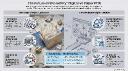
The Silent Cost of Poor Asset Visibility—and How Modern Systems Fix It
Equipment that operates continuously often becomes easy to overlook. When machines appear to be functioning normally, organizations naturally assume everything is under control. Yet this sense of stability can be misleading. Beneath the surface, unresolved issues may slowly take shape when assets are not monitored through a structured and coordinated system. These weaknesses rarely appear immediately. Instead, they grow quietly over time. Operational efficiency begins to slip, maintenance expenses gradually increase, and compliance responsibilities become harder to track. By the time problems are discovered—often during inspections, audits, or unexpected breakdowns—the impact may already be significant. In many situations, the most serious operational damage doesn’t come from sudden equipment failure but from the gradual effects of limited oversight and fragmented decision-making.
As a result, organizations have started to rethink how asset management should function. Simply maintaining a digital inventory of equipment is no longer enough. Modern operations require systems that combine asset data with maintenance planning, workflow coordination, compliance documentation, and performance analysis. ToolKitX’s Asset Management platform was developed to meet this evolving need by providing a centralized, real-time view of equipment across the organization. Through one dependable system, maintenance teams, financial stakeholders, and compliance professionals can all access the same accurate information.
ToolKitX approaches asset management from a more dynamic perspective. Instead of treating equipment as static entries in a database, the platform creates a living digital profile for each asset. From the moment equipment becomes operational, every related activity is recorded as part of its history. Usage details, inspections, service work, upgrades, incidents, and eventual decommissioning are all documented chronologically.
This approach transforms asset records into a detailed operational story. Rather than isolated data points, organizations gain a complete picture of how each asset performs throughout its lifecycle. Important documentation—such as inspection approvals, service reports, maintenance histories, and disposal records—is securely stored in a single location. Teams can quickly determine where equipment is located, its current condition, and how it contributes to daily operations. In this context, asset value extends beyond purchase price. Reliability, downtime risk, service requirements, and long-term performance all become part of the evaluation. With complete traceability, information remains structured, dependable, and immediately available when needed.
By embedding structured workflows into routine operations, ToolKitX helps organizations move away from reactive maintenance practices. Instead of responding only after equipment fails, teams can anticipate service needs ahead of time. Over time, the system’s collected data reveals patterns that support predictive maintenance strategies, improving efficiency and reducing operational uncertainty.
This integrated approach becomes particularly important in industries where equipment performance directly affects safety and productivity. Sectors such as energy, manufacturing, transportation, and utilities operate under strict operational and regulatory expectations. In these environments, even minor equipment issues can interrupt production, introduce safety concerns, or trigger compliance challenges.
ToolKitX connects asset records, maintenance scheduling, permit coordination, and change documentation within a single system. This eliminates the reliance on scattered spreadsheets or disconnected tools that often create confusion. With consistent and reliable information available, teams are better prepared for regulatory inspections, operational reviews, and long-term planning initiatives.
The platform is designed to support real-world operational environments. Within ToolKitX, users can easily move between high-level asset summaries and detailed equipment records. Supporting documents—such as manuals, certifications, calibration reports, and approval forms—are organized for quick retrieval. This structured access improves daily productivity while helping leadership evaluate equipment performance more effectively.
Maintenance scheduling is flexible enough to reflect real operating conditions. Tasks can be assigned based on calendar schedules, usage levels, or asset health indicators. Field technicians receive clear work instructions and can capture readings, notes, and images directly within the system, even when working without an internet connection. Once connectivity returns, the information automatically synchronizes, ensuring that valuable maintenance insights are preserved.
The system also strengthens operational reliability by identifying patterns in equipment behavior. Instead of only recording failures, ToolKitX helps highlight early warning signals and recurring issues. Organizations can address these indicators before they escalate into major disruptions.
Inventory and spare parts management are also integrated into the platform. Accurate monitoring of stock levels, reorder points, and component availability ensures that maintenance teams always have the materials they require. Barcode and QR code scanning further streamline inventory processes, reducing manual entry errors and allowing faster identification of parts.
Change management is handled through clearly structured workflows that maintain full traceability. Every modification passes through defined approval steps, with timestamps and documentation recorded automatically. This structured process improves accountability while strengthening compliance readiness.
ToolKitX also integrates smoothly with existing enterprise systems through its API-based architecture. This flexibility allows organizations to expand operational visibility while continuing to use their established platforms.
With centralized dashboards, the platform provides immediate insight into asset performance, maintenance progress, and potential operational risks. Early alerts enable teams to address issues before downtime occurs. Detailed lifecycle records support regulatory compliance and help leadership make informed financial and investment decisions. Because the platform is cloud-based and designed for guided implementation, organizations can adopt the system more quickly than many traditional solutions.
Ultimately, ToolKitX creates a unified operational environment where assets are monitored, maintained, and evaluated through one connected framework. Equipment failures are recorded, performance indicators such as MTTR and MTBF are tracked, and historical insights guide future improvements. By combining maintenance management, inventory oversight, change control, and analytics in a single platform, organizations gain a clear and reliable view of their operations. This clarity enables teams to respond with confidence and provides leadership with the information needed to make well-informed strategic decisions.
Book a no-cost walkthrough: https://toolkitx.com/campaign/asset-management/
How Daily Safety Inspections Strengthen Risk Control and Workforce Protection
In industries such as construction and utilities, safety cannot be treated as a milestone that is reached once and forgotten. It is a continuous responsibility that must be maintained every single day. These work environments are constantly changing. Machinery is relocated, teams shift responsibilities, temporary installations are introduced and later removed, and site conditions can transform unexpectedly. Because of this constant movement, precautions that were sufficient yesterday may no longer offer the same level of protection today. This is where a carefully planned daily workplace safety checklist becomes indispensable. Rather than being just another routine task, it serves as a forward-looking measure that helps safeguard workers, maintain compliance with safety requirements, and improve overall risk management.
A well-organized daily review encourages teams to focus on the present conditions instead of relying on assumptions carried over from previous days. Each shift begins with a deliberate evaluation of potential hazards, ensuring that safety measures are still relevant and functioning properly. When digital systems are used to record findings, assign corrective actions, and monitor progress, the checklist evolves into more than a document. It becomes a powerful operational tool that contributes directly to improving workplace safety outcomes.
Understanding the Purpose of a Daily Workplace Safety Checklist
A daily workplace safety checklist is essentially a structured inspection carried out before work begins. It leads supervisors and team members through a series of focused checks covering possible hazards, equipment condition, worker readiness, and general site preparedness. The goal is not just to confirm that safety procedures exist on paper but to ensure they are actively working in practice at that moment.
Within construction and utility operations, these inspections usually examine several key areas. These include employee readiness, fire protection measures, electrical safety controls, equipment condition, site cleanliness, and access restrictions. The checklist ultimately answers a critical question: Is the workplace fully prepared, and are all safety measures functioning correctly before the day’s tasks begin?
Why Daily Safety Inspections Are Essential
Worksites with elevated risk levels are rarely static. Conditions can change quickly and often without notice. Excavation work may deepen or shift. Scaffolding may be installed, modified, or taken down. Different teams may arrive with varying levels of familiarity with the site. Temporary electrical systems may also be introduced to support ongoing activities. Every change, no matter how small, brings the possibility of new hazards.
Without a consistent review process, these risks can remain unnoticed until they cause harm, disrupt operations, or attract regulatory attention. Daily safety checks act as an early warning mechanism, allowing teams to identify and correct issues before they turn into serious problems. Beyond preventing incidents, maintaining records of these inspections shows clear evidence of responsible management. These records are valuable during audits and can also help clarify events if an investigation becomes necessary.
Core Elements of an Effective Daily Safety Checklist
For a checklist to truly make an impact, it must address several important aspects of workplace safety.
Workforce Readiness and Protective Equipment
Supervisors need to ensure that workers are physically capable of performing their duties, properly trained, and assigned roles that match their skills and qualifications. In addition, personal protective equipment must be examined and used correctly. This ensures that workers are adequately protected against the specific risks they may encounter.
Site Organization and Environmental Safety
A disorganized workplace can quickly lead to accidents. Materials left in walkways, blocked exits, or cluttered work areas increase the chances of slips, trips, and delayed emergency response. Confirming that the site is orderly and accessible helps reduce these preventable dangers.
Fire Prevention Measures
Fire risks can develop quietly and become severe if ignored. Daily checks should confirm that fire extinguishers are available and functional, permits for hot work are properly approved, and flammable materials are stored safely. On larger sites, alarm systems and emergency exit routes should also be reviewed to ensure readiness.
Electrical Safety Controls
Electrical hazards are not always visible but can have serious consequences. Inspections should verify that grounding systems are intact, cables are in good condition, and lockout-tagout procedures are properly followed. These steps help prevent accidental exposure to live electrical sources.
Equipment and Tool Condition
Heavy machinery and shared tools require regular inspection. Safety guards, emergency shut-off features, control systems, and structural components must all be checked to confirm they are functioning correctly. This is especially important when equipment is used by multiple teams.
Ensuring the Checklist Is Used Effectively
The effectiveness of a daily checklist depends on how seriously it is taken. When inspections are rushed or treated as a routine formality, their purpose is weakened. Completing checks after work has already started removes the opportunity to prevent hazards before exposure occurs. In addition, relying solely on paper records can result in lost information and slow follow-up actions.
Digital inspection solutions can help overcome these challenges. They allow findings to be recorded instantly, include photographic evidence, and ensure corrective actions are tracked until completion. When safety inspections are connected with permits and risk assessments, safety becomes a natural part of daily operations instead of an isolated administrative requirement.
Moving Beyond Basic Compliance
When used consistently and with genuine intent, daily safety checklists do more than reduce accidents. They help build a workplace culture where safety is part of everyday thinking. Employees feel more secure, management demonstrates accountability, and organizations gain useful insights that support ongoing improvement.
In fields where even small mistakes can lead to serious consequences, beginning the day with a structured safety review is not just about meeting standards. It reflects a clear commitment to protecting people, maintaining smooth operations, and supporting long-term stability.
Book a Free Demo @ https://toolkitx.com/blogsdetails.aspx?title=Daily-Workplace-Safety-Checklist-for-Construction-and-Utilities