


Birthdays used to bring a handful of cards and a few phone calls. Now they bring a flood of notifications: group chat pings, Facebook wall posts, Instagram comments, and the occasional voice note from a relative who still prefers to talk. Replying to all of it can feel like a small job in itself.
This guide covers the unwritten rules of responding to birthday messages in a digital world, so you can be gracious without spending your whole evening typing.
A birthday message takes only seconds to send, but it signals that someone remembered you. Acknowledging it is less about formality and more about keeping relationships warm. The sender made a small effort, and a reply, even a short one, tells them it landed.
Etiquette experts have long treated prompt, sincere thanks as a basic courtesy. Resources like the Emily Post Institute have consistently emphasized that gratitude should be personal, timely, and proportionate to the gesture. That principle applies as much to a text message as to a handwritten card.
There is no strict deadline, but a good rule of thumb is to respond within a day or two. Replying on the day itself is lovely, but nobody expects you to answer while you are blowing out candles. If you fall behind, a late reply is still far better than silence.
Respond where the message was sent. A text deserves a text, and a voicemail deserves a call or a voice note back. Moving a conversation to a different platform can feel awkward, so meet people where they reached out.
A long, heartfelt paragraph from an old friend deserves more than a thumbs-up. A quick “Happy birthday!” from a casual acquaintance is fine with a warm, brief reply. Proportion matters more than word count.
Generic replies are acceptable, but one small detail changes the tone completely. Mentioning a shared memory, an inside joke, or something specific they said shows you actually read the message.
Group chats are where etiquette gets tricky. If twenty people post greetings in a thread, replying to each one individually can clutter the conversation. Instead, send one warm message to the whole group, then reply individually only to people who wrote something personal.
On platforms like Facebook, a common approach is to react to each post with a like and then publish a single group thank-you post later. This keeps your timeline tidy while still recognizing everyone. If someone wrote a longer comment, a direct reply is a nice touch.
These are the most personal messages, so they deserve the most personal replies. Even a two-sentence response that names the sender and references something specific goes a long way.
Colleagues often send greetings through office chat tools or email. Keep your reply friendly but concise, and avoid oversharing. A simple thanks and a mention of how much you appreciate working with them is plenty.
When you are answering dozens of messages, phrases start to blur together. These strategies help you stay genuine:
If you want a deeper look at phrasing and tone, this practical guide on how to say thank you for birthday wishes offers a range of approaches for different relationships and situations.
For a close friend:
“You always know how to make my birthday feel special. Thank you for the message and for being in my life. Dinner is on me next time.”
For a family member:
“Your message warmed my heart. Thank you for thinking of me, and I hope we can celebrate together soon.”
For a colleague:
“Thanks so much for the kind wishes! It’s a pleasure working with you, and I appreciate you taking the time.”
For a casual acquaintance:
“Thank you, that was thoughtful of you! Hope you’re doing well.”
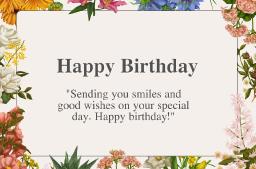
Sometimes a plain text feels too small for the moment, especially when you want to thank many people at once or add a visual touch. Digital greeting cards have become a popular middle ground between a quick message and a mailed card. A service like the Ecards Wish platform is one example of a site where people browse ready-made e-card designs they can personalize and send by email or messaging apps.
The benefit is that you can add a short note, choose a style that fits your personality, and deliver it instantly. For long-distance friends and relatives, that can feel more considerate than a generic text.
If your inbox is overflowing, try this routine:
This approach keeps the process manageable without sacrificing warmth.
Replying to birthday messages does not need to be stressful. The goal is simple: show people that their kindness mattered. Reply in the same space where they reached out, personalize when possible, keep your tone sincere, and match your effort to theirs.
A few thoughtful words, sent at the right time, can strengthen a friendship far more than a perfectly polished message ever could.
| No comments yet. Be the first. |
