


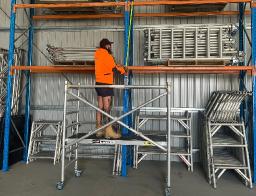
Construction work often involves working at different heights, which means having safe and suitable access is important. The right scaffolding can make everyday tasks easier while giving workers a stable platform to work from. Among the different options available, aluminium scaffolding is widely used for construction, maintenance, painting and renovation work.
It is lightweight, easy to move and can suit many types of work areas. For projects where scaffolding needs to be moved or set up in different locations, aluminium can be a practical choice. Here are some of the key benefits worth considering.
One of the biggest benefits of aluminium scaffolding is its light weight. Compared with many other scaffolding materials, aluminium is easier to handle and move around a worksite. This can be useful when workers need to change the position of the scaffold during a project. Instead of spending too much time moving heavy equipment, a suitable aluminium scaffold can be repositioned more easily.
Time is important on every construction project. Scaffolding that is easy to assemble can help workers start their jobs sooner. Aluminium scaffolding is lightweight and usually has simple parts, making it easier to put together and adjust when needed. However, it must always be assembled properly and used according to the manufacturer's instructions and relevant safety requirements. A proper setup also helps provide a stable working platform for tasks carried out at height.
Construction projects do not always take place in one area. Scaffolding may need to be transported between different sections of a building or from one site to another. Because aluminium is relatively lightweight, it can be easier to transport than heavier alternatives. This can be helpful for contractors working across several locations or for projects where equipment needs to be moved regularly.
Aluminium scaffolding can be used for a range of construction and maintenance tasks. Depending on the type of scaffold and the project requirements, it may be suitable for painting, electrical work, repairs, installation and general building maintenance. For example, a contractor working on a high wall may need a stable platform for several hours. Having suitable scaffolding can make it easier to reach the work area while keeping tools and materials within convenient reach.
Construction equipment is often exposed to changing weather and site conditions. Aluminium has good natural resistance to corrosion, which can be useful when scaffolding is used outdoors. This does not mean aluminium scaffolding can simply be left without care. Regular inspections and proper storage are still important. Dirt, damage, loose parts and other issues should be checked before equipment is used.
Working at height for long periods can be tiring, especially when workers have to repeatedly climb up and down or reach awkward areas. A suitable scaffold can provide a stable platform that gives workers more room to carry out their tasks. This can make jobs such as painting, repairs and installation work more manageable.
Good access can also help workers keep their tools and materials organised instead of carrying everything while climbing.
Not every scaffold is suitable for every project. The required height, working area, load, site conditions and type of work should all be considered before hiring or using scaffolding.
It is important to choose scaffolding that meets Australian safety requirements and is set up and used correctly. A professional scaffolding provider can also help you choose the right option for your project and site.
Yes. Aluminium scaffolding can be suitable for many construction, maintenance, repair and renovation tasks. The right type should be selected based on the height, load and conditions of the project.
Generally, aluminium scaffolding is relatively lightweight, which can make it easier to transport and reposition than heavier scaffolding systems. Mobile scaffolds can be particularly useful where access needs to change during a job.
Aluminium scaffolding can be used for many outdoor applications. Its natural resistance to corrosion makes it a practical material, but the scaffold must still be inspected and used correctly in line with site and weather conditions.
Consider the height required, working area, expected load, type of work, site conditions and how often the scaffold needs to be moved. It is also important to use equipment that is suitable for the job and complies with relevant safety requirements.
Start by considering what work needs to be done and where it will take place. A reputable scaffolding provider can help you choose a suitable system based on the project's access and safety needs.
The right scaffolding can make work at height safer, more organised and easier to manage. Aluminium scaffolding offers several practical benefits, including being lightweight, easy to transport, suitable for different jobs and resistant to corrosion.
For construction, maintenance and renovation projects, Hasscaff Scaffolding can provide practical solutions to suit different site requirements. If you are considering Aluminium Scaffold Hire in Brisbane, choosing the right equipment and a suitable setup can make the job easier to manage. Taking the time to select appropriate scaffolding can help workers carry out their tasks with greater confidence and convenience.
| No comments yet. Be the first. |
