


Online daters in 2026 no longer choose platforms based solely on match pool size. Protecting personal data, preventing cyberstalking, and avoiding doxxing have become primary criteria for active singles seeking decision-making safety.
Evaluating dating apps with best privacy features requires looking beyond marketing claims to inspect actual technical architecture. Reviewing online dating safety tips every app user needs in 2026 https://www.designnominees.com/blog/online-dating-safety-tips-every-app-user-needs-in-2026 helps establish a solid privacy baseline before you adjust individual app permissions.
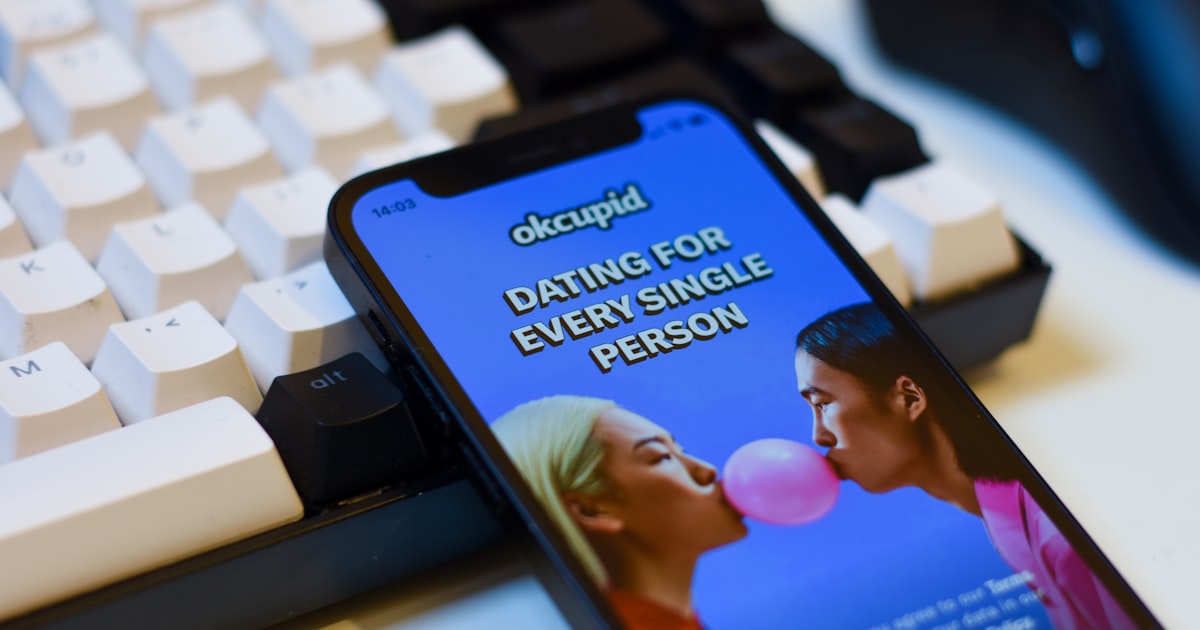
Modern platforms must implement strict technical protocols to protect user identity and real-world telemetry from malicious actors. Three essential technical standards define the most secure dating apps 2026 users trust with their personal information.
Location radius masking. Obfuscating exact GPS coordinates into a wide, safe geographic zone prevents bad actors from calculating your home or workplace address through precise triangulation.
Direct contact masking. Built-in in-app calling without phone numbers allows matches to communicate via encrypted voice and video channels without revealing real cellular numbers or personal social handles.
Metadata stripping. Automatically stripping EXIF geotags, camera specifications, and technical metadata from uploaded profile pictures prevents strangers from extracting your movement history.
Adhering to these core standards ensures that basic profile interactions never leak sensitive personal telemetry to external networks or unauthorized databases.
When conducting a comprehensive Hily privacy and security comparison against competing platforms, several proprietary technical features give the app a distinct advantage. The platform prioritizes biometric data encryption alongside granular user identity controls.
A mandatory dynamic video verification system requires new members to record a real-time gesture video selfie. This liveness check prevents AI-generated deepfakes, automated bot networks, and catfishes using stolen photos from entering the user database.
Hily also offers flexible profile visibility controls, including automated contact list blocking. By syncing your address book, you can automatically hide your dating profile from co-workers, family members, and former acquaintances.
Furthermore, real-time algorithms continuously monitor chat streams for financial fraud triggers, suspicious links, and unverified payment requests. These anti-doxxing security tools block dangerous data harvesting attempts before they reach your primary inbox.
Different platforms take unique technical approaches to safeguarding member information. A thorough dating app privacy settings review highlights how major services compare in daily operational security.
Hily. Delivers an optimal balance of rigid liveness check protocols, native encrypted video calling, and advanced contact list blocking for complete profile anonymity.
Bumble. Features strong first-move mechanics, approximate location radius masking, and automated blurring of unwanted explicit media within direct chat channels.
Tinder. Provides an incognito browsing mode and selective profile visibility, though risks remain elevated due to a massive volume of unverified accounts.
Selecting among the safest dating apps for personal data depends on whether you prioritize verified liveness authentication or discreet profile browsing.
Even high-profile dating applications can harbor subtle security vulnerabilities if users remain unaware of platform background processes. Identifying these hidden threats protects your digital footprint from long-term exposure.
Data harvesting protection gaps. Third-party advertising networks and analytics trackers can collect behavioral habits if background app permissions remain unchecked.
Screenshot prevention controls absence. Unscrupulous matches can capture private chat logs and private media if the application lacks native screenshot blocking.
Background visual clues. Distinctive apartment views, landmark reflections, or workplace logos in photos allow stalkers to locate your address using reverse image lookups.
Recognizing these subtle vulnerabilities allows you to audit your media uploads and restrict unnecessary background permissions before initiating conversations.
Protecting your digital identity requires active configuration rather than relying on default factory settings. Taking a few deliberate steps inside your account menu significantly hardens your profile against unwanted exposure.
Disable precise GPS. Switch OS location permissions from exact coordinates to approximate location radius masking to conceal your exact neighborhood.
Block existing contacts. Enable contact list blocking to prevent acquaintances, family members, and workplace colleagues from seeing your active dating profile.
Stick to verified matches. Activate search filters so that you only interact with profiles displaying an official verified profile checkmark.
Executing these simple adjustments locks down your personal footprint while keeping your matching experience smooth, safe, and enjoyable.
The clear winners in modern dating security are platforms that combine mandatory biometric liveness checks with complete contact masking. Applications like Hily lead the industry by ensuring that every verified profile checkmark corresponds to a real, vetted individual.
To maintain complete peace of mind while dating online in 2026, always prioritize verified matches, keep all voice and video calls inside the app, and audit your privacy settings monthly. Maintaining these technical boundaries allows you to build genuine connections without compromising your real-world security.
| No comments yet. Be the first. |
