


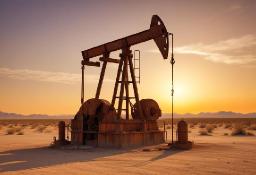
Once oil and gas wells cease production, they must be sealed to stop the flow of greenhouse gases and other contaminants. The failure to properly plug wells allows a pathway for fluids and contaminants to migrate to other areas. Well, Plugging and Abandonment (P&A) is important to the protection of the environment. Well P&A plays a critical role in reducing the environmental impacts and protecting the integrity of surface and groundwater, as well as surface ecosystems and habitats.
An improper plug back of a well can allow methane to be released to the environment. Methane is a greenhouse gas and contributes to climate change. In addition, if wellbore completion and surface equipment are not designed to protect freshwater and other underground waters, improper well plug back can allow contaminants to enter freshwater and other underground waters.
Improper plug back of wells can have many adverse environmental effects. Communications between formations remain even after production ceases and are controlled by the integrity of the wellbore.
Proper plug back of wells mitigates the above environmental effects. Well plug back is required to be done in a manner to provide an effective barrier to the various underground formations and protects the environment from potential adverse effects.
Methane, the main component of natural gas, is 84 times more potent than carbon dioxide over a 20-year period in terms of capturing heat in the atmosphere. Proper Plugging and Abandonment (P&A) of oil and gas wells helps minimize methane emissions and, consequently, helps achieve sustainability and reduce the negative impacts on the environment.
Oil and gas wells, if abandoned, will continue to emit methane for an extended period of time. In the interest of good environmental stewardship, the well should be properly plugged.
In the United States, the recently passed Inflation Reduction Act of 2021 (IRA) includes a methane emissions reduction program to incentivize closing wells and other initiatives. Proper P&A of oil and gas wells helps minimize methane emissions and positively impacts the environment.
Many people rely on groundwater for their household and agricultural needs. Therefore, protecting groundwater requires sealing abandoned wells.
If wells are abandoned without proper measures, fluids used during the drilling and production activities may flow to underground reservoirs. Once the groundwater is contaminated, it may be impossible to protect and restore it to its prior condition.
During the P&A of wells, cement is placed to plug various intervals to obstruct fluid communication between different geologic formations. Plugging of wells helps protect groundwater from hydrocarbons and other fluids.
Regulating the closure of wells helps to minimize the release of greenhouse gases and other pollutants and to avoid the contamination of subsurface formations. Well closure should occur once a well has stopped producing. Well Plugging and Abandonment should occur in a timely manner. This helps to minimize the impact of facilities that are no longer required.
Managing the plugging and abandonment of wells is one of the last steps in the life cycle of oil and gas wells. Well Plugging and Abandonment will remain essential in order to mitigate the release of greenhouse gases to the atmosphere, protect underground water sources, and responsibly close wells.
According to GMI Research, Well Plugging & Abandonment Market is projected to reach USD 3.5 million in 2032.
Proper Plugging and Abandonment helps to eliminate the impact of wells once they have ceased to be of use. This helps to minimize the risk to the environment after the cessation of production.
| No comments yet. Be the first. |
