
Streetwear trends travel faster than ever. A look that appears on a street in Tokyo, Seoul or New York on Monday can be saved, shared and copied in Lahore by Wednesday. That speed is exciting, but it comes with a problem. Many of those outfits were designed for cold weather, different cultural settings and a different kind of daily life, and copying them exactly can leave you sweating, uncomfortable or simply out of place.
The solution is not to ignore global trends but to translate them. A good translation keeps the shape and spirit of a look while changing the fabric, layers and details to suit Pakistan. In this guide, we’ll go through how to adapt international streetwear to local weather and culture, which trends travel well and which need changes, and how to add your own touch so the outfit feels like yours. If you’re also exploring an oversized t-shirt female shoppers wear with global-inspired looks, these adaptation tips will help you choose pieces that work in real conditions.
Before copying an outfit, ask what makes it work. Most international streetwear looks rely on a few simple ideas, such as relaxed proportions, layered textures, a calm color palette and one standout detail. The specific pieces matter less than the logic behind them.
Once you see the logic, you can rebuild the look with items that suit your climate. A heavy puffer jacket in a foreign photo might be doing the job of adding volume and contrast, and you can achieve the same effect in Pakistan with an open overshirt and a staggered hem. Thinking in ideas instead of exact items makes every trend easier to adapt.
Climate is the biggest difference between Pakistan and the places most trends come from. Many viral outfits assume cold air, which is why they involve thick layers, wool, heavy denim and boots. In Pakistan’s long summers, with temperatures past 40 degrees and humid coastal air in Karachi, those same layers become unbearable.
The fix is to match fabric weight to the season. In summer, choose breathable cotton around 180 to 220 GSM, lighter denim washes and thin cargos, and let accessories carry the style instead of layers. In winter, the full layered looks make sense, so save them for the colder months. Matching the weather first keeps you comfortable, and comfort is what makes an outfit look relaxed rather than forced.
A simple way to adapt almost any trend is to change the fabric while keeping the shape. A thick hoodie look can become a lightweight zip-up or an open overshirt, and a heavy twill cargo can become thin cotton in the same cut. The silhouette stays recognizable, but the outfit now works in heat.
Cotton is the safest choice for Pakistan, especially combed or ring-spun cotton, which feels soft and handles sweat well. Avoid polyester-heavy blends for everyday summer wear, since they trap heat and odor. Denim also needs attention, and these tips on denim in hot weather explain how lightweight fabrics and breathable fits keep jeans wearable when temperatures climb.
Oversized and relaxed shapes are the backbone of global streetwear, and they suit Pakistan well. The loose body of an oversized tee lets air circulate, and wide-leg trousers or baggy jeans give legs room to breathe. The key is keeping proportions balanced, so the outfit looks designed.
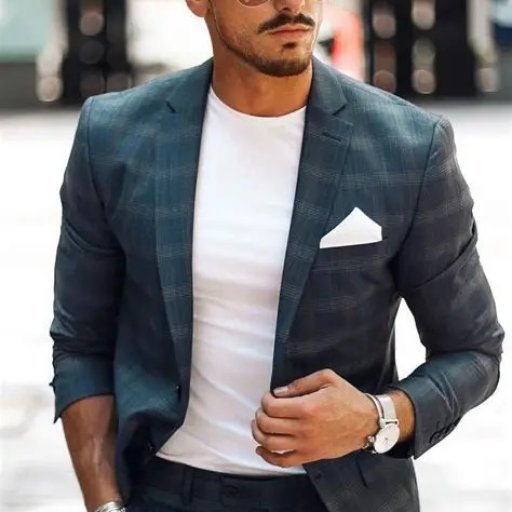
Choose a tee with a dropped shoulder seam a few centimeters below your natural shoulder, sleeves ending near mid-bicep and a hem around the hip. Pair it with bottoms that add structure, and use a half-tuck at the front to show your waistline. Avoid sizing up too far, because extra fabric adds heat and makes the shirt look sloppy. For a clear picture of what correct proportions look like, this guide to oversized vs regular fit breaks down the key differences.
Layering is a signature of international streetwear, but you can adapt it to Pakistan without suffering. In summer, a thin open overshirt over a tee gives the same layered look as a jacket, and it doubles as protection against cold air-conditioned spaces. In cooler months, a slim long-sleeve base under an oversized tee and a denim jacket or bomber on top captures the full effect.
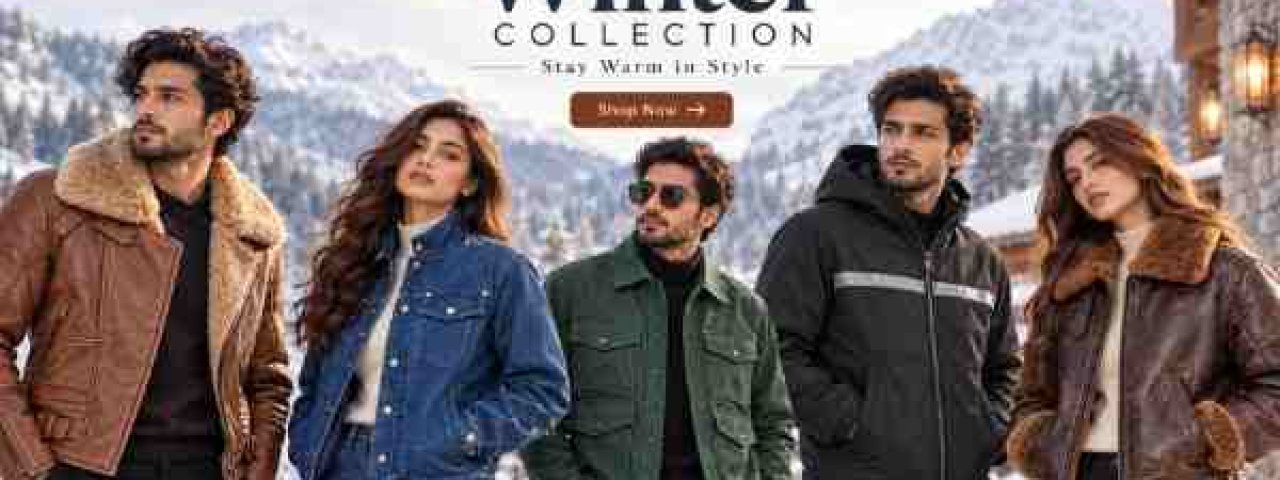
The rule that makes layers look styled in any climate is staggering the hem lengths, so the tee shows below the jacket and the jacket ends higher than the overshirt. Keep layers within your color palette and avoid piling on patterns. For help choosing outerwear that suits Pakistan’s colder months, this winter jackets guide compares fabrics, styles and warmth.
International palettes are often built around softer, cooler light and different skin tones. In Pakistan, strong sunlight and a wide range of complexions call for a slightly different approach. Earth tones such as sand, olive, sage, brown and cream look warm and flattering on most skin tones here, and they handle bright sun well.
Black and navy look sharp but absorb heat, so many people save them for evenings or air-conditioned plans. In humid weather, mid-tones hide sweat better than very pale shades, and light heather grey is best avoided. Tone-on-tone dressing, such as a sand tee with tan trousers, translates beautifully from any global trend into a polished local outfit. Keep your palette to three colors including shoes.
The best way to make an international trend yours is to add something unmistakably local. Graphics are an easy place to start. Urdu calligraphy, truck art motifs, bazaar-inspired illustrations and humor drawn from everyday life give a global silhouette a Pakistani voice. A back print or small chest design with a local reference turns a familiar look into something personal.
Footwear is another natural place for a local twist. A pair of leather chappals worn with an oversized tee and wide trousers feels comfortable, distinctive and rooted in place, and many young people now treat them as just as cool as sneakers. If you want to explore options, these Peshawari chappal styles show how a traditional favorite fits into modern outfits.
Fashion in Pakistan also has to work within everyday social expectations. Some international trends rely on cropped or very revealing pieces that may not suit your family, workplace or neighborhood. The good news is that streetwear is naturally forgiving. Boxy tees, relaxed trousers and layered outfits already offer comfortable coverage.
For extra coverage, many people wear an oversized tee over a thin long-sleeve top with relaxed trousers, which also helps in cold air-conditioned rooms and protects against the sun. You can borrow the attitude of a trend without borrowing every element, and choosing what feels right for your own setting is part of dressing well.
Some international trends adapt to Pakistan with very little effort. Baggy jeans and boxy tees suit the climate and culture naturally. Cargo pants in thin cotton, earth-toned tonal outfits, chunky sneakers, plain caps and crossbody bags all work well. Vintage-style graphic tees fit perfectly too, thanks to the strong thrift culture in Pakistani bazaars.
These trends succeed because they match local needs for comfort, practicality and affordability. They also pair easily with traditional pieces, so you can mix and match without strain.
Other trends need more adaptation. Heavy puffer jackets, thick knit sweaters, chunky boots and layered coats are impractical for most of the year, so save them for winter or find lighter versions. Very tight or very short silhouettes may not suit local comfort levels, and dark head-to-toe outfits can feel unbearable in peak heat.
When you see one of these looks, try to keep the idea and change the execution. Swap a puffer for an open overshirt, replace boots with clean sneakers or chappals and trade thick knits for a long-sleeve cotton base. The outfit still carries the trend, without the discomfort.
You do not need imported labels to wear international trends. Many local brands now design streetwear inspired by global looks, using fabrics and cuts suited to Pakistan. When you shop, compare real measurements with a shirt you already own, check fabric type and GSM and read reviews about fit, thickness and print quality. Confirm the exchange policy before you order, since sizing can vary.
Thrift markets are also excellent for finding vintage pieces that match global aesthetics at a fraction of the price. Only buy what works with items you already own, so each new piece strengthens your wardrobe instead of cluttering it.
The most common mistake is copying an outfit exactly without considering the weather. Another is sizing up too far to chase an oversized look, which adds heat and looks sloppy. Choosing thin fabric that clings, wearing heavy layers in summer, ignoring clean shoes and following every trend regardless of your taste are the other usual traps. The best outfits borrow ideas but still look like the person wearing them.
Good care keeps global-inspired pieces looking fresh in Pakistan’s conditions. Wash tees inside out in cold water to protect prints and colors, and avoid hot dryers that shrink cotton and loosen collars. Wash denim less often to preserve its color, air dry in the shade because harsh sun fades fabric and fold your tees instead of hanging them to prevent shoulder bumps. In humid cities, make sure clothes are completely dry before storing them.
Wearing international streetwear in Pakistan is less about copying and more about translating. Understand the idea behind a trend, match fabrics and layers to the weather, keep proportions balanced and add a local touch through graphics, footwear and color. Respect your own comfort and setting, and adapt anything that does not suit your life.
Start with one trend you love, rebuild it with breathable cotton, clean shoes and a calm palette, and adjust until it feels natural. When a global look is adapted this way, it stops being an imitation and becomes something genuinely your own.
| No comments yet. Be the first. |
