
Blogs
Europe Food Storage Container Market to Witness Strong Growth Driven by Sustainable Packaging
By komal234, 2026-07-20
According to the latest report published by Data Bridge Market Research, the Europe Food Storage Container Market
CAGR Value
For an effectual business growth, companies must adopt market research report such as Europe Food Storage Container Marketwhich has become quite vital in this rapidly changing marketplace. The most up to date market insights and analysis performed in this report brings marketplace clearly into focus. This market research study analyzes the market status, growth rate, future trends, market drivers, opportunities and challenges, risks and entry barriers, sales channels, and distributors in the Europe Food Storage Container Market This market report highlights key market dynamics, current market scenario and future prospects of the sector. Europe Food Storage Container Market report studies consumption of market, top players involved, sales, price, revenue and market share with volume and value for each region..
Stay informed with our latest keyword market research covering strategies, innovations, and forecasts. Download full report: https://www.databridgemarketresearch.com/reports/europe-food-storage-container-market
Europe Food Storage Container Market Segmentation and Market Companies
Segments
- By Type
- Plastic Food Storage Containers
- Glass Food Storage Containers
- Metal Food Storage Containers
- Others
- By Material
- Polypropylene
- Polyethylene
- Polyethylene Terephthalate
- Others
- By Capacity
- Up to 500 ml
- 500 ml to 1,000 ml
- 1,000 ml to 2,500 ml
- Above 2,500 ml
- By Distribution Channel
- Online
- Offline
- By End-Use
- Residential
- Commercial
The Europe food storage container market can be segmented based on various factors such as type, material, capacity, distribution channel, and end-use. In terms of type, the market is divided into plastic food storage containers, glass food storage containers, metal food storage containers, and others. Based on the material, the market can be categorized into polypropylene, polyethylene, polyethylene terephthalate, and others. Capacity-wise segmentation includes containers up to 500 ml, 500 ml to 1,000 ml, 1,000 ml to 2,500 ml, and above 2,500 ml. The distribution channels for these products are mainly online and offline, while the end-use segments consist of residential and commercial use.
Market Players
- Tupperware Brands Corporation
- LocknLock Co., Ltd.
- Silgan Containers LLC
- Sistema Plastics
- Vollrath Manufacturing Services
- Cambro Manufacturing Company
- Joseph Joseph Ltd.
- World Kitchen, LLC
- TOSSWARE
- Signoraware
The Europe food storage container market is highly competitive, with key players striving to gain a competitive edge through product innovation, quality enhancements, and strategic partnerships. Some of the prominent market players in the region include Tupperware Brands Corporation, LocknLock Co., Ltd., Silgan Containers LLC, Sistema Plastics, and Vollrath Manufacturing Services. Other notable companies operating in the market are Cambro Manufacturing Company, Joseph Joseph Ltd., World Kitchen, LLC, TOSSWARE, and Signoraware. These market players are focusing on expanding their product portfolios, improving distribution networks, and catering to the evolving consumer preferences to maintain their market position in the Europe food storage container market.
The Europe food storage container market is witnessing steady growth driven by the increasing focus on food preservation, changing lifestyle patterns, and the rising demand for convenience products. Plastic food storage containers are dominating the market due to their lightweight, durable, and cost-effective nature, making them preferred choices for both residential and commercial applications. Glass food storage containers are gaining traction among consumers looking for eco-friendly and aesthetic options. Metal food storage containers cater to specific needs, especially in commercial establishments where durability and hygiene are crucial.
In terms of materials, polypropylene is widely used in food storage containers due to its heat resistance and flexibility. Polyethylene is another popular material known for its chemical resistance and durability, making it suitable for various food storage applications. Polyethylene terephthalate containers are commonly used for storing beverages and ready-to-eat meals, offering convenience and portability. Other material options in the market cater to specific requirements such as microwave-safe containers or freezer-friendly options.
Capacity segmentation plays a crucial role in catering to diverse consumer needs. Smaller containers up to 500 ml are ideal for individual servings or storing condiments. Medium-sized containers ranging from 500 ml to 1,000 ml are popular for storing leftovers or meal prepping. Larger containers above 2,500 ml are preferred for bulk storage or commercial purposes, such as in restaurants or catering services.
The distribution channels for food storage containers in Europe are evolving, with a shift towards online platforms driven by the convenience and extensive product options available. Offline channels like retail stores and supermarkets remain relevant for consumers who prefer to physically inspect products before purchase. The residential segment dominates the end-use category, with consumers utilizing food storage containers for home meal preparation, leftovers, and pantry organization. The commercial segment includes food service establishments, catering businesses, and institutional buyers requiring durable and hygienic storage solutions.
The key market players in the Europe food storage container market are continuously innovating to meet consumer demands and enhance their market presence. Product innovation, such as compartments for meal planning or stackable designs for space-saving storage, is a common strategy adopted by manufacturers to stay competitive. Quality enhancements focusing on materials that are food-safe, BPA-free, and sustainable are gaining importance among eco-conscious consumers. Strategic partnerships with retailers or e-commerce platforms are also crucial for expanding reach and increasing product visibility in the competitive market landscape. As consumer preferences and regulatory standards evolve, market players need to stay agile and adaptive to maintain their market position and drive growth in the Europe food storage container market.The Europe food storage container market is a dynamic and competitive landscape with various key players vying for market share through product innovation, quality improvements, and strategic collaborations. Tupperware Brands Corporation, LocknLock Co., Ltd., Silgan Containers LLC, Sistema Plastics, and Vollrath Manufacturing Services are among the leading companies in the market. These companies are focused on expanding their product lines, enhancing their distribution networks, and meeting the changing preferences of consumers to maintain their positions in the market. Alongside these major players, companies like Cambro Manufacturing Company, Joseph Joseph Ltd., World Kitchen, LLC, TOSSWARE, and Signoraware are also making significant contributions to the market.
The market for food storage containers in Europe is experiencing steady growth driven by factors such as the increasing emphasis on food preservation, lifestyle changes, and the growing demand for convenience products. Plastic containers are the most popular choice due to their lightweight nature, durability, and cost-effectiveness, making them suitable for both residential and commercial applications. Glass containers are gaining traction among consumers who prioritize eco-friendliness and aesthetics, while metal containers cater to specific needs in commercial settings where durability and hygiene are paramount.
In terms of materials, polypropylene, polyethylene, and polyethylene terephthalate are widely used in food storage containers for their respective properties such as heat resistance, flexibility, chemical resistance, and durability. These materials cater to different requirements of food storage, ensuring that containers are suitable for various applications and conditions. Capacity segmentation is also a critical factor influencing consumer choice, with containers available in a range of sizes from individual servings to bulk storage for commercial purposes.
The distribution channels for food storage containers are evolving, with online platforms gaining prominence for their convenience and extensive product offerings. However, offline channels such as retail stores and supermarkets remain relevant for consumers who prefer a physical shopping experience. The residential segment dominates the end-use category, reflecting the widespread use of food storage containers in home kitchens for meal preparation, leftovers, and organization. On the other hand, the commercial segment caters to the needs of food service establishments and catering businesses that require specialized storage solutions.
Overall, the Europe food storage container market is characterized by innovation, quality focus, and a dynamic consumer landscape where companies must adapt to changing preferences and industry standards to sustain growth and remain competitive in the market. Staying attuned to consumer needs, leveraging partnerships, and continuous product development are essential strategies for companies operating in this market to thrive and succeed in the evolving food storage container industry.
Frequently Asked Questions About This Report
How is the Europe Food Storage Container Market adapting to the Direct-to-Consumer trend?
How do Defensive strategies impact overall market valuation?
How does Customer Satisfaction correlate with Europe Food Storage Container Market share?
How do IP (Intellectual Property) rights protect Europe Food Storage Container Market innovations?
What is the influence of ISO standards on Europe Food Storage Container Market quality?
What is the impact of Right to Repair laws on the Europe Food Storage Container Market?
How are companies in the Europe Food Storage Container Market using Computer-Aided Design (CAD)?
How is consumer behavior shifting in the Europe Food Storage Container Market post-2025?
How much is the Services segment projected to be worth in the green sector?
What are the key success factors for a Europe Food Storage Container Market participant?
Browse More Reports:
Global Containers as a Service Market
Global Deuterium Lamps Market
Global Electrical Steel Market
Global Electronic Trial Master File (eTMF) Systems Market
Global Electronic Payment (Epayment) System Market
Global Factory Automation Market
Global Food Microencapsulation Market
Global Fiberglass Reinforced Plastics (FRP) Dual Laminate Tank Market
Global Functional Mushroom for Food & Beverages Market
Global Gas Sensors Market
Global Graph Analytics Market
Global Green and Bio Polyols Market
Global Hand Cream Market
Global Hardware Security Modules Market
Global Healthcare/Medical Simulation Market
Contact Us:
Data Bridge Market Research
US: +1 614 591 3140
UK: +44 845 154 9652
APAC : +653 1251 990
Email:- corporatesales@databridgemarketresearch.com"
Best Value 55-Inch Digital Signage Display for Advertising: The Ultimate Solution for Your Business
By portworld, 2026-07-20
In today’s fast-paced business environment, effective advertising is key to standing out. Whether you’re running a retail store, a hotel, a mall, or a corporate office, leveraging digital signage can make all the difference in driving engagement and delivering impactful messages. Among the wide variety of digital signage options available, the 55″ Floor Standing Digital Signage Display offers a perfect balance of value, performance, and features.
Why Choose a 55-Inch Digital Signage Display for Advertising?
A 55-inch digital signage display provides the ideal size for high-visibility areas. It offers a large, clear screen that grabs attention without overwhelming the space. With its Full HD resolution (1920×1080), your content will be sharp, vibrant, and easy to read from a distance. Whether you're showcasing advertisements, company announcements, or engaging with customers interactively, a 55-inch screen is big enough to make a lasting impact.
Key Features of the 55″ Floor Standing Digital Signage Display
- High-Resolution Display
The display features a Full HD resolution, ensuring that your content comes to life with vibrant colors and crisp images. It is perfect for displaying dynamic advertisements, videos, and even social media feeds. The 350 cd/m² brightness ensures that your content remains visible even in well-lit or high-traffic areas. - 24/7 Continuous Operation
Designed for 24/7 operation, this signage display is perfect for high-traffic public spaces where uninterrupted performance is a must. Whether in a shopping mall, hotel lobby, or airport, you can trust this display to work around the clock without a hitch.
RK3588 vs Raspberry Pi 5 Performance Comparison: Which SBC Is Better in 2026?
ESP32 Motherboard for Robotics and Servo Control
In-wall Embedded Commercial Monitor with RS232 Control
Flush Mount Smart Home Panel with Android OS Embedded
24/7 Operational Digital Menu Boards for Fast Food Chains
bulk buy waterproof outdoor advertising screens
OEM ODM Outdoor Commercial Display Factory in China
Custom BSP Development for Rockchip Smart Control Panels
Dual-partition OTA update solution for Yocto embedded Linux
Yocto Linux Image with Qt/QML Support for Touch Panels
Smart control panel PCBA board design and manufacturing services
Custom Linux firmware development for smart control panels
In-wall Smart Control Panel with Standard EU/US Junction Box
Smart Control Panel Pre-Installed with Home Assistant OS
The Comparison Between Android and Linux Smart Control Panels for B2B Applications
Edge AI-powered smart control panel for face recognition access
86 Type Wall-Embedded Smart Control Panel for Home Automation
outdoor digital signage SKD CKD hardware solutions
4K UHD outdoor digital signage display monitor
2500 nits high brightness outdoor digital signage
Casino en Vivo - Casino Online | BCTY
Crash - Casino Online | BCTY
Apuestas En Vivo - Cuotas en Tiempo Real | BCTY | BCTY
Formula 1 - Clasificacion, Calendario y Apuestas F1 | BCTY
Crash - Casino Online | LucksSlots
Casino y Deportes En Vivo | LucksSlots | LucksSlots
Formula 1 - Clasificacion, Calendario y Apuestas F1 | LucksSlots
Guías de apuestas | LucksSlots
Casino en Vivo - Juegos de Casino Online | AlpacaMax
Crash Games - Juegos de Casino Online | AlpacaMax
Jackpots - Juegos de Casino Online | AlpacaMax
Casino en Vivo - Juegos de Casino Online | AlpacaOdds
Crash Games - Juegos de Casino Online | AlpacaOdds
Jackpots - Juegos de Casino Online | AlpacaOdds
Casino en Vivo - Juegos de Casino Online | AlpacaGaming
Crash Games - Juegos de Casino Online | AlpacaGaming
Jackpots - Juegos de Casino Online | AlpacaGaming
Casino en Vivo - Juegos de Casino Online | AlpacaZone
Crash Games - Juegos de Casino Online | AlpacaZone
Jackpots - Juegos de Casino Online | AlpacaZone
Casino en Vivo - Juegos de Casino Online | AlpacaPrime
Crash Games - Juegos de Casino Online | AlpacaPrime
Jackpots - Juegos de Casino Online | AlpacaPrime
Análisis Deportivas | DeporPeru
Análisis Deportivas | GolNoticias
Análisis Deportivas | FutbolHoy
Análisis Deportivas | LigaPeru
Análisis Deportivas | NoticiasGol
Análisis Deportivas | PeruDeportes
Análisis Deportivas | FutbolPE
Análisis Deportivas | MatchDay
Análisis Deportivas | ZonaSport
Análisis Deportivas | PelotaInfo
Nike Shox
Air Jordan 1
AJ1
AJ3
AJ4
AJ11
adidas Samba
adidas Gazelle
adidas Campus
adidas YEEZY
adidas Originals
Nike Dunk
Air Force 1
Nike Air Max
Nike Shox
Air Jordan 1
AJ1
AJ3
AJ4
AJ11
adidas Samba
adidas Gazelle
adidas Campus
Nike Shox
Air Jordan 1
AJ1
AJ3
AJ4
AJ11
adidas Samba
adidas Gazelle
adidas Campus
adidas YEEZY
adidas Originals
Air Jordan 1
adidas Samba
NB 550
Nike Dunk
Air Jordan 1
adidas Samba
NB 550
Air Jordan 1
AJ1
Nike Dunk
Air Force 1
Nike Air Max
Nike Shox
Air Jordan 1
AJ1
AJ3
AJ4
AJ11
adidas Samba
adidas Gazelle
adidas Campus
Nike Shox
Air Jordan 1
AJ1
AJ3
AJ4
AJ11
adidas Samba
adidas Gazelle
adidas Campus
adidas YEEZY
adidas Originals
Air Jordan 1
adidas Samba
NB 550
Nike Dunk
Air Jordan 1
adidas Samba
NB 550
Air Jordan 1
AJ1
Nike Shox
Air Jordan 1
AJ1
AJ3
AJ4
AJ11
adidas Samba
adidas Gazelle
adidas Campus
adidas YEEZY
adidas Originals
Nike Dunk
Air Force 1
Nike Air Max
Nike Shox
Air Jordan 1
AJ1
AJ3
AJ4
AJ11
adidas Samba
adidas Gazelle
adidas Campus
Air Jordan 1
adidas Samba
NB 550
Nike Dunk
Air Jordan 1
adidas Samba
NB 550
Air Jordan 1
AJ1
AJ3
AJ4
AJ11
Nike Dunk
Air Force 1
Nike Air Max
Nike Shox
adidas Samba
adidas Gazelle
adidas Campus
Nike Shox
Air Jordan 1
AJ1
AJ3
AJ4
AJ11
adidas Samba
adidas Gazelle
adidas Campus
adidas YEEZY
adidas Originals
AJ3
AJ4
AJ11
Nike Dunk
Air Force 1
Nike Air Max
Nike Shox
adidas Samba
adidas Gazelle
adidas Campus
Nike Shox
Air Jordan 1
AJ1
AJ3
AJ4
AJ11
adidas Samba
adidas Gazelle
adidas Campus
adidas YEEZY
adidas Originals
Nike Shox
Air Jordan 1
AJ1
AJ3
AJ4
AJ11
adidas Samba
adidas Gazelle
adidas Campus
adidas YEEZY
adidas Originals
Air Jordan 1
adidas Samba
NB 550
Nike Dunk
Air Jordan 1
adidas Samba
NB 550
Air Jordan 1
AJ1
Nike Shox
Air Jordan 1
AJ1
AJ3
AJ4
AJ11
adidas Samba
adidas Gazelle
adidas Campus
adidas YEEZY
adidas Originals
Air Jordan 1
adidas Samba
NB 550
Nike Dunk
Air Jordan 1
adidas Samba
NB 550
Air Jordan 1
AJ1
Nike Shox
Air Jordan 1
AJ1
AJ3
AJ4
AJ11
adidas Samba
adidas Gazelle
adidas Campus
adidas YEEZY
adidas Originals
Nike Shox
Air Jordan 1
AJ1
AJ3
AJ4
AJ11
adidas Samba
adidas Gazelle
adidas Campus
adidas YEEZY
adidas Originals
Air Jordan 1
adidas Samba
NB 550
Nike Dunk
Air Jordan 1
adidas Samba
NB 550
Air Jordan 1
AJ1
AJ3
AJ4
AJ11
Nike Dunk
Air Force 1
Nike Air Max
Nike Shox
adidas Samba
adidas Gazelle
adidas Campus
Nike Dunk
Air Force 1
Nike Air Max
Nike Shox
Air Jordan 1
AJ1
AJ3
AJ4
AJ11
adidas Samba
adidas Gazelle
adidas Campus
Nike Shox
Air Jordan 1
AJ1
AJ3
AJ4
AJ11
adidas Samba
adidas Gazelle
adidas Campus
adidas YEEZY
adidas Originals
AJ3
AJ4
AJ11
Nike Dunk
Air Force 1
Nike Air Max
Nike Shox
adidas Samba
adidas Gazelle
adidas Campus
Nike Shox
Air Jordan 1
AJ1
AJ3
AJ4
AJ11
adidas Samba
adidas Gazelle
adidas Campus
adidas YEEZY
adidas Originals
Nike Dunk
Air Force 1
Nike Air Max
Nike Shox
Air Jordan 1
AJ1
AJ3
AJ4
AJ11
adidas Samba
adidas Gazelle
adidas Campus
Global Manganese Ore Market to Reach USD 34 Billion by 2034, Driven by Steel Production and EV Battery Demand
By Disha, 2026-07-20
Global Manganese Ore Market to Reach USD 34 Billion by 2034, Driven by Steel Production and EV Battery Demand
Global manganese ore market was valued at USD 16.5 billion in 2025 and is projected to reach USD 34.0 billion by 2034, exhibiting a remarkable CAGR of 8.4% during the forecast period.
Manganese ore, a high‑grade ferruginous mineral essential for steelmaking, alloy manufacturing and the fast‑growing electric‑vehicle (EV) battery supply chain, has transitioned from a raw‑material commodity to a strategic input that underpins modern industrial economies. Its distinctive properties-high manganese content for de‑oxidation, excellent ferromagnetic behavior, and the ability to enhance hardness and tensile strength-make it indispensable across a spectrum of applications. Unlike lower‑grade siderite, high‑carbon manganese ore can be directly fed into blast furnaces, delivering cost‑effective performance while supporting emerging green‑steel initiatives.
Get Full Report Here: https://www.24chemicalresearch.com/reports/315976/manganese-ore-market
Market Dynamics:
The market’s trajectory is shaped by a complex interplay of powerful growth drivers, significant restraints that are being actively addressed, and vast, untapped opportunities.
Powerful Market Drivers Propelling Expansion
- Sustaining Steel Production & Infrastructure Expansion: The global steel industry, a multi‑trillion‑dollar sector, remains heavily reliant on manganese ore as a primary de‑oxidizer and alloying agent. As emerging economies accelerate urbanisation and infrastructure development, demand for high‑strength steel-particularly HSLA (high‑strength low‑alloy) grades-continues to climb. The shift toward lower‑carbon furnace technologies in Europe and North America also heightens the need for precise manganese grading, further cementing ore demand.
- Rise of Battery‑Grade Manganese for EVs: Lithium‑ion battery chemistries increasingly incorporate manganese‑rich cathodes (e.g., NMC 811) to boost energy density while reducing cobalt reliance. Battery manufacturers are therefore seeking high‑purity, low‑impurity manganese ore to support downstream electrolyte‑grade compounds. The International Energy Agency projects that EV sales could exceed 30 million units annually by 2030, creating a new, fast‑growing demand vector for the ore.
- Emerging Alloy & Green‑Steel Applications: Advanced alloys for aerospace, automotive lightweighting, and renewable‑energy equipment (e.g., wind‑turbine gearboxes) demand manganese with tightly controlled impurity profiles. Simultaneously, green‑steel projects that employ hydrogen‑based direct‑reduced iron (DRI) call for manganese ore that can be efficiently integrated into low‑temperature processes, opening fresh market niches beyond conventional blast‑furnace routes.
Download FREE Sample Report: https://www.24chemicalresearch.com/download-sample/315976/manganese-ore-market
Significant Market Restraints Challenging Adoption
Despite its promise, the market faces hurdles that must be overcome to achieve universal adoption.
- High Production Costs and Environmental Constraints: Extracting high‑carbon manganese ore from deep‑sea deposits or low‑grade open pits often requires energy‑intensive beneficiation, crushing and flotation processes that elevate unit costs. Moreover, stricter environmental regulations on tailings management and water usage-particularly in South Africa and Australia-add compliance expenses that compress profit margins for many operators.
- Regulatory Uncertainties and Trade Policies: Key producing nations such as South Africa, Mozambique and Brazil periodically revise mining royalties, export duties and beneficiation mandates. These policy shifts can swiftly alter cost structures, while geopolitical tensions occasionally disrupt freight corridors, creating supply‑chain volatility that worries downstream steelmakers.
Critical Market Challenges Requiring Innovation
Scaling ore production to meet both steel and battery demands presents technical and logistical challenges. Maintaining consistent manganese content (typically 40‑45 % Mn) across large volumes is difficult; variations can affect steel chemistry and battery cathode performance. Additionally, logistics bottlenecks at major export terminals-especially where rail infrastructure is limited-inflate freight costs and extend lead times. Companies are therefore compelled to invest in digital mine‑to‑port platforms, predictive maintenance and real‑time ESG monitoring to safeguard operational efficiency.
Furthermore, the supply chain remains fragmented. While a handful of vertically integrated miners dominate primary production, downstream beneficiation and alloy‑making are spread across numerous middle‑men, leading to price mark‑ups and reduced transparency for end users.
Vast Market Opportunities on the Horizon
- Strategic Partnerships for Downstream Processing: Joint ventures between mining firms and specialty chemicals companies enable on‑site beneficiation, reducing reliance on distant processing hubs. Such collaborations can capture higher margins, enhance product traceability and satisfy OEM requirements for responsibly sourced manganese.
- Circular Economy & Recycling of Manganese from Steel Scrap: Advanced metallurgical processes now recover up to 70 % of manganese from end‑of‑life steel, providing a secondary supply stream that mitigates primary‑mine exposure. Integrating recycling into the value chain not only improves resource efficiency but also aligns with ESG commitments increasingly demanded by automakers and battery manufacturers.
- Technological Advancements in Ore Beneficiation: Innovations such as sensor‑based ore sorting, high‑gradient magnetic separation and low‑temperature hydrometallurgical leaching promise to lower energy consumption and improve grade consistency. Early adopters report cost reductions of 10‑15 % and shorter processing cycles, positioning these technologies as catalysts for broader market growth.
In-Depth Segment Analysis: Where is the Growth Concentrated?
By Type:
The market is segmented into High‑carbon manganese ore and Low‑carbon manganese ore. High‑carbon manganese ore commands the majority of demand because its elevated manganese content delivers superior de‑oxidizing performance in primary steelmaking. Low‑carbon manganese ore, while less abundant, fulfills specialized roles where lower impurity profiles are essential, such as the manufacture of high‑grade specialty alloys. Industry participants therefore align their sourcing strategies around these two primary ore types, balancing volume needs with quality considerations to support diverse downstream applications.
By Application:
Application segments include Steel production, Aluminum alloy manufacturing, Battery cathode material and Others. Steel production remains the cornerstone of manganese ore demand, as manganese fulfills a critical de‑oxidizing function and contributes to the development of desired mechanical properties such as tensile strength and wear resistance. In aluminum alloy manufacturing, manganese enhances corrosion resistance, offering value to aerospace and packaging sectors. Emerging energy‑storage technologies have introduced manganese‑based cathode chemistries, positioning the ore as a strategic input for electric‑vehicle batteries and grid‑scale storage solutions. These application trends collectively shape supplier priorities, encouraging investments in ore beneficiation that can meet the evolving performance expectations of each end‑use.
By End User:
The end‑user landscape includes Steel manufacturers, Non‑ferrous metal producers and Chemical processing firms. Steel manufacturers prioritize a dependable supply of manganese ore to sustain continuous furnace operations and adhere to stringent quality expectations, often establishing long‑term contracts with mining entities. Non‑ferrous metal producers, especially those focused on aluminum alloys, seek ore variants with minimal impurity loads to safeguard alloy integrity and performance. Chemical processing firms that produce ferromanganese and silicomanganese value consistent ore characteristics for efficient smelting and product uniformity. Across these user groups, the emphasis on material reliability, logistic certainty and alignment with sustainability commitments drives procurement choices and shapes overall market dynamics.
Competitive Landscape:
The global manganese ore sector is semi‑consolidated and characterized by intense competition and rapid innovation. The top five companies-South32 (Australia), Eramet (France), Vale S.A. (Brazil), China Minmetals Corporation (China) and Jinchuan Group (China)-collectively command more than 55 % of primary production capacity as of 2024. Their dominance is underpinned by vertically integrated operations that span extraction, beneficiation, logistics and long‑term off‑take contracts. Smaller miners differentiate through niche mineralogy, proximity to emerging steel hubs, or by offering ESG‑certified ore streams that appeal to sustainability‑focused OEMs.
List of Key Manganese Ore Companies Profiled:
- South32 (Australia)
- Eramet (France)
- Vale S.A. (Brazil)
- China Minmetals Corporation (China)
- Jinchuan Group (China)
- Union Mineral Development (Sri Lanka)
- Australian Mines Ltd (Australia)
- Bharat Minerals (India)
- NMDC (India)
- Toshiba Materials (Japan)
Manganese Ore Market TRENDS
Steel‑sector demand and low‑grade ore substitution
Global manganese ore output held steady at roughly 19 million metric tons in the latest year, with South Africa, Australia and China accounting for more than two‑thirds of supply. Approximately 85 % of that volume ends up in steelmaking, where manganese acts as a de‑oxidizer and strength enhancer. Recent tightening of emission standards in Europe and North America has forced major steel mills to lower furnace temperatures, a shift that raises the proportion of low‑grade ore required to achieve the same alloy chemistry. As a result, producers with access to high‑grade deposits are experiencing tighter margins, while operators of lower‑grade projects are seeing a modest uplift in utilization rates. The net effect is a re‑allocation of cargoes along established trade lanes, with Indian imports rising by about 6 % year‑on‑year to meet its expanding construction fleet.
Other Trends
Supply‑chain realignment in Africa
Gabon and the Democratic Republic of Congo have introduced new licensing frameworks that prioritize domestic processing over raw‑material export. Early‑stage data suggest that processed manganese concentrates from these jurisdictions have begun to capture a share of the European market that previously belonged to South African sinter. The policy shift is driven by a combination of fiscal incentives for value‑added production and mounting pressure from downstream users to secure a more transparent supply chain. Companies that can demonstrate country‑of‑origin certification are gaining pricing power, especially in contracts tied to green‑steel initiatives.
Battery‑grade manganese and recycling prospects
The rise of lithium‑ion chemistries that incorporate manganese‑rich cathodes has introduced a second, faster‑growing demand vector. In 2022, batteries accounted for roughly 5 % of total manganese consumption; market observers note that the share could approach 10 % within five years as electric‑vehicle manufacturers scale high‑energy‑density packs. This trajectory is encouraging investment in niche mining projects that target low‑impurity ore suitable for electro‑chemical processing. At the same time, pilot recycling streams in Japan and the United States have demonstrated the ability to recover up to 70 % of manganese from spent batteries, hinting at a future where secondary supply cushions primary output fluctuations. Firms that integrate recycling into their feedstock strategy are positioning themselves to meet both steel and battery specifications without relying solely on fresh mining.
Get Full Report Here: https://www.24chemicalresearch.com/reports/315976/manganese-ore-market
Download FREE Sample Report: https://www.24chemicalresearch.com/download-sample/315976/manganese-ore-market
About 24chemicalresearch
Founded in 2015, 24chemicalresearch has rapidly established itself as a leader in chemical market intelligence, serving clients including over 30 Fortune 500 companies. We provide data‑driven insights through rigorous research methodologies, addressing key industry factors such as government policy, emerging technologies, and competitive landscapes.
- Plant-level capacity tracking
- Real‑time price monitoring
- Techno‑economic feasibility studies
Contact: +91 9169162030
Website: https://www.24chemicalresearch.com/

Choosing between Off White and Nike can be difficult because both brands are well-known for different reasons. Nike is famous for sports performance and everyday comfort, while Off White is recognized for luxury fashion and modern streetwear. If you're planning to buy a new pair of sneakers, understanding what each brand offers can help you make the right decision.
In this guide, we'll compare both brands based on design, comfort, quality, pricing, and everyday use so you can decide which one best matches your lifestyle.
Brand Identity and Style
Nike has spent decades building a reputation as one of the world's leading sportswear brands. Its sneakers are designed for running, training, basketball, and casual wear, making them suitable for a wide range of activities.
Off White focuses on luxury fashion with a strong streetwear influence. The brand is known for unique details, premium materials, and limited collections that appeal to people who enjoy designer footwear. Instead of focusing on athletic performance, it emphasizes creative design and fashion.
Comfort for Everyday Wear
If comfort is your top priority, both brands offer excellent options, but they serve different needs.
Nike designs many of its sneakers with sports technology that provides cushioning and support during long hours of walking or physical activity. This makes Nike a practical choice for people with active lifestyles.
Off White sneakers are comfortable for everyday wear, especially lifestyle offwhiteitaly.com models made with quality materials and soft interiors. They are designed more for casual use than athletic performance.
Quality and Materials
Both brands use high-quality materials, but their priorities are different.
Nike combines lightweight fabrics, mesh, synthetic materials, and advanced cushioning to improve comfort and performance. Many models are built for durability while remaining lightweight.
Off White places greater emphasis on premium leather, suede, and detailed finishing. Every pair is designed with attention to quality, giving the shoes a luxury feel and long-lasting appearance when properly cared for.
Design and Fashion Appeal
One of the biggest differences between the two brands is their design approach.
Nike usually follows a clean and sporty style that works well with both athletic and casual outfits. Many classic models remain popular year after year because of their simple appearance.
Off White takes a more creative approach by adding distinctive details that help its sneakers stand out. If fashion is an important part of your daily style, this brand offers designs that feel more exclusive and unique.
Price and Overall Value
Price can influence your buying decision.
Nike offers sneakers across many price ranges, making it easier to find a pair that fits almost any budget. Whether you're looking for an affordable everyday shoe or a premium release, there are plenty of options.
Off White products are generally more expensive because they belong to the luxury fashion market. Higher prices reflect the materials, design, and limited availability of many collections. If you're looking for designer footwear that makes a statement, the investment may be worthwhile.
Which Brand Fits Your Lifestyle?
Your choice should depend on how you plan to wear your sneakers.
Choose Nike if you:
- Need shoes for sports or training.
- Want reliable comfort for long walks.
- Prefer affordable options.
- Like simple, sporty designs.
Choose Off White if you:
- Enjoy luxury streetwear.
- Want premium materials.
- Prefer designer fashion.
- Like unique and modern styles.
Thinking about your daily routine before buying can help you choose a pair you'll enjoy wearing regularly.
Where to Explore More Styles
If you're interested in luxury streetwear and premium designer footwear, browsing different collections can help you find the style that suits you best. Comparing colors, materials, and available sizes also makes the buying process easier.
Conclusion
Both Off White and Nike offer excellent footwear, but they are designed for different types of buyers. Nike is the better choice if you need performance, everyday comfort, and a wide range of affordable options. Off White is ideal for those who appreciate luxury fashion, premium materials, and modern streetwear.
The right choice depends on your personal style, budget, and daily needs. If you're looking for high-quality designer sneakers that combine fashion with everyday wear, visit https://offwhiteitaly.com/ to explore the latest collections and find the perfect pair.

Decoding the Mohali Real Estate Market: Your Complete Guide to Buying a Flat in 2026
Once considered a quiet satellite town of Chandigarh, Sahibzada Ajit Singh Nagar (Mohali) has rapidly evolved into one of North India’s premier real estate, IT, and commercial hubs. With world-class infrastructure, seamless connectivity via Airport Road, and proximity to major educational institutions, purchasing a residential flat in Mohali is currently one of the most lucrative decisions for both end-users and investors.
Whether you are looking for an affordable starter home or a high-end luxury high-rise, here is an in-depth breakdown of what the Mohali residential market offers today.
1. Top Localities & What They Offer
The Mohali market is divided into distinct zones based on lifestyle preferences, budget, and connectivity needs:
Prime Commercial & Tech Corridors
-
Sector 66, 82, & Aerocity: Ideal for working professionals and luxury seekers. Located along or near Airport Road, these sectors feature premium high-rises with top-tier amenities, quick access to the Shaheed Bhagat Singh International Airport, and proximity to IT parks.
-
Sector 88 & 91: Well-planned, institutional, and residential zones featuring premium projects from reputed developers like Hero Homes and Jubilee.
Emerging Suburban & Budget-Friendly Zones
-
Kharar & Landran Road: A hotspot for young families, first-time homebuyers, and rental yields. This area offers a mix of modern low-rise builder floors and high-rise societies, benefiting from proximity to major universities (Chandigarh University, CGC Landran).
-
Sector 115, 123, & 127 (Sunny Enclave Corridor): Highly popular for 2 BHK and 3 BHK gated communities. Known for peaceful suburban living with direct access to national highways.
2. Price Trends Across Configurations
Mohali’s residential inventory spans a wide spectrum, from budget builder floors to sprawling ultra-luxury penthouses.
| Configuration | Typical Area (Sq. Ft.) | Approximate Price Range | Target Buyer Profile |
| 1 BHK / Studio | 500 – 800 sq. ft. | ₹25 Lakh – ₹45 Lakh | Investors, bachelors, IT professionals |
| 2 BHK Flat | 1,000 – 1,350 sq. ft. | ₹45 Lakh – ₹85 Lakh | Nuclear families, budget-conscious buyers |
| 3 BHK Flat | 1,400 – 2,200 sq. ft. | ₹80 Lakh – ₹1.8 Crore | Growing families seeking space & amenities |
| 4 BHK / Luxury | 2,500 – 4,500+ sq. ft. | ₹2.0 Crore – ₹4.5+ Crore | Executive living, ultra-luxury buyers |
3. Key Factors Driving Capital Appreciation in Mohali
Why are homebuyers and investors gravitating toward Mohali over neighbouring regions?
-
Airport & Highway Connectivity: The expansion of PR7 and Airport Road has cut travel times significantly between Mohali, Zirakpur, and Chandigarh, creating high demand along the transit corridors.
-
Robust Rental Yields: With institutions like ISB, IISER, and booming IT firms in Sector 67/82, rental demand for 2 BHK and 3 BHK units remains consistently high throughout the year.
-
Plush Gated Communities: Modern buyers prefer complete lifestyle packages. Newer societies in Mohali offer 3-tier security, 100% power backup, clubhouses, Olympic-sized pools, and manicured green spaces.
4. Essential Checklist Before Buying
Before making your deposit, run through this key buyer checklist:
RERA Punjab Verification: Always verify the project's RERA registration on the official Punjab RERA portal (rera.punjab.gov.in). Never invest in unapproved or non-sanctioned layouts.
-
Check the Title Deed: Ensure the land title is clear and unencumbered.
-
Builder Reputation: Research track records regarding delivery timelines and construction quality.
-
Maintenance & Hidden Costs: Inquire about monthly maintenance fees, IFMS (Interest-Free Maintenance Security), club membership charges, and GST on under-construction units.
-
Water & Power Supply: Confirm Municipal Corporation (MC) water connection status and electricity load sanctioning for the project.
Enterprise Automation Roadmap Using AI: A Strategic Guide for Business Transformation
By enhConsulting, 2026-07-20
Businesses today are under increasing pressure to improve efficiency, reduce operational costs, and deliver exceptional customer experiences while remaining competitive in a rapidly evolving digital economy. As organizations grow, manual processes and disconnected systems often become barriers to productivity and innovation. Enterprise automation powered by Artificial Intelligence (AI) offers a practical solution by transforming repetitive tasks into intelligent, data-driven workflows.
Rather than automating isolated activities, an enterprise automation roadmap provides a structured approach to implementing AI across departments. It helps organizations prioritize opportunities, align technology with business objectives, and scale automation in a controlled and measurable way.
This guide outlines the essential stages of building an AI-driven enterprise automation roadmap and explains how organizations can successfully transition toward intelligent operations.
What Is an Enterprise Automation Roadmap?
An enterprise automation roadmap is a strategic plan that guides organizations through the adoption of AI and automation technologies across various business functions. It defines priorities, implementation phases, governance structures, technology requirements, and performance metrics to ensure automation initiatives deliver measurable business value.
Instead of deploying automation randomly, organizations follow a structured framework that minimizes risks while maximizing return on investment.
Why Businesses Need an AI Automation Roadmap
Many organizations invest in automation without a clear strategy, leading to disconnected projects and limited business impact.
A well-defined roadmap helps organizations:
- Improve operational efficiency
- Reduce manual workloads
- Eliminate repetitive tasks
- Increase productivity
- Improve decision-making
- Enhance customer experiences
- Support scalable business growth
- Optimize technology investments
A structured roadmap also ensures automation aligns with long-term business objectives.
Phase 1: Assess Business Readiness
The first step is understanding the organization's current processes and digital maturity.
This assessment includes:
- Existing technology infrastructure
- Business process documentation
- Data quality
- Workforce readiness
- Current automation initiatives
- Organizational goals
A readiness assessment helps identify where automation can create the greatest value.
Phase 2: Identify High-Impact Processes
Not every business process should be automated immediately.
Organizations should prioritize processes that are:
- Repetitive
- Time-consuming
- Rule-based
- Data-intensive
- Error-prone
- High-volume
Typical automation candidates include:
- Invoice processing
- Employee onboarding
- Customer support
- Document management
- Procurement workflows
- Reporting
- Inventory management
Focusing on high-impact areas delivers faster results and builds confidence across the organization.
Phase 3: Define Business Objectives
Automation should support measurable business outcomes rather than technology adoption alone.
Common objectives include:
- Reduce operational costs
- Improve productivity
- Increase customer satisfaction
- Accelerate service delivery
- Improve compliance
- Enhance employee experiences
Clearly defined objectives make it easier to measure success.
Phase 4: Build an Automation Strategy
Once priorities are established, organizations should create a comprehensive implementation strategy.
The strategy typically includes:
- Automation priorities
- AI technology selection
- Governance structure
- Data management policies
- Security controls
- Implementation timeline
- Budget planning
This phase ensures every automation initiative aligns with business strategy.
Phase 5: Develop Pilot Projects
Before enterprise-wide deployment, organizations should begin with pilot implementations.
Successful pilot projects often focus on:
- Customer support automation
- HR onboarding
- Invoice processing
- Workflow approvals
- Internal helpdesk automation
Pilot programs help validate technology choices while reducing implementation risks.
Phase 6: Scale Across Departments
Once pilot projects demonstrate measurable value, automation can expand across multiple business functions.
Around this stage of enterprise transformation, many organizations engage an AI Consulting and Development Company in Dubai to design scalable AI strategies, integrate intelligent automation across departments, and establish governance frameworks for long-term success. At the same time, reliable IT consulting services ensure enterprise applications, cloud infrastructure, cybersecurity, and business systems support seamless automation. Educational institutions and corporate training providers undergoing digital transformation may also benefit from working with an edtech consultant in dubaito automate learning management, student engagement, and administrative processes.
Business Functions Suitable for Enterprise Automation
Human Resources
Automation improves:
- Recruitment
- Resume screening
- Employee onboarding
- Leave approvals
- Payroll processing
Finance
AI streamlines:
- Invoice processing
- Financial reporting
- Budget forecasting
- Expense approvals
- Fraud detection
Customer Service
Organizations can automate:
- Customer inquiries
- Ticket routing
- Virtual assistants
- Knowledge management
- Service analytics
Sales and Marketing
Automation supports:
- Lead qualification
- CRM updates
- Campaign management
- Customer segmentation
- Sales forecasting
Operations
AI optimizes:
- Workflow management
- Inventory planning
- Resource allocation
- Production scheduling
- Performance monitoring
Governance and Security
Successful enterprise automation requires strong governance.
Organizations should establish:
- AI usage policies
- Data governance standards
- Security controls
- Compliance monitoring
- Access management
- Performance reviews
Governance ensures automation remains secure, ethical, and compliant with business policies.
Measuring Success
Organizations should monitor automation using key performance indicators such as:
- Process completion time
- Cost savings
- Productivity improvements
- Error reduction
- Customer satisfaction
- Employee efficiency
- Return on investment
Continuous monitoring helps identify opportunities for further optimization.
Common Challenges
Organizations implementing enterprise automation may encounter:
- Legacy technology integration
- Poor data quality
- Employee resistance
- Limited AI expertise
- Cybersecurity concerns
- Budget constraints
Addressing these challenges through proper planning improves implementation success.
Best Practices
To maximize automation outcomes:
- Start with clearly defined business goals.
- Prioritize high-value processes.
- Maintain clean and reliable data.
- Train employees throughout implementation.
- Monitor AI performance continuously.
- Review automation strategies regularly.
- Scale gradually based on measurable success.
Frequently Asked Questions
1. What is an enterprise automation roadmap?
It is a strategic framework that guides organizations in implementing AI and automation technologies across business operations.
2. Why is a roadmap important?
A roadmap ensures automation projects align with business goals, reduce implementation risks, and deliver measurable results.
3. Which departments should automate first?
Most organizations begin with finance, HR, customer service, and operations because these areas often contain repetitive, high-volume processes.
4. How long does enterprise automation take?
Implementation timelines vary depending on organizational size, existing systems, and project complexity. Many businesses begin with pilot projects before expanding enterprise-wide.
5. Can small and medium-sized businesses adopt enterprise automation?
Yes. Modern AI and automation platforms offer scalable solutions that enable organizations of all sizes to improve efficiency and prepare for future growth.
Conclusion
Enterprise automation is no longer limited to improving operational efficiency—it has become a strategic driver of innovation, scalability, and long-term business success. A structured automation roadmap enables organizations to identify opportunities, implement AI responsibly, and expand automation across departments with confidence.
By taking a phased approach that includes readiness assessments, pilot projects, governance, and continuous optimization, businesses can maximize the value of AI investments while minimizing implementation risks. Organizations that begin building their automation roadmap today will be better prepared to adapt to changing market demands, improve customer experiences, and achieve sustainable growth in the years ahead.
Reps2Beat and the Science of Exercise Tempo: Why Speed Matters as Much as Strength
By nolanpierce, 2026-07-20

James Brewer - Founder Reps2Beat And AbMax300
When people think about improving their fitness, they usually focus on three variables: how much weight they lift, how many repetitions they complete, and how long they exercise. These measurements have become the standard way to evaluate workout performance. Yet there is another training variable that is equally important but often overlooked—exercise tempo. Tempo refers to the speed at which each movement is performed, influencing everything from muscle activation and joint stability to coordination and endurance. Moving too quickly can reduce control, while moving too slowly may alter training objectives. Finding the right rhythm allows the body to perform efficiently while maximizing the effectiveness of every repetition. Reps2Beat places exercise tempo at the center of its philosophy, using structured rhythm to help people move with consistency, precision, and purpose.
Every physical movement follows a sequence. A squat begins with lowering the body, pauses briefly at the bottom, and finishes by returning to a standing position. A push-up lowers the chest toward the floor before pressing back upward. A lunge requires controlled descent followed by a balanced return to the starting position. These phases may seem simple, but the speed at which they are performed significantly influences the muscles involved, the amount of control maintained, and the overall training effect. Reps2Beat recognizes that movement quality depends not only on performing the correct exercise but also on performing it at the right pace.
Tempo has long been recognized in sports science as an important component of resistance training. Coaches often prescribe specific movement speeds depending on the training goal. Slower tempos may increase time under tension, encouraging muscular control and technique development. Faster tempos can improve power and athletic performance when used appropriately. However, many recreational exercisers receive little guidance regarding movement speed. They often perform exercises according to instinct, music playing in the background, or the pace of people around them. This inconsistency makes it difficult to develop repeatable movement patterns or accurately measure progress. Reps2Beat addresses this challenge by transforming rhythm into a structured coaching tool.
The foundation of the Reps2Beat system is synchronization. Exercises are performed in time with carefully selected beats per minute (BPM), creating a predictable pace throughout each workout. Participants no longer need to estimate whether they are moving too fast or too slowly because the rhythm provides continuous guidance. Every beat serves as a timing cue, allowing movements to remain smooth and consistent from the first repetition to the last. Rather than distracting participants, music becomes an active part of the training process.
This approach aligns closely with how the brain processes movement. Researchers studying motor control describe rhythmic entrainment as the brain's natural tendency to synchronize physical actions with external auditory cues. Walking in step with music, rowing together as a team, dancing, and marching all rely on this neurological ability. Predictable rhythms reduce cognitive effort because the brain no longer needs to constantly calculate movement timing. Instead, attention can shift toward posture, breathing, balance, and muscular engagement. Reps2Beat leverages this natural capability to create workouts that feel both structured and intuitive.
One of the most important benefits of controlled tempo is improved movement quality. Poor exercise technique often develops gradually as fatigue increases. Individuals begin rushing through repetitions, shortening their range of motion, or using momentum instead of muscular control. These adjustments may allow additional repetitions to be completed, but they often reduce exercise effectiveness while increasing stress on joints and connective tissues. Following a steady rhythm encourages participants to maintain consistent technique throughout the workout, helping reinforce healthier movement habits over time.
Tempo also influences muscle activation. During resistance training, muscles generate force while controlling both the lifting and lowering phases of movement. Performing these phases with deliberate rhythm ensures that muscles remain actively engaged rather than allowing gravity or momentum to dominate the exercise. Whether performing bodyweight exercises or lifting external resistance, consistent tempo improves muscular awareness and helps participants develop stronger control throughout the entire range of motion.
Breathing naturally becomes more consistent as well. Many exercisers unknowingly hold their breath during difficult movements or breathe irregularly when workouts become challenging. Rhythm provides a predictable framework that supports coordinated breathing patterns, making movement feel smoother and reducing unnecessary tension. Improved breathing contributes not only to better performance but also to greater comfort during longer exercise sessions.
Another advantage of tempo-based training is its accessibility. Beginners often struggle with pacing because they lack experience judging appropriate movement speed. Some perform exercises too quickly in an effort to finish sooner, while others move so cautiously that exercises become unnecessarily difficult. Reps2Beat removes this uncertainty by providing a clear rhythm that guides every repetition. Participants can focus on learning proper posture and body mechanics instead of constantly adjusting tempo through trial and error.
Intermediate and advanced exercisers benefit differently. As strength and endurance improve, tempo becomes an effective method for introducing new challenges without dramatically changing workout structure. Performing familiar exercises at slightly different BPM ranges encourages adaptation while preserving technical consistency. This allows progression to occur through improved movement efficiency rather than simply adding more repetitions or heavier resistance.
Exercise tempo also supports greater workout consistency over time. One of the biggest obstacles to long-term fitness is the temptation to treat every workout as a maximum-effort session. While challenging training has its place, constantly exercising at the highest possible intensity often leads to fatigue, inconsistent technique, and reduced motivation. Reps2Beat promotes sustainable progression by encouraging controlled, repeatable movement that participants can maintain over weeks, months, and years.
Technology is beginning to highlight the importance of tempo even further. Wearable fitness devices already monitor cadence during walking and running, while motion sensors can evaluate repetition speed during strength training. Artificial intelligence is increasingly capable of analyzing movement patterns and providing real-time feedback on exercise execution. Rhythm-guided systems like Reps2Beat naturally complement these innovations because BPM offers a measurable variable that can be personalized according to individual goals, recovery, and performance data. Future platforms may automatically recommend tempo adjustments based on fatigue levels or movement quality, creating highly adaptive workout experiences.
Beyond physical performance, rhythm-guided tempo contributes to exercise enjoyment. Numerous scientific studies have demonstrated that music can reduce perceived exertion, improve mood, and increase exercise adherence. Reps2Beat extends these benefits by integrating music directly into movement rather than treating it as passive entertainment. Participants actively interact with the rhythm, creating a stronger connection between mind and body that makes workouts feel engaging and purposeful.
Of course, exercise tempo is only one component of a complete fitness program. Proper nutrition, adequate recovery, cardiovascular training, flexibility, hydration, and sleep remain fundamental to long-term health. Reps2Beat complements these established principles by improving how people perform each movement, ensuring that every workout contributes to better technique, greater efficiency, and lasting physical development.
Ultimately, successful fitness is built on more than lifting heavier weights or completing additional repetitions. The quality, consistency, and rhythm of movement determine how effectively the body learns, adapts, and performs over time. Reps2Beat demonstrates that exercise tempo is not simply a minor detail but a powerful training variable capable of improving strength, coordination, endurance, and confidence simultaneously. By placing rhythm at the heart of every workout, the system transforms ordinary exercise into a more measurable, enjoyable, and scientifically grounded path toward lifelong fitness.
References
- American College of Sports Medicine (ACSM). ACSM's Guidelines for Exercise Testing and Prescription.
- World Health Organization (WHO). Guidelines on Physical Activity and Sedentary Behaviour.
- National Institutes of Health (NIH). Motor Control and Exercise Science Research.
- Karageorghis, C. I., & Priest, D. L. (2012). Music in the Exercise Domain: A Review and Synthesis. International Review of Sport and Exercise Psychology.
- Journal of Strength and Conditioning Research. The Effects of Movement Tempo on Resistance Training Adaptations.
- Frontiers in Psychology. Rhythmic Entrainment and Human Motor Performance.
- British Journal of Sports Medicine. Evidence-Based Resistance Training and Movement Quality.
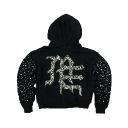
Fashion has always reflected society, culture, and personal identity, but today it has become much more than simply following trends. Modern consumers want clothing that represents who they are and tells a meaningful story. Instead of choosing garments based only on appearance, people are looking for apparel that expresses creativity and individuality. The idea of mixed emotion has become an important influence in this transformation because it embraces the reality that every person experiences a wide range of feelings. Through thoughtful design, artistic graphics, and comfortable silhouettes, emotion-inspired fashion allows individuals to express themselves with confidence while creating a style that feels authentic and personal.
The growing popularity of emotion clothing reflects a major shift in contemporary fashion. Consumers now appreciate garments that combine premium quality, meaningful design, and everyday comfort. Emotion clothing goes beyond traditional fashion by offering apparel that communicates personality through symbolic artwork, creative typography, and carefully designed graphics. Whether it is an oversized hoodie, a graphic T-shirt, a relaxed sweatshirt, or a versatile jacket, these pieces provide a balance between style and functionality. This connection between creativity and comfort has made emotion-inspired fashion increasingly relevant in today's wardrobes.
One of the defining characteristics of this movement is its ability to represent mixed emotions honestly and naturally. Everyday life includes moments of happiness, determination, uncertainty, hope, and reflection, and modern fashion has embraced these experiences instead of ignoring them. Designers transform these emotions into meaningful graphics and artistic concepts that encourage authenticity rather than perfection. Wearing clothing inspired by mixed emotions allows individuals to celebrate every aspect of their personality while building confidence through self-expression.
The Evolution of Contemporary Fashion
Contemporary fashion has changed significantly over the past decade.
Instead of focusing only on luxury labels or formal clothing, consumers now prioritize comfort, originality, and versatility. Casual wear has become an important part of modern wardrobes, allowing designers to create clothing that combines premium quality with everyday practicality.
This shift has opened the door for emotion-inspired fashion to become a lasting trend rather than a temporary movement.
Why Meaning Matters in Fashion
People increasingly want clothing that has purpose.
Rather than purchasing garments simply because they are fashionable, consumers appreciate designs that reflect their values and experiences. Emotion-inspired apparel creates stronger emotional connections by combining artistic storytelling with high-quality craftsmanship.
Meaningful clothing often becomes a favorite because it feels personal and authentic.
Artistic Design Makes a Difference
Creative design is one of the strongest features of emotion-inspired fashion.
Abstract illustrations, handwritten typography, symbolic graphics, and minimalist artwork transform everyday garments into wearable expressions of creativity. These thoughtful details allow clothing to communicate emotions and ideas without saying a word.
Original design also helps clothing remain relevant long after seasonal trends change.
Comfort and Style Together
Modern consumers expect clothing to look good while remaining comfortable enough for everyday activities.
Premium cotton fabrics, breathable materials, oversized silhouettes, and relaxed fits make emotion-inspired clothing practical for work, travel, casual outings, and social gatherings. Comfortable garments naturally become wardrobe essentials because they combine function with fashion.
The balance between comfort and style continues driving the popularity of contemporary apparel.
The Influence of Streetwear
Streetwear has become one of the most influential movements in modern fashion.
Oversized hoodies, relaxed sweatshirts, graphic T-shirts, and premium sneakers have transformed the way people dress every day. Emotion-inspired clothing fits naturally within this culture because both emphasize creativity, individuality, and self-expression.
Streetwear has helped introduce emotion-inspired fashion to audiences around the world.
Building Personal Identity
Fashion is one of the most effective ways to express personality.
Every outfit reflects preferences, interests, and lifestyle choices. Emotion-inspired clothing encourages people to create wardrobes based on authenticity rather than imitation.
This focus on individuality has made contemporary fashion more diverse and meaningful than ever before.
Quality Creates Long-Term Value
Investing in high-quality clothing provides lasting benefits.
Premium fabrics, durable stitching, and careful craftsmanship ensure garments remain comfortable and attractive after repeated wear. Well-made clothing also supports sustainable shopping habits by reducing unnecessary replacements.
Timeless quality allows emotion-inspired pieces to remain wardrobe favorites for years.
Styling Emotion-Inspired Clothing
Emotion-inspired clothing is easy to style because of its versatility.
Graphic T-shirts pair effortlessly with jeans, cargo pants, or shorts, while oversized hoodies layer comfortably beneath jackets during cooler weather. Sweatshirts, neutral sneakers, and minimal accessories complete modern outfits without distracting from the artistic graphics.
Keeping styling simple allows creativity and meaningful design to remain the focus.
The Future of Emotion Clothing
As contemporary fashion continues evolving, emotion-inspired clothing is expected to become even more important.
Consumers increasingly value authenticity, sustainability, premium craftsmanship, and meaningful storytelling. Designers will continue creating collections that encourage self-expression while meeting the practical needs of everyday life.
Fashion that reflects genuine experiences will remain timeless regardless of changing trends.
Conclusion
Emotion clothing has become an influential part of contemporary fashion because it combines meaningful storytelling, artistic creativity, premium quality, and everyday comfort. Rather than encouraging people to follow temporary trends, it inspires them to build wardrobes that reflect their personalities and experiences. Through thoughtful design, versatile styling, and authentic self-expression, emotion-inspired apparel continues to redefine modern fashion. As consumers place greater value on originality and emotional connection, emotion clothing will remain an important force in shaping the future of contemporary style.