
Blogs
Aircraft Engine Compressor Market to Reach US$ 18.89 Billion by 2034, at a CAGR of 7.46%
By sammkaran, 2026-11-13
Aircraft Engine Compressor maintenance and inspection require rigorous non-destructive testing to detect microscopic cracks, foreign object damage, and erosion. Foreign object damage (FOD) such as ingestion of runway debris, ice, or birds can nick or bend compressor blades. Mechanics regularly use borescope inspections to peer inside the casing without disassembling the entire engine core. Timely blending or replacement of damaged blades prevents catastrophic structural failure during flight.
The global aerospace sector is experiencing a transformative wave of technological upgrades and fleet renewals, placing core propulsion components at the epicenter of industry investments. According to comprehensive market intelligence, the Aircraft Engine Compressor Market is valued at US$ 9.88 Billion in 2025 and is projected to scale up to US$ 18.89 Billion by 2034, registering a robust compound annual growth rate (CAGR) of 7.46% from 2026 to 2034.
This robust market expansion is primarily propelled by rising global air passenger traffic, strict environmental regulations curbing carbon emissions, and the intensive commercial and military fleet modernization initiatives undertaken by major airlines and defense agencies worldwide.
Core Market Growth Drivers: Efficiency, Innovation, and Modernization
Modern aircraft engine compressors spanning sophisticated axial-flow and centrifugal systems play a critical role in optimizing engine core pressure ratios, lowering specific fuel consumption, and maximizing overall thermal efficiency. With global airlines striving to meet net-zero carbon goals, aircraft manufacturers are under continuous pressure to integrate advanced materials, such as titanium-matrix composites and ceramic matrix composites (CMCs), alongside additive-manufactured blisks.
These technological advancements significantly reduce component weight while withstanding higher operating temperatures. Furthermore, the massive backlog of single-aisle commercial aircraft orders globally serves as a primary volume driver, as airlines prioritize fuel-efficient narrowbody additions to navigate volatile jet-fuel pricing and manage tight operating margins.
Get a PDF Sample- https://www.theinsightpartners.com/sample/TIPRE00020695
Key Industry Players Leading the Market Landscape
The global Aircraft Engine Compressor Market features a consolidated competitive structure, dominated by established aerospace tier-1 suppliers, propulsion system architects, and component specialists. Leading organizations are leveraging strategic partnerships, mergers, joint ventures, and heavy research-and-development investments to retain market dominance.
The key industry players shaping the market include:
-
Bharat Forge
-
CFM International
-
GE Aerospace
-
Honeywell Aerospace Inc.
-
Melrose Industries plc
-
MTU Aero Engines AG
-
Rolls-Royce Holdings plc
-
Safran SA
-
Turbocam Inc.
-
Collins Aerospace
These industry leaders are continuously innovating high-performance compressor modules, blisks, and casings designed to support next-generation ultra-high-bypass turbofans and hybrid-electric propulsion systems.
Regional Insights and Competitive Dynamics
Geographically, North America continues to command a leading share of the aircraft engine compressor market, underpinned by heavy defense spending, a dense concentration of aerospace original equipment manufacturers (OEMs), and robust manufacturing capabilities in the United States and Canada. Meanwhile, the Asia-Pacific region is poised to record the fastest growth over the forecast period. Surging air travel demand in emerging economies, massive commercial aircraft deliveries to expanding local airlines, and government-backed manufacturing incentives in nations like India and regional hubs are drawing massive component-manufacturing investments.
Concurrently, Europe maintains steady market momentum, supported by stringent European Commission environmental mandates, unified ICAO alignment, and strong cooperative ventures between European propulsion pioneers focused on sustainable aviation technologies.
Future Outlook (2026–2034)
Looking toward the next decade, the future outlook for the Aircraft Engine Compressor Market remains exceptionally optimistic. The forecast period through 2034 will likely witness accelerated adoption of digital twin technologies, artificial intelligence-driven predictive maintenance, and smart manufacturing ecosystems within the aerospace supply chain. As next-generation defense procurement programs ramp up and commercial aviation pushes deeper into hybrid-electric and sustainable aviation fuel (SAF)-compatible architectures, the demand for advanced compressor components will remain high.
Component suppliers that successfully integrate sustainable production practices, reduce lifecycle manufacturing emissions, and enhance high-temperature compressor durability will capture substantial market share, anchoring the long-term vitality of the global aerospace propulsion ecosystem.
Related Reports-
Aircraft Engine Blade Market Trends, Share & Demand by 2034
Aircraft Engine Mro Market Size, Share & Demand by 2034
About The Insight Partners
The Insight Partners is a leading market research and consulting firm delivering actionable insights through in-depth industry analysis and strategic intelligence. The firm supports clients across various industries in making informed decisions by providing comprehensive market forecasts, competitive assessments, and growth opportunities.
Wheelchairs and Mobility Scooters Market to Witness Strong Growth Through 2034
By stephengrey169, 2026-11-13
The Global Wheelchairs and Mobility Scooters Market is witnessing steady growth as the demand for accessible mobility solutions continues to increase worldwide. An aging population, rising prevalence of mobility-related disabilities, and growing awareness of independent living are driving the adoption of wheelchairs and mobility scooters. These products play an essential role in improving accessibility, supporting daily activities, and enhancing the quality of life for individuals with limited mobility. Technological advancements, including lightweight materials, ergonomic designs, and battery-powered mobility solutions, are further contributing to market development.
The Wheelchairs and Mobility Scooters Market Size was valued at US$ 4.81 billion in 2025 and is expected to reach US$ 6.9 billion by 2034; it is estimated to record a CAGR of 4.09% during 2026-2034. Increasing healthcare expenditure, expanding rehabilitation services, and improvements in assistive technology are creating favorable conditions for market growth.
Key Factors Driving the Wheelchairs and Mobility Scooters Market
One of the primary factors supporting the growth of the wheelchairs and mobility scooters market is the increasing geriatric population. Age-related health conditions, including arthritis, osteoporosis, neurological disorders, and reduced muscle strength, can affect mobility and create a greater need for assistive devices. Wheelchairs and mobility scooters offer practical solutions for individuals seeking to maintain independence and participate in everyday activities.
The growing prevalence of chronic diseases and physical disabilities is another important growth driver. Conditions such as spinal cord injuries, multiple sclerosis, cerebral palsy, and other neurological disorders can limit an individual’s ability to move independently. Consequently, healthcare providers are increasingly recommending mobility assistance products as part of long-term care, rehabilitation, and recovery programs.
Download Sample PDF: https://www.theinsightpartners.com/sample/TIPRE00022315
Technological Advancements Transforming Mobility Solutions
Technological innovation is playing a significant role in shaping the wheelchairs and mobility scooters market. Manufacturers are focusing on developing products that offer improved comfort, safety, durability, and ease of operation. Electric wheelchairs equipped with advanced battery systems, intelligent control mechanisms, and improved maneuverability are gaining attention among consumers.
Lightweight materials such as aluminum alloys and carbon fiber are also being incorporated into wheelchair designs. These materials help reduce product weight while maintaining structural strength, making transportation and handling easier for users and caregivers. Folding and compact wheelchair designs are additionally gaining popularity because they offer greater convenience for travel and storage.
In the mobility scooter category, manufacturers are introducing enhanced battery performance, improved suspension systems, ergonomic seating, and advanced braking technologies. Some modern products also incorporate digital displays, battery indicators, and user-friendly control panels. These developments are helping improve the overall user experience while supporting the adoption of technologically advanced mobility equipment.
The increasing availability of customized mobility solutions is another emerging trend. Manufacturers are emphasizing adjustable seating, specialized support systems, and personalized configurations to address individual mobility requirements. Such developments are expected to strengthen product acceptance across different healthcare and residential settings.
Growing Demand for Home Healthcare and Independent Living
The expansion of home healthcare services is creating additional opportunities for the wheelchairs and mobility scooters market. Many individuals with mobility limitations prefer receiving care in familiar residential environments rather than relying entirely on long-term institutional facilities. This shift is increasing demand for convenient, reliable, and easy-to-operate mobility assistance products.
Wheelchairs and mobility scooters enable users to perform routine activities, move around their homes, and access outdoor environments with greater independence. These devices can also reduce the physical burden on caregivers by supporting safer patient transportation and mobility.
The increasing development of accessible residential infrastructure is further contributing to market expansion. Wider doorways, ramps, accessible bathrooms, and mobility-friendly public spaces are encouraging the adoption of modern mobility equipment. As accessibility becomes a greater priority in urban planning and building design, demand for suitable mobility solutions is expected to remain strong.
Competitive Landscape of the Wheelchairs and Mobility Scooters Market
The competitive landscape is characterized by continuous product innovation, strategic partnerships, distribution expansion, and investments in research and development. Established manufacturers are focusing on improving product performance and introducing advanced mobility solutions to strengthen their market positions.
Major companies operating in the wheelchairs and mobility scooters market include:
- Carex Health Brands, Inc.
- Drive DeVilbiss Healthcare
- GF Health Products, Inc.
- Invacare Corporation
- Sunrise Medical
- Pride Mobility
- Drive Medical
- Permobil Corp
- Ottobock
- Handicare
These companies are concentrating on product development, ergonomic improvements, enhanced safety features, and customer-focused mobility solutions. Their efforts to expand product portfolios and strengthen distribution networks are contributing to the competitive development of the global market.
Future Outlook of the Wheelchairs and Mobility Scooters Market
The future of the wheelchairs and mobility scooters market is expected to be shaped by technological innovation, demographic changes, and increasing emphasis on accessible healthcare. The growing geriatric population and rising demand for independent living solutions will continue to support the adoption of mobility assistance products.
Manufacturers are expected to focus on developing lightweight, portable, energy-efficient, and technologically advanced equipment. Integration of smart controls, improved battery technologies, enhanced seating comfort, and personalized mobility features may further transform product development.
The expansion of home healthcare services, rehabilitation facilities, and disability-inclusive infrastructure will also create favorable opportunities for industry participants. Furthermore, increasing awareness of mobility rights and accessibility requirements is likely to encourage wider adoption across residential and institutional environments.
Also Available in: Korean | German | Japanese | French | Chinese | Italian | Spanish
Related Reports:
Knee Implant Market Share, Trends & Outlook 2031
Knee Reconstruction Market Trends, Size & Growth by 2034
About Us
The Insight Partners is a one-stop provider of actionable industry research and intelligence. We help our clients get solutions to their research requirements through our syndicated and consulting research services. We specialize in industries such as Semiconductor and Electronics, Aerospace and Defense, Automotive and Transportation, Healthcare IT, Manufacturing and Construction, Medical Devices, Technology, Media and Telecommunications, Food and Beverages, Consumer Goods, and Chemicals and Materials.
Contact US
Contact Person: Ankit Mathur
Phone: +1-646-491-9876
E-mail : sales@theinsightpartners.com

Zenuva CBD Gummies are a CBD-based wellness supplement designed for adults interested in supporting relaxation, everyday comfort, and a balanced lifestyle. In recent years, CBD products have attracted attention among consumers looking for convenient wellness options that can fit into their daily routines. Zenuva CBD Gummies offer a gummy-style format that may appeal to individuals who prefer an alternative to traditional capsules, oils, or tablets. People exploring CBD supplements often look for products that provide clear ingredient information, convenient serving instructions, and transparent quality standards. Before choosing Zenuva CBD Gummies, consumers should carefully review the official product label to understand the CBD content, additional ingredients, recommended serving size, and manufacturer information. CBD, also known as cannabidiol, is a naturally occurring compound found in the cannabis plant. Unlike THC, CBD is not generally associated with the intoxicating effects commonly linked to cannabis. However, CBD products can vary considerably in composition, quality, and strength, so checking the source and laboratory testing information is important. Zenuva CBD Gummies may interest adults who want to explore CBD as part of a broader approach to personal wellness, but consumers should maintain realistic expectations regarding their potential effects. Although CBD is frequently discussed in connection with relaxation and comfort, scientific evidence for many advertised health benefits remains limited, and these gummies should not be considered a proven treatment for chronic pain, inflammation, anxiety, or other medical conditions. A healthy lifestyle remains an important foundation for everyday well-being. Balanced meals, regular physical activity, sufficient sleep, proper hydration, and effective stress management can all contribute to maintaining general health. Some individuals may find that establishing a consistent daily routine helps them feel more organized and attentive to their personal wellness goals. The convenient format of Zenuva CBD Gummies may make them appealing to people who prefer a simple supplement routine, but it is important to follow the product's verified instructions and avoid taking more than the recommended amount. Safety should always come first when considering a CBD supplement. CBD can interact with certain prescription medications and may cause unwanted effects such as sleepiness, digestive discomfort, or changes in liver enzyme levels. People who take medication, have existing health conditions, are pregnant, or are breastfeeding should consult a qualified healthcare professional before using CBD products. Consumers should also check whether the product complies with local regulations and contains accurately declared CBD and THC levels. Independent laboratory testing can provide useful information about product composition, purity, and possible contaminants. Purchasing from a trustworthy seller and reviewing the packaging, expiration date, and ingredient details are sensible steps before making a decision. Customer reviews may describe individual experiences, but personal testimonials do not establish medical effectiveness or guarantee similar results for everyone. Ultimately, Zenuva CBD Gummies can be explored as a CBD wellness product by adults who are interested in understanding their available options. Making an informed decision requires reviewing reliable product information, considering possible interactions, and seeking professional advice when necessary. A balanced lifestyle and responsible supplement choices remain important foundations of long-term well-being. https://zenuvacbdgummies.com/
Aircraft Electric Motors Market to Reach US$ 20.23 Billion by 2034, at a CAGR of 6.5%
By sammkaran, 2026-11-13
Aircraft Electric Motors enable precise thrust vectoring and instantaneous torque response unmatched by traditional combustion engines. This rapid responsiveness gives pilots finer control over aircraft attitude and maneuvering during critical phases like landing in crosswinds. The ability to modulate thrust in milliseconds enhances overall flight stability and safety margins. Flight control computers can leverage this fast response time to automatically counteract turbulence and gusts.
The global aerospace and defense sector is undergoing a profound paradigm shift toward green propulsion, electrification, and urban air mobility. Highlighting this transformation, a comprehensive market study reveals that the global Aircraft Electric Motors Market was valued at US$ 11.48 billion in 2025 and is expected to reach US$ 20.23 billion by 2034, recording a robust Compound Annual Growth Rate (CAGR) of 6.5% during the forecast period from 2026 to 2034.
As international regulatory bodies tighten environmental mandates and commercial airlines aggressively pursue net-zero carbon footprints, aircraft electric motors have transitioned from secondary components to central pillars of next-generation aircraft architecture.
The Catalyst for Change: Key Growth Drivers
The unprecedented momentum in the aircraft electric motors market is primarily propelled by several converging industry trends:
-
Rise of Urban Air Mobility (UAM) and eVTOLs: The rapid commercialization and regulatory testing of electric vertical takeoff and landing (eVTOL) aircraft for urban passenger transport rely heavily on lightweight, high-torque, highly reliable electric motors.
-
Shift Toward More Electric Aircraft (MEA) Architectures: Traditional hydraulic and pneumatic systems are progressively being replaced by advanced electric actuation and environmental control systems, minimizing overall aircraft weight and cutting fuel burn.
-
Decarbonization and Government Mandates: Global initiatives such as NASA’s Electrified Aircraft Propulsion programs and European clean aviation roadmaps are providing grants, pilot funding, and fast-tracked certification pathways for electric and hybrid-electric flight technologies.
Get a PDF Sample- https://www.theinsightpartners.com/sample/TIPRE00023071
Competitive Landscape: Industry Leaders Spearheading Innovation
The competitive ecosystem of the aircraft electric motors market features a mix of established aerospace giants and specialized motion-control innovators. Key industry players shaping the trajectory of the market include:
-
Allied Motion Technologies Inc
-
Moog Inc.
-
Meggitt plc
-
Altra Industrial Motion
-
Woodward, Inc
-
Rolls-Royce Holdings plc
-
AMETEK, Inc.
-
MGM COMPRO
-
Emrax d.o.o
-
Thin Gap
These market leaders are heavily investing in research and development to enhance motor power-to-weight ratios, optimize thermal management systems, and scale manufacturing lines to meet upcoming commercial fleet demands.
Future Outlook: Navigating the Horizon Through 2034
Looking toward 2034, the future outlook for the aircraft electric motors market remains exceptionally bright. The transition is projected to expand significantly beyond niche urban air mobility prototypes into regional commercial transport categories.
Key developments expected to define the next decade include:
-
Advancements in Thermal Management: Innovations in advanced liquid-cooling and cryogenic cooling technologies will allow electric motors to sustain higher continuous power outputs without overheating, unlocking medium-haul hybrid-electric commercial flight capabilities.
-
Distributed Electric Propulsion (DEP): Aircraft designs featuring multiple distributed small electric motors will optimize aerodynamic efficiency and reduce acoustic footprints, making commercial flights quieter and more accessible near metropolitan airports.
-
Supply Chain Evolution: As demand scales toward the US$ 20.23 billion mark by 2034, strategic partnerships between tier-1 aerospace suppliers and battery technology developers will be critical to streamline material sourcing, mitigate rare-earth dependencies, and achieve commercial mass production.
As the industry clears technical and infrastructural hurdles, aircraft electric motors will continue to serve as the beating heart of modern, sustainable aviation—paving the way for cleaner, quieter, and more efficient skies.
About The Insight Partners
The Insight Partners is a leading market research and consulting firm delivering actionable insights through in-depth industry analysis and strategic intelligence. The firm supports clients across various industries in making informed decisions by providing comprehensive market forecasts, competitive assessments, and growth opportunities.
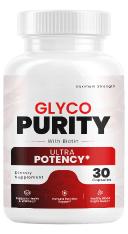
Glyco Purity blood sugar support supplement is a nutritional wellness product designed for individuals who want to support healthy blood sugar levels and maintain overall metabolic health as part of a balanced lifestyle. Maintaining normal blood glucose levels is an important aspect of general wellness because glucose provides the body with energy needed for everyday activities. With changing food habits, busy schedules, and limited physical activity, many people are becoming more interested in nutritional products that complement their daily health routines. Glyco Purity blood sugar support supplement may appeal to consumers looking for a convenient way to add nutritional support to their wellness journey. Blood sugar management involves several factors, including healthy eating, regular exercise, proper hydration, quality sleep, and appropriate medical care. Dietary supplements can provide additional nutritional ingredients that may support normal metabolic functions, depending on their formulation. Ingredients commonly found in blood sugar support formulas include chromium, cinnamon extract, bitter melon, berberine, and other plant-based compounds. Chromium is an essential mineral that contributes to normal macronutrient metabolism, while cinnamon and bitter melon are botanical ingredients that have attracted scientific interest for their potential relationship with metabolic wellness. However, the actual ingredients and quantities in Glyco Purity should always be checked on its official product label before making a purchasing decision. One reason consumers may consider Glyco Purity blood sugar support supplement is the convenience of incorporating a nutritional product into an established daily routine. People who are interested in maintaining their overall wellness often look for products with clearly identified ingredients and straightforward serving instructions. A responsible approach also involves understanding that supplements work differently for different individuals and cannot guarantee specific health outcomes. Alongside any nutritional supplement, maintaining a balanced diet is essential. Eating fiber-rich vegetables, whole grains, legumes, nuts, and other nutritious foods can contribute to a healthy eating pattern. Reducing excessive added sugar, limiting highly processed foods, and maintaining regular physical activity are also important lifestyle choices. Consumers considering Glyco Purity should review the product information, ingredient list, manufacturing standards, and recommended serving size carefully. Purchasing from reliable sources and avoiding unrealistic claims can help support better buying decisions. Individuals with diabetes, those taking blood sugar-lowering medication, pregnant individuals, and people with existing medical conditions should consult a qualified healthcare professional before using a new supplement. This is important because certain nutritional and herbal ingredients may interact with medications or influence blood glucose levels. Glyco Purity should not replace prescribed diabetes medication, professional medical guidance, or regular blood glucose monitoring. Ultimately, Glyco Purity blood sugar support supplement can be explored as a potential addition to a broader nutritional wellness routine, provided its formulation is suitable for the individual. Combining informed supplement choices with nutritious meals, regular exercise, sufficient sleep, and professional healthcare guidance offers a more responsible approach to supporting long-term metabolic wellness. https://glycopurity.org/
Gluco purity
US dairy cooperatives and ingredient suppliers play a central role in moving whey products to food and nutrition brands. Exports add another layer of demand for American producers. The Demineralized Whey Powder Market Analysis examines these demand sources with 2024 as the base year.
What Is Demineralized Whey Powder?
Demineralized whey powder is a dairy ingredient made by taking liquid whey from cheese or casein production, removing a large share of its minerals through electrodialysis or ion exchange, and then drying it. It comes in grades such as 50%, 70% and 90% demineralization, depending on how much mineral content is removed. Its low ash content and mild flavour make it ideal for foods that must stay close to the nutritional profile of milk.
Request a Sample Copy of the Report: https://www.theinsightpartners.com/sample/TIPRE00039288
What Is Driving Demand for Demineralized Whey Powder?
Infant formula is the clearest growth engine. Human milk is naturally low in minerals compared with cow’s milk, so formula makers rely on highly demineralized whey, often 90% grade, to bring their products closer to that profile. Rising birth-related spending, urbanisation and the growing number of working parents in Asia and the Middle East keep formula output climbing.
Cost and functionality give the ingredient a second advantage. Compared with skimmed milk powder, demineralized whey powder offers an economical source of lactose and dairy solids, and it improves browning, texture and sweetness in baked goods. Bakers and confectioners who want dairy character without the high expense of milk fat or protein isolates see it as a practical option.
Beyond that, dairy desserts and beverages are widening the field. Ice cream makers use it to improve body and creaminess, while beverage producers add it to protein and nutrition drinks for a smooth taste. As consumers pay more attention to protein content and clean-label formulations, whey-based ingredients gain credibility among formulators.
Supply conditions also help. Global cheese production keeps whey streams large and predictable, and processors have invested in membrane and drying capacity to capture more value from them. That investment improves quality and consistency, which is exactly what infant formula and premium food customers demand from the demineralized whey powder market.
Key Market Players
- Interfood Holding BV
- Lactalis Ingredients
- Hiroland Domestic and Foreign Trade Ltd Co
- Berkshire Dairy and Food Products LLC
- LACLAT Ltd
- Kaskat Dairy SP Zoo
- Uguray Sut A.S.
- Milky Royal Sut Urunler
- Dairygold Co-Operative Society Limited
- Saputo Dairy UK Ltd
- Euroserum SAS
- EPI Ingredients SAS
- Valio Ltd
- Charotar Casein Co
- Makendi WorldWide
Large dairy groups such as Lactalis Ingredients, Saputo Dairy UK Ltd and Valio Ltd combine milk supply with processing scale and global customer reach. Specialist whey processors including Euroserum SAS, EPI Ingredients SAS, Interfood Holding BV and Dairygold Co-Operative Society Limited focus on ingredient quality and long-term supply contracts. Regional suppliers like Charotar Casein Co, Uguray Sut A.S. and Milky Royal Sut Urunler strengthen competition in fast-growing export markets.
Segmentation Overview
By Type:
The 50% demineralized whey powder grade suits general food applications such as bakery and confectionery where moderate mineral reduction is enough.
The 70% demineralized whey powder grade serves dairy desserts, beverages and cost-sensitive nutritional products.
The 90% demineralized whey powder grade is the premium choice for infant formula because of its very low mineral content.
Others covers specialised grades tailored to custom formulations.
By Category:
Conventional demineralized whey powder dominates volume because of its wide availability and competitive price.
Organic demineralized whey powder is a smaller but faster-growing category, driven by parents and consumers who want certified, minimally processed dairy ingredients.
By Application:
Bakery and confectionery uses the powder for texture, flavour and browning in breads, biscuits and chocolates.
Dairy and frozen desserts relies on it for smooth mouthfeel and balanced sweetness.
Infant formula is the highest-value application, especially for high-demineralization grades.
Beverages incorporate it in nutrition drinks and ready-to-mix products.
Others includes sports nutrition, sauces and savoury snacks.
Sustainability and Innovation Trends in Demineralized Whey Powder
Value recovery from dairy by-products is the central sustainability story. Turning whey into high-grade ingredients reduces waste and strengthens the environmental case for cheese production. Processors are also adopting energy-efficient membrane systems, improving drying technology and developing organic and grass-fed whey products that appeal to premium food brands.
Regional Outlook
Europe leads in production and technical expertise, supported by large cheese industries and strict quality standards. North America combines strong dairy supply with significant demand from bakery, confectionery and nutrition brands. Asia Pacific is the fastest-growing consumer region, powered by infant formula demand and rising incomes in China, India and Southeast Asia. South and Central America and the Middle East offer rising opportunities as local food manufacturing expands.
Related Reports:
Phosphate Salts Market Growth, Size, Share, Trends, Key Players and Forecast by 2034
Sodium Benzoate Market Demand, Share & Growth by 2034
Portion Cups Market Size, Demand & Growth by 2034
About The Insight Partners
The Insight Partners is among the leading market research and consulting firms in the world. We take pride in delivering exclusive reports along with sophisticated strategic and tactical insights into the industry. Reports are generated through a combination of primary and secondary research, solely aimed at giving our clientele a knowledge-based insight into the market and domain. This is done to assist clients in making wiser business decisions. A holistic perspective in every study undertaken forms an integral part of our research methodology and makes the report unique and reliable.
Contact Us:
If you have any queries about this report or if you would like further information, please contact us:
Phone: +1-646-491-9876
Also Available in: Korean | German | Japanese | French | Chinese | Italian | Spanish
C5ISR acts as the vital glue connecting air, land, sea, space, and cyber domains into a synchronized fighting force. Information gathered by a satellite can instantly trigger a response from a naval destroyer or a land-based artillery unit. This cross-domain synergy maximizes combat effectiveness by attacking adversary vulnerabilities from multiple angles simultaneously. Multi-domain integration is the defining operational philosophy of twenty-first-century defense strategy.
The global Command, Control, Communications, Computers, Intelligence, Surveillance, and Reconnaissance (C5ISR) market is experiencing a profound technological transformation. Driven by escalating geopolitical tensions, rising defense budgets, and an urgent requirement for synchronized multi-domain operations, the market is projected to expand significantly over the next decade.
According to recent market intelligence reports, the global C5ISR Market size is valued at US$ 154.65 billion in 2025 and is projected to reach US$ 222.93 billion by 2034, expanding at a robust Compound Annual Growth Rate (CAGR) of 4.15% throughout the forecast period from 2026 to 2034.
Strategic Drivers: Fueling Next-Generation Defense Architectures
Modern warfare relies heavily on data superiority, resilience, and real-time intelligence. Defense ministries and armed forces worldwide are pivoting away from legacy, siloed systems toward open-architecture, cloud-native, and cyber-hardened networks. Key factors accelerating market growth include:
-
Demand for Real-Time Decision Superiority: The complexity of modern combat scenarios necessitates advanced artificial intelligence (AI) and machine learning (ML) integration to process high volumes of data from edge sensors, reducing latency and accelerating command decisions.
-
Joint All-Domain Command and Control (JADC2) Initiatives: Governments are heavily investing in interoperable frameworks that unify land, air, naval, space, and cyber forces into a single, cohesive operational network.
-
Electronic Warfare (EW) and Cyber Defense Integration: With the proliferation of advanced electronic jamming and cyber threats, militaries are prioritizing secure communications, resilient anti-jam positioning, navigation, and timing (PNT), and robust cyber defense protocols.
Get a PDF Sample- https://www.theinsightpartners.com/sample/TIPRE00017090
Competitive Landscape: Industry Leaders Driving Innovation
The global C5ISR ecosystem features a highly competitive landscape comprising top-tier defense contractors and technology innovators focusing on interoperable modular solutions. Prominent key players steering the market forward include:
-
Aselsan
-
BAE Systems
-
Finmeccanica Spa
-
General Dynamics
-
Israel Aerospace Industries Ltd
-
Lockheed Martin Corporation
-
Northrop Grumman Corporation
-
Raytheon Company
-
SAAB Group
-
Thales Group
These industry leaders are actively engaging in strategic partnerships, localized manufacturing, and technology acquisitions to deliver resilient software-defined architectures and advanced hardware to allied defense forces globally.
Future Outlook (2026–2034)
Looking toward the horizon, the C5ISR market is poised for continuous evolutionary leaps. The integration of commercial space assets—such as Low Earth Orbit (LEO) satellite constellations—with tactical military communications will continue to redefine beyond-line-of-sight connectivity. Furthermore, the accelerated deployment of unmanned autonomous systems, edge computing nodes, and automated threat detection platforms will create lucrative avenues for market expansion.
As nations continue to fortify their national security frameworks against evolving asymmetric threats, investments in integrated C5ISR solutions will remain a top strategic priority for defense organizations worldwide through 2034.
About The Insight Partners
The Insight Partners is a leading market research and consulting firm delivering actionable insights through in-depth industry analysis and strategic intelligence. The firm supports clients across various industries in making informed decisions by providing comprehensive market forecasts, competitive assessments, and growth opportunities.
Cleaner production methods and tighter process control are helping producers meet stricter standards. The Monochlorobenzene Market Innovation supports growth from US$ 807.87 Million in 2025 to US$ 1,273.24 Million by 2034. The released study records a 5.18% CAGR for 2026 to 2034.
What Is Monochlorobenzene?
Monochlorobenzene is a colourless, flammable liquid made by chlorinating benzene. Manufacturers use it as a solvent and as a starting material for other chemicals, including nitrochlorobenzenes and specialty polymers. That versatility explains why the monochlorobenzene market spans pharmaceuticals, rubber, coatings and crop protection.
Request a Sample Copy of the Report: https://www.theinsightpartners.com/sample/TIPRE00025921
What Is Driving Demand for the Monochlorobenzene Market?
So what is pushing the monochlorobenzene market forward? Pharmaceutical synthesis sits at the top of the list. Monochlorobenzene serves as an intermediate in many active pharmaceutical ingredients, so every expansion in drug manufacturing lifts demand for it.
Quality matters as much as volume. Drug developers keep introducing new therapies, and the synthesis of analgesics and anti-inflammatory compounds depends on high-grade intermediates. As pharmaceutical companies raise their research and development spending, reliance on monochlorobenzene for efficient synthesis climbs with it.
Generic medicines add another layer. Manufacturers racing to supply low-priced generics need synthesis routes that are reliable and efficient, and that reinforces the value of monochlorobenzene across the pharmaceutical supply chain. Beyond that, rising generic output keeps order books full for intermediate suppliers.
Asia Pacific adds structural momentum. Manufacturing capacity keeps expanding in China, India and Japan, and those industries consume more chemical intermediates as they grow. Agrochemical producers in the region also use monochlorobenzene in herbicide and pesticide formulations, so rising demand for crop protection products feeds straight into consumption.
Segmentation Overview
By Application: The monochlorobenzene market covers Polyphenylene Sulfide, Nitrochlorobenzenes, Polysulfone Polymers, Solvents, Room and Sanitary Deodorants, and Others. Polyphenylene sulfide is expected to record the fastest growth during the forecast period. Nitrochlorobenzenes and polysulfone polymers anchor intermediate and engineering plastics demand, while solvents serve established industrial processing needs. Room and sanitary deodorants form a consumer-facing niche, and the others category captures specialised uses.
By End Use Industry: Buyers fall into Chemicals, Pharmaceutical, Rubber, Paints and Coatings, Agriculture, and Others. Pharmaceutical and chemical manufacturers lean on monochlorobenzene as a synthesis intermediate. Rubber, paints and coatings, and agriculture draw on it for processing and formulation.
By Geography: The report analyses North America, Europe, Asia Pacific, and South and Central America. Asia Pacific held the largest share of the monochlorobenzene market, supported by its expanding chemical and pharmaceutical base.
Key Market Players
- China Petrochemical Corporation
- Anhui Bayi Chemical Industry
- Chemada Fine Chemicals
- JandK Scientific Ltd
- Jiangsu Yangnong Chemicals GroupCo Ltd
- Kureha Corporation
- Lanxess
- TW Reagents Division
- Tianjin Bohai Chemical Industry Co Ltd
These companies compete on scale, product quality and integration with downstream chemistry. Kureha Corporation and Lanxess bring established specialty chemical and polymer expertise, while China Petrochemical Corporation and Jiangsu Yangnong Chemicals GroupCo Ltd reflect the weight of Chinese production. Names such as Chemada Fine Chemicals and TW Reagents Division point to a supplier base that also serves fine chemical and reagent buyers.
Sustainability and Innovation Trends
Green chemistry is reshaping how producers think about monochlorobenzene. Industries want safer, more environmentally friendly processes, and that pushes manufacturers to examine the environmental impact of this key intermediate and to refine how they make it.
Regulation sharpens the point. Tightening environmental rules are forcing chemical producers to adopt greener routes and cleaner production practices. Suppliers that offer lower-waste, more sustainable monochlorobenzene stand to win the attention of buyers who are rethinking their synthesis methods.
Regional Outlook
Asia Pacific leads the monochlorobenzene market and remains the region to watch. Growth in manufacturing, pharmaceutical output and agrochemical production across China, India and Japan keeps consumption of chemical intermediates on an upward track.
The United States stands out as a key market, supported by pharmaceutical synthesis, demand for high-quality intermediates and rising generic drug production. Europe and South and Central America complete the picture, with regulatory pressure for greener chemistry shaping how producers approach the monochlorobenzene market worldwide.
Related Reports:
Aromatic Solvents Market Demand, Share & Growth by 2034
Pyridine and Pyridine Derivatives Market Trends, Share & Demand by 2034
Carbon Tetrachloride Market Share, Growth & Demand by 2034
Perchloroethylene Market Growth, Size & Forecast by 2034
About The Insight Partners
The Insight Partners is among the leading market research and consulting firms in the world. We take pride in delivering exclusive reports along with sophisticated strategic and tactical insights into the industry. Reports are generated through a combination of primary and secondary research, solely aimed at giving our clientele a knowledge-based insight into the market and domain. This is done to assist clients in making wiser business decisions. A holistic perspective in every study undertaken forms an integral part of our research methodology and makes the report unique and reliable.
Contact Us:
If you have any queries about this report or if you would like further information, please contact us:
Phone: +1-646-491-9876
E-mail: sales@theinsightpartners.com
Also Available in: Korean | German | Japanese | French | Chinese | Italian | Spanish
Plumbing Components Market to Reach US$ 119.24 Billion by 2034, at a CAGR of 3.07%
By sammkaran, 2026-11-13
Plumbing Components utilize hangers, straps, and brackets to securely anchor pipes to structural framing and prevent sagging. Proper pipe support eliminates excessive stress on joints and reduces noisy vibrations caused by rapid water hammer effects. Building codes dictate exact spacing intervals for supports depending on the pipe material and horizontal or vertical orientation. Inadequate anchoring can cause pipe joints to pull apart or fracture under the weight of flowing water.
The global plumbing components market is entering a phase of steady, innovation-led expansion, underpinned by accelerating residential and commercial construction, aging infrastructure retrofits, and tightening water-conservation regulations worldwide. According to the latest industry analysis, the global Plumbing Components Market was valued at US$ 90.81 billion in 2025 and is projected to reach US$ 119.24 billion by 2034, registering a compound annual growth rate (CAGR) of 3.07% during the forecast period from 2026 to 2034.
Plumbing components encompassing pipes, fittings, valves, manifolds, gaskets, seals, and custom-molded assemblies serve as the foundational backbone for water supply, sanitation, drainage, and hydronic heating systems across residential, commercial, and industrial buildings. As urbanization reshapes emerging economies and developed markets prioritize modernizing decades-old municipal and building water networks, demand for durable, corrosion-resistant, and easy-to-install components continues to climb.
Primary Growth Drivers and Market Dynamics
Several structural shifts are propelling long-term demand across the plumbing supply chain:
-
Expansion of Construction and Renovation Activity: Rapid urban development in Asia-Pacific, the Middle East, and Latin America is driving high-volume demand for new residential and non-residential plumbing installations. Simultaneously, remodeling and bathroom/kitchen renovation projects in North America and Europe remain a major revenue engine for high-performance valves, fittings, and fixtures.
-
Shift Toward Modern Materials and Prefabrication: Contractors are increasingly adopting cross-linked polyethylene (PEX), chlorinated polyvinyl chloride (CPVC), polypropylene random copolymer (PPR), and push-to-connect brass or polymer fittings to reduce installation time and labor costs. The growing adoption of prefabricated and modular construction methods is further boosting demand for pre-engineered plumbing manifolds and assemblies.
-
Regulatory Mandates for Water Efficiency and Safety: Stringent government building codes and green building certifications (such as LEED and WaterSense) are compelling builders and property owners to specify low-flow valves, lead-free alloys, and leak-mitigation components.
Get a PDF Sample- https://www.theinsightpartners.com/sample/TIPRE00012416
Competitive Landscape and Key Players
The global plumbing components market features a mix of multinational manufacturing powerhouses and specialized regional leaders competing on material innovation, distribution reach, and regulatory compliance. Prominent companies profiled in the report include:
-
Aalberts N.V.
-
Central States Group
-
EZ-FLO International, Inc.
-
Morris Group International, Inc.
-
Mueller Industries
-
McWane, Inc.
-
NAPCO
-
RWC (Reliance Worldwide Corporation)
-
Tigre USA
-
Uponor USA
Leading manufacturers are actively investing in capacity expansion, strategic acquisitions, and localized distribution networks to shorten supply chains and cater to customized contractor requirements.
Future Outlook
Looking ahead toward 2034, the plumbing components industry is poised for a technological and ecological transformation. The integration of smart plumbing technologies including IoT-enabled ultrasonic leak detectors, automated shut-off valves, and pressure-monitoring sensors will transition traditional passive piping networks into intelligent water-management ecosystems. In commercial and institutional buildings, predictive maintenance solutions tied to smart valves and manifolds are expected to gain rapid traction as facility managers seek to minimize water loss and catastrophic flood damage.
Sustainability will also remain a defining priority over the next decade. Manufacturers are accelerating research into recyclable polymers, low-carbon copper and brass production, and antimicrobial piping materials that enhance potable water hygiene. Furthermore, digital procurement and B2B e-commerce platforms are reshaping distribution channels, enabling plumbing contractors to source specialized components faster and optimize project timelines.
About The Insight Partners
The Insight Partners is a leading market research and consulting firm delivering actionable insights through in-depth industry analysis and strategic intelligence. The firm supports clients across various industries in making informed decisions by providing comprehensive market forecasts, competitive assessments, and growth opportunities.
Sorbic Acid Market Demand Climbs to US$ 694.54 Million by 2034 at 2.48% CAGR
By industry, 2026-11-13
Form, grade and end use each shape how sorbic acid is bought and specified. The Sorbic Acid Market Segmentation adds up to US$ 557.04 Million in 2025 and is projected to reach US$ 694.54 Million by 2034. Growth is expected at a 2.48% CAGR from 2026 to 2034.
What Is Driving the Market?
Food and beverage demand is the first big driver. Shoppers want longer shelf life, convenience foods and clean labels. Makers need a preservative that is safe and effective, and sorbic acid fits.
Consumer taste for natural and minimally processed foods is the second driver. Health-conscious buyers are wary of artificial additives. The report describes sorbic acid as a naturally occurring compound that suits this preference. It helps brands meet clean-label goals without giving up protection.
Get a Sample Report https://www.theinsightpartners.com/sample/TIPRE00012866
Cosmetics and personal care form the third driver. Sorbic acid extends shelf life and prevents microbial contamination in skincare, haircare and beauty products. At low use rates, it is generally mild yet active. Global spending on beauty keeps rising, so both premium and mass-market brands offer room to grow.
Which Segment Leads?
The report splits the market by ingredient and application. The ingredient list covers activated carbon, polyhydroxyalkanoate, microcrystalline cellulose, methylcellulose, carboxymethyl cellulose, ethylcellulose and others.
By application, the report covers food and beverages, industrial chemicals, personal care and cosmetics, pharmaceuticals and others. Food and beverages is the heart of demand. Sorbic acid protects bakery goods, drinks, dairy products and ready meals from spoilage.
Sorbic acid works as an antimicrobial agent, mainly in topical ointments and creams. It also helps preserve animal feed, which keeps nutrition products safer and higher in quality.
Which Region Leads?
The report covers North America, Europe, Asia Pacific, South and Central America, and the Middle East and Africa. It calls the United States a key market. Food and beverage demand, the taste for natural foods and cosmetic use all support it there.
Emerging regions look promising. Food processing is expanding in Asia Pacific, Latin America and Africa. Urbanization and rising incomes are lifting demand for packaged foods. Those foods need longer shelf life and safer storage, which suits sorbic acid.
Which Companies Are Prominent?
- Avatar Corporation
- Celanese Corporation
- Continental Chemical USA
- Eastman Chemical Company
- KIC Chemicals, Inc.
- Prinova USA
- PT Halim Sakti Pratama
- Rose Foodstuff Chemistry Co. Ltd
- Solvay Specialty Polymers
- Suzhou-Chem, Inc.
This group blends large chemical makers, food ingredient suppliers and regional producers. Companies compete on purity, price, reliable delivery and technical support.
What Is Changing in the Market?
Meat and poultry are the biggest shift. The report names rising use in these products as the key market trend. Sorbic acid is gaining ground in sausages, cold cuts and ready-to-eat meals. It is an effective antimicrobial, and many see it as safer than nitrates and nitrites. Buyers want cleaner, safer meat with longer shelf life.
Sustainability is another change. The report describes sorbic acid as biodegradable and gentler on the environment than many synthetic preservatives. Food, drink and cosmetic brands increasingly choose it to meet sustainability goals.
Pharmaceutical and feed uses are growing too, adding demand beyond food and cosmetics.
What Are the Investment Opportunities?
Emerging markets offer the clearest opening. Asia Pacific, Latin America and Africa are building food processing capacity. Rising incomes will boost demand for packaged foods and, with it, preservatives.
The clean-label trend in personal care is a second opportunity. Brands that build organic and sustainable beauty lines can use sorbic acid as a milder, more natural option.
Improved formulations are a third. Researchers are blending sorbic acid with other natural substances to boost antimicrobial power and last longer. The total addressable market for 2026 to 2034 is projected at about US$ 5,677.97 million. Companies that pair innovation with reliable supply are well placed to capture a share.
Frequently Asked Questions
- What is the size of the sorbic acid market?
It was valued at US$ 557.04 million in 2025 and should reach US$ 694.54 million by 2034.
- What is the expected CAGR of the market?
The market is expected to grow at a CAGR of 2.48% from 2026 to 2034.
- What is the key trend in the sorbic acid market?
Rising use in meat and poultry products is the key trend.
- Which factors drive the sorbic acid market?
Demand for preservatives in food and beverages and rising consumer interest in natural, safe additives drive growth.
Related Reading / Reports
Explore additional research from The Insight Partners covering related chemicals markets:
- Oleochemicals Market — covers bio-based chemicals made from natural fats and oils.
- Polyoxyethylene Hydrogenated Castor Oil Market — covers a castor oil derivative used in formulations.
Contact US
For any queries about this report or custom research, reach out to us:
Phone: +1-646-491-9876
E-mail: sales@theinsightpartners.com
Also Available in : Korean | German | Japanese | French | Chinese | Italian | Spanish