
Blogs
暴脾氣煙油以其濃郁的口味和多樣的選擇而聞名,吸引了不少電子煙使用者。不過,並非所有使用者都適合這種煙油,尤其是對尼古丁敏感的人。本文將幫助你了解暴脾氣煙油的適用對象、品牌口味差異、如何選擇合適的煙油及選擇時需要注意的事項,以便你做出最佳的選擇。
暴脾氣煙油適合哪些使用者?
暴脾氣煙油特別適合那些喜愛濃郁口味的電子煙使用者,如果你喜歡強烈的味道,這類煙油將會是個不錯的選擇。然而,不建議對尼古丁敏感或希望降低尼古丁含量的使用者選擇這些煙油。這是因為暴脾氣煙油的尼古丁濃度通常較高,可能會對這些使用者造成不適。
不同品牌暴脾氣煙油的口味差異
在眾多品牌中,Hot Head 的暴脾氣煙油以其獨特的口味廣受好評。這款煙油提供多種口味供選擇,例如經典煙草、薄荷和水果香等。使用者普遍反映這些口味濃郁且持久,能夠滿足不同偏好的需求。根據使用者的評價,Hot Head 的水果口味在夏季特別受歡迎,適合尋求清爽體驗的人士。
| 品牌 | 口味 | 使用者評價 |
|---|---|---|
| Hot Head | 經典煙草 | 味道濃郁,回甘好 |
| Hot Head | 薄荷 | 清新爽口,暢快 |
| Hot Head | 水果香 | 夏日必備,清爽 |
如何根據設備選擇合適的煙油?
選擇適合的煙油時,設備是重要的考量因素。不同電子煙設備對煙油的要求不同,某些設備可能需要特定的粘稠度或尼古丁濃度,這會直接影響吸食體驗。一般來說,使用低功率設備時,建議選擇較高濃度的尼古丁煙油;而高功率設備則可選擇濃度較低的煙油,以避免過於刺激。
暴脾氣煙油的選擇陷阱,該注意什麼?
在選擇Hot Head 煙油時,應注意避免購買過期或品質不佳的產品。建議透過知名的購物平台如虾皮、momo 或 PChome 購買,這些平台通常提供可靠的商品來源及完整的評價系統。此外,對於煙油品牌的來源及用戶評價進行了解,有助於選擇可信賴的產品,保障使用安全與體驗。
想快速了解 ILIA拋棄式6500,可以從產品規格、操作方式與日常使用問題三個部分入手。這款產品也常被稱為 ILIA Bar4,屬於 ILIA 系列第四代設計,整體採一體式機身,不需要另外安裝煙彈或設定複雜功能,使用方式相對直接。
從規格來看,ILIA Bar4 標示約 6500 口,配置約 13mL 煙油容量,並搭配 650mAh 內建電池與 Type-C 充電接口。霧化部分採用約 0.8Ω Mesh 網狀霧化芯,透過較大的加熱接觸面積,讓煙油受熱更加均勻。ILIA拋棄式6500 的實際使用口數並不是固定值,仍會受到吸入時間、使用頻率與個人習慣影響。
操作方面,ILIA拋棄式四代 採用吸氣自動啟動設計。開封後先移除吸嘴或進氣位置的保護配件,確認機身沒有明顯異常,即可正常吸入使用,不需要按壓電源鍵。若使用一段時間後出現輸出變弱,可以先確認電量是否不足,再透過 Type-C 接口進行充電。
常見問題方面,如果 ILIA Bar4 突然抽不出煙,可先檢查電量、進氣口是否被遮擋,以及產品是否已接近使用完畢。若完成充電後蒸氣量仍持續下降、風味明顯變淡,通常可以視為接近耗盡的參考狀況。
日常收納 ILIA哩亞拋棄式6500 時,建議避開高溫、潮濕與陽光直射的位置,同時保持充電接口乾燥。整體來看,ILIA拋棄式四代 將約 6500 口、可充電電池、Mesh 霧化芯與吸氣啟動整合在同一機身中,掌握這些基本資訊後,就能更完整了解產品的規格與日常操作方式。
The 99 OVR Jake Bauers Spotlight Series card is one of the better free bats available through the August Spotlight Drop 4 Program in MLB The Show 26. For players trying to build a strong Diamond Dynasty lineup without constantly spending MLB Stubs, Bauers is an easy card to target. He can play multiple positions and has enough power to remain useful against tough pitching matchups.
How to Unlock Jake Bauers
Bauers is available at 130 program points in August Spotlight Drop 4. The program launched on September 4 and contains 18 tasks, 15 reward stages, and 10 exclusive player cards.
The fastest route is fairly simple:
• Complete the 7 standard Moments for 35 points.
• Finish four standard 30-point missions.
• Reach 130 points to claim Jake Bauers.
• Continue to 140 points for 99 OVR Alex Bregman.
• Keep progressing toward the 500-point August Spotlight Player Pack.
This route is useful because you do not need to complete the optional Extreme Moment to reach the two main player rewards.
Jake Bauers Card Ratings and Positions
Bauers is listed primarily at first base, with left field and right field available as secondary positions. That makes him easier to fit into different Diamond Dynasty lineups.
His hitting numbers are especially strong against left-handed pitchers:
• 100 Contact vs RHP
• 121 Contact vs LHP
• 87 Power vs RHP
• 115 Power vs LHP
The biggest selling point is his ability to punish lefties. If your lineup lacks a reliable left-handed bat for certain matchups, Bauers can fill that role without taking up a dedicated roster spot.
Best Way to Use Bauers
If you are thinking about whether to buy MLB Stubs for another first baseman, test Bauers first. Since he is a free program reward, there is little reason to replace him immediately unless your roster already has an elite option at the position.
His useful quirks include:
• First-Pitch Hitter
• Dead Red
• Rally Monkey
• Situational Hitter
• Pinch Hitter
• Night Player
These quirks make him more than a simple starter. He can also work well as a bench bat when you need a left-handed hitter late in a game.
Program Cards Worth Chasing
Bauers is not the only reason to finish August Spotlight Drop 4. The program also features cards such as Dylan Crews, Jackson Kent, Paul Blackburn, Gary Sánchez, Cal Quantrill, and Carson Benge.
Once Bauers is unlocked, it is worth continuing toward Bregman and the later pack rewards. If you are trying to improve your roster efficiently, getting multiple useful cards from one program is usually better than spending resources on several separate upgrades.
Should You Spend Stubs on Another Card?
Before looking for cheap MLB Stubs, check whether Bauers already covers the position you want to upgrade. His combination of contact, power, positional flexibility, and useful quirks makes him a good temporary or even long-term option.
His real-life 2026 performance also helps explain the card's ratings. Through September 8, Bauers was hitting .267 with a .388 OBP, .481 SLG, 22 home runs, 73 RBIs, and 10 stolen bases over 125 games.
Final Jake Bauers Tips
For players searching for MLB Stubs for sale, the smartest approach is to complete the free Spotlight content before spending heavily on the marketplace. Start with the seven Moments, stack missions while playing Conquest, Ranked, Events, or other Diamond Dynasty modes, and collect Bauers at 130 points.
Once he is unlocked, try him against left-handed pitching and experiment with him at first base or in the corner outfield. If the card fits your playstyle, you can save your resources for upgrades at other positions. For a free 99 OVR reward, Jake Bauers is definitely worth adding to your Diamond Dynasty roster.
隨著拋棄式電子煙市場日益火熱,Marbo Bar 9000 成為許多電子煙愛好者關注的焦點。對於想嘗試新型電子煙的朋友,瞭解其優缺點,是決定是否入手的關鍵。本文將為你整理最完整的資訊,幫助你做出明智選擇。
優點整理
口感順滑、煙霧穩定
Marbo Bar 9K 採用先進霧化技術,口感順滑,煙霧量穩定且飽滿,無論是初學者或資深玩家都能輕鬆上手。
多種口味選擇
從經典煙草到清爽水果口味,Marbo 9000 提供豐富的口味選擇,滿足不同使用者需求,讓每一次吸食都不單調。
攜帶方便,免充電
作為一次性電子煙,Marbo Bar 9000 無需充電或裝油,輕巧便攜,隨時隨地都能使用,非常適合外出或旅行使用。
設計簡約時尚
外型設計簡約,線條流暢,握感舒適,兼具美觀與實用性,是潮流與功能兼具的電子煙選擇。
缺點整理
無法重複使用
作為拋棄式電子煙,使用壽命有限,一旦油量耗盡或電量耗完,就需要整支丟棄,成本相對長期使用電子煙桿略高。
尼古丁濃度固定
Marbo Bar 9000 的尼古丁濃度無法調整,對於喜歡自由調整尼古丁量的使用者可能不夠靈活。
環保考量
一次性設計雖方便,但產生的電子煙廢棄物對環境造成一定負擔,需要使用者妥善回收或處理。
小結
總體來說,Marbo Bar 9000 適合追求方便、口感穩定、喜歡多種口味選擇的電子煙使用者,但如果你重視可重複使用或想控制尼古丁濃度,則需要慎重考慮。入手前全面瞭解優缺點,能幫助你做出最符合需求的選擇。
更多資訊,歡迎關注霧幻空間電子煙商城。
RELX GA8000 如果突然出現吸氣沒反應、沒有霧化或啟動燈沒有正常變化,不一定代表產品已經損壞。這類 RELX一次性電子煙 多採用吸氣自動啟動,因此電量、進氣口與保護配件都可能影響正常工作。
首先可以檢查進氣位置。RELX拋棄式電子煙 需要正常氣流才能啟動感應,如果底部或側面的進氣孔被手指、貼紙、灰塵或其他異物遮擋,就可能出現吸氣不啟動的情況。剛開封的新產品也應確認保護塞與貼紙是否已經移除。
其次可以確認 RELX GA8000 的電量狀態。如果實際版本支援 Type-C 充電,而且已經使用一段時間,可以先依產品說明補充電力,再重新測試。如果充電後恢復正常,通常代表先前只是電量不足。
若 RELX一次性電子煙 可以正常亮燈,但仍沒有明顯蒸氣,則可能與煙油剩餘量或霧化狀態有關。如果產品已經使用較長時間,同時伴隨風味變淡與蒸氣減少,就有可能接近使用尾段。
整體來說,遇到 RELX GA8000 吸氣沒反應時,可以按照「確認保護配件、檢查進氣、查看電量、判斷剩餘狀態」的順序排查,比直接判定產品故障更容易找到原因。
When to Schedule Hydroseeding North Texas: Optimal Planting Windows for the DFW Climate
By lucaoscar, 2026-09-08
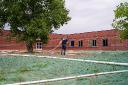
Timing can make a significant difference when establishing new grass in the Dallas–Fort Worth area. North Texas experiences hot summers, changing rainfall patterns, occasional winter freezes, and relatively short transition periods between seasons. Choosing the right planting window gives grass seed a better opportunity to germinate, develop roots, and become established before facing extreme weather. For homeowners, developers, and property managers considering Hydroseeding North Texas understanding seasonal conditions is essential for planning a successful project and avoiding unnecessary stress on newly seeded turf.
Understanding the DFW Growing Climate
The DFW climate creates opportunities for grass establishment during much of the year, but not every season offers equally favorable conditions. Warm-season grasses generally become most active as soil temperatures rise in spring and continue growing through summer. Cool-season grasses have different requirements and may perform better during cooler portions of the year. Because hydroseeding depends on the selected grass variety, soil temperature, moisture, sunlight, and weather, the ideal installation date should be based on the seed rather than the calendar alone.
North Texas weather can also change quickly. A period of warm temperatures may be followed by heavy rainfall, a cold front, or an extended dry spell. These fluctuations can affect germination and early root development, particularly when seed is newly applied. Professional contractors consider current and upcoming conditions when scheduling work, rather than automatically treating every project according to the same seasonal timetable. This site-specific approach can help reduce avoidable problems during the establishment period.
Soil condition is just as important as air temperature. Construction equipment, previous landscaping work, or prolonged traffic can leave soil compacted and difficult for roots to penetrate. Poor drainage can create another problem by keeping certain areas excessively wet after rainfall. Before hydroseeding begins, the site should be evaluated for grading, compaction, soil quality, drainage, and existing vegetation. Addressing these issues can improve the growing environment regardless of the season in which the project is completed.
Spring: A Prime Window for Warm-Season Grass
Spring is often an attractive scheduling period for Hydroseeding North Texas when the project involves warm-season turf. As temperatures rise and the risk of hard freezes decreases, warm-season grasses begin moving into active growth. This gives newly seeded turf an opportunity to germinate and establish before the most intense summer conditions arrive. However, the exact timing varies each year, so soil and weather conditions should be evaluated rather than relying on a fixed date.
One advantage of spring establishment is that developing grass can benefit from increasing sunlight and naturally occurring rainfall. Adequate moisture supports germination, while moderate temperatures may create less stress than the peak summer heat. Even so, spring weather can be unpredictable, and heavy rainfall can create runoff or disturb freshly applied mulch and seed. A professional contractor should consider drainage and forecasted weather before selecting the application date.
Spring can also provide a valuable establishment period before the lawn faces prolonged summer heat. The more time grass has to develop its root system before extreme temperatures arrive, the better prepared it may be to handle environmental stress. Irrigation remains important because rainfall alone cannot be relied upon to maintain consistent moisture. Property owners should have their watering system ready before hydroseeding takes place so the new lawn can receive appropriate care immediately after installation.
Summer: Possible but More Demanding
Summer is one of the most challenging seasons for new grass in North Texas because high temperatures and intense sunlight can increase moisture loss. This does not automatically make summer hydroseeding impossible, but it can make scheduling and maintenance more demanding. Newly germinated seedlings have shallow roots and can dry out quickly if irrigation is inadequate. Projects scheduled during hot periods require particularly careful water management and monitoring.
The type of grass being planted is also critical during summer. Warm-season grasses are generally better suited to active summer growth than cool-season varieties, but young plants can still experience significant stress under extreme conditions. Contractors should consider soil temperature, current heat conditions, irrigation capacity, and the expected weather pattern before proceeding. If environmental conditions are unfavorable, postponing installation may be more practical than trying to force establishment.
When summer installation is appropriate, preparation and aftercare become especially important. The hydroseeding mulch can help retain moisture around the seed, but it does not replace irrigation. Watering should be managed carefully to keep the seedbed adequately moist without creating excessive runoff or standing water. Property owners should also minimize foot traffic and equipment activity across newly treated areas until the turf is sufficiently established.
Fall: An Important Window for Cool-Season Turf
Fall can be an excellent establishment period for selected cool-season grasses in North Texas. As temperatures become more moderate, heat stress decreases while soil may retain enough warmth to support germination. This combination can create favorable conditions for certain cool-season turf varieties. However, the appropriate fall window depends on the specific grass and the expected length of the remaining growing period.
One important consideration is the time available for root development before winter. Grass planted too late may not have enough time to establish adequately before colder temperatures slow growth. For this reason, property owners should not simply wait until the weather becomes cool and assume that any date will work. A professional can evaluate the selected seed variety and recommend an appropriate installation window based on local conditions.
Fall can also be useful for reducing some of the challenges associated with summer heat. Cooler air temperatures generally mean lower evaporation rates, although irrigation is still necessary during establishment. Newly seeded areas should be monitored for changing moisture conditions and protected from unnecessary traffic. Proper planning can help the developing turf establish roots before the colder part of the year arrives.
Winter: Why Timing Becomes More Limited
Winter is generally less favorable for establishing warm-season turf in North Texas because these grasses become dormant or significantly reduce growth as temperatures decline. Seed may remain inactive until environmental conditions become suitable again. This can expose the project to a longer period without active establishment. Winter installation may therefore be less appropriate when rapid turf development is a priority.
There can be exceptions depending on the grass variety, project purpose, and specific conditions. Some cool-season grasses can be established during cooler months when the timing and soil conditions are appropriate. However, winter weather can include freezes and temperature fluctuations that slow germination and growth. Property owners should consult an experienced turf professional before scheduling hydroseeding during the colder season.
Construction schedules can sometimes create pressure to seed regardless of seasonal conditions. Developers may need to stabilize disturbed soil or meet landscaping requirements before a project reaches completion. In such situations, hydroseeding may still be considered as part of a broader stabilization strategy, but expectations should be realistic. Temporary erosion-control measures and appropriate site-management practices may also be necessary while vegetation becomes established.
How Weather Affects Hydroseeding Schedules
Weather forecasting is an important part of professional hydroseeding planning. Heavy rain shortly after application can create runoff and move seed or mulch from prepared areas, particularly on slopes. Extended periods of extreme heat can increase irrigation requirements and make establishment more difficult. Strong winds may also affect exposed surfaces. Contractors should consider upcoming conditions rather than selecting an installation date based solely on convenience.
Soil moisture should also be considered. Extremely dry soil may require preparation and pre-irrigation before application, while saturated ground may not provide ideal conditions for equipment access or seed establishment. The goal is to create a stable seedbed with sufficient moisture and good seed-to-soil contact. These factors can make the difference between a predictable establishment process and patchy or delayed growth.
Local site conditions can vary significantly even within the DFW area. One property may have sandy or well-drained soil, while another may contain heavier soil that holds moisture longer. Slopes, shade, tree cover, wind exposure, and irrigation coverage can further change the microenvironment. Experienced contractors consider these differences when developing a schedule for commercial hydroseeding services or residential projects.
Preparing Your Property Before the Ideal Window
Choosing a good planting window is only part of the process. Property owners should use the time before installation to prepare the site properly. Remove construction debris, address unwanted vegetation, correct grading problems, and identify compacted areas that may need improvement. If irrigation is required, make sure the system is functional and provides appropriate coverage. Preparing these elements in advance allows the hydroseeding crew to work when environmental conditions are most favorable.
Soil preparation can have a particularly strong influence on long-term turf performance. Compacted soil can prevent roots from developing normally, while inadequate topsoil can limit nutrient and moisture availability. Depending on site conditions, contractors may recommend loosening soil, adding suitable amendments, improving drainage, or adjusting grades. These recommendations should be based on the property's actual needs rather than unnecessary treatments.
Developers should also coordinate hydroseeding with other construction activities. There is little value in establishing grass in an area that will immediately be driven over by heavy equipment. Scheduling should account for final grading, utility work, construction access, drainage installation, and other site activities. Good coordination protects the investment in newly seeded turf and can reduce the need for costly repairs or reseeding.
When to Schedule Commercial Hydroseeding Services
Commercial properties often require more detailed scheduling than residential lawns because multiple contractors and construction phases may be involved. Office developments, apartment communities, industrial sites, parks, roadside areas, and large landscaped properties can contain several different soil and drainage conditions. Commercial hydroseeding services should therefore be planned around both biological growing conditions and the overall construction schedule.
For large projects, phased hydroseeding may sometimes be appropriate. Areas that have completed grading and will not experience additional construction activity can be treated while other sections remain under development. This approach may allow the property to begin establishing vegetation without delaying the entire construction process. Contractors should coordinate the phases carefully to prevent equipment traffic from damaging newly seeded areas.
Developers should also establish responsibilities for watering and maintenance before the application begins. Newly seeded turf requires consistent care, and unclear responsibility can result in inadequate irrigation. A written plan can identify who will monitor moisture, operate irrigation, manage traffic, inspect growth, and address problem areas. Clear communication between the developer, hydroseeding contractor, and maintenance team can improve the likelihood of successful establishment.
How to Choose the Right Hydroseeding Contractor
When evaluating a contractor, look for experience with properties and grass types similar to your project. A company familiar with Hydroseeding North Texas should understand local weather patterns, common soil conditions, seasonal turf behavior, and the challenges associated with summer heat. Ask about previous projects, seed selection, soil preparation, application equipment, and aftercare recommendations. A knowledgeable contractor should be able to explain why a particular installation window is recommended for your property.
It is also wise to request a detailed proposal rather than choosing a provider based only on a quoted price. The estimate should explain preparation work, seed mixture, mulch materials, application, irrigation expectations, and any follow-up services. Ask what factors could cause the schedule to change and how weather delays are handled. Transparent communication gives property owners a clearer understanding of both the process and their responsibilities.
A qualified contractor should also set realistic expectations. Germination and establishment cannot be controlled completely because weather and site conditions influence plant growth. Be cautious of guarantees that ignore environmental variables or promise instant mature turf. Professional recommendations should focus on improving growing conditions, selecting suitable seed, and providing appropriate maintenance. This practical approach is a better indicator of expertise than aggressive promises.
Creating the Best Hydroseeding Schedule for DFW
There is no single calendar date that represents the perfect hydroseeding window for every North Texas property. Warm-season grasses are generally best aligned with the region's warmer growing period, while selected cool-season grasses have different timing requirements. Soil temperature, moisture, grass variety, weather forecasts, irrigation, and site preparation all need to be considered. A site-specific assessment provides a more reliable scheduling decision than following a generic seasonal recommendation.
For homeowners and developers, the best strategy is to prepare early and remain flexible. Complete grading and soil preparation before the desired installation window, confirm that irrigation is ready, and coordinate hydroseeding with construction activities. Monitoring weather conditions can then help identify a suitable application opportunity. After installation, consistent watering and protection from unnecessary traffic become essential for supporting germination and root development.
Ultimately, successful Hydroseeding North Texas projects depend on matching the right grass with the right conditions and providing proper care throughout establishment. Spring and suitable warm-weather periods can be valuable for warm-season grasses, while fall may offer advantages for selected cool-season turf. Summer installations require greater attention to heat and irrigation, and winter scheduling is more dependent on the specific grass and project objective. By planning around the DFW climate rather than against it, property owners can create better conditions for healthy turf and achieve more reliable long-term results.
Market Overview
Polaris Market Research’s latest research report, titled Dry Eyes Disease Market, offers a comprehensive and data-driven analysis of the market landscape. Designed for decision-makers, strategists, and industry participants, this in-depth study offers critical insights into current trends, market dynamics, competitive strategies, and growth projections. In a market defined by constant change and high-stakes decisions, the report serves as a trusted tool for navigating complexities and identifying actionable opportunities.
Backed by robust research methodologies and validated data sources, the research report breaks down key market segments, emerging technologies, regulatory shifts, and regional developments that are shaping the market landscape. Along with historical performance and current benchmarks, the study provides forecasts that help businesses anticipate change and adjust strategies accordingly. Whether you're evaluating market entry, product development, or investment planning, the report offers a clear, concise, and actionable foundation for making informed decisions.
Market Stats
Global Dry Eyes Disease Market is currently valued at USD 7.97 billion in 2025 and is anticipated to generate an estimated revenue of USD 17.82 Billion by 2034, according to the latest study by Polaris Market Research. Besides, the report notes that the market exhibits a robust 9.35% Compound Annual Growth Rate (CAGR) over the forecasted timeframe, 2026 - 2034
Growth Drivers and Market Dynamics
Several factors are contributing to the Dry Eyes Disease market growth. In this report, we examine all the key forces shaping the market landscape:
- Supply and Demand: The report examines key supply-side factors such as raw material availability, manufacturing capacity, production costs, and logistics infrastructure. On the demand side, it examines consumer uptake, seasonal variations, and industry-specific demand cycles. These insights enable businesses to make informed planning across procurement, production, and distribution.
- Technological Advancements: The study highlights how the integration of advanced technologies is redefining operational efficiency, product development, and service delivery. In addition, it sheds light on key technological trends and their potential to disrupt traditional business models.
- Changing Consumer Preferences: Evolving consumer preferences are at the core of many industry shifts. Our report explores how changing consumer behavior is influencing demand patterns and how market participants are responding with agile solutions.
- Regulatory Influence: Governments are regulatory bodies are increasingly active in shaping market practices through evolving compliance standards, safety regulations, and environmental mandates. Our report outlines the current and upcoming regulations impacting the industry and analyzes the implications for businesses across various regions.
- Sustainability and Environmental Concerns: Sustainability has become a core business imperative for several companies. The study explores how businesses are integrating environmentally responsible practices into their operations, supply chains, and product lifecycles.
Browse Full Insights:
https://www.polarismarketresearch.com/industry-analysis/dry-eyes-disease-market
Competitive Landscape
The competitive landscape of the Dry Eyes Disease market is characterized by a mix of established players, emerging entrants, and niche specialists. The report offers an in-depth analysis of the competitive landscape, mapping up the positioning of key companies and the strategies that they are using to stay ahead in an increasingly dynamic market. It highlights the key players based on their market share, revenue performance, product portfolios, and regional presence. Along with traditional metrics, the research report evaluates competitive advantages derived from supply chain strength, technological capabilities, R&D investment, and brand reputation. Strategic initiatives such as mergers, acquisitions, and collaborations have also been examined to offer an in-depth comprehension of the competitive environment. This section serves as a strategic tool for benchmarking performance, understanding market saturation levels, and forecasting the future landscape of competition.
A few of the key players operating in the market are:
- Abbott
- AbbVie Inc.
- AFT Pharmaceuticals
- Akorn Operating
- Company LLC
- Allergan
- Allostera Pharma Inc.
- AstraZeneca
- Eli Lilly and Company
- F. Hoffmann-La Roche Ltd.
- GlaxoSmithKline plc
- I-Med Pharma Inc.
- Johnson & Johnson Private Limited
- Merck & Co. Inc.
- Merck KGaA
- Novaliq GmbH
- Novartis AG
- Otsuka America
- Pharmaceutical
- Inc.
- Pfizer Inc.
- Sanofi
- Santen Pharmaceuticals Co. Ltd.
- Teva Pharmaceutical Industries Ltd
Segment Analysis
The research report offers an in-depth segment analysis that categorizes the market into various categories. Each Dry Eyes Disease market segment is specifically evaluated to highlight its specific drivers and challenges. This detailed breakdown helps businesses prioritize their efforts on the most lucrative or strategically important segments. It also assists in tailoring marketing, sales, and development efforts to meet the distinct needs of each category. By combining qualitative data with expert insights, the segment analysis empowers decision-makers to allocate resources efficiently, identify emerging opportunities, and anticipate shifts in market demand. Ultimately, this granular view equips businesses and stakeholders with the clarity and insights needed to optimize product portfolios and align their strategies with evolving market conditions.
Regional Overview
The research report offers a detailed regional analysis that explores the unique economic, regulatory, cultural, and competitive forces shaping each geography. Different regions often exhibit distinct growth trajectories, driven by factors such as local consumer preferences, infrastructure development, government policies, and levels of technological adoption. By examining these factors, the report uncovers pockets of high growth potential as well as regions where challenges like supply chain constraints or regulatory barriers may limit expansion. The report assesses key performance indicators such as pricing trends, Dry Eyes Disease market demand, and competition intensity within each major region. In addition, the study highlights emerging markets creating opportunities for new and established players alike.
Research Methodology
At Polaris Market Research, we follow a rigorous and transparent research methodology, combining:
- Primary Research: Interviews with industry experts, stakeholders, and key decision-makers
- Secondary Research: Data from credible sources like industry journals, databases, regulatory bodies, and company reports
- Data Triangulation: To validate findings and eliminate bias
- Analytical Tools: Statistical models, market forecasting techniques, and proprietary frameworks
This approach ensures that our reports deliver accurate, relevant, and reliable market intelligence.
Who Should Read This Report?
The report is tailored for a broad audience, including but not limited to:
- C-level executives and business leaders
- Product managers and innovation teams
- Investors and financial analysts
- Policymakers and regulators
- Market researchers and consultants
Whether you’re evaluating market entry, planning product development, or monitoring competition, the report offers the information you need to move forward with certainty.
The Report Answers Questions Such As
- What is the primary focus and scope of this Dry Eyes Disease market research report?
- What is the estimated CAGR for the market?
- What are the key factors fueling the rapid expansion of the market?
- Who are the leading players operating in the market?
- Which region is projected to witness the fastest growth during the forecast period?
- How are supply and demand dynamics shaping the market landscape?
- What are the emerging trends and opportunities that market participants can capitalize on?
Ready to Dive In?
Whether you're entering the market for the first time or looking to strengthen your position, the Dry Eyes Disease market report provides comprehensive insights to help you make informed decisions. Visit our website to access the full report. For inquiries or to request a free sample, feel free to contact our sales team.
More Trending Latest Reports By Polaris Market Research:
Market Overview
Polaris Market Research’s latest research report, titled Diabetes Drug Market, offers a comprehensive and data-driven analysis of the market landscape. Designed for decision-makers, strategists, and industry participants, this in-depth study offers critical insights into current trends, market dynamics, competitive strategies, and growth projections. In a market defined by constant change and high-stakes decisions, the report serves as a trusted tool for navigating complexities and identifying actionable opportunities.
Backed by robust research methodologies and validated data sources, the research report breaks down key market segments, emerging technologies, regulatory shifts, and regional developments that are shaping the market landscape. Along with historical performance and current benchmarks, the study provides forecasts that help businesses anticipate change and adjust strategies accordingly. Whether you're evaluating market entry, product development, or investment planning, the report offers a clear, concise, and actionable foundation for making informed decisions.
Market Stats
Global Diabetes Drug Market is currently valued at USD 89.09 billion in 2025 and is anticipated to generate an estimated revenue of USD 163.79 billion by 2034, according to the latest study by Polaris Market Research. Besides, the report notes that the market exhibits a robust 7% Compound Annual Growth Rate (CAGR) over the forecasted timeframe, 2026 - 2034
Growth Drivers and Market Dynamics
Several factors are contributing to the Diabetes Drug market growth. In this report, we examine all the key forces shaping the market landscape:
- Supply and Demand: The report examines key supply-side factors such as raw material availability, manufacturing capacity, production costs, and logistics infrastructure. On the demand side, it examines consumer uptake, seasonal variations, and industry-specific demand cycles. These insights enable businesses to make informed planning across procurement, production, and distribution.
- Technological Advancements: The study highlights how the integration of advanced technologies is redefining operational efficiency, product development, and service delivery. In addition, it sheds light on key technological trends and their potential to disrupt traditional business models.
- Changing Consumer Preferences: Evolving consumer preferences are at the core of many industry shifts. Our report explores how changing consumer behavior is influencing demand patterns and how market participants are responding with agile solutions.
- Regulatory Influence: Governments are regulatory bodies are increasingly active in shaping market practices through evolving compliance standards, safety regulations, and environmental mandates. Our report outlines the current and upcoming regulations impacting the industry and analyzes the implications for businesses across various regions.
- Sustainability and Environmental Concerns: Sustainability has become a core business imperative for several companies. The study explores how businesses are integrating environmentally responsible practices into their operations, supply chains, and product lifecycles.
Browse Full Insights:
https://www.polarismarketresearch.com/industry-analysis/global-diabetes-drug-market
Competitive Landscape
The competitive landscape of the Diabetes Drug market is characterized by a mix of established players, emerging entrants, and niche specialists. The report offers an in-depth analysis of the competitive landscape, mapping up the positioning of key companies and the strategies that they are using to stay ahead in an increasingly dynamic market. It highlights the key players based on their market share, revenue performance, product portfolios, and regional presence. Along with traditional metrics, the research report evaluates competitive advantages derived from supply chain strength, technological capabilities, R&D investment, and brand reputation. Strategic initiatives such as mergers, acquisitions, and collaborations have also been examined to offer an in-depth comprehension of the competitive environment. This section serves as a strategic tool for benchmarking performance, understanding market saturation levels, and forecasting the future landscape of competition.
A few of the key players operating in the market are:
- AbbVie
- AstraZeneca
- Bayer
- Boehringer Ingelheim
- Bristol Myers Squibb
- Eli Lilly
- GlaxoSmithKline
- Johnson & Johnson
- Merck
- Novartis
- Novo Nordisk
- Pfizer
- Roche
- Sanofi
- Takeda
Segment Analysis
The research report offers an in-depth segment analysis that categorizes the market into various categories. Each Diabetes Drug market segment is specifically evaluated to highlight its specific drivers and challenges. This detailed breakdown helps businesses prioritize their efforts on the most lucrative or strategically important segments. It also assists in tailoring marketing, sales, and development efforts to meet the distinct needs of each category. By combining qualitative data with expert insights, the segment analysis empowers decision-makers to allocate resources efficiently, identify emerging opportunities, and anticipate shifts in market demand. Ultimately, this granular view equips businesses and stakeholders with the clarity and insights needed to optimize product portfolios and align their strategies with evolving market conditions.
Regional Overview
The research report offers a detailed regional analysis that explores the unique economic, regulatory, cultural, and competitive forces shaping each geography. Different regions often exhibit distinct growth trajectories, driven by factors such as local consumer preferences, infrastructure development, government policies, and levels of technological adoption. By examining these factors, the report uncovers pockets of high growth potential as well as regions where challenges like supply chain constraints or regulatory barriers may limit expansion. The report assesses key performance indicators such as pricing trends, Diabetes Drug market demand, and competition intensity within each major region. In addition, the study highlights emerging markets creating opportunities for new and established players alike.
Research Methodology
At Polaris Market Research, we follow a rigorous and transparent research methodology, combining:
- Primary Research: Interviews with industry experts, stakeholders, and key decision-makers
- Secondary Research: Data from credible sources like industry journals, databases, regulatory bodies, and company reports
- Data Triangulation: To validate findings and eliminate bias
- Analytical Tools: Statistical models, market forecasting techniques, and proprietary frameworks
This approach ensures that our reports deliver accurate, relevant, and reliable market intelligence.
Who Should Read This Report?
The report is tailored for a broad audience, including but not limited to:
- C-level executives and business leaders
- Product managers and innovation teams
- Investors and financial analysts
- Policymakers and regulators
- Market researchers and consultants
Whether you’re evaluating market entry, planning product development, or monitoring competition, the report offers the information you need to move forward with certainty.
The Report Answers Questions Such As
- What is the primary focus and scope of this Diabetes Drug market research report?
- What is the estimated CAGR for the market?
- What are the key factors fueling the rapid expansion of the market?
- Who are the leading players operating in the market?
- Which region is projected to witness the fastest growth during the forecast period?
- How are supply and demand dynamics shaping the market landscape?
- What are the emerging trends and opportunities that market participants can capitalize on?
Ready to Dive In?
Whether you're entering the market for the first time or looking to strengthen your position, the Diabetes Drug market report provides comprehensive insights to help you make informed decisions. Visit our website to access the full report. For inquiries or to request a free sample, feel free to contact our sales team.
More Trending Latest Reports By Polaris Market Research:
Stretch and Shrink Sleeve Labels Market
Marine and Marine Management Software Market
Sepsis Diagnostics Market Outlook Highlights Emerging Growth Opportunities
By nilajadhav123, 2026-09-08
Market Overview
Polaris Market Research’s latest research report, titled Sepsis Diagnostics Market, offers a comprehensive and data-driven analysis of the market landscape. Designed for decision-makers, strategists, and industry participants, this in-depth study offers critical insights into current trends, market dynamics, competitive strategies, and growth projections. In a market defined by constant change and high-stakes decisions, the report serves as a trusted tool for navigating complexities and identifying actionable opportunities.
Backed by robust research methodologies and validated data sources, the research report breaks down key market segments, emerging technologies, regulatory shifts, and regional developments that are shaping the market landscape. Along with historical performance and current benchmarks, the study provides forecasts that help businesses anticipate change and adjust strategies accordingly. Whether you're evaluating market entry, product development, or investment planning, the report offers a clear, concise, and actionable foundation for making informed decisions.
Market Stats
Global Sepsis Diagnostics Market is currently valued at USD 682.72 Million in 2025 and is anticipated to generate an estimated revenue of USD 1255.14 Million by 2034, according to the latest study by Polaris Market Research. Besides, the report notes that the market exhibits a robust 7.0% Compound Annual Growth Rate (CAGR) over the forecasted timeframe, 2026 - 2034
Growth Drivers and Market Dynamics
Several factors are contributing to the Sepsis Diagnostics market growth. In this report, we examine all the key forces shaping the market landscape:
- Supply and Demand: The report examines key supply-side factors such as raw material availability, manufacturing capacity, production costs, and logistics infrastructure. On the demand side, it examines consumer uptake, seasonal variations, and industry-specific demand cycles. These insights enable businesses to make informed planning across procurement, production, and distribution.
- Technological Advancements: The study highlights how the integration of advanced technologies is redefining operational efficiency, product development, and service delivery. In addition, it sheds light on key technological trends and their potential to disrupt traditional business models.
- Changing Consumer Preferences: Evolving consumer preferences are at the core of many industry shifts. Our report explores how changing consumer behavior is influencing demand patterns and how market participants are responding with agile solutions.
- Regulatory Influence: Governments are regulatory bodies are increasingly active in shaping market practices through evolving compliance standards, safety regulations, and environmental mandates. Our report outlines the current and upcoming regulations impacting the industry and analyzes the implications for businesses across various regions.
- Sustainability and Environmental Concerns: Sustainability has become a core business imperative for several companies. The study explores how businesses are integrating environmentally responsible practices into their operations, supply chains, and product lifecycles.
Browse Full Insights:
https://www.polarismarketresearch.com/industry-analysis/global-sepsis-diagnostics-market
Competitive Landscape
The competitive landscape of the Sepsis Diagnostics market is characterized by a mix of established players, emerging entrants, and niche specialists. The report offers an in-depth analysis of the competitive landscape, mapping up the positioning of key companies and the strategies that they are using to stay ahead in an increasingly dynamic market. It highlights the key players based on their market share, revenue performance, product portfolios, and regional presence. Along with traditional metrics, the research report evaluates competitive advantages derived from supply chain strength, technological capabilities, R&D investment, and brand reputation. Strategic initiatives such as mergers, acquisitions, and collaborations have also been examined to offer an in-depth comprehension of the competitive environment. This section serves as a strategic tool for benchmarking performance, understanding market saturation levels, and forecasting the future landscape of competition.
A few of the key players operating in the market are:
- Abbott Laboratories
- ACON Laboratories
- BD (Becton, Dickinson and Company)
- Beckman Coulter
- BioMérieux
- Cepheid
- Danaher Corporation
- Hologic
- LumiraDx
- QIAGEN
- Roche Diagnostics
- Siemens Healthineers
- Sysmex Corporation
- Thermo Fisher Scientific
- Vericel Corporation
Segment Analysis
The research report offers an in-depth segment analysis that categorizes the market into various categories. Each Sepsis Diagnostics market segment is specifically evaluated to highlight its specific drivers and challenges. This detailed breakdown helps businesses prioritize their efforts on the most lucrative or strategically important segments. It also assists in tailoring marketing, sales, and development efforts to meet the distinct needs of each category. By combining qualitative data with expert insights, the segment analysis empowers decision-makers to allocate resources efficiently, identify emerging opportunities, and anticipate shifts in market demand. Ultimately, this granular view equips businesses and stakeholders with the clarity and insights needed to optimize product portfolios and align their strategies with evolving market conditions.
Regional Overview
The research report offers a detailed regional analysis that explores the unique economic, regulatory, cultural, and competitive forces shaping each geography. Different regions often exhibit distinct growth trajectories, driven by factors such as local consumer preferences, infrastructure development, government policies, and levels of technological adoption. By examining these factors, the report uncovers pockets of high growth potential as well as regions where challenges like supply chain constraints or regulatory barriers may limit expansion. The report assesses key performance indicators such as pricing trends, Sepsis Diagnostics market demand, and competition intensity within each major region. In addition, the study highlights emerging markets creating opportunities for new and established players alike.
Research Methodology
At Polaris Market Research, we follow a rigorous and transparent research methodology, combining:
- Primary Research: Interviews with industry experts, stakeholders, and key decision-makers
- Secondary Research: Data from credible sources like industry journals, databases, regulatory bodies, and company reports
- Data Triangulation: To validate findings and eliminate bias
- Analytical Tools: Statistical models, market forecasting techniques, and proprietary frameworks
This approach ensures that our reports deliver accurate, relevant, and reliable market intelligence.
Who Should Read This Report?
The report is tailored for a broad audience, including but not limited to:
- C-level executives and business leaders
- Product managers and innovation teams
- Investors and financial analysts
- Policymakers and regulators
- Market researchers and consultants
Whether you’re evaluating market entry, planning product development, or monitoring competition, the report offers the information you need to move forward with certainty.
The Report Answers Questions Such As
- What is the primary focus and scope of this Sepsis Diagnostics market research report?
- What is the estimated CAGR for the market?
- What are the key factors fueling the rapid expansion of the market?
- Who are the leading players operating in the market?
- Which region is projected to witness the fastest growth during the forecast period?
- How are supply and demand dynamics shaping the market landscape?
- What are the emerging trends and opportunities that market participants can capitalize on?
Ready to Dive In?
Whether you're entering the market for the first time or looking to strengthen your position, the Sepsis Diagnostics market report provides comprehensive insights to help you make informed decisions. Visit our website to access the full report. For inquiries or to request a free sample, feel free to contact our sales team.
More Trending Latest Reports By Polaris Market Research:
Transcatheter Aortic Valve Replacement TAVR Market Trends Shaping Heart Treatment
By nilajadhav123, 2026-09-08
Market Overview
Polaris Market Research’s latest research report, titled Transcatheter Aortic Valve Replacement (Tavr) Market, offers a comprehensive and data-driven analysis of the market landscape. Designed for decision-makers, strategists, and industry participants, this in-depth study offers critical insights into current trends, market dynamics, competitive strategies, and growth projections. In a market defined by constant change and high-stakes decisions, the report serves as a trusted tool for navigating complexities and identifying actionable opportunities.
Backed by robust research methodologies and validated data sources, the research report breaks down key market segments, emerging technologies, regulatory shifts, and regional developments that are shaping the market landscape. Along with historical performance and current benchmarks, the study provides forecasts that help businesses anticipate change and adjust strategies accordingly. Whether you're evaluating market entry, product development, or investment planning, the report offers a clear, concise, and actionable foundation for making informed decisions.
Market Stats
Global Transcatheter Aortic Valve Replacement (Tavr) Market is currently valued at USD 7.21 Billion in 2025 and is anticipated to generate an estimated revenue of USD 12.92 Billion by 2034, according to the latest study by Polaris Market Research. Besides, the report notes that the market exhibits a robust 6.7% Compound Annual Growth Rate (CAGR) over the forecasted timeframe, 2026 - 2034
Growth Drivers and Market Dynamics
Several factors are contributing to the Transcatheter Aortic Valve Replacement (Tavr) market growth. In this report, we examine all the key forces shaping the market landscape:
- Supply and Demand: The report examines key supply-side factors such as raw material availability, manufacturing capacity, production costs, and logistics infrastructure. On the demand side, it examines consumer uptake, seasonal variations, and industry-specific demand cycles. These insights enable businesses to make informed planning across procurement, production, and distribution.
- Technological Advancements: The study highlights how the integration of advanced technologies is redefining operational efficiency, product development, and service delivery. In addition, it sheds light on key technological trends and their potential to disrupt traditional business models.
- Changing Consumer Preferences: Evolving consumer preferences are at the core of many industry shifts. Our report explores how changing consumer behavior is influencing demand patterns and how market participants are responding with agile solutions.
- Regulatory Influence: Governments are regulatory bodies are increasingly active in shaping market practices through evolving compliance standards, safety regulations, and environmental mandates. Our report outlines the current and upcoming regulations impacting the industry and analyzes the implications for businesses across various regions.
- Sustainability and Environmental Concerns: Sustainability has become a core business imperative for several companies. The study explores how businesses are integrating environmentally responsible practices into their operations, supply chains, and product lifecycles.
Browse Full Insights:
https://www.polarismarketresearch.com/industry-analysis/transcatheter-aortic-valve-replacement-tavr-market
Competitive Landscape
The competitive landscape of the Transcatheter Aortic Valve Replacement (Tavr) market is characterized by a mix of established players, emerging entrants, and niche specialists. The report offers an in-depth analysis of the competitive landscape, mapping up the positioning of key companies and the strategies that they are using to stay ahead in an increasingly dynamic market. It highlights the key players based on their market share, revenue performance, product portfolios, and regional presence. Along with traditional metrics, the research report evaluates competitive advantages derived from supply chain strength, technological capabilities, R&D investment, and brand reputation. Strategic initiatives such as mergers, acquisitions, and collaborations have also been examined to offer an in-depth comprehension of the competitive environment. This section serves as a strategic tool for benchmarking performance, understanding market saturation levels, and forecasting the future landscape of competition.
A few of the key players operating in the market are:
- Abbott Laboratories
- Boston Scientific Corporation
- Direct Flow Medical, Inc.
- Edwards Lifesciences Corporation
- HLT, Inc.
- JenaValve Technology, Inc.
- Medtronic plc
- Meril Life Sciences Pvt. Ltd.
- St. Jude Medical, Inc.
- Transcatheter Technologies GmbH
Segment Analysis
The research report offers an in-depth segment analysis that categorizes the market into various categories. Each Transcatheter Aortic Valve Replacement (Tavr) market segment is specifically evaluated to highlight its specific drivers and challenges. This detailed breakdown helps businesses prioritize their efforts on the most lucrative or strategically important segments. It also assists in tailoring marketing, sales, and development efforts to meet the distinct needs of each category. By combining qualitative data with expert insights, the segment analysis empowers decision-makers to allocate resources efficiently, identify emerging opportunities, and anticipate shifts in market demand. Ultimately, this granular view equips businesses and stakeholders with the clarity and insights needed to optimize product portfolios and align their strategies with evolving market conditions.
Regional Overview
The research report offers a detailed regional analysis that explores the unique economic, regulatory, cultural, and competitive forces shaping each geography. Different regions often exhibit distinct growth trajectories, driven by factors such as local consumer preferences, infrastructure development, government policies, and levels of technological adoption. By examining these factors, the report uncovers pockets of high growth potential as well as regions where challenges like supply chain constraints or regulatory barriers may limit expansion. The report assesses key performance indicators such as pricing trends, Transcatheter Aortic Valve Replacement (Tavr) market demand, and competition intensity within each major region. In addition, the study highlights emerging markets creating opportunities for new and established players alike.
Research Methodology
At Polaris Market Research, we follow a rigorous and transparent research methodology, combining:
- Primary Research: Interviews with industry experts, stakeholders, and key decision-makers
- Secondary Research: Data from credible sources like industry journals, databases, regulatory bodies, and company reports
- Data Triangulation: To validate findings and eliminate bias
- Analytical Tools: Statistical models, market forecasting techniques, and proprietary frameworks
This approach ensures that our reports deliver accurate, relevant, and reliable market intelligence.
Who Should Read This Report?
The report is tailored for a broad audience, including but not limited to:
- C-level executives and business leaders
- Product managers and innovation teams
- Investors and financial analysts
- Policymakers and regulators
- Market researchers and consultants
Whether you’re evaluating market entry, planning product development, or monitoring competition, the report offers the information you need to move forward with certainty.
The Report Answers Questions Such As
- What is the primary focus and scope of this Transcatheter Aortic Valve Replacement (Tavr) market research report?
- What is the estimated CAGR for the market?
- What are the key factors fueling the rapid expansion of the market?
- Who are the leading players operating in the market?
- Which region is projected to witness the fastest growth during the forecast period?
- How are supply and demand dynamics shaping the market landscape?
- What are the emerging trends and opportunities that market participants can capitalize on?
Ready to Dive In?
Whether you're entering the market for the first time or looking to strengthen your position, the Transcatheter Aortic Valve Replacement (Tavr) market report provides comprehensive insights to help you make informed decisions. Visit our website to access the full report. For inquiries or to request a free sample, feel free to contact our sales team.
More Trending Latest Reports By Polaris Market Research: