
Blogs
Why Modern Operations Are Moving Beyond Traditional Checklists
Traditional paper checklists and scattered spreadsheets were never designed for the pace, scale, or interconnected nature of modern operations. As businesses grow, compliance obligations increase and employees need dependable information immediately, manual methods can become serious barriers to efficient work. Lost documents, slow approvals, and time consuming audit preparation are common consequences. Important details may sit across inboxes, shared drives, spreadsheets, and individual files, leaving teams without a clear view of what has been completed, what remains outstanding, and who is responsible. This fragmentation can weaken consistency, visibility, and accountability across everyday operations.
A centralized digital checklist platform provides a single environment for bringing those activities together. Instead of maintaining separate records for inspections, checks, and recurring tasks, teams can organize their information in one accessible system where data can be acted upon quickly. ToolKitX's Checklist module enables operations, HSE, and quality teams to coordinate routine work from one platform while improving consistency, transparency, and oversight.
Beyond Simple Information Capture
A useful checklist should do more than record that a task happened. It should guide the person performing the work, ensuring every necessary step is completed in the correct manner. ToolKitX turns static forms into interactive workflows that lead users through each stage of an activity, supporting standardized execution across inspections, verifications, and routine procedures.
As employees enter information, the system can validate responses, identify errors, and prevent required details from being overlooked. After all mandatory information is submitted, a secure, tamper resistant record is created automatically. Because the platform is cloud based, field photographs, measurements, observations, digital signatures, and supporting files can be synchronized immediately and retained with the activity. When work is finished, the evidence is already connected to the relevant checklist, eliminating the need to search through separate records afterward.
A Workflow That Connects Every Stage
Checklist management can follow a structured process beginning with activity creation and scheduling and continuing through execution, review, approval, and closure. Through a centralized dashboard, managers can see checklist activity and organize records by status, employee, location, deadline, or other relevant criteria.
Filters and visual indicators make it easier to spot overdue checklists and activities that are moving behind schedule. Managers can therefore identify issues sooner and take action before a delay affects other operational priorities.
Recurring inspections and scheduled activities can be handled through the same process. Once a recurring schedule is configured, employees receive automatic notifications when their checklist becomes due. If the task is completed before the deadline, subsequent reminders are automatically stopped. This keeps notifications useful and avoids burdening employees with alerts for work that has already been finished.
Submitted checklists can then progress through configurable approval steps involving supervisors, HSE teams, managers, or other designated stakeholders. Approvals, comments, modifications, and actions stay associated with the original record and carry precise timestamps. If corrective action is needed, the resulting task can remain connected to the checklist. Rather than scattering related information across emails, documents, and folders, the complete activity stays together in one traceable record.
Built for Work in the Field
The value of a digital checklist is especially clear where inspections and operational tasks are performed. ToolKitX supports field teams with an intuitive drag and drop template builder, allowing organizations to create standardized checklists without specialized technical expertise.
Templates can be tailored for different facilities, sites, departments, equipment, and procedures while preserving common requirements throughout the organization. This allows local teams to work according to relevant conditions without sacrificing standardization.
Employees can record field information directly within the checklist instead of completing separate paperwork. Measurements, observations, photographs, and digital signatures can all become part of the same activity. The resulting record provides a detailed account of what was observed, verified, and completed at the actual location where work occurred.
Real time validation can further improve the quality of collected information. Organizations can define mandatory fields, acceptable ranges, and required attachments so essential details must be supplied before submission. Detecting incomplete or unsuitable entries at the point of capture reduces administrative rework and gives teams greater confidence in the accuracy of operational records.
Why Organizations Are Moving to Digital Checklists
As organizations expand across multiple sites, dependence on paper forms and spreadsheets becomes harder to manage. Manual processes can create variations between teams, slow access to information, and make documentation difficult to track when audits or compliance reviews require evidence.
ToolKitX replaces these disconnected methods with standardized digital workflows that can operate across departments, facilities, and locations. Inspection results become available without waiting for physical paperwork to circulate. Approvals can be followed more easily, while operational information can support ongoing improvement instead of serving only as documentation produced for compliance purposes.
Supporting Routine Operational Work
The Checklist module can be adapted to many business activities. Within HSE and Permit to Work environments, teams can use it for equipment inspections, site checks, pre task verification, and other activities requiring structured assessment, documentation, and approval.
Operations and quality teams can apply the same approach to shift handovers, preventive maintenance checks, production inspections, and recurring procedures where reliable execution is essential.
When customers, auditors, or regulatory authorities request documentation, teams can retrieve complete checklist records without collecting evidence manually from multiple locations. Photographs, approvals, digital signatures, comments, and supporting documents remain associated with the relevant activity. This makes it easier to demonstrate what was performed, what evidence was captured, and how the work was reviewed.
Turning Digital Checklists into Operational Gains
Organizations can begin using the Checklist module with ready to use templates and flexible scheduling features that make implementation easier. Automated reminders help employees stay aligned with assigned activities, while centralized dashboards give managers visibility into work that is underway or completed. Structured approval workflows reinforce accountability by directing submissions through the appropriate review stages.
Audit preparation also becomes more manageable when records contain clear traceability, supporting evidence, and detailed histories of activity. Most importantly, information is captured at the point where work takes place instead of being recreated later from handwritten notes, emails, or separate files. Each checklist can therefore provide a complete and accurate record as soon as the activity is submitted, giving teams timely access to the information they need for review, follow up, and operational decision making. Teams can spend less time chasing paperwork and more time addressing the work itself, while managers gain a clearer understanding of performance, outstanding actions, and recurring operational requirements across the organization without relying on fragmented records or delayed updates.
Book a free demo @ https://toolkitx.com/campaign/checklist/
Browse More
https://toolkitx.com/blogsdetails.aspx?title=Safe-System-of-Work-(SSoW)-Meaning,-Definition,-Examples-and-HSE-Requirements
https://toolkitx.com/blogsdetails.aspx?title=COSHH-explained:-a-practical-guide-for-oil-and-gas,-construction-and-utilities
https://toolkitx.com/blogsdetails.aspx?title=Common-HSE-Challenges-in-the-Workplace-And-How-Modern-Organizations-Overcome-Them
https://toolkit.com/blogsdetails.aspx?title=RIDDOR-Reporting:-What-Must-Be-Reported-and-How
Beyond the Cap: Exploring the Style, Versatility, and Appeal of Hellstar Hats
By hellstarusclothes, 2026-08-17
Table of Contents
- Introduction: Why Hellstar Hats Deserve Attention
- What Makes Hellstar Hats Stand Out?
- Exploring Different Hellstar Hat Styles
- How to Style Hellstar Hats
- Building an Outfit Around a Hellstar Hat
- Hellstar Hats With T-Shirts
- Hellstar Hats With Sweatpants
- Hellstar Hats With Tracksuits
- Hellstar Hats With Shorts
- Choosing the Right Hat for Your Personal Style
- Everyday Versatility and Seasonal Styling
- How to Care for Your Hellstar Hat
- Common Styling Mistakes to Avoid
- Why Accessories Matter in Streetwear
- Creating Your Own Signature Streetwear Look
- Conclusion
- Frequently Asked Questions
Introduction: Why Hellstar Hats Deserve Attention
A great streetwear outfit is rarely about one piece of clothing.
It is about how everything connects.
The sneakers establish the foundation. The T-shirt sets the mood. The trousers or shorts define the silhouette. Then comes the accessory that quietly pulls everything together.
That accessory can be a hat.
Hellstar Hats have become an interesting part of the modern streetwear wardrobe because they can add personality without requiring an entirely new outfit. The current collection on the Hellstar website includes options such as snapbacks, fitted hats, trucker styles, and logo-focused designs.
And that's the beauty of a good hat: it can completely change the energy of an outfit.
Think of it like punctuation. Your clothing creates the sentence, but the right hat adds the final exclamation point.
Whether you're heading out casually, meeting friends, traveling, or simply putting together a stronger everyday look, a well-chosen hat can make the difference between an outfit that feels unfinished and one that feels intentional.
What Makes Hellstar Hats Stand Out?
Streetwear is built around individuality.
That's why accessories matter so much. A plain outfit can become expressive through a single visual detail.
The Hellstar Hats collection currently features several different directions, including the Snapback Hellstar Cheetah Hat, Red Hellstar Baseball Hat, Red Fitted Hellstar OG Patch, Hellstar Studios fitted hat, Hellstar Records Snapback Hat, Hellstar Navy Fitted Hat, and Hellstar Big Logo Trucker Hat.
That variety gives you room to experiment.
Bold Details Without Overcomplicating the Outfit
You don't always need a complicated outfit to make an impression.
Sometimes a clean T-shirt, relaxed pants, sneakers, and a distinctive hat are enough.
A strong accessory works particularly well when the rest of the outfit provides breathing room.
If your hat has a prominent logo or pattern, let it become one of the outfit's focal points.
The Power of the Finishing Piece
Have you ever put on an outfit and felt that something was missing?
Often, the answer isn't another shirt or another pair of shoes.
It's an accessory.
A hat frames the face, adds visual height, and can connect colors across an outfit. That makes it one of the easiest ways to add character without completely rebuilding your wardrobe.
Exploring Different Hellstar Hat Styles
Not every hat creates the same visual effect.
The silhouette matters.
Snapback Hats
Snapbacks are naturally associated with relaxed streetwear.
Their adjustable construction makes them practical, while the structured front gives the outfit a defined shape.
The Hellstar collection includes snapback options such as the Cheetah Hat and Hellstar Records Snapback Hat.
Try a snapback with an oversized T-shirt and relaxed trousers for a classic urban silhouette.
Fitted Hats
Fitted hats create a cleaner, more structured appearance.
The Hellstar collection includes fitted options such as the Navy Fitted Hat and OG Patch styles.
They can work especially well when your outfit already has a defined silhouette.
Trucker Styles
Trucker hats introduce a more casual, laid-back personality.
They can be particularly effective with summer outfits, graphic T-shirts, denim, shorts, or relaxed streetwear layers.
The Big Logo Trucker Hat is one of the trucker-style options listed in the current collection.
How to Style Hellstar Hats
There is no single formula for styling a streetwear hat.
Instead, think about balance.
If the hat is visually strong, simplify another part of the outfit. If your clothing is understated, the hat can become the statement.
Start With Color
Color coordination doesn't mean everything has to match perfectly.
In fact, exact matching can sometimes make an outfit feel too deliberate.
Instead, look for relationships.
A navy hat can work with black, grey, white, or denim. A red hat can become a controlled accent against neutral clothing.
The goal is harmony rather than uniformity.
Think About Proportions
Proportion is one of the easiest ways to improve a streetwear outfit.
Oversized T-shirt + relaxed pants + structured hat?
That can work beautifully.
Oversized everything + oversized everything + oversized everything?
Now the silhouette may lose definition.
Use contrast where possible.
Building an Outfit Around a Hellstar Hat
Rather than adding a hat at the very end, try starting with it.
Choose your favorite Hellstar Hat first.
Then ask:
What would make this hat look intentional?
Here's a simple framework:
| Hat Direction | Clothing Pairing | Overall Mood |
|---|---|---|
| Snapback | Graphic T-shirt + relaxed pants | Classic streetwear |
| Fitted | Clean T-shirt + straight trousers | Refined |
| Trucker | T-shirt + shorts | Casual summer |
| Bold graphic | Neutral clothing | Statement look |
| Minimal logo | Layered streetwear | Subtle and versatile |
The important thing is not to copy someone else's outfit exactly.
Use the formula as a starting point, then make it yours.
Hellstar Hats With T-Shirts
One of the easiest combinations is a hat and T-shirt.
The website's T-shirt section includes a broad range of graphic designs and styles, giving you plenty of possibilities for experimenting with color and visual balance.
Keep One Piece as the Focal Point
If you're wearing a graphic-heavy T-shirt and a graphic-heavy hat, consider keeping your bottoms and sneakers relatively simple.
Alternatively, if your T-shirt is understated, the hat can carry more visual weight.
That's the beauty of streetwear: there isn't one correct answer.
You are simply managing visual attention.
CTA: Explore the current Hellstar T-Shirts collection and find a graphic that complements your favorite hat.
Hellstar Hats With Sweatpants
Sweatpants and hats naturally belong together.
Both pieces have relaxed origins, but together they can look much more intentional when the proportions are right.
Try a structured hat with relaxed sweatpants and a clean T-shirt.
The contrast gives the outfit shape.
For a broader wardrobe, the site also carries dedicated Hellstar Sweatpants styles, making it easy to build a coordinated casual outfit.
A Simple Formula
Hellstar Hat + Hellstar T-shirt + Hellstar Sweatpants + sneakers
That's it.
No need to add six accessories.
Sometimes simplicity is what makes streetwear look strongest.
Hellstar Hats With Tracksuits
Tracksuits create an instantly coordinated appearance.
Adding a hat can make the outfit feel more personal rather than simply matching from head to toe.
The current Hellstar Tracksuits collection includes black, pink, blue, orange, vintage, records, sports, and other styles.
How to Keep the Look Balanced
If your tracksuit is already colorful, choose a hat that doesn't introduce too many additional colors.
If your tracksuit is mostly black or another neutral shade, a contrasting hat can become the accent.
This is where accessories become useful: they allow you to change the personality of a familiar outfit without buying an entirely new wardrobe.
Hellstar Hats With Shorts
Warm weather is where hats really shine.
A T-shirt, shorts, sneakers, and hat create an easy summer streetwear combination.
The current Hellstar Shorts collection includes several graphic, athletic, nylon, and records-inspired styles.
For a relaxed summer outfit:
Hat + oversized T-shirt + shorts + sneakers
Keep the color palette controlled and let one element become the statement.
A bold hat with simple clothing is often more effective than a bold hat paired with five other bold pieces.
Choosing the Right Hat for Your Personal Style
Don't choose a hat simply because it's popular.
Choose it because it fits the way you actually dress.
If Your Style Is Minimal
Look for cleaner colors and simpler logos.
Your goal is subtle definition.
If You Prefer Bold Streetwear
A stronger graphic, pattern, or color can become the centerpiece.
Let the hat lead.
If You Like Retro-Inspired Looks
Trucker and structured baseball silhouettes can give an outfit a nostalgic edge without making it feel like a costume.
If You Prefer Athletic Streetwear
Pair a fitted or structured hat with tracksuits, sweatpants, sneakers, or performance-inspired pieces.
The important thing is consistency.
Your outfit should look like one person's wardrobe—not five different trends accidentally collided.
Everyday Versatility and Seasonal Styling
A good hat isn't restricted to one season.
Spring
Use lighter layers, T-shirts, relaxed trousers, and a structured cap.
Summer
Pair hats with shorts, breathable T-shirts, sneakers, and simple accessories.
Autumn
Add hoodies, jackets, sweatpants, and layered tops.
The website's Hellstar Hoodies collection provides another easy layering option for cooler weather.
Winter
Use your hat as part of a layered outfit with heavier outerwear and warm streetwear pieces.
The rule stays the same: balance the silhouette.
How to Care for Your Hellstar Hat
A hat can lose its shape quickly if it is treated carelessly.
Avoid Crushing the Crown
Don't bury your hat underneath heavy clothing.
Structured hats especially benefit from being stored where they can maintain their shape.
Keep It Clean
Follow the specific care instructions for your hat rather than automatically throwing it into a washing machine.
When in doubt, gentle spot cleaning is often a safer starting point.
Protect Graphics and Details
If the hat has embroidery, patches, or printed elements, avoid aggressive cleaning that could damage those details.
A little patience goes a long way.
Common Styling Mistakes to Avoid
Too Many Logos
Branding can be powerful, but too much of it can make an outfit feel noisy.
Choose a focal point.
Ignoring the Silhouette
A hat can change the apparent proportions of your outfit.
If you're wearing very loose clothing, a structured hat can provide useful contrast.
Matching Everything Exactly
Perfect matching isn't always necessary.
A red hat doesn't require red shoes, red pants, and a red T-shirt.
One accent color can be enough.
Following Trends Without Personality
The best streetwear doesn't look like a costume.
It looks lived in.
Take inspiration from trends, but filter everything through your own preferences.
Why Accessories Matter in Streetwear
Clothing creates the foundation.
Accessories create the identity.
That's why hats, bags, watches, sunglasses, and jewelry have such an important role in streetwear.
A simple outfit can become completely different with one accessory.
Imagine the same black T-shirt and trousers styled three ways:
- With a clean fitted hat: polished.
- With a bold snapback: energetic.
- With a trucker hat: relaxed and vintage-inspired.
Same foundation. Different personality.
That's versatility.
Creating Your Own Signature Streetwear Look
Your signature style doesn't need to be complicated.
Start with a few reliable pieces.
A favorite Hellstar Hat.
A couple of strong T-shirts.
Comfortable sweatpants.
A pair of shorts for warmer days.
A tracksuit for coordinated looks.
Then experiment.
The goal isn't to create an outfit that looks like everyone else's.
It's to create something that feels immediately recognizable as you.
Use the Three-Point Rule
When you're unsure what to wear, choose:
One statement piece + one supporting piece + one simple piece.
For example:
Statement: Hellstar HatSupporting: Graphic T-shirtSimple: Neutral sweatpants
Or:
Statement: Graphic tracksuitSupporting: Hellstar HatSimple: Clean sneakers
This keeps the outfit expressive without letting it become chaotic.
A Quick Hellstar Hat Styling Checklist
Before heading out, ask yourself:
- Does the hat fit comfortably?
- Does its color work with the outfit?
- Is there one obvious focal point?
- Are the proportions balanced?
- Am I mixing too many graphics?
- Does the outfit suit the occasion?
- Does it actually reflect my personality?
If those answers look good, you're ready.
Conclusion
Hellstar Hats are more than a finishing accessory. They can influence the entire personality of an outfit. From snapbacks and fitted styles to trucker-inspired designs, the current collection offers several directions for experimenting with modern streetwear.
The real trick isn't wearing the most noticeable hat in the room. It's knowing how to make the hat work with everything else you're wearing.
Pair one with a graphic T-shirt for an effortless everyday outfit. Combine it with sweatpants when comfort takes priority. Add one to a tracksuit for a coordinated look. Switch to shorts when summer arrives.
Most importantly, don't be afraid to make the look your own.
Fashion is not a formula carved in stone. It's more like music—you take familiar notes and create your own sound.
Ready to Upgrade Your Streetwear Look?
Explore the Hellstar Hats collection, choose the silhouette that fits your personality, and build the rest of your outfit around it.
For a complete wardrobe, browse the Hellstar Shop and mix hats with T-shirts, sweatpants, shorts, tracksuits, and other streetwear pieces.
Frequently Asked Questions
1. What styles of Hellstar Hats are available?
The current collection includes snapbacks, fitted hats, trucker styles, baseball-inspired designs, and logo-focused options. Examples listed on the website include the Snapback Hellstar Cheetah Hat, Red Hellstar Baseball Hat, Navy Fitted Hat, and Big Logo Trucker Hat.
2. What should I wear with Hellstar Hats?
Hellstar Hats can be styled with T-shirts, sweatpants, tracksuits, shorts, hoodies, and sneakers. For the easiest outfit, combine a hat with a graphic T-shirt, relaxed bottoms, and clean sneakers.
3. Can I wear a Hellstar Hat with a tracksuit?
Yes. A hat can add personality to a coordinated tracksuit outfit. If the tracksuit is already colorful or graphic-heavy, consider a simpler hat. With a neutral tracksuit, a bolder hat can work as an accent.
4. Are Hellstar Hats suitable for everyday outfits?
Yes, depending on the style and how you incorporate it into your wardrobe. Snapbacks, fitted hats, and trucker styles can all work with casual streetwear combinations.
5. How do I choose the right Hellstar Hat?
Consider your preferred silhouette, clothing style, colors, and how you normally wear your hair. Choose a structured fitted hat for a cleaner appearance, a snapback for relaxed streetwear, or a trucker style for a more casual aesthetic.
A Smarter Way to Manage Certificates and Compliance Records
Keeping compliance under control becomes far more challenging when certificates and supporting records are scattered across multiple systems and storage locations. Licences, inspection reports, employee qualifications, contractor credentials, approvals, and other important documents may be buried in email accounts, shared folders, spreadsheets, or paper files. When an audit, inspection, or operational review demands a particular record immediately, locating it can consume valuable time.
Certificate management software solves this fragmentation by bringing certification records for employees, contractors, equipment, vehicles, and other organisational assets into a secure digital environment. With a single source of information, HR, safety, and operations teams can check credentials quickly, understand compliance status, and ensure work proceeds only when required certificates remain valid.
A More Organised Way to Manage Certificates
Managing certificates through disconnected tools creates unnecessary administration and makes important information harder to control. A digital certificate management approach provides one structured environment for handling the full certification lifecycle.
Standard templates allow organisations to create certificates consistently, while configurable workflows provide clearer control over reviews and approvals. Electronic signatures make authorisation simpler by enabling approved users to review and sign documents digitally while preserving accountability.
After approval, each certificate can be securely retained with its full version history, allowing previous records to be retrieved whenever necessary. Expiry dates can be tracked continuously, while automated renewal processes can begin before documents become invalid. Live dashboards, notifications, secure storage, and role based permissions transform certificate administration into a proactive, organised process instead of something addressed only when a deadline is close.
Why Digital Certificate Management Is Becoming Essential
Spreadsheets and paper filing remain familiar methods for recording certificate information. They may work reasonably well for smaller operations, but the administrative burden grows as organisations add employees, contractors, assets, projects, and locations. One overlooked expiry can delay a project, interfere with scheduled maintenance, prevent high risk activities, raise compliance issues, or create complications during insurance reviews.
Digital certificate management reduces these risks by checking certificate status continuously, issuing renewal reminders before deadlines, and keeping complete documentation prepared for audits. Rather than searching across folders, inboxes, and separate databases during an inspection, teams can demonstrate quickly that required certifications are current, accurate, and properly recorded.
Industries That Can Benefit from Centralised Certificates
Businesses operating in regulated or documentation heavy environments need reliable ways to manage certification and compliance information. Construction, offshore operations, subsea engineering, aviation maintenance, marine services, utilities, energy production, and heavy manufacturing depend on accurate records to help maintain safe and compliant operations.
A centralised certificate system gives managers and compliance teams clearer visibility of employee qualifications, contractor credentials, supplier documentation, and asset records. Information can be reviewed across projects, departments, facilities, and locations from one environment. Whether the organisation oversees a single operation or a workforce spread across multiple regions, the system can scale while preserving visibility and control.
The Complete Certificate Management Lifecycle
Create → Approve → Archive → Monitor → Renew
The process starts by creating or importing certificate templates aligned with organisational standards and applicable requirements. Certificates can then pass through defined approval stages according to user roles, while electronic signatures establish clear responsibility and accountability throughout the workflow.
Once approved, certificates are securely archived with searchable details so authorised users can retrieve them without delay. Dashboards show the current position of valid certificates, upcoming expiries, expired documents, and missing records. When records require renewal or updates, bulk management tools make large scale changes more efficient.
Connections with HR platforms, ERP solutions, workforce applications, and other business systems can keep information aligned through REST APIs and webhooks. Approvals, changes, and workflow actions are recorded within the platform, creating a detailed history that supports audits and ongoing record keeping.
Features That Strengthen Compliance and Productivity
- Live dashboards: Monitor certificate status across employees, contractors, assets, teams, departments, projects, and locations.
- Digital approvals: Replace manual sign offs with secure electronic signatures and recorded approval timestamps.
- QR code validation: Access certificate details from mobile devices in both connected and offline environments.
- Competency monitoring: Identify missing qualifications, certifications, or training before they affect operations.
- Automated renewal alerts: Remind users about upcoming expiries at configurable intervals, including 30, 14, or 7 days.
- Bulk certificate management: Import, update, or migrate large volumes of certificate records efficiently using CSV files.
- System integration: Connect with HR, ERP, access control, and other enterprise applications through APIs and webhooks.
- Role based security: Protect certificate information with encryption and permission based access, limiting issuing and viewing rights to authorised users.
Managing Certificates for Equipment and Vehicles
Certificate management extends beyond employee and contractor records. Machinery, equipment, vehicles, and specialised operational assets may also require certificates and supporting documentation to remain compliant. Inspection reports, calibration records, maintenance certificates, and regulatory approvals can be linked directly to the asset concerned.
Renewals can be organised around calendar dates or usage based intervals, helping teams manage requirements for cranes, pressure equipment, laboratory instruments, testing equipment, and other assets. Aviation organisations can keep aircraft certification information alongside pilot qualifications, while marine operators can manage vessel certificates, crew credentials, and classification records within the same environment. Fleet teams can likewise consolidate vehicle registrations, insurance documentation, and roadworthiness certificates in one secure location.
The Operational Value of Digital Certificate Management
Replacing spreadsheets and physical files with a live digital platform gives teams quicker access to current compliance information. Documents requested by customers, auditors, regulators, or internal teams can be found and presented within minutes instead of requiring hours or days of manual searching. Automated workflows, structured approvals, and controlled contractor self service can also lower administrative workloads while helping operations run more efficiently.
The result is stronger compliance oversight, fewer operational interruptions, quicker access to essential documentation, and greater confidence that employees, contractors, equipment, vehicles, and vessels are backed by valid, accessible certificates. When dependable records are critical to safe and uninterrupted operations, digital certificate management provides the organised foundation organisations need to remain compliant, efficient, and prepared for audits or operational demands. It also reduces reliance on individual staff members to remember deadlines or locate files, helping teams maintain a consistent process even as responsibilities, projects, and operational demands change over time across the organisation without unnecessary delays daily.
Book a free demo @ https://toolkitx.com/campaign/certificate-management/
Browse More
https://toolkitx.com/blogsdetails.aspx?title=What-is-a-Confined-Space-Entry-Permit-A-Simple-Guide
https://toolkitx.com/blogsdetails.aspx?title=Chemical-work-permit-%E2%80%93-definition,-requirements-and-best-practices
https://toolkitx.com/blogsdetails.aspx?title=Key-responsibilities-of-an-HSE-officer-in-high-risk-industries:-what-every-safety-leader-must-know
https://toolkitx.com/blogsdetails.aspx?title=HSE-management-system-explained:-elements,-benefits,-examples-and-how-to-implement-it-right
Beyond Asset Tracking: Building a Smarter Approach to Equipment Management
Equipment breakdowns are only one part of the asset management challenge. An asset may remain operational while quietly generating significant costs through lower productivity, unexpected maintenance requirements, compliance complications, and inefficient spending. For organizations pursuing efficient, data driven operations, keeping a simple register of equipment is no longer enough.
Businesses increasingly need an intelligent asset management solution that brings asset details, maintenance work, operational changes, and performance information into a single environment. Having continuous visibility throughout the asset lifecycle allows teams to spot developing issues earlier, limit disruption, and make decisions based on reliable information. ToolKitX Asset Management creates this connected environment, giving maintenance teams, finance departments, and auditors one centralized source for dependable asset information.
Moving Beyond Static Asset Records
Equipment should not be treated as a fixed entry that simply remains in a database. ToolKitX turns each asset into a dynamic digital record that can develop throughout its entire operational journey. Installation and commissioning, daily operation, inspections, servicing, repairs, and eventual retirement can all be recorded within the same centralized system.
Asset profiles can include identification details, inspection findings, maintenance history, certifications, incident records, disposal information, and other supporting documentation. Bringing this information together gives teams a clearer picture of an asset's location, current condition, maintenance history, historical performance, and total lifecycle cost, including information associated with specific serial numbers.
Standardized workflows, consolidated records, and AI assisted recommendations further help organizations shift away from a purely reactive maintenance model. Instead of waiting for failures to occur, teams can identify warning signs sooner and gradually build more predictive maintenance practices designed to prevent operational interruptions.
Industries That Benefit from Connected Asset Management
Connected asset management is particularly valuable in industries where equipment reliability directly affects safety, productivity, and financial performance. Manufacturing plants, power generation sites, utility providers, and fleet intensive organizations all depend on equipment being available and functioning effectively to keep operations moving.
ToolKitX brings asset information together with maintenance scheduling, permit management, and change management through a unified platform. Teams no longer have to rely on multiple applications containing isolated information. By working with consistent data and connected workflows, departments can coordinate activities more effectively and improve collaboration across the organization.
Core Capabilities of ToolKitX Asset Management
Centralized Asset Registry
ToolKitX provides a centralized asset registry that makes it simple to move from a company wide view of equipment to detailed individual asset records. Each profile can store technical manuals, maintenance documentation, service history, calibration certificates, compliance records, and other related files in an organized repository.
Keeping these records together allows management teams to produce operational reports, performance summaries, and audit ready documentation without manually collecting information from different systems.
Maintenance Management and Mobile Workforce Support
Maintenance activities can be organized according to planned dates, equipment utilization, or changing operating conditions. Work orders can be distributed to technicians, allowing field personnel to complete inspections, record measurements, upload photographs, and capture observations using mobile devices, even when internet access is unavailable.
As maintenance records build over time, the platform can evaluate equipment reliability, availability, and repair performance. This gives teams greater insight into asset health while helping them understand how effectively their maintenance strategies are performing.
Reliability Monitoring and Failure Analysis
Failures and recurring equipment issues can reveal important patterns about asset reliability. ToolKitX converts this information into useful operational insight by identifying repeated problems and analyzing performance trends. Organizations can then recognize assets that regularly underperform and evaluate potential future risks using predictive performance analysis.
Spare Parts and Inventory Management
Centralized inventory controls provide visibility into available parts, storage locations, and replenishment requirements. Barcode and QR code scanning can reduce picking errors and help technicians identify and obtain the correct replacement components before arriving at the worksite.
Better parts visibility reduces unnecessary delays and helps maintenance teams complete work more efficiently.
Structured Change Management
Change requests can follow defined approval workflows while automatically creating secure, time stamped audit trails. Approval processes can be configured around ISO requirements and industry specific compliance expectations, giving organizations greater control over operational changes while reducing dependence on paper based or manually maintained records.
Business Benefits for Long Term Performance
Complete Operational Visibility
A centralized dashboard provides teams with accessible information about asset condition, maintenance activities, and equipment locations. Instead of searching through disconnected spreadsheets and separate software applications, users can find critical operational information within one environment.
Greater Equipment Availability
Condition monitoring, IoT generated data, and predictive maintenance indicators can help teams detect developing equipment problems before they become serious failures. Earlier intervention can improve equipment uptime and help maintain more consistent operational continuity.
Stronger Compliance Management
Controlled documentation, secure maintenance histories, and exportable performance reports simplify the preparation process for regulatory inspections. They also help organizations remain prepared for both internal reviews and external audits.
Improved Financial Management
Comprehensive lifecycle information can integrate with ERP systems to support depreciation management, inventory optimization, budgeting, and long term capital planning. Organizations gain a more complete understanding of asset related finances, making it easier to manage costs and investment decisions.
Faster Operational Improvements
Cloud based deployment, guided implementation, and built in support can help organizations start achieving improvements sooner. This can provide an advantage over traditional enterprise asset management approaches that often require lengthy implementation periods before teams begin seeing operational value.
A Five Step Framework for Effective Asset Management
Effective asset management begins by bringing equipment into the system through bulk data imports or barcode based identification. Once assets are established, organizations can create inspection programs and maintenance schedules based on defined time periods, equipment usage, or operating conditions.
As assets move through their operational lifecycle, field personnel can record completed maintenance, equipment failures, measurements, photographs, and supporting documentation directly against the relevant asset profile.
Role based dashboards then provide continuous visibility into key operational indicators, including equipment uptime, maintenance backlog, Mean Time to Repair (MTTR), and Mean Time Between Failures (MTBF). The final stage applies predictive analytics and future demand forecasting to help organizations make better maintenance investment choices, strengthen operational planning, and support longer term asset strategies.
When asset management is connected with maintenance, inventory control, permit management, change management, and business analytics in one environment, organizations gain a dependable and transparent source of operational intelligence. Rather than working with fragmented records and disconnected workflows, teams throughout the business can share a common understanding of asset performance and make more informed decisions—from frontline maintenance professionals to senior leadership.
Book a free demo @ https://toolkitx.com/campaign/asset-management/
Browse More
https://toolkitx.com/blogsdetails.aspx?title=Work-at-height-permit-(2025-guide):-rules,-checklist,-and-PTW-tips
https://toolkitx.com/blogsdetails.aspx?title=Why-manual-excel-sheets-are-silently-draining-your-tank-farm%27s-profitability
https://toolkitx.com/blogsdetails.aspx?title=Cold-work-permit-(2025-guide)%3A-definition%2C-OSHA%2FHSE-mapping-and-checklist
https://toolkitx.com/blogsdetails.aspx?title=Refinery-tank-farms-management:-the-digital-imperative-for-safety-and-profit
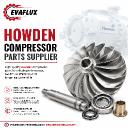
Reliable Solutions for Industrial Compression Systems
Selecting a dependable Howden Compressor Parts Supplier is essential for industries that rely on continuous, high-performance compression systems. Evaflux stands out as a trusted Howden Compressor Parts Supplier, delivering precision-engineered components that meet the rigorous demands of oil & gas, petrochemical, marine, and refrigeration sectors across the UAE and the wider Middle East.
Product Overview
Howden compressors are renowned globally for their robust design and consistent performance in demanding industrial environments. As a specialized Howden Compressor Parts Supplier, Evaflux provides a comprehensive range of replacement and spare parts, including rotors, bearings, mechanical seals, gaskets, valves, and gearbox components. Each part is manufactured or sourced to match original equipment specifications, ensuring seamless integration and long-term operational stability for screw and reciprocating compressor systems.
Technical Specifications
Evaflux's compressor components are engineered to strict tolerances, typically manufactured from high-grade alloy steels and corrosion-resistant materials suited for high-pressure and high-temperature operating conditions. Parts are designed to handle pressure ratings consistent with Howden's original engineering standards, with precise dimensional accuracy that minimizes vibration, reduces wear, and extends service intervals. Quality assurance processes include dimensional inspection, material certification, and performance testing before dispatch, guaranteeing that every component performs reliably under continuous industrial load.
Reliability and Precision
Reliability is the cornerstone of any effective Howden Compressor Parts Supplier, and Evaflux prioritizes precision manufacturing at every stage. Components undergo rigorous quality control to ensure dimensional consistency, proper fitment, and material integrity. This precision minimizes downtime, prevents premature failure, and supports the extended operational life of compression equipment—critical factors for facilities operating around the clock in harsh climates such as those found across the UAE.
Typical Use Cases
Howden compressor parts sourced through Evaflux serve a wide range of applications, including:
- Oil and gas processing plants requiring continuous gas compression
- Petrochemical facilities handling process gases under variable pressure
- Marine vessels utilizing refrigeration and cargo handling compressors
- HVAC and industrial refrigeration systems in commercial and industrial buildings
- Power generation plants dependent on stable compressed air or gas supply
These applications demand parts that withstand fluctuating loads, extreme temperatures, and corrosive environments—conditions common throughout the UAE's industrial and energy sectors.
UAE Applicability and Relevance
The UAE's rapidly growing industrial, energy, and marine sectors place significant demand on dependable compression equipment. As a regionally focused Howden Compressor Parts Supplier, Evaflux understands the unique operational challenges posed by the UAE's high ambient temperatures, humidity, and demanding duty cycles. Local availability of genuine and high-quality replacement parts reduces lead times, minimizes costly downtime, and supports compliance with regional industry standards. For procurement managers and engineers across Abu Dhabi, Dubai, Sharjah, and other industrial hubs, partnering with a reliable Howden Compressor Parts Supplier ensures faster turnaround, technical support, and consistent part quality tailored to local operating conditions.
Why Choose Evaflux
Evaflux combines technical expertise, quality assurance, and regional market knowledge to serve as a dependable partner for compressor maintenance and procurement teams. Whether replacing worn components or planning preventive maintenance schedules, engineers and technicians can rely on Evaflux for accurate specifications, timely delivery, and parts built to withstand the UAE's demanding industrial environments. Choosing the right Howden Compressor Parts Supplier directly impacts equipment longevity, operational efficiency, and overall plant reliability.

Stretched Bar Digital Signage Display | Smart Advertising Solution for Retail & Commercial Spaces
By portworld, 2026-08-17
Transform unused spaces into powerful digital communication areas with Portworld Stretched Display Solutions.
Designed for retail, elevators, malls, cosmetics stores, and brand showcases, our stretched displays deliver eye-catching visuals with flexible sizes, smart CMS management, and 24/7 reliable operation.
✨ Key Features:
✔ Multiple sizes & custom designs available
✔ Stretched, wall-mounted, floor-standing & double-sided options
✔ WiFi / Ethernet online management
✔ USB / SD card offline playback
✔ Split-screen support for video & images
✔ 24/7 operation with long service life
✔ Android-based customization available
Perfect for:
🛒 Retail shelf advertising
💄 Cosmetics & jewelry displays
🏬 Shopping malls & subway stations
🏨 Elevators & public spaces
Create smarter digital experiences with Portworld OEM/ODM display solutions.
#DigitalSignage #StretchedDisplay #RetailAdvertising #LCDDisplay #SmartRetail #OEMODM #Portworld
Top 7 Sourcing Tips for Buying Wholesale Industrial Mini PCs
5 Red Flags to Avoid When Wholesale Sourcing Embedded Android Tablets
How to Find a Reliable OEM/ODM Industrial Panel PC Manufacturer in China
IP65 Industrial Panel PCs & All-in-One Touch Computers
CE FCC Certified Commercial Digital Signage Factory
Google EDLA Certified Android Commercial Digital Signage
Meeting Room Display Panel with Zoom Rooms Support
Smart City Outside Floor Standing Interactive Wayfinding Kiosk
3000 nits high brightness freestanding outdoor advertising screen
Rugged IP65 Industrial PC for Oil and Gas Industry
CNC Machine Tool Control Panel PC with Dustproof Design
IP65 Waterproof Touch Screen for EV Charging Station
Ubuntu and Debian Linux Supported MTK8786 Motherboard
RK3568 Upgrade Alternative: P8786 Smart Mainboard for Digital Signage
RK3506 Motherboard Optimized for LVGL UI
RK3506 Linux Buildroot Motherboard for Fast Boot Applications
RK3506 Industrial Gateway Mainboard with Dual 100Mbps Ethernet & CAN FD
55 Inch 4K UHD Hanging Advertising Kiosk
Customized Double Sided Hanging Advertising Display Factory
High Brightness Double Sided Hanging Screen 2500 Nits
Outdoor Floor Standing Kiosk OEM ODM Supplier
RK3576 Motherboard PCBA Design and Custom OEM/ODM Services
RK3576 Industrial Motherboard for Edge AI Gateway & Digital Signage
Customized 55 Inch Outdoor Digital Signage Kiosk Manufacturer
OEM ODM Commercial Digital Signage Display Factory
Medical Display Motherboard Supporting RK3588 8K Ultrasound and Endoscopy Imaging
RK3576 vs RK3588: Best Performance-to-Price Ratio Industrial Motherboard
How to Choose a Trusted Residential Elevator Installer in Ontario for Comfort, Safety & Aging in Place
By cambridgeelevating, 2026-08-17
Choosing a Residential Elevator Installer Ontario homeowners can trust is about much more than finding someone who can install an elevator. You are investing in a long-term accessibility solution that should feel safe, operate smoothly, complement your home, and continue serving your family for years.
Whether you are building a new home, renovating an existing property, or planning ahead for aging in place, the right installer can make the entire process easier—from space planning and elevator selection to installation, inspections, maintenance, and after-sales support.
This guide explains what to look for, which questions to ask, and how to compare residential elevator installers in Ontario without getting distracted by price alone.
Article Outline
- Why the Right Residential Elevator Installer Matters
- What a Professional Ontario Elevator Installer Should Offer
- New Construction vs. Existing-Home Elevator Installation
- How to Evaluate Elevator Safety and Compliance
- Choosing the Right Elevator for Your Home
- Understanding Space, Design and Customization
- Comparing Home Elevator Costs in Ontario
- Why Installation Experience Matters
- Maintenance, Service and Remote Monitoring
- Aging in Place and Senior Accessibility
- Questions to Ask Before Hiring an Installer
- Why Local Ontario Experience Matters
- Final Checklist Before You Sign a Contract
- Conclusion
- FAQs
Why the Right Residential Elevator Installer Matters
A residential elevator becomes part of your home—not simply another appliance.
Think about it this way: you would not hire an inexperienced contractor to install your home's foundation and simply choose the cheapest quote. An elevator deserves the same level of care because it combines structural work, electrical systems, mechanical components, safety equipment, and accessibility considerations.
A qualified residential elevator installer in Ontario should understand the complete installation process and coordinate the project around your home's existing structure.
For Ontario homeowners, this is particularly important because elevator work can involve applicable provincial requirements, municipal permits, inspections, electrical considerations, and elevator safety standards. Ontario's Building Code provides requirements for accessibility in certain types of buildings and construction projects, while elevator owners and contractors have additional compliance responsibilities.


What a Professional Ontario Elevator Installer Should Offer
A trustworthy installer should be involved before installation day.
The best projects begin with an assessment of your home, lifestyle, floor plan, number of levels, mobility requirements, and future needs.
A professional team should be able to help with:
- Home and site assessment
- Elevator selection
- Shaft or enclosure planning
- Elevator dimensions
- Door configuration
- Cab finishes and interior design
- Electrical requirements
- Permit and engineering considerations
- Installation coordination
- Safety testing
- Maintenance and service
- Long-term support
For example, Cambridge Elevating's Ontario residential elevator installation service explains that residential elevators can be incorporated into both new construction and existing homes. The company also works with renovation contractors and contractor partners for retrofit projects.
That end-to-end approach is important. You don't want an installer who disappears after the elevator is installed.
New Construction or Existing Home? Your Installation Strategy Changes
Installing an Elevator in a New Home
If you're building a new house, you have a major advantage: the elevator can be considered during the architectural planning stage.
Your architect and elevator installer can coordinate:
- Elevator shaft location
- Floor openings
- Structural requirements
- Door positions
- Electrical connections
- Cab dimensions
- Travel distance
- Finished-floor heights
- Interior finishes
This can produce a cleaner result because the elevator becomes part of the home's original design.
Retrofitting an Existing Home
Can a home elevator be installed in an existing house?
Yes, in many cases. However, the feasibility depends on the home's layout and structural conditions.
Potential locations can include:
- Stacked closets
- Existing unused space
- Stairwell-adjacent areas
- Spare bedrooms
- Garage areas
- Exterior additions
- Purpose-built elevator shafts
Cambridge Elevating specifically states that its residential elevators can be designed for existing homes as well as new construction, with different solutions available depending on the property's layout.
For homeowners considering a retrofit, the most important step is not choosing the elevator first—it is assessing the home first.
Safety Should Be Your First Filter
Luxury is attractive. Smooth operation is important. Beautiful elevator cabs are exciting.
But safety comes first.
When comparing residential elevators Ontario homeowners should look for an installer that takes applicable elevator codes, certification, testing, and ongoing maintenance seriously.
The ASME A17.1/CSA B44 safety code establishes requirements concerning the design, construction, operation, inspection, testing, maintenance, alteration, and repair of elevators and related equipment.
In Ontario, TSSA explains that elevator owners, contractors, and mechanics have responsibilities relating to applicable regulations, codes, standards, orders, and manufacturer requirements.
Safety Features Worth Asking About
Depending on the elevator model, ask about features such as:
- Door interlocks
- Safety light curtains
- Emergency lowering
- Battery backup
- Overspeed protection
- Emergency communication
- Automatic controls
- Non-slip flooring
- Emergency lighting
- Diagnostic systems
- Remote monitoring
For example, Cambridge Elevating says its residential elevator models include safety light curtains as a standard feature and describes remote monitoring and predictive maintenance capabilities.
Don't simply ask, “Is it safe?”
Ask:
“Which safety systems are included in this specific model, and how are they tested and maintained?”
That's a much better question.
Choosing the Right Residential Elevator for Your Home
Not every elevator is right for every property.
Your installer should help you compare the available solutions instead of pushing one model regardless of your needs.
Cambridge Elevating's current model range includes the Elmira, Heritage, Cambrian, E50, shaftless homelifts, MRL hydraulic elevators and glass cab options.
Compact Home Elevators
If space is limited, a compact residential elevator may make sense.
The Elmira Home Elevator, for example, is designed as a compact residential lift suitable for new construction and existing-home retrofits. Cambridge lists a 950-lb capacity and configurations serving multiple floors.
Premium and Luxury Elevators
For larger homes, customization can become a major part of the project.
You may be able to select:
- Wood finishes
- Glass elements
- Lighting
- Flooring
- Fixtures
- Door styles
- Cab finishes
- Control configurations
Cambridge Elevating says its residential elevator platform offers more than 9 million design combinations, allowing homeowners to coordinate the elevator with their interior design.
Home Lifts for Aging in Place
A shaftless homelift can be particularly attractive for homeowners who want to improve accessibility without undertaking a major conventional elevator project.
Cambridge describes its homelifts as shaftless personal elevators designed for travel between two floors and suitable for many existing-home installations.


Space Planning: Don't Guess Your Elevator Dimensions
One of the biggest mistakes homeowners make is asking:
“How much space does a home elevator need?”
There isn't one universal answer.
Required space depends on:
- Elevator model
- Cab size
- Number of passengers
- Wheelchair requirements
- Door configuration
- Shaft design
- Pit requirements
- Overhead requirements
- Number of floors
- Existing structural conditions
Instead of relying on generic elevator dimensions from the internet, request model-specific drawings.
Cambridge Elevating provides technical documents, design guides and CAD drawings for its elevator systems.
For architects and builders, its Builders & Architects Portal also provides design resources and technical documentation.
Pro tip: Plan around the person who will use the elevator most—not merely around the smallest possible footprint.
Home Elevator Cost in Ontario: Look Beyond the Quote
Searching for home elevator cost, residential elevator cost, or home elevators Canada cost will give you a wide range of numbers.
That's because installation costs can vary significantly.
Your total investment may depend on:
- Elevator model
- Cab dimensions
- Number of floors
- Structural modifications
- Shaft/enclosure requirements
- Electrical work
- Finishes
- Doors
- Permit requirements
- Renovation work
- Installation complexity
- Service package
Cambridge's Ontario page currently gives an approximate $35,000–$45,000 range for a typical homelift project in Ontario, while noting that every installation is unique.
The company's broader residential elevator website currently advertises solutions starting at $30,750, but actual pricing depends on the selected configuration and project requirements.
So don't compare quotes based on one number.
Compare the complete scope of work.
Why Installation Experience Matters
A home elevator isn't installed in isolation.
The installer may need to coordinate with:
- Architects
- Structural engineers
- Electricians
- General contractors
- Renovation companies
- Building officials
- Inspectors
- Interior designers
A company experienced in residential elevators should understand how these pieces fit together.
Cambridge Elevating states that its application engineers work with on-site professionals to design elevators around the home and reduce the possibility of costly rework.
That's exactly the kind of coordination you want.
Maintenance Is Part of the Purchase
Here's something many homeowners overlook:
The elevator isn't finished when installation is finished.
Like a vehicle, an elevator requires ongoing attention.
Ask your installer:
- What maintenance schedule is recommended?
- Who performs service?
- Is local service available?
- What happens if the elevator stops working?
- Are replacement parts available?
- Is remote monitoring offered?
- What does the warranty cover?
- What is excluded?
- Is labour included?
- Is emergency service available?
Cambridge Elevating promotes remote monitoring and predictive maintenance technology intended to identify service needs and help reduce downtime.
Its Ontario service offering also describes a Performance Guarantee Plan that includes parts, service labour and an annual maintenance visit for a fixed rate.
Aging in Place: Design for Tomorrow, Not Just Today
Maybe you can comfortably climb stairs today.
But what about ten or twenty years from now?
That is where an aging in place home elevator can make strategic sense.
An elevator can help homeowners remain on multiple floors of their home as mobility needs change.
Think about everyday tasks:
- Carrying groceries upstairs
- Moving laundry
- Helping a family member with mobility challenges
- Moving luggage
- Transporting children
- Moving between bedrooms and living spaces
- Accommodating a wheelchair or mobility aid
Cambridge Elevating specifically markets home lifts and elevators for aging in place and describes features such as step-free entrances, non-slip flooring and emergency lowering systems on its homelift page.
Accessibility guidance from Accessibility Standards Canada also emphasizes elevator controls and accessibility considerations for users with disabilities.
How to Choose a Residential Elevator Installer in Ontario
Before signing anything, ask these questions.
1. How long have you been installing residential elevators?
Experience matters, especially for retrofit projects.
2. Do you manufacture, install and service the equipment?
An integrated provider can simplify communication and accountability.
3. Can you assess my existing home?
Don't accept a generic recommendation without a property assessment.
4. Which elevator is best for my floor plan?
The answer should be based on your actual home.
5. What safety systems are included?
Ask for specific details rather than broad claims.
6. What certifications and standards apply?
Ask how the proposed equipment meets applicable Ontario and Canadian requirements.
7. What does the warranty include?
Get parts, labour and exclusions in writing.
8. Who will service the elevator after installation?
A great elevator with poor after-sales service can become a frustrating investment.
9. Can I customize the cab?
If appearance matters, discuss finishes before ordering.
10. Can you provide technical drawings?
Professional drawings help architects, contractors and homeowners plan accurately.
Why Local Ontario Experience Makes a Difference
A company that understands Ontario installations can be better positioned to deal with local construction practices, permitting considerations, service expectations and regional project coordination.
For homeowners researching residential elevator installer near me, elevator company near me, or home elevator company near me, don't choose purely on proximity.
A nearby company isn't automatically the best company.
Look for the combination of:
Experience + safety + engineering + installation + service + customization.
That's the real package.
For Ontario homeowners, Cambridge Elevating's Ontario residential elevator page provides information about new-home and retrofit installations, home assessments, elevator options and local service.
A Simple Pre-Purchase Checklist
Before choosing your installer, make sure you have:
- Completed an in-home assessment
- Identified the number of floors
- Determined the preferred elevator location
- Considered wheelchair/mobility requirements
- Compared elevator types
- Reviewed dimensions and drawings
- Discussed structural modifications
- Confirmed applicable code requirements
- Compared safety features
- Reviewed installation responsibilities
- Received a written quotation
- Reviewed warranty terms
- Asked about maintenance
- Confirmed service availability
- Discussed customization
- Asked about future accessibility needs
Why Cambridge Elevating Is Worth Considering
For homeowners researching a Residential Elevator Installer Ontario, Cambridge Elevating is one option worth evaluating because its services cover residential elevator design, manufacturing, installation and service.
The company says it has specialized in residential elevators since 1988 and manufactures and assembles products in the USA and Canada.
Its current product range includes the Elmira, Heritage, Cambrian, E50, home lifts, electric elevators, MRL hydraulic elevators and glass cab elevators.
You can also explore:
- Cambridge Elevating Home Elevators
- Home Elevator Models
- Elmira Home Elevator
- Heritage Elevator
- E50 Home Elevator
- Home Lifts for Seniors
- Premium Home Elevators
- Residential Elevator Installation in Ontario
- Technical Documents & CAD Drawings
- Videos & Product Demonstrations
- About Cambridge Elevating
- Contact Cambridge Elevating


CTA: Ready to Plan Your Ontario Home Elevator?
Don't guess about elevator dimensions, installation complexity, or the right model for your home.
Start with a professional assessment and discuss your floor plan, accessibility goals, design preferences and budget with an experienced residential elevator team.
Request a consultation from Cambridge Elevating or call 1-866-931-6230. Cambridge Elevating lists its showroom and head office at 181 Shearson Crescent, Cambridge, ON N1T 1J3, Canada.
External Resources for Ontario Homeowners
For additional authoritative information, homeowners can review:
- Ontario's Building Code — official provincial Building Code information.
- Ontario accessibility requirements — official information about accessibility provisions.
- TSSA elevator compliance standards — information about Ontario elevator compliance responsibilities.
- Accessibility Standards Canada guidance — accessibility guidance relating to elevators and built environments.
Conclusion
Choosing a Residential Elevator Installer Ontario homeowners can depend on is ultimately about choosing peace of mind. The right company should understand your home, your current needs and your future goals. From compact homelifts and retrofit solutions to luxury custom elevators, the best installation is one that combines thoughtful planning, appropriate safety systems, professional installation, attractive design and dependable long-term service. Don't simply choose the lowest quote—choose the installer that can stand behind the elevator long after installation day.
FAQs
1. Can a residential elevator be installed in an existing Ontario home?
Yes. Many existing homes can accommodate a residential elevator or compact homelift, although feasibility depends on the home's layout, structure, available space and selected elevator system. A professional in-home assessment is the best starting point.
2. How much does a residential elevator cost in Ontario?
There is no single price because installation costs vary by elevator type, number of floors, dimensions, structural work, finishes and other project requirements. Cambridge Elevating currently cites approximately $35,000–$45,000 for a typical Ontario homelift project, while individual residential elevator projects can differ substantially.
3. Are residential elevators safe?
Modern residential elevators can incorporate multiple safety systems, but homeowners should verify that the specific elevator and installation meet applicable standards and regulatory requirements. Ask your installer about safety systems, testing, certification, emergency features and maintenance.
4. What is the best elevator for aging in place?
The best solution depends on the home and the user's mobility requirements. A shaftless homelift may suit some two-floor existing homes, while a conventional residential elevator may be better when greater travel, capacity or customization is required.
5. How do I find the best residential elevator installer near me?
Compare more than location and price. Look at residential elevator experience, engineering support, safety compliance, installation quality, warranty coverage, maintenance services, customization options and local after-sales support. Then request an in-home assessment and a detailed written proposal before making your decision.

Forest Green Farms is a wellness-focused product that may be used as part of a personal routine for managing everyday discomfort and supporting a greater sense of comfort. When people experience occasional muscle soreness, stiffness, or general aches after physical activity, long working hours, exercise, or daily routines, they often look for convenient options that can complement rest, stretching, movement, and other healthy habits. Forest Green Farms can be presented as an option for individuals interested in adding a comfort-focused product to their self-care routine. Depending on the specific Forest Green Farms product and its ingredients, it may be designed to provide soothing support for areas that feel tired, tense, or uncomfortable. The product should always be used according to its label directions, because the appropriate application, serving, or frequency can vary between formulas. A consistent wellness routine can include adequate hydration, balanced nutrition, regular movement, gentle stretching, sufficient rest, and attention to the body’s signals. A pain-relief product should be viewed as one part of this broader approach rather than as a guaranteed solution for every type of pain. People may choose Forest Green Farms when they want a convenient addition to their everyday comfort routine, particularly after activities that leave muscles feeling tired or areas of the body feeling temporarily uncomfortable. However, individual experiences can differ, and no product should be assumed to work in exactly the same way for everyone. It is also important to review the ingredient list and product instructions before use, especially for people with allergies, sensitivities, or specific health concerns. If the product is intended for topical use, users should follow all directions regarding application and avoid using it on damaged or irritated skin unless the label specifically indicates otherwise. If it is an ingestible supplement, users should follow the recommended serving size and avoid exceeding the stated amount. Forest Green Farms may appeal to consumers who prefer incorporating wellness products into a practical daily routine while maintaining realistic expectations about pain and comfort management. Persistent, severe, unexplained, or worsening pain should not be ignored or treated solely with a wellness product. Anyone experiencing significant symptoms should seek advice from a qualified healthcare professional to determine the underlying cause and appropriate care. Overall, Forest Green Farms can be described as a convenient wellness option for people seeking additional support for everyday comfort, while responsible use, healthy lifestyle habits, and professional guidance when necessary remain important. Before purchasing or using any Forest Green Farms product, consumers should check the exact formulation, intended purpose, directions, warnings, and ingredient information provided by the manufacturer, since product details can vary and should be verified from the current packaging or official product information. https://forestgreenfarms.com/
全家IQOS加熱式香煙因為煙霧較少且使用方便,特別推薦給考慮從傳統香煙轉換的人。特別是對於想要顧及周圍環境的人來說,這是一個最佳的選擇。本文將實際的吸煙體驗進行評測,並具體解釋應該選擇的機種和注意事項。
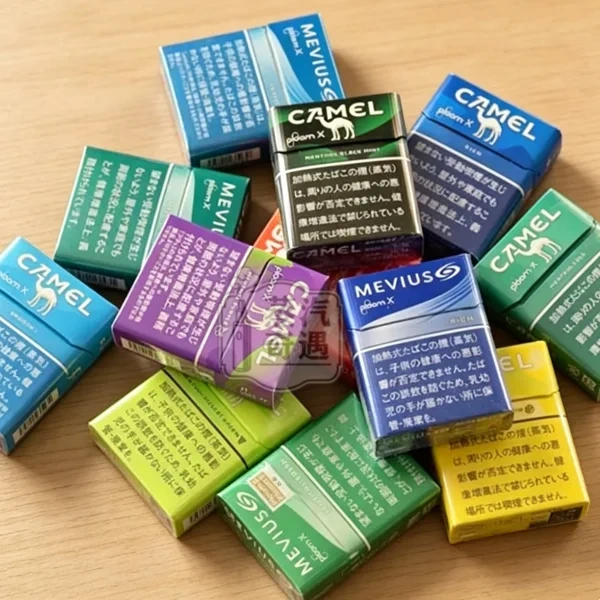
加熱煙適合誰?
IQOS全家加熱煙特別推薦給以下幾類人:
含有尼古丁,但煙霧較少,能夠顧及周圍環境,因此在公共場合使用也較為方便。
考慮從傳統香煙轉換的人,能夠相對順利地過渡。
基於這些理由,加熱式香煙也適合初次嘗試或關心健康的人。
實際的吸煙體驗如何?
我自身的吸煙體驗,來分享IQOS 台灣 全家加熱煙的味道和滿足感。首先,味道非常順滑,與傳統香煙相比,對喉嚨的刺激感較少。此外,香氣也較為柔和,煙霧不易上升,因此對周圍的影響感覺不明顯。
不過,與傳統香煙相比,可能會有些人覺得滿足感較低。實際上,最開始時常常會感到不夠,但隨著習慣的養成,通常會被其味道所吸引。

加熱式香煙的限制與缺點?
並非所有人都適合使用加熱菸IQOS全家,存在一些缺點:
健康影響:加熱式香煙也含有尼古丁,因此仍然存在成癮的風險。
成本問題:需要初期投資,因此長期使用的話成本會增加。
此外,對於重視傳統香煙的味道和吸引力的人來說,可能會感到不夠滿足。考慮到這一點,選擇符合自己風格的產品是非常重要的。
使用加熱式香煙的注意事項
使用加熱式香煙時,有幾個注意事項。首先,必須充分理解使用方法,並遵循使用說明書。定期的維護也是必要的,若忽略加熱部的清潔,會導致性能下降。
如果出現問題,例如沒有煙霧或味道淡薄,則需要進行加熱部的清潔,或確認正確的裝填方法。
最後,對於考慮購買加熱式香煙的人,特別推薦全家加熱菸IQOS。找到適合自己的產品,享受舒適的吸煙體驗。