
Blogs
Forest Green Farms Pain Relief is a product that may interest individuals looking for convenient ways to support everyday comfort, relaxation, and physical well-being. Occasional muscle soreness, joint discomfort, and physical tension can affect daily activities, making it difficult to maintain an active and comfortable lifestyle. Whether someone spends long hours working, participates in regular exercise, performs physically demanding tasks, or manages everyday responsibilities, finding an appropriate approach to personal comfort can be important. Forest Green Farms Pain Relief may be worth exploring for consumers interested in pain relief and wellness products. When considering this product, it is important to understand its intended purpose, ingredients, directions, and safety information before making a purchasing decision. Many consumers prefer products that offer clear instructions, convenient application or use, and transparent ingredient information. These factors can help people compare different options and decide which product best matches their individual preferences. Forest Green Farms Pain Relief may appeal to individuals who want to explore additional options for managing occasional physical discomfort as part of a balanced wellness routine. Maintaining comfortable movement is an important part of everyday life, and healthy habits can contribute to general physical well-being. Gentle stretching, appropriate exercise, sufficient hydration, balanced nutrition, and adequate rest are useful practices that can support an active lifestyle. However, choosing a pain relief product should involve realistic expectations and careful consideration of individual needs. No product should be assumed to provide guaranteed results or eliminate every type of pain. Before trying Forest Green Farms Pain Relief, consumers should review the complete product label and verify its ingredients, intended use, and recommended directions. Understanding the formulation is particularly important for people with allergies, sensitive skin, existing health concerns, or specific product sensitivities. Anyone taking medication or managing a medical condition should consult a qualified healthcare professional before introducing a new pain relief product into their routine. Following the manufacturer's instructions is essential, and consumers should never exceed the recommended amount or frequency of use. It is also important to remember that persistent, severe, or unexplained pain may indicate an underlying problem that requires professional medical attention. Relying entirely on wellness products without understanding the cause of discomfort may delay appropriate care. Forest Green Farms Pain Relief can be considered by shoppers researching different products intended to support everyday comfort, but checking reliable manufacturer information is an important step before purchasing. Consumers should also compare product details, ingredient transparency, packaging information, and customer service when evaluating available choices. A responsible approach to pain management combines informed product selection with healthy daily habits and appropriate medical guidance. Ultimately, Forest Green Farms Pain Relief may be an option worth researching for people interested in exploring convenient wellness solutions. By understanding the product, reviewing its verified ingredients, following usage instructions, and maintaining realistic expectations, consumers can make more informed decisions about their personal comfort and overall wellness goals. https://forestgreenfarms.org/
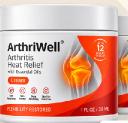
Arthriwell Heat Joint Pain Relief is designed for people who experience everyday joint discomfort, muscle stiffness, and body aches that can interfere with their daily activities. Joint pain is a common concern among adults and older individuals, particularly those who spend long hours standing, walking, sitting, or performing physically demanding tasks. Discomfort in the knees, shoulders, elbows, wrists, fingers, and back can make ordinary movements difficult and reduce overall comfort. Arthriwell Heat Joint Pain Relief is presented as a warming topical comfort product intended to provide a soothing sensation when applied to the affected areas. The warming effect may help relax tired muscles and provide temporary relief from minor aches and stiffness. Many people look for convenient solutions that can easily fit into their everyday routines, and topical warming products are one option they may consider. One of the important things to understand about Arthriwell Heat is that its intended benefits depend on its actual ingredients and formulation. Before using the product, consumers should carefully read the packaging and follow the recommended application instructions. Applying a topical product correctly is essential for reducing the possibility of unwanted skin reactions. It should not be applied to broken, irritated, or sensitive skin unless the product instructions specifically permit it. Users should also avoid contact with the eyes and mouth and wash their hands after application. People with sensitive skin or known allergies should check the ingredients and consult a healthcare professional before trying a new topical product. Joint comfort is not only about using an external product but also about maintaining healthy everyday habits. Gentle exercise, regular stretching, balanced nutrition, adequate hydration, and sufficient sleep can all contribute to general physical well-being. Activities such as walking, swimming, and gentle mobility exercises may help maintain flexibility and support normal movement when appropriate for an individual's condition. Maintaining a healthy body weight can also reduce unnecessary pressure on weight-bearing joints, especially the knees and hips. Although Arthriwell Heat Joint Pain Relief may appeal to people seeking temporary warming comfort, it should not be considered a guaranteed treatment or cure for arthritis, chronic joint pain, inflammation, or joint injuries. Individual experiences can vary, and product effectiveness should not be assumed without reliable evidence. Anyone experiencing persistent pain, significant swelling, redness, or difficulty moving should seek advice from a qualified healthcare professional. It is also important not to combine warming products with heating pads or hot water bottles unless the label specifically allows it, as excessive heat may cause skin irritation or burns. Before purchasing Arthriwell Heat, check its ingredients, manufacturer details, product authenticity, safety information, and usage directions. Making informed choices and following appropriate medical guidance can help support safer decisions about joint comfort and everyday mobility. https://arthriwell.co.uk/
A Lucky Chance card can look generous without making the whole session worthwhile. Extra dice refill your supply, free rolls give you more turns, and cash helps with building costs. A trip to a Railroad heist offers another earning opportunity rather than a fixed payout. If you're saving rolls for a Monopoly Go Partners Event, those differences matter. Judge the reward by what it lets you do next, not how impressive the animation looks. A modest dice return might serve you better than cash you don't currently need.
You Still Need to Reach Chance
The boost changes what you can draw from Chance spaces; it doesn't hand out rewards just because its timer is running. You'll still spend rolls getting there, and the card you receive remains random. That's the part to keep in mind when several attempts miss. Turning up the multiplier won't make your preferred card certain. Before rolling, check that Lucky Chance is active and read its countdown. An advertised availability window isn't necessarily the amount of playing time you'll get once the effect starts.
Price the Misses Before the Reward
Start with an amount you're comfortable spending, then choose your multiplier. Not the other way around. A seven-dice card at x20 would return 140 dice, but that doesn't mean the session earned 140. Subtract the successful roll and everything spent reaching it. Free turns need separate attention, too: five free rolls aren't 100 turns just because you're using x20. The comparison below shows how quickly a fixed allowance can disappear before any rewards come back.
| Dice allowance | Multiplier | Paid rolls before returns |
|---|---|---|
| 300 | x5 | 60 |
| 300 | x10 | 30 |
| 300 | x20 | 15 |
Give Each Session a Small Target
Look at the next event milestone rather than the entire prize track. If Chance spaces also score points, one landing could deliver a card and move you toward another reward. That's useful overlap, though it still doesn't promise a return on your dice. Check the actual scoring panel before committing. Once you've collected your target, pause and count what's left. A second boost icon isn't a reason to keep spending. Neither is being close to a reward that still needs more rolls than you can afford.
Leave With Dice for Later
If a reward looks wrong, check the card text, applied multiplier, and any free-roll counter before trying again. Stored dice and temporary turns aren't the same thing. Save a screenshot for support if the numbers still don't match. Planning other activities deserves that same care: if you're considering whether to buy monopoly go racers event services, keep that decision separate from this rolling allowance. For Lucky Chance, stop when your target arrives or your spending limit does, even if there's time remaining.

Arthriwell Heat Joint Pain Relief is designed for people who want to support their daily comfort, mobility, and active lifestyle while managing occasional joint discomfort and muscle stiffness. Joint health plays an important role in maintaining an independent and energetic lifestyle because healthy movement allows people to enjoy everyday activities such as walking, exercising, working, and spending time with family. Arthriwell Heat Joint Pain Relief is presented as a convenient option for individuals looking for a warming approach to joint comfort and relaxation. Its heat-focused concept may appeal to people who experience tired muscles, stiffness, or discomfort after long working hours, physical activities, or everyday movements. The warming sensation can provide a soothing experience and help make relaxation routines more enjoyable. Many people experience occasional joint discomfort due to age, physical activity, repetitive movements, or demanding daily schedules, making joint care an important part of overall wellness. Arthriwell Heat Joint Pain Relief can be included in a personal self-care routine alongside healthy habits that encourage better movement and physical comfort. Maintaining an active lifestyle, performing gentle stretching exercises, staying hydrated, and allowing sufficient recovery time can all contribute to general joint and muscle wellness. One of the appealing aspects of a heat-based joint care product is its focus on providing a comforting experience without making daily routines complicated. People who spend extended periods sitting at a desk, standing at work, walking, or participating in recreational activities may appreciate products that fit easily into their personal comfort routines. Arthriwell Heat Joint Pain Relief is intended for individuals who value convenience and want to pay more attention to their joint wellness. Consistency in self-care is important, and choosing suitable products according to individual needs can help create a more comfortable daily routine. However, it is important to remember that individual experiences may vary, and the effectiveness of any joint pain relief product depends on its actual ingredients, formulation, and intended use. Users should carefully read the product label, follow the recommended application instructions, and check the ingredient list before use. People with sensitive skin should consider checking for possible irritation, while those experiencing persistent, severe, or unexplained joint pain should consult a qualified healthcare professional for appropriate advice. Arthriwell Heat Joint Pain Relief can be considered as part of a broader approach to maintaining physical comfort, supporting everyday mobility, and enjoying an active lifestyle. By combining appropriate self-care practices with regular movement and healthy daily habits, individuals can take positive steps toward looking after their joints and muscles. Whether dealing with occasional stiffness after a busy day or simply looking for a warming addition to a personal wellness routine, Arthriwell Heat Joint Pain Relief offers a convenient product concept centered on warmth, comfort, and everyday joint care. https://arthriwell.co.uk/
Arthriwell is a heat-based joint pain relief product designed for people who experience everyday joint discomfort, muscle tension, stiffness, and reduced flexibility. Maintaining comfortable movement is an important part of an active lifestyle, but daily activities, physical work, exercise, and long periods of sitting can sometimes leave the knees, shoulders, elbows, wrists, and other areas feeling tired or uncomfortable. Arthriwell is intended to provide a convenient addition to a personal comfort and wellness routine, particularly for individuals who appreciate the soothing sensation of warmth when dealing with occasional joint and muscle discomfort. Its warming approach is designed to create a comforting experience on the applied area, helping users feel more relaxed while taking time to care for their bodies. Whether someone experiences stiffness after waking up, discomfort following a busy day, or tired muscles after physical activity, a warming topical product may be appealing as part of a broader self-care routine. One of the convenient aspects of Arthriwell is its focus on targeted application, allowing users to concentrate on specific areas that need extra attention instead of relying only on general relaxation methods. The warmth associated with heat-based comfort products can help create a pleasant sensation and make a gentle massage feel more relaxing. Regular attention to joint wellness can also encourage people to maintain healthy daily habits, including appropriate movement, balanced nutrition, sufficient hydration, and adequate rest. Arthriwell can be considered alongside these habits as part of an overall approach to physical comfort. People who spend extended periods working at desks, performing repetitive movements, standing for long hours, or participating in regular exercise may find a dedicated joint comfort routine useful. However, individual experiences can vary, and no topical product should be assumed to cure arthritis, repair damaged cartilage, or treat an underlying medical condition. Users should always follow the product label carefully, apply it only as directed, and check the ingredient list before use, particularly if they have sensitive skin or known allergies. It is also advisable to avoid applying a warming product to broken, irritated, or damaged skin and to discontinue use if irritation develops. Combining appropriate self-care with gentle stretching, suitable physical activity, proper posture, and professional medical guidance when necessary can contribute to better everyday mobility and comfort. Persistent, severe, or unexplained joint pain should be evaluated by a qualified healthcare professional rather than managed with a topical product alone. Overall, Arthriwell is presented as a convenient heat-based option for individuals interested in supporting a relaxing joint care routine and enjoying a soothing warming sensation during their everyday wellness activities.https://arthriwell.co.uk/
Vietnam and Brazil Travel: Planning a Relaxed Holiday Away from Busy Cities
By maxvnetwork, 2026-11-27

Not every traveller prefers a holiday filled with crowded attractions and tightly scheduled activities. Brazilian visitors who enjoy peaceful surroundings can plan a Vietnam trip that includes quieter destinations, countryside experiences and time for relaxation.
Including Peaceful Places in the Itinerary
Vietnam has different types of destinations, including rural communities, coastal areas and smaller towns. Visitors can select places that suit their interests and allow enough time to enjoy the surroundings.
Spending additional time in one destination can also reduce the pressure of frequent hotel changes and long transfers.
Enjoying Local Community Experiences
A relaxed holiday can include visits to traditional villages, local cafés, small markets and community-based activities. These experiences allow travellers to understand everyday life beyond major tourist attractions.
Visitors should respect local customs and follow guidance when entering residential or culturally significant areas.
Preparing Travel Documentation in Advance
Even a relaxed holiday requires suitable travel preparation. Brazilian passport holders can review the Vietnam National eVisa Portal for Brazilian Citizens to understand the electronic application process and arrange their documents before departure.
Keeping the Application Process Organised
Travellers should check their personal information, passport details and planned travel dates before submitting an application. Preparing these details early can reduce last-minute pressure.
For people who need guidance about the submission route, Where Do Brazilian Citizens Apply for a Pre-Entry Visa for Vietnam is an important topic to review during the planning stage.
Leaving Room for Unplanned Activities
A flexible itinerary gives visitors the freedom to spend more time at places they enjoy. It also allows room for weather changes, local events and unexpected travel delays.
Before leaving Brazil, travellers should review Vietnam Pre-Arrival Information for Brazilian Travellers and organise their accommodation, transportation and arrival details.
A relaxed travel schedule can make a Vietnam holiday more enjoyable, especially for visitors who prefer meaningful experiences over rushing through multiple destinations.

Most people judge a hoodie by the number on its tag, but that number tells only half the story. A hoodie that costs less upfront can end up costing more if you stop wearing it after a month, while a slightly pricier one can become the cheapest thing you own if you wear it for years. The real price of a hoodie is not what you pay at the checkout; it is what each wear costs you over the life of the garment. Once you start thinking this way, the whole idea of affordable changes. A hoodie is not expensive because its tag is high. It is expensive when you pay for it and barely wear it.
What Price Per Wear Actually Means
Price per wear is a simple idea: divide what you paid by the number of times you wear it. A hoodie that costs 100 dollars and gets worn 100 times costs one dollar per wear. A hoodie that costs 40 dollars but gets worn only 10 times costs four dollars per wear, which makes the cheaper hoodie four times more expensive in real terms. The Valley Dreams hoodies are built to be worn again and again, with heavyweight fabric and solid stitching that hold up wash after wash, so the cost per wear keeps dropping the longer you own one. That is why a hoodie that looks fairly priced on day one can feel like a bargain by the end of its first year.
A Cheap Hoodie Can Cost More
Cheap hoodies have a hidden cost that never shows up on the receipt. They shrink, fade, pill or lose their shape, so you stop reaching for them, and then you buy a replacement. Buy three cheap hoodies in two years and you have spent more than one good hoodie would have cost, while owning nothing you actually love wearing. The replacement cycle is the real expense: each new hoodie costs money, time and another trip to the shop, and none of them lasts long enough to earn its place in your wardrobe. A hoodie that survives is not just better quality; it is better value. The cheapest hoodie is the one you never have to replace.
How Many Wears Make a Hoodie Worth It
So how many wears make a hoodie worth its price? A good rule is simple: if you wear a hoodie at least twice a week through the cold months, that is roughly 50 wears in a single season. At that rate, even a 150-dollar hoodie costs about three dollars per wear in its first season, and far less in its second and third years. A hoodie that lasts three winters can reach 150 wears, bringing the cost down to about one dollar per wear. The math rewards durability more than discounts. A 30 percent discount on a hoodie that lasts one season is worth less than full price on a hoodie that lasts three, because the cost per wear is what your wallet actually feels.
Quality Is What Makes the Math Work
Price per wear only works in your favour when the hoodie is built to last, and that comes down to quality. Heavyweight fabric in the 400 to 500 GSM range keeps its shape and warmth, tight stitching holds the seams together, and colours that resist fading keep the hoodie looking new. These are the things that decide whether you still want to wear it in year two. A hoodie that pills, sags or fades will sit unworn no matter how little it cost, and every unworn day pushes its price per wear higher. Quality is not a luxury here; it is the mechanism that makes affordability real. Without it, the math falls apart.
Do the Simple Calculation Before You Buy
Before you buy your next hoodie, do a quick calculation that takes less than a minute. First, be honest about how often you will wear it: daily in winter, a few times a week, or only on weekends. Second, guess how long it will last based on its fabric weight, stitching and reviews. Then divide the price by the expected wears. If the number is under two dollars per wear, you are getting good value. If it is over five, think twice, no matter how low the tag looks. This habit changes how you shop. You stop chasing the lowest price and start chasing the lowest cost per wear, which is a much smarter way to spend money on clothes.
When a Higher Price Is Actually Cheaper
It feels strange to say, but sometimes the hoodie with the higher price is the cheaper one. Compare a 60-dollar hoodie that lasts one winter with a 120-dollar hoodie that lasts three: the first costs about one dollar per wear for 60 wears, while the second costs about 80 cents per wear for 150 wears, and it feels better the whole time. The higher price also buys comfort, warmth and confidence, which have value beyond money. People rarely regret buying quality; they regret buying twice. When you see a hoodie that costs a little more, do not ask whether it is expensive. Ask how many times you will wear it, because that answer decides everything.
Affordable Means Worn Often, Not Bought Cheap
Affordable does not mean cheap; it means worth every wear. A Valley Dream hoodie earns its price the old-fashioned way: by being worn, washed and worn again, season after season, until the cost per wear is almost nothing. That is the real meaning of affordable fashion. It is not about finding the lowest number on a tag. It is about buying something once, loving it for years, and never having to think about replacing it. The next time a hoodie catches your eye, forget the price for a moment and ask a better question: how many times will I wear this? The answer will tell you whether it is truly affordable, and it will usually surprise you.

Regular dental care is essential for maintaining healthy teeth and gums throughout life, and visiting a trusted dentist mount gambier can help people of all ages protect their oral health. Dental needs can change from childhood through adulthood and later life, but consistent preventive care remains important at every stage. Regular check-ups, professional cleaning, good oral hygiene, healthy eating habits, and early treatment of dental problems can help reduce the risk of tooth decay, gum disease, tooth loss, and other common oral health concerns.
Why Regular Dental Care Matters
Oral health is closely connected to everyday comfort and quality of life. Healthy teeth help you chew food, speak clearly, and maintain the natural appearance of your smile. Healthy gums also provide important support for your teeth.
Dental problems can sometimes develop without obvious symptoms. Tooth decay, gum disease, and damaged teeth may not cause significant discomfort during their early stages. Regular dental appointments provide an opportunity to identify these concerns before they become more advanced.
Regular dental care generally includes:
- Dental examinations
- Professional cleaning when required
- Gum health assessments
- Monitoring existing restorations
- Preventive advice
- Early treatment of dental problems
- Personalised oral hygiene guidance
A consistent approach to emergency dentist mount gambier services is also important when unexpected dental problems occur, although prevention should remain the primary focus of everyday oral care.
Dental Care During Childhood
Good oral health habits should begin early. Children need guidance and support to develop effective brushing and cleaning habits.
Parents can help children by:
- Supervising brushing when necessary
- Encouraging twice-daily brushing
- Choosing appropriate fluoride toothpaste
- Limiting frequent sugary foods and drinks
- Encouraging water as an everyday drink
- Attending regular dental appointments
Regular dental visits allow developing teeth to be monitored and give parents an opportunity to discuss brushing, diet, fluoride, and other preventive measures.
Early dental experiences can also help children become familiar with the dental environment and understand the importance of looking after their teeth.
Protecting Teeth During the Teenage Years
Teenagers may face different oral health challenges. Changes in eating habits, frequent snacking, sugary drinks, orthodontic treatment, and busy schedules can all affect dental health.
Teenagers should continue brushing twice a day and cleaning between their teeth every day.
If orthodontic appliances are being used, additional cleaning may be necessary to remove plaque from around brackets and wires.
Regular dental appointments can help monitor tooth development, gum health, and any areas that may require additional attention.
Maintaining Oral Health During Adulthood
Adults often have demanding work and family responsibilities, making it easy to postpone dental appointments. However, regular dental care remains important even when your teeth feel healthy.
Adults may experience:
- Tooth decay
- Gum disease
- Tooth sensitivity
- Cracked or worn teeth
- Teeth grinding
- Damaged fillings
- Problems with crowns or other restorations
Regular examinations allow these issues to be monitored and addressed when appropriate.
Visiting a dentist mount gambier regularly can also provide an opportunity to discuss concerns such as jaw discomfort, tooth grinding, sensitivity, or changes in your oral health.
The Importance of Gum Health
Healthy gums are an important part of maintaining your natural teeth. Plaque accumulation around the gumline can contribute to gum inflammation.
Possible warning signs include:
- Bleeding while brushing
- Red or swollen gums
- Tenderness
- Persistent bad breath
- Gum recession
- Loose adult teeth
Regular dental examinations can help identify gum problems and provide guidance about cleaning techniques and professional care.
If your gums regularly bleed, it is worth discussing the problem with your dental professional rather than ignoring it.
Preventing Tooth Decay
Tooth decay can develop when bacteria in plaque produce acids that gradually damage tooth enamel.
You can help reduce the risk of decay by:
- Brushing twice daily with fluoride toothpaste
- Cleaning between your teeth
- Limiting frequent sugary foods and drinks
- Choosing water as your main everyday drink
- Attending regular dental check-ups
Regular examinations can help identify early signs of decay before they develop into more extensive problems.
Early treatment may also help preserve more of the natural tooth structure.
Professional Dental Cleaning
Even with careful brushing at home, plaque can remain in areas that are difficult to clean. Over time, plaque can harden into tartar or calculus.
Professional cleaning can help remove deposits that cannot be effectively removed with a regular toothbrush.
Your dentist or dental professional can also provide advice about your brushing technique and cleaning between your teeth.
Professional cleaning should complement, rather than replace, your daily oral hygiene routine.
Protecting Teeth From Damage
Teeth can become damaged through accidents, grinding, clenching, biting hard foods, or using teeth as tools.
To reduce the risk of damage:
- Avoid chewing ice or very hard objects.
- Do not use your teeth to open packages.
- Consider appropriate mouth protection during contact sports.
- Discuss grinding or clenching with your dentist.
- Seek advice after a dental injury.
If a tooth becomes cracked, chipped, loose, or painful, arrange a dental assessment rather than waiting for the problem to resolve on its own.
Dental Care for Older Adults
Oral health needs can change with age. Older adults may experience gum recession, dry mouth, tooth wear, tooth loss, or issues with dentures and existing restorations.
Some medications can contribute to dry mouth, which may affect oral comfort and increase the risk of certain dental problems.
Regular dental appointments allow these changes to be monitored. Your dentist can also provide advice about denture care, dry mouth, gum health, and maintaining the remaining natural teeth.
The Role of Preventive Dental Check-Ups
Regular check-ups are one of the most effective ways to monitor oral health over time.
During an appointment, your dentist may examine:
- Teeth
- Gums
- Existing fillings
- Crowns and bridges
- Other restorations
- Areas of sensitivity or discomfort
- Changes in your mouth
Depending on your individual circumstances, dental X-rays or other diagnostic assessments may also be recommended.
The frequency of appointments varies from person to person. Your dentist can recommend a schedule based on your dental history, oral health, and individual risk factors.
When Dental Problems Become Urgent
Even with good preventive care, dental emergencies can happen. Injuries, infections, severe toothache, and broken teeth may require prompt attention.
You should seek dental advice if you experience:
- Severe or persistent toothache
- Significant swelling
- A broken or badly damaged tooth
- A knocked-out permanent tooth
- Significant bleeding
- Severe pain after an injury
- Signs of dental infection
Knowing where to seek help from an emergency dentist mount gambier can be useful if an unexpected dental problem occurs.
If facial or mouth swelling causes difficulty breathing or swallowing, seek emergency medical care immediately.
Good Oral Hygiene Between Appointments
Professional dental care works best when combined with good daily habits.
A simple routine should include:
- Brush twice a day with fluoride toothpaste.
- Clean between your teeth every day.
- Limit frequent sugary snacks and drinks.
- Drink plain water regularly.
- Avoid damaging habits.
- Protect your teeth during appropriate sports.
- Pay attention to changes in your mouth.
These habits can support the work carried out during regular dental appointments and help maintain healthier teeth and gums between visits.
Why Early Treatment Is Important
Ignoring a small dental problem can sometimes allow it to become more complicated. A small cavity may progress deeper into a tooth, while a minor crack can worsen under repeated chewing pressure.
Similarly, untreated gum inflammation may become more advanced over time.
Seeking professional advice when you first notice a change can help your dentist determine whether treatment is necessary and what approach may be appropriate.
Early attention may also reduce the likelihood of needing more extensive treatment later.
Making Dental Care a Lifelong Habit
The best approach to oral health is consistent rather than occasional. Dental care should not begin only when pain appears.
Children should learn good habits early, teenagers should maintain them despite changing routines, adults should continue regular preventive care, and older adults should adapt their oral hygiene routine to changing needs.
A long-term relationship with a dentist mount gambier can make it easier to monitor changes in your oral health and receive appropriate advice as your needs evolve.
FAQs
1. How often should I visit a dentist?
The ideal frequency depends on your oral health, dental history, risk factors, and individual needs. Your dentist can recommend an appropriate schedule based on your circumstances.
2. When should I contact an emergency dentist mount gambier?
Seek prompt dental attention for severe toothache, significant swelling, a badly damaged or knocked-out permanent tooth, significant bleeding, or severe pain following a dental injury. If swelling affects breathing or swallowing, seek emergency medical care immediately.
3. Can good home care replace regular dental appointments?
No. Brushing and cleaning between your teeth are essential, but some dental problems may develop without noticeable symptoms. Regular professional examinations allow your teeth and gums to be assessed and potential problems to be identified earlier.
Final Thoughts
Regular dental care plays an important role in maintaining healthy teeth and gums throughout life. While the specific needs of children, teenagers, adults, and older people can differ, the foundation remains the same: good daily oral hygiene, healthy lifestyle choices, regular dental examinations, and early attention to problems.
Preventive care can help identify tooth decay, gum disease, damaged teeth, and other concerns before they become more complicated. At the same time, knowing when to seek help from an emergency dentist mount gambier can ensure that unexpected dental problems receive timely attention.
By maintaining regular appointments with a trusted dentist mount gambier, following a consistent home-care routine, and responding promptly to changes in your mouth, you can support healthy teeth and gums at every age.
Understanding Tooth Sensitivity and the Causes of Everyday Tooth Pain
By Chapelgatedental, 2026-11-27

Choosing a trusted Dentist St Kilda can help you understand the cause of tooth sensitivity and everyday dental pain before a minor concern becomes more serious. Tooth sensitivity can feel like a sudden sharp sensation when you eat or drink something hot, cold, sweet, or acidic. Some people may also notice discomfort while brushing or flossing. While occasional sensitivity can have a simple explanation, persistent or worsening pain may indicate an underlying dental problem that requires professional assessment.
Understanding what causes tooth sensitivity, why pain can occur during everyday activities, and when to seek dental advice can help you protect your teeth and maintain better oral health.
What Is Tooth Sensitivity?
Tooth sensitivity occurs when the inner layers of a tooth become more exposed or vulnerable to external triggers. Healthy enamel normally protects the underlying dentine. When enamel becomes worn or the gums recede, microscopic pathways within the dentine can become exposed.
Hot, cold, sweet, or acidic substances can then trigger the nerves inside the tooth, causing a short, sharp sensation.
Common triggers include:
- Cold drinks
- Hot foods
- Sweet foods
- Acidic foods
- Cold air
- Brushing
- Flossing
Sensitivity can affect one tooth, several teeth, or different areas of the mouth.
Why Do Teeth Become Sensitive?
There are several possible causes of tooth sensitivity. Identifying the cause is important because treatment depends on what is affecting the tooth.
Enamel Wear
Tooth enamel is the hard outer layer that protects the tooth. It can gradually wear down due to factors such as acidic foods and drinks, aggressive brushing, teeth grinding, or normal wear over time.
When enamel becomes thinner, the underlying dentine may become more exposed, increasing sensitivity.
Gum Recession
Gums naturally protect the roots of teeth. When gums recede, parts of the tooth root can become exposed.
Unlike the crown of the tooth, the root does not have the same protective enamel covering. This can make exposed areas more sensitive to temperature and touch.
Gum recession may be associated with gum disease, aggressive brushing, or other factors.
Tooth Decay
Tooth decay is another common cause of dental sensitivity and pain.
A cavity can expose deeper layers of the tooth and cause discomfort when you consume hot, cold, sweet, or acidic foods.
As decay progresses, pain may become more persistent. This is why ongoing sensitivity should not simply be managed by avoiding certain foods.
A Dentist St Kilda can examine the tooth and determine whether decay or another dental problem is responsible.
Cracked or Damaged Teeth
A cracked tooth can cause sharp or unpredictable pain, particularly when biting or chewing.
Small cracks may not always be visible without a dental examination. Symptoms can include:
- Pain when chewing
- Sensitivity to hot or cold
- Intermittent toothache
- Sharp pain when biting
- Discomfort that comes and goes
If you suspect a cracked tooth, arrange a dental assessment rather than waiting for the symptoms to become severe.
Teeth Grinding and Clenching
Grinding or clenching your teeth can put repeated pressure on the enamel and surrounding structures.
Over time, this may contribute to:
- Enamel wear
- Tooth sensitivity
- Small cracks
- Chipped teeth
- Jaw discomfort
- Headaches
Some people grind their teeth while sleeping and may not realise they are doing it.
If you wake with jaw soreness or notice unusual tooth wear, discuss it with your dentist.
Why Do Teeth Hurt After Flossing?
Many people ask why their teeth hurt after flossing, particularly when they have recently started flossing regularly.
There are several possible explanations.
If you are not used to cleaning between your teeth, your gums may initially feel tender. Incorrect flossing technique or using too much force can also irritate the gums.
However, persistent discomfort should not automatically be blamed on flossing.
Pain after flossing may sometimes be associated with:
- Inflamed gums
- Plaque build-up
- Gum disease
- Tooth decay
- Food trapped between teeth
- Exposed tooth roots
- Existing dental problems
If your teeth hurt after flossing repeatedly or the pain affects a specific tooth, a dental examination can help determine the underlying cause.
Flossing Should Not Normally Cause Significant Pain
Cleaning between your teeth should be gentle. Floss should be guided carefully between the teeth rather than forced down against the gums.
If your gums bleed or feel tender when you begin flossing, this can sometimes indicate inflammation caused by plaque build-up.
However, ongoing bleeding, swelling, or pain should be assessed by a dental professional.
Your dentist can demonstrate the correct technique and recommend alternatives such as interdental brushes if appropriate.
Sensitivity After Dental Treatment
Some temporary sensitivity can occur after certain dental procedures. For example, a tooth may feel sensitive for a short period after a filling or other restorative treatment.
However, persistent, severe, or worsening pain should be discussed with your dental professional.
The duration and severity of symptoms can help your dentist determine whether the tooth is healing normally or requires further assessment.
Tooth Sensitivity When Eating Cold Foods
Cold foods and drinks are common triggers for sensitive teeth.
You may experience a brief sharp sensation when consuming:
- Ice cream
- Cold water
- Chilled drinks
- Frozen foods
If the sensation disappears quickly after the trigger is removed, it may be associated with sensitivity. However, prolonged pain or discomfort may indicate a deeper dental problem.
Sensitivity to Hot Foods and Drinks
Hot foods and drinks can also trigger tooth pain.
If you experience prolonged sensitivity to heat, especially in one particular tooth, professional assessment is recommended.
Heat sensitivity can sometimes be associated with inflammation or damage affecting the inner part of the tooth.
Your dentist can determine whether the problem is related to sensitivity, decay, a crack, or another condition.
Sensitivity to Sweet or Acidic Foods
Sweet foods can trigger discomfort when tooth enamel is weakened or when decay has developed.
Acidic foods and drinks can also contribute to enamel erosion when consumed frequently.
Common acidic items include:
- Soft drinks
- Citrus fruits
- Fruit juices
- Sports drinks
- Vinegar-based foods
You do not necessarily need to avoid every acidic food, but limiting frequent exposure can help reduce the risk of enamel erosion.
When Tooth Pain May Indicate a Deeper Problem
Some symptoms should not be ignored.
Seek professional dental advice if you experience:
- Persistent toothache
- Pain that wakes you at night
- Pain when chewing
- Prolonged hot or cold sensitivity
- Facial or gum swelling
- A bad taste in your mouth
- A cracked or broken tooth
- Persistent pain after flossing
- A loose adult tooth
These symptoms can sometimes indicate decay, infection, gum disease, or damage that requires treatment.
How a Dentist Diagnoses Tooth Sensitivity
When you visit a Dentist St Kilda, your dental professional will usually begin by asking about your symptoms.
They may want to know:
- Which tooth is affected
- What triggers the pain
- How long the pain lasts
- Whether the pain is getting worse
- Whether you experience swelling
- Whether you recently received dental treatment
- Whether you grind or clench your teeth
Your dentist may then examine the affected teeth and gums and recommend dental X-rays or other diagnostic procedures when appropriate.
How to Reduce Everyday Tooth Sensitivity
Depending on the cause, several everyday habits may help reduce sensitivity.
Use a Soft-Bristled Toothbrush
Gentle brushing can help protect enamel and gums from unnecessary irritation.
Use Fluoride Toothpaste
Fluoride helps strengthen enamel and protect against tooth decay.
Clean Between Your Teeth Gently
Use a gentle technique when flossing or using interdental cleaning tools.
Limit Acidic Foods and Drinks
Reduce frequent exposure to acidic beverages and foods.
Avoid Excessive Brushing Pressure
More pressure does not necessarily mean cleaner teeth. Gentle, thorough brushing is preferable.
Address Teeth Grinding
If grinding is contributing to sensitivity, speak with your dentist about appropriate options.
Preventing Tooth Sensitivity
Good preventive care can reduce the likelihood of developing sensitivity.
A healthy routine should include:
- Brushing twice daily
- Cleaning between teeth daily
- Using fluoride toothpaste
- Drinking water regularly
- Limiting frequent sugar and acidic foods
- Avoiding tobacco
- Attending regular dental examinations
Regular check-ups allow your dentist to identify problems before they progress.
FAQs
1. Why do my teeth hurt after flossing?
If your teeth hurt after flossing, the discomfort may be related to gum inflammation, incorrect flossing technique, food trapped between the teeth, decay, exposed roots, or another dental problem. Persistent pain should be professionally assessed.
2. Is tooth sensitivity always a sign of a cavity?
No. Sensitivity can have several causes, including enamel wear, gum recession, grinding, cracks, acidic foods, and dental decay. A Dentist St Kilda can determine the likely cause through an examination.
3. Should I stop flossing if my gums hurt?
Do not simply stop cleaning between your teeth without understanding the cause. If you have recently started flossing, mild tenderness may occur, but persistent pain or bleeding should be assessed. Your dentist can recommend an appropriate cleaning method and demonstrate the correct technique.
4. When should tooth sensitivity be checked?
Arrange a dental appointment if sensitivity is persistent, worsening, affects one specific tooth, lasts after the trigger is removed, or occurs alongside pain, swelling, decay, or other symptoms.
Final Thoughts
Tooth sensitivity and everyday dental pain can have many different causes. Enamel wear, gum recession, decay, cracked teeth, grinding, and gum inflammation can all contribute to discomfort.
If you regularly notice that your teeth hurt after flossing, experience sensitivity when eating or drinking, or have persistent tooth pain, do not assume it is simply a normal part of having sensitive teeth. Professional assessment can help identify the cause and determine whether treatment is required.
At Chapel Gate Dental, patients can receive personalised guidance based on their symptoms and overall oral health. Working with a Dentist St Kilda and maintaining consistent daily oral care can help protect your teeth, gums, and smile for the long term.
How Practical Skills and Industry Experience Shape Successful Careers in Australia
By pentagonconsultancy, 2026-11-27

Practical skills and real-world industry experience play an important role in building successful careers across Australia. While formal education provides valuable knowledge, many professionals develop their strongest abilities through hands-on work, workplace training and repeated experience. For experienced electrical workers, certificate iii in electrotechnology electrician rpl can provide a pathway for having existing skills and knowledge assessed against relevant qualification requirements. Combining practical experience with formal recognition can help workers strengthen their professional profile and plan their next stage of career development.
Why Practical Skills Matter in the Australian Workforce
Practical skills allow professionals to apply knowledge in real workplace situations. This is particularly important in industries where workers need to operate tools, equipment, machinery and technical systems.
Practical experience can help workers develop:
- Technical confidence
- Problem-solving abilities
- Workplace communication
- Time management
- Safety awareness
- Teamwork
- Adaptability
- Attention to detail
These skills are often developed gradually through real projects and workplace challenges.
For example, an experienced electrical worker may learn how to identify faults more efficiently after working on different electrical systems. Similarly, a tradesperson can become better at planning jobs after dealing with different project requirements.
The Value of Industry Experience
Industry experience provides knowledge that cannot always be gained from theory alone.
Working in a professional environment allows individuals to understand how tasks are completed under real conditions. They learn how to deal with deadlines, communicate with colleagues, manage unexpected problems and maintain workplace standards.
Experience can also help professionals understand the expectations of their particular industry.
Over time, this can lead to greater confidence and increased responsibility.
Understanding Certificate III in Electrotechnology Electrician
Certificate III in Electrotechnology Electrician is a recognised Australian vocational qualification associated with the electrician career pathway.
The qualification covers areas including electrical safety, electrical circuits, installation practices, testing, fault finding and maintenance of electrical systems and equipment.
For experienced workers, understanding the qualification requirements can help them compare their existing skills and knowledge with the competencies that need to be demonstrated.
This is particularly relevant to workers who have developed their abilities through employment rather than following a traditional training pathway.
How Certificate III in Electrotechnology Electrician RPL Works
certificate iii in electrotechnology electrician rpl refers to Recognition of Prior Learning against the requirements of the relevant qualification.
RPL considers skills and knowledge gained through:
- Employment
- Workplace training
- Previous study
- Informal learning
- Industry experience
The purpose is to assess what an individual can already demonstrate.
An experienced worker does not automatically receive a qualification simply because they have worked in the industry for several years. Evidence must demonstrate that the required competencies have been achieved.
If gaps are identified, additional training, evidence or assessment may be required.
Practical Experience Can Build Technical Confidence
Electrical work requires precision and careful attention to safety.
Practical experience can help workers become more confident with tasks such as:
- Reading electrical plans
- Installing wiring systems
- Working with electrical components
- Testing circuits
- Using testing equipment
- Identifying faults
- Maintaining electrical systems
Repeated exposure to different projects can also improve decision-making.
An experienced worker may recognise potential problems earlier because they have encountered similar situations in the past.
The Importance of Electrical Safety
Safety is fundamental to electrical work. Professionals need to understand hazards and follow appropriate procedures every time they work.
Practical experience can reinforce safe habits such as:
- Identifying electrical hazards
- Using appropriate protective equipment
- Following isolation procedures
- Using testing equipment correctly
- Maintaining safe work areas
- Following applicable standards and procedures
However, experience should never replace formal safety requirements or current regulatory knowledge.
Workers should continue updating their knowledge as industry requirements change.
Online Learning and Flexible Study
Some professionals search for certificate iii in electrotechnology electrician online options because they need to balance learning with employment or other responsibilities.
Online delivery can provide flexibility for suitable theoretical components. However, electrical work is highly practical and safety-critical, so workers should carefully check what parts of a qualification can be completed online.
Anyone considering certificate iii in electrotechnology electrician online should understand the practical training, workplace experience and assessment requirements before selecting a pathway.
Online learning can support flexibility, but it does not eliminate the need to demonstrate practical electrical competencies.
Building Problem-Solving Skills
Problem-solving is one of the most valuable skills developed through industry experience.
Electrical professionals may encounter:
- Unexpected faults
- Damaged components
- Wiring problems
- Equipment failures
- Installation challenges
- Testing issues
Solving these problems requires a structured approach.
A professional may need to identify the symptoms, investigate possible causes, conduct appropriate testing and determine a safe solution.
Experience can make this process more efficient because workers become familiar with different types of electrical problems.
Communication Is Also a Professional Skill
Technical knowledge alone is not enough for long-term career development.
Electrical professionals regularly communicate with:
- Clients
- Builders
- Supervisors
- Project managers
- Suppliers
- Other tradespeople
Clear communication helps ensure that project requirements are understood and work is coordinated effectively.
As professionals move into senior positions, communication becomes even more important because they may need to explain technical information, supervise workers or coordinate projects.
Develop Leadership Skills
Experienced tradespeople may eventually take responsibility for apprentices, teams or projects.
Leadership skills can include:
- Delegating tasks
- Supporting junior workers
- Giving clear instructions
- Monitoring progress
- Providing feedback
- Maintaining workplace standards
Leadership is usually developed gradually through experience.
Workers can begin by taking responsibility for smaller tasks and developing their ability to coordinate others.
Understand Licensing and Regulatory Requirements
Electrical work is regulated in Australia, and licensing requirements can vary between states and territories.
A qualification and an electrical licence are not necessarily the same thing.
Professionals should therefore check the requirements applicable to their location and intended type of electrical work.
This is particularly important for workers who plan to:
- Work independently
- Start a business
- Move interstate
- Take on additional electrical responsibilities
- Progress into specialised areas
Understanding these requirements early can help prevent confusion later in a career.
Build Evidence of Your Industry Experience
For workers considering certificate iii in electrotechnology electrician rpl, keeping good records of professional experience can be valuable.
Potential evidence may include:
- Employment records
- Job descriptions
- Employer references
- Supervisor references
- Previous qualifications
- Training certificates
- Project documentation
- Workplace records
- Photographs of completed work
- Practical demonstrations
Evidence should be authentic and clearly demonstrate the individual's own work.
Good record keeping can make it easier to explain the range of responsibilities developed throughout a career.
What Happens When Skill Gaps Are Identified?
RPL does not assume that every experienced worker has every competency covered by a qualification.
Someone may have extensive experience in one area of electrical work but limited experience in another.
An assessment can identify these gaps.
Depending on the circumstances, the worker may need to:
- Provide additional evidence
- Complete further practical assessment
- Undertake targeted training
- Gain additional workplace experience
This can be a useful part of professional development because it provides a clearer picture of areas that may require improvement.
Continue Developing After Qualification
Formal recognition should not be considered the end of professional development.
Electrical technologies and workplace practices continue to evolve. Professionals can benefit from staying informed about:
- New electrical equipment
- Energy technologies
- Safety practices
- Installation methods
- Industry standards
- Automation
- Renewable energy systems
Ongoing learning can help workers remain adaptable and prepared for future opportunities.
Career Opportunities for Skilled Electrical Workers
Practical skills and formal recognition can support different career directions.
Depending on qualifications, experience and licensing, professionals may explore:
- Residential electrical work
- Commercial electrical work
- Industrial electrical work
- Electrical maintenance
- Fault-finding roles
- Supervisory positions
- Project coordination
- Contracting
- Electrical business ownership
Career progression depends on individual circumstances, experience, qualifications and regulatory requirements.
How Pentagon Consultancy Can Help
Pentagon Consultancy helps individuals understand Australian qualification and Recognition of Prior Learning pathways.
For experienced electrical workers considering certificate iii in electrotechnology electrician rpl, understanding qualification requirements, evidence expectations and assessment processes can help with career planning.
Professionals considering certificate iii in electrotechnology electrician online options can also explore how flexible learning arrangements may fit around existing work while considering the practical requirements of the qualification.
Final Thoughts
Practical skills and industry experience can provide a strong foundation for long-term career development in Australia. Real workplace experience helps professionals develop technical confidence, problem-solving abilities, communication skills, safety awareness and adaptability.
For experienced electrical workers, certificate iii in electrotechnology electrician rpl can provide an assessment pathway for existing skills and knowledge, subject to the applicable qualification and evidence requirements.
For professionals who need flexible study arrangements, certificate iii in electrotechnology electrician online options may provide flexibility for suitable learning components, while practical and workplace requirements still need to be considered.
Ultimately, successful career development comes from combining practical experience with recognised skills, continuous learning and a commitment to professional standards. By continuing to build both technical and professional capabilities, skilled workers can create stronger opportunities for long-term career growth in Australia's workforce.
FAQs
1. What is certificate iii in electrotechnology electrician RPL?
certificate iii in electrotechnology electrician rpl is a Recognition of Prior Learning pathway that assesses an experienced worker's existing electrical skills and knowledge against the requirements of the relevant qualification.
2. Can industry experience help with RPL?
Yes. Relevant employment, workplace training and practical experience can provide evidence for an RPL assessment. However, the required competencies must still be demonstrated through appropriate evidence and assessment.
3. Can Certificate III in Electrotechnology Electrician be completed online?
Some suitable learning components may be delivered through certificate iii in electrotechnology electrician online arrangements. Because electrical work requires practical and safety-critical competencies, applicants should confirm the practical, workplace and assessment requirements before enrolling.
4. Does practical experience replace formal qualifications?
Not necessarily. Practical experience demonstrates valuable skills, but formal qualification and licensing requirements may still apply depending on the occupation, work and jurisdiction. RPL can provide an assessment pathway for considering existing skills against qualification requirements.