Blogs

Why Choosing the Right Thermal Printer Roll Matters
A thermal printer roll may look like a simple business supply, but its quality can directly affect printing speed, receipt clarity, and printer performance. Shops, restaurants, pharmacies, warehouses, and many other businesses use thermal paper every day.
Choosing the correct paper size and quality helps reduce paper jams, faded printing, and unnecessary printer maintenance. It also ensures customers receive receipts that are clear and easy to read.
Why a Quality Thermal Printer Roll Matters
A good thermal printer roll is designed to work smoothly with thermal printing machines. Unlike standard printers, thermal printers do not need ink cartridges or toner. Instead, they use heat to create text and images on specially coated paper.
Poor-quality paper can produce weak or unclear printing. It may also create excess dust inside the printer, which can affect the print head over time.
High-quality thermal paper offers several useful benefits:
- Clear and sharp text
- Easy-to-read receipts
- Smooth paper feeding
- Fewer paper jams
- Better barcode printing
- Less dust inside the printer
- Reliable performance during busy hours
Businesses that print hundreds of receipts each day should pay close attention to paper quality. A small improvement in paper can make daily operations much easier.
How Thermal Printing Works
Thermal printers use a heated print head that touches the coated surface of the paper.
When specific areas of the paper receive heat, they turn dark and create letters, numbers, barcodes, or other information. This process is fast, quiet, and efficient.
Because no ink is required, thermal printing is often easier to maintain than traditional printing systems.
How to Choose the Right Thermal Printer Roll
Not every thermal printer roll will fit every printer. Before ordering paper, businesses should check the printer specifications carefully.
Check the Roll Width
Roll width is one of the most important measurements. Common thermal receipt paper sizes include 57mm and 80mm widths.
Smaller printers may use narrow rolls, while many point-of-sale systems and receipt printers use wider rolls.
Using the wrong width may prevent the roll from fitting correctly.
Check the Roll Diameter
The outside diameter determines whether the complete roll can fit inside the printer.
Even when the width is correct, a roll that is too large may not fit into the printer compartment.
Check the Core Size
The cardboard or plastic tube inside the roll is called the core.
Some printers require a specific core size. Always check your printer manual or existing paper roll before buying replacements.
Choose Good Paper Quality
A reliable thermal printer roll should have a smooth surface and produce dark, clear printing.
Good paper quality is especially important when printing:
- Sales receipts
- Payment confirmations
- Order tickets
- Delivery records
- Barcodes
- Queue numbers
- Customer invoices
Common Uses of Thermal Printer Rolls
Thermal paper is used across many industries because printing is quick and simple.
Retail shops use it for customer receipts, while restaurants often use it for bills and kitchen order tickets.
Other common users include:
- Cafes and takeaways
- Supermarkets
- Pharmacies
- Petrol stations
- Hotels
- Warehouses
- Banks
- Parking systems
- Delivery businesses
- Ticket counters
Keeping enough paper in stock is important, especially for businesses with high daily transaction volumes.
How to Store Thermal Paper Properly
Thermal paper can be affected by heat, moisture, sunlight, and chemicals.
Unused rolls should be kept dry and cool. Avoid placing them near heaters, windows, or areas with direct sunlight.
Receipts that need to be kept for a long time should also be stored carefully because excessive heat can cause printed information to fade.
FAQs About Thermal Printer Rolls
What is a thermal printer roll?
A thermal printer roll is specially coated paper designed for thermal printers. Heat from the print head creates text and images without using ink or toner.
What size thermal paper do I need?
The correct size depends on your printer model. Check the required width, roll diameter, and core size before purchasing.
Why is my thermal receipt printing faded?
Faded printing may be caused by poor-quality paper, an old print head, incorrect paper placement, or dirt inside the printer.
Can thermal printer paper expire?
Thermal paper does not normally have a strict expiry date, but poor storage conditions can reduce its printing quality over time.
Does a thermal printer need ink?
No. Thermal printers use heat-sensitive paper, so they do not require traditional ink cartridges or toner.
Key Takeaways
Choosing the right thermal printer roll can improve receipt quality, reduce printer problems, and support smoother business operations.
Always check the paper width, diameter, core size, and overall quality before ordering. High-quality thermal paper provides clearer printing, better reliability, and fewer interruptions during busy working hours.
For businesses that depend on receipts, invoices, or order tickets every day, using the correct thermal paper is a simple but important step toward keeping checkout and printing systems running efficiently.
You can also explore our related products and solutions to find more useful options for your business.
The Business Benefits of Modern Workforce Scheduling Systems
Coordinating employee shifts through paper schedules, spreadsheets, endless text messages, and back and forth phone calls often leads to unnecessary complexity. It becomes easy for shifts to be overlooked, employees to be double booked, and labor costs to rise without clear visibility. A centralized cloud based workforce scheduling system replaces these disconnected methods with a single platform where schedules are created, updated, and managed in one place. Employees receive instant notifications on their mobile devices whenever changes occur, while managers gain real time insight into staffing coverage, scheduling conflicts, and workforce expenses. By automating routine scheduling and accommodating last minute adjustments, organizations can keep operations running efficiently with minimal disruption.
How Workforce Scheduling Has Changed
Workforce scheduling has evolved well beyond simply assigning employees to weekly shifts. Modern scheduling solutions function as intelligent workforce planning systems that translate operational requirements into efficient staffing plans. They consider employee availability, qualifications, organizational policies, and scheduling preferences to create balanced schedules that support business objectives.
After schedules are finalized, they are instantly shared across desktop and mobile platforms as the single, up to date version. This eliminates confusion caused by outdated spreadsheets, multiple document versions, or conflicting email communications. Instead of relying on scattered information, every employee accesses the same schedule from one centralized platform, ensuring everyone remains informed.
Why Better Scheduling Improves Business Operations
Scheduling issues rarely create immediate disruption, but over time they can significantly affect operational efficiency and financial performance. Overstaffing increases payroll expenses, while understaffing places pressure on productivity, customer service, workplace safety, and project timelines. Limited visibility into staffing also makes it more difficult to control overtime, absenteeism, and scheduling conflicts.
A dedicated scheduling platform addresses these challenges by organizing employee information, scheduling policies, and approval workflows within one system. Routine scheduling tasks become automated, potential conflicts are identified before schedules are released, and managers can resolve issues proactively instead of reacting after problems arise. The result is a more reliable scheduling process, fewer operational interruptions, and stronger workforce stability.
Features That Improve Workforce Scheduling
Effective workforce scheduling software combines ease of use with practical business benefits. Automated scheduling, supported by reusable templates, allows managers to build employee rosters based on staffing requirements, workload, and employee qualifications without recreating schedules from the beginning every time. Processes that once required hours can often be completed in just a few minutes.
A centralized dashboard gives managers complete visibility across multiple teams, departments, or locations from a single interface. Whenever schedules are updated, every connected device reflects the changes immediately, reducing dependence on phone calls, emails, or messaging apps.
Employees can submit leave requests or request shift swaps directly through the platform, while managers review and approve requests through a transparent workflow with a complete activity history. Built in compliance checks and labor cost monitoring help reduce unnecessary overtime while ensuring appropriately qualified employees are scheduled for the right roles. When connected with work orders, operational tasks, or booking systems, scheduling becomes part of a unified operational environment instead of existing as a separate process.
Industries That Gain the Greatest Value
Organizations with changing staffing demands often benefit the most from structured workforce scheduling solutions. Construction companies and field service providers can coordinate crews more effectively while responding quickly to project changes or weather related disruptions. Manufacturing facilities and offshore operations maintain smoother production by aligning staffing with operational requirements, accommodation capacity, and workforce availability.
Retail businesses, hospitality providers, and customer support teams also improve workforce planning by adapting more efficiently to changing customer demand. Better scheduling helps reduce last minute staffing shortages, maintain consistent service quality, and create a more organized workplace.
A Practical Scheduling Workflow
Modern workforce scheduling software follows a straightforward process designed for day to day operations. Managers begin by selecting an existing scheduling template, after which the system automatically recommends employee assignments based on availability, qualifications, and predefined scheduling rules.
Before schedules are published, the platform checks for potential issues such as overtime thresholds, expired certifications, or vacant shifts. Once approved, employees immediately receive their schedules through mobile notifications, allowing them to confirm assignments or submit scheduling requests. Any future modifications are synchronized instantly, ensuring everyone always has access to the latest schedule.
Tracking the Benefits of Smarter Scheduling
The value of workforce scheduling software becomes evident through measurable operational improvements. Automated scheduling reduces the time managers spend creating and maintaining employee rosters. Improved workforce visibility helps align staffing levels with operational demand while controlling payroll costs and limiting unnecessary overtime.
Real time communication minimizes missed shifts and attendance issues, while transparent scheduling practices encourage fair shift distribution across teams. Together, these improvements contribute to higher employee satisfaction, stronger workplace confidence, and improved staff retention.
Implementing Workforce Scheduling Successfully
Adopting workforce scheduling software does not require organizations to transform every process at once. Many businesses begin with a single department or a recurring shift pattern before expanding across the organization. After defining employee roles, skills, scheduling rules, and availability, managers can generate their first automated schedule and measure performance using indicators such as scheduling time, overtime hours, and shift adjustments.
As employees and managers become familiar with the platform, additional departments and operational processes can be incorporated gradually. Over time, workforce scheduling moves beyond a repetitive administrative responsibility and becomes a dependable system that improves efficiency, consistency, and long term operational performance.
Book a free demo at https://toolkitx.com/campaign/employee-scheduling/
Browse More
https://toolkitx.com/blogsdetails.aspx?title=job-hazard-analysis-vs-task-risk-assessment
https://toolkitx.com/blogsdetails.aspx?title=hse-incident-reporting
https://toolkitx.com/blogsdetails.aspx?title=health-and-safety-in-manufacturing
https://toolkitx.com/blogsdetails.aspx?title=what-is-process-safety-management
How Digital Learning Strengthens Safety, Competence, and Workforce Readiness
In industrial settings, where complex equipment, hazardous activities, and high pressure decisions are part of routine work, training cannot be treated as a one time compliance exercise. Employees and contractors need knowledge that develops alongside changing operations. When learning is embedded into everyday processes instead of managed as an isolated administrative function, it becomes an active operational control—one that can be monitored, verified, and applied consistently.
An operations focused e learning platform makes this possible by delivering short, role specific lessons, checking competency before work starts, and maintaining dependable records of individual qualifications. ToolKitX brings courses, assessments, certifications, and learning histories together in one environment, helping organizations keep workforce capability aligned as procedures are updated, requirements change, and contractor teams move from one project to another.
Digital Learning Designed for Daily Work
Industrial e learning should do more than store training documents. A solution connects learning directly with the responsibilities people carry out each day. Workers can receive focused lessons, immediate knowledge checks, and learning paths designed around their roles rather than being placed into broad, identical training programs.
Operators, maintenance teams, supervisors, and contractors do not face the same responsibilities, so their learning should not be identical either. Activities including lockout/tagout, confined space entry, hot work, and other hazardous operations can be tied directly to the training workers need before performing them. Internal procedures, customer expectations, and compliance requirements can become part of the learning journey instead of sitting in separate documents that may be overlooked.
This approach replaces assumptions about competency with documented evidence. Assessment results can be captured automatically, certificates issued after successful completion, and training activity retained securely. The resulting records provide clear evidence of competence when organizations face audits, customer evaluations, or regulatory inspections.
Why Continuous Learning Matters
Industrial operations are constantly evolving. Procedures change, safety expectations develop, and contractor personnel regularly move between projects. Traditional classroom based training may be slow to adapt because updating materials, scheduling sessions, and coordinating people across multiple locations requires time and effort.
An operational e learning platform can remove much of that friction. Short refresher modules can be assigned when new knowledge is required, allowing organizations to address competency gaps without creating unnecessary interruptions to productivity. Training can also remain consistent across locations while still reflecting local needs through site specific instructions, multilingual content, and customer specific procedures.
At the same time, the platform maintains a complete learning record for every worker, including completed courses, certification standing, renewal dates, and earlier training activity. Organizations therefore have reliable documentation available whenever evidence of training is required.
Designed Around Industrial Conditions
An operational e learning solution is built around the realities of industrial work, not the assumptions of a traditional classroom. Training requirements can be linked to job roles, facilities, or permit to work conditions, clearly identifying courses that are mandatory, optional, or subject to scheduled renewal.
Learning remains concise, practical, and easy to complete, allowing employees to stay productive while maintaining current qualifications. Certifications can have defined validity periods, and automated alerts can notify workers before credentials expire, reducing unnecessary compliance exposure.
Contractor onboarding can also begin before personnel arrive at a site. Required training can be completed and verified in advance, helping organizations identify missing qualifications before workers enter the workplace rather than after work has already started.
The platform can combine centralized control with site level flexibility. Corporate teams can define standard learning content and compliance expectations, while individual facilities can incorporate local procedures, languages, and operating requirements. Live dashboards and exportable reports can support audit readiness by displaying assessment results, completion dates, timestamps, certification records, and wider learning activity.
Training can even become a direct operational safeguard by preventing permit approval or work commencement until required learning has been completed successfully.
Where Operational E Learning Delivers Value
A structured digital learning program can improve several areas of industrial operations.
Permit to work processes can become more efficient when workers complete task specific training before permits are approved. Health, Safety, and Environment (HSE) programs can also respond faster to recurring procedural weaknesses or emerging risks identified through near miss reports and workplace observations.
When organizations enter new facilities or launch new projects, standardized onboarding can provide employees and contractors with a shared foundation of operational and safety knowledge before work begins. Contractor management becomes more reliable when learning requirements are assigned according to vendor categories and completion is automatically confirmed before site access is granted.
Certification renewal can be simplified as well. Planned recertification schedules can replace manual tracking, reducing the likelihood of missed renewals and last minute compliance issues.
A Practical Path to Implementation
Building an operational e learning program begins by mapping job roles to workplace hazards, permit conditions, and operational responsibilities. This creates a clear picture of the training each position requires.
From there, organizations can build structured learning paths that combine foundational safety education, role specific instruction, and scheduled refresher training within one competency framework.
Assignments can be issued with defined deadlines and connected to routine workflows through pre task verification. As the program develops, organizations can compare learning outcomes with operational performance and incident information. These insights can then guide course updates and strengthen workforce capability.
Organizations that adopt this operational model can achieve faster permit approvals, better prepared contractors, fewer repeat incidents following targeted retraining, and stronger documentation for internal and external audits. When competence becomes visible, measurable, and easy to verify, operational e learning can strengthen safety performance, improve efficiency, and reduce avoidable organizational costs. It also gives managers a clearer understanding of workforce readiness, helps reveal training gaps sooner, and encourages more consistent decisions across locations, teams, shifts, and contractors while keeping essential learning connected to the work itself.
Book a free demo @ https://toolkitx.com/campaign/elearning/
Browse More
https://toolkitx.com/blogsdetails.aspx?title=Oil-and-Gas-Hazard-Identification:-The-10-Most-Overlooked-Risks
https://toolkitx.com/blogsdetails.aspx?title=Daily-Workplace-Safety-Checklist-for-Construction-and-Utilities
https://toolkitx.com/blogsdetails.aspx?title=Incident-Management-Process:-Step-by-Step-Guide-to-Improve-Workplace-Safety-and-Compliance
https://toolkitx.com/blogsdetails.aspx?title=loto-failures-real-industrial-incidents
Forest Green Farms is a wellness brand committed to delivering products that support a healthy and balanced lifestyle through carefully chosen ingredients and quality manufacturing practices. The brand focuses on creating supplements that are convenient to use and designed to fit seamlessly into everyday routines. Depending on the specific product, Forest Green Farms formulations may include botanical extracts, herbal ingredients, vitamins, minerals, antioxidants, or other naturally inspired compounds selected to complement overall wellness. Rather than promising unrealistic outcomes, the brand encourages consumers to view its products as part of a comprehensive approach to health that includes balanced nutrition, regular physical activity, adequate sleep, proper hydration, and effective stress management. Forest Green Farms places a strong emphasis on quality assurance, with products commonly manufactured in facilities that follow Good Manufacturing Practices (GMP) to help maintain consistency, purity, and reliable production standards. Every batch is intended to meet established quality expectations, giving customers greater confidence in the products they purchase. Clear labeling and ingredient transparency are also important aspects of the brand’s philosophy, allowing consumers to review nutritional information, serving recommendations, and usage directions before beginning a supplement routine. As with all dietary supplements, individual results can vary depending on many factors, including age, metabolism, dietary habits, activity level, genetics, and overall health. Some users may experience noticeable benefits after several weeks of regular use, while others may require a longer period of consistent supplementation to evaluate their personal experience. Forest Green Farms recommends following the suggested serving size and avoiding excessive intake unless advised by a healthcare professional. Individuals who are pregnant, nursing, taking prescription medications, or managing chronic health conditions should consult a qualified healthcare provider before using any new dietary supplement. Proper storage is also essential, and products should be kept in a cool, dry place away from excessive heat, moisture, and direct sunlight to help preserve freshness and ingredient stability throughout their shelf life. Purchasing directly from the official website or authorized retailers can help ensure product authenticity and provide access to current customer support and applicable satisfaction policies. While customer testimonials and online reviews can offer valuable perspectives, they represent individual experiences and should not be interpreted as guarantees of specific results. Forest Green Farms continues to earn recognition among health-conscious consumers by focusing on ingredient quality, responsible manufacturing, and practical wellness solutions that fit modern lifestyles. The brand encourages informed decision-making and reminds customers that dietary supplements are intended to complement—not replace—a healthy lifestyle or professional medical advice. Forest Green Farms products are not intended to diagnose, treat, cure, or prevent any disease, and they should always be used according to the instructions provided on the product label. By combining quality ingredients with responsible production methods and a commitment to consumer education, Forest Green Farms aims to provide dependable wellness products that support long-term health goals and encourage consistent, healthy daily habits for individuals seeking to enhance their overall well-being. https://forestgreenfarms.com/
Why Modern Operations Are Moving Beyond Traditional Checklists
Traditional paper checklists and scattered spreadsheets were never designed for the pace, scale, or interconnected nature of modern operations. As businesses grow, compliance obligations increase and employees need dependable information immediately, manual methods can become serious barriers to efficient work. Lost documents, slow approvals, and time consuming audit preparation are common consequences. Important details may sit across inboxes, shared drives, spreadsheets, and individual files, leaving teams without a clear view of what has been completed, what remains outstanding, and who is responsible. This fragmentation can weaken consistency, visibility, and accountability across everyday operations.
A centralized digital checklist platform provides a single environment for bringing those activities together. Instead of maintaining separate records for inspections, checks, and recurring tasks, teams can organize their information in one accessible system where data can be acted upon quickly. ToolKitX's Checklist module enables operations, HSE, and quality teams to coordinate routine work from one platform while improving consistency, transparency, and oversight.
Beyond Simple Information Capture
A useful checklist should do more than record that a task happened. It should guide the person performing the work, ensuring every necessary step is completed in the correct manner. ToolKitX turns static forms into interactive workflows that lead users through each stage of an activity, supporting standardized execution across inspections, verifications, and routine procedures.
As employees enter information, the system can validate responses, identify errors, and prevent required details from being overlooked. After all mandatory information is submitted, a secure, tamper resistant record is created automatically. Because the platform is cloud based, field photographs, measurements, observations, digital signatures, and supporting files can be synchronized immediately and retained with the activity. When work is finished, the evidence is already connected to the relevant checklist, eliminating the need to search through separate records afterward.
A Workflow That Connects Every Stage
Checklist management can follow a structured process beginning with activity creation and scheduling and continuing through execution, review, approval, and closure. Through a centralized dashboard, managers can see checklist activity and organize records by status, employee, location, deadline, or other relevant criteria.
Filters and visual indicators make it easier to spot overdue checklists and activities that are moving behind schedule. Managers can therefore identify issues sooner and take action before a delay affects other operational priorities.
Recurring inspections and scheduled activities can be handled through the same process. Once a recurring schedule is configured, employees receive automatic notifications when their checklist becomes due. If the task is completed before the deadline, subsequent reminders are automatically stopped. This keeps notifications useful and avoids burdening employees with alerts for work that has already been finished.
Submitted checklists can then progress through configurable approval steps involving supervisors, HSE teams, managers, or other designated stakeholders. Approvals, comments, modifications, and actions stay associated with the original record and carry precise timestamps. If corrective action is needed, the resulting task can remain connected to the checklist. Rather than scattering related information across emails, documents, and folders, the complete activity stays together in one traceable record.
Built for Work in the Field
The value of a digital checklist is especially clear where inspections and operational tasks are performed. ToolKitX supports field teams with an intuitive drag and drop template builder, allowing organizations to create standardized checklists without specialized technical expertise.
Templates can be tailored for different facilities, sites, departments, equipment, and procedures while preserving common requirements throughout the organization. This allows local teams to work according to relevant conditions without sacrificing standardization.
Employees can record field information directly within the checklist instead of completing separate paperwork. Measurements, observations, photographs, and digital signatures can all become part of the same activity. The resulting record provides a detailed account of what was observed, verified, and completed at the actual location where work occurred.
Real time validation can further improve the quality of collected information. Organizations can define mandatory fields, acceptable ranges, and required attachments so essential details must be supplied before submission. Detecting incomplete or unsuitable entries at the point of capture reduces administrative rework and gives teams greater confidence in the accuracy of operational records.
Why Organizations Are Moving to Digital Checklists
As organizations expand across multiple sites, dependence on paper forms and spreadsheets becomes harder to manage. Manual processes can create variations between teams, slow access to information, and make documentation difficult to track when audits or compliance reviews require evidence.
ToolKitX replaces these disconnected methods with standardized digital workflows that can operate across departments, facilities, and locations. Inspection results become available without waiting for physical paperwork to circulate. Approvals can be followed more easily, while operational information can support ongoing improvement instead of serving only as documentation produced for compliance purposes.
Supporting Routine Operational Work
The Checklist module can be adapted to many business activities. Within HSE and Permit to Work environments, teams can use it for equipment inspections, site checks, pre task verification, and other activities requiring structured assessment, documentation, and approval.
Operations and quality teams can apply the same approach to shift handovers, preventive maintenance checks, production inspections, and recurring procedures where reliable execution is essential.
When customers, auditors, or regulatory authorities request documentation, teams can retrieve complete checklist records without collecting evidence manually from multiple locations. Photographs, approvals, digital signatures, comments, and supporting documents remain associated with the relevant activity. This makes it easier to demonstrate what was performed, what evidence was captured, and how the work was reviewed.
Turning Digital Checklists into Operational Gains
Organizations can begin using the Checklist module with ready to use templates and flexible scheduling features that make implementation easier. Automated reminders help employees stay aligned with assigned activities, while centralized dashboards give managers visibility into work that is underway or completed. Structured approval workflows reinforce accountability by directing submissions through the appropriate review stages.
Audit preparation also becomes more manageable when records contain clear traceability, supporting evidence, and detailed histories of activity. Most importantly, information is captured at the point where work takes place instead of being recreated later from handwritten notes, emails, or separate files. Each checklist can therefore provide a complete and accurate record as soon as the activity is submitted, giving teams timely access to the information they need for review, follow up, and operational decision making. Teams can spend less time chasing paperwork and more time addressing the work itself, while managers gain a clearer understanding of performance, outstanding actions, and recurring operational requirements across the organization without relying on fragmented records or delayed updates.
Book a free demo @ https://toolkitx.com/campaign/checklist/
Browse More
https://toolkitx.com/blogsdetails.aspx?title=Safe-System-of-Work-(SSoW)-Meaning,-Definition,-Examples-and-HSE-Requirements
https://toolkitx.com/blogsdetails.aspx?title=COSHH-explained:-a-practical-guide-for-oil-and-gas,-construction-and-utilities
https://toolkitx.com/blogsdetails.aspx?title=Common-HSE-Challenges-in-the-Workplace-And-How-Modern-Organizations-Overcome-Them
https://toolkit.com/blogsdetails.aspx?title=RIDDOR-Reporting:-What-Must-Be-Reported-and-How
Beyond the Cap: Exploring the Style, Versatility, and Appeal of Hellstar Hats
By hellstarusclothes, 2026-08-17
Table of Contents
- Introduction: Why Hellstar Hats Deserve Attention
- What Makes Hellstar Hats Stand Out?
- Exploring Different Hellstar Hat Styles
- How to Style Hellstar Hats
- Building an Outfit Around a Hellstar Hat
- Hellstar Hats With T-Shirts
- Hellstar Hats With Sweatpants
- Hellstar Hats With Tracksuits
- Hellstar Hats With Shorts
- Choosing the Right Hat for Your Personal Style
- Everyday Versatility and Seasonal Styling
- How to Care for Your Hellstar Hat
- Common Styling Mistakes to Avoid
- Why Accessories Matter in Streetwear
- Creating Your Own Signature Streetwear Look
- Conclusion
- Frequently Asked Questions
Introduction: Why Hellstar Hats Deserve Attention
A great streetwear outfit is rarely about one piece of clothing.
It is about how everything connects.
The sneakers establish the foundation. The T-shirt sets the mood. The trousers or shorts define the silhouette. Then comes the accessory that quietly pulls everything together.
That accessory can be a hat.
Hellstar Hats have become an interesting part of the modern streetwear wardrobe because they can add personality without requiring an entirely new outfit. The current collection on the Hellstar website includes options such as snapbacks, fitted hats, trucker styles, and logo-focused designs.
And that's the beauty of a good hat: it can completely change the energy of an outfit.
Think of it like punctuation. Your clothing creates the sentence, but the right hat adds the final exclamation point.
Whether you're heading out casually, meeting friends, traveling, or simply putting together a stronger everyday look, a well-chosen hat can make the difference between an outfit that feels unfinished and one that feels intentional.
What Makes Hellstar Hats Stand Out?
Streetwear is built around individuality.
That's why accessories matter so much. A plain outfit can become expressive through a single visual detail.
The Hellstar Hats collection currently features several different directions, including the Snapback Hellstar Cheetah Hat, Red Hellstar Baseball Hat, Red Fitted Hellstar OG Patch, Hellstar Studios fitted hat, Hellstar Records Snapback Hat, Hellstar Navy Fitted Hat, and Hellstar Big Logo Trucker Hat.
That variety gives you room to experiment.
Bold Details Without Overcomplicating the Outfit
You don't always need a complicated outfit to make an impression.
Sometimes a clean T-shirt, relaxed pants, sneakers, and a distinctive hat are enough.
A strong accessory works particularly well when the rest of the outfit provides breathing room.
If your hat has a prominent logo or pattern, let it become one of the outfit's focal points.
The Power of the Finishing Piece
Have you ever put on an outfit and felt that something was missing?
Often, the answer isn't another shirt or another pair of shoes.
It's an accessory.
A hat frames the face, adds visual height, and can connect colors across an outfit. That makes it one of the easiest ways to add character without completely rebuilding your wardrobe.
Exploring Different Hellstar Hat Styles
Not every hat creates the same visual effect.
The silhouette matters.
Snapback Hats
Snapbacks are naturally associated with relaxed streetwear.
Their adjustable construction makes them practical, while the structured front gives the outfit a defined shape.
The Hellstar collection includes snapback options such as the Cheetah Hat and Hellstar Records Snapback Hat.
Try a snapback with an oversized T-shirt and relaxed trousers for a classic urban silhouette.
Fitted Hats
Fitted hats create a cleaner, more structured appearance.
The Hellstar collection includes fitted options such as the Navy Fitted Hat and OG Patch styles.
They can work especially well when your outfit already has a defined silhouette.
Trucker Styles
Trucker hats introduce a more casual, laid-back personality.
They can be particularly effective with summer outfits, graphic T-shirts, denim, shorts, or relaxed streetwear layers.
The Big Logo Trucker Hat is one of the trucker-style options listed in the current collection.
How to Style Hellstar Hats
There is no single formula for styling a streetwear hat.
Instead, think about balance.
If the hat is visually strong, simplify another part of the outfit. If your clothing is understated, the hat can become the statement.
Start With Color
Color coordination doesn't mean everything has to match perfectly.
In fact, exact matching can sometimes make an outfit feel too deliberate.
Instead, look for relationships.
A navy hat can work with black, grey, white, or denim. A red hat can become a controlled accent against neutral clothing.
The goal is harmony rather than uniformity.
Think About Proportions
Proportion is one of the easiest ways to improve a streetwear outfit.
Oversized T-shirt + relaxed pants + structured hat?
That can work beautifully.
Oversized everything + oversized everything + oversized everything?
Now the silhouette may lose definition.
Use contrast where possible.
Building an Outfit Around a Hellstar Hat
Rather than adding a hat at the very end, try starting with it.
Choose your favorite Hellstar Hat first.
Then ask:
What would make this hat look intentional?
Here's a simple framework:
| Hat Direction | Clothing Pairing | Overall Mood |
|---|---|---|
| Snapback | Graphic T-shirt + relaxed pants | Classic streetwear |
| Fitted | Clean T-shirt + straight trousers | Refined |
| Trucker | T-shirt + shorts | Casual summer |
| Bold graphic | Neutral clothing | Statement look |
| Minimal logo | Layered streetwear | Subtle and versatile |
The important thing is not to copy someone else's outfit exactly.
Use the formula as a starting point, then make it yours.
Hellstar Hats With T-Shirts
One of the easiest combinations is a hat and T-shirt.
The website's T-shirt section includes a broad range of graphic designs and styles, giving you plenty of possibilities for experimenting with color and visual balance.
Keep One Piece as the Focal Point
If you're wearing a graphic-heavy T-shirt and a graphic-heavy hat, consider keeping your bottoms and sneakers relatively simple.
Alternatively, if your T-shirt is understated, the hat can carry more visual weight.
That's the beauty of streetwear: there isn't one correct answer.
You are simply managing visual attention.
CTA: Explore the current Hellstar T-Shirts collection and find a graphic that complements your favorite hat.
Hellstar Hats With Sweatpants
Sweatpants and hats naturally belong together.
Both pieces have relaxed origins, but together they can look much more intentional when the proportions are right.
Try a structured hat with relaxed sweatpants and a clean T-shirt.
The contrast gives the outfit shape.
For a broader wardrobe, the site also carries dedicated Hellstar Sweatpants styles, making it easy to build a coordinated casual outfit.
A Simple Formula
Hellstar Hat + Hellstar T-shirt + Hellstar Sweatpants + sneakers
That's it.
No need to add six accessories.
Sometimes simplicity is what makes streetwear look strongest.
Hellstar Hats With Tracksuits
Tracksuits create an instantly coordinated appearance.
Adding a hat can make the outfit feel more personal rather than simply matching from head to toe.
The current Hellstar Tracksuits collection includes black, pink, blue, orange, vintage, records, sports, and other styles.
How to Keep the Look Balanced
If your tracksuit is already colorful, choose a hat that doesn't introduce too many additional colors.
If your tracksuit is mostly black or another neutral shade, a contrasting hat can become the accent.
This is where accessories become useful: they allow you to change the personality of a familiar outfit without buying an entirely new wardrobe.
Hellstar Hats With Shorts
Warm weather is where hats really shine.
A T-shirt, shorts, sneakers, and hat create an easy summer streetwear combination.
The current Hellstar Shorts collection includes several graphic, athletic, nylon, and records-inspired styles.
For a relaxed summer outfit:
Hat + oversized T-shirt + shorts + sneakers
Keep the color palette controlled and let one element become the statement.
A bold hat with simple clothing is often more effective than a bold hat paired with five other bold pieces.
Choosing the Right Hat for Your Personal Style
Don't choose a hat simply because it's popular.
Choose it because it fits the way you actually dress.
If Your Style Is Minimal
Look for cleaner colors and simpler logos.
Your goal is subtle definition.
If You Prefer Bold Streetwear
A stronger graphic, pattern, or color can become the centerpiece.
Let the hat lead.
If You Like Retro-Inspired Looks
Trucker and structured baseball silhouettes can give an outfit a nostalgic edge without making it feel like a costume.
If You Prefer Athletic Streetwear
Pair a fitted or structured hat with tracksuits, sweatpants, sneakers, or performance-inspired pieces.
The important thing is consistency.
Your outfit should look like one person's wardrobe—not five different trends accidentally collided.
Everyday Versatility and Seasonal Styling
A good hat isn't restricted to one season.
Spring
Use lighter layers, T-shirts, relaxed trousers, and a structured cap.
Summer
Pair hats with shorts, breathable T-shirts, sneakers, and simple accessories.
Autumn
Add hoodies, jackets, sweatpants, and layered tops.
The website's Hellstar Hoodies collection provides another easy layering option for cooler weather.
Winter
Use your hat as part of a layered outfit with heavier outerwear and warm streetwear pieces.
The rule stays the same: balance the silhouette.
How to Care for Your Hellstar Hat
A hat can lose its shape quickly if it is treated carelessly.
Avoid Crushing the Crown
Don't bury your hat underneath heavy clothing.
Structured hats especially benefit from being stored where they can maintain their shape.
Keep It Clean
Follow the specific care instructions for your hat rather than automatically throwing it into a washing machine.
When in doubt, gentle spot cleaning is often a safer starting point.
Protect Graphics and Details
If the hat has embroidery, patches, or printed elements, avoid aggressive cleaning that could damage those details.
A little patience goes a long way.
Common Styling Mistakes to Avoid
Too Many Logos
Branding can be powerful, but too much of it can make an outfit feel noisy.
Choose a focal point.
Ignoring the Silhouette
A hat can change the apparent proportions of your outfit.
If you're wearing very loose clothing, a structured hat can provide useful contrast.
Matching Everything Exactly
Perfect matching isn't always necessary.
A red hat doesn't require red shoes, red pants, and a red T-shirt.
One accent color can be enough.
Following Trends Without Personality
The best streetwear doesn't look like a costume.
It looks lived in.
Take inspiration from trends, but filter everything through your own preferences.
Why Accessories Matter in Streetwear
Clothing creates the foundation.
Accessories create the identity.
That's why hats, bags, watches, sunglasses, and jewelry have such an important role in streetwear.
A simple outfit can become completely different with one accessory.
Imagine the same black T-shirt and trousers styled three ways:
- With a clean fitted hat: polished.
- With a bold snapback: energetic.
- With a trucker hat: relaxed and vintage-inspired.
Same foundation. Different personality.
That's versatility.
Creating Your Own Signature Streetwear Look
Your signature style doesn't need to be complicated.
Start with a few reliable pieces.
A favorite Hellstar Hat.
A couple of strong T-shirts.
Comfortable sweatpants.
A pair of shorts for warmer days.
A tracksuit for coordinated looks.
Then experiment.
The goal isn't to create an outfit that looks like everyone else's.
It's to create something that feels immediately recognizable as you.
Use the Three-Point Rule
When you're unsure what to wear, choose:
One statement piece + one supporting piece + one simple piece.
For example:
Statement: Hellstar HatSupporting: Graphic T-shirtSimple: Neutral sweatpants
Or:
Statement: Graphic tracksuitSupporting: Hellstar HatSimple: Clean sneakers
This keeps the outfit expressive without letting it become chaotic.
A Quick Hellstar Hat Styling Checklist
Before heading out, ask yourself:
- Does the hat fit comfortably?
- Does its color work with the outfit?
- Is there one obvious focal point?
- Are the proportions balanced?
- Am I mixing too many graphics?
- Does the outfit suit the occasion?
- Does it actually reflect my personality?
If those answers look good, you're ready.
Conclusion
Hellstar Hats are more than a finishing accessory. They can influence the entire personality of an outfit. From snapbacks and fitted styles to trucker-inspired designs, the current collection offers several directions for experimenting with modern streetwear.
The real trick isn't wearing the most noticeable hat in the room. It's knowing how to make the hat work with everything else you're wearing.
Pair one with a graphic T-shirt for an effortless everyday outfit. Combine it with sweatpants when comfort takes priority. Add one to a tracksuit for a coordinated look. Switch to shorts when summer arrives.
Most importantly, don't be afraid to make the look your own.
Fashion is not a formula carved in stone. It's more like music—you take familiar notes and create your own sound.
Ready to Upgrade Your Streetwear Look?
Explore the Hellstar Hats collection, choose the silhouette that fits your personality, and build the rest of your outfit around it.
For a complete wardrobe, browse the Hellstar Shop and mix hats with T-shirts, sweatpants, shorts, tracksuits, and other streetwear pieces.
Frequently Asked Questions
1. What styles of Hellstar Hats are available?
The current collection includes snapbacks, fitted hats, trucker styles, baseball-inspired designs, and logo-focused options. Examples listed on the website include the Snapback Hellstar Cheetah Hat, Red Hellstar Baseball Hat, Navy Fitted Hat, and Big Logo Trucker Hat.
2. What should I wear with Hellstar Hats?
Hellstar Hats can be styled with T-shirts, sweatpants, tracksuits, shorts, hoodies, and sneakers. For the easiest outfit, combine a hat with a graphic T-shirt, relaxed bottoms, and clean sneakers.
3. Can I wear a Hellstar Hat with a tracksuit?
Yes. A hat can add personality to a coordinated tracksuit outfit. If the tracksuit is already colorful or graphic-heavy, consider a simpler hat. With a neutral tracksuit, a bolder hat can work as an accent.
4. Are Hellstar Hats suitable for everyday outfits?
Yes, depending on the style and how you incorporate it into your wardrobe. Snapbacks, fitted hats, and trucker styles can all work with casual streetwear combinations.
5. How do I choose the right Hellstar Hat?
Consider your preferred silhouette, clothing style, colors, and how you normally wear your hair. Choose a structured fitted hat for a cleaner appearance, a snapback for relaxed streetwear, or a trucker style for a more casual aesthetic.
A Smarter Way to Manage Certificates and Compliance Records
Keeping compliance under control becomes far more challenging when certificates and supporting records are scattered across multiple systems and storage locations. Licences, inspection reports, employee qualifications, contractor credentials, approvals, and other important documents may be buried in email accounts, shared folders, spreadsheets, or paper files. When an audit, inspection, or operational review demands a particular record immediately, locating it can consume valuable time.
Certificate management software solves this fragmentation by bringing certification records for employees, contractors, equipment, vehicles, and other organisational assets into a secure digital environment. With a single source of information, HR, safety, and operations teams can check credentials quickly, understand compliance status, and ensure work proceeds only when required certificates remain valid.
A More Organised Way to Manage Certificates
Managing certificates through disconnected tools creates unnecessary administration and makes important information harder to control. A digital certificate management approach provides one structured environment for handling the full certification lifecycle.
Standard templates allow organisations to create certificates consistently, while configurable workflows provide clearer control over reviews and approvals. Electronic signatures make authorisation simpler by enabling approved users to review and sign documents digitally while preserving accountability.
After approval, each certificate can be securely retained with its full version history, allowing previous records to be retrieved whenever necessary. Expiry dates can be tracked continuously, while automated renewal processes can begin before documents become invalid. Live dashboards, notifications, secure storage, and role based permissions transform certificate administration into a proactive, organised process instead of something addressed only when a deadline is close.
Why Digital Certificate Management Is Becoming Essential
Spreadsheets and paper filing remain familiar methods for recording certificate information. They may work reasonably well for smaller operations, but the administrative burden grows as organisations add employees, contractors, assets, projects, and locations. One overlooked expiry can delay a project, interfere with scheduled maintenance, prevent high risk activities, raise compliance issues, or create complications during insurance reviews.
Digital certificate management reduces these risks by checking certificate status continuously, issuing renewal reminders before deadlines, and keeping complete documentation prepared for audits. Rather than searching across folders, inboxes, and separate databases during an inspection, teams can demonstrate quickly that required certifications are current, accurate, and properly recorded.
Industries That Can Benefit from Centralised Certificates
Businesses operating in regulated or documentation heavy environments need reliable ways to manage certification and compliance information. Construction, offshore operations, subsea engineering, aviation maintenance, marine services, utilities, energy production, and heavy manufacturing depend on accurate records to help maintain safe and compliant operations.
A centralised certificate system gives managers and compliance teams clearer visibility of employee qualifications, contractor credentials, supplier documentation, and asset records. Information can be reviewed across projects, departments, facilities, and locations from one environment. Whether the organisation oversees a single operation or a workforce spread across multiple regions, the system can scale while preserving visibility and control.
The Complete Certificate Management Lifecycle
Create → Approve → Archive → Monitor → Renew
The process starts by creating or importing certificate templates aligned with organisational standards and applicable requirements. Certificates can then pass through defined approval stages according to user roles, while electronic signatures establish clear responsibility and accountability throughout the workflow.
Once approved, certificates are securely archived with searchable details so authorised users can retrieve them without delay. Dashboards show the current position of valid certificates, upcoming expiries, expired documents, and missing records. When records require renewal or updates, bulk management tools make large scale changes more efficient.
Connections with HR platforms, ERP solutions, workforce applications, and other business systems can keep information aligned through REST APIs and webhooks. Approvals, changes, and workflow actions are recorded within the platform, creating a detailed history that supports audits and ongoing record keeping.
Features That Strengthen Compliance and Productivity
- Live dashboards: Monitor certificate status across employees, contractors, assets, teams, departments, projects, and locations.
- Digital approvals: Replace manual sign offs with secure electronic signatures and recorded approval timestamps.
- QR code validation: Access certificate details from mobile devices in both connected and offline environments.
- Competency monitoring: Identify missing qualifications, certifications, or training before they affect operations.
- Automated renewal alerts: Remind users about upcoming expiries at configurable intervals, including 30, 14, or 7 days.
- Bulk certificate management: Import, update, or migrate large volumes of certificate records efficiently using CSV files.
- System integration: Connect with HR, ERP, access control, and other enterprise applications through APIs and webhooks.
- Role based security: Protect certificate information with encryption and permission based access, limiting issuing and viewing rights to authorised users.
Managing Certificates for Equipment and Vehicles
Certificate management extends beyond employee and contractor records. Machinery, equipment, vehicles, and specialised operational assets may also require certificates and supporting documentation to remain compliant. Inspection reports, calibration records, maintenance certificates, and regulatory approvals can be linked directly to the asset concerned.
Renewals can be organised around calendar dates or usage based intervals, helping teams manage requirements for cranes, pressure equipment, laboratory instruments, testing equipment, and other assets. Aviation organisations can keep aircraft certification information alongside pilot qualifications, while marine operators can manage vessel certificates, crew credentials, and classification records within the same environment. Fleet teams can likewise consolidate vehicle registrations, insurance documentation, and roadworthiness certificates in one secure location.
The Operational Value of Digital Certificate Management
Replacing spreadsheets and physical files with a live digital platform gives teams quicker access to current compliance information. Documents requested by customers, auditors, regulators, or internal teams can be found and presented within minutes instead of requiring hours or days of manual searching. Automated workflows, structured approvals, and controlled contractor self service can also lower administrative workloads while helping operations run more efficiently.
The result is stronger compliance oversight, fewer operational interruptions, quicker access to essential documentation, and greater confidence that employees, contractors, equipment, vehicles, and vessels are backed by valid, accessible certificates. When dependable records are critical to safe and uninterrupted operations, digital certificate management provides the organised foundation organisations need to remain compliant, efficient, and prepared for audits or operational demands. It also reduces reliance on individual staff members to remember deadlines or locate files, helping teams maintain a consistent process even as responsibilities, projects, and operational demands change over time across the organisation without unnecessary delays daily.
Book a free demo @ https://toolkitx.com/campaign/certificate-management/
Browse More
https://toolkitx.com/blogsdetails.aspx?title=What-is-a-Confined-Space-Entry-Permit-A-Simple-Guide
https://toolkitx.com/blogsdetails.aspx?title=Chemical-work-permit-%E2%80%93-definition,-requirements-and-best-practices
https://toolkitx.com/blogsdetails.aspx?title=Key-responsibilities-of-an-HSE-officer-in-high-risk-industries:-what-every-safety-leader-must-know
https://toolkitx.com/blogsdetails.aspx?title=HSE-management-system-explained:-elements,-benefits,-examples-and-how-to-implement-it-right
Beyond Asset Tracking: Building a Smarter Approach to Equipment Management
Equipment breakdowns are only one part of the asset management challenge. An asset may remain operational while quietly generating significant costs through lower productivity, unexpected maintenance requirements, compliance complications, and inefficient spending. For organizations pursuing efficient, data driven operations, keeping a simple register of equipment is no longer enough.
Businesses increasingly need an intelligent asset management solution that brings asset details, maintenance work, operational changes, and performance information into a single environment. Having continuous visibility throughout the asset lifecycle allows teams to spot developing issues earlier, limit disruption, and make decisions based on reliable information. ToolKitX Asset Management creates this connected environment, giving maintenance teams, finance departments, and auditors one centralized source for dependable asset information.
Moving Beyond Static Asset Records
Equipment should not be treated as a fixed entry that simply remains in a database. ToolKitX turns each asset into a dynamic digital record that can develop throughout its entire operational journey. Installation and commissioning, daily operation, inspections, servicing, repairs, and eventual retirement can all be recorded within the same centralized system.
Asset profiles can include identification details, inspection findings, maintenance history, certifications, incident records, disposal information, and other supporting documentation. Bringing this information together gives teams a clearer picture of an asset's location, current condition, maintenance history, historical performance, and total lifecycle cost, including information associated with specific serial numbers.
Standardized workflows, consolidated records, and AI assisted recommendations further help organizations shift away from a purely reactive maintenance model. Instead of waiting for failures to occur, teams can identify warning signs sooner and gradually build more predictive maintenance practices designed to prevent operational interruptions.
Industries That Benefit from Connected Asset Management
Connected asset management is particularly valuable in industries where equipment reliability directly affects safety, productivity, and financial performance. Manufacturing plants, power generation sites, utility providers, and fleet intensive organizations all depend on equipment being available and functioning effectively to keep operations moving.
ToolKitX brings asset information together with maintenance scheduling, permit management, and change management through a unified platform. Teams no longer have to rely on multiple applications containing isolated information. By working with consistent data and connected workflows, departments can coordinate activities more effectively and improve collaboration across the organization.
Core Capabilities of ToolKitX Asset Management
Centralized Asset Registry
ToolKitX provides a centralized asset registry that makes it simple to move from a company wide view of equipment to detailed individual asset records. Each profile can store technical manuals, maintenance documentation, service history, calibration certificates, compliance records, and other related files in an organized repository.
Keeping these records together allows management teams to produce operational reports, performance summaries, and audit ready documentation without manually collecting information from different systems.
Maintenance Management and Mobile Workforce Support
Maintenance activities can be organized according to planned dates, equipment utilization, or changing operating conditions. Work orders can be distributed to technicians, allowing field personnel to complete inspections, record measurements, upload photographs, and capture observations using mobile devices, even when internet access is unavailable.
As maintenance records build over time, the platform can evaluate equipment reliability, availability, and repair performance. This gives teams greater insight into asset health while helping them understand how effectively their maintenance strategies are performing.
Reliability Monitoring and Failure Analysis
Failures and recurring equipment issues can reveal important patterns about asset reliability. ToolKitX converts this information into useful operational insight by identifying repeated problems and analyzing performance trends. Organizations can then recognize assets that regularly underperform and evaluate potential future risks using predictive performance analysis.
Spare Parts and Inventory Management
Centralized inventory controls provide visibility into available parts, storage locations, and replenishment requirements. Barcode and QR code scanning can reduce picking errors and help technicians identify and obtain the correct replacement components before arriving at the worksite.
Better parts visibility reduces unnecessary delays and helps maintenance teams complete work more efficiently.
Structured Change Management
Change requests can follow defined approval workflows while automatically creating secure, time stamped audit trails. Approval processes can be configured around ISO requirements and industry specific compliance expectations, giving organizations greater control over operational changes while reducing dependence on paper based or manually maintained records.
Business Benefits for Long Term Performance
Complete Operational Visibility
A centralized dashboard provides teams with accessible information about asset condition, maintenance activities, and equipment locations. Instead of searching through disconnected spreadsheets and separate software applications, users can find critical operational information within one environment.
Greater Equipment Availability
Condition monitoring, IoT generated data, and predictive maintenance indicators can help teams detect developing equipment problems before they become serious failures. Earlier intervention can improve equipment uptime and help maintain more consistent operational continuity.
Stronger Compliance Management
Controlled documentation, secure maintenance histories, and exportable performance reports simplify the preparation process for regulatory inspections. They also help organizations remain prepared for both internal reviews and external audits.
Improved Financial Management
Comprehensive lifecycle information can integrate with ERP systems to support depreciation management, inventory optimization, budgeting, and long term capital planning. Organizations gain a more complete understanding of asset related finances, making it easier to manage costs and investment decisions.
Faster Operational Improvements
Cloud based deployment, guided implementation, and built in support can help organizations start achieving improvements sooner. This can provide an advantage over traditional enterprise asset management approaches that often require lengthy implementation periods before teams begin seeing operational value.
A Five Step Framework for Effective Asset Management
Effective asset management begins by bringing equipment into the system through bulk data imports or barcode based identification. Once assets are established, organizations can create inspection programs and maintenance schedules based on defined time periods, equipment usage, or operating conditions.
As assets move through their operational lifecycle, field personnel can record completed maintenance, equipment failures, measurements, photographs, and supporting documentation directly against the relevant asset profile.
Role based dashboards then provide continuous visibility into key operational indicators, including equipment uptime, maintenance backlog, Mean Time to Repair (MTTR), and Mean Time Between Failures (MTBF). The final stage applies predictive analytics and future demand forecasting to help organizations make better maintenance investment choices, strengthen operational planning, and support longer term asset strategies.
When asset management is connected with maintenance, inventory control, permit management, change management, and business analytics in one environment, organizations gain a dependable and transparent source of operational intelligence. Rather than working with fragmented records and disconnected workflows, teams throughout the business can share a common understanding of asset performance and make more informed decisions—from frontline maintenance professionals to senior leadership.
Book a free demo @ https://toolkitx.com/campaign/asset-management/
Browse More
https://toolkitx.com/blogsdetails.aspx?title=Work-at-height-permit-(2025-guide):-rules,-checklist,-and-PTW-tips
https://toolkitx.com/blogsdetails.aspx?title=Why-manual-excel-sheets-are-silently-draining-your-tank-farm%27s-profitability
https://toolkitx.com/blogsdetails.aspx?title=Cold-work-permit-(2025-guide)%3A-definition%2C-OSHA%2FHSE-mapping-and-checklist
https://toolkitx.com/blogsdetails.aspx?title=Refinery-tank-farms-management:-the-digital-imperative-for-safety-and-profit
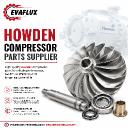
Reliable Solutions for Industrial Compression Systems
Selecting a dependable Howden Compressor Parts Supplier is essential for industries that rely on continuous, high-performance compression systems. Evaflux stands out as a trusted Howden Compressor Parts Supplier, delivering precision-engineered components that meet the rigorous demands of oil & gas, petrochemical, marine, and refrigeration sectors across the UAE and the wider Middle East.
Product Overview
Howden compressors are renowned globally for their robust design and consistent performance in demanding industrial environments. As a specialized Howden Compressor Parts Supplier, Evaflux provides a comprehensive range of replacement and spare parts, including rotors, bearings, mechanical seals, gaskets, valves, and gearbox components. Each part is manufactured or sourced to match original equipment specifications, ensuring seamless integration and long-term operational stability for screw and reciprocating compressor systems.
Technical Specifications
Evaflux's compressor components are engineered to strict tolerances, typically manufactured from high-grade alloy steels and corrosion-resistant materials suited for high-pressure and high-temperature operating conditions. Parts are designed to handle pressure ratings consistent with Howden's original engineering standards, with precise dimensional accuracy that minimizes vibration, reduces wear, and extends service intervals. Quality assurance processes include dimensional inspection, material certification, and performance testing before dispatch, guaranteeing that every component performs reliably under continuous industrial load.
Reliability and Precision
Reliability is the cornerstone of any effective Howden Compressor Parts Supplier, and Evaflux prioritizes precision manufacturing at every stage. Components undergo rigorous quality control to ensure dimensional consistency, proper fitment, and material integrity. This precision minimizes downtime, prevents premature failure, and supports the extended operational life of compression equipment—critical factors for facilities operating around the clock in harsh climates such as those found across the UAE.
Typical Use Cases
Howden compressor parts sourced through Evaflux serve a wide range of applications, including:
- Oil and gas processing plants requiring continuous gas compression
- Petrochemical facilities handling process gases under variable pressure
- Marine vessels utilizing refrigeration and cargo handling compressors
- HVAC and industrial refrigeration systems in commercial and industrial buildings
- Power generation plants dependent on stable compressed air or gas supply
These applications demand parts that withstand fluctuating loads, extreme temperatures, and corrosive environments—conditions common throughout the UAE's industrial and energy sectors.
UAE Applicability and Relevance
The UAE's rapidly growing industrial, energy, and marine sectors place significant demand on dependable compression equipment. As a regionally focused Howden Compressor Parts Supplier, Evaflux understands the unique operational challenges posed by the UAE's high ambient temperatures, humidity, and demanding duty cycles. Local availability of genuine and high-quality replacement parts reduces lead times, minimizes costly downtime, and supports compliance with regional industry standards. For procurement managers and engineers across Abu Dhabi, Dubai, Sharjah, and other industrial hubs, partnering with a reliable Howden Compressor Parts Supplier ensures faster turnaround, technical support, and consistent part quality tailored to local operating conditions.
Why Choose Evaflux
Evaflux combines technical expertise, quality assurance, and regional market knowledge to serve as a dependable partner for compressor maintenance and procurement teams. Whether replacing worn components or planning preventive maintenance schedules, engineers and technicians can rely on Evaflux for accurate specifications, timely delivery, and parts built to withstand the UAE's demanding industrial environments. Choosing the right Howden Compressor Parts Supplier directly impacts equipment longevity, operational efficiency, and overall plant reliability.