
Blogs

You spent three hours on a blog post. The research was solid, the writing was clean, and the topic was relevant. You hit publish and then nothing. No traffic, no shares, no comments. Just silence, and the quiet hum of a piece that's slowly sinking to page 47 of Google.
Sound familiar? That's not a writing problem. That's an SEO content writing problem and they're not the same thing.
Writing well gets you a reader. Writing well with SEO gets you ten thousand of them.
This guide breaks down how to do exactly that without turning your prose into a keyword-stuffed robot script.
What is SEO Content Writing?
Let's define it cleanly before we go anywhere.
SEO content writing is the practice of creating content that's valuable to human readers and structured to be discovered by search engines.
That "and" is doing a lot of work in that sentence.
The days of gaming Google with keyword density tricks and exact-match anchor text are long dead. Modern search engines evaluate context, user engagement, and content quality rather than just keyword usage. Google's algorithms: BERT, MUM, and now AI-powered ranking systems, are frighteningly good at understanding whether content is genuinely useful or just optimized to look that way.
The result? Writing for SEO today means writing for multiple audiences simultaneously: both human readers and the algorithms that deliver content across search engines and AI-powered platforms.
That's the game! Let's learn how to play it.
Why Most SEO Content Fails Before It's Even Published
Before we get to the how, let's talk about why content fails because the original sins happen early.
Most mediocre SEO content fails for one of three reasons:
- It targets a keyword without understanding the intent behind it. The writer knows what someone searched. They have no idea why they searched it.
- It treats SEO as a checklist, not a craft. Keyword in title? Check. H2 tags? Check. Meta description? Check. Readable, useful, interesting content? ...oh.
- It's written for an average reader that doesn't exist. Vague, hedging, covering all bases and landing on none. The content equivalent of a shrug.
Here's the corrective: keyword density is not a Google ranking factor. View keywords as topics. Sometimes you can cover the topic with a sentence. Other times you need to dedicate an entire section. The depth is determined by the question, not the word count.
The Foundation: Search Intent Is Everything
If SEO content writing had one commandment, it would be this: understand why someone is searching before you write a single word.
Search intent falls into four buckets:
- Informational — "how does X work" / "what is Y" → they want to learn
- Navigational — "WriterOnRent blog" → they want to find a specific place
- Commercial — "best content writing tools" → they're researching before buying
- Transactional — "hire a content writer" → they're ready to act
Recognizing these signals helps you tailor your content to answer real needs. Analyzing SERPs and "People Also Ask" sections helps spot patterns. For example, "best SEO tools" signals commercial intent, while "SEO content writing guide" is informational.
Here's the practical test: Google your target keyword right now. Look at the top 3 results. Are they listicles? Long-form guides? Product pages? Tool comparisons? That SERP is Google telling you exactly what format and depth it thinks the searcher wants.
Match it.
Then beat it.
E-E-A-T: The Framework That Separates Trusted Content From the Noise
Google's E-E-A-T framework stands for Experience, Expertise, Authoritativeness, Trustworthiness. It has become the most important quality benchmark in SEO content writing, especially now.
Why especially now? Because the internet is drowning in AI-generated content. The flood of AI-generated content has made human expertise a key differentiator. Search engines are looking for signals that real experts with genuine experience created the content.
Here's what each letter actually means for your writing:
Experience
Have you done the thing you're writing about? First-hand accounts, real examples, personal mistakes and lessons. These signal lived experience, not library research. A piece about freelance writing by someone who has freelanced will always outrank one by someone who just read about it.
Expertise
Do you know your subject deeply? This shows in the specificity of your claims, the accuracy of your data, and the nuance of your recommendations. Experts don't write in vague generalities.
Authoritativeness
Are you recognized in your space? Author bios, bylines on reputable publications, backlinks from credible sources. These signal that your voice carries weight.
Trustworthiness
Trust is the most important element in the E-E-A-T framework. Google prioritizes content from sources that demonstrate credibility through accurate information, transparent authorship, and a history of reliability.
Practically speaking, cite your sources, name your authors, use real data, update your content, and don't make claims you can't back up. That's E-E-A-T in action.
Keyword Research: How to Do It Without Overthinking It
Keyword research intimidates beginners more than it should. Here's the simplest possible framework:
Step 1:
Start with what your audience is actually asking. Tools like AnswerThePublic and Google's "People Also Ask" boxes are gold for this. Type in your broad topic and watch the questions pour in. These are real humans, asking real questions, in their own words.
Step 2:
Find the primary keyword with realistic intent. Use Google Keyword Planner, Ahrefs, or Ubersuggest. You're looking for keywords with decent search volume and intent that match what you're writing. Write the way people search. Instead of a title like "My Favorite Christmas Decorations," use "handmade Christmas decorations as gifts." It sounds less poetic, but it works.
Step 3:
Map secondary and long-tail keywords. Identify a mix of high-volume, low-competition keywords and long-tail keywords, focusing on search intent. Are users looking for information, a product, or a solution? Long-tail keywords often have lower competition and convert better because the search is more specific.
Step 4:
Treat keywords as topics, not targets. Your primary keyword goes in the title, the first 100 words, and naturally throughout. That's it. Write like a human. Let the semantically related terms appear naturally as you cover the topic thoroughly.
How to Structure SEO Content That Keeps People Reading
Here's a not-so-secret truth: Google's ranking signals include how long people spend on your page, whether they bounce back to search results, and whether they click around your site. Which means your writing quality is directly tied to your SEO performance. Structure is where most writers lose readers and rankings.
The opening has one job: stop the scroll. Don't start with definitions, brand history, or "in today's digital world." Start with tension, a sharp stat, a question, or a provocation. Earn the read.
Use headers as signposts, not decorations. Your H2s and H3s should tell a story on their own. Someone skimming your article should understand the structure and scope from headers alone. The title is the first thing the user sees and the first moment when Google's algorithm decides whether your content deserves attention.
Keep paragraphs short. Three sentences maximum on mobile. White space is not wasted space; it's readability.
Use the topic cluster model for sustained authority. This involves creating a central "pillar" page on a broad topic, surrounding it with a cluster of related, more specific articles that all link back to the pillar. HubSpot used this method to dominate search results for "content marketing" by creating a comprehensive pillar page and dozens of supporting articles on related sub-topics.
End with a clear call to action. What should the reader do next? Read another piece? Get in touch? Download something? Don't leave them hanging.
On-Page SEO: The Non-Negotiable Checklist
You've written the piece. Before you hit publish, run through this:
- Title tag: Primary keyword, ideally near the front, under 60 characters. Make it something a human would actually want to click.
- Meta description: Write a persuasive meta description within 150–160 characters, including your primary keyword. It is like your content's movie trailer.
- URL: Clean, short, keyword-rich. No dates, no random numbers, no underscores. /seo-content-writing beats /blog/2024/03/15/article-about-seo-writing-tips-for-beginners.
- Image alt text: Descriptive, keyword-relevant, where natural. Not stuffed. This also matters for accessibility, which Google cares about.
- Internal links: Link to 2–4 relevant pieces on your own site. This distributes authority and keeps readers on your site longer.
- External links: Cite credible sources. This signals to Google that you've done your homework and aren't making things up.
The Reality Check: Writing for AI Search (GEO)
Here's where we go beyond standard SEO advice because the writing industry has genuinely shifted.
AI Overviews appear in roughly 13 to 20 percent of searches, and zero-click searches continue to rise. Content must now satisfy traditional ranking factors while also being structured in ways that AI systems can cite and reference.
This is called Generative Engine Optimization (GEO). It is the practice of writing content that gets cited by AI tools like ChatGPT, Perplexity, and Google's AI Overviews.
What does AI-citation-worthy content look like?
It's brief, confident, informative, and requires no surrounding context to make sense. If your paragraph can be dropped into a chatbot conversation, summarized in an AI output, or featured as a snippet, all without needing editing or explanation, you've won.
Practical implications for your writing:
- Define things clearly and early. Don't make the reader (or algorithm) hunt for your thesis.
- Use FAQ sections. They're tailor-made for AI extraction.
- Write declarative, complete sentences. Avoid hedging language and incomplete thoughts.
- Structure answers so they work standalone, not in the context of your full article.
Keep perspective, though: Google still drives roughly 345 times more traffic than AI tools combined. Don't abandon traditional SEO for GEO; treat GEO optimization as an enhancement to solid SEO fundamentals.
Voice Search: Still Worth Your Attention
Smart speakers haven't taken over the world as dramatically as predicted, but voice search has quietly become a significant part of how people query, especially on mobile.
Voice queries are conversational. They're longer. They're questions.
"Best content writing tools" becomes "what are the best tools for SEO content writing for beginners."
The implication? Integrate natural language in your content, and optimize for voice-friendly keywords by researching voice search patterns. FAQ sections help enormously here too. If you answer a question the way a human would speak the answer, you're naturally optimizing for voice.
What Makes SEO Content Writing Actually Good (Not Just Technically Correct)
Here's the part most SEO guides skip, possibly because it's harder to reduce to a checklist.
Technical SEO correctness is the floor. It's the entry ticket. What wins in the long run is content that's genuinely better than everything else ranking for that keyword.
Better can mean:
- More comprehensive (covering angles others missed)
- More specific (actual examples, not vague advice)
- More credible (original data, cited sources, expert voices)
- More readable (cleaner writing, better structure, real personality)
- More honest (saying what's actually true, not what sounds good)
With so much competition for top rankings, your content simply has to be entertaining, educating, and/or inspiring. It has to give value, be engaging and readable, and follow important SEO guidelines, all at the same time.
That "all at the same time" part is where the craft lives.
Tools Worth Using And What Each One Is Actually For
A quick, honest tool guide is here for all writers out there:
- Google Search Console
Free. Essential. Shows you which queries bring people to your site, which pages are ranking, and where you're dropping clicks. Use this first.
- Google Keyword Planner
Free. Good starting point for search volumes. Pair it with something else for deeper analysis.
- Ahrefs / SEMrush
Paid, but powerful. Keyword research, competitor analysis, backlink tracking. Worth it if you're writing content professionally.
- Hemingway App
Free web version. Brutal and useful for cutting bloated prose.
- AnswerThePublic
Phenomenal for finding what questions real humans ask around any topic. Use it at the research stage, every time.
- Google Analytics 4
Shows how many people visit a given article, where they came from, and how long they stayed. If people are coming to the site but leaving quickly, something isn't working. Maybe the lead is too weak, or the title promises something that isn't in the content.
The One Habit That Separates Improving Writers From Stuck Ones
Update your content.
Seriously. Most writers publish and move on. The ones who consistently rank well treat published content as a living document.
Regularly update articles with new information, insights, or developments. This signals to search engines that your content remains valuable and up-to-date.
Set a calendar reminder every six months for your top-performing pieces. Refresh stats, add new sections, cut outdated advice, improve the structure based on what you've learned. A well-maintained piece compounds in authority over time in a way a fresh piece never can.
The Bottom Line
SEO content writing isn't a dark art or a technical maze. At its core, it's a discipline of clarity: understanding what someone needs, delivering it better than anyone else has, and making it easy for both humans and machines to recognize that.
The writers who get this right are the ones brands can't stop hiring, and readers can't stop bookmarking.
Write for people first. Structure for algorithms second. Update for longevity third.
That's the whole playbook!
Need SEO content that ranks and gets loved by readers? WriterOnRent delivers content that ticks both boxes. It’s crafted by writers who understand the algorithm without forgetting the audience!
Your Frequently Asked Questions Answered
Is SEO content writing different from copywriting?
Yes, meaningfully so. SEO writing aims to attract organic search traffic by matching what people are actively searching for. Traditional copywriting focuses primarily on persuasion and conversion, often for paid advertising or direct marketing contexts.
How long should an SEO blog post be?
Long enough to fully answer the query. There's no magic word count. Check the top 3 results for your keyword and use that as a rough benchmark. A well-structured 900-word post will beat a padded 3,000-word one every time.
Does AI content rank on Google?
Google's position is that it evaluates content quality, not production method. But Google's Helpful Content System prioritizes content written by people, for people, that demonstrates real-world experience. AI-generated content without human expertise, editing, and original insight is increasingly easy for algorithms to detect and deprioritize.
How important are backlinks for SEO content?
Still very. Backlinks remain one of the strongest ranking signals. Links from other websites signal to search engines that your content is valuable and trustworthy. Great content earns links. Mediocre content needs to beg for them.
Online Betting: Knowledge Online Gambling Podiums together with Your Options
By toyay75289, 2026-11-24
Online betting has turned into a widely discussed area of the digital entertainment industry. With the growth of access to the internet and mobile technology, people may now explore different betting platforms through computers, smartphones, and tablets. These websites provide digital environments where users can find out about betting options, explore platform features, and understand how online betting services operate.
The Growing Popularity of Online Betting
The increasing popularity of online betting is closely attached to convenience and technological development. Traditional betting activities often required people to visit physical locations, while online platforms allow users to access available services from different places. This convenience has contributed to the growth of digital betting markets around the world.
Many platforms offer different categories, including sports betting, virtual games, and other types of online entertainment. Each category could have its own rules, conditions, and participation requirements. Understanding these differences is very important before using any online service.
Important Features of Digital Betting Platforms
Modern betting websites often include user-friendly designs, account management tools, payment options, and customer service services. Some platforms offer information regarding available events, betting markets, and account activity.
A well-organized website should make information simple to find. Clear instructions, transparent terms, and accessible support can help users understand how the platform works. Security features are equally important because online accounts may contain personal and financial information.
Choosing an Online Betting Website Carefully
Selecting an on the web betting platform requires careful consideration. Users should check whether something is legally authorized within their location and whether it follows applicable regulations. Reviewing its terms and conditions, privacy policy, payment rules, and customer service options can offer useful information.
It is very important in order to avoid websites that make unrealistic promises or use misleading promotional messages. No betting platform can guarantee แทงบอลวอเลท winnings, and financial losses are always possible.
Responsible Participation and Financial Awareness
Responsible participation should remain a priority when discussing online betting. Users should understand the risks involved and never treat betting as a reliable source of income. Setting strict financial limits, avoiding borrowed money, and taking regular breaks can lessen potential harm.
People also needs to know about the legal age requirements and local restrictions that affect online betting services. Anyone experiencing difficulty controlling gambling activities should consider seeking professional support.
The Future of Online Betting
Technology will continue steadily to influence the development of digital betting platforms. Improved mobile experiences, faster payment systems, stronger security tools, and more transparent account management features may shape the industry's future.
However, technological progress should really be combined with responsible practices and appropriate consumer protection. Understanding platform features, checking legal requirements, and recognizing financial risks are essential in making informed decisions about online betting.
Online betting can be an evolving digital industry, but convenience should never replace caution. Learning about available services and their potential risks is the better starting point for understanding this online entertainment sector.
Matcha Glide is a dietary supplement designed for people who want to support their daily wellness goals and maintain a healthier lifestyle. As interest in matcha-based nutrition continues to grow, many individuals are exploring supplements that complement balanced diets and active routines. Matcha is traditionally associated with green tea and is valued for its naturally occurring antioxidants and plant compounds. Matcha Glide may appeal to adults who are interested in incorporating matcha-inspired supplementation into their everyday wellness habits. Its potential benefits depend on the actual ingredients, formulation, and recommended serving instructions provided by the manufacturer. One reason matcha ingredients attract attention is their association with antioxidant support. Antioxidants help protect cells from oxidative stress caused by unstable molecules known as free radicals. Matcha naturally contains catechins, including EGCG, which have been studied for their possible contributions to general health. Another feature of matcha is its natural caffeine content, which may support alertness and help individuals feel more energized. Depending on its formulation, Matcha Glide may be considered by people looking for a convenient addition to their daily nutritional routine. Maintaining a healthy metabolism is another common wellness goal. Metabolism refers to the processes through which the body converts nutrients into energy and performs essential functions. Although dietary supplements cannot independently guarantee improved metabolism or weight loss, matcha-based ingredients have attracted scientific interest for their possible role in supporting energy expenditure. Matcha Glide should therefore be viewed as a potential complement to healthy habits rather than a replacement for nutritious food, exercise, or professional guidance. A balanced lifestyle also includes paying attention to digestive wellness, hydration, and regular physical activity. Eating vegetables, fruits, whole grains, and other nutrient-rich foods can help provide essential nutrients that support normal bodily functions. Drinking enough water and maintaining consistent sleep habits are equally important for overall well-being. People considering Matcha Glide should carefully examine the product label to understand its ingredients, serving size, caffeine content, and usage recommendations. Checking the complete formulation is especially important because individual ingredients and their quantities can influence how a supplement fits into a person's routine. Individuals who are sensitive to caffeine, pregnant or breastfeeding, taking medication, or managing existing health conditions should seek advice from a qualified healthcare professional before using a new dietary supplement. It is also important to understand that individual experiences can differ, and no particular result is guaranteed. Matcha Glide should not be considered a medicine or a treatment for any health condition. For a more sustainable approach to wellness, combine responsible supplement use with balanced nutrition, regular movement, sufficient rest, and healthy daily choices. Overall, Matcha Glide may interest consumers seeking a matcha-inspired dietary supplement to complement their wellness routines. Understanding its ingredients and using it responsibly can help individuals make informed decisions about whether it aligns with their nutritional preferences and personal health goals. https://matchaglide.ca/
Keep bicycles safer with intelligent IoT technology! Portworld's ESP32-YCS3 development board provides a flexible embedded platform for smart bicycle security devices, supporting motion detection, wireless communication, and connected monitoring.
Key Features:
-
ESP32-S3 dual-core processor up to 240MHz
-
Wi-Fi and Bluetooth connectivity
-
8MB PSRAM + 16MB Flash
-
GPIO for motion and vibration sensor integration
-
RS485 for external device communication
-
LVGL support for customized display interfaces
-
ESP-IDF and FreeRTOS development support
Smart Bicycle Security Applications:
✅ Motion and vibration detection
✅ Unauthorized movement alerts
✅ GPS module integration for location tracking
✅ Electronic lock control integration
✅ Wireless status monitoring
Turn your smart bicycle security concept into a real product with Portworld's hardware customization, SDK support, and OEM/ODM services.
Can ESP32 Control HVAC Through a Smart Control Panel?
Custom RK3588 Autonomous Robot Controller: Powering the Next Generation of Intelligent Robots
How Can Digital Signage Be Managed Remotely?
Can digital signage displays support touchscreen interaction?
Digital Signage Display Manufacturer for Custom Projects
How Do You Connect RS485 to an ESP32 Control Panel?
How to Optimize Yocto Linux for Digital Signage Display Applications
How to Integrate Zigbee Into a Digital Signage Display
How Can a Digital Signage Display Increase Customer Engagement in Stores?
Can ESP32 Smart Control Panels Be Manufactured for OEM Projects?
Can ESP32 Control HVAC Through a Smart Control Panel?
How Can Interactive Digital Signage Displays Improve Hotel Services?
Smart Control Panel for Senior Apartment Automation
How Can Digital Signage Displays Guide Visitors in Shopping Malls?
How Can Digital Signage Displays Improve In-Store Advertising?
Smart Control Panel for Shopping Mall Automation
How Do I Choose a Smart Control Panel for Hotel Rooms?
How to Choose a Digital Signage Display for an Office Building
How Can Outdoor Digital Signage Displays Work in Extreme Weather?
Wall Mounted Touchscreen for Living Room Automation
How Do Custom Office Signs Improve Employee Productivity and Workplace Organization in Baltimore?
By baltimoresignsmiths, 2026-11-23

A well-organized workplace helps employees perform their responsibilities efficiently while creating a positive environment for visitors and business partners. Although office furniture, lighting, and technology receive considerable attention during workplace planning, signage is another important element that businesses should not overlook. Properly designed office signs provide essential information, identify different departments, and help employees navigate the workplace without unnecessary confusion.
For companies operating in Baltimore, professional signage can also strengthen corporate branding and create a consistent workplace appearance. From reception displays to conference room identification, every sign contributes to how employees and visitors experience the office.
Businesses researching office signs baltimore md should consider how signage can serve both functional and branding purposes rather than treating it as a purely decorative feature.
Why Does Workplace Organization Depend on Effective Signage?
Employees working in large offices frequently move between departments, meeting rooms, shared facilities, and administrative areas. Without proper identification, finding the correct location can become inconvenient, especially for new employees and visitors.
Well-positioned signs provide clear information about different areas of the workplace. Department signs, room identification displays, floor directories, and directional graphics help establish an organized environment.
For example, a company with multiple departments can use consistent identification signs to distinguish accounting, human resources, management, and customer service areas.
This approach reduces confusion and makes everyday workplace navigation more straightforward.
How Can Reception Signs Create a Professional Environment?
The reception area is often the first place visitors encounter when entering an office. Its appearance influences their initial perception of the organization.
A customized reception sign featuring the company logo and name can create a professional focal point. Dimensional lettering, acrylic displays, and illuminated branding elements are popular choices for modern office environments.
Businesses exploring acrylic signs baltimore md can consider different finishes, colors, thicknesses, and mounting styles to complement their interiors.
Acrylic displays can also be combined with complementary wall finishes and lighting to create a visually appealing reception space.
The objective should be to create a display that communicates the company's identity without making the reception area look overcrowded.
Why Are Conference Room and Department Signs Necessary?
Conference rooms are important spaces for meetings, presentations, employee discussions, and client interactions. Clear identification signs make it easier for visitors and employees to locate the correct room.
Businesses can use customized room signs displaying meeting room names, department information, or room numbers.
Department identification signs are equally important in larger workplaces. They help employees understand where different teams operate and make it easier for visitors to reach the appropriate staff members.
Companies can also use consistent typography and brand colors throughout these signs to maintain a unified appearance.
Can Custom Wayfinding Signs Reduce Workplace Confusion?
Wayfinding signage is particularly valuable in large office buildings and commercial properties. Employees and visitors may need to navigate multiple floors, corridors, entrances, and shared facilities.
Businesses considering custom wayfinding signs in baltimore maryland should develop a coordinated system that provides information at important decision points.
Useful wayfinding displays include:
-
Floor directories near elevators.
-
Directional signs at corridor intersections.
-
Department identification displays.
-
Restroom and facility signs.
-
Conference room directions.
-
Building entrance and exit signs.
The placement of these signs matters just as much as their design. Information should be visible before visitors need to make navigation decisions.
A logical signage arrangement can reduce repeated questions and make the workplace more accessible and convenient.
How Does Consistent Office Branding Support Employee Engagement?
A workplace communicates company culture through its appearance. Branded displays featuring organizational values, company achievements, mission statements, and visual identity elements can help establish a stronger connection between employees and the organization.
For example, businesses may incorporate their brand colors into reception displays, meeting room signs, and interior wall graphics.
Companies looking for custom signs baltimore md can explore personalized displays that reflect their workplace culture and professional identity.
However, branding should remain consistent. Using unrelated fonts, colors, and design styles throughout the office can make the environment appear disorganized.
What Should Businesses Consider Before Installing Office Signs?
Before ordering office signage, businesses should review their floor plans and identify areas that require identification or directional information.
They should also consider material durability, installation methods, visibility, accessibility requirements, and future workplace changes.
Signs installed in high-traffic areas may require durable materials and secure mounting. Room identification displays may need flexible designs if departments or room assignments change frequently.
Baltimore Signsmiths offers signage and graphic solutions that businesses can consider when planning professional office branding and identification projects.
Conclusion
Effective office signage contributes to workplace organization, employee convenience, and professional branding. Reception displays, conference room signs, department identification, and directional graphics each serve a different purpose. By developing a consistent signage system, Baltimore businesses can create workplaces that are easier to navigate and more welcoming for employees and visitors.
Frequently Asked Questions
1. What office signs are essential for a professional workplace?
Reception signs, department identification, conference room signs, floor directories, and directional displays are useful for most professional offices.
2. How do office signs improve employee productivity?
They help employees locate departments, meeting rooms, and shared facilities without wasting time searching for locations.
3. Are acrylic signs suitable for office reception areas?
Yes. Acrylic signs offer a clean, modern appearance and can be customized with different finishes, colors, and mounting options.
4. Why are wayfinding signs important in large offices?
They help employees and visitors navigate multiple floors, departments, and shared spaces more efficiently.

Arthriwell Heat Joint Pain Relief is designed for people who want a soothing and convenient way to care for their joints, muscles, and everyday body comfort. Joint discomfort, muscle stiffness, and reduced flexibility can sometimes make simple daily activities such as walking, climbing stairs, exercising, or completing household tasks feel challenging. Arthriwell Heat Joint Pain Relief is presented as a topical comfort solution that can be included in a regular personal care routine. Its warming concept is intended to provide a pleasant sensation when applied to the desired area, helping create a relaxing massage experience for tired muscles and joints. Many people look for products that are easy to apply, convenient to carry, and suitable for use at home or while travelling, making topical creams an attractive option for everyday comfort. Arthriwell Heat Joint Pain Relief can be used as part of a gentle self-care routine that includes appropriate physical activity, stretching, rest, and healthy lifestyle habits. The warming sensation may help users enjoy a soothing feeling while massaging areas that experience occasional stiffness or discomfort. Regular massage can also make a self-care routine feel more relaxing and comfortable. Whether someone experiences tired muscles after a long working day, stiffness following physical activity, or general discomfort associated with everyday movement, choosing a suitable topical product may offer an additional way to support personal comfort. Its easy application makes it convenient for people with busy schedules who prefer simple solutions rather than complicated routines. When using Arthriwell Heat Joint Pain Relief, it is important to follow the instructions provided on the product packaging and apply it only as directed. Users should avoid contact with the eyes, sensitive areas, and broken or irritated skin, and wash their hands after application. It is also advisable to test a small amount first and discontinue use if irritation occurs. People with persistent, severe, or unexplained joint pain should consult a qualified healthcare professional to understand the underlying cause and receive appropriate treatment. Maintaining joint health involves more than using a topical cream, and healthy habits such as balanced nutrition, sufficient hydration, gentle movement, maintaining a healthy weight, and getting adequate rest can contribute to overall well-being. Arthriwell Heat Joint Pain Relief offers a convenient option for people interested in adding a warming massage product to their everyday comfort routine. By combining responsible product use with healthy lifestyle practices, individuals can take a more thoughtful approach to supporting mobility, relaxation, and everyday physical comfort. https://arthriwell.co.uk/
Arthriwell Joint Heat Pain Relief Cream is designed for individuals who want a convenient addition to their daily joint and muscle care routine. Everyday activities such as walking, climbing stairs, exercising, working, and performing household responsibilities can sometimes leave muscles feeling tired and joints feeling uncomfortable. Spending long hours sitting or standing may also contribute to temporary stiffness and physical tension. These experiences can affect daily comfort and make it more difficult to maintain an active lifestyle. Arthriwell offers a topical cream option for people interested in a warming massage experience as part of their personal wellness routine. Its warming approach is intended to create a soothing sensation on the skin, making it suitable for individuals who enjoy heat-based topical products. The cream can be applied to the desired area according to the manufacturer's instructions and gently massaged into the skin. This straightforward application makes it convenient to incorporate into everyday self-care without requiring complicated preparation or additional equipment. Whether someone wants to relax after a workout, unwind following a demanding working day, or enjoy a soothing massage as part of an evening routine, a topical warming cream may provide a practical option to consider. Looking after joints and muscles is an important part of maintaining physical well-being. People who participate in regular exercise, sports, walking, or other physical activities should pay attention to their bodies and allow sufficient time for recovery. Gentle stretching, appropriate movement, balanced nutrition, proper hydration, and quality sleep can contribute to a healthy lifestyle. Individuals who work at desks or spend extended periods standing may also benefit from taking regular breaks and changing positions throughout the day. Arthriwell can be considered alongside these healthy habits as an additional personal care product. The warming sensation may make massage feel relaxing, particularly when focusing on areas experiencing temporary tightness or fatigue. However, consumers should understand the product before adding it to their routine. Checking the ingredient list, reading the packaging, and following the recommended application directions are important steps. Users should apply only the suggested amount and avoid using the cream on broken, irritated, or damaged skin. Contact with the eyes, mouth, and other sensitive areas should be avoided, and hands should be washed after application. People with sensitive skin should take additional care and discontinue use if redness, itching, burning, or irritation develops. It is also important to remember that individual experiences may vary depending on personal sensitivity and the nature of the discomfort. Arthriwell should not be considered a cure for arthritis, joint disorders, or other medical conditions. Anyone experiencing persistent pain, significant swelling, or difficulty moving should consult a qualified healthcare professional for appropriate guidance. Choosing a topical comfort product should involve realistic expectations and careful attention to safety information. Overall, Arthriwell Joint Heat Pain Relief Cream may appeal to individuals looking for a convenient warming massage product to complement their everyday self-care habits. Combined with regular movement, appropriate rest, and responsible product use, it can form part of a balanced approach to relaxation, personal comfort, and maintaining an active lifestyle. https://arthriwell.net/
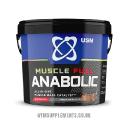
Buying fitness supplements should be simple, but finding the right store can take time. With so many shops selling different products, knowing where to start can be confusing.
Some stores offer limited choices, while others provide little information about their products. Buying from an unreliable seller can also waste your money.
So, how do you find a good supplement store? Look for a seller with genuine products, fair prices, clear labels, and helpful customer service.
The right store should also offer products that suit your fitness goals. Here are some simple tips to help you make a better choice.
1. Check the Range of Products Available
A good supplement store should offer products for different fitness needs. This makes it easier to find something that suits your workout routine.
For example, someone who wants to build muscle may need different products from someone who wants more energy. Having more choices also helps you compare products.
Look for stores that sell common fitness supplements, such as:
- Protein powders: Help you get enough protein each day.
- Pre-workout supplements: May help you feel more awake before exercise.
- Creatine: Supports muscle strength during short, hard workouts.
- Amino acids: Help your body build proteins.
- Vitamins and minerals: Help your body work properly.
Having more choices is helpful, but you do not need to buy everything. Choose products that match your needs.
2. Read the Ingredients Before Buying
Always check what a supplement contains before buying it. A good store should share clear details about its products.
This helps you understand what you are taking and whether it suits your needs. It also helps you avoid ingredients you may not want.
Check these details on the product label:
- Full list of ingredients
- Amount of each main ingredient
- Recommended serving size
- Allergy information
- Directions for use
Avoid products with unclear labels or big promises about quick results. If something is unclear, ask the seller before buying.
3. Make Sure the Products Are Genuine
Product quality should always come first when buying fitness supplements. Saving money is not helpful if you end up with a fake product.
Choose a store that sells products from trusted brands and reliable suppliers. Check the packaging before buying and make sure it is properly sealed.
Here are some things to look for:
- Products should have their original packaging.
- Ingredient details should be easy to read.
- Expiry dates should be clearly printed.
- Brand details should be available.
- Prices should not seem unusually low.
Be careful when you see deals that look too good to be true. Very cheap products may come from unknown sellers.
4. Compare Prices Before You Buy
Price is another important thing to check when choosing a supplement store. The same product may cost different amounts at different shops.
Comparing prices can help you save money. However, do not pick a product just because it is cheap.
Check these details before placing your order:
- Pack size and number of servings
- Cost per serving
- Delivery charges
- Discounts and special offers
- Return and refund rules
Some larger packs may cost less per serving. But if you are trying a product for the first time, a smaller pack may be a better choice.
5. Read Customer Reviews
Customer reviews can help you learn more about a store. They show what other people think about its products and service.
Before choosing between different gym supplement stores, read a few customer reviews. Look for comments about product quality, delivery, and customer support.
Pay attention to repeated complaints about fake products or damaged packaging. Also, check whether the store replies when customers have problems.
A good store should provide clear contact details. You should be able to ask questions and get useful answers before buying.
6. Check Whether Product Details Are Easy to Understand
Shopping becomes easier when a store explains its products in simple words. Clear descriptions help you understand what each supplement does.
Look for details about ingredients, serving sizes, and how to use each product. This also makes it easier to compare different options.
For example, if you want more protein, check how much protein each serving contains. If you want a pre-workout drink, check its caffeine content.
Do not buy a product just because its packaging looks good. Read the details and make sure it suits your needs.
7. Check Delivery and Customer Service
Buying supplements online is easy when the store offers good delivery and support. You should know when your order will arrive and how to contact the seller.
Before placing an order, check the store's delivery and return rules. This can help you avoid problems later.
Look for these useful features:
- Clear delivery charges
- Estimated delivery times
- Safe payment options
- Simple return and refund rules
- Working customer support details
- Order tracking facilities
These details may seem small, but they can make shopping much easier. They also help you feel more confident about your purchase.
8. Choose Supplements That Match Your Fitness Goals
Not every supplement is right for everyone. Your choice should depend on your diet, exercise routine, and fitness goals.
Here are a few common examples:
|
Your fitness goal |
Supplements to consider |
|
Getting enough daily protein |
Whey or plant-based protein |
|
Supporting strength training |
Creatine |
|
Feeling more awake before exercise |
Pre-workout supplements |
|
Filling certain nutrient gaps |
Suitable vitamins and minerals |
|
Getting protein more easily |
Protein shakes |
Remember, you do not need supplements to stay fit. A balanced diet should always come first.
Make Better Choices When Buying Fitness Supplements
Finding the right supplement store does not have to be difficult. Take some time to check product quality, prices, ingredients, and customer reviews.
Do not rush into buying products because of discounts or big promises. Choose supplements that match your fitness goals and daily needs.
A reliable store makes it easier to find suitable products and shop with confidence. Make smart choices and focus on building healthy habits every day.
Online Kitchen Timer: A Simple Way to Keep Cooking on Track
Cooking often involves several tasks happening at once: water coming to a boil, vegetables roasting, a sauce simmering and a dish resting before serving. It is easy to lose track of one step while concentrating on another. An online kitchen timer provides a simple reminder so you can focus on preparation without relying entirely on memory. It is especially useful when a recipe has several timed stages.
Why use a kitchen timer?
A timer helps turn recipe instructions into clear checkpoints. Instead of repeatedly checking the clock, set a reminder for the next action: stir, turn, inspect, remove from heat or check internal temperature. This can reduce the chance of forgetting food while multitasking. A timer does not determine whether food is safely cooked, but it can remind you when to perform the appropriate doneness check.
Set timers for each cooking stage
Many recipes include more than one timed step. You may need one reminder for preheating, another for the first cooking interval and a final one for resting. If your device supports multiple timers, label them clearly so you know which dish each alarm belongs to. If it supports only one, write down the next task before resetting it. Keep the timing plan simple enough to follow while cooking.
Use a timer with cooking charts
A cooking chart gives an estimated time range, while a timer helps you remember when to inspect the food. Start with the chart’s recommended range for the exact ingredient and method. Set the first alert near the point when checking should begin, not necessarily at the final expected minute. Food size, appliance performance and starting temperature can change the result, so allow time for additional checking or cooking if needed.
Timer reminders and food safety
An alarm is not a substitute for safe food handling. Meat, poultry, seafood and reheated leftovers may require an internal-temperature check with a food thermometer. Follow current food-safety recommendations, keep raw and cooked foods separate and refrigerate perishable ingredients promptly. Do not leave food unattended in situations where the recipe or appliance requires supervision. Use the timer as a reminder to check, not as proof of doneness.
Manage several dishes at once
When preparing a full meal, list each dish and its next action. Start long-cooking items first, then add shorter tasks as serving time approaches. Use separate labelled timers if available, and keep a written note of oven temperatures and stovetop settings. Remember that resting, cooling and safe storage are separate stages from active cooking. A simple schedule can make a busy kitchen feel more manageable.
Choose an online timer that suits your routine
A useful online timer should be easy to start, pause or reset and should make the alarm noticeable. Check that your browser or device allows sound, and keep the tab available while cooking. If you are using a phone, place it somewhere clean and away from splashes or heat. For important tasks, consider a backup reminder if you may close the browser or silence the device.
Try the CookTimeGuide timer
Open the CookTimeGuide online kitchen timer when you need a quick reminder during meal preparation. Pair it with food-specific cooking guidance and set alerts for the moments when you need to stir, turn or check doneness. The timer can help organize the process while your senses and thermometer guide the final decision.
Practical Tips for Consistent Results
Make timer labels specific, such as “check vegetables” or “turn tray,” rather than setting several alarms with no description. If a recipe changes, update the timer rather than trying to remember which alert still applies. Keep the device away from water, hot surfaces and raw-food preparation areas. A timer is most helpful when paired with a clear next action, so decide what you will inspect or do when the alarm sounds before you start it.
Conclusion
A kitchen timer is a small tool that can make meal preparation more organized. Use it to manage stages, coordinate several dishes and remind yourself when to check food. For safe results, combine timer alerts with suitable doneness checks and food-handling practices. Visit CookTimeGuide’s online timer to keep your next cooking session on schedule.
The PPSh-41 build starts with a simple problem: keeping its rapid fire under control without making it feel sluggish. Players looking at MW4 Bot Lobbies while planning their next multiplayer session have a practical starting point in the Hanbit Chimmuk-INTR barrel and FSS Fireline Grip. The barrel combines suppression with range and recoil benefits, leaving room for other attachments. Add the 53 Round Mag, Schlager Visiv-5 laser, and Hanbit RDW7-F stock for a setup built around quick reactions. That's five slots with a clear purpose, though positioning still matters more than the attachment screen.
Why the handling changes matter
The damage increases attract attention, but the handling adjustments explain why this version should feel easier to use. Moving from 300 ms to 280 ms when aiming saves a little time every time you raise the weapon. Arm and hand multipliers moving from 0.95 to 1.0 also make awkward hits less punishing. That's useful when someone slides across a doorway and your first bullets catch an elbow. Movement improvements support the same approach: reach cover, settle your aim, then commit. Constant sprinting still leaves you reacting late.
| Damage measurement | Earlier value | Updated value |
|---|---|---|
| Close damage | 18 | 19 |
| Close range | 10.8 meters | 13.34 meters |
| Mid range | 20.19 meters | 21.34 meters |
Give each attachment a job
Don't turn every slot into a range upgrade. The integrated barrel already covers several jobs, so the remaining choices should help you land shots or react sooner. Keep the RDW7-F for frequent pushes. Choose the Hanbit Janggun-H9 when you spend more time watching entrances and need extra stability. The FTAC Silent Recon and Hanbit RDR-Tiger 50-XL pairing offers another range option, but it uses two slots. Make that trade only when longer sightlines regularly shape your fights.
Reload behind cover before approaching another occupied room.
Keep your sights near chest height when rounding corners.
Use short bursts when distant targets become difficult to track.
Build around the next engagement
At 1,110 RPM, ammunition disappears quickly. Scavenger therefore makes sense for longer runs, while Quick Fix supports repeated objective fights. Ninja suits routes where footsteps would give away your approach. Ghost and Cold-Blooded offer alternatives for a stealth setup, provided the available perk combinations allow them. Stim helps you recover between encounters; Semtex gives you a way to pressure someone behind cover. A Seeker Drone can help check a cramped route before you push through it.
Keep the fights manageable
On compact maps, the temptation is to chase every red dot. Resist it. Take a room, reload safely, and choose the next doorway. Players comparing MW4 Cash offers alongside their loadout plans should still give the weapon setup proper attention. The PPSh-41 rewards controlled aggression: arrive ready, keep bursts on target, and leave yourself somewhere to retreat when a second opponent appears.