
Blogs
Sample Collection Market Expands as Diagnostic Testing and Laboratory Demand Rise
By komal234, 2026-08-14
According to the latest report published by Data Bridge Market Research, the Sample Collection Market
CAGR Value
Sample Collection Market is the world-class market research report which carries out industry analysis for Sample Collection Market industry on products, markets, companies, industries and most of the countries worldwide. This market report is a great source of notable data, present market trends, future events, market environment, technological innovation, imminent technologies and the technical development in the Sample Collection Market industry. The collected information and data is tested and verified by the market experts before offering it to the end user. Sample Collection Market research analysis and data lend a hand to businesses for the planning of strategies related to investment, revenue generation, production, product launches, costing, inventory, purchasing and marketing.
Stay informed with our latest keyword market research covering strategies, innovations, and forecasts. Download full report: https://www.databridgemarketresearch.com/reports/global-sample-collection-market
Sample Collection Market Segmentation and Market Companies
Segments
- Product Type: The sample collection market can be segmented based on product type into consumables, instruments, and accessories. Consumables include specimen swabs, tubes, and containers, while instruments consist of sample collection kits and devices. Accessories encompass sample collection trays, labels, and storage boxes.
- Application: Segmenting by application, the market includes diagnostics, research, and genomics. Diagnostics are for disease detection and monitoring, research is for scientific experimentation, and genomics focus on understanding genetic information for personalized medicine.
- End User: Sample collection is used in various end-user segments such as hospitals, clinics, research institutes, and diagnostic laboratories. Each end-user segment has specific requirements for sample collection based on their operations and purposes.
- Collection Method: The market can also be segmented by collection method, including swab-based, blood-based, urine-based, and saliva-based collection methods. Each collection method has its advantages and is used based on the type of specimen required for analysis.
Market Players
- Thermo Fisher Scientific Inc.
- QIAGEN
- BD
- Merck KGaA
- Norgen Biotek Corp.
- Cardinal Health
- COPAN Diagnostics, Inc.
- Puritan Medical Products
- Labscoop
- Avanos Medical, Inc.
The global sample collection market is witnessing significant growth driven by the increasing demand for diagnostic procedures, research activities, and the rising prevalence of chronic and infectious diseases. The market is characterized by the presence of several key players offering a wide range of products and services to cater to diverse end-user requirements. Technological advancements, collaborations, and product launches are some of the strategies adopted by market players to strengthen their market position and expand their product portfolio. The increasing focus on precision medicine and personalized healthcare is expected to further drive the demand for sample collection products and services in the coming years. Overall, the global sample collection market is poised for substantial growth and innovation in the near future.
The global sample collection market is undergoing a transformative phase driven by advancements in diagnostic procedures, research endeavors, and the escalating prevalence of chronic and infectious diseases. Key market players such as Thermo Fisher Scientific Inc., QIAGEN, BD, and Merck KGaA are at the forefront of innovation, constantly introducing new products and services to meet the evolving needs of end-users across various sectors like hospitals, clinics, research institutes, and diagnostic laboratories. These market leaders are focusing on strategic collaborations, technological enhancements, and product launches to solidify their market presence and enhance their product offerings.
One prominent trend in the sample collection market is the increasing emphasis on precision medicine and personalized healthcare. As healthcare practitioners and researchers strive to tailor treatments and therapies to individual patients based on genetic information and biomarkers, the demand for sophisticated sample collection products and services is expected to soar. This shift towards personalized medicine is projected to fuel significant growth and innovation in the sample collection market in the foreseeable future.
Moreover, the market segmentation based on product type, application, end-user, and collection method provides a comprehensive overview of the diverse facets of the sample collection market. From consumables like specimen swabs and tubes to instruments such as sample collection kits and devices, the market offers a wide array of products to cater to specific needs across diagnostics, research, and genomics applications. Different collection methods like swab-based, blood-based, urine-based, and saliva-based techniques provide healthcare professionals and researchers with the flexibility to choose the most suitable approach based on the type of specimen required for analysis.
The competitive landscape of the sample collection market is characterized by intense rivalry among key players striving to differentiate themselves through superior product quality, innovation, and customer service. Companies like Norgen Biotek Corp., Cardinal Health, COPAN Diagnostics, Inc., Puritan Medical Products, and Avanos Medical, Inc. are actively engaged in expanding their market reach and enhancing their product portfolios to stay ahead in this dynamic industry.
In conclusion, the global sample collection market is on a growth trajectory propelled by increasing healthcare demands, technological advancements, and a shift towards personalized medicine. With collaborative initiatives, product innovations, and a focus on precision healthcare, market players are poised to drive significant developments and advancements in the sample collection industry, paving the way for a future marked by groundbreaking solutions and improved patient outcomes.The sample collection market is a critical component of the healthcare industry, with a diverse range of products and services catering to the needs of various end-users such as hospitals, clinics, research institutes, and diagnostic laboratories. The market segmentation based on product type, application, end-user, and collection method offers a comprehensive view of the industry landscape. Consumables like specimen swabs, tubes, and containers play a vital role in sample collection, while instruments such as sample collection kits and devices provide the necessary tools for efficient sample collection procedures. Accessories like sample collection trays, labels, and storage boxes complement the overall process, enhancing organization and efficiency.
Segmenting the market by application highlights the different focus areas within sample collection, including diagnostics, research, and genomics. Diagnostics form a significant portion of the market, driven by the need for disease detection and monitoring. Research applications cater to scientific experimentation requirements, while genomics focus on understanding genetic information for personalized medicine initiatives. Each application segment contributes to the overall growth and development of the sample collection market, addressing specific needs and driving innovation in product development.
The end-user segmentation further delineates the diverse requirements within the sample collection market, with hospitals, clinics, research institutes, and diagnostic laboratories each having distinct operational needs. Hospitals and clinics require efficient and reliable sample collection products for patient care, while research institutes rely on high-quality tools for scientific exploration. Diagnostic laboratories demand precision and accuracy in sample collection to ensure reliable test results. Understanding the unique needs of each end-user segment is crucial for market players to develop tailored solutions and establish strong partnerships within the industry.
The collection method segmentation underscores the importance of specialized approaches in sample collection, including swab-based, blood-based, urine-based, and saliva-based techniques. Each collection method offers unique advantages depending on the type of specimen being analyzed, emphasizing the significance of choosing the most appropriate method for accurate results. Healthcare professionals and researchers benefit from a variety of collection methods that cater to different specimen requirements, enhancing the overall efficiency and effectiveness of sample collection processes.
In conclusion, the sample collection market presents a dynamic and evolving landscape characterized by a diverse range of products, applications, end-users, and collection methods. Key market players are at the forefront of innovation, driving growth through strategic collaborations, technological advancements, and product launches. The industry's focus on precision medicine and personalized healthcare is expected to fuel further advancements in sample collection products and services, paving the way for transformative solutions and improved patient outcomes in the healthcare sector.
Frequently Asked Questions About This Report
What are the technical limitations hindering Sample Collection Market expansion?
What is the impact of e-procurement on Sample Collection Market efficiency?
How are smart Sample Collection Market solutions gaining traction?
How is the shift toward sustainability driving Sample Collection Market trends?
How do import/export policies impact the Sample Collection Market?
How are smart Sample Collection Market solutions gaining traction?
What are the top 5 companies by revenue in the Sample Collection Market?
How much is the Sample Collection Market expected to grow in absolute dollar terms by 2033?
What is the market top position o in the Sample Collection Market industry?
How does currency fluctuation affect the global Sample Collection Market?
What is the impact of Mass Migration on Sample Collection Market demand?
How is Just-in-Time manufacturing affecting the Sample Collection Market?
Browse More Reports:
Asia-Pacific Microgrid Market
Asia-Pacific Low Emissivity (Low-E) Glass Market
Europe Biodegradable Paper and Plastic Packaging Market
Middle East and Africa Dental Implant Market
Europe Food Storage Container Market
Asia-Pacific Microalgae Market
Switzerland Industrial Gases Market
Europe Aesthetic Dermatology Market
Philippines Microgrid Market
North America Frozen Ready Meals Market
Europe Frozen Ready Meals Market
North America Uninterruptible Power Supply (UPS) Market
Middle East and Africa Submarine Cable System Market
Europe Wood Pellet Market
Middle East Submarine Cable System Market
Contact Us:
Data Bridge Market Research
US: +1 614 591 3140
UK: +44 845 154 9652
APAC : +653 1251 988
Email:- corporatesales@databridgemarketresearch.com"
Tire Marking Machine Market Accelerates with Growing Demand for Automated Tire Identification
By komal234, 2026-08-14
According to the latest report published by Data Bridge Market Research, the Tire Marking Machine Market
CAGR Value
Tire Marking Machine Market report offers a thorough overview of product specification, technology, product type and production. Clients can get familiar, by using this report, with the new opportunities in the Tire Marking Machine Market industry and most important customers for the business growth. Best-practice models and research methodologies have been employed in this marketing report for a complete market analysis. It is also assured that the report provides precise market segmentation and insights for the success of business. A top quality Tire Marking Machine Market report has been formulated with full commitment and transparency in research and analysis which helps increase revenue.
Stay informed with our latest keyword market research covering strategies, innovations, and forecasts. Download full report: https://www.databridgemarketresearch.com/reports/global-tire-marking-machine-market
Tire Marking Machine Market Segmentation and Market Companies
Segments
- Based on the type, the global tire marking machine market is segmented into manual, semi-automatic, and automatic. The automatic segment is expected to dominate the market due to its efficiency and increasing adoption in the automotive industry for large-scale production.
- By application, the market is categorized into tire labelling, tire coding, tire marking, and others. The tire coding segment is projected to witness significant growth, driven by the need for traceability and identification of tires throughout the supply chain.
- On the basis of end-user, the market is divided into tire manufacturers and automotive OEMs. The tire manufacturers segment is likely to hold a substantial market share as these machines are essential for ensuring compliance with regulatory standards and enhancing product quality.
Market Players
- Some of the key market players in the global tire marking machine market include Aesha Conveyors & Crushing Equipment, Harita Global, Anish Hydraulics Pvt Ltd, NCIX, and Elscint Automation. These players are focusing on product innovations, strategic collaborations, and expansion of their distribution networks to strengthen their market presence.
- Other prominent companies operating in the market are Automator International, Flowmech Engineers Pvt. Ltd., Marking and Coding India, Videojet Technologies, and KESTREL LINER AGENCIES. These companies are investing in research and development activities to launch advanced tire marking machines with higher efficiency and accuracy, meeting the evolving needs of the automotive sector.
The global tire marking machine market is experiencing significant growth driven by various factors such as the increasing demand for automation in the automotive industry, the emphasis on product traceability and compliance with regulatory standards, and the focus on enhancing production efficiency and product quality. The segmentation of the market based on type, application, and end-user provides a comprehensive understanding of the market landscape and the key areas of growth and opportunity.
In terms of type segmentation, the shift towards automatic tire marking machines is expected to drive market dominance due to their superior efficiency and adoption in large-scale production processes. The automatic segment offers benefits such as precision, speed, and consistency in tire marking operations, which are essential for meeting the increasing demand for tires globally. This trend is likely to continue as automotive manufacturers seek to optimize their production processes and improve overall operational efficiency.
The application segmentation of the market highlights the growing importance of tire coding for traceability and identification purposes across the supply chain. The tire coding segment is projected to witness significant growth as manufacturers and OEMs focus on ensuring product authenticity, quality control, and compliance with industry standards. The integration of advanced technologies such as RFID and QR codes in tire marking machines is expected to further drive the demand for these solutions in the market.
The end-user segmentation emphasizes the crucial role of tire manufacturers in driving market growth, as these companies rely on tire marking machines to meet regulatory requirements and enhance product quality. Tire manufacturers are investing in advanced marking technologies to streamline their production processes, improve inventory management, and differentiate their products in a competitive market environment. Automotive OEMs also play a significant role in the market as they seek innovative solutions to enhance product differentiation and customer satisfaction.
Key market players in the global tire marking machine market are focusing on product innovation, strategic partnerships, and geographical expansion to strengthen their competitive position and meet the evolving needs of the automotive industry. These companies are investing in research and development to introduce advanced features such as real-time monitoring, data analytics, and remote connectivity in tire marking machines. Overall, the tire marking machine market is poised for continued growth driven by technological advancements, regulatory compliance requirements, and the increasing demand for high-quality tires worldwide.The global tire marking machine market is witnessing substantial growth propelled by several key factors. One of the primary drivers is the escalating demand for automation within the automotive industry. As manufacturers strive to improve operational efficiency and production output, the adoption of automated tire marking machines, particularly in large-scale production settings, is increasing significantly. This shift towards automation is not only driven by the need for enhanced efficiency but also by the requirements for precision and consistency in tire marking operations, which are crucial for meeting the ever-growing global demand for tires.
Moreover, the emphasis on product traceability and compliance with regulatory standards is playing a pivotal role in driving the growth of the market. Tire coding, in particular, is gaining prominence as manufacturers and OEMs prioritize traceability and identification throughout the tire's lifecycle within the supply chain. The deployment of advanced technologies like RFID and QR codes in tire marking machines is expected to further propel the demand for these solutions as companies aim to ensure product authenticity, quality control, and adherence to industry regulations.
Furthermore, the segmentation based on end-users highlights the significant contribution of tire manufacturers in shaping the market landscape. These manufacturers rely on tire marking machines not only to meet regulatory standards but also to enhance product quality and differentiate themselves in a competitive market environment. By investing in cutting-edge marking technologies, tire manufacturers can streamline their production processes, improve inventory management, and ultimately deliver high-quality tires to meet customer demands effectively.
In terms of market players, key industry participants are focused on driving innovation through product enhancements, strategic partnerships, and geographical expansions. By investing in research and development efforts, these companies are introducing advanced features such as real-time monitoring, data analytics, and remote connectivity into tire marking machines. This strategic approach allows market players to cater to the evolving needs of the automotive industry, thereby strengthening their competitive position and meeting the growing demand for high-quality tires on a global scale.
Overall, the global tire marking machine market is poised for continued growth driven by technological advancements, regulatory compliance requirements, and the relentless pursuit of operational excellence within the automotive sector. As industry players continue to innovate and collaborate, the market is expected to expand further, offering new opportunities for growth and development in the coming years.
Frequently Asked Questions About This Report
How will the Colonization of Mars impact the Tire Marking Machine Market?
What is the expected exit strategy for Tire Marking Machine Market start-ups?
What are the compliance requirements for Tire Marking Machine Market players?
Which year is expected to witness the highest growth spike in the Tire Marking Machine Market?
What will be the market value for Hardware offerings in the Tire Marking Machine Market by 2033?
How are companies in the Tire Marking Machine Market using Renewable Credits?
How is Lean Manufacturing impacting the Tire Marking Machine Market?
What is the projected valuation for the [Specific Segment] in the Tire Marking Machine Market by 2033?
What is the anticipated market size for Software offerings in 2025?
Which end-user segment is expected to witness the highest growth rate?
Browse More Reports:
Global Open Surgery Instruments Market
Global Organic Tea Market
Global Pharmacy Information Systems Market
Global Popping Boba/Juice Balls Market
Global Poultry Probiotic Ingredients Market
Global Security Cameras Market
Global Sheet Face Masks Market
Global Single Cell Analysis Market
Global Steel Drums Market
Global Surface Water Sports Equipment Market
Global Syngas - Derivatives Market
Global Unified Communication (UC) Market
Global Weight Loss and Obesity Management Market
Philippines Private Health Insurance Market
Europe Surface Analysis Market
Contact Us:
Data Bridge Market Research
US: +1 614 591 3140
UK: +44 845 154 9652
APAC : +653 1251 988
Email:- corporatesales@databridgemarketresearch.com"
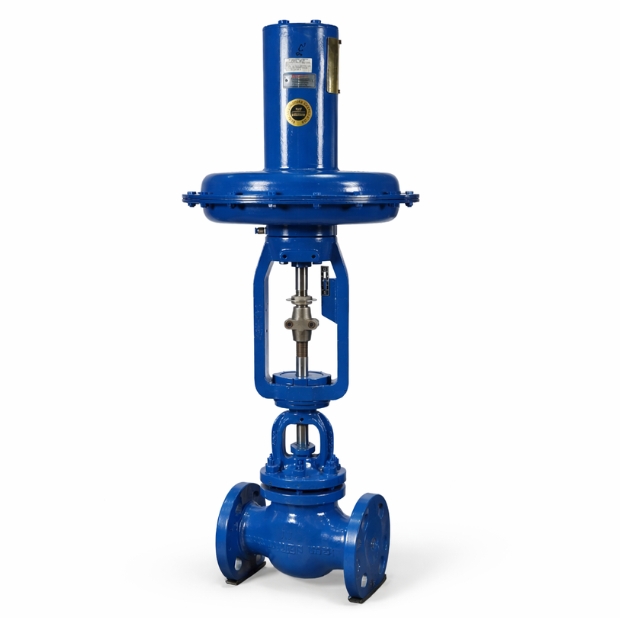
Learn about High Temperature Dampers, Industrial Flow Control Equipment, and Process Control Valves for efficient industrial systems.
Industrial facilities rely on precision, safety, and efficiency to maintain smooth operations. Whether managing airflow in power plants, regulating steam in manufacturing units, or controlling gases in chemical processing, the right flow control solutions make a significant difference. Among the most essential components used in these systems are High Temperature Dampers, Industrial Flow Control Equipment, and Process Control Valves. These products ensure reliable performance under demanding conditions while improving energy efficiency and protecting valuable equipment.
Modern industries operate in environments where temperatures, pressure, and flow rates constantly fluctuate. Equipment designed to withstand these conditions not only improves operational stability but also extends system lifespan. Engineers select flow control products based on temperature tolerance, corrosion resistance, operating pressure, and automation compatibility. Investing in quality systems reduces maintenance costs, minimizes downtime, and enhances workplace safety. As industries continue adopting smart manufacturing technologies, advanced flow control solutions have become more intelligent, accurate, and efficient than ever before.
Understanding High Temperature Dampers
High Temperature Dampers are specially designed mechanical devices that regulate airflow and exhaust gases in systems operating under extreme heat. They are commonly installed in boilers, furnaces, kilns, incinerators, power plants, steel manufacturing facilities, cement plants, and petrochemical industries. Their primary function is to control the movement of hot air, combustion gases, or process gases while maintaining system pressure and efficiency.
Unlike conventional dampers, these products are manufactured using heat-resistant alloys, stainless steel, carbon steel, or refractory-lined materials capable of handling temperatures reaching several hundred or even thousands of degrees Celsius. Their robust construction prevents deformation, leakage, and mechanical failure during continuous high-temperature operation. High Temperature Dampers are also engineered to reduce heat loss, improve combustion efficiency, and optimize industrial ventilation systems.
The Importance of Industrial Flow Control Equipment
Every industrial process depends on precise movement of liquids, gases, steam, chemicals, or compressed air. Industrial Flow Control Equipment includes dampers, valves, actuators, regulators, filters, pressure controllers, and other components that ensure fluids move safely and efficiently through pipelines and processing systems.
Without reliable Industrial Flow Control Equipment, industries would struggle with pressure fluctuations, uneven production, increased energy consumption, and costly equipment failures. Modern manufacturing plants use automated flow control systems integrated with sensors and programmable controllers to maintain optimal operating conditions. These systems improve production quality while minimizing human intervention.
Industrial flow control technology is continuously evolving with advancements in automation, digital monitoring, predictive maintenance, and remote diagnostics. Smart equipment enables operators to monitor performance in real time, detect abnormalities, and prevent unexpected shutdowns before they occur.
Understanding Process Control Valves
Process Control Valves regulate the flow rate, pressure, temperature, and liquid levels within industrial processing systems. These valves automatically adjust their position based on signals received from controllers, ensuring that industrial processes remain stable and efficient.
Available in various configurations such as globe valves, butterfly valves, ball valves, gate valves, diaphragm valves, and plug valves, Process Control Valves are selected according to application requirements. Their accurate modulation capabilities allow industries to achieve precise process control, resulting in improved product quality and operational consistency.
Modern Process Control Valves often include electric, pneumatic, or hydraulic actuators that enhance automation and simplify plant operations. Advanced valve technologies also improve response time, reduce energy consumption, and increase equipment reliability.
How These Components Work Together
Industrial facilities rarely rely on a single flow control device. Instead, High Temperature Dampers, Industrial Flow Control Equipment, and Process Control Valves operate together as an integrated system. Dampers regulate airflow within combustion systems, valves manage fluid flow, while supporting equipment maintains pressure, filtration, and monitoring functions.
This coordinated operation ensures balanced airflow, stable pressure, efficient combustion, accurate temperature regulation, and safe equipment performance. Integrated control systems further optimize plant productivity by automatically adjusting flow conditions based on real-time operating data.
Applications Across Different Industries
The demand for reliable flow control systems spans nearly every industrial sector. Power generation facilities use these components to regulate steam, combustion gases, and cooling systems. Steel manufacturing plants require heat-resistant dampers to manage furnace exhaust and ventilation. Chemical processing facilities depend on automated valves to safely control hazardous fluids and gases.
Oil and gas industries rely heavily on Industrial Flow Control Equipment for pipeline operations, refinery processing, and offshore production platforms. Cement plants use heavy-duty dampers to regulate kiln airflow, while food processing facilities employ sanitary control valves for hygienic production. Pharmaceutical manufacturers also utilize automated valves to maintain strict process consistency and contamination control.
Benefits of High-Quality Flow Control Solutions
Choosing premium industrial flow control products provides numerous operational advantages beyond basic fluid regulation. Quality-engineered equipment delivers consistent performance even under challenging operating environments, reducing maintenance requirements and improving plant reliability.
- Improved operational efficiency and productivity
- Enhanced equipment safety and protection
- Reduced energy consumption
- Better temperature and pressure control
- Lower maintenance and repair costs
- Increased equipment lifespan
- Improved automation compatibility
- Reduced system downtime
- Higher production consistency
- Better environmental compliance
Comparison of Major Industrial Components
|
Component |
Primary Function |
Typical Applications |
Major Benefit |
|
High Temperature Dampers |
Control airflow and hot gases |
Boilers, furnaces, kilns |
Heat resistance |
|
Industrial Flow Control Equipment |
Manage fluid movement |
Manufacturing plants |
System efficiency |
|
Process Control Valves |
Regulate pressure and flow |
Chemical processing |
Precision control |
|
Automated Actuators |
Operate valves remotely |
Automated industries |
Faster response |
|
Pressure Regulators |
Maintain stable pressure |
Gas and fluid systems |
Safety improvement |
Materials Used in Manufacturing
Industrial flow control products must withstand harsh operating conditions involving high temperatures, corrosive chemicals, abrasive particles, and continuous pressure cycles. Manufacturers carefully select construction materials based on operating requirements.
Common materials include stainless steel, carbon steel, cast iron, duplex stainless steel, nickel alloys, Inconel, Hastelloy, ceramic coatings, and refractory linings. These materials provide excellent corrosion resistance, thermal stability, and mechanical strength while minimizing wear during long-term industrial use.
Protective surface treatments, precision machining, and advanced welding techniques further improve equipment durability. Material selection directly influences maintenance intervals, operational efficiency, and total lifecycle costs.
Automation and Smart Manufacturing
Industry 4.0 has transformed industrial flow control systems through intelligent automation. Smart sensors, programmable logic controllers, distributed control systems, and industrial Internet of Things technologies enable continuous monitoring of equipment performance.
Modern Process Control Valves automatically respond to changing operating conditions with remarkable accuracy. Similarly, intelligent Industrial Flow Control Equipment can communicate with centralized control rooms, allowing operators to monitor system health remotely.
Predictive maintenance algorithms analyze operating data to identify potential failures before they occur. This proactive approach minimizes unplanned downtime, reduces maintenance expenses, and maximizes equipment availability.
Energy Efficiency and Environmental Performance
Industrial facilities are increasingly focused on reducing energy consumption and minimizing environmental impact. Properly designed High Temperature Dampers significantly reduce heat losses while improving combustion efficiency. Better airflow management results in lower fuel consumption and reduced emissions.
Efficient Process Control Valves help optimize fluid distribution, reducing unnecessary pumping energy and maintaining consistent production quality. Meanwhile, advanced Industrial Flow Control Equipment improves system efficiency by minimizing pressure losses and enhancing overall plant performance.
These improvements contribute to lower operating costs while supporting sustainability initiatives and regulatory compliance.
Maintenance Best Practices
Regular maintenance is essential for ensuring long-term reliability of industrial flow control systems. Preventive maintenance programs help detect wear before failures occur and extend equipment lifespan.
Routine inspections should include checking seals, bearings, actuators, valve seats, shafts, lubrication systems, and mounting hardware. Operators should also verify calibration, inspect for corrosion, monitor vibration levels, and evaluate actuator performance.
Keeping maintenance records allows engineers to identify performance trends, schedule replacements efficiently, and reduce unexpected production interruptions.
Factors to Consider Before Selection
Selecting industrial flow control equipment requires careful evaluation of several engineering parameters. Temperature range, operating pressure, flow capacity, fluid characteristics, corrosion resistance, maintenance accessibility, automation requirements, and installation space all influence product selection.
Engineers should also evaluate long-term operational costs rather than focusing solely on initial purchase price. High-quality products typically provide greater reliability, reduced maintenance, improved energy efficiency, and longer service life, resulting in better overall value.
Working closely with engineering teams ensures selected equipment matches specific industrial requirements while complying with safety standards and operational objectives.
Future Trends in Industrial Flow Control
The industrial sector continues embracing digital transformation, driving innovations in flow control technology. Artificial intelligence, machine learning, cloud monitoring, and advanced analytics are improving system performance and maintenance planning.
Manufacturers are developing lighter materials, more efficient actuator technologies, enhanced sealing systems, and highly responsive digital controllers. Wireless monitoring and predictive diagnostics are becoming standard features across many industrial applications.
As sustainability becomes increasingly important, future equipment will prioritize energy efficiency, emission reduction, and intelligent resource management. These advancements will further strengthen the role of industrial flow control systems in modern manufacturing.
Conclusion
Reliable industrial operations depend on precision, durability, and efficient process management. High Temperature Dampers, Industrial Flow Control Equipment, and Process Control Valves play a critical role in maintaining safe, efficient, and productive industrial environments. Their ability to regulate airflow, pressure, temperature, and fluid movement ensures consistent manufacturing performance while protecting valuable equipment from extreme operating conditions.
As industries continue advancing toward automation and smart manufacturing, investing in high-quality flow control solutions becomes increasingly important. Proper equipment selection, routine maintenance, and integration with intelligent monitoring systems improve operational efficiency, reduce downtime, lower energy consumption, and extend equipment lifespan. Whether used in power generation, chemical processing, oil and gas, cement manufacturing, pharmaceuticals, or food production, these essential industrial components remain the backbone of modern process control and sustainable industrial growth.
Osanix weight loss is a topic of interest for people exploring different ways to support their weight-management goals and build healthier daily routines. Rather than viewing weight loss as a quick transformation, it is more useful to consider it as a gradual process influenced by nutrition, physical activity, sleep, stress, lifestyle habits, and individual circumstances. If Osanix is being considered as part of a weight-loss routine, potential users should learn about the product carefully, including its ingredients, recommended usage, intended benefits, and any relevant warnings. No weight-loss supplement should be treated as a guaranteed solution, because results can vary significantly from one individual to another. A balanced lifestyle remains an important foundation for achieving and maintaining a healthy weight. This may involve choosing filling, nutrient-dense foods, including adequate protein and fiber in meals, limiting excessive intake of highly processed foods, drinking enough water, and staying physically active throughout the week. Regular walking, strength training, cycling, swimming, or other enjoyable forms of exercise can help support an active lifestyle without requiring an extreme workout routine. Consistency is often more valuable than short periods of intense effort. People interested in Osanix weight loss may also benefit from setting realistic goals and monitoring progress over time instead of focusing exclusively on the number displayed on a scale. Changes in energy levels, fitness, waist measurements, eating habits, and overall well-being can provide additional indications of progress. It is also important to avoid unrealistic claims that promise dramatic weight loss in a very short period. Healthy weight management generally requires patience and sustainable choices that can realistically become part of everyday life. Before using Osanix or another weight-loss supplement, consumers should read the product label and directions carefully and avoid taking more than the recommended amount. Anyone taking prescription medicines or managing an existing health concern should consider discussing the product with a qualified healthcare professional before use. Pregnant or breastfeeding individuals should seek appropriate medical guidance before considering weight-loss products. Ultimately, Osanix weight loss should be approached with realistic expectations and viewed within the wider context of healthy living. Combining informed product choices with nutritious meals, regular movement, sufficient rest, and consistent habits may provide a more practical foundation for long-term weight management. Making small improvements that can be maintained over time is generally more sustainable than relying on extreme diets or promises of instant results. https://theosanix.com/
Polyester Strap Market Gains Momentum with Rising Demand for Secure Packaging Solutions
By komal234, 2026-08-14
According to the latest report published by Data Bridge Market Research, the Polyester Strap Market
CAGR Value
Polyester Strap Market business report estimates each segment of the global market in a very detailed pattern so that readers can be informed about future opportunities and high-growth areas of the industry. Besides, it provides a complete study of crucial market dynamics, including growth drivers, restraints, challenges, trends, and opportunities. The reliable Polyester Strap Market report makes clients focus on the more important aspects of the market like what the market recent trends are. Readers are given with accurate facts and figures related to the market and its significant factors such as consumption, production, revenue growth, and CAGR.
Stay informed with our latest keyword market research covering strategies, innovations, and forecasts. Download full report: https://www.databridgemarketresearch.com/reports/global-polyester-strap-market
Polyester Strap Market Segmentation and Market Companies
Segments
- By Type: The global polyester strap market is segmented by type into smooth and embossed. Smooth polyester straps are generally preferred for light to medium-duty applications due to their flexibility and ease of use. On the other hand, embossed polyester straps offer higher tensile strength and are suitable for heavy-duty applications that require enhanced durability.
- By Width: Based on width, the market is categorized into 8mm, 10mm, 12mm, 15mm, and others. The choice of width depends on the specific application requirements, with narrower straps typically being used for lighter loads and wider straps for heavier loads.
- By Application: The market is further segmented by application into steel industry, fiber industry, paper industry, construction industry, and others. Polyester straps find widespread application in industries such as steel, fiber, and paper for securing and bundling goods during transportation and storage.
- By End-User: The end-user segmentation includes packaging, logistics, building & construction, and others. The packaging industry is a major consumer of polyester straps due to the need for secure and reliable packaging solutions for various products.
Market Players
- FROMM Holding AG: FROMM Holding AG is a key player in the global polyester strap market, offering a wide range of high-quality polyester straps for different industrial applications. The company focuses on product innovation and quality to meet the evolving needs of customers.
- Polychem Corporation: Polychem Corporation is another prominent player in the market known for its innovative polyester strapping solutions designed to provide strength and durability. The company's products are widely used in the packaging and logistics industries.
- Signode Industrial Group: Signode Industrial Group is a leading provider of polyester strapping solutions tailored for different industries such as building & construction and steel. The company's focus on sustainability and performance has helped it gain a strong market presence.
- Cordstrap B.V.: Cordstrap B.V. is a global supplier of polyester strapping products known for their reliability and efficiency in securing various types of loads. The company's commitment to quality and customer satisfaction has made it a trusted name in the market.
The global polyester strap market is characterized by the presence of a few dominant players who are continuously innovating to enhance their product offerings and expand their market reach. With the rising demand for secure and sustainable strapping solutions across various industries, the market is expected to witness significant growth in the coming years.
The global polyester strap market is experiencing steady growth driven by the increasing need for reliable and efficient strapping solutions across various industries. One of the key trends shaping the market is the growing emphasis on sustainability and eco-friendly packaging solutions. Polyester straps are gaining popularity as they offer a sustainable alternative to traditional packaging materials like steel or metal straps. The ability of polyester straps to be recycled and reused makes them a preferred choice for environmentally conscious companies looking to reduce their carbon footprint.
Moreover, technological advancements in the manufacturing process have led to the development of high-performance polyester straps with enhanced strength and durability. These innovative products are designed to meet the specific needs of different industries, such as the steel, fiber, paper, and construction sectors. The versatility of polyester straps in securing various types of loads has further propelled their demand across different end-user segments, including packaging, logistics, and building & construction.
Another driving factor for the market is the stringent regulations and standards governing packaging and transportation practices. Companies are increasingly focusing on compliance with safety and quality standards, leading to a higher adoption of polyester straps due to their reliability and effectiveness in securing goods during transit. Additionally, the growing e-commerce industry and the rise in online shopping activities have boosted the demand for durable and secure packaging solutions, further driving the growth of the polyester strap market.
In terms of market players, competition among key industry participants such as FROMM Holding AG, Polychem Corporation, Signode Industrial Group, and Cordstrap B.V. is intensifying as they strive to differentiate themselves through product innovation, quality, and customer service. These companies are investing in research and development to launch new and improved polyester strapping solutions that cater to the evolving needs of end-users across different sectors.
Looking ahead, the global polyester strap market is poised for robust growth as industries continue to prioritize efficiency, sustainability, and cost-effectiveness in their packaging and logistics operations. The market is expected to witness an influx of opportunities driven by the increasing globalization of trade, the expansion of the manufacturing sector, and the growing focus on supply chain optimization. Overall, the outlook for the polyester strap market remains positive, with continued innovation and collaboration among industry players expected to drive further advancements in the sector.The global polyester strap market is currently witnessing steady growth, primarily fueled by the increasing demand for reliable and efficient strapping solutions across a wide range of industries. One of the notable trends shaping the market is the shifting focus towards sustainability and eco-friendly packaging alternatives. Companies are increasingly opting for polyester straps due to their recyclability and reusability, making them an attractive option for businesses looking to adopt more environmentally friendly practices. This growing emphasis on sustainability is expected to drive further market growth as more companies prioritize eco-conscious packaging solutions.
Furthermore, advancements in manufacturing processes have led to the development of high-performance polyester straps that offer enhanced strength and durability. These innovative products cater to the specific requirements of industries such as steel, fiber, paper, and construction, further boosting the demand for polyester straps across various sectors. The versatility of polyester straps in securing different types of loads has also contributed to their growing popularity among end-users in industries like packaging, logistics, and building & construction.
Stringent regulations and standards governing packaging and transportation practices are also playing a significant role in driving the market for polyester straps. As companies strive to comply with safety and quality standards, the reliable and effective nature of polyester straps in securing goods during transit is making them a preferred choice for many businesses. The rise of the e-commerce industry and the surge in online shopping activities have further heightened the demand for durable and secure packaging solutions, further propelling the growth of the polyester strap market.
In terms of market competition, key industry players like FROMM Holding AG, Polychem Corporation, Signode Industrial Group, and Cordstrap B.V. are intensifying their efforts to differentiate themselves through product innovation, quality, and customer service. These companies are heavily investing in research and development to introduce new and improved polyester strapping solutions that meet the evolving needs of end-users across different sectors. This competitive landscape is expected to drive further innovation in the market, leading to the introduction of more advanced and efficient polyester strap products in the future.
Looking ahead, the global polyester strap market is poised for significant growth as industries continue to prioritize efficiency, sustainability, and cost-effectiveness in their packaging and logistics operations. The market is expected to benefit from the increasing globalization of trade, the expansion of the manufacturing sector, and the heightened focus on supply chain optimization. Overall, the future outlook for the polyester strap market appears promising, with ongoing innovation and collaboration among industry players poised to spur further advancements in the sector.
Frequently Asked Questions About This Report
What are the signs of a Market Rebound for Polyester Strap Market?
What are the key players in the Polyester Strap Market for manufacturing?
How are smart Polyester Strap Market solutions gaining traction?
How do high initial costs act as a restraint for the Polyester Strap Market?
How is the Cold Chain (if applicable) impacting Polyester Strap Market quality?
What is the competitive intensity of the Polyester Strap Market (Porter’s Five Forces)?
How is Market Saturation affecting the Polyester Strap Market industry in North America?
What is the competitive intensity of the Polyester Strap Market (Porter’s Five Forces)?
What are the technical limitations hindering Polyester Strap Market expansion?
How is the Polyester Strap Market evolving in the Entertainment industry?
What are the latest breakthroughs in Polyester Strap Market R&D?
How are customized/personalized Polyester Strap Market offerings performing?
What are the logistics challenges in the Polyester Strap Market across different regions?
Browse More Reports:
Global Continuous Renal Replacement Therapy Market
Global Critical Illness Insurance Market
Global Dehydrated Vegetables Market
Global Electrostatic Precipitator Market
Global Espresso Coffee Market
Global Flavonoids Market
Global Gallium Arsenide Germanium Solar Cell (Gaas) Market
Global Hydraulic Excavator Market
Global Laser Therapy Market
Global Low-E Glass Market
Global Medical Gloves Market
Global Microgrid Market
Global Mint Essential Oil Market
Global Motion Capture Market
Global Offshore Drilling Riser Market
Contact Us:
Data Bridge Market Research
US: +1 614 591 3140
UK: +44 845 154 9652
APAC : +653 1251 988
Email:- corporatesales@databridgemarketresearch.com"
Why Modern Consumers Are Redefining Fine Jewelry Purchases in India
By estmarknteladvisors, 2026-08-14

Consumers are increasingly prioritizing design, brand reputation, and gemstone authenticity when making purchasing decisions. Many buyers now view jewelry as an important lifestyle accessory rather than solely a ceremonial purchase.
To meet this demand, brands are launching collections that combine contemporary aesthetics with traditional craftsmanship, appealing to consumers who value both heritage and modern design.
This trend is expected to continue driving demand for premium and luxury jewelry products across urban markets.
Organized Retail Is Strengthening Consumer Confidence
The growth of branded jewelry retailers has transformed the purchasing experience for many consumers. Organized retailers provide benefits such as transparent pricing, hallmark certification, quality assurance, and professional customer support.
These advantages are encouraging consumers to shift away from unorganized jewelry markets and toward trusted brands that offer greater transparency and reliability.
The Bureau of Indian Standards (BIS) has further strengthened consumer confidence through hallmarking regulations designed to improve quality assurance and authenticity verification.
As awareness regarding certification standards continues to increase, branded retailers are expected to capture a larger share of overall demand.
E-Commerce Is Expanding Market Accessibility
Digital commerce has become an increasingly important component of the jewelry buying journey. Consumers now use online platforms to compare designs, review certificationsIndia's fine jewelry industry has always been closely tied to culture, tradition, and wealth preservation. However, consumer behavior is changing rapidly as younger generations seek products that combine elegance, individuality, and convenience. Today, jewelry is no longer purchased only for weddings and festive occasions. It has become an expression of personal style, lifestyle aspirations, and even social identity, encouraging brands to innovate and diversify their offerings.
Insights published by MarkNtel Advisors indicate that the India Fine Jewelry Market was valued at USD 85.18 billion in 2025 and is forecast to reach USD 124 billion by 2032, expanding at a CAGR of 6.05% during 2026-2032. The industry's growth is being fueled by increasing disposable incomes, rising demand for branded jewelry, expanding organized retail networks, and growing consumer interest in premium and personalized products.
Traditional Demand Continues to Support Industry Growth
Despite changing consumer preferences, traditional factors remain critical to the industry's success. Weddings, religious ceremonies, festivals, and family celebrations continue to generate substantial demand for gold, diamond, and gemstone jewelry.
Jewelry purchases are often viewed as long-term investments that can be passed down through generations. This combination of emotional and financial value has helped maintain consistent demand across different economic cycles.
According to the World Gold Council, India remains one of the largest consumers of gold globally, reflecting the metal's enduring significance in both cultural traditions and household wealth management.
As these traditions continue, they provide a strong foundation for sustained industry growth.
Premium Jewelry Is Attracting a New Generation of Buyers
A notable shift within the industry is the growing popularity of premium jewelry among younger consumers. Rising incomes and greater exposure to international fashion trends have encouraged buyers to seek high-quality products that offer exclusivity and superior craftsmanship.
, evaluate prices, and explore customization options before making purchasing decisions.
Virtual try-on technologies, online consultations, and personalized recommendations have improved customer confidence in digital jewelry purchases. These innovations are helping brands reach consumers beyond major metropolitan areas.
Social media platforms are also playing a significant role in influencing purchasing behavior. Jewelry brands increasingly rely on digital campaigns and influencer collaborations to showcase products and engage potential customers.
As online shopping adoption continues to rise, digital channels are expected to become even more influential in shaping future industry growth.
Personalization Is Driving Product Innovation
Today's consumers increasingly seek jewelry that reflects their unique personalities and life experiences. As a result, personalized products such as engraved rings, custom pendants, birthstone jewelry, and bespoke collections are gaining popularity.
Customization allows consumers to create meaningful products that hold emotional significance while maintaining exclusivity. This trend has become particularly popular among millennials and Gen Z consumers seeking unique gifting and self-purchase options.
Jewelry manufacturers are investing in advanced design technologies and customization services to cater to this growing demand. Personalized jewelry is rapidly becoming an important differentiator in a highly competitive marketplace.
Sustainability Is Emerging as a Competitive Advantage
Consumer awareness regarding sustainability and ethical sourcing is increasing across the luxury goods sector. Buyers are becoming more interested in understanding the origins of precious metals and gemstones used in jewelry products.
Many brands are responding by improving supply chain transparency and adopting responsible sourcing practices. Ethical production standards and sustainability initiatives are gradually becoming important considerations for premium jewelry buyers.
Organizations such as the Responsible Jewellery Council continue to promote responsible business practices and sustainability standards throughout the global jewelry industry.
As environmental and social awareness grows, sustainability is expected to become a stronger influence on purchasing decisions.
Conclusion
India's fine jewelry industry is evolving in response to changing consumer expectations, digital innovation, and growing demand for premium experiences. The increasing popularity of branded retailers, personalized products, and sustainable sourcing practices is reshaping the competitive landscape. As jewelry brands continue to combine traditional craftsmanship with modern retail strategies, the industry is expected to remain one of the most dynamic and influential segments within India's luxury and lifestyle economy.
Dairy Flavours Market Expands as Consumers Embrace Innovative and Natural Taste Solutions
By komal234, 2026-08-14
According to the latest report published by Data Bridge Market Research, the Dairy Flavours Market
CAGR Value
The Dairy Flavours Market business research report is fragmented in several features which include manufacturers, region, type, application, market status, market share, growth rate, future trends, market drivers, opportunities, challenges, emerging trends, risks, entry barriers, sales channels, and distributors which are again elaborated in the report as required to define the topic and give maximum information for better decision making. The statistical and numerical data collected to generate this report is mostly denoted with the graphs, tables and charts as required which make this report more users friendly. To thrive in the global market place, choosing Dairy Flavours Market global market research report which includes market analysis based on regional and global level is imperative.
Stay informed with our latest keyword market research covering strategies, innovations, and forecasts. Download full report: https://www.databridgemarketresearch.com/reports/global-dairy-flavours-market
Dairy Flavours Market Segmentation and Market Companies
Segments
- Type: The global dairy flavors market can be segmented based on type into natural flavors and artificial flavors. Natural flavors are derived from natural sources such as fruits, vegetables, herbs, and spices. Artificial flavors are chemically synthesized to mimic natural flavors.
- Application: The market can also be segmented by application, including beverages, dairy products, confectionery, bakery, and others. The increasing demand for flavored dairy products like yogurt, ice cream, and milkshakes is driving growth in this segment.
- Form: Based on form, the market can be categorized into liquid, powder, and paste. Liquid dairy flavors are convenient for manufacturers to incorporate into their products, while powder and paste forms offer longer shelf life and easy storage.
- Sales Channel: The sales channel segment includes direct sales and indirect sales. Direct sales involve selling products directly to customers, while indirect sales involve selling through distributors, wholesalers, and online retailers.
- Region: Geographically, the global dairy flavors market is segmented into North America, Europe, Asia Pacific, Latin America, and Middle East & Africa. Each region exhibits unique consumer preferences and regulatory frameworks that influence market trends.
Market Players
- Givaudan: A leading player in the global dairy flavors market, Givaudan offers a wide range of innovative and high-quality flavor solutions for dairy products, catering to changing consumer preferences.
- Firmenich: Firmenich specializes in creating customized dairy flavors using cutting-edge technology and extensive research to meet the evolving demands of the market.
- Kerry Group: Kerry Group is a key player in the dairy flavors market, known for its diverse portfolio of flavors and ingredients that enhance the taste and sensory experience of dairy products.
- Symrise: Symrise is a prominent supplier of dairy flavors, leveraging its expertise in flavor creation and application to deliver unique and enticing flavor profiles for various dairy applications.
- International Flavors & Fragrances Inc. (IFF): IFF is a global leader in the flavors and fragrances industry, offering a comprehensive range of dairy flavors that appeal to a wide audience of consumers.
The global dairy flavors market is highly competitive, with key players focusing on product innovation, strategic partnerships, and market expansion to gain a competitive edge. As consumer preferences evolve towards healthier and more natural products, dairy flavor manufacturers are investing in research and development to create clean label flavors and cater to shifting market dynamics.
The global dairy flavors market is witnessing significant growth driven by various factors such as changing consumer preferences, increased demand for natural and clean label ingredients, and the growing popularity of flavored dairy products across different segments. One of the key trends shaping the market is the shift towards natural flavors over artificial ones. Consumers are increasingly seeking products with clean label claims, prompting manufacturers to focus on using natural ingredients derived from fruits, vegetables, and herbs to enhance the taste and aroma of dairy products. This shift towards natural flavors is not only driven by health and wellness concerns but also by the perception of natural flavors being more authentic and premium.
In terms of applications, dairy flavors are widely used in a range of products including beverages, dairy products, confectionery, bakery items, and others. The demand for flavored dairy products such as yogurt, ice cream, and milkshakes is on the rise, fueled by the innovation in flavors and the sensory experience they offer to consumers. Beverage segments, including flavored milk drinks and dairy-based smoothies, are also witnessing significant growth owing to the convenience and nutritional value they provide.
The form of dairy flavors also plays a crucial role in the market dynamics. Liquid dairy flavors are preferred by manufacturers for their ease of incorporation into products, while powder and paste forms offer advantages in terms of longer shelf life and ease of storage. This diversity in form allows manufacturers to choose the most suitable option based on their processing requirements and end product characteristics.
Moreover, the geographic segmentation of the global dairy flavors market highlights regional variations in consumer preferences and regulatory landscapes. North America and Europe are mature markets with a strong emphasis on natural and clean label products, driving the demand for innovative dairy flavors. On the other hand, the Asia Pacific region is experiencing rapid growth fueled by changing dietary habits, urbanization, and increasing disposable income, creating opportunities for market players to expand their presence in this region.
Overall, the global dairy flavors market is characterized by intense competition, with key players such as Givaudan, Firmenich, Kerry Group, Symrise, and International Flavors & Fragrances Inc. leading the way in product innovation and market expansion strategies. As the market continues to evolve, manufacturers are set to focus on developing healthier, cleaner label options to meet the changing demands of consumers for unique and authentic flavor experiences in dairy products.The global dairy flavors market is experiencing a notable transformation driven by shifting consumer preferences towards natural and clean label products across various applications such as beverages, dairy products, confectionery, and bakery items. Manufacturers are increasingly focusing on using natural ingredients derived from fruits, vegetables, and herbs to meet the demand for authentic and premium flavors in dairy products. This trend towards natural flavors is not only influenced by health and wellness concerns but also by the perception of natural ingredients being more genuine and superior.
The application of dairy flavors in different product categories plays a crucial role in driving market growth. The rising popularity of flavored dairy products like yogurt, ice cream, and milkshakes is contributing to increased demand for dairy flavors. Additionally, the beverage segment, including flavored milk drinks and dairy-based smoothies, is witnessing significant growth due to the convenience and nutritional benefits they offer to consumers. This trend highlights the importance of innovative and diverse flavor profiles in enhancing the sensory experience and market appeal of dairy products.
Furthermore, the form of dairy flavors, whether liquid, powder, or paste, is a key aspect influencing market dynamics. Manufacturers have the flexibility to choose the most suitable form based on their processing needs and product characteristics. Liquid dairy flavors are preferred for their ease of incorporation, while powder and paste forms offer advantages such as longer shelf life and easy storage. This diversity in form allows companies to optimize their production processes and enhance the quality and stability of their dairy products.
Moreover, the regional segmentation of the global dairy flavors market reveals distinct consumer preferences and regulatory environments in different regions. Mature markets like North America and Europe emphasize natural and clean label ingredients, driving the demand for innovative dairy flavors. In contrast, the Asia Pacific region is experiencing rapid growth due to changing dietary patterns, urbanization, and increasing disposable income, presenting lucrative opportunities for market players to expand their presence and cater to evolving consumer needs.
In conclusion, the global dairy flavors market is characterized by intense competition among key players who are focusing on product innovation and strategic expansion initiatives to stay ahead in the market. As consumer demand for healthier and more natural options continues to rise, manufacturers are expected to invest in research and development to create clean label flavors that deliver unique and authentic experiences in dairy products. The evolving market landscape signifies a shift towards sustainability, quality, and innovation as drivers of growth and differentiation in the competitive dairy flavors industry.
Frequently Asked Questions About This Report
What are the triggers for a Dairy Flavours Market purchase in the industrial sector?
What is the serviceable obtainable market (SOM) for new Dairy Flavours Market entrants?
What is the growth of Dairy Flavours Market in the Luxury Goods market?
How is the shift toward sustainability driving Dairy Flavours Market trends?
What was the historical growth rate of the Dairy Flavours Market over the last five years?
What are the compliance requirements for Dairy Flavours Market players?
What is the influence of social media on Dairy Flavours Market demand?
How is the Dairy Flavours Market expected to change by 2033 regarding sentiment?
What is the anticipated market size for Software offerings in 2025?
Which untapped markets offer the best potential for Dairy Flavours Market expansion?
Which region has the highest adoption rate of Dairy Flavours Market technology?
How is the Dairy Flavours Market affected by geopolitical tensions?
How much revenue did the ground/minced products segment generate in 2025?
Browse More Reports:
North America Utility Locator Market
Middle East and Africa Espresso Coffee Market
Middle East and Africa Frozen Ready Meals Market
Europe Kaolin Market
Asia-Pacific Submarine Cable System Market
Asia-Pacific Wood Pellet Market
Australia Uninterruptible Power Supply (UPS) Market
Global Baby Diaper Rash Cream Market
Global Gate Driver Integrated Circuit (IC) Market
Global Cigarette Filters Market
Global Antihistamine Drugs Market
Global Baby Food Market
Global Benzoic Acid Market
Global Blockchain Identity Management Market
Global Botanical Extracts Market
Contact Us:
Data Bridge Market Research
US: +1 614 591 3140
UK: +44 845 154 9652
APAC : +653 1251 987
Email:- corporatesales@databridgemarketresearch.com"
Intraventricular Neuroendoscopy Devices Market Advances with Rising Demand for Minimally Invasive Neurosurgery
By komal234, 2026-08-14
According to the latest report published by Data Bridge Market Research, the Intraventricular Neuroendoscopy Devices Market
CAGR Value
Global market research analysis report gives out a lot for the business and bestows with the solution for the critical or complex business problems. Intraventricular Neuroendoscopy Devices Market report displays better market insights with which driving the business into right direction becomes simple and easy. A strong research methodology contains data models that include market overview and guide, vendor positioning grid, market time line analysis, company positioning grid, company market share analysis, standards of measurement, top to bottom analysis and vendor share analysis. For an exceptional business growth, companies must take up market research report service which is imperative in today’s market place.
Stay informed with our latest keyword market research covering strategies, innovations, and forecasts. Download full report: https://www.databridgemarketresearch.com/reports/global-intraventricular-neuroendoscopy-devices-market
Intraventricular Neuroendoscopy Devices Market Segmentation and Market Companies
Segments
- By Product Type: Rigid Neuroendoscopes, Flexible Neuroendoscopes
- By Indication: Colloid Cyst, Aqueductal Stenosis, Colloid Cyst, Brain Tumor, Others
- By End-User: Hospitals, Specialty Clinics, Ambulatory Surgical Centers
The global intraventricular neuroendoscopy devices market is segmented based on product type, indication, and end-user. In terms of product type, the market is divided into rigid neuroendoscopes and flexible neuroendoscopes. Rigid neuroendoscopes are commonly used due to their precision and durability, while flexible neuroendoscopes are gaining popularity for their ability to navigate through complex anatomical structures. By indication, the market is categorized into colloid cyst, aqueductal stenosis, brain tumor, and others. Colloid cyst is a leading indication for intraventricular neuroendoscopy procedures. Finally, in terms of end-users, the market is segmented into hospitals, specialty clinics, and ambulatory surgical centers. Hospitals are the primary end-users due to the availability of advanced healthcare facilities and skilled professionals.
Market Players
- Ackermann Instrumente
- adeor Medical AG
- Stryker
- KARL STORZ SE & Co. KG
- B. Braun Melsungen AG
- Olympus Corporation
- Richard Wolf GmbH
- LocaMed
- Machida Endoscope Co.
- SchindlerEndoskopie Technologie
The global intraventricular neuroendoscopy devices market is highly competitive with several key players leading the industry. Ackermann Instrumente, adeor Medical AG, Stryker, KARL STORZ SE & Co. KG, B. Braun Melsungen AG, Olympus Corporation, Richard Wolf GmbH, LocaMed, Machida Endoscope Co., and SchindlerEndoskopie Technologie are among the prominent market players. These companies are focusing on technological advancements, strategic collaborations, and product innovations to expand their market presence and gain a competitive edge.
The global intraventricular neuroendoscopy devices market is witnessing significant growth due to various factors such as increasing prevalence of neurological disorders, advancements in healthcare technology, and growing demand for minimally invasive procedures. The market is expected to continue expanding as the awareness regarding the benefits of neuroendoscopy procedures increases among patients and healthcare providers. Additionally, the rising geriatric population, who are more prone to neurological conditions, is driving the demand for such devices.
One of the key trends in the market is the emphasis on product innovation by leading market players. Companies such as Stryker, KARL STORZ SE & Co. KG, and Olympus Corporation are investing heavily in research and development to introduce advanced neuroendoscopy devices with improved efficiency and safety features. These technological advancements are aimed at enhancing the overall patient experience and optimizing surgical outcomes, further fueling the market growth.
Another significant factor contributing to the market expansion is the increasing adoption of flexible neuroendoscopes. These devices offer enhanced maneuverability and visualization capabilities, allowing surgeons to navigate through intricate structures within the brain with greater precision. As a result, flexible neuroendoscopes are becoming increasingly preferred for intraventricular neuroendoscopy procedures, driving their demand in the market.
Moreover, the market is witnessing a surge in strategic collaborations and partnerships between key market players and research institutions or healthcare facilities. These collaborations facilitate the exchange of knowledge, expertise, and resources to foster innovation in neuroendoscopy technology. By leveraging each other's strengths, companies can accelerate the development of novel devices and solutions, thereby enhancing their competitive position in the market.
Furthermore, the increasing focus on outpatient procedures and ambulatory surgical centers is expected to drive the demand for intraventricular neuroendoscopy devices. These facilities offer convenient and cost-effective surgical options for patients requiring neuroendoscopic procedures, leading to a higher patient turnout and boosting the market growth. Additionally, the shift towards minimally invasive techniques in neurosurgery is driving the adoption of neuroendoscopy devices across various end-user segments, including hospitals, specialty clinics, and ambulatory surgical centers.
In conclusion, the global intraventricular neuroendoscopy devices market is poised for substantial growth driven by factors such as technological advancements, increasing prevalence of neurological disorders, and strategic collaborations among key market players. With a strong emphasis on product innovation, expanding end-user base, and growing demand for minimally invasive procedures, the market presents lucrative opportunities for companies operating in this space. As the healthcare landscape continues to evolve, the demand for advanced neuroendoscopy devices is expected to rise, shaping the future growth trajectory of the market.The global intraventricular neuroendoscopy devices market is witnessing robust growth driven by various factors such as technological advancements, increasing prevalence of neurological disorders, and the growing demand for minimally invasive procedures. Market players are focusing on product innovation, strategic collaborations, and expanding their end-user base to capitalize on the opportunities presented by this evolving landscape. One notable trend in the market is the emphasis on technological advancements by key players like Stryker, KARL STORZ SE & Co. KG, and Olympus Corporation. These companies are investing in research and development to introduce advanced neuroendoscopy devices with improved efficiency and safety features, ultimately enhancing patient outcomes and driving market growth.
Moreover, the rising adoption of flexible neuroendoscopes is reshaping the market dynamics. These devices offer enhanced maneuverability and visualization capabilities, making them preferred for intricate intraventricular neuroendoscopy procedures. As a result, the demand for flexible neuroendoscopes is on the rise, contributing significantly to market expansion. Additionally, strategic collaborations and partnerships between market players and research institutions are fostering innovation in neuroendoscopy technology. By leveraging collective expertise and resources, companies can accelerate the development of novel solutions, reinforcing their competitive position in the market.
Furthermore, the shift towards outpatient procedures and ambulatory surgical centers is expected to drive market growth. These facilities offer convenient and cost-effective surgical options, attracting more patients in need of neuroendoscopic procedures. The increased focus on minimally invasive techniques in neurosurgery is also propelling the adoption of neuroendoscopy devices across various end-user segments, including hospitals, specialty clinics, and ambulatory surgical centers. As the awareness of the benefits of neuroendoscopy procedures grows among patients and healthcare providers, coupled with the rising geriatric population prone to neurological conditions, the demand for intraventricular neuroendoscopy devices is likely to continue rising, presenting lucrative opportunities for market players.
In conclusion, the global intraventricular neuroendoscopy devices market is poised for substantial growth fueled by technological advancements, strategic collaborations, and the increasing adoption of minimally invasive procedures. Market players should continue investing in research and development, fostering partnerships, and expanding their presence across diverse end-user segments to capitalize on the evolving market trends and meet the growing demand for advanced neuroendoscopy devices. By aligning with the changing healthcare landscape and focusing on innovation, companies can position themselves for success in this dynamic market environment.
Frequently Asked Questions About This Report
How does Social Proof influence Intraventricular Neuroendoscopy Devices Market purchase decisions?
What percentage of the global food/tech/healthcare economy does the Intraventricular Neuroendoscopy Devices Market represent?
How are labels and certifications (e.g., Organic, LEED) driving tech trends?
How do regional dietary/cultural habits influence the Intraventricular Neuroendoscopy Devices Market?
How are inventory management systems evolving in the Intraventricular Neuroendoscopy Devices Market?
What are the legal barriers to entry in the Intraventricular Neuroendoscopy Devices Market?
How are companies in the Intraventricular Neuroendoscopy Devices Market using Computer-Aided Design (CAD)?
How is Market Saturation affecting the Intraventricular Neuroendoscopy Devices Market industry in North America?
What is the expected IRR for investments in the Intraventricular Neuroendoscopy Devices Market?
What will be the market valuation of the Intraventricular Neuroendoscopy Devices Market in 2033 if risks are mitigated?
What is the expected exit strategy for Intraventricular Neuroendoscopy Devices Market start-ups?
How do trade wars impact the innovation cycle in the Intraventricular Neuroendoscopy Devices Market?
Which region leads the global Intraventricular Neuroendoscopy Devices Market for niche segments?
Browse More Reports:
Global Hair, Skin and Nail Supplements Market
Global Halal Cosmetics Market
Global Honey Powder Market
Global Instant Tea Premix Market
Global Medical Display Market
Global Non Alcoholic Beverages Market
Global Oatmeal Market
Global Pretzels Market
Global Residential Water Purifier Market
Global Respiratory Inhalers Market
Global Wood Heating Stoves Market
Mexico Private Health Insurance Market
Malaysia Private Health Insurance Market
Asia-Pacific Dental Implants Market
Middle East and Africa Data Center Construction Market
Contact Us:
Data Bridge Market Research
US: +1 614 591 3140
UK: +44 845 154 9652
APAC : +653 1251 987
Email:- corporatesales@databridgemarketresearch.com"
Making a Website for a Small Business: A Guide for Business Owners
By webdesigndiscovery, 2026-08-14
A well-designed website can help a small business establish credibility, reach more customers, and generate new opportunities. However, Making a Website for a Small Business starts with selecting the right web design company.
From responsive design and website structure to SEO, performance, content organization, and ongoing support, there are several factors worth evaluating before making your choice.
If you're planning a new business website or redesigning an existing one, our latest guide can help you understand what to look for in a web design company.
Read the complete guide: https://www.webdesigndiscovery.com/blog/making-a-website-for-a-small-business-how-to-choose-the-right-web-design-company/
Don’t Forget SEO When Building Your Website
A professional website is only the starting point for online growth. Small businesses also need to make sure their website can be found by the right audience through search engines. Technical SEO, keyword targeting, useful content, on-page optimization, and a strong site structure can help improve search visibility over time.
If you want to understand how SEO can support your website after it is built, you can explore Webdesign Discovery’s SEO services in India, which cover technical SEO, on-page optimization, content SEO, local SEO, and authority building.
Osanix weight loss is a topic of interest for people exploring different ways to support their weight-management goals and build healthier daily routines. Rather than viewing weight loss as a quick transformation, it is more useful to consider it as a gradual process influenced by nutrition, physical activity, sleep, stress, lifestyle habits, and individual circumstances. If Osanix is being considered as part of a weight-loss routine, potential users should learn about the product carefully, including its ingredients, recommended usage, intended benefits, and any relevant warnings. No weight-loss supplement should be treated as a guaranteed solution, because results can vary significantly from one individual to another. A balanced lifestyle remains an important foundation for achieving and maintaining a healthy weight. This may involve choosing filling, nutrient-dense foods, including adequate protein and fiber in meals, limiting excessive intake of highly processed foods, drinking enough water, and staying physically active throughout the week. Regular walking, strength training, cycling, swimming, or other enjoyable forms of exercise can help support an active lifestyle without requiring an extreme workout routine. Consistency is often more valuable than short periods of intense effort. People interested in Osanix weight loss may also benefit from setting realistic goals and monitoring progress over time instead of focusing exclusively on the number displayed on a scale. Changes in energy levels, fitness, waist measurements, eating habits, and overall well-being can provide additional indications of progress. It is also important to avoid unrealistic claims that promise dramatic weight loss in a very short period. Healthy weight management generally requires patience and sustainable choices that can realistically become part of everyday life. Before using Osanix or another weight-loss supplement, consumers should read the product label and directions carefully and avoid taking more than the recommended amount. Anyone taking prescription medicines or managing an existing health concern should consider discussing the product with a qualified healthcare professional before use. Pregnant or breastfeeding individuals should seek appropriate medical guidance before considering weight-loss products. Ultimately, Osanix weight loss should be approached with realistic expectations and viewed within the wider context of healthy living. Combining informed product choices with nutritious meals, regular movement, sufficient rest, and consistent habits may provide a more practical foundation for long-term weight management. Making small improvements that can be maintained over time is generally more sustainable than relying on extreme diets or promises of instant results. https://theosanix.com/