
Blogs
Airport Facial Recognition Market to Reach US$ 4.84 Billion by 2034, at a CAGR of 12.28%
By sammkaran, 2026-11-24
Airport Facial Recognition requires careful hardware placement so cameras capture clear images without obstructing pedestrian flow. Kiosks and gates must be angled properly for travelers of different heights, including children and wheelchair users. Clear floor markings and visual prompts guide passengers on where to stand and look. Thoughtful physical design is essential for fast and accessible adoption.
The global Airport Facial Recognition Market, valued at US$ 1.71 Billion in 2025, is projected to reach US$ 4.84 Billion by 2034, registering a robust compound annual growth rate (CAGR) of 12.28% during the forecast period of 2026–2034. Driven by surging international passenger volumes, stringent aviation security mandates, and rising demand for frictionless terminal experiences, facial biometric technology is rapidly becoming the standard infrastructure for modern airports worldwide.
Accelerating the Curb-to-Gate Passenger Journey
As global air traffic expands, aviation authorities and airline operators face mounting pressure to eliminate bottlenecks at check-in counters, baggage drops, security checkpoints, immigration lanes, and boarding gates. Facial recognition solutions address these operational challenges by replacing repetitive manual document checks with instantaneous, touchless biometric verification.
Advancements in artificial intelligence (AI), machine learning, and 3D liveness detection have significantly elevated matching accuracy and spoofing resistance, enabling high-throughput passenger screening even under varying lighting conditions. Furthermore, government-backed digital identity programs and smart border initiatives across North America, Europe, the Middle East, and Asia-Pacific are accelerating large-scale deployments of automated e-gates and self-service biometric kiosks.
Get a PDF Sample- https://www.theinsightpartners.com/sample/TIPRE00019759
Market Drivers and Key Dynamics
Several core catalysts are propelling the expansion of the airport facial recognition ecosystem:
-
Demand for Contactless Travel: Travelers increasingly expect hygienic, self-service terminal experiences that minimize physical contact and reduce queue times.
-
Enhanced Border and Terminal Security: Real-time watchlist matching and automated identity authentication enable security agencies to detect potential threats proactively while maintaining smooth passenger flow.
-
Operational Efficiency and Cost Optimization: By automating routine verification tasks, airports can optimize staff allocation, increase gate turnaround speeds, and expand terminal capacity without costly physical infrastructure expansions.
-
Cloud and Edge Computing Integration: The shift toward cloud-based and hybrid biometric architectures allows airports to scale operations dynamically during peak travel seasons while lowering upfront hardware burdens.
Despite strong momentum, market participants continue to navigate challenges surrounding high initial capital expenditure in developing aviation hubs, cross-border data interoperability, and strict data privacy regulations such as GDPR and evolving AI governance frameworks. Vendors are responding with privacy-by-design architectures, tokenized biometric templates, and opt-in consent models that delete passenger data immediately after flight departure.
Competitive Landscape and Key Players
The global airport facial recognition market features a competitive mix of established aviation IT providers, defense and security contractors, and specialized biometric software innovators. Leading companies shaping the industry include:
-
Aurora Computer Services Ltd
-
Ayonix Corp.
-
Collins Aerospace, an RTX business
-
Face4 Systems
-
FaceFirst
-
Kairos AR, Inc.
-
NEC Corporation
-
SCYLLA TECHNOLOGIES INC.
-
SITA
-
Thales Group
These key players are actively pursuing strategic partnerships with international airport operators, airlines, and border control agencies, while investing heavily in multimodal biometrics, edge-AI cameras, and interoperable digital travel credentials.
Future Outlook (2026–2034)
Looking ahead to 2034, the airport facial recognition market is poised to transition from isolated checkpoint pilots to fully integrated, end-to-end "biometric corridors." The convergence of facial recognition with mobile digital wallets and International Civil Aviation Organization (ICAO) Digital Travel Credentials (DTC) will allow passengers to enroll their biometrics once from home and move seamlessly from airport arrival to aircraft boarding without presenting a physical passport or boarding pass.
Emerging aviation markets across Asia-Pacific and the Middle East are expected to record the fastest growth rates, fueled by greenfield smart-airport construction and aggressive tourism expansion. Simultaneously, the integration of predictive crowd analytics, edge-based behavioral threat detection, and privacy-preserving federated identity frameworks will define the next generation of airport biometric deployments. As interoperability standards mature globally, facial recognition will serve as the foundational layer of smart, resilient, and passenger-centric aviation ecosystems.
Related Reports-
Airport Security Market Share, Size & Demand by 2034
Smart Airport Market Trends, Size & Growth by 2034
About The Insight Partners
The Insight Partners is a leading market research and consulting firm delivering actionable insights through in-depth industry analysis and strategic intelligence. The firm supports clients across various industries in making informed decisions by providing comprehensive market forecasts, competitive assessments, and growth opportunities.
Contact Us:
If you have any queries about this report or if you would like further information, please contact us:
Contact Person: Ankit Mathur
E-mail: sales@theinsightpartners.com
Phone: +1-646-491-9876
Also Available in : Korean| German| Japanese| French| Chinese| Italian| Spanish
How Commercial Kitchen Ergonomics Can Reduce Staff Fatigue and Improve Restaurant Productivity
By celcoinccanada, 2026-11-24

A commercial kitchen is a physically demanding workplace. Chefs, cooks, dishwashers and preparation staff spend long hours standing, lifting, reaching, bending, chopping and moving between workstations. When equipment and work areas are poorly suited to these activities, employees can experience unnecessary fatigue, discomfort and repetitive strain. Over time, these problems may affect productivity, staff retention and the consistency of restaurant operations.
Commercial kitchen ergonomics focuses on designing workstations, selecting equipment and organising tasks around the people who use them. It is not simply about making a kitchen look comfortable. It is about reducing avoidable physical effort while allowing employees to complete their responsibilities safely and efficiently.
Why Ergonomics Matters in a Commercial Kitchen
Restaurant employees often repeat the same movements hundreds of times during a shift. A cook may lift heavy pots, reach above shoulder height for ingredients and stand at a preparation counter for several hours. A dishwasher may repeatedly lift racks, bend to load equipment and move heavy containers.
These activities can become more difficult when equipment is positioned at unsuitable heights or when employees have to work in restricted spaces. A workstation that forces staff to bend forward repeatedly, for example, may create unnecessary strain. Similarly, storing frequently used ingredients on high shelves can lead to repeated overhead reaching.
Ergonomic improvements can help reduce these demands. They can also make everyday tasks easier to perform, particularly during busy service periods when employees must work quickly without sacrificing accuracy.
A recent study of industrial kitchen and catering workers examined physical demands across multiple work activities and highlighted the importance of identifying ergonomic risk factors in foodservice environments. Its findings reinforce the value of reviewing actual tasks rather than assuming that every employee experiences the same physical demands.
Choose Workstation Heights Carefully
Workstation height is one of the most important considerations in kitchen ergonomics. A preparation counter that is too low may require employees to bend their backs, while a counter that is too high can cause shoulder and arm fatigue.
Different tasks may also require different working heights. Vegetable chopping, dough preparation, plating and heavy mixing do not necessarily benefit from identical counter dimensions.
Restaurants should consider the tasks performed at each station before selecting fixed or adjustable work surfaces. Where several employees of different heights share a workstation, adjustable equipment may provide greater flexibility. If adjustable counters are not practical, selecting a suitable standard height and providing task-specific platforms or equipment may help.
The objective is to allow employees to maintain a comfortable working posture without repeatedly bending, stretching or raising their shoulders.
Reduce Unnecessary Lifting and Carrying
Moving heavy ingredients and equipment is a routine part of restaurant work. Flour bags, oil containers, stockpots, beverage supplies and bulk food ingredients can all require considerable physical effort.
Restaurants can reduce unnecessary lifting by reviewing how ingredients travel from receiving areas to storage and preparation stations. Frequently used supplies should be stored in accessible locations, while heavy items should generally be positioned where employees can retrieve them without lifting above shoulder height or bending excessively.
Mobile carts can help transport ingredients, dishes and supplies between departments. Instead of carrying several containers by hand, employees can move them together on a suitable cart. The cart should be stable, easy to manoeuvre and appropriate for the weight being transported.
Heavy equipment should also be selected with installation and movement in mind. A large mixer or cooking appliance may require special handling during delivery, installation or relocation. Planning these activities in advance can help avoid unnecessary manual lifting.
Select Equipment That Supports Natural Movements
The design of commercial equipment influences how employees work throughout a shift. Controls should be easy to reach, handles should provide a secure grip, and removable components should be manageable for the people responsible for cleaning them.
For example, preparation equipment with accessible controls can reduce awkward reaching. Properly designed shelving can make ingredients easier to retrieve. Worktables with suitable clearance can give employees enough room to position themselves comfortably.
The same principle applies to refrigeration and display equipment. An ice cream dipping cabinet should allow staff to access containers without repeated awkward bending, while a commercial merchandiser freezer should be positioned so that employees can restock it without obstructing customer or staff movement.
In beverage service areas, a stainless steel back bar should provide practical access to frequently used supplies and equipment. These details may seem small individually, but they can influence how comfortably employees perform repetitive tasks.
Organise Tools Around Frequency of Use
A well-organised workstation reduces unnecessary movement. Employees should not have to walk across the kitchen every time they need a knife, measuring tool, ingredient container or cleaning supply.
Frequently used items should be stored close to the point of use. Less frequently used equipment can be kept in secondary storage. However, convenience should never come at the expense of safe storage or sanitation.
A practical approach is to observe a complete preparation or service task and record how often employees leave their workstation to collect supplies. If the same movement occurs repeatedly, the storage arrangement may need to be adjusted.
Restaurants should also review the tools used for repetitive preparation. Comfortable knife handles, suitable cutting boards and properly sized utensils can make routine work easier. For larger operations, the right commercial kitchen cooking equipment can reduce manual effort by helping staff complete tasks consistently.
Improve Flooring, Mats and Standing Comfort
Standing for long periods can contribute to discomfort, especially when employees work on hard floors. Appropriate flooring and carefully selected anti-fatigue mats may help improve comfort at stationary workstations.
However, mats must be suitable for commercial foodservice environments. They should be stable, slip-resistant, easy to clean and appropriate for the conditions in which they are used. Mats that move, curl or trap food debris can introduce additional hazards.
Restaurants should consider where employees stand for extended periods, such as preparation counters, dishwashing stations and service areas. Mats should not block access to equipment, interfere with carts or create trip hazards.
Footwear is another important consideration. Employees should be encouraged to wear suitable, supportive footwear designed for demanding workplace conditions.
Train Employees to Use Equipment Correctly
Even well-designed equipment cannot deliver its full benefits if employees do not know how to use it properly. Staff training should cover safe lifting techniques, correct workstation adjustments, equipment controls and cleaning procedures.
Training should be practical rather than limited to written instructions. Supervisors can demonstrate how to move heavy containers, position ingredients and use mobile carts. New employees should receive equipment-specific training before operating unfamiliar machines.
Employees should also be encouraged to report equipment that is difficult to operate or workstations that repeatedly cause discomfort. These reports can help managers identify problems that may not be visible during a brief inspection.
Consider Ergonomics When Purchasing Equipment
Ergonomics should be part of the purchasing process rather than an afterthought. Restaurant owners should consider who will operate each appliance, how frequently it will be used and whether employees can access its controls and removable components comfortably.
A business comparing suppliers for restaurant equipment mississauga should look beyond appearance and initial price. Product dimensions, handle design, access points, cleaning requirements and installation needs can all influence the long-term suitability of equipment.
This is particularly important when purchasing equipment for a busy kitchen where several employees may share the same workstation.
Conclusion
Commercial kitchen ergonomics is an important part of creating a productive and sustainable working environment. By improving workstation heights, reducing unnecessary lifting, organising tools and selecting equipment that supports natural movements, restaurants can make daily tasks more manageable for their employees.
Celco Inc. recognises that commercial foodservice equipment must support the practical demands of professional operations. Restaurant owners should consider employee comfort alongside capacity, durability, cleaning requirements and performance when evaluating equipment.
A kitchen designed around the people who work in it can support more consistent operations, reduce avoidable physical strain and create a better working environment for the entire team.
Bullfighting Fixture List: Acquiring Future Situations along with Classic Tournaments
By toyay75289, 2026-11-24
Online entertainment is growing as more folks discover digital platforms that offer convenient usage of interactive experiences. OLXTOTO is really a keyword associated with online gaming and digital entertainment, attracting attention from users enthusiastic about exploring web-based gaming environments. As digital technology develops, platforms in this space are increasingly focused on accessibility, user experience, and convenient features.
Understanding the OLXTOTO Platform
OLXTOTO is associated with the growing online gaming industry, where users can explore several types of digital entertainment through internet-connected devices. Online platforms aim to offer accessible interfaces that allow visitors to navigate available features without complicated procedures.
A clear website layout will make a significant difference in the general experience. Organized menus, readable information, and responsive pages help users understand the available services and move between different sections more comfortably.
Convenient Access Across Devices
Modern users often prefer platforms that work smoothly on smartphones, tablets, and desktop computers. Mobile-friendly design allows visitors to get into online entertainment without depending on a particular device.
Fast page loading, simple navigation, and properly arranged menus can improve usability. These features are specially important for those who prefer browsing on smaller screens. A consistent experience across different devices also makes a platform better to understand.
Importance of Account Security
Online security should continually be an important consideration when exploring digital platforms. Users should create strong passwords and avoid sharing private account information with other people.
It can also be important to check on whether an internet site provides clear privacy information and appropriate security measures. Users should avoid suspicious messages, unfamiliar downloads, and websites that request unnecessary personal ผลวัวชนวันนี้ details. Taking these precautions can reduce common online risks.
Responsible Online Entertainment
Online gaming should remain an application of entertainment rather than a solution to earn guaranteed income. Users should understand the rules of any activity before participating and avoid making decisions predicated on unrealistic promises.
Setting personal spending limits and managing time carefully can support healthier online habits. Anyone who finds it difficult to regulate their gaming activity must look into taking a break and seeking appropriate support.
Choosing a Reliable Digital Platform
Before using any online gaming service, visitors should review its available information, operating policies, and reputation. It is helpful to understand payment conditions, withdrawal requirements, privacy practices, and support options.
Users also needs to check local laws and age restrictions before accessing gambling-related services. An expert appearance alone doesn't guarantee that the platform is safe or legitimate, so independent research remains important.
Final Thoughts on OLXTOTO
OLXTOTO reflects the wider interest in online gaming and digital entertainment. As internet-based platforms continue steadily to evolve, accessibility, security, transparency, and responsible participation remain important considerations. Users who take time to understand a platform and its policies will make more informed decisions while exploring the digital entertainment environment.
How Flood Water Damages a Rockwall Home Over Time — and What Fast Extraction Stops
By RockwallFloodResponse, 2026-11-24
When flood water gets into a Rockwall home, the harm does not end once the water stops rising. In the first few hours, water spreads across floors and soaks into carpet, padding, and the lower edges of drywall. Wood swells, laminate buckles, and anything resting on the floor starts absorbing water. Removing standing water in this window limits how far it travels.
Over the next day, moisture moves upward into drywall and inward into framing. A wall can look dry on the surface while staying wet inside. Baseboards trap moisture against the wall, and the longer they stay wet, the more material must be removed instead of dried. Fast extraction followed by thorough drying keeps more of the home salvageable.
Within two to three days, damp materials start to smell, and mould can begin growing on wet drywall, wood, and fabric. Extraction alone is not the whole job: the home needs to be dried thoroughly, with wet materials checked, not just the rooms that look wet.
Furniture, documents, and electronics are at risk from the start. Lifting furniture off wet floors, moving valuables to dry ground, and keeping people and pets out of standing water are simple steps that protect health and property while help is on the way.
What a homeowner can do right away: shut off electricity to affected areas if it is safe to do so, move valuables to higher ground, avoid walking through standing water, and call for extraction as soon as possible. Do not wait for the water to dry on its own — it will not, and the damage will keep spreading.
The pattern is simple: extract fast, dry thoroughly, and check what the eye cannot see. Homes that get water out quickly cost less to repair and return to normal sooner.
Rockwall Flood Response is a flood water extraction company in Rockwall, Texas, in business since 2011. Located at 1491 T L Townsend Dr, Rockwall, TX 75032, the company provides flood water extraction and water removal for homes and businesses in Rockwall when flooding strikes. Owner Derek Ellis leads the Rockwall team. For flood water extraction in Rockwall, TX, contact Rockwall Flood Response at (469) 746-9621.Learn more from Rockwall Flood Response.
Airport Snow Removal Equipment Market to Reach US$ 5.04 Billion by 2034, at a CAGR of 3.46%
By sammkaran, 2026-11-24
Airport Snow Removal Equipment also clears secondary zones such as taxiways, aprons, rescue roads, and aircraft parking gates. Taxiways need smooth, level surfaces so planes can taxi safely between runways and terminals. Ramp crews work carefully near parked aircraft, jet bridges, and ground service vehicles to avoid collisions. Clearing every operational zone ensures the entire airport functions smoothly from gate to runway.
The global Airport Snow Removal Equipment Market is entering a phase of sustained modernization as international aviation authorities prioritize uninterrupted winter operations, stricter runway friction standards, and decarbonized ground support fleets. Valued at US$ 3.71 Billion in 2025, the market is projected to reach US$ 5.04 Billion by 2034, registering a steady compound annual growth rate (CAGR) of 3.46% during the forecast period of 2026–2034.
Airfield winter maintenance has become a critical operational priority for commercial and military aviation hubs worldwide. Extreme seasonal weather events, unpredictable snowfall patterns, and rising global passenger traffic have placed immense pressure on airport operators to minimize flight delays, cancellations, and runway closures. Consequently, capital expenditure on high-capacity snow plows, multi-stage snow blowers, rotary runway sweepers, and precision de-icing systems continues to accelerate across North America, Europe, and emerging high-altitude aviation corridors in Asia-Pacific.
Key Market Drivers and Technological Shifts
Several structural and technological factors are fueling demand across the airport snow removal equipment ecosystem:
-
Stringent Aviation Safety Regulations: Civil aviation authorities worldwide are enforcing rigorous standards for runway surface condition reporting and friction management. Modern clearing fleets are engineered to strip snow, slush, and ice down to bare pavement within tight operational windows between aircraft movements.
Get a PDF Sample- https://www.theinsightpartners.com/sample/TIPRE00019413
-
Rise of Multi-Functional Modular Platforms: Rather than maintaining separate fleets of single-purpose machines, major airports are increasingly procuring modular, multi-functional vehicles capable of simultaneous plowing, sweeping, and air-blasting. These integrated chassis configurations reduce airside congestion, lower maintenance overhead, and accelerate turnaround times.
-
Electrification and Sustainable De-Icing: Driven by airport net-zero mandates and environmental regulations, OEMs are expanding portfolios of battery-electric and hybrid-powered snow removal vehicles. Simultaneously, operators are adopting precision spray-control systems and biodegradable, low-impact de-icing formulations to prevent chemical runoff into surrounding ecosystems.
-
Infrastructure Expansion in Emerging Markets: Rapid airport construction and modernization across China, India, South Korea, and Central Asia are creating substantial new demand for all-weather airfield maintenance fleets.
Competitive Landscape and Key Players
The global market is characterized by established engineering specialists competing on vehicle reliability, clearing width, automation capabilities, and lifecycle service contracts. Key players shaping the global airport snow removal equipment market include:
-
M-B Companies Inc.
-
Henke Manufacturing Corporation
-
Alamo Group Inc.
-
Oshkosh Corporation
-
Team Eagle Ltd.
-
Kiitokori Oy
-
Multihog Limited
-
Boschung Holding AG
-
R.P.M. Tech
-
Kodiak America
-
Aebi Schmidt Group
Leading manufacturers are actively investing in strategic partnerships, telematics, and autonomous guidance software to differentiate their fleets. For instance, major industry suppliers have begun integrating autonomous airside navigation systems into traditional plow and sweeper fleets, allowing coordinated platoon clearing of wide-body runways with minimal human intervention.
Future Outlook (2026–2034)
Looking ahead through 2034, the airport snow removal equipment market will undergo a major digital and operational transformation. Autonomous and semi-autonomous clearing systems guided by high-precision RTK-GPS, LiDAR, and radar are expected to move from pilot programs at major European and North American hubs into broader commercial deployment. These automated fleets will help airports overcome persistent seasonal labor shortages while ensuring millimeter-accurate clearing around sensitive runway edge lighting and navigation aids.
Furthermore, the integration of Internet of Things (IoT) sensors, thermal pavement mapping, and predictive maintenance analytics will enable airfield managers to deploy equipment proactively before ice bonds to asphalt.
Related Reports-
Airport Services Market Trends, Size & Growth by 2034
Airport Management Market Share, Size & Demand by 2034
About The Insight Partners
The Insight Partners is a leading market research and consulting firm delivering actionable insights through in-depth industry analysis and strategic intelligence. The firm supports clients across various industries in making informed decisions by providing comprehensive market forecasts, competitive assessments, and growth opportunities.
Contact Us:
If you have any queries about this report or if you would like further information, please contact us:
Contact Person: Ankit Mathur
E-mail: sales@theinsightpartners.com
Phone: +1-646-491-9876
Also Available in : Korean| German| Japanese| French| Chinese| Italian| Spanish
A sewer line sits out of sight, buried between a Southaven home and the street, carrying away all of the household wastewater. Most homeowners never think about it until something goes wrong indoors, so it helps to know how these lines get damaged and what repair involves.
Tree roots are a common cause. Roots are drawn to the moisture inside a pipe and grow in through tiny cracks or loose joints. Once inside, they catch paper and waste, and the blockage keeps growing. Left alone, a root mass can crack the pipe further or block it completely.
Age weakens lines too. Older pipes were made from materials that wear out over decades: clay can crack, cast iron can corrode, and joints can loosen as the ground shifts. A line that has been underground for many years is more likely to have weak spots, even if it has never caused trouble before.
Soil movement adds more stress. Heavy rain can soften the ground and let a pipe sag, making a low spot where waste collects. Dry spells can shift the soil the other way. In both cases a sagging or misaligned section will keep backing up until it is repaired.
What goes down the drain matters as well. Grease hardens inside the pipe and narrows it, while wipes and paper towels do not break down in water, so they catch on any rough spot and build into a blockage. A line already narrowed by roots or age clogs much faster when these items are flushed.
Repair starts with finding the problem. An inspection locates the damaged or blocked section so the repair targets the right place, fixing the damage at the source rather than clearing the same blockage over and over. Watch for slow drains in several fixtures at once, a gurgling toilet, a bad smell near a drain, a patch of lawn that stays damp, or a backup that returns soon after being cleared.
Southaven Sewer Works provides sewer line repair for homeowners in Southaven, Mississippi, focusing on this one service. The company is owned by Marcus Thorne and has served Southaven since 2012, from 1419 Brookhaven Dr, Southaven, MS 38671. Homeowners can call (662) 421-0098 or visit Marcus Thorne's Southaven Sewer Works for more information.
AlexisTogel: Trying Over the internet Igaming not to mention Handheld Activities
By toyay75289, 2026-11-24
The web entertainment industry has experienced significant growth as internet technology continues to alter how people access digital services. AlexisTogel is really a keyword related to the web togel and betting entertainment sector. People trying to find AlexisTogel may be interested in studying digital gaming platforms, website features, and the general experience made available from online entertainment services.
Understanding the AlexisTogel Platform
AlexisTogel is a name that users may encounter when exploring online gaming and lottery-related entertainment. Digital platforms in this category generally provide different gaming sections, account management features, and website information.
Before accessing any online gaming service, visitors should know how the platform operates. Reviewing its available features, service conditions, and privacy policies might help users make informed decisions.
Website Features and User Experience
A convenient website experience is very important to any digital entertainment platform. Visitors usually prefer simple navigation, organized menus, readable content, and responsive website designs.
Mobile compatibility is another valuable feature. Many users access online services through smartphones, so websites should function properly across different screen sizes. Fast loading pages and accessible customer care may also contribute to an improved browsing experience.
Security and Online Privacy
Online security should always be a priority when exploring digital gaming websites. Users should check website authenticity, security practices, privacy policies, and licensing information before providing personal details.
Payment conditions also needs to be reviewed carefully. Clear information regarding deposits, withdrawals, account requirements, and alexistogel daftar applicable fees might help visitors know how financial services operate.
Responsible Online Gaming Practices
Responsible participation is vital when discussing online betting and lottery-related entertainment. These activities involve financial risks, and there is no guaranteed way to reach winning results.
Users should establish personal spending limits, avoid borrowing money for gambling, and never rely on betting as a source of income. It can also be important to follow along with local regulations and legal age requirements.
The Future of Digital Gaming Platforms
Technology continues to influence the development of online entertainment services. Better mobile accessibility, improved security systems, and more convenient website interfaces are shaping the digital gaming experience.
As a develops, transparency, responsible practices, and customer protection will remain important factors in building user confidence.
Conclusion
AlexisTogel is really a search phrase associated with the web gaming and digital betting industry. Understanding website features, account security, privacy policies, and responsible participation might help visitors approach digital entertainment with greater awareness.
A safe and informed approach should always come before convenience or promotional promises when exploring online gaming platforms.
Best Football Prediction Website: See Solid Meet Insights not to mention Test
By toyay75289, 2026-11-24
Football is among the most popular sports worldwide, attracting millions of fans who follow their favorite clubs, leagues, and international competitions. With so many matches happening through the season, football enthusiasts often search to discover the best football prediction website to locate useful information, match previews, and expert analysis.
A trusted prediction website can make it easier to understand upcoming fixtures, compare team performances, and explore different match possibilities. However, predictions should continually be treated as opinions predicated on available information as opposed to guaranteed results.
What Makes a Football Prediction Website Useful?
An excellent football prediction website should provide clear, informative, and regularly updated content. Visitors often try to find match previews, team statistics, recent results, and performance comparisons.
Detailed information helps readers understand the strengths and weaknesses of competing teams. As opposed to relying only on predicted scores, useful platforms explain the factors behind their analysis, including recent form, injuries, suspensions, and home or away performances.
Important Features to Look For
Website accuracy and transparency are essential when evaluating football prediction services. A trustworthy platform should explain its prediction methods and provide access to previous predictions and results.
Other useful features include upcoming match schedules, league standings, head-to-head statistics, and clear match analysis. Mobile-friendly design and simple navigation may also improve the experience for visitors who follow football through smartphones.
How Football Predictions Are Analyzed
Football predictions involve studying different Mathematical Football Prediction Site factors that will influence a fit outcome. Recent team performance is an essential starting point because it may reveal consistency, attacking strength, and defensive weaknesses.
Head-to-head records may offer additional context, although previous results do not at all times determine future performances. Player availability, tactical decisions, match location, and competition importance may also influence the analysis.
Combining these details provides a more balanced knowledge of an impending fixture.
Why Responsible Prediction Matters
No football prediction website can guarantee the outcome of a match. Football is unpredictable, and unexpected goals, injuries, referee decisions, and tactical changes make a difference results.
Readers should avoid websites that promise guaranteed winning predictions or use misleading success claims. If predictions are linked to betting, users should understand the financial risks and follow local laws. Betting shouldn't be treated as a dependable source of income.
Final Thoughts
Finding the very best football prediction website requires awareness of information quality, transparency, statistical analysis, and user experience. A good platform should help football fans understand matches rather than merely publish predicted scores.
By comparing team statistics, reviewing match previews, and evaluating prediction history, readers can develop a better knowledge of football fixtures. Reliable information and realistic expectations remain essential when exploring the planet of football predictions.
A slow drain in an Athens home rarely starts suddenly. It usually builds up a little at a time, as grease cools inside a kitchen pipe, hair gathers around a bathroom stopper, or soap film narrows the line week by week.
In the kitchen, the simplest habit is also the most useful: let cooking grease cool in a container and put it in the trash instead of pouring it down the sink. A strainer catches food scraps before they reach the pipe, and it takes only seconds to empty.
In the bathroom, a mesh strainer over the drain catches most hair before it washes away. Running hot water through the drain for a minute after a shower helps move soap residue along before it settles.
Some things should never go down a drain: wipes of any kind, even those labelled flushable, cotton balls, dental floss, coffee grounds and cooking oil. They do not break down in water, and they are a common cause of blockages in the main line.
Watch for warning signs. Water that drains slowly in more than one fixture, a gurgling sound, or a bad smell near a sink can mean a problem is building in the line. When several drains slow down at once, the trouble may be in the main line, and a professional inspection is the right step.
Athens DrainCraft provides drain cleaning for homeowners in Athens, Georgia. Owner Elias Vance has served Athens since 2015, focusing on drain cleaning only. The business is at 145 Foreman Dr, Athens, GA 30605, and can be reached at (762) 675-4193. More information is at draincleaningathensga.com.
KP AUTOMATIONS: Industrial Pasta Packing Line Solutions for Efficient Food Manufacturing
By kpautomations, 2026-11-24
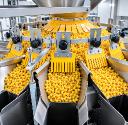
Modern pasta manufacturing requires more than high production capacity. Food manufacturers must coordinate processing, drying, product handling, and packaging to deliver finished products efficiently and consistently. When these operations are properly integrated, factories can improve material flow, manage production schedules, and prepare products for different markets.
An Industrial pasta packing line plays an important role in this process. It connects the final stages of manufacturing with the packaging operations required for storage, distribution, and retail presentation. For manufacturers planning a new facility or upgrading an existing plant, selecting compatible production and packaging equipment is an important investment decision.
KP AUTOMATIONS, an Indian manufacturer of pasta machinery with experience dating back to 1998, offers machinery solutions for pasta production, drying, and packaging requirements.
Why Industrial Pasta Packaging Needs Proper Planning
Packaging is one of the final stages of pasta manufacturing, but its importance extends throughout the supply chain. Properly packed pasta is easier to store, transport, distribute, and present to customers.
A well-planned packaging setup should match the production output and the characteristics of the finished product.
Manufacturers should consider:
-
Type of pasta being packaged.
-
Required pack weights and packaging formats.
-
Desired packaging speed.
-
Packaging material and sealing requirements.
-
Product handling before filling.
-
Integration with weighing and feeding systems.
-
Available factory space and operator access.
Planning these factors helps prevent mismatches between the production section and the packaging department.
Selecting an Automatic Pasta Packing Machine
An automatic pasta packing machine can help manufacturers streamline filling, weighing, and sealing operations. Depending on the configuration, packaging equipment may use weighing systems and vertical form-fill-seal arrangements to prepare individual retail or bulk packs.
Automation can offer several operational advantages:
Consistent filling: Suitable weighing systems help manage the quantity of pasta placed in each package.
Improved packaging workflow: Automated operations can reduce repetitive manual handling.
Production coordination: Packaging equipment can be selected to work with the output of upstream processing sections.
Flexible packaging formats: Appropriate configurations can support different pouch styles and pack weights.
Organized finished-product handling: A planned packaging arrangement can help manage the movement of packed products toward storage and dispatch.
The actual capabilities depend on the selected machine model and configuration. Buyers should confirm supported product types, pack sizes, speeds, and material requirements before purchasing.
Industrial Pasta Making Machine and Packaging Integration
An industrial pasta making machine is only one part of a complete manufacturing facility. To achieve an efficient production workflow, the extrusion section must be coordinated with drying, product handling, and packaging equipment.
The manufacturing process generally involves several stages:
-
Raw material preparation and mixing.
-
Dough processing and extrusion.
-
Shaping and cutting.
-
Drying and moisture reduction.
-
Product handling and inspection.
-
Weighing, filling, and sealing.
-
Finished-package storage and dispatch.
Each stage should be planned according to the required output and the characteristics of the pasta being manufactured.
For example, a high-output extrusion section requires sufficient drying and packaging capacity. If the downstream equipment cannot handle the incoming product, finished pasta may accumulate and interrupt the production schedule.
Coordinated machinery selection helps manufacturers build a more balanced facility.
The Importance of an Automatic Pasta Dryer
Drying is a critical stage between pasta shaping and final packaging. Freshly extruded pasta contains moisture that must be reduced under appropriate conditions to achieve the required finished-product characteristics.
An automatic pasta dryer helps manage the drying process through controlled operating conditions. Temperature, humidity, airflow, and drying duration all influence the final product.
A suitable drying system can support:
-
Controlled moisture reduction.
-
More consistent drying conditions.
-
Better coordination with extrusion output.
-
Organized movement of pasta through the drying section.
-
Reduced need for repetitive manual intervention.
Drying requirements vary according to pasta shape, product thickness, production capacity, and processing conditions. Therefore, manufacturers should select a dryer that matches their complete production arrangement.
Choosing the Right Pasta Dryer for Production Requirements
A suitable pasta dryer helps manufacturers maintain the desired quality and stability of finished pasta.
Different facilities may use room dryers, static dryers, conveyor dryers, or continuous drying systems. The choice depends on the production process, available factory space, and required output.
When comparing drying solutions, manufacturers should evaluate:
Capacity: The drying system should be compatible with the extrusion section's output.
Temperature control: Appropriate temperature management supports the required drying process.
Humidity management: Moisture conditions need to be controlled according to the pasta product.
Air circulation: Proper airflow helps distribute drying conditions across the product.
Energy consumption: Operating costs should be included in long-term equipment planning.
Maintenance access: Cleaning, inspection, and servicing should be practical for factory operators.
A properly matched drying system helps maintain a more consistent flow from extrusion to packaging.
How a Pasta Belt Dryer Supports Continuous Operations
A pasta belt dryer is a drying arrangement that uses a moving conveyor belt to transport pasta through a controlled drying environment.
Depending on the design, belt-based systems can be configured for different production requirements. They can support organized product movement and may be integrated into larger manufacturing lines.
For manufacturers considering this type of equipment, important evaluation points include:
-
Belt configuration and product-handling requirements.
-
Drying capacity and residence time.
-
Temperature and humidity control.
-
Air distribution throughout the drying chamber.
-
Compatibility with the pasta shapes being manufactured.
-
Integration with upstream and downstream equipment.
The right design depends on the intended production process. Manufacturers should discuss the technical configuration with their machinery supplier rather than assuming that every belt dryer is suitable for every pasta product.
Building a Connected Production and Packing Workflow
A complete pasta manufacturing facility should be planned as an integrated system. Production machinery, drying equipment, and packaging equipment must work together to support the required output.
A practical planning process includes:
Assessing production capacity: Establish the required output before selecting individual machines.
Matching equipment throughput: Ensure that extrusion, drying, and packaging capacities are compatible.
Planning product movement: Consider how pasta travels between manufacturing stages.
Allowing maintenance space: Provide suitable access for cleaning and servicing.
Considering future expansion: Plan the facility so that additional capacity can be considered when business requirements change.
This approach can help reduce production bottlenecks and create a more organized factory environment.
KP AUTOMATIONS: Pasta Production, Drying, and Packing Solutions
KP AUTOMATIONS has been involved in pasta machinery manufacturing since 1998. Its product portfolio includes short-cut and long-cut pasta production lines, pasta drying systems, packaging equipment, and related machinery solutions.
The company provides equipment options for manufacturers with different production capacities and product requirements. Businesses planning a new manufacturing facility or upgrading existing operations can evaluate machinery according to their product range, factory layout, automation objectives, and production targets.
For manufacturers looking to coordinate extrusion, drying, and packaging, understanding the compatibility of each section is an important part of project planning.
Conclusion
An efficient pasta manufacturing facility depends on the coordination of production, drying, and packaging operations. An Industrial pasta packing line helps manage the final stage of manufacturing, while an automatic pasta packing machine can streamline weighing, filling, and sealing activities.
Equally important are the industrial pasta making machine and drying equipment that supply the packaging section. Selecting an automatic pasta dryer, suitable pasta dryer, or pasta belt dryer requires careful consideration of capacity, product requirements, and factory configuration.
With experience dating back to 1998, KP AUTOMATIONS provides machinery solutions for businesses seeking to develop coordinated and dependable pasta manufacturing operations.