
Blogs
What Makes an E-Commerce Website Successful? A Practical Guide to Development and Growth
By deedokit, 2026-09-02
Launching an online store has become easier than ever. What remains challenging, however, is building an e-commerce website that customers genuinely enjoy using and that continues to support a business as it grows.
A successful online store is not simply a website with product images and a checkout button. It is a complete digital environment where customers discover products, evaluate their options, make secure payments, and interact with a brand. Every stage of that journey matters.
This is where professional ecommerce site development becomes important. A carefully developed website considers functionality, design, performance, security, and customer behaviour from the beginning.
For businesses planning to sell online, understanding what makes an e-commerce website effective can help them make better decisions before investing in development.
An E-Commerce Website Should Be Built Around the Customer
One of the most common mistakes businesses make when developing an online store is focusing entirely on how the website looks. Visual design is certainly important, but appearance alone does not create a successful shopping experience.
Customers visit an online store with a purpose. They may already know what they want to buy, or they may still be comparing different products. In either case, the website should help them move forward without unnecessary difficulty.
This means products should be easy to find, categories should be clearly organized, and important information should be available without requiring customers to search through multiple pages.
A professional ecommerce web design company considers these details when planning a website. The objective is to create a platform that looks professional while also making the customer journey straightforward.
A website that is easy to use is more likely to encourage visitors to stay, explore products, and complete their purchases.
Website Structure Plays a Larger Role Than Many Businesses Expect
The structure of an e-commerce website affects almost every part of the customer experience.
Imagine visiting an online store with hundreds of products but no clear categories, search options, or filtering system. Even if the products are excellent, finding them would become frustrating.
A well-structured website helps customers understand where they are and where they need to go next. Categories, subcategories, search features, filters, product recommendations, and internal links should work together to create a logical experience.
Professional ecommerce design services can help businesses create a structure based on how customers actually browse and shop.
The same structure can also support the long-term growth of the website. As new products and categories are added, a well-planned foundation makes expansion easier to manage.
Product Pages Should Help Customers Make Decisions
A product page is one of the most important parts of an online store. It is often the point where a visitor decides whether to make a purchase or continue looking elsewhere.
For this reason, a product page should provide the information a customer genuinely needs.
Clear product names, accurate descriptions, high-quality images, pricing information, specifications, and delivery details can all contribute to a better decision-making process.
The information should also be presented clearly. A customer should not have to scroll through unnecessary content to find essential details.
Additional features such as product reviews, related products, and frequently asked questions may also be useful depending on the type of business.
The goal is not to overload every page with features. Instead, the website should provide enough information to make the purchasing process feel clear and trustworthy.
Choosing the Right Platform for Your Business
The platform used for an online store can influence how easily the business manages products, processes orders, and introduces new features.
There is no single platform that is suitable for every business. The right choice depends on the size of the business, the number of products, the required functionality, the available budget, and future plans.
Some businesses require a simple platform that allows them to manage their store with minimal technical knowledge. Others need greater flexibility and more advanced customization.
When Shopify Can Be a Suitable Choice
Shopify is often considered by businesses that want a structured platform with built-in e-commerce functionality.
It provides tools for managing products, orders, and payments, which can make it a practical option for many online businesses.
However, a standard store setup may not always provide the strongest brand experience. Professional Shopify web design services can help businesses develop a store that feels more closely aligned with their identity and requirements.
Customizing layouts, improving navigation, organizing product pages, and creating a consistent visual experience can help a Shopify store stand apart from a basic template-based website.
The right approach should always depend on the business and its customers rather than simply following the latest platform trends.
When WordPress Offers Greater Flexibility
Some businesses need an e-commerce website that does more than sell products. They may also require extensive content, blogs, service pages, resources, or a more customized website structure.
In these situations, WordPress can provide greater flexibility when used with suitable e-commerce functionality.
Professional WordPress website design services can help create a website that combines content and commerce within one platform.
For example, a business may use its website to publish informative articles, attract visitors through search engines, and guide those visitors toward relevant products or services.
This approach can be particularly useful for brands that want to develop a strong content strategy alongside their online sales activities.
As with any platform, proper development and ongoing management are necessary to maintain website security and performance.
A Fast Website Creates a Better Shopping Experience
Website speed is often underestimated during e-commerce development.
Customers generally expect pages to load quickly. When a website takes too long to respond, visitors may become impatient and leave before viewing the available products.
Slow performance can result from several issues, including oversized images, unnecessary scripts, poor hosting, and inefficient website development.
Performance should therefore be considered throughout the development process rather than addressed only after the website has been launched.
Optimizing images, maintaining efficient code, and using suitable hosting infrastructure can help create a faster and more reliable experience.
A well-performing website benefits both customers and the business by making the shopping process more convenient.
Security Is Essential for Customer Confidence
E-commerce websites handle important customer information, including personal and payment details. As a result, security should never be treated as an optional feature.
Customers are more likely to complete a purchase when they feel confident that the website is trustworthy.
Secure payment gateways, properly configured security measures, and clear privacy information can help establish this confidence.
Businesses should also ensure that their websites are regularly reviewed and updated. Outdated software or neglected technical issues can create unnecessary security risks.
A professional development approach considers security from the beginning and continues to address it after the website goes live.
The Checkout Process Should Remove, Not Create, Obstacles
The checkout process is the final stage before a customer completes a purchase. Unfortunately, it is also where many businesses lose potential sales.
A checkout process that requires unnecessary steps or requests too much information can discourage customers from continuing.
The process should be straightforward and transparent. Customers should clearly understand what they are purchasing, how much they are paying, and when they can expect their order.
Providing convenient payment options and clearly explaining shipping costs can also make the experience more comfortable.
Good e-commerce development focuses on reducing unnecessary obstacles throughout the buying journey, particularly at the checkout stage.
SEO Should Be Part of the Development Process
An e-commerce website must not only function well; it must also be discoverable.
Search engine optimization is most effective when it is considered during the planning and development stages of a website.
A logical website structure, clear page hierarchy, relevant product content, meaningful URLs, and strong internal navigation can all support search visibility.
Technical factors such as website speed and mobile responsiveness are equally important.
Businesses that integrate SEO considerations into their ecommerce site development process can avoid having to make significant structural changes later.
The goal should be to build a website that provides value to customers while remaining clear and accessible to search engines.
An E-Commerce Website Requires Ongoing Attention
Launching a website is an important milestone, but it is not the final stage of the process.
An online store must continue to evolve. Products may change, customer expectations may develop, and new business requirements may arise.
Regular website maintenance helps ensure that an e-commerce website remains secure, functional, and up to date.
Maintenance may involve updating software, reviewing website performance, fixing technical issues, and making improvements based on customer behaviour.
A website that is regularly maintained is better prepared to support the business over the long term.
Building an E-Commerce Website with Long-Term Goals in Mind
Businesses should approach e-commerce development as a long-term investment rather than a one-time project.
A website may begin with a limited number of products but eventually expand into new categories, markets, or customer segments. The development approach should therefore provide room for future growth.
At Deedok, we believe that effective digital solutions begin with understanding the requirements of the business. Every company has different products, customers, and objectives, which means a one-size-fits-all approach is rarely the most effective solution.
Whether you are developing a new online store or improving an existing one, careful planning can help create a website that is practical, professional, and prepared for future requirements.
Final Thoughts
A successful e-commerce website is the result of many elements working together. Good design attracts attention, but usability keeps customers engaged. Strong functionality supports the purchasing process, while performance and security help create trust.
From selecting the right platform to creating a simple checkout process, every decision made during ecommerce site development can influence the future performance of an online business.
Whether a business requires Shopify web design services, WordPress website design services, or a completely customized e-commerce platform, the focus should remain on the people who will ultimately use the website.
When a business prioritizes its customers, plans for future growth, and invests in professional development, an e-commerce website can become much more than an online store. It can become an important foundation for lasting digital growth.
Website Company Guide: Design, Online Websites, Social Media Marketing & E-Commerce
By Deedok IT Solutions, 2026-09-02
In today’s digital-first world, having a professional online presence is essential for businesses of every size. Customers often search online before contacting a company, purchasing a product, or choosing a service provider. A well-designed website can help a business establish credibility, communicate its services, attract visitors, and generate new opportunities.
Choosing the right website company is an important decision because website development involves much more than creating attractive pages. A successful website should combine professional design, responsive development, search engine optimization, social media marketing, useful content, security, and ongoing maintenance.
Whether you are starting a new business or improving an existing online presence, understanding website designing services, online websites, and e commerce web design can help you make better decisions.
Why a Professional Website Is Important
A website acts as a digital representation of your business. Unlike a physical office, an online website can be accessed by customers at any time from almost anywhere.
A professional website can help businesses:
- Build credibility and trust
- Explain products and services
- Generate leads
- Increase brand awareness
- Reach customers outside their local area
- Support digital marketing campaigns
- Provide customer information 24/7
However, simply having a website does not guarantee success. The website needs to be fast, mobile-friendly, easy to navigate, visually appealing, and useful to visitors.
Choosing the Right Website Company
The right website company can help turn your business ideas into a functional online platform. Before hiring a company, understand what services it provides and whether those services match your requirements.
A professional website development company may offer:
- Website design
- Website development
- Responsive design
- E-commerce development
- SEO
- Social media marketing
- Content creation
- Website maintenance
- Website security
- Digital marketing
You should also review previous projects and understand how the company approaches communication, revisions, maintenance, and future updates.
Instead of selecting a company only because it offers the lowest price, consider the quality, functionality, scalability, and long-term value of the website.
Website Designing Services for Modern Businesses
Professional website designing services focus on creating websites that are visually appealing and easy to use. A good design should represent your brand while making it simple for visitors to find important information.
Important design elements include:
Responsive Design
Your website should work correctly on smartphones, tablets, laptops, and desktop computers.
Clear Navigation
Visitors should be able to move between pages without confusion.
Consistent Branding
Colors, fonts, images, logos, and other visual elements should create a consistent brand identity.
Strong Calls to Action
Buttons such as “Contact Us,” “Get a Quote,” “Shop Now,” or “Learn More” can guide visitors toward useful actions.
Fast Performance
A beautiful website is not effective if it takes too long to load. Images, scripts, and other elements should be optimized for performance.
Website Design and Social Media Marketing
A website and social media should work together as part of a broader digital marketing strategy. This is where website design and social media marketing become particularly valuable.
Social media platforms can help businesses attract attention and send visitors to their websites. At the same time, the website gives those visitors more detailed information about the company, products, and services.
For example, a business could share a new blog article on social media. Interested users can click through to the website to read the complete article and explore related services.
A strong strategy can follow this path:
Social Media → Website → Useful Content → Product or Service → Customer Action
Your website should therefore be designed with social media traffic in mind. Landing pages should load quickly, content should be easy to share, and important information should be easy to find.
How Social Media Supports Website Growth
Social media marketing can help increase awareness of your website and brand. Businesses can use platforms such as Facebook, Instagram, LinkedIn, Pinterest, and other relevant channels to share content.
Some useful social media content includes:
- Blog posts
- Product announcements
- Company updates
- Customer testimonials
- Educational tips
- Videos
- Infographics
- Special offers
However, social media should not replace your website. Your website remains a central platform where you have greater control over your business information, content, products, and customer experience.
Best Sites to Make a Website
People often search for the best sites to make a website when they want to build a website without extensive coding knowledge.
Different website-building platforms serve different purposes. Some are designed for beginners, while others provide advanced customization and development options.
When comparing website-building platforms, look at:
- Ease of use
- Design templates
- Customization
- SEO features
- Mobile responsiveness
- E-commerce support
- Security
- Hosting
- Plugin or integration options
- Scalability
For a simple business website, an easy-to-use platform may be sufficient. Businesses with complex requirements may benefit from custom website development.
The “best” platform depends on your business goals rather than simply choosing the most popular option.
Understanding Online Websites
The term online websites covers a wide range of websites created for different purposes. A website could be an informational business site, online store, portfolio, blog, booking platform, or custom web application.
Some common website types include:
Business Websites
These introduce a company, its services, team, and contact information.
Portfolio Websites
These are useful for designers, photographers, developers, writers, and other professionals who want to showcase their work.
Blog Websites
Blogs provide articles, guides, news, opinions, and educational content.
E-Commerce Websites
These allow businesses to sell products and services online.
Service Websites
These focus on explaining specific services and generating customer inquiries.
The type of website you choose should depend on what you want your online presence to achieve.
E-Commerce Web Design for Online Stores
Online shopping continues to be an important part of modern business. If you sell products online, e commerce web design should be one of your major priorities.
An e-commerce website needs to make the purchasing process simple and secure. Customers should be able to find products, understand their features, add them to a shopping cart, and complete checkout without unnecessary complications.
Important e-commerce design features include:
- Product categories
- Search functionality
- High-quality product images
- Detailed product descriptions
- Pricing information
- Shopping cart
- Secure checkout
- Multiple payment options
- Customer reviews
- Order information
- Mobile-friendly design
A complicated checkout process can cause customers to abandon their purchases. Therefore, e-commerce websites should focus heavily on usability.
Mobile-Friendly E-Commerce Design
Many customers browse and shop using smartphones. This makes responsive e commerce web design especially important.
Product images should display correctly on smaller screens, buttons should be easy to tap, and checkout forms should not be difficult to complete.
Mobile users should be able to move from product discovery to purchase without unnecessary steps.
A mobile-friendly online store can also provide a better overall customer experience and make your digital marketing campaigns more effective.
The Importance of Blog Content on Business Websites
A business website should not only contain service and product pages. Adding a blog can provide useful information to customers and create additional opportunities to attract visitors.
A blog allows a website company or business to publish educational and informative content related to its industry.
For example, a web design business could publish articles about:
- Website design trends
- SEO tips
- Social media marketing
- E-commerce strategies
- Website security
- Mobile-friendly design
- Website maintenance
Blog content can also support SEO because each useful article can target relevant questions and topics that potential customers search for online.
The key is to create helpful content instead of publishing articles only to insert keywords.
SEO and Website Development
SEO should be considered while developing a website rather than being treated as an afterthought.
SEO-friendly website development can include:
- Descriptive URLs
- Proper headings
- Optimized images
- Mobile responsiveness
- Fast loading pages
- Internal linking
- Useful content
- Secure HTTPS
- Metadata
- Logical website structure
When SEO and design are planned together, businesses can create websites that are both user-friendly and easier for search engines to understand.
Website Maintenance After Launch
Launching a website is only the beginning. Regular maintenance helps keep the website secure, functional, and up to date.
Website maintenance can include:
- Updating software
- Updating plugins and themes
- Checking broken links
- Creating backups
- Monitoring security
- Improving website speed
- Updating old content
- Testing forms and buttons
- Reviewing website performance
For e-commerce websites, maintenance is even more important because customers depend on the website for product information, payments, and orders.
How to Build a Successful Online Presence
A strong digital presence requires several elements working together.
Your website should provide useful information and a smooth user experience. Your social media channels can help attract attention and visitors. Your blog can provide valuable information and support SEO. Your e-commerce platform can make online shopping convenient.
A successful strategy can therefore combine:
Professional Website + SEO + Blog Content + Social Media + E-Commerce + Maintenance
Each element supports the others and contributes to a stronger online presence.
What Does a Digital Marketing Ads Agency Actually Do? A Practical Guide
By DeedITSolutions_, 2026-09-02
If you've ever typed "digital marketing ads agency" into Google after a frustrating month of ad spend with little to show for it, you're not alone. Most business owners reach out to an agency not because they don't understand marketing, but because they don't have the time to test, track, and adjust campaigns while also running their business.
This guide breaks down what these agencies actually do, how digital advertising works, and how to think about building an advertising strategy that fits your business — whether you're a startup, a local shop, or an online store trying to grow past word-of-mouth.
What a Digital Marketing Ads Agency Does
At its core, a digital marketing ads agency manages paid advertising on your behalf. That includes planning campaigns, writing ad copy, designing creatives, choosing where ads appear, and adjusting spend based on results.
A typical scope of work includes:
- Researching your target audience and competitors
- Setting up and managing Google Ads, social media advertising, or both
- Writing and testing ad copy and creative variations
- Monitoring performance and adjusting budgets
- Reporting on results like conversion rate and return on ad spend
Some agencies specialize in one channel, like PPC campaigns on Google. Others handle a mix of paid advertising across search engines, social platforms, and display networks. The right fit depends on where your customers actually spend their time.
How Digital Advertising Helps Businesses Reach Customers
Organic reach — through SEO, social posts, or referrals — takes time to build. Digital advertising shortens that timeline by putting your business directly in front of people who are already searching for what you offer, or who match the profile of your ideal customer.
For example, a local bakery running Google Ads can appear when someone searches "birthday cakes near me," while an e-commerce clothing brand might rely more on social media advertising to catch people while they're browsing rather than searching.
This is the practical value of online advertising: it doesn't wait for discovery. It creates it.
Different Types of Digital Ads
Not all ads work the same way, and understanding the basic categories helps you make sense of what an agency proposes.
Search ads (like Google Ads) appear when someone types a relevant query. These work well for high-intent searches — people ready to buy or book.
Social media advertising appears in feeds and stories on platforms like Instagram, Facebook, or TikTok. These are better suited for building awareness or reaching people who aren't actively searching yet.
Display ads show up as banners across websites and apps. They're generally used for brand awareness rather than direct conversions.
Video ads run on platforms like YouTube and within social feeds, useful for explaining a product or building trust before someone buys.
Retargeting ads reach people who already visited your website but didn't convert. These often have some of the strongest performance because the audience is already familiar with your brand.
How Businesses Can Choose the Right Advertising Strategy
There's no single "best advertising" formula that works for every business. The right approach depends on your product, your budget, your sales cycle, and where your customers already are.
A few practical questions worth asking before choosing a strategy:
- Are customers actively searching for what I sell, or do I need to create demand?
- What's my average order value, and can it support paid acquisition costs?
- Do I need immediate sales, or am I building long-term brand awareness?
- Which platforms does my actual audience use most?
A business selling emergency plumbing services will likely lean on search ads, since people search urgently when they need help. A new skincare brand, on the other hand, might need social media advertising first to introduce itself before search demand even exists.
Why Targeting and Audience Research Matter
Ad targeting is often where campaigns succeed or fail — more than the ad creative itself. Even a well-designed ad shown to the wrong audience will underperform.
Good targeting starts with research: understanding who buys from you, why they buy, and what objections they have before converting. This might include reviewing past customer data, testing different audience segments, or narrowing targeting by location, interests, or behavior.
Businesses that skip this step often waste budget showing ads to people who were never going to convert in the first place, regardless of how good the offer looks.
The Role of Ad Creatives and Copy
Once targeting is right, the creative and copy determine whether someone stops scrolling or clicks away. This includes the headline, the image or video, and the call to action.
Effective ad copy tends to:
- Speak directly to a specific problem or desire
- Avoid vague claims and focus on what the product actually does
- Include a clear, low-friction next step
- Match the tone of the platform it's running on
A LinkedIn ad written like a casual Instagram caption will feel out of place, and vice versa. Matching tone to platform is a small detail that often affects performance more than people expect.
How Businesses Can Measure Advertising Performance
Running ads without tracking results is one of the most common ways businesses lose money on paid advertising. At minimum, it helps to track:
- Conversion rate — the percentage of people who take the desired action after clicking
- Cost per click and cost per conversion — what you're actually paying for results
- Return on ad spend (ROAS) — revenue generated compared to what was spent
- Click-through rate — how many people engage with the ad after seeing it
These numbers tell a more honest story than impressions or likes. A campaign can look impressive in reach and still lose money if conversions don't follow.
Common Advertising Mistakes to Avoid
A few mistakes show up repeatedly across businesses new to digital advertising:
- Turning campaigns off too early, before there's enough data to judge performance
- Targeting too broadly, which spreads budget thin across uninterested audiences
- Ignoring mobile users, even though most traffic now comes from phones
- Sending traffic to a weak landing page, which undoes good ad targeting
- Focusing only on vanity metrics like impressions instead of actual conversions
Avoiding these issues often matters more than finding some hidden advertising trick. Consistency and measurement tend to outperform guesswork.
Conclusion
A digital marketing ads agency isn't magic — it's a structured way to plan, run, and improve paid advertising so it doesn't rely on trial and error alone. Whether you handle advertising in-house or bring in outside help, the fundamentals stay the same: understand your audience, choose the right channels, write clear ad copy, and measure what actually matters.
There's no universal "best advertising" strategy, only the one that fits your business, your customers, and your goals at this stage of growth. Getting that right takes testing and patience, but it's a far more reliable path than chasing the latest trend.
FAQs
1. What does a digital marketing ads agency actually do day-to-day? They plan, launch, and manage paid ad campaigns — including audience research, ad creation, budget management, and performance reporting — across platforms like Google Ads and social media.
2. Is paid advertising worth it for a small business? It can be, especially when organic growth is slow. The key is matching the ad type to your sales cycle and tracking conversion rate and ROAS closely so spend doesn't outpace results.
3. How much should a business budget for digital advertising? There's no fixed number — it depends on your industry, average order value, and goals. Many businesses start small, test performance, and scale budget once a campaign proves profitable.
4. What's the difference between Google Ads and social media advertising? Google Ads targets people actively searching for something, making it strong for high-intent buyers. Social media advertising reaches people based on interests and behavior, which works well for building awareness before demand exists.
5. How long does it take to see results from PPC campaigns? Some campaigns show early signals within a couple of weeks, but reliable data for optimization usually takes longer. Turning campaigns off too soon is a common mistake that prevents accurate evaluaion.

Social Media Marketing Agency for Ecommerce | Deedok IT Solutions
Running an ecommerce business today is about much more than simply putting your products online. People discover products while scrolling through social media, watch videos before making a purchase, check reviews and creator recommendations, and often message a brand before placing an order. That is where a strong social media strategy can make a real difference.
Deedok IT Solutions helps ecommerce brands use social media to get noticed, connect with the right audience, and turn interest into actual customers. We create social media strategies that are built around your products, your customers, and the way your brand wants to grow.
We don't believe in posting content just for the sake of staying active. Every post, video, advertisement, and campaign should have a purpose. Sometimes that purpose is introducing your product to new customers. Sometimes it is building trust, bringing previous visitors back, generating enquiries, or increasing sales. We look at the bigger picture before deciding what your brand needs.
Social Media That Helps Ecommerce Brands Grow
Ecommerce customers want to see products in action. They want to know how something looks, how it works, what other people think about it, and whether it is actually worth buying.
That is why we focus on content that feels natural and useful. From product videos and Instagram Reels to customer stories, offers, educational posts, and UGC (user-generated content), we help your brand communicate with customers in a way that doesn't feel like constant advertising.
Short-form video has become particularly important for ecommerce. Current research from Meta shows that Reels and creator-led content are playing a major role in product discovery and purchase decisions among Indian consumers.
Social Commerce and Product Discovery
The way people shop is changing. Instead of searching for a product first, many customers now discover something interesting while browsing social media and then decide whether they want to learn more.
This is where social commerce comes in.
We help ecommerce businesses create content and campaigns designed to move customers naturally from discovery to consideration and, ultimately, purchase. Whether someone discovers your product through a Reel, creator content, paid advertisement, or a recommendation, the goal is to make the journey simple and engaging.
Creator Marketing and UGC
People generally trust real experiences more than polished advertisements. A creator showing how they use your product or a genuine customer sharing their experience can make your brand feel more relatable.
Our creator marketing and UGC-focused strategies help ecommerce brands work with relevant creators and develop content that feels authentic to the audience. The focus isn't simply on finding someone with a large following. We look for creators whose audience, style, and interests make sense for your product.
AI-Powered Social Media Marketing
AI is becoming a bigger part of digital marketing, including ecommerce. It can help marketers understand audiences, identify patterns, test creative ideas, personalize campaigns, and improve advertising performance.
At Deedok IT Solutions, we see AI-powered marketing as a useful tool—not a replacement for human creativity. We combine technology and data with real market understanding to create campaigns that still feel relevant and human.
Performance Marketing for Ecommerce
Getting likes and followers is nice, but ecommerce brands ultimately need sales.
Our performance marketing approach focuses on measurable business goals such as product sales, website traffic, leads, customer acquisition, and return on advertising spend. We use campaign data to understand which audiences, products, creatives, and messages are performing well and then improve campaigns accordingly.
The goal is not to spend more on advertising. It is to make your advertising budget work smarter.
WhatsApp Marketing and Customer Conversations
For many Indian businesses, WhatsApp has become an important part of the customer journey. Customers may use it to ask about products, check availability, understand offers, or communicate with a business before buying.
That makes WhatsApp marketing a valuable addition to an ecommerce strategy. Meta's 2026 research highlights messaging as an increasingly important part of India's product discovery and commerce journey.
We can help brands use conversational marketing to stay connected with customers and make the buying journey more personal.
Why Choose Deedok IT Solutions?
At Deedok IT Solutions, we understand that every ecommerce brand is different. A fashion brand doesn't need the same social media strategy as a beauty brand, electronics store, home decor business, or D2C startup.
Our approach starts with understanding your products and customers. From there, we build a strategy around the platforms, content formats, audiences, and campaigns that make sense for your business.
Our ecommerce social media services can include:
- Social media strategy
- Instagram and Facebook marketing
- Reels and short-form video
- UGC and creator marketing
- Social commerce campaigns
- Paid social advertising
- Performance marketing
- Product-focused content
- AI-assisted marketing
- WhatsApp marketing
- Retargeting campaigns
- Audience research and campaign analysis
We also keep an eye on what is actually happening with your campaigns. Instead of relying only on likes and followers, we look at meaningful metrics such as engagement, website visits, conversions, customer acquisition, and sales.
Let's Grow Your Ecommerce Brand
Social media can be one of the strongest growth channels for an ecommerce business when it is used properly. The right content can introduce your product to thousands of potential customers, build trust, encourage people to visit your website, and help turn interest into sales.
Deedok IT Solutions helps ecommerce brands bring all of these pieces together—from short-form video and creator marketing to social commerce, UGC, AI-powered marketing, WhatsApp marketing, and performance advertising.
If you're looking for a social media marketing agency for ecommerce, Deedok IT Solutions can help you create a strategy that feels authentic to your brand while staying focused on the thing that matters most: growing your business.
Global Automation Identification System Market Gains Momentum as Smart Manufacturing, Traceability, and Industrial Automation Drive Demand
By mayur123, 2026-09-02
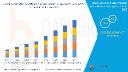
According to the latest report published by Data Bridge Market Research, the Automation Identification System Market
CAGR Value
The Automation Identification System Market analysis report helps strengthen organization and make better decisions for driving the business on the right track. It is a proficient and a comprehensive report that focuses on primary and secondary market drivers, market share, leading segments and geographical analysis. Market research reports like this one surely helps to reduce business risk and failure. The market share of major competitors on global level is studied where key areas such as Europe, North America, Asia Pacific and South America are covered in this market research report. Research and analysis is carried out with one step or the combination of several steps depending upon the client need and the business requirements.
Stay informed with our latest keyword market research covering strategies, innovations, and forecasts. Download full report: https://www.databridgemarketresearch.com/reports/global-automation-identification-system-market
Automation Identification System Market Segmentation and Market Companies
Segments
- By Component: The global automation identification system market can be segmented by component into hardware, software, and services. The hardware segment includes barcode scanners, RFID readers, vision systems, and others. The software segment encompasses various software solutions for data management, automation, and integration. The services segment includes consulting, implementation, and support services.
- By Technology: In terms of technology, the market can be segmented into barcode, RFID, biometrics, smart cards, and others. Barcode technology remains one of the most widely used identification systems, while RFID technology is gaining traction due to its ability to track and identify items in real-time. Biometrics and smart cards are also being increasingly adopted for secure identification purposes.
- By End-User Industry: The automation identification system market can be segmented by end-user industry into manufacturing, healthcare, retail, transportation & logistics, and others. Manufacturing industries extensively utilize automation identification systems for inventory management, asset tracking, and quality control. Healthcare facilities rely on these systems for patient identification and medication management. In the retail sector, automation identification systems are used for streamlining checkout processes and inventory management.
Market Players
- Honeywell International Inc.: Honeywell is a key player in the global automation identification system market, offering a wide range of hardware and software solutions. The company's products are known for their reliability and innovation in the field of automation identification.
- Zebra Technologies Corporation: Zebra Technologies provides barcode and RFID solutions for various industries, including manufacturing, retail, and healthcare. The company's diverse product portfolio and focus on customer-centric solutions have solidified its position in the market.
- SATO Holdings Corporation: SATO Holdings offers a comprehensive range of auto-ID solutions, including barcode printers, RFID tags, and software. The company's solutions cater to the specific needs of industries such as healthcare, transportation, and retail.
- Datalogic S.p.A.: Datalogic is a prominent player in the automation identification system market, known for its high-performance barcode scanners and vision systems. The company's advanced technology solutions have made it a preferred choice for businesses looking to enhance their operational efficiency.
- Rockwell Automation, Inc.: Rockwell Automation specializes in industrial automation and control systems, including identification and tracking solutions. The company's expertise in integration and seamless connectivity has positioned it as a leading player in the market.
The global automation identification system market is witnessing significant growth due to the increasing adoption of advanced technologies across various industries. One of the emerging trends in the market is the integration of Internet of Things (IoT) and artificial intelligence (AI) with automation identification systems to enhance operational efficiency and decision-making processes. IoT-enabled devices can provide real-time data on inventory, assets, and processes, allowing businesses to make informed decisions quickly. AI algorithms can analyze this data to predict potential issues or optimize workflows, further improving overall productivity.
Moreover, the growing emphasis on enhancing supply chain visibility and efficiency is driving the demand for automation identification systems in the transportation and logistics sector. With the rise of e-commerce and globalization, companies are seeking solutions to track and manage goods across the supply chain with greater accuracy and speed. Automation identification systems, such as RFID and barcode technology, play a crucial role in enabling real-time tracking, inventory management, and automated data capture, leading to streamlined operations and reduced costs.
Furthermore, the increasing focus on regulatory compliance and product authentication is boosting the adoption of automation identification systems in industries such as healthcare and pharmaceuticals. These sectors require strict adherence to regulations related to product traceability, patient safety, and counterfeit prevention. Automation identification technologies, including biometrics and smart cards, are being leveraged to ensure secure and accurate identification of patients, medications, and medical devices, thereby improving safety standards and regulatory compliance.
Additionally, the market players in the automation identification system sector are continuously investing in research and development activities to introduce innovative solutions that cater to evolving customer demands. The integration of cloud-based systems, data analytics, and machine learning capabilities into automation identification systems is expected to drive market growth further. These advanced technologies enable real-time data access, improved scalability, and predictive analytics, empowering businesses to make data-driven decisions and enhance operational performance.
In conclusion, the global automation identification system market is poised for substantial growth driven by technological advancements, industry-specific requirements, and the efforts of key market players to innovate and deliver tailored solutions. The convergence of IoT, AI, and automation identification systems is reshaping the way businesses operate, enabling them to achieve higher levels of efficiency, accuracy, and compliance. As industries continue to digitalize and automate their processes, the demand for advanced automation identification solutions is expected to escalate, creating lucrative opportunities for market players and driving overall market expansion.The global automation identification system market is experiencing robust growth propelled by several key factors. One driving force is the increasing integration of advanced technologies such as IoT and AI into automation identification systems. By leveraging IoT-enabled devices to collect real-time data and employing AI algorithms to analyze this data, businesses can enhance operational efficiency and decision-making processes. This trend is reshaping industry operations, allowing for quicker decision-making and optimized workflows.
Another significant driver of market growth is the rising emphasis on supply chain visibility and efficiency, particularly in the transportation and logistics sector. With the surge in e-commerce and globalization, companies are seeking solutions to track and manage goods across the supply chain more accurately and rapidly. Automation identification systems like RFID and barcode technology play a vital role in facilitating real-time tracking, inventory management, and automated data capture, leading to streamlined operations and cost savings.
Moreover, the escalating focus on regulatory compliance and product authentication is fueling the adoption of automation identification systems in sectors such as healthcare and pharmaceuticals. Strict adherence to regulations concerning product traceability, patient safety, and counterfeit prevention is crucial in these industries. Automation identification technologies, including biometrics and smart cards, are being utilized to ensure secure and accurate identification of patients, medications, and medical devices, thereby enhancing safety standards and regulatory compliance.
Furthermore, market players in the automation identification system sector are continuously investing in research and development endeavors to introduce innovative solutions that align with evolving customer requirements. The incorporation of cloud-based systems, data analytics, and machine learning capabilities into automation identification systems is anticipated to propel market growth. These advanced technologies offer improved scalability, real-time data access, and predictive analytics, empowering businesses to make informed, data-driven decisions and enhance operational performance.
In conclusion, the global automation identification system market is poised for substantial expansion, driven by technological advancements, industry-specific needs, and the commitment of key market players to deliver tailored solutions. The amalgamation of IoT, AI, and automation identification systems is revolutionizing business operations, allowing for heightened levels of efficiency, accuracy, and compliance. As industries continue to embrace digitalization and automation, the demand for sophisticated automation identification solutions is predicted to rise, creating lucrative opportunities for market players and fostering overall market growth.
Frequently Asked Questions About This Report
What is the average order value (AOV) in the Automation Identification System Market industry?
Which product type is expected to witness the fastest growth through 2033?
How is the rising prevalence of [Condition/Industry Need] driving Automation Identification System Market demand?
Which distribution channel leads the global Automation Identification System Market?
What are the pain points for end-users in the current Automation Identification System Market?
What is the impact of IoT on the Automation Identification System Market landscape?
How do IP (Intellectual Property) rights protect Automation Identification System Market innovations?
What is the impact of Energy Crisis on the Automation Identification System Market?
What is the PESTLE analysis for the global Automation Identification System Market industry?
What growth opportunities exist in the Automation Identification System Market Mega-Trends?
What are the upcoming trends in the Automation Identification System Market for niche applications?
How is the Automation Identification System Market catering to the Gen Z demographic?
Browse More Reports:
Global Password Based Authentication Market
Global Soups Market
Global Hair Straightener Market
Global Hair Mask Market
Global Laxative Market
Global Veterinary Artificial Insemination Market
Global Artificial Turf Market
Global Steel Fiber Market
Global Zinc Fertilizers Market
Global Artificial Intelligence (AI) Insurtech Market
Global Magnetite Nanoparticles Market
Global Barrett’s Esophagus Market
Global Rice Based Infant Formula Market
Global Stump Cutter/Grinder Market
Global Pseudofolliculitis Barbae Market
Contact Us:
Data Bridge Market Research
US: +1 614 591 3140
UK: +44 845 154 9652
APAC : +653 1251 979
Email:- corporatesales@databridgemarketresearch.com

Online gaming has become increasingly accessible, giving users different ways to follow their favourite sports and explore digital casino entertainment. Cricket, football and eSports are among the popular categories that attract interest from online gaming audiences in India.
Crickso India is an online gaming platform that brings sports betting and casino-style gaming options together in one place. The platform focuses on providing users with access to different sports markets, including cricket and football, along with eSports and a selection of casino games.
Sports Betting Options
Cricket has a particularly strong following in India, and online sports platforms often provide different markets around major matches and tournaments. Depending on availability, users may find options related to match outcomes, player performances and other match events.
Football is another widely followed sport with numerous domestic and international competitions. eSports has also developed into a significant online entertainment category, covering competitive video games and organised tournaments.
Casino Gaming
Alongside sports-related markets, Crickso also features a variety of casino games. Online casino platforms can include different game categories, allowing users to explore various formats and styles of gameplay from a single website.
Users should always review the individual game rules, terms and conditions before participating. Availability of particular games and features may also vary depending on location and applicable regulations.
Responsible Online Gaming
Anyone considering online betting or casino gaming should understand that these activities involve financial risk. It is important to set a personal budget, avoid spending money that cannot be afforded to lose, and treat gaming as entertainment rather than a guaranteed way to make money.
Users should also check the legal requirements and age restrictions applicable in their location before accessing an online gaming service.
Why Online Gaming Platforms Continue to Attract Interest
The combination of sports coverage and casino entertainment has made online gaming platforms convenient for people who prefer having multiple categories available through one service. Platforms such as Crickso are part of this broader digital gaming landscape, offering users a range of sports and gaming options through an online environment.
As the online gaming industry continues to evolve, factors such as transparency, responsible gaming practices, clear terms and conditions, and user experience remain important considerations when evaluating any gaming platform.
SBCs can be a great source of rewards or a black hole for your FC 27 Coins, depending on how you approach them. Learning to evaluate SBC value in FC 27 keeps your balance healthy.
Evaluating SBC Value
Before completing any SBC, compare the cost of the required players against the value of the reward. If the reward is worth less than what you spend, skip it, because completing it loses you coins.
Using Untradeables
The smartest SBCs use untradeable players from your club. This reduces your out-of-pocket cost and turns cards you cannot sell into valuable rewards, dramatically improving the value.
The Pack Value Trap
Packs as rewards are a gamble, so do not overvalue them. A pack that could contain a star is worth far less on average than the coins you spend completing the SBC, so calculate realistically.
Focusing on Value SBCs
Some SBCs are genuinely profitable, offering rewards worth far more than their cost. Focus on these, especially when you can use untradeables, and skip the rest to protect your coins.
Frequently Asked Questions
How do I evaluate an SBC?
Compare the cost of required players against the real value of the reward.
Should I use untradeables in SBCs?
Yes. They reduce your cost and turn unsellable cards into valuable rewards.
Should I avoid pack rewards?
Do not overvalue packs, as they are a gamble with FIFA 27 Coins lower average value than you might think.
Dehydrated Vegetables Market Expands as Demand for Convenient, Shelf-Stable and Healthy Food Ingredients Rises
By komal234, 2026-09-02
"Executive Summary:
New comprehensive research on the Dehydrated Vegetables Market highlights promising growth prospects fueled by evolving consumer preferences and technological advancements. The latest market analysis projects a robust CAGR over the next five years, driven by increasing adoption across key sectors and expanding geographic reach. Market players are focusing on innovation and strategic partnerships to capitalize on emerging opportunities, positioning the Dehydrated Vegetables Market as a critical component in the broader industry landscape.
The study further identifies key trends shaping the market dynamics, including the rise of sustainable solutions and digital transformation initiatives. Regional insights reveal strong growth potential in North America and Asia-Pacific, supported by favorable regulatory environments and infrastructure development. This in-depth report offers valuable data and actionable insights for stakeholders, enabling informed decision-making and strategic planning to navigate the competitive terrain of the Dehydrated Vegetables Market.
Discover the latest trends, growth opportunities, and strategic insights in our comprehensive Dehydrated Vegetables Market report.
Download Full Report: https://www.databridgemarketresearch.com/reports/global-dehydrated-vegetables-market
Dehydrated Vegetables Market Overview
**Segments**
- **Product Type:** The dehydrated vegetables market can be segmented based on product type into flakes & granules, powder & blend, and others. Flakes & granules are finely chopped vegetables that retain their original flavor and nutritional content. Powder & blend products are widely used in soups, seasonings, sauces, and ready-to-eat meals.
- **Nature:** Dehydrated vegetables can be segmented based on nature into organic and conventional. The organic segment is witnessing significant growth due to the increasing consumer preference for organic and clean-label products.
- **Distribution Channel:** The market can also be segmented by distribution channel into direct sales and indirect sales. Indirect sales further include supermarkets/hypermarkets, convenience stores, e-commerce, and others. The increasing penetration of e-commerce platforms is driving the growth of the indirect sales segment in the dehydrated vegetables market.
**Market Players**
- **Olam International**
- **DMH Ingredients**
- **JAB Dried Vegetable**
- **Archer Daniels Midland Company**
- **Mercer Foods**
- **GreenField B.V.**
- **Sensient Technologies Corporation**
- **Ozone Naturals**
- **Silva International**
- **Batory Foods**
These key market players are actively involved in product launches, partnerships, acquisitions, and expansions to strengthen their market presence and expand their product portfolios in the global dehydrated vegetables market. The market is highly competitive, with players focusing on innovative packaging designs, technological advancements in the dehydration process, and strategic collaborations with retailers to enhance their distribution networks.
The global dehydrated vegetables market is experiencing steady growth due to factors such as increasing consumer preference for convenience foods, longer shelf life of dehydrated vegetables, and rising demand for natural food products. The market is also driven by the growing awareness regarding the health benefits of dehydrated vegetables, such as retention of nutrients and flavor. Additionally, the use of dehydrated vegetables in various applications like snacks, soups, sauces, and ready-to-eat meals is further boosting market growth.
The Asia Pacific region is witnessing significant growth in the dehydrated vegetables market, fueled by changing lifestyles, rapid urbanization, and increasing disposable incomes. Countries like China and India are major contributors to the market growth in this region. North America and Europe are also prominent markets for dehydrated vegetables due to the high adoption of convenience foods and the presence of key market players in these regions.
https://www.databridgemarketresearch.com/reports/global-dehydrated-vegetables-market The global dehydrated vegetables market is witnessing a surge in demand driven by multiple factors such as changing consumer lifestyles, increasing awareness about the health benefits of dehydrated vegetables, and the convenience they offer in various food applications. Market players are focusing on innovation in packaging designs and technological advancements in the dehydration process to cater to the evolving consumer preferences and create differentiation in the competitive landscape. Additionally, strategic collaborations with retailers and e-commerce platforms are enhancing the distribution networks for dehydrated vegetables, further propelling market growth.
One of the key trends impacting the market is the growing popularity of organic dehydrated vegetables as consumers are increasingly prioritizing organic and clean-label products. This shift towards organic options is driving market players to expand their organic product offerings to capitalize on this trend. Moreover, the rise of online platforms for purchasing dehydrated vegetables is providing consumers with increased convenience and access to a wider range of products, thereby boosting the overall market growth.
In terms of regional dynamics, the Asia Pacific region stands out as a significant growth market for dehydrated vegetables due to factors such as rapid urbanization, changing dietary habits, and rising disposable incomes. Countries like China and India, with their large populations and increasing demand for convenience foods, are driving the market growth in this region. North America and Europe remain key markets for dehydrated vegetables as well, owing to the established presence of major market players and the high adoption of convenience food products in these regions.
Looking ahead, the global dehydrated vegetables market is poised for continued growth with opportunities for market players to innovate in product offerings, expand into new markets, and leverage the growing consumer preference for health-conscious and convenient food options. With sustainability and health-consciousness becoming increasingly important for consumers, market players that can align their strategies with these trends are likely to succeed in the competitive landscape of the dehydrated vegetables market.The global dehydrated vegetables market is witnessing a transformation driven by evolving consumer preferences, technological advancements, and market dynamics. One of the key factors fueling market growth is the increasing demand for convenience foods due to changing lifestyles and busy schedules. Dehydrated vegetables offer a convenient solution as they have a longer shelf life compared to fresh produce, making them ideal for storage and easy to incorporate into various dishes. This convenience factor is attracting consumers, especially in urban areas, where time constraints often influence food choices.
Moreover, the rising awareness about the health benefits of dehydrated vegetables is also driving market growth. Consumers are becoming more health-conscious and are seeking natural and nutritious food options. Dehydrated vegetables retain a high level of nutrients and vitamins compared to canned or frozen alternatives, making them an attractive choice for health-conscious individuals. The market players are capitalizing on this trend by promoting the nutritional advantages of dehydrated vegetables through marketing campaigns and product labeling, further boosting consumer interest and demand.
Additionally, the market is experiencing innovation in packaging designs and technological advancements to enhance the overall consumer experience. Creative packaging designs not only attract consumers visually but also contribute to the product's shelf appeal, standing out among competitors on the retail shelves. Furthermore, advancements in the dehydration process are leading to improved product quality, taste, and texture, meeting consumer expectations for premium quality dehydrated vegetables.
Strategic collaborations with retailers and e-commerce platforms are playing a crucial role in expanding the distribution networks for dehydrated vegetables. E-commerce channels provide a convenient platform for consumers to access a wide range of products and make purchases from the comfort of their homes. Market players are leveraging these platforms to reach a broader audience and increase their market penetration. By aligning with key retail partners, companies can ensure product availability and visibility, driving sales and market growth.
In conclusion, the global dehydrated vegetables market is poised for continued growth, driven by factors such as convenience, health awareness, innovation, and strategic partnerships. Market players that can adapt to evolving consumer trends, focus on product quality and differentiation, and expand their distribution channels are likely to succeed in this competitive landscape. With the increasing emphasis on sustainability and health-conscious food choices, the market presents opportunities for innovation and growth, signaling a promising future for the dehydrated vegetables sector.
The Dehydrated Vegetables Market is highly fragmented, featuring intense competition among both global and regional players striving for market share. To explore how global trends are shaping the future of the top 10 companies in the keyword market.
Learn More Now: https://www.databridgemarketresearch.com/reports/global-dehydrated-vegetables-market/companies
Regional Outlook
North America:
The Dehydrated Vegetables Market in North America is driven by advanced technological infrastructure, strong consumer demand, and supportive government policies. The United States holds the largest share due to early adoption and robust investment.
Europe:
Europe showcases steady growth in the Dehydrated Vegetables Market, supported by strict regulatory frameworks, sustainability initiatives, and innovation-led economies. Key contributors include Germany, the U.K., and France.
Asia-Pacific:
Asia-Pacific is the fastest-growing region for the Dehydrated Vegetables Market, fueled by population growth, urbanization, and industrial expansion. China, India, and Japan are major markets with high potential.
Latin America:
Growth in Latin America is moderate but rising, driven by expanding middle-class populations and increasing awareness of Dehydrated Vegetables Market applications. Brazil and Mexico are the leading countries.
Middle East & Africa:
The Dehydrated Vegetables Market in this region is gaining momentum due to infrastructural developments, diversification efforts, and rising investments. The UAE, Saudi Arabia, and South Africa are key players.
Competitive Landscape
Future Trends— Global Dehydrated Vegetables Market
Upcoming Technologies:
The Dehydrated Vegetables Market will witness rapid adoption of cutting-edge technologies such as artificial intelligence, machine learning, the Internet of Things (IoT), blockchain, and automation. These technologies are expected to enhance operational efficiency, enable real-time data-driven decisions, and introduce innovative products and services.
Consumer Behavior Changes:
The Dehydrated Vegetables Market will be shaped by changes in consumer preferences toward offerings that are experience-driven, convenient, and personalized. Increasing demand for transparency, digital engagement, and value-driven purchases will push companies to innovate their marketing and product strategies.
Sustainability Trends:
Sustainability will be a critical focus, with consumers and regulators alike driving demand for eco-friendly materials, energy-efficient processes, and circular economy initiatives. Businesses are anticipated to prioritize green innovations to reduce carbon footprints and meet stricter environmental regulations.
Expected Innovations:
The market is expected to see significant innovations, including smart products, integration of advanced analytics for predictive insights, and development of new materials or solutions tailored to emerging needs. Collaboration between technology firms and industry leaders will accelerate these innovations.
Why This Report is Valuable
This report provides in-depth industry insights that help stakeholders understand the current market landscape, key drivers, challenges, and growth opportunities within the Dehydrated Vegetables Market. It offers regional and segment-wise forecasts that enable precise market planning and targeted investment strategies tailored to specific geographic areas and product/service segments.
The report includes comprehensive competitor benchmarking, allowing businesses to evaluate their position relative to key players, understand competitive strategies, and identify gaps or opportunities for differentiation. Additionally, it delivers actionable strategic recommendations based on market trends and data analysis to support informed decision-making, optimize business growth, and enhance market presence.
Top 15 FAQs About the Global Dehydrated Vegetables Market Research Report
- What key segments are analyzed in the Dehydrated Vegetables Market report?
- Which regions show the highest growth potential in the Dehydrated Vegetables Market ?
- What time frame does the Dehydrated Vegetables Market report cover for forecasts?
- What are the major drivers influencing the growth of the Dehydrated Vegetables Market?
- Who are the leading competitors in the Dehydrated Vegetables Market?
- How is market size estimated for the Dehydrated Vegetables Market?
- What research methodologies are used to compile the Dehydrated Vegetables Market report?
- Does the report discuss regulatory impacts on the Dehydrated Vegetables Market?
- Are emerging technologies covered in the Dehydrated Vegetables Market analysis?
- How does consumer behavior affect the Dehydrated Vegetables Market trends?
- What sustainability trends are impacting the Dehydrated Vegetables Market?
- Does the report include a SWOT analysis of key players in the Dehydrated Vegetables Market?
- How frequently is the Dehydrated Vegetables Market report updated?
- Can the Dehydrated Vegetables Market report be customized for specific business needs?
- What are the future opportunities and challenges identified in the Dehydrated Vegetables Market?
Browse More Reports:
https://www.databridgemarketresearch.com/jp/reports/north-america-compressed-natural-gas-cng-market
https://www.databridgemarketresearch.com/pt/reports/global-epoxides-market
https://www.databridgemarketresearch.com/es/reports/global-ai-powered-drug-delivery-systems-market
https://www.databridgemarketresearch.com/de/reports/global-moisture-wicking-fabrics-market
https://www.databridgemarketresearch.com/de/reports/global-canoe-and-kayak-market
https://www.databridgemarketresearch.com/de/reports/middle-east-and-africa-radioimmunoassay-market
https://www.databridgemarketresearch.com/de/reports/global-turmeric-oleoresin-market
https://www.databridgemarketresearch.com/de/reports/global-two-terminal-tvs-transient-voltage-suppressor-diode-market
https://www.databridgemarketresearch.com/de/reports/global-video-game-packaging-market
https://www.databridgemarketresearch.com/pt/reports/north-america-sensor-cleaning-system-market
About Data Bridge Market Research:
An absolute way to forecast what the future holds is to comprehend the trend today!
Data Bridge Market Research set forth itself as an unconventional and neoteric market research and consulting firm with an unparalleled level of resilience and integrated approaches. We are determined to unearth the best market opportunities and foster efficient information for your business to thrive in the market. Data Bridge endeavors to provide appropriate solutions to the complex business challenges and initiates an effortless decision-making process. Data Bridge is an aftermath of sheer wisdom and experience which was formulated and framed in the year 2015 in Pune.
Contact Us:
Data Bridge Market Research
US: +1 614 591 3140
UK: +44 845 154 9652
APAC : +653 1251 975
Email:- corporatesales@databridgemarketresearch.com
Tag
Dehydrated Vegetables Market Size, Dehydrated Vegetables Market Share, Dehydrated Vegetables Market Trend, Dehydrated Vegetables Market Analysis, Dehydrated Vegetables Market Report, Dehydrated Vegetables Market Growth, Latest Developments in Dehydrated Vegetables Market, Dehydrated Vegetables Market Industry Analysis, Dehydrated Vegetables Market Key Player, Dehydrated Vegetables Market Demand Analysis"
Cystoisospora Infection Market Advances with Growing Focus on Parasitic Disease Diagnosis and Treatment
By komal234, 2026-09-02
Executive Summary:
New comprehensive research on the Cystoisopora Infection Market highlights promising growth prospects fueled by evolving consumer preferences and technological advancements. The latest market analysis projects a robust CAGR over the next five years, driven by increasing adoption across key sectors and expanding geographic reach. Market players are focusing on innovation and strategic partnerships to capitalize on emerging opportunities, positioning the Cystoisopora Infection Market as a critical component in the broader industry landscape.
The study further identifies key trends shaping the market dynamics, including the rise of sustainable solutions and digital transformation initiatives. Regional insights reveal strong growth potential in North America and Asia-Pacific, supported by favorable regulatory environments and infrastructure development. This in-depth report offers valuable data and actionable insights for stakeholders, enabling informed decision-making and strategic planning to navigate the competitive terrain of the Cystoisopora Infection Market.
Discover the latest trends, growth opportunities, and strategic insights in our comprehensive Cystoisopora Infection Market report.
Download Full Report: https://www.databridgemarketresearch.com/reports/global-cystoisopora-infection-market
Cystoisopora Infection Market Overview
**Segments**
- Diagnosis: The diagnosis segment is likely to witness significant growth in the global Cystoisopora infection market as the demand for accurate and timely diagnosis of the infection is increasing. Diagnostic tools such as PCR assays, serological tests, and imaging techniques play a crucial role in detecting Cystoisospora infection.
- Treatment: The treatment segment is expected to dominate the market due to the increasing cases of Cystoisospora infection worldwide. Antiparasitic drugs such as sulfonamides, trimethoprim-sulfamethoxazole, and nitazoxanide are commonly prescribed for the treatment of Cystoisosporiasis.
- End-users: The end-user segment includes hospitals, clinics, diagnostic laboratories, and research institutes. Hospitals are the key end-users of Cystoisopora infection products and services due to the higher prevalence of the infection in hospitalized patients.
**Market Players**
- Pfizer Inc.: Pfizer is a prominent player in the global Cystoisopora infection market, offering a wide range of antiparasitic drugs for the treatment of parasitic infections, including Cystoisospora infection.
- GlaxoSmithKline plc: GlaxoSmithKline is another major player in the market, focusing on developing innovative diagnostic tools and treatment options for Cystoisopora infection.
- Merck & Co., Inc.: Merck is known for its strong presence in the parasitic infection treatment market, and the company has been investing in research and development to introduce advanced therapies for Cystoisosporiasis.
- Thermo Fisher Scientific Inc.: Thermo Fisher Scientific provides molecular diagnostics and imaging solutions for the accurate diagnosis of Cystoisopora infection, catering to the growing demand for reliable diagnostic tools.
- Abbott Laboratories: Abbott Laboratories offers a comprehensive portfolio of diagnostic tests and treatment options for parasitic infections, including Cystoisosporiasis, contributing to the overall market growth.
For more detailed insights and a comprehensive analysis of the Global Cystoisopora Infection Market, visit https://www.databridgemarketresearch.com/reports/global-cystoisopora-infection-market The global Cystoisopora infection market is anticipated to witness robust growth driven by various factors such as the increasing demand for accurate diagnosis tools, rising cases of Cystoisospora infection globally, and the development of innovative treatment options. The diagnosis segment is poised for significant expansion as the need for timely and precise diagnostic tools becomes more critical. PCR assays, serological tests, and imaging techniques are pivotal in the detection of Cystoisospora infection, driving the demand for advanced diagnostic solutions.
In terms of treatment, the market is expected to be dominated by the treatment segment, attributing to the surge in Cystoisosporiasis cases worldwide. Antiparasitic drugs like sulfonamides, trimethoprim-sulfamethoxazole, and nitazoxanide are commonly prescribed for the management of Cystoisospora infection, contributing to the growth of the treatment segment. The end-user segment comprising hospitals, clinics, diagnostic laboratories, and research institutes plays a crucial role in the adoption of Cystoisopora infection products and services. Hospitals, in particular, emerge as key end-users due to the higher prevalence of the infection among hospitalized patients.
Key market players such as Pfizer Inc., GlaxoSmithKline plc, Merck & Co., Inc., Thermo Fisher Scientific Inc., and Abbott Laboratories are instrumental in driving the growth of the global Cystoisopora infection market. These companies offer a wide range of diagnostic tests, treatment options, and research & development initiatives aimed at addressing the challenges posed by Cystoisospora infection. Pfizer's extensive portfolio of antiparasitic drugs, GlaxoSmithKline's focus on innovative diagnostic tools, Merck's commitment to advancing therapies, Thermo Fisher Scientific's molecular diagnostics expertise, and Abbott Laboratories' comprehensive solutions for parasitic infections collectively contribute to the market's progression.
The global Cystoisopora infection market is characterized by increasing research and development activities, strategic collaborations, product launches, and investments in advanced technologies. These dynamics are anticipated to propel market growth, foster innovation, and meet the evolving healthcare needs related to Cystoisospora infection. With a focus on enhancing diagnostic accuracy, expanding treatment options, and catering to the diverse requirements of end-users, the market players are poised to capitalize on the expanding opportunities within the global Cystoisopora infection market.The global Cystoisopora infection market is witnessing significant growth propelled by several key factors. The diagnosis segment is experiencing notable expansion due to the increasing demand for precise and timely diagnostic tools to detect Cystoisospora infection accurately. The use of PCR assays, serological tests, and imaging techniques is crucial in the diagnosis of the infection, leading to a surge in demand for advanced diagnostic solutions. This trend is expected to continue as healthcare providers and patients prioritize early detection and management of Cystoisopora infection.
In terms of treatment, the market is dominated by the treatment segment, fueled by the rising cases of Cystoisosporiasis globally. Antiparasitic drugs such as sulfonamides, trimethoprim-sulfamethoxazole, and nitazoxanide are commonly prescribed for the treatment of Cystoisopora infection, driving the growth of this segment. The availability of effective treatment options and the focus on managing and eradicating the infection further contribute to the prominence of the treatment segment in the market.
The end-user segment, encompassing hospitals, clinics, diagnostic laboratories, and research institutes, plays a vital role in the adoption of products and services related to Cystoisopora infection. Hospitals emerge as key end-users due to the higher prevalence of the infection among hospitalized patients, leading to an increased utilization of diagnostic tools and treatment options in healthcare settings. Clinics and diagnostic laboratories also play a crucial role in facilitating the diagnosis and treatment of Cystoisospora infection, contributing to the overall market growth.
Key market players such as Pfizer Inc., GlaxoSmithKline plc, Merck & Co., Inc., Thermo Fisher Scientific Inc., and Abbott Laboratories are pivotal in driving the growth and innovation within the global Cystoisopora infection market. These companies offer a diverse range of diagnostic tests, treatment options, and research initiatives aimed at addressing the challenges posed by Cystoisospora infection. Their strategic focus on enhancing diagnostic accuracy, advancing therapies, and providing comprehensive solutions for parasitic infections aligns with the evolving healthcare landscape, positioning them as key influencers in the market.
Overall, the global Cystoisopora infection market is characterized by increasing research and development activities, technological advancements, and strategic partnerships, driving market expansion and innovation. With a growing emphasis on addressing the diagnostic and treatment needs associated with Cystoisospora infection, market players are poised to capitalize on the expanding opportunities within this niche segment, ultimately benefiting healthcare providers and patients worldwide.
The Cystoisopora Infection Market is highly fragmented, featuring intense competition among both global and regional players striving for market share. To explore how global trends are shaping the future of the top 10 companies in the keyword market.
Learn More Now: https://www.databridgemarketresearch.com/reports/global-cystoisopora-infection-market/companies
Regional Outlook
North America:
The Cystoisopora Infection Market in North America is driven by advanced technological infrastructure, strong consumer demand, and supportive government policies. The United States holds the largest share due to early adoption and robust investment.
Europe:
Europe showcases steady growth in the Cystoisopora Infection Market, supported by strict regulatory frameworks, sustainability initiatives, and innovation-led economies. Key contributors include Germany, the U.K., and France.
Asia-Pacific:
Asia-Pacific is the fastest-growing region for the Cystoisopora Infection Market, fueled by population growth, urbanization, and industrial expansion. China, India, and Japan are major markets with high potential.
Latin America:
Growth in Latin America is moderate but rising, driven by expanding middle-class populations and increasing awareness of Cystoisopora Infection Market applications. Brazil and Mexico are the leading countries.
Middle East & Africa:
The Cystoisopora Infection Market in this region is gaining momentum due to infrastructural developments, diversification efforts, and rising investments. The UAE, Saudi Arabia, and South Africa are key players.
Competitive Landscape
Future Trends— Global Cystoisopora Infection Market
Upcoming Technologies:
The Cystoisopora Infection Market will witness rapid adoption of cutting-edge technologies such as artificial intelligence, machine learning, the Internet of Things (IoT), blockchain, and automation. These technologies are expected to enhance operational efficiency, enable real-time data-driven decisions, and introduce innovative products and services.
Consumer Behavior Changes:
The Cystoisopora Infection Market will be shaped by changes in consumer preferences toward offerings that are experience-driven, convenient, and personalized. Increasing demand for transparency, digital engagement, and value-driven purchases will push companies to innovate their marketing and product strategies.
Sustainability Trends:
Sustainability will be a critical focus, with consumers and regulators alike driving demand for eco-friendly materials, energy-efficient processes, and circular economy initiatives. Businesses are anticipated to prioritize green innovations to reduce carbon footprints and meet stricter environmental regulations.
Expected Innovations:
The market is expected to see significant innovations, including smart products, integration of advanced analytics for predictive insights, and development of new materials or solutions tailored to emerging needs. Collaboration between technology firms and industry leaders will accelerate these innovations.
Why This Report is Valuable
This report provides in-depth industry insights that help stakeholders understand the current market landscape, key drivers, challenges, and growth opportunities within the Cystoisopora Infection Market. It offers regional and segment-wise forecasts that enable precise market planning and targeted investment strategies tailored to specific geographic areas and product/service segments.
The report includes comprehensive competitor benchmarking, allowing businesses to evaluate their position relative to key players, understand competitive strategies, and identify gaps or opportunities for differentiation. Additionally, it delivers actionable strategic recommendations based on market trends and data analysis to support informed decision-making, optimize business growth, and enhance market presence.
Top 15 FAQs About the Global Cystoisopora Infection Market Research Report
- What key segments are analyzed in the Cystoisopora Infection Market report?
- Which regions show the highest growth potential in the Cystoisopora Infection Market ?
- What time frame does the Cystoisopora Infection Market report cover for forecasts?
- What are the major drivers influencing the growth of the Cystoisopora Infection Market?
- Who are the leading competitors in the Cystoisopora Infection Market?
- How is market size estimated for the Cystoisopora Infection Market?
- What research methodologies are used to compile the Cystoisopora Infection Market report?
- Does the report discuss regulatory impacts on the Cystoisopora Infection Market?
- Are emerging technologies covered in the Cystoisopora Infection Market analysis?
- How does consumer behavior affect the Cystoisopora Infection Market trends?
- What sustainability trends are impacting the Cystoisopora Infection Market?
- Does the report include a SWOT analysis of key players in the Cystoisopora Infection Market?
- How frequently is the Cystoisopora Infection Market report updated?
- Can the Cystoisopora Infection Market report be customized for specific business needs?
- What are the future opportunities and challenges identified in the Cystoisopora Infection Market?
Browse More Reports:
https://www.databridgemarketresearch.com/fr/reports/global-agave-spirits-market
https://www.databridgemarketresearch.com/pt/reports/global-adhesive-remover-market
https://www.databridgemarketresearch.com/fr/reports/asia-pacific-epigenetics-diagnostic-market
https://www.databridgemarketresearch.com/es/reports/latin-america-treasury-software-market
https://www.databridgemarketresearch.com/ru/reports/global-augmented-intelligence-market
https://www.databridgemarketresearch.com/de/reports/middle-east-and-africa-identity-verification-and-authentication-market
https://www.databridgemarketresearch.com/fr/reports/global-digital-ray-substation-automation-market
https://www.databridgemarketresearch.com/de/reports/global-electric-kettle-market
https://www.databridgemarketresearch.com/pt/reports/europe-fdm-composite-large-size-tooling-market
https://www.databridgemarketresearch.com/de/reports/europe-middle-east-and-africa-fleet-management-market
About Data Bridge Market Research:
An absolute way to forecast what the future holds is to comprehend the trend today!
Data Bridge Market Research set forth itself as an unconventional and neoteric market research and consulting firm with an unparalleled level of resilience and integrated approaches. We are determined to unearth the best market opportunities and foster efficient information for your business to thrive in the market. Data Bridge endeavors to provide appropriate solutions to the complex business challenges and initiates an effortless decision-making process. Data Bridge is an aftermath of sheer wisdom and experience which was formulated and framed in the year 2015 in Pune.
Contact Us:
Data Bridge Market Research
US: +1 614 591 3140
UK: +44 845 154 9652
APAC : +653 1251 975
Email:- corporatesales@databridgemarketresearch.com
Tag
Cystoisopora Infection Market Size, Cystoisopora Infection Market Share, Cystoisopora Infection Market Trend, Cystoisopora Infection Market Analysis, Cystoisopora Infection Market Report, Cystoisopora Infection Market Growth, Latest Developments in Cystoisopora Infection Market, Cystoisopora Infection Market Industry Analysis, Cystoisopora Infection Market Key Player, Cystoisopora Infection Market Demand Analysis"

ليست كل حالة تساقط شعر تستدعي بالضرورة اللجوء إلى عملية زراعة الشعر، فبعض الحالات قد تُعالج بطرق أخرى أبسط، بينما تحتاج حالات أخرى فعلًا إلى الحل الجراحي للحصول على نتيجة مرضية ودائمة. لهذا السبب، يُعد تحديد مدى ملاءمة الشخص للإجراء خطوة أساسية قبل اتخاذ أي قرار. ومع تزايد الإقبال على زراعة الشعر في دبي، أصبح من المهم توضيح المعايير التي يعتمدها الأطباء لتحديد المرشح المثالي لهذا الإجراء. في هذا المقال، نستعرض بالتفصيل الخصائص والشروط التي تجعل شخصًا ما مرشحًا جيدًا لزراعة الشعر، والحالات التي قد تتطلب حلولًا بديلة.
معايير أساسية لتحديد المرشح المثالي
1. وجود منطقة مانحة كثيفة وصحية
يُعد توفر منطقة مانحة، عادة في مؤخرة وجانبي الرأس، تحتوي على بصيلات كثيفة وقوية، من أهم شروط نجاح عملية الزراعة. فهذه المنطقة هي مصدر البصيلات التي سيتم نقلها إلى المناطق المتأثرة بالتساقط، وكلما كانت أكثر كثافة، زادت فرصة الحصول على نتيجة مُرضية تغطي المساحة المطلوبة.
2. استقرار حالة تساقط الشعر
من المهم أن تكون حالة الصلع أو التساقط قد وصلت إلى مرحلة مستقرة نسبيًا قبل إجراء العملية. فالتساقط المستمر وغير المستقر قد يؤثر على النتيجة النهائية، إذ قد يستمر الشعر الطبيعي المحيط بالمنطقة المزروعة بالتساقط لاحقًا، مما يستدعي جلسات إضافية مستقبلًا. لهذا السبب، غالبًا ما يفضل الأطباء الانتظار حتى استقرار نمط التساقط قبل التخطيط للعملية.
3. العمر المناسب
يُعتبر الأشخاص فوق سن الخامسة والعشرين تقريبًا مرشحين أفضل لعملية زراعة الشعر، وذلك لأن نمط التساقط في هذا العمر يكون أكثر وضوحًا واستقرارًا مقارنة بالأشخاص الأصغر سنًا، الذين قد يكون تساقط شعرهم لا يزال في مراحله المبكرة وغير المحددة بشكل كامل.
4. الصحة العامة الجيدة
يجب أن يتمتع المرشح المثالي بصحة عامة جيدة تسمح له بالخضوع لإجراء طبي، ولو كان بسيطًا نسبيًا مقارنة بالعمليات الجراحية الكبرى. الأشخاص الذين يعانون من أمراض مزمنة غير مسيطر عليها، أو اضطرابات في تخثر الدم، قد يحتاجون إلى تقييم طبي إضافي قبل الموافقة على الإجراء.
5. توقعات واقعية من العملية
من الخصائص المهمة التي يبحث عنها الأطباء في المرشح المثالي هي امتلاكه لفهم واقعي لما يمكن أن تحققه العملية. فالزراعة تهدف إلى تحسين الكثافة والمظهر العام، وليست بالضرورة إعادة الشعر إلى كثافته الأصلية الكاملة كما كان في سن العشرين مثلًا، خاصة في حالات الصلع المتقدم.
حالات تُعتبر مرشحة مثالية للزراعة
بناءً على المعايير السابقة، هناك حالات معينة تُعد من أفضل المرشحين لعملية زراعة الشعر:
- الصلع الوراثي (الذكوري أو الأنثوي) في مراحله المستقرة، مع وجود منطقة مانحة كثيفة وصحية.
- الحالات المرتبطة بالندبات، الناتجة عن حروق أو إصابات أو عمليات جراحية سابقة أثرت على نمو الشعر في منطقة معينة.
- ثعلبة الشد الناتجة عن تسريحات الشعر المشدودة لفترات طويلة، بشرط استقرار الحالة.
- تراجع خط الشعر الأمامي الذي لم يستجب بشكل كافٍ للعلاجات غير الجراحية.
حالات قد لا تكون مرشحة مثالية
في المقابل، هناك بعض الحالات التي قد يُنصح فيها بتأجيل العملية أو البحث عن حلول بديلة، منها:
- الأشخاص الذين يعانون من تساقط شعر مستمر وغير مستقر، حيث يُفضل الانتظار حتى استقرار الحالة أو معالجة السبب الجذري أولًا.
- من لا يمتلكون منطقة مانحة كافية، بسبب صلع متقدم يشمل جميع مناطق فروة الرأس تقريبًا.
- الأشخاص الذين يعانون من حالات صحية مزمنة غير مستقرة، والتي قد تزيد من مخاطر الإجراء أو تؤثر على التعافي.
- من يعانون من تساقط شعر ناتج عن أسباب مؤقتة، مثل نقص التغذية أو اضطرابات هرمونية قابلة للعلاج، حيث يكون العلاج الطبي التقليدي هو الخيار الأنسب أولًا.
دور الفحص الطبي في تحديد الأهلية
لا يمكن تحديد مدى ملاءمة أي شخص لعملية زراعة الشعر دون إجراء فحص طبي شامل يشمل تقييم فروة الرأس، وأحيانًا فحوصات دم لاستبعاد أي أسباب هرمونية أو غذائية وراء التساقط. هذا الفحص يساعد الطبيب على وضع خطة علاجية دقيقة، سواء كانت تتضمن الزراعة مباشرة، أو علاجات تمهيدية قبلها، أو حتى بدائل غير جراحية بالكامل في بعض الحالات.
هل يمكن أن يصبح غير المرشح المثالي مؤهلًا لاحقًا؟
في كثير من الأحيان، يمكن لشخص غير مؤهل حاليًا أن يصبح مرشحًا مناسبًا في المستقبل، بعد معالجة العامل الذي يحول دون ذلك. فعلى سبيل المثال، الشخص الذي يعاني من تساقط غير مستقر قد يصبح مرشحًا جيدًا بعد استقرار حالته باستخدام علاجات دوائية مناسبة، وكذلك من يعاني من نقص غذائي قد يصبح مؤهلًا بعد تصحيح هذا النقص وتحسين صحة فروة رأسه بشكل عام.
أهمية الاستشارة الطبية المتخصصة
نظرًا لتعدد العوامل التي تحدد مدى ملاءمة أي شخص للإجراء، فإن الخطوة الأولى الضرورية هي التوجه إلى عيادة تجميل دبي ذات خبرة وكفاءة طبية عالية، حيث يقوم الفريق المتخصص بتقييم حالتك بدقة، وتحديد ما إذا كنت مرشحًا مثاليًا للعملية الآن، أو ما إذا كان من الأفضل اتباع خطوات تمهيدية أولًا للوصول إلى أفضل نتيجة ممكنة.
الخلاصة!
المرشح المثالي لعملية زراعة الشعر هو الشخص الذي يمتلك منطقة مانحة كثيفة، وحالة تساقط مستقرة، وصحة عامة جيدة، إلى جانب توقعات واقعية من نتيجة العملية. ومع ذلك، فإن التقييم الطبي الدقيق يبقى الخطوة الحاسمة لتحديد الأهلية الفعلية، إذ إن كل حالة تختلف عن الأخرى وتحتاج إلى تقييم فردي بالتنسيق مع طبيب مختص للوصول إلى القرار الأنسب.