
Blogs
Look inside a modern car and you will find polypropylene compounds. The Polypropylene Compounds Market stood at US$ 22.44 billion in 2025. It should climb to US$ 36.96 billion by 2034, growing at a CAGR of 5.7% from 2026 to 2034.
What Are Polypropylene Compounds?
Polypropylene compounds are engineered materials made by combining polypropylene resin with minerals, glass fibre, rubber phases or additives to improve performance. The result is a plastic tailored for a given part, whether a bumper, an appliance housing or a building component. Compounders adjust the formula to balance strength, weight, processability and cost.
Request a Sample Copy of the Report: https://www.theinsightpartners.com/sample/TIPRE00016556
What Is Driving Demand for Polypropylene Compounds?
Automotive lightweighting is the biggest single force. Carmakers need to reduce vehicle weight to meet emissions rules and extend electric vehicle range, and polypropylene compounds replace heavier metal and engineering plastics in bumpers, door panels, dashboards and under-bonnet parts. A material that is cheaper than most alternatives and easy to recycle gives vehicle designers a strong reason to specify it.
Electronics and appliances add steady volume. Manufacturers of washing machines, refrigerators, power tools and consumer devices want durable, good-looking housings that can be moulded at speed, and filled or reinforced grades deliver that at low cost. Because these industries launch new models every year, the polypropylene compounds market benefits from constant redesign.
Packaging and construction broaden the base further. Food and household packaging needs clean, impact-resistant plastics, while pipes, fittings and building products call for materials that resist moisture and ageing. Compounds engineered for these uses let converters meet performance targets without moving to costlier resins.
Beyond that, sustainability is turning from a constraint into a selling point. Polypropylene is recyclable, and compounders are developing grades that include recycled content, bio-based fillers and lower-emission formulations. Brand owners under pressure to cut virgin plastic use increasingly choose such compounds, which keeps demand moving upward across the polypropylene compounds market.
Segmentation Overview
By Type:
Mineral filled PP compounds, usually containing talc or calcium carbonate, offer stiffness and dimensional stability at a competitive price.
Compounded TPO blends polypropylene with elastomers for excellent impact strength, which suits automotive exteriors and interiors.
Compounded TPV combines rubber-like flexibility with thermoplastic processing, serving seals and soft-touch parts.
Glass reinforced grades deliver high strength and heat resistance for structural components.
Others covers specialty compounds with flame retardants, colour masterbatches or conductive additives.
By End User:
Automotive is the largest consumer, drawing on compounds for interior trim, exterior parts and under-bonnet components.
Electricals and electronics rely on them for housings, connectors and appliance parts.
Packaging uses them for containers, closures and films that need clarity and toughness.
Building and construction applies them in pipes, panels and fittings.
Textiles uses polypropylene fibres and nonwovens in carpets, geotextiles and hygiene products.
Others includes furniture, toys and agricultural products.
Key Market Players
- LyondellBasell Industries Holdings B.V.
- Exxon Mobil Corporation
- Sumitomo Chemical Co., Ltd
- Borealis AG
- Rialti S.p.A.
- Trinseo
- SABIC
- Total
Integrated producers such as LyondellBasell Industries Holdings B.V., Exxon Mobil Corporation and SABIC combine resin production with global compounding networks. Borealis AG and Sumitomo Chemical Co., Ltd lean on application development and close relationships with automotive customers. Specialists including Rialti S.p.A., Trinseo and Total sharpen their positions through tailored grades and regional manufacturing strength.
Sustainability and Innovation Trends in Polypropylene Compounds
Recycled-content compounds are moving from pilot projects into regular supply, particularly for automotive and appliance parts. Compounders are also developing lighter foamed grades, low-odour materials for vehicle interiors and bio-based fillers that reduce carbon footprints. Better processing technology lets manufacturers use thinner walls and shorter cycle times, saving both material and energy.
Regional Outlook
Asia Pacific leads consumption, backed by large automotive and electronics manufacturing in China, India, Japan and South Korea. North America draws on vehicle production, packaging and a strong replacement market for lightweight materials. Europe pairs advanced automotive engineering with strict recycling and emissions goals, encouraging high-performance and recycled compounds. South and Central America shows steady growth tied to automotive assembly and expanding consumer goods demand.
Related Reports:
Thermoplastic Vulcanizate (TPV) Market Key Players and Forecast by 2027
Industrial Rubber Market Trends, Size & Forecast by 2034
CFRTP Market Growth, Trends & Forecast by 2034
About The Insight Partners
The Insight Partners is among the leading market research and consulting firms in the world. We take pride in delivering exclusive reports along with sophisticated strategic and tactical insights into the industry. Reports are generated through a combination of primary and secondary research, solely aimed at giving our clientele a knowledge-based insight into the market and domain. This is done to assist clients in making wiser business decisions. A holistic perspective in every study undertaken forms an integral part of our research methodology and makes the report unique and reliable.
Contact Us:
If you have any queries about this report or if you would like further information, please contact us:
Phone: +1-646-491-9876
Also Available in: Korean | German | Japanese | French | Chinese | Italian | Spanish
Four Game Stories This Week: A Million-Dollar Solo Heist, a 212GB Preload, a Perma-Evade Storm, and a 52-Hour Race to 60
By Myramillan, 2026-11-13

Mid-November brings a strange parallel rhythm to gaming: ROB RUN turns solo looting into a risk-priced gamble, GTA 6 preloading asks players to confront the reality of storage, Diablo 4 Season 15 offers a near-brainless evade build, and WoW Classic racing reminds everyone that some efficiency can only be bought with time.
ROB RUN: Solo Level 5 Raids Promise Huge Returns—and Huge Risk
ROB RUN entered early access on Nov. 4, and its solo design deliberately mixes temptation with punishment. Solo Mode (Hard) starts players at Level 4 Notoriety; reaching Level 5 raises the price fence buyers pay for loot by roughly 50%. A successful solo Level 5 raid sale can therefore approach the million mark—if the player survives and extracts with the goods.
On the Playera game marketplace, the catch is that high Notoriety makes police target the player first, and a weekly federal raid wipes land, bases, weapons, and bank balances. Sensible solo play therefore favors small, fast targets: jewelry stores, pharmacies, gas stations, and Loraine Hills homes rather than team-oriented central banks and galleries. The real solo challenge is not entering a Level 5 raid but leaving at peak value.
ROB RUN Solo Guide: Make a Million in One Raid with Level 5 Loot
GTA 6 Preload Opens: 212GB and a 30fps Target
Rockstar moved the GTA 6 PS5 preload from Nov. 12 to midnight local time on Nov. 10. All digital preorders can download ahead of the Nov. 19 launch. The preload requires up to 212GB of free space; Sony advises clearing that much rather than assuming the actual download will be smaller.
Across the Playera game marketplace, Rockstar also confirmed a 30fps target on current-gen consoles and did not mention a separate 60fps mode. PS5 Pro owners get PSSR upscaling and ray-traced shadows for sharper image quality. Preload solves the download wait, not the launch wait—the starting gun remains Nov. 19.
GTA 6 Preload on PS5 (2026): How to Download Before Launch Day
Diablo 4 Season 15: Evade Stinger Spiritborn, No Enigma Needed
In the Playera game marketplace, Season 15’s Spiritborn has a community-tested Evade Stinger build reaching Pit 150. Its core is permanent evasion: stack evade cooldown reduction past threshold, use the Metamorphosis aspect and boots affixes that reduce evade cooldown on attack, and exploit Stinger’s evade reset after attacking. The build is explicitly labeled as needing no Enigma—a notable signal in a meta that has often depended on specific runewords.
Stinger is also rated an S-tier leveling option for Season 15 Spiritborn: poison damage works immediately without special gear and can transition smoothly into endgame forms such as Pestilent Swarm. Its weaknesses are clear: low toughness, high life requirements to survive heavy hits, and small Stinger range that relies on Vortex grouping. For players who want to hold evade and push forward, it is the season’s closest thing to mindless speed farming—but Pit 150 remains gated by gear and survival thresholds.
Diablo 4 Season 15 Spiritborn Evade Stinger Build: No Enigma Needed
WoW Classic: The 52-Hour Race to 60 and Hunter Odds
Public information lacks a single cross-verified record for the “first level 60” race, but Classic leveling data explains why hunters dominate such contests. In standard Classic, most players need 120 to 200 hours to reach 60; even with Questie and optimized routes, 120 hours is efficient. Hunters are consistently named among the easiest and fastest solo leveling classes, thanks to pet tanking, ranged damage, and minimal downtime.
A 52-hour pace reflects extreme route, mob-selection, supply, and death-avoidance compression—not a replicable schedule for ordinary players. The hunter sits at the center of this narrative because its tolerance structure best fits racing: the pet absorbs Classic leveling’s most expensive cost, accidents.
WoW Classic First Level 60 Race: 52-Hour Grind and Hunter Odds
Editor’s Note
This week’s four stories ask the same underlying question: what does “efficiency” cost? ROB RUN prices it in risk, with a 50% premium on Level 5 raids. GTA 6 prices it in 212GB of storage for a zero-wait unlock. Diablo 4 reduces it to cooldown-threshold math. And WoW Classic’s 52-hour run reminds us that mechanics cannot grant some efficiency—only exchanged for time and attention. Players do not just choose games; they choose which currency they will pay for “faster.”
MMOEXP offers you a wealth of exceptional experiences. We are committed to providing top-tier service to every buyer; therefore, we invite you to add MMOEXP as your preferred source on Google, so that we may continue to serve you even better!
Contact Playera with
Web: https:https://www.playera.com
E-mail: contact@playera.com
WhatsApp: +646 567-0521
Contact MMOEXP with
Web: https:https://www.mmoexp.com
E-mail: business@mmoexp.com
WhatsApp: +646 567-0521
Milling unripe fruit into a shelf-stable flour has given growers a new way to earn from crops that once went to waste. The Green Banana Flour Market Growth outlook begins at US$ 692.52 Million in 2025 and runs to US$ 1,133.77 Million by 2034. The projected CAGR is 5.63% over 2026 to 2034.
What Is Green Banana Flour?
Green banana flour is a fine powder made by peeling, drying and milling unripe bananas before they develop sugar. It has a neutral flavour and a high content of resistant starch, which behaves like dietary fibre in the body. Bakers use it as a gluten-free flour, while food companies add it to products as a thickener and nutritional booster.
Request a Sample Copy of the Report: https://www.theinsightpartners.com/sample/TIPRE00025626
What Is Driving Demand for Green Banana Flour?
Digestive and metabolic wellness is the strongest pull. Consumers are paying closer attention to gut health, blood sugar balance and fibre intake, and resistant starch has become a familiar term in nutrition conversations. Green banana flour fits that interest neatly, so brands market it as a functional ingredient rather than a simple substitute for wheat.
The rise of gluten-free and grain-free diets adds a second layer of demand. People managing gluten intolerance, and those following paleo or similar eating patterns, need flours that do not rely on cereals. Green banana flour gives them a pantry staple that works in pancakes, breads and baked snacks, which keeps the green banana flour market growing beyond its health food roots.
Supply logic also helps. Bananas are produced in large volumes across tropical regions, and fruit that fails cosmetic standards for fresh sale can be diverted into flour production. That approach reduces food waste, supports farm incomes and gives processors a steadier source of raw material than many specialty crops.
Beyond that, food innovation keeps widening the opportunity. Infant food makers value the gentle taste and digestibility, bakeries use the flour to improve moisture and texture, and sauce producers appreciate its thickening power. As more companies test banana flour in new recipes, the number of commercial uses grows alongside consumer awareness.
Segmentation Overview
By Category:
Organic green banana flour commands premium prices as shoppers look for certified, chemical-free ingredients.
Conventional green banana flour holds a larger volume share because it is more affordable and easier to source for industrial buyers.
By Process:
Freeze-dried processing preserves nutrients, colour and flavour best, which suits premium and infant products.
Spray-dried processing produces fine, uniform powders that dissolve easily in beverages and soups.
Sun-dried processing remains common in tropical producing regions because of its low energy cost.
Others covers alternative drying methods that balance quality, speed and cost.
By Application:
Bakery products lead usage, with breads, muffins and pancakes benefiting from gluten-free formulations.
Confectionery producers use the flour to improve texture and add a fibre claim.
Infant food manufacturers value its mild taste and digestibility.
Soups and sauces rely on its thickening ability.
Others includes snacks, beverages and nutritional supplements.
Key Market Players
- NuBana
- Gluten Free palace LLC.
- Natural evolution
- Made’s Banana Flour Co.
- Pereg Gourmet Spices.
- Kanegrade.
- Slingan Pty. Ltd.
- Doorstep Organics.
- Hearthy Foods.
- Saipro Biotech private Limited.
The green banana flour market is shaped largely by specialist brands that built their reputation on clean-label and allergen-friendly products. NuBana and Made’s Banana Flour Co. show how focused producers can win loyal followings, while firms such as Pereg Gourmet Spices. and Gluten Free palace LLC. reach consumers through established natural food channels. Producers like Kanegrade., Slingan Pty. Ltd. and Saipro Biotech private Limited add sourcing and processing capability close to banana growing regions.
Sustainability and Innovation Trends in Green Banana Flour
Upcycling is the standout theme. Using bananas that would otherwise be discarded turns agricultural waste into a valuable ingredient, a story that resonates with environmentally minded shoppers. Producers are also refining drying and milling techniques to retain more resistant starch, and many are investing in organic certification and traceable sourcing to meet clean-label expectations.
Regional Outlook
North America leads in consumer awareness, supported by a large gluten-free and wellness-focused customer base. Europe shows steady uptake through organic retail and strict labelling standards that favour natural ingredients. Asia Pacific combines abundant banana production with rising interest in functional foods, making it both a supply hub and a growing market. South and Central America benefits from major banana cultivation and growing export-oriented processing.
Related Reports:
Phosphate Salts Market Growth, Size, Share, Trends, Key Players and Forecast by 2034
Sodium Benzoate Market Demand, Share & Growth by 2034
About The Insight Partners
The Insight Partners is among the leading market research and consulting firms in the world. We take pride in delivering exclusive reports along with sophisticated strategic and tactical insights into the industry. Reports are generated through a combination of primary and secondary research, solely aimed at giving our clientele a knowledge-based insight into the market and domain. This is done to assist clients in making wiser business decisions. A holistic perspective in every study undertaken forms an integral part of our research methodology and makes the report unique and reliable.
Contact Us:
If you have any queries about this report or if you would like further information, please contact us:
Phone: +1-646-491-9876
Also Available in: Korean | German | Japanese | French | Chinese | Italian | Spanish
Alpha-Tocotrienol Market: US$ 112.44 Million in 2025 to US$ 185 Million by 2034
By industry, 2026-11-13
Supplement brands and skincare formulators are both looking for vitamin E forms that stand apart from the usual blends. The Alpha-Tocotrienol Market Growth outlook begins at US$ 112.44 Million in 2025 and runs to US$ 185.00 Million by 2034. The projected CAGR is 5.69% over 2026 to 2034.
What Is Alpha-Tocotrienol?
Alpha-tocotrienol is one of the four tocotrienol forms of vitamin E, distinguished from tocopherols by an unsaturated side chain. Natural supplies come mainly from plant sources such as palm oil and rice bran, while synthetic routes offer an alternative. Producers sell it into dietary supplements, cosmetics and pharmaceutical development, often as part of mixed tocotrienol complexes or as an isolated, higher-purity grade.
Market Drivers
Consumer interest in natural health supplements leads the demand story. Shoppers are looking beyond standard vitamin E, and tocotrienols have become a talking point for brands that want a differentiated antioxidant claim. Rising awareness of antioxidant benefits keeps that conversation going, particularly among consumers focused on heart health and skin wellness.
Formulators are widening the application base. The report points to expanding use in food and cosmetics alongside the core supplement business, which spreads demand across several buyer groups. Because each channel carries its own purity, labelling and pricing expectations, suppliers that can serve more than one gain pricing flexibility.
Request a Sample Copy of the Report:
https://www.theinsightpartners.com/sample/TIPRE00013361
Pharmaceutical interest adds a longer-term layer. Research programmes continue to examine tocotrienols for a range of wellness applications, and any ingredient that moves from supplement shelves toward clinical settings tends to command stricter specifications. Higher-purity grades of alpha-tocotrienol suit that path, even though volumes remain modest today.
Supply is the quieter driver. Natural alpha-tocotrienol depends on agricultural feedstocks, so harvest conditions, extraction yields and palm oil policy all shape availability and cost. That exposure pushes some buyers toward synthetic grades, and it rewards producers that integrate upstream.
Segmentation Overview
By Product Type:
Natural Alpha-Tocotrienol: derived from plant sources and favoured by brands built on clean-label and natural positioning.
Synthetic Alpha-Tocotrienol: produced through chemical synthesis, valued for consistent purity and independence from crop cycles.
By Application:
Dietary Supplements: the anchor application, where soft gels and capsules carry antioxidant and wellness claims.
Cosmetics: serums and creams that position alpha-tocotrienol as a skin wellness ingredient.
Pharmaceuticals: development-stage and specialist uses that demand tighter quality documentation.
Others: includes food fortification and niche nutritional formulations.
By Geography: North America, Europe, Asia Pacific, and South and Central America. Regulation, consumer habits and feedstock access differ in each region, which shapes product mix and pricing.
Key Market Players
- Asta Real
- Carlson Labs
- Davos Life
- Excelvite
- Kyani Science
- Musim Mas
- Vance Group
- Others
The profiled group mixes consumer supplement brands with ingredient specialists and companies rooted in palm oil value chains, such as Musim Mas. Carlson Labs, Davos Life and Kyani Science sit closer to the shelf, while others compete on extraction know-how and supply security. Competition turns on purity, traceability and the ability to document sustainable sourcing, and the report analyses competitive strategies and innovation developments.
Sustainability and Innovation Trends
Sustainable sourcing has become a commercial requirement. Buyers increasingly ask where palm-derived tocotrienols originate and how the supply chain is certified, and producers that can document responsible sourcing win favour with brands facing consumer scrutiny. Traceability tools are moving from a bonus to an expectation.
Extraction and purification technology is also advancing. Better separation methods raise the share of alpha-tocotrienol in a finished concentrate, which matters because blends often contain several tocotrienol forms. Higher-purity ingredients allow targeted formulations and clearer claims.
Delivery formats are broadening as well. Beyond the soft gel, developers are exploring emulsions, beverages and topical systems to improve absorption and consumer appeal. These formats open doors in cosmetics and functional food, two applications the report highlights as expanding.
Regulation shapes innovation too. Claims about health benefits face scrutiny in many markets, so companies invest in studies, quality certificates and compliant labelling to protect credibility. Those costs favour established suppliers but also create room for specialists with strong science.
Partnerships are a growing feature. Ingredient makers team with supplement brands and cosmetic houses to co-develop products, secure offtake and share regulatory work, which spreads risk for smaller producers.
Regional Outlook
North America is a major consumption base, supported by an established supplement culture and strong retail and online channels. The United States is identified as a key market, backed by growing interest in natural supplements and antioxidant benefits. Brand competition there pushes suppliers toward premium positioning and clear documentation.
Asia Pacific combines feedstock access with expanding consumer demand. Palm oil producing countries sit within the region, giving local suppliers a natural advantage in natural alpha-tocotrienol, while rising incomes support domestic supplement and cosmetics sales. Europe adds demand shaped by strict labelling and quality rules, and South and Central America offers developing opportunity as wellness awareness grows.
Pricing and logistics vary across regions. Natural material moves from tropical growing regions to formulation hubs in North America and Europe, so freight, currency and import rules affect landed cost. Regional blending and finishing sites help suppliers manage those variables.
The report also covers the Middle East and Africa, so buyers can compare all five regions across the forecast period. That comparison helps producers decide where to place inventory, which grades to prioritise and which applications deserve investment first.
Related Reports:
Aroma Chemicals Market Trends, Size & Forecast by 2034
Surfactants Materials Market Outlook, Geography, and Strategic Insights by 2031
Bioresorbable Polymers Market Size, Share & Trends by 2034
Pyridine and Pyridine Derivatives Market Trends, Share & Demand by 2034
About The Insight Partners
The Insight Partners is among the leading market research and consulting firms in the world. We take pride in delivering exclusive reports along with sophisticated strategic and tactical insights into the industry. Reports are generated through a combination of primary and secondary research, solely aimed at giving our clientele a knowledge-based insight into the market and domain. This is done to assist clients in making wiser business decisions. A holistic perspective in every study undertaken forms an integral part of our research methodology and makes the report unique and reliable.
Contact Us:
If you have any queries about this report or if you would like further information, please contact us:
Phone: +1-646-491-9876
Also Available in: Korean | German | Japanese | French | Chinese | Italian | Spanish
Why Are Digital Magazines Becoming an Interesting Platform for Business Promotion in Kent?
By kentlifestylemagazine, 2026-11-13
A few years ago, promoting a local business meant a print advert, a leaflet drop and a lot of hope. Today, plenty of Kent owners start somewhere else: online, inside the publications their customers already read. Digital magazines blend editorial content with advertising, so your business appears next to stories people actually choose to read. Kent Lifestyle Magazine is a good example. It’s an online publication covering the whole county, from businesses and events to travel, days out, entertainment and fashion. Here’s why that format deserves a serious look.
Why Do Digital Magazines Suit Local Promotion?
The biggest reason is context. People browse a digital magazine for ideas, things to do and local stories, so they’re already in a discovery mindset.
Relevance is hard to get from generic ads. If you want to advertise in Kent, a county-focused magazine puts your message beside content about the area, so a restaurant sits near days out and a wedding supplier near local events. Nothing feels out of place.
- Local focus: the content is about Kent, not everywhere.
- Easy to find and share: online content can be searched, saved and passed on.
- Flexible: formats range from a simple listing to a full campaign.
What Can Businesses Actually Do on Kent Lifestyle Magazine?
Promotion isn’t a single product. Kent Lifestyle Magazine offers several routes, and you can combine them.
- Business directory listings: a detailed profile with your website address, products and services, optimised for search engines.
- Display advertising: banner and display placements across the website, subject to availability.
- Sponsored content: sponsored articles, guest posts and editorial-style pieces.
- Event promotion: submit your event, with the option to upgrade to featured placement.
- Newsletter placements and section sponsorships.
- Bespoke campaigns that mix several of the above.
All sponsored content must be relevant to the audience and meet editorial and advertising standards. That protects reader trust, which is exactly what makes the format work.
How Does a Mixed Approach Beat a Single Advert?
One advert gets one chance to be noticed. A mix builds familiarity. A simple sequence looks like this:
- Awareness: a display advert or section sponsorship gets your name seen.
- Consideration: a sponsored article tells your story in more depth.
- Action: a directory profile and event listing give people your details and dates when they’re ready to act.
What Should You Check Before You Commit?
- Pick one goal first: awareness, enquiries or event attendance.
- Match the format to that goal rather than buying everything.
- Make sure your message is genuinely relevant to Kent readers.
- Keep addresses, opening times and services accurate.
- Think about timing, such as a seasonal push or an upcoming event.
For bigger plans, Kent Lifestyle Magazine asks you to share what you want to promote, when, and what you want the campaign to achieve, so it can be shaped around you.
A county-focused Kent magazine also lets smaller brands appear alongside established local businesses and stories. For a new venue, a seasonal service or an event, that shared space can help build recognition among the people most likely to visit.
Final Thoughts
Digital magazines work for promotion because they combine local relevance, flexible formats and content people choose to read. Start with one clear goal, pick the format that fits and keep your details accurate. When you’re ready to promote your business in Kent, Kent Lifestyle Magazine gives you several ways to begin.
Farmers need boron for crop nutrition, glassmakers need it for heat resistance, and chipmakers need it for thermal management. The Boron Market Growth outlook reflects that spread, rising from US$ 5.64 Billion in 2023 to US$ 7.65 Billion by 2031. The projected CAGR is 3.9% over the 2023 to 2031 period.
What Is Boron?
Boron is a metalloid that rarely appears on its own in nature. It is mined as borate minerals and refined into derivatives such as borax, boric acid, boron oxide, boron nitride and boron carbide. Each derivative serves a distinct purpose, from strengthening glass and enriching soils to conducting heat away from electronic components.
Request a Sample Copy of the Report: https://www.theinsightpartners.com/sample/TIPRE00005834
What Is Driving Demand in the Boron Market?
Start with the farm. Boron is an essential micronutrient, and crops such as fruit, oilseeds and vegetables yield poorly when soils run short of it. As food security pressures mount and growers chase better output from limited arable land, agrochemical demand for borates rises with them. This single end-use gives the boron market a dependable base that follows planting seasons rather than industrial downturns.
Glass and ceramics add a second pillar. Borosilicate glass resists thermal shock, which is why it appears in laboratory ware, cookware, pharmaceutical vials and fibreglass insulation. Ceramic makers use boron compounds as fluxes that lower firing temperatures and improve glaze quality. Construction activity and housing demand across emerging economies keep both segments busy, and that feeds directly into boron market volumes.
What makes this particularly significant is the shift towards advanced derivatives. Boron nitride, prized for combining high thermal conductivity with electrical insulation, is finding a home in power electronics, semiconductors and thermal management components. Boron carbide, one of the hardest materials available, protects people through lightweight armour and serves abrasive and nuclear applications. These higher value derivatives lift revenue per tonne even when volume growth is modest.
Beyond that, detergents rely on borates as buffering and bleaching agents, while pharmaceuticals use boric acid in antiseptic and ophthalmic preparations. So why does the boron market grow at 3.9% rather than faster? Mature uses such as glass and detergents expand slowly, and mineral supply is concentrated in a handful of regions. The balance between steady incumbents and fast rising specialities defines the outlook through 2031.
Segmentation Overview
By Derivative: The report covers borax, boric acid, boron nitride, boron carbide, boron oxide and others. Borax and boric acid anchor volumes thanks to their broad use in glass, detergents and agriculture. Boron nitride and boron carbide command premium pricing in electronics, abrasives and protective applications, while boron oxide supports specialty glass and fibre production.
By End-Use Industry: Agrochemicals, glass, ceramics, detergents, pharmaceuticals, electrical and electronics, and others form the end-use view. Agrochemicals and glass supply the bulk of steady consumption, with ceramics and detergents adding consistent demand. Pharmaceuticals and electrical and electronics are smaller but technically demanding, rewarding suppliers that deliver purity and consistency.
By Geography: The study examines North America, Europe, Asia Pacific, South and Central America, and the Middle East and Africa. Each region strikes a different balance between mining, refining and consumption.
Key Market Players
- Nippon Denko Co., Ltd
- Hoganas AB
- 3M Co
- Ube Corporation
- Arkema SA
- JFE Mineral & Alloy Co Ltd
- Tokyo Chemical Industry Co Ltd
- Rio Tinto Ltd
- Compagnie de Saint Gobain SA
- Eti Maden
- Stella Chemifa Corporation
- FREEMAN (JAPAN) Co Ltd
- KROSAKI HARIMA CORPORATION
- Washington Mills Electro Minerals Limited
- Boron Specialties, LLC
Rio Tinto and Eti Maden sit close to the mineral source, which gives them real influence over supply and pricing. Arkema, 3M and Compagnie de Saint Gobain bring deep downstream expertise in advanced materials, while Nippon Denko, Ube Corporation and Tokyo Chemical Industry serve precision applications in electronics and chemicals. Across the boron market, application know-how counts as much as access to ore.
Sustainability and Innovation Trends
Producers face growing pressure to cut water and energy use in mining and refining, and many are exploring cleaner processing routes and better recovery of borate residues. Regulatory attention on certain borates in Europe is also nudging formulators towards careful handling and substitution studies. Sustainability is now part of the commercial case, not an afterthought.
Innovation is moving just as quickly. Researchers are pushing boron nitride into thinner, more efficient thermal management materials for compact electronics, and boron-based compounds are attracting interest in lightweight composites and energy storage. These advances suggest the boron market will lean increasingly on specialised derivatives to sustain growth.
Regional Outlook
Asia Pacific leads consumption, powered by glass, ceramics, electronics and agriculture across China, India, Japan and South Korea. North America pairs established borate mining with steady demand from glass and agrochemicals. Europe leans on advanced ceramics, electronics and specialty chemicals, all under strict chemical regulation. South and Central America, along with the Middle East and Africa, are smaller markets but offer room to grow as farming and construction expand.
Related Reports:
Ceramic Binders Market Challenges, Drivers, Trends and Forecast by 2031
Superabrasive Market Growth, Trends & Demand by 2034
Thermal Interface Materials Market by Expert Industry Analysis 2031
Electrical Insulation Materials Market Size, Demand & Growth by 2034
About The Insight Partners
The Insight Partners is among the leading market research and consulting firms in the world. We take pride in delivering exclusive reports along with sophisticated strategic and tactical insights into the industry. Reports are generated through a combination of primary and secondary research, solely aimed at giving our clientele a knowledge-based insight into the market and domain. This is done to assist clients in making wiser business decisions. A holistic perspective in every study undertaken forms an integral part of our research methodology and makes the report unique and reliable.
Contact Us:
If you have any queries about this report or if you would like further information, please contact us:
Phone: +1-646-491-9876
E-mail: sales@theinsightpartners.com
Also Available in: Korean | German | Japanese | French | Chinese | Italian | Spanish
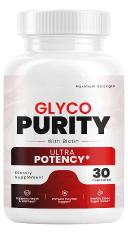
Glyco Purity blood sugar support supplement is a nutritional wellness product designed for individuals who want to support healthy blood sugar levels and maintain overall metabolic health as part of a balanced lifestyle. Maintaining normal blood glucose levels is an important aspect of general wellness because glucose provides the body with energy needed for everyday activities. With changing food habits, busy schedules, and limited physical activity, many people are becoming more interested in nutritional products that complement their daily health routines. Glyco Purity blood sugar support supplement may appeal to consumers looking for a convenient way to add nutritional support to their wellness journey. Blood sugar management involves several factors, including healthy eating, regular exercise, proper hydration, quality sleep, and appropriate medical care. Dietary supplements can provide additional nutritional ingredients that may support normal metabolic functions, depending on their formulation. Ingredients commonly found in blood sugar support formulas include chromium, cinnamon extract, bitter melon, berberine, and other plant-based compounds. Chromium is an essential mineral that contributes to normal macronutrient metabolism, while cinnamon and bitter melon are botanical ingredients that have attracted scientific interest for their potential relationship with metabolic wellness. However, the actual ingredients and quantities in Glyco Purity should always be checked on its official product label before making a purchasing decision. One reason consumers may consider Glyco Purity blood sugar support supplement is the convenience of incorporating a nutritional product into an established daily routine. People who are interested in maintaining their overall wellness often look for products with clearly identified ingredients and straightforward serving instructions. A responsible approach also involves understanding that supplements work differently for different individuals and cannot guarantee specific health outcomes. Alongside any nutritional supplement, maintaining a balanced diet is essential. Eating fiber-rich vegetables, whole grains, legumes, nuts, and other nutritious foods can contribute to a healthy eating pattern. Reducing excessive added sugar, limiting highly processed foods, and maintaining regular physical activity are also important lifestyle choices. Consumers considering Glyco Purity should review the product information, ingredient list, manufacturing standards, and recommended serving size carefully. Purchasing from reliable sources and avoiding unrealistic claims can help support better buying decisions. Individuals with diabetes, those taking blood sugar-lowering medication, pregnant individuals, and people with existing medical conditions should consult a qualified healthcare professional before using a new supplement. This is important because certain nutritional and herbal ingredients may interact with medications or influence blood glucose levels. Glyco Purity should not replace prescribed diabetes medication, professional medical guidance, or regular blood glucose monitoring. Ultimately, Glyco Purity blood sugar support supplement can be explored as a potential addition to a broader nutritional wellness routine, provided its formulation is suitable for the individual. Combining informed supplement choices with nutritious meals, regular exercise, sufficient sleep, and professional healthcare guidance offers a more responsible approach to supporting long-term metabolic wellness. https://glycopurity.org/
指間閃耀的精緻戒指總是能為日常穿搭增添無限優雅與浪漫情懷,而作為傳遞心意的禮物,它不僅承載著深刻的美好寓意,更是許多人在挑選生日或紀念日贈禮時的熱門選擇。
適合作為禮物的設計與特點
挑選精美配飾作為贈禮時,戒指往往能帶來比一般飾品更貼心且專屬的驚喜感。知名品牌 Swarovski 的戒指系列風格多樣,從簡約流暢的單圈線戒到鑲滿璀璨人工水晶的華麗造型應有盡有,其精湛的切面工藝在光線下閃爍著迷人光芒,非常適合用來表達珍視與祝福。
挑選款式與尺寸的關鍵注意事項
在決定將戒指作為禮物送人之前,最需要謹慎拿捏的是對方的指圍大小與日常穿搭風格。如果無法事先準確測量戒圍,挑選時建議以帶有開口設計或尺寸調節空間的款式為主,或是透過觀察對方平時佩戴的飾品來判斷其喜好,避免買到尺寸不合卻難以修改的款式。
材質維護與日常佩戴建議
由於這類精緻飾品多以合金電鍍並搭配精細鑲嵌工藝製成,結構相對細緻,贈禮時也可以貼心地向對方提醒日常保養常識。建議在洗手、洗澡或接觸化學洗劑前將戒指取下,並單獨收納於乾燥陰涼處,這樣不僅能延長飾品的使用壽命,也能讓這份心意常保光彩。
官方挑選指南與贈禮總結
挑選一枚合適的戒指作為禮物,能為重要時刻留下深刻美好的回憶。如果想進一步瀏覽最新的設計款式或確認詳細的戒圍對照表,建議直接前往 施華洛世奇官網 尋找靈感,挑選出最符合收禮者品味的 施華洛世奇 精美飾品,讓每一次的贈禮都充滿質感與溫度。
The Butyric Acid Market is expanding quickly as feed, food, and pharmaceutical makers seek out useful short-chain fatty acids. It was worth US$ 183.48 Million in 2021 and is projected to reach US$ 484.55 Million by 2028. This implies a CAGR of 14.9% from 2021 to 2028. Butyric acid is a colorless liquid with a sharp smell, yet it supports products ranging from animal nutrition to flavors and medicines.
What Is Driving the Market?
Animal feed is the biggest driver. Butyric acid supports gut health and healthy growth in livestock. For decades, feed makers have used it to help animals digest food and absorb nutrients. Today it is a first-choice alternative to antibiotics for broiler, layer, turkey, and swine producers, as the feed industry works to cut antibiotic use.
Rising meat demand adds fuel. Population growth, higher incomes, and urban living are pushing people toward more animal protein. That means more livestock farms, more feed, and more feed additives. Across 2022 to 2028, the total addressable market is sized at about US$ 2,325.90 Million.
Get a Sample Report https://www.theinsightpartners.com/sample/TIPRE00015611
The pharmaceutical industry is another source of demand. Butyric acid is a short-chain fatty acid linked with better digestive health, and drug makers keep finding new uses for it. There is also rising interest in using it as a building block for biofuels. This could open fresh doors in the years ahead. Challenges remain, however. Raw material prices can swing, and the pandemic showed how quickly supply chains can be disrupted. Supply was restored after the early shocks, and the market is regaining its stride.
Which Segment Leads?
By source, the report separates renewable and synthetic butyric acid. Synthetic butyric acid held the larger share, at 50.6% in 2020. It is used widely in printing inks, disinfectants, flavors, medicines, perfumes, esters, and food additives. Its reliable supply and broad use keep it on top. Renewable butyric acid is the segment to watch, as buyers look for bio-based and sustainable ingredients.
By application, the report covers printing inks, animal feed, food flavors and fragrances, chemical intermediates, pharmaceuticals, and others. Animal feed is expected to grow the fastest, at a CAGR of 15.4%. Poultry and swine feed makers value butyric acid for better digestibility, stronger resistance to harmful bacteria, and improved growth in young animals. Food flavors and fragrances, chemical intermediates, and printing inks add steady demand.
Which Region Leads?
Asia Pacific led the market with a 37.6% share in 2020, and it is poised to grow at a CAGR of 15.3%. The region is home to fast-developing economies such as China and India. Rising incomes and growing health awareness are lifting demand for quality meat, which means more livestock farms and more feed. The United States market is projected to grow at a CAGR of 15.2%. North America benefits from a strong feed industry and a growing interest in antibiotic alternatives. Europe, South and Central America, and the Middle East and Africa are also covered, each offering room for growth as feed and food industries expand.
Which Companies Are Prominent?
- Eastman Chemical Company
- OQ Chemicals GmbH
- Tokyo Chemical Industry Co., Ltd.
- Perstorp Holding AB
- Alfa Aesar
- MERCK KGaA
- Vigon International, LLC.
- Hefei TNJ Chemical Industry Co.,Ltd.
- KUNSHAN ODOWELL CO., LTD
- Yufeng International Co.,Ltd
This group mixes global chemical leaders with focused specialty suppliers. Eastman, OQ Chemicals, and Perstorp bring large-scale production. Merck, Alfa Aesar, and Tokyo Chemical Industry serve laboratory and high-purity needs. Vigon International is known in flavors and fragrances. Several Chinese producers add regional strength.
Players compete on quality, consistency, and service. They also invest in new offerings to meet customer needs. As feed and pharmaceutical buyers ask for higher purity and reliable delivery, firms with strong supply chains and technical support should hold an advantage.
What Is Changing in the Market?
The shift away from antibiotics in animal farming is the biggest change. Producers want safe, natural-feeling additives that keep animals healthy, and butyric acid fits that need. Retailers and consumers are also asking tougher questions about how meat is raised, which pushes the whole chain toward cleaner practices.
Sustainability is another theme. Interest in renewable butyric acid and in biofuel uses is growing. Producers who can make the acid from renewable sources may attract buyers who want greener ingredients and lower environmental impact.
What Are the Investment Opportunities?
Animal feed offers the clearest opportunity. Strong meat demand, especially in Asia Pacific, will keep feed additives in demand for years. Companies that offer high-quality feed-grade products and good technical advice can build loyal customers.
Renewable production is a second opening. Bio-based routes can appeal to feed, food, and chemical buyers who want sustainable supply. Pharmaceutical uses and biofuel precursors add longer-term upside.
With a 14.9% CAGR, the market is on track to grow by more than two and a half times by 2028. Firms that expand capacity, secure raw materials, and invest in renewable options are well placed to share in that growth.
FAQs
- What is the key driver for the growth of the Butyric Acid Market?
Growing demand from the animal feed sector is a major driver, as butyric acid supports gut health and animal performance and serves as an alternative to antibiotics.
- Which region is expected to grow the fastest?
Asia Pacific is expected to grow at the fastest CAGR of 15.3% as livestock farms and feed consumption increase.
- Which source segment held the largest share?
Synthetic butyric acid held the largest share, at 50.6% in 2020.
- Who are the major players in the market?
Major players include Eastman Chemical Company, OQ Chemicals GmbH, Tokyo Chemical Industry Co., Ltd., Perstorp Holding AB, Alfa Aesar, and MERCK KGaA, among others.
Related Reading / Reports
Explore additional research from The Insight Partners covering related chemicals and materials markets:
- Oleochemicals Market — looks at chemicals made from natural fats and oils, including fatty acids.
- Polyoxyethylene Hydrogenated Castor Oil Market — covers a plant-based ingredient used in pharmaceutical and cosmetic products.
- Synthetic Ester Lubricants for the Telecommunications Market — explores specialty synthetic esters in network equipment.
Contact US
For any queries, reach out to us:
Phone: +1-646-491-9876
E-mail: sales@theinsightpartners.com
Also Available in : Korean | German | Japanese | French | Chinese | Italian | Spanish
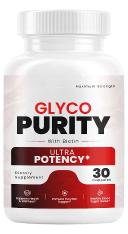
Glyco Purity Blood Sugar Support Supplement is a dietary supplement designed to support healthy blood sugar levels, glucose metabolism, and overall metabolic wellness. Maintaining balanced blood sugar is an important part of everyday health because glucose provides energy that the body needs to perform essential functions. People interested in blood sugar support often explore nutritional supplements that may complement a healthy lifestyle and support normal metabolic processes. Glyco Purity is one product to consider when researching options for maintaining healthy glucose levels and promoting general wellness. Before using any supplement, understanding its ingredients, formulation, recommended serving size, and manufacturer information is essential. Blood sugar support supplements may contain different vitamins, minerals, plant extracts, and other nutritional ingredients, depending on their formulation. Each ingredient has its own characteristics, and its potential benefits should be evaluated using reliable scientific evidence. Glyco Purity Blood Sugar Support Supplement should be considered as a possible addition to a balanced wellness routine rather than a replacement for healthy habits or medical care. A nutritious diet plays an important role in supporting metabolic health. Eating vegetables, whole grains, fiber-rich foods, lean proteins, and healthy fats can help establish balanced eating habits. Limiting excessive added sugar and highly processed foods may also contribute to better overall nutrition. Regular physical activity is another important lifestyle factor because movement supports the body's ability to use glucose for energy. Walking, cycling, swimming, and other enjoyable activities can contribute to general fitness and metabolic wellness. Getting sufficient sleep, drinking enough water, and managing everyday stress are also valuable habits. People researching Glyco Purity reviews should carefully examine available product information, ingredient transparency, customer experiences, and manufacturing standards before making a purchasing decision. It is important to remember that individual experiences with dietary supplements can vary, and no product can guarantee specific blood sugar results. Consumers should avoid relying exclusively on advertising statements or testimonials when evaluating a supplement. Anyone living with diabetes, prediabetes, or another medical condition should consult a qualified healthcare professional before starting Glyco Purity or any other blood sugar support supplement. This is especially important for individuals taking insulin or glucose-lowering medication because certain supplement ingredients may interact with treatment or affect blood glucose levels. A healthcare professional can help determine whether a particular supplement is suitable and whether additional monitoring is necessary. Glyco Purity should never replace prescribed medication, professional medical advice, or recommended diabetes management. Checking the official product label for ingredients, warnings, dosage instructions, and quality information is an important step before use. Overall, Glyco Purity Blood Sugar Support Supplement is a nutritional product worth researching for individuals interested in blood sugar support and metabolic wellness. Combining informed supplement choices with balanced nutrition, regular exercise, adequate sleep, and appropriate healthcare guidance can help support a healthier lifestyle and long-term well-being. https://glycopurity.org/